

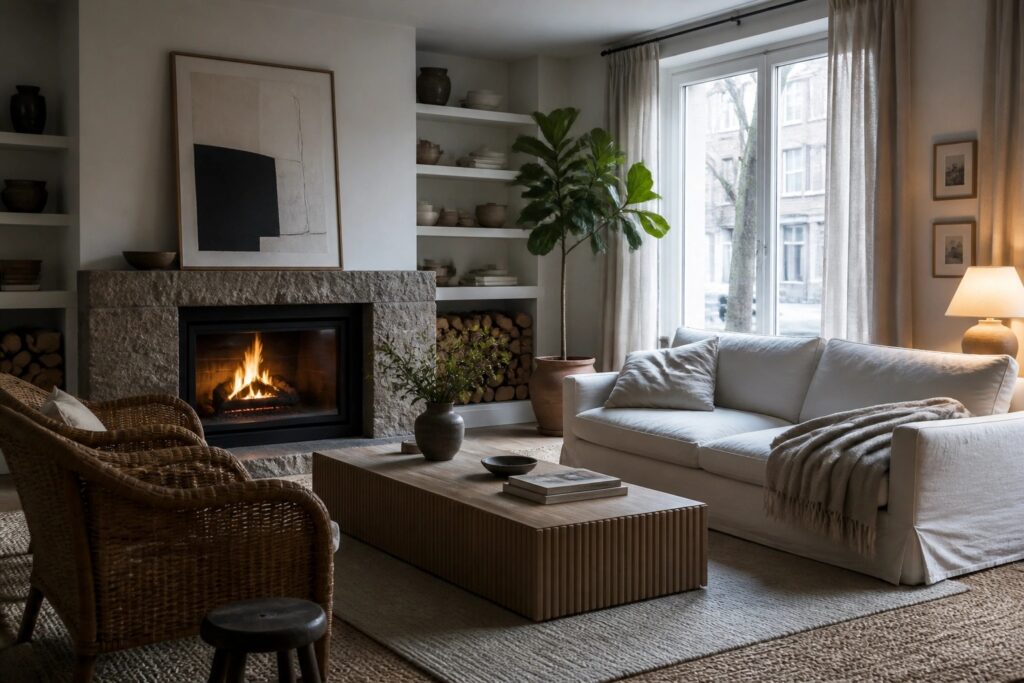
In living rooms where the fireplace serves as the center, the real challenge comes down to arranging seats so everyone stays warm and connected without crowding the hearth.
I have found that even simple shifts like angling two chairs toward each other can change how the whole room feels during evenings.
Thinking through scale helps too, since oversized sofas can swallow the space and make the fire feel distant.
Layout matters more than the mantel style.
Ideas that cluster seating in a loose circle tend to hold up better once people start using the room every day.
Built-In Shelves Beside the Fireplace
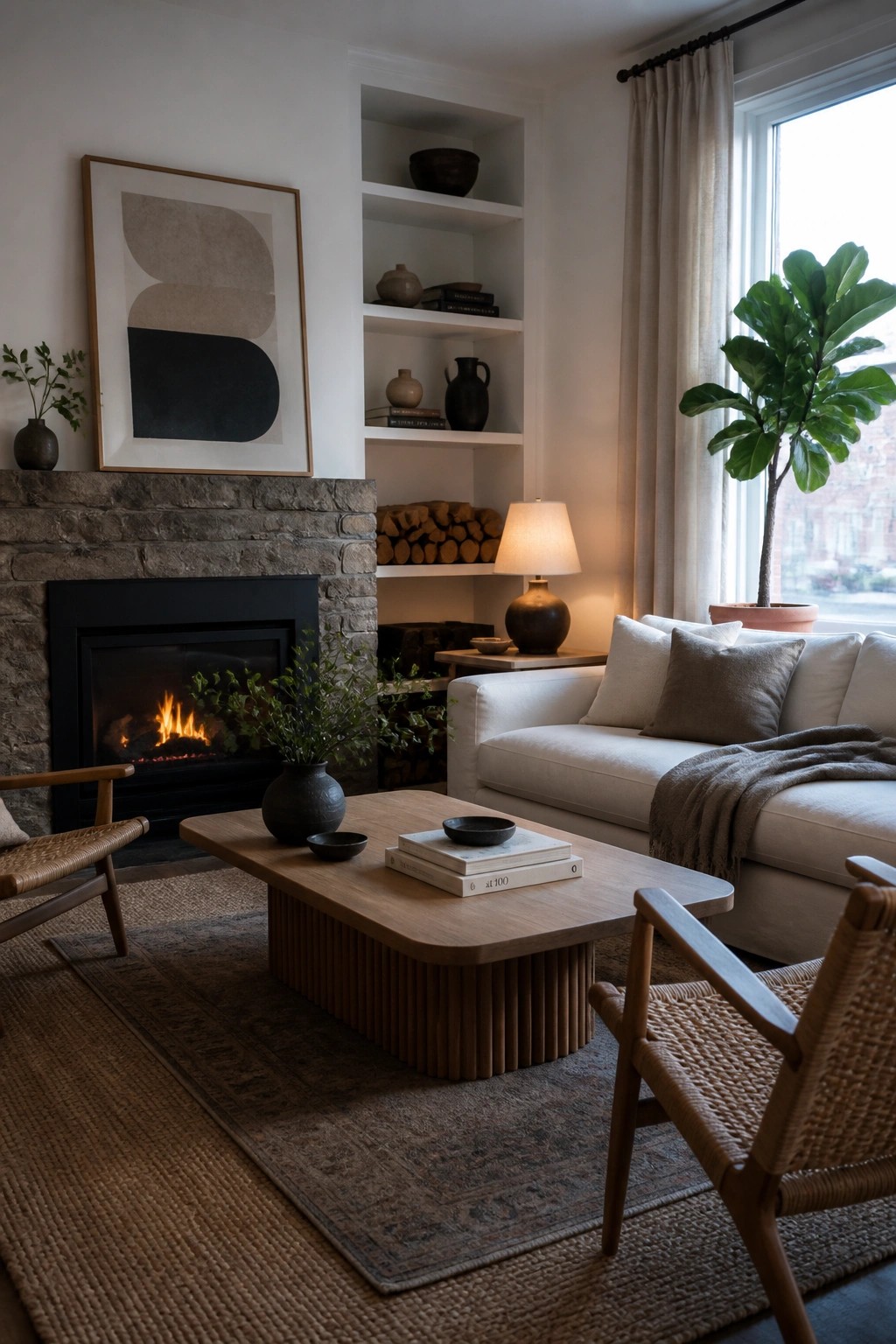
Built-in shelves next to a fireplace give the whole seating area a more finished look without much effort. They turn the fireplace into a stronger focal point and add practical storage for books or a few simple objects. This keeps the mantel clear and leaves more room for the seating to feel comfortable and open.
The approach works best in rooms where you want storage but do not want extra standalone furniture crowding the space. Place the shelves on one or both sides of the firebox and keep the styling light so the area stays balanced. It suits homes that already have some built-in character or are adding it during a renovation.
Seating Grouped Around The Fireplace
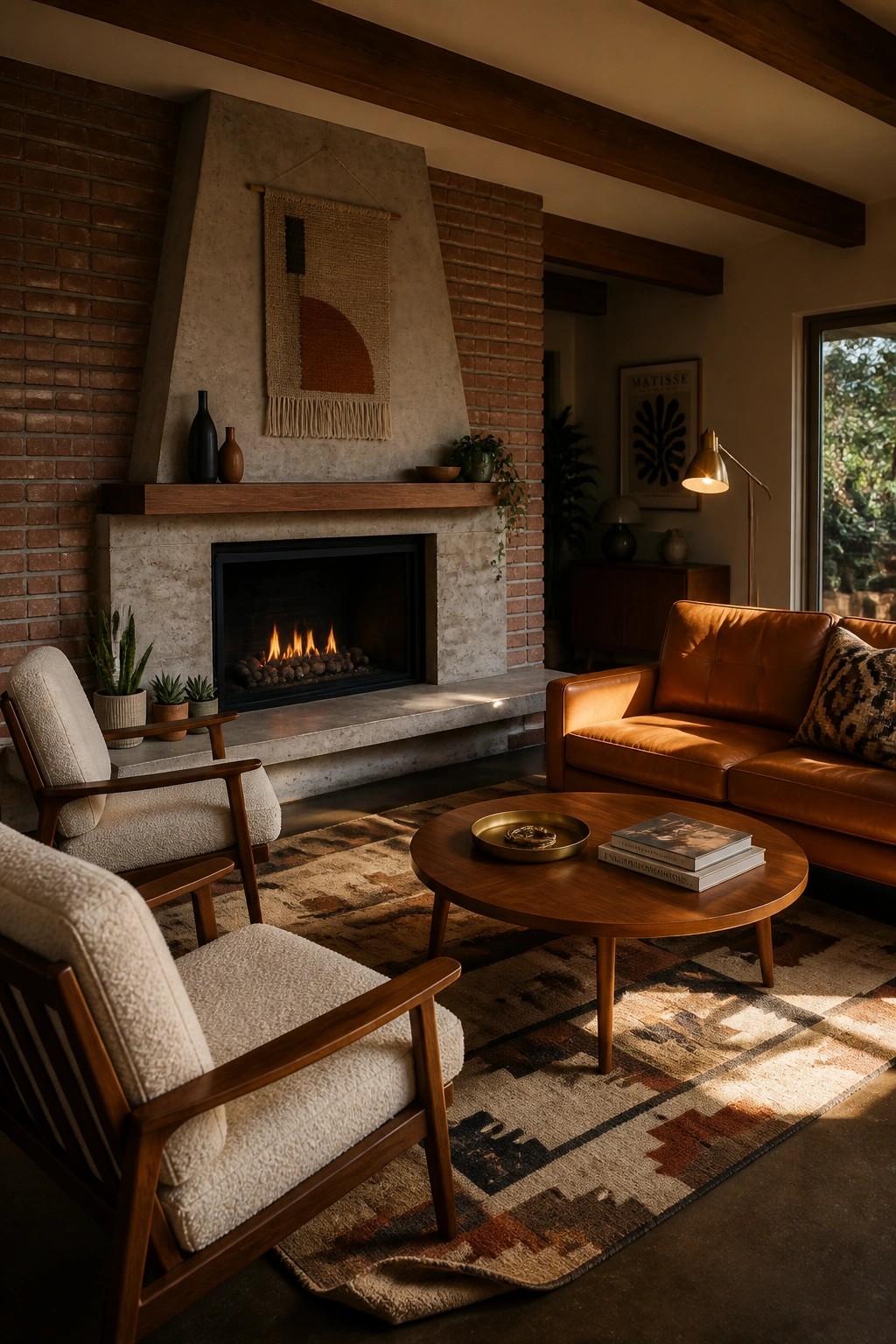
Placing the main seats close to the fireplace keeps the room feeling centered and easy to use. The sofa and chairs face the fire without crowding it, which makes the whole space feel more relaxed and ready for conversation.
This layout works best in rooms where people actually spend time near the hearth. Keep the coffee table low and the paths around the seats clear so the area stays open and comfortable.
Group Seating Around The Fireplace
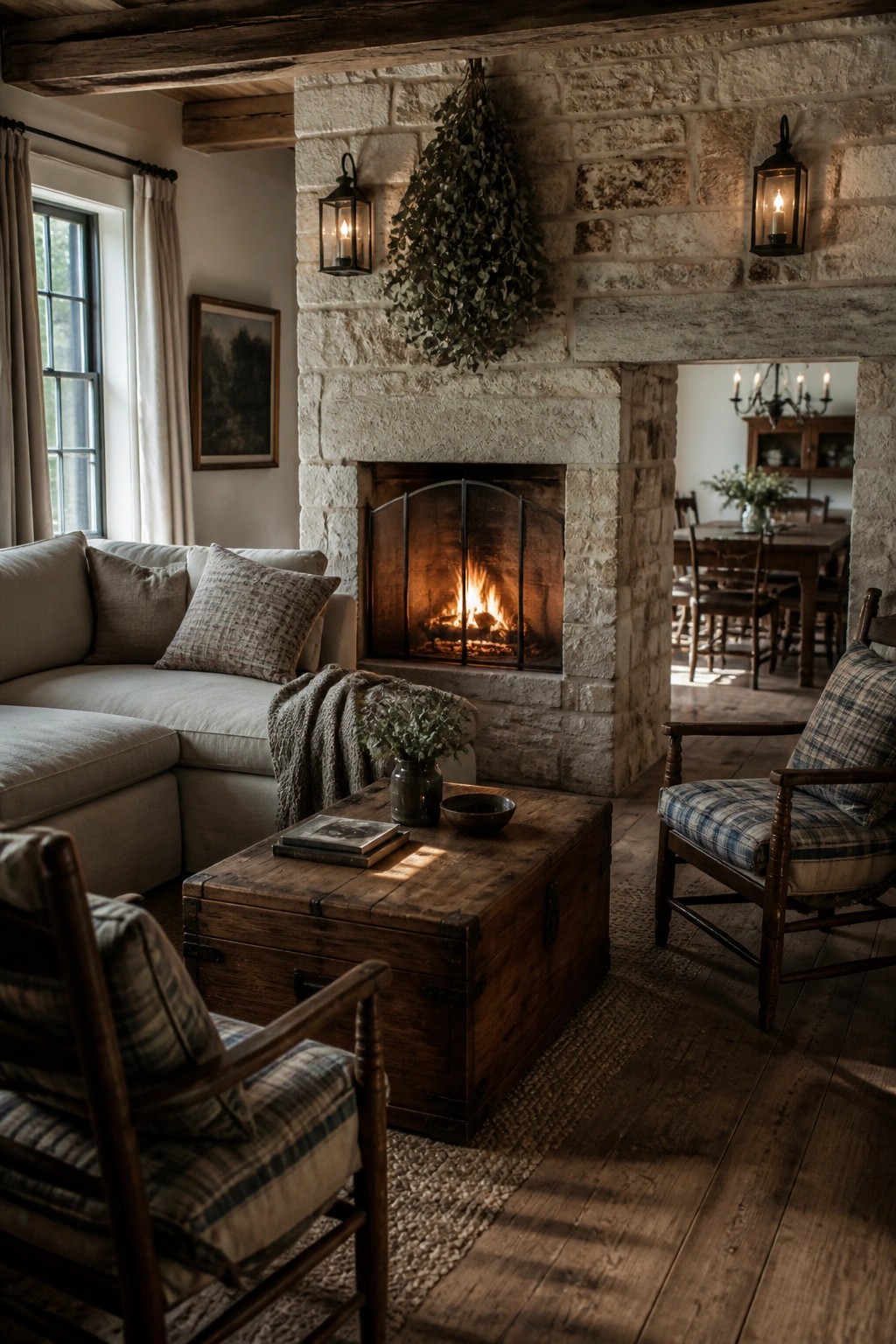
Many living rooms feel more comfortable when the main seats all face the fire instead of spreading out in different directions. This layout keeps everyone close to the warmth and makes conversation easier without anyone having to turn around.
It suits older homes or spaces with a big stone fireplace as the main feature. Place a sofa on one side and add a pair of chairs on the other so the arrangement stays balanced and practical for daily use.
Arranging Sofa and Chairs Around the Hearth
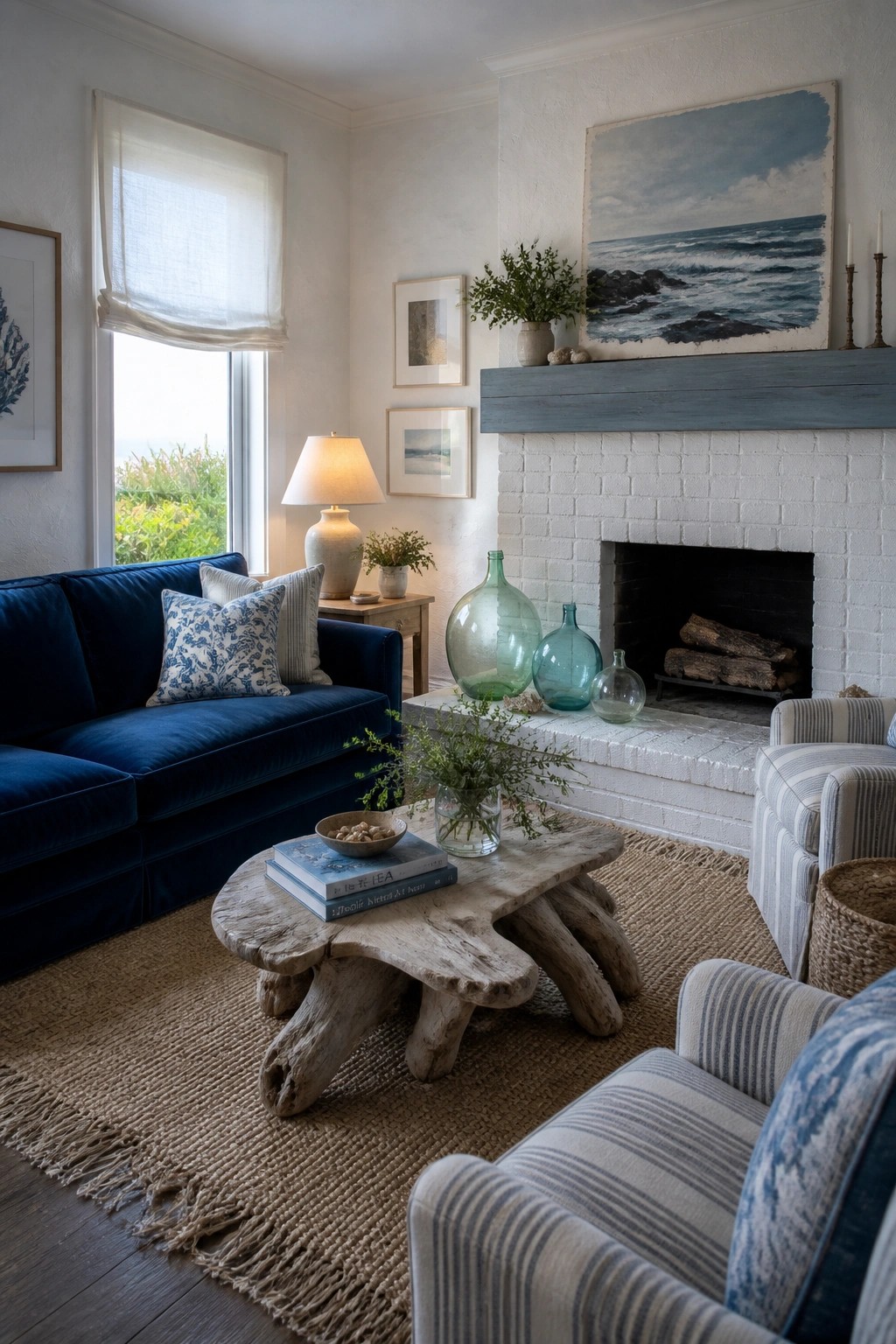
Many living rooms feel more welcoming when a sofa sits on one side of the fireplace and a pair of chairs fills in the other. The mix gives people different spots to settle without crowding the fire itself.
This layout suits rooms that see daily use and already have decent floor space. Keep the table between the seats low so movement stays easy and the fire remains the main draw.
Leather Ottomans In Front Of The Fireplace
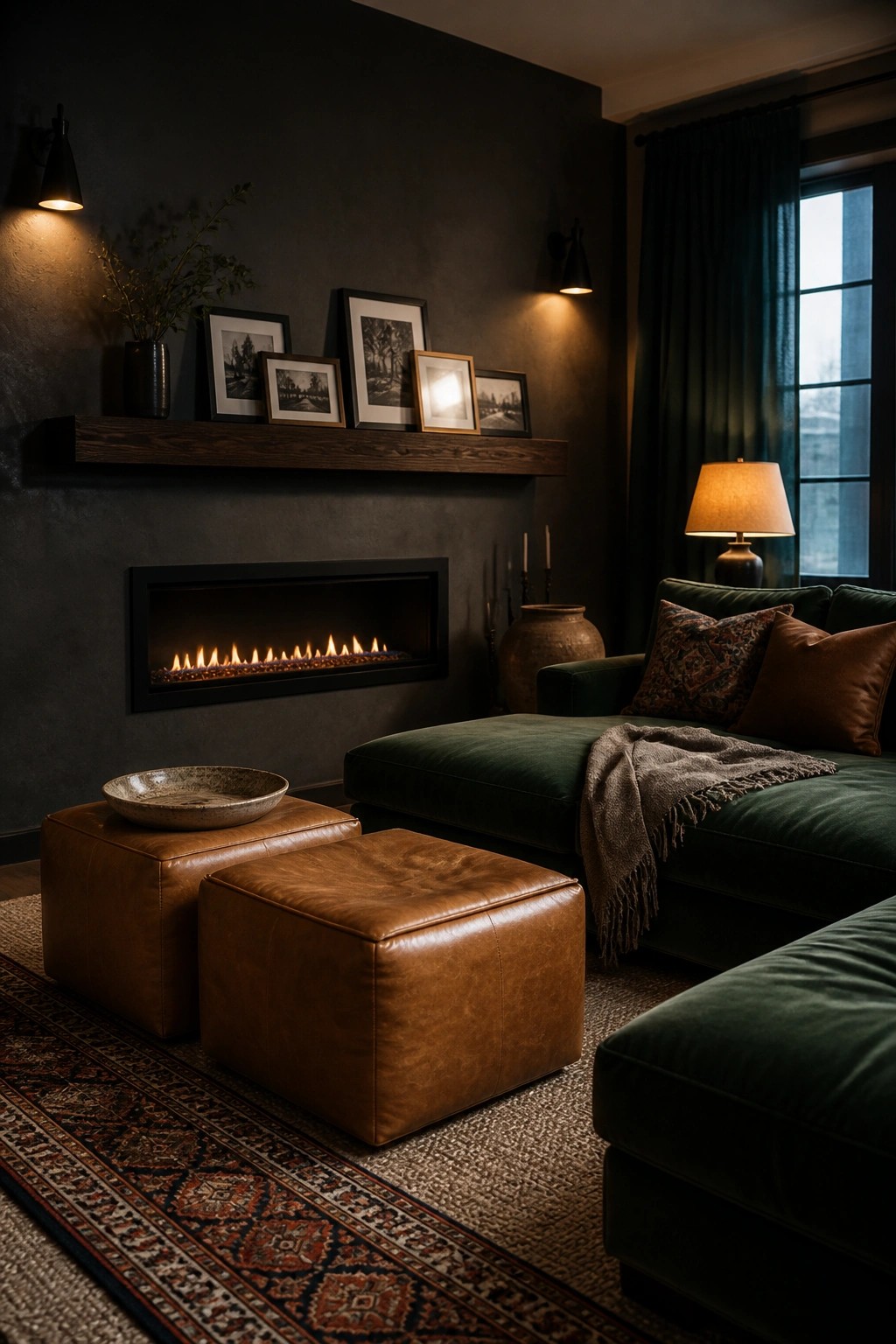
Placing a pair of leather ottomans right in front of the fireplace gives the room extra seating without crowding the view of the fire. The low profile keeps the focus on the flames while still letting people sit close and stay warm.
This works best in living rooms that already have a solid sofa or sectional along one side. The ottomans add flexibility for larger groups and can be shifted around when needed. Just keep the scale modest so the hearth stays the main point.
Curved Seating That Faces the Fireplace
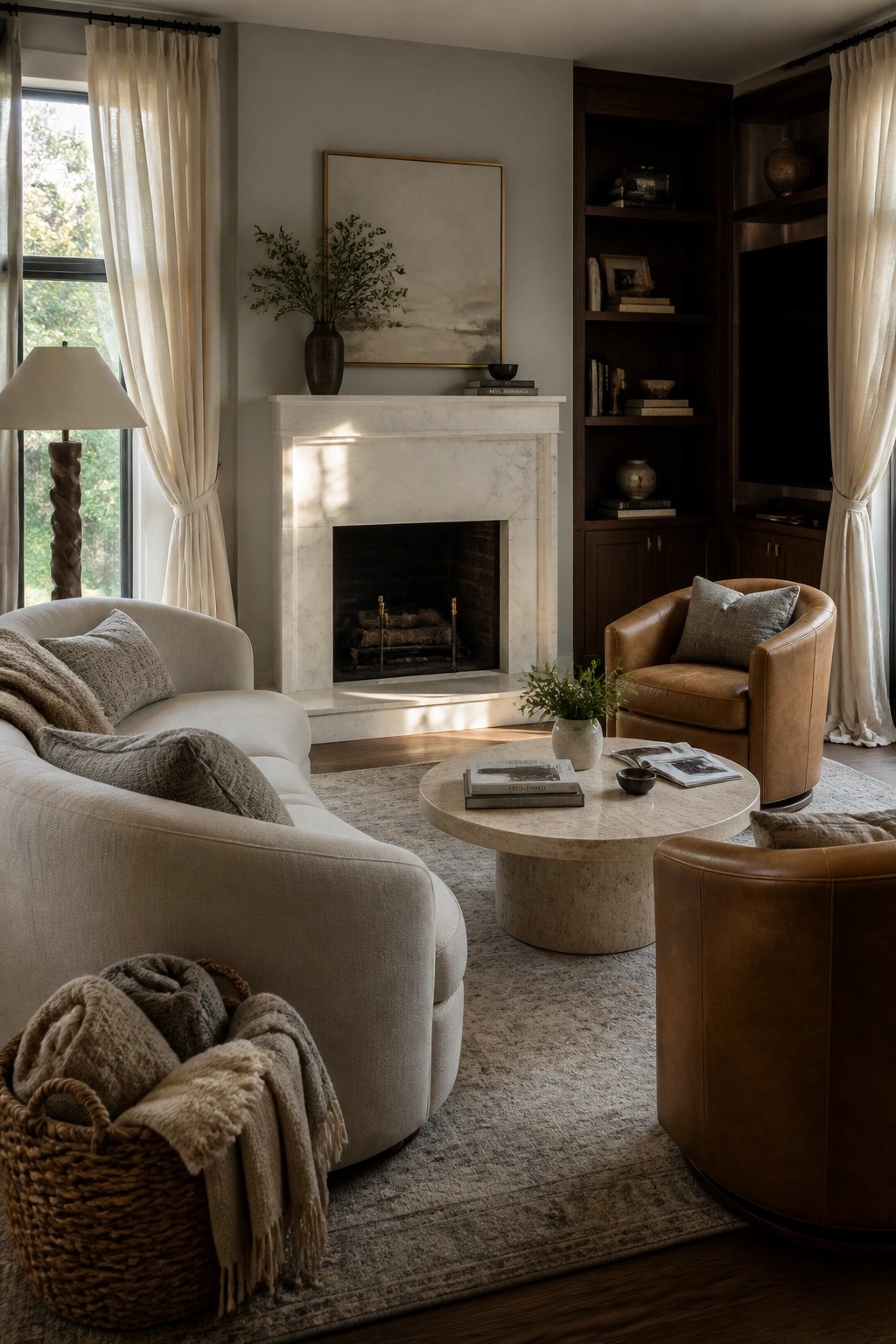
A curved sofa paired with a pair of swivel chairs makes the fireplace the clear center of the room. The shape lets everyone sit at a comfortable angle without needing to twist around, and the mix of soft fabric and leather keeps the space from feeling too stiff or too formal.
This layout works best in rooms that have enough floor space for the sofa to arc naturally. Place the chairs at slight angles so they still face the fire but open up the conversation area. A low round table in the middle helps keep the flow open while giving everyone a place to set things down.
Arrange Comfortable Seating Around The Fireplace
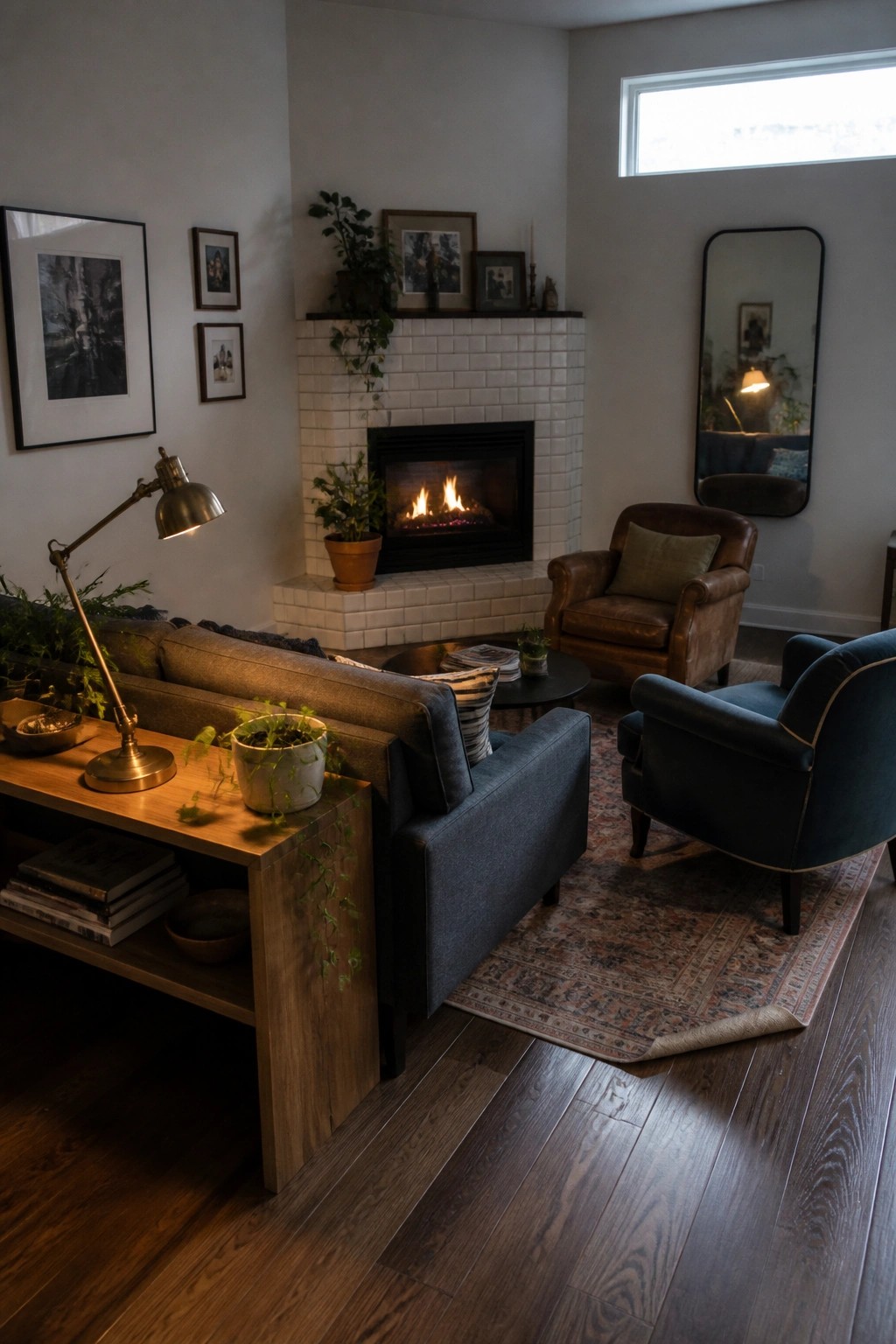
Placing a mix of seating right around the fireplace makes the fire the natural center of the room. A sofa and a couple of chairs pulled close together create spots for people to sit and talk without anyone feeling left out of the warmth.
This setup works well in living rooms that get regular use in the evenings. Keep the pieces on one rug so the area feels connected, and leave enough space between the seats for easy movement. It suits homes where the fireplace is the main feature rather than just background.
Center Seating Around A Big Fireplace
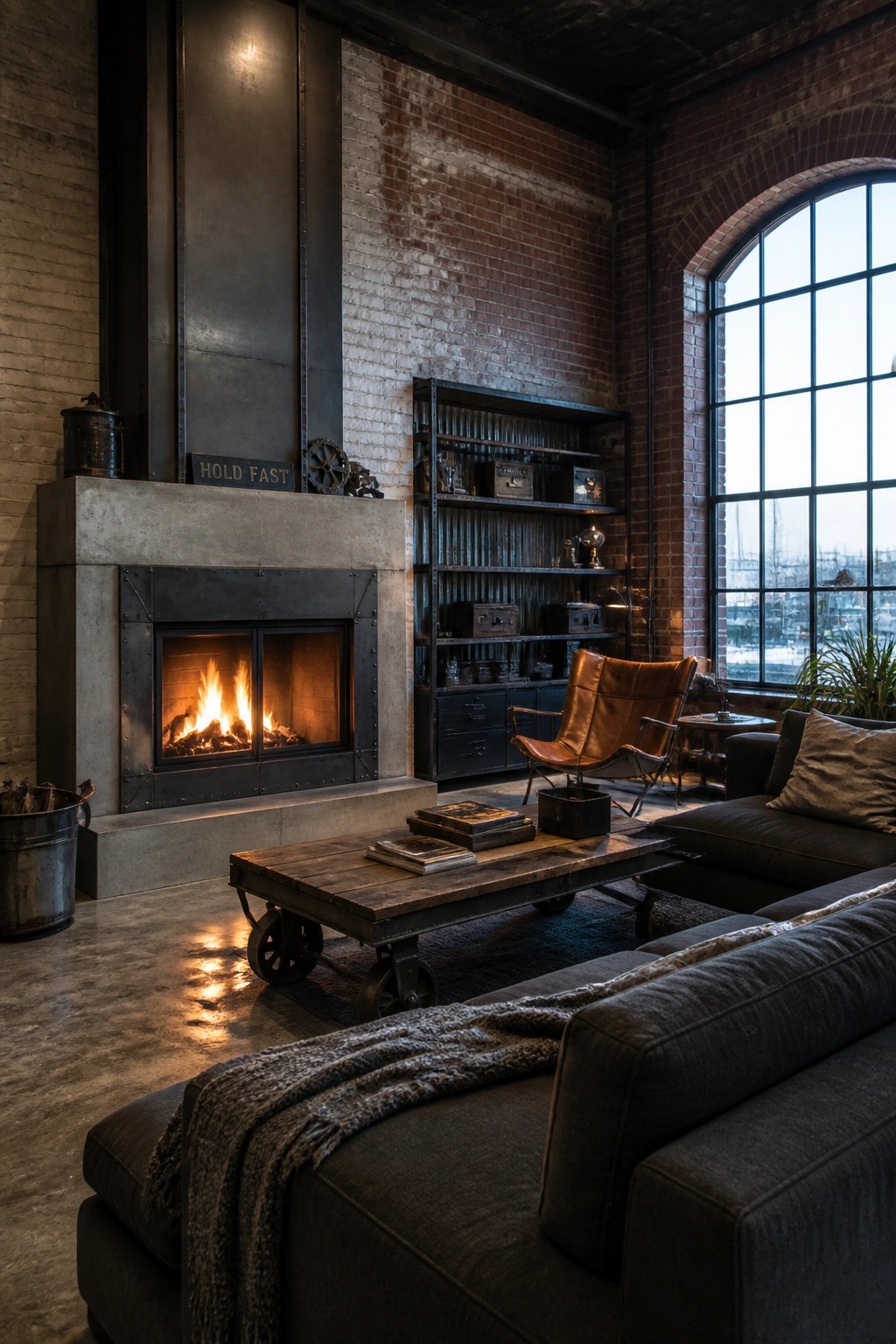
A large fireplace works best when the seating is pulled in close and arranged to face it. This setup turns the fire into the natural center of the room instead of leaving it as just another wall feature.
It suits bigger spaces with high ceilings or mixed materials like brick and concrete. Keep the chairs and sofa low and deep so the fire stays the main focus and the room still feels relaxed rather than stiff.
Cluster Comfortable Seating Around the Fireplace
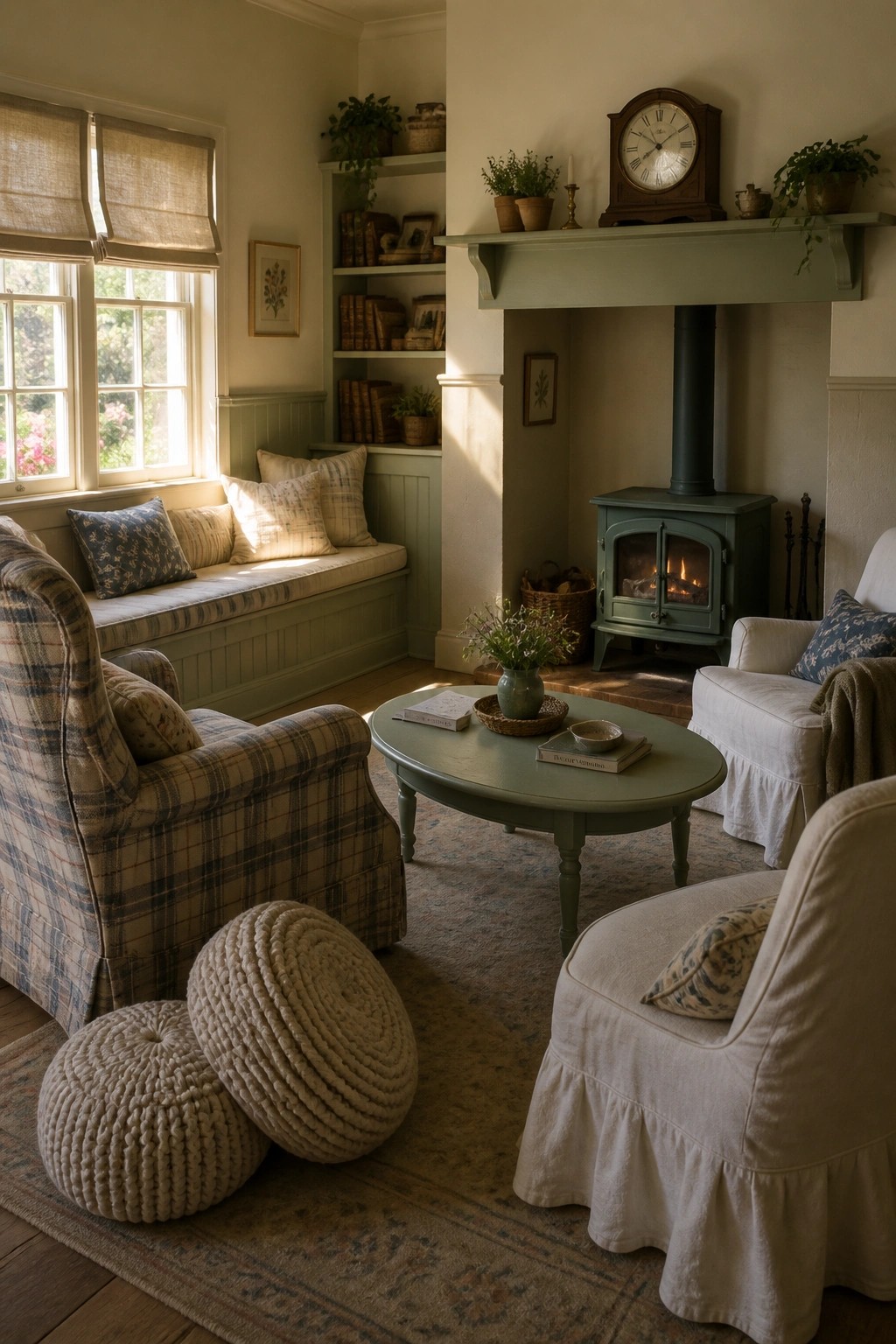
Many living rooms feel warmer when the chairs and other seats are pulled in close to the fire. This layout makes conversation easier and keeps the focus on the hearth instead of spreading everything out along the walls.
It suits smaller rooms or older homes where the fireplace already anchors the space. Mix a few upholstered chairs with lower pieces like poufs so the arrangement stays flexible and easy to adjust for different groups.
Orient Seating Toward the Fireplace
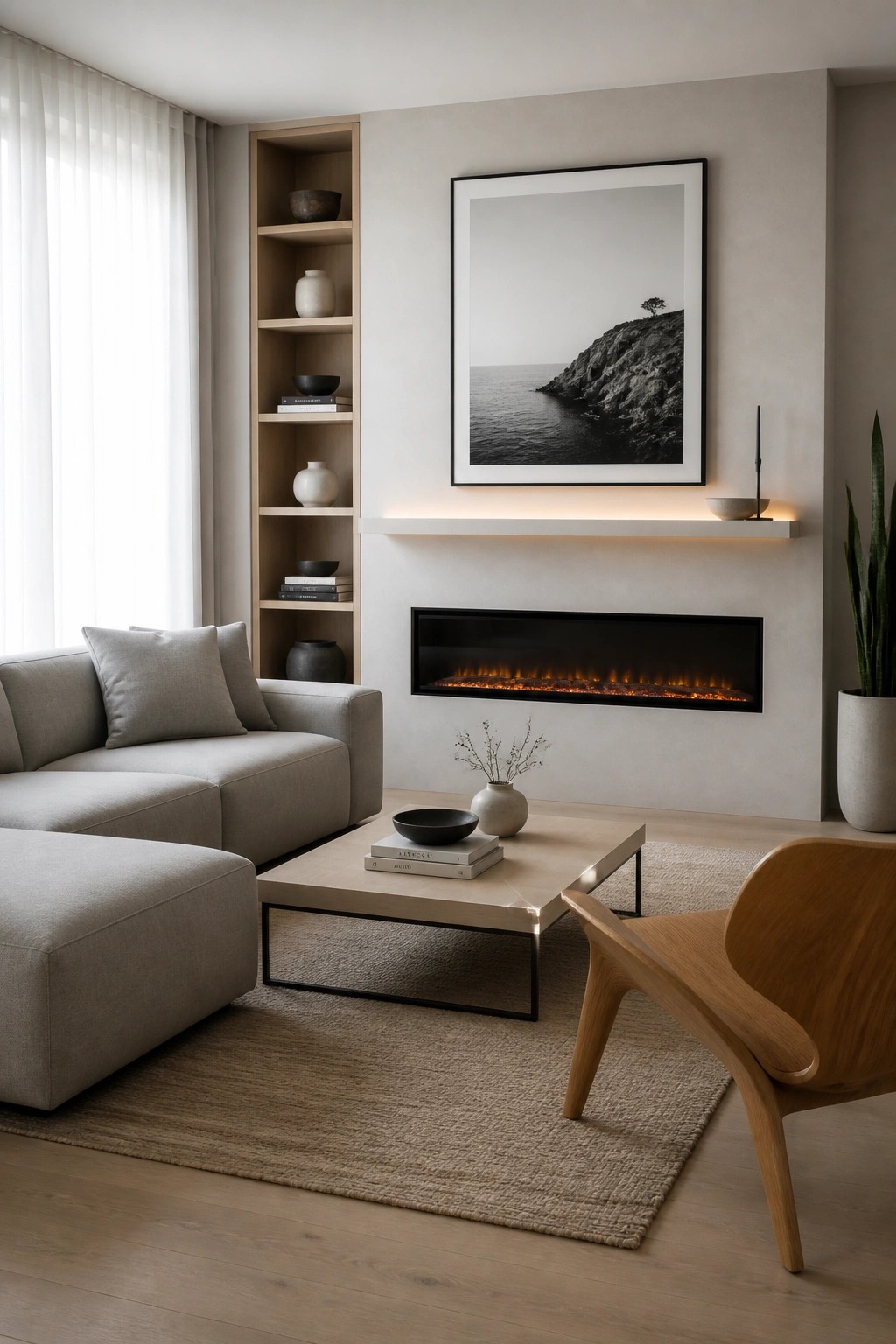
A linear fireplace works best when the seating faces it directly. In this room the sectional sits opposite the fire while a wooden chair pulls in from the side, forming a simple circle that keeps everyone close to the warmth without crowding the wall.
This setup suits rooms where the fireplace is the main feature rather than a side accent. Keep the coffee table low and centered so the path to the seats stays clear and the fire remains the natural focal point.
Seating Arranged Around the Fireplace
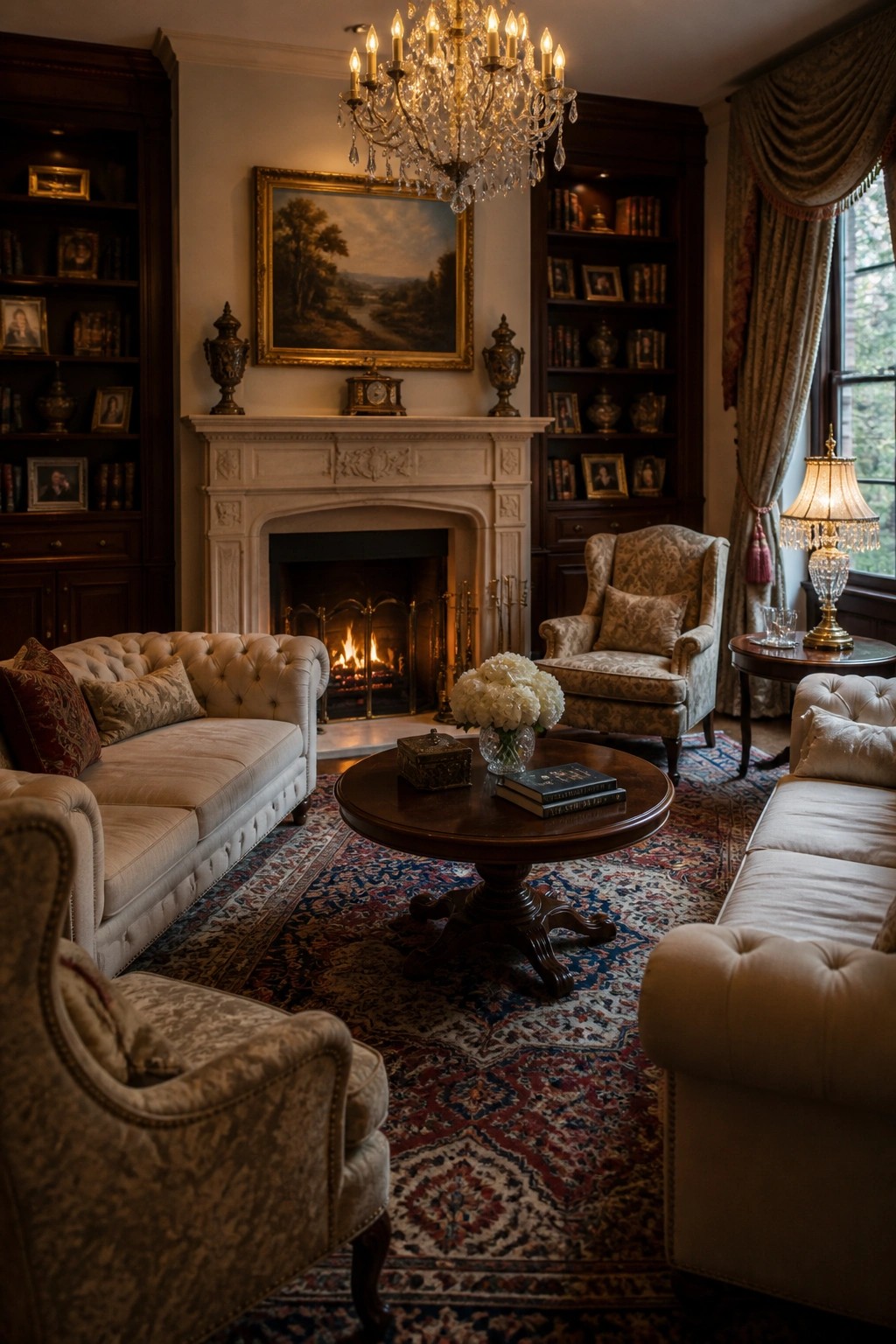
Placing chairs and sofas so they face the fire makes the room feel warmer and more usable on cold nights. The key is keeping the pieces close enough that people can talk without raising their voices, while still leaving room to walk around the coffee table in the middle.
This layout works best in rooms that already have a clear focal wall with the fireplace. Avoid pushing every seat right up against the hearth, since you still need space for feet and occasional tables. A mix of a longer sofa on one side and a couple of armchairs on the other usually feels balanced without crowding the fire.
Layer Floor Cushions Around The Fireplace
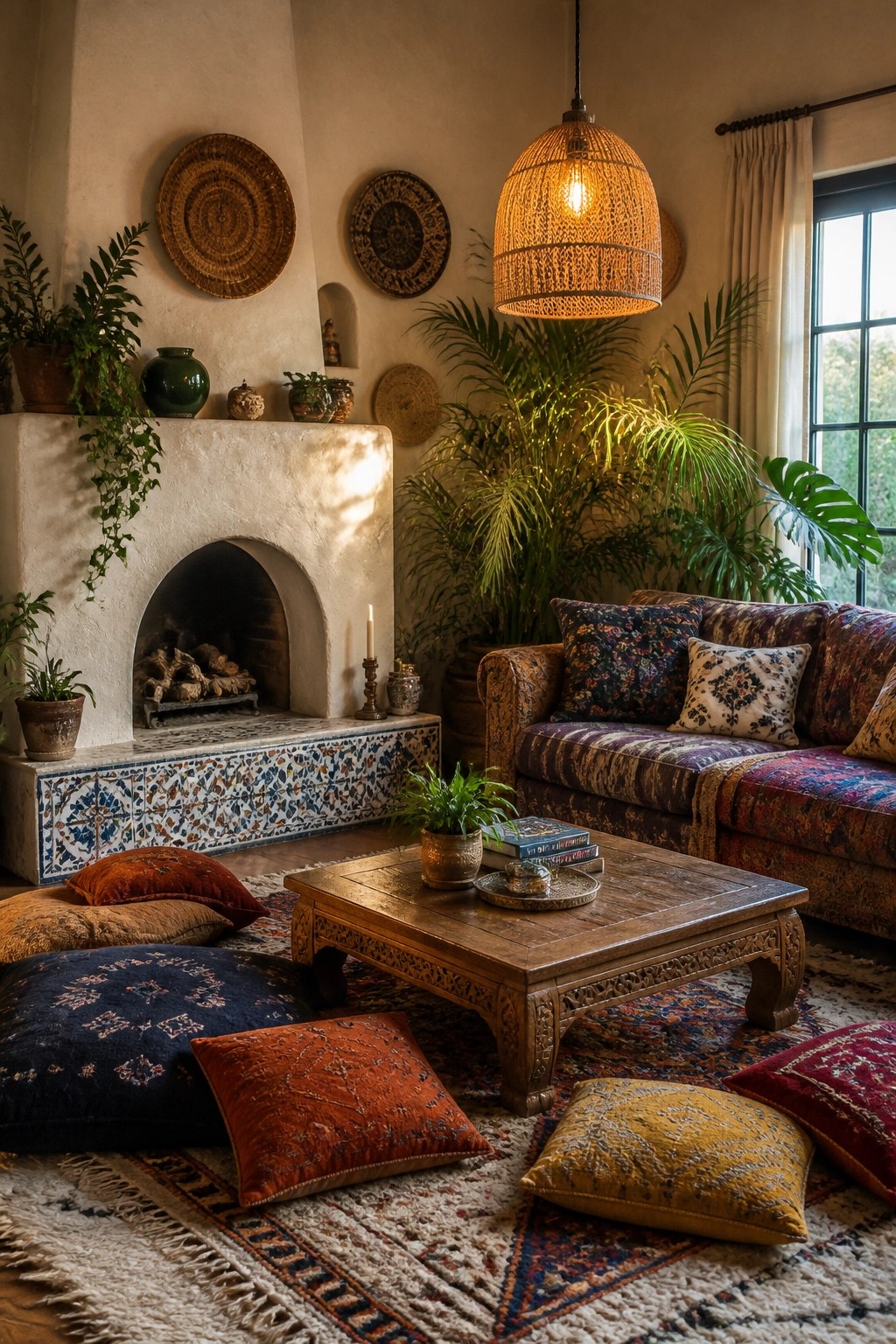
Floor cushions turn the area right in front of the hearth into extra seating without crowding the room. They work especially well when the space already has a big rug, because the cushions feel grounded and still let people sit close to the fire.
This setup suits homes that get a lot of casual use. Keep the cushions in sturdy fabrics so they hold up, and leave enough room for feet to pass through to the sofa behind them.
Arrange Seating to Face the Fireplace
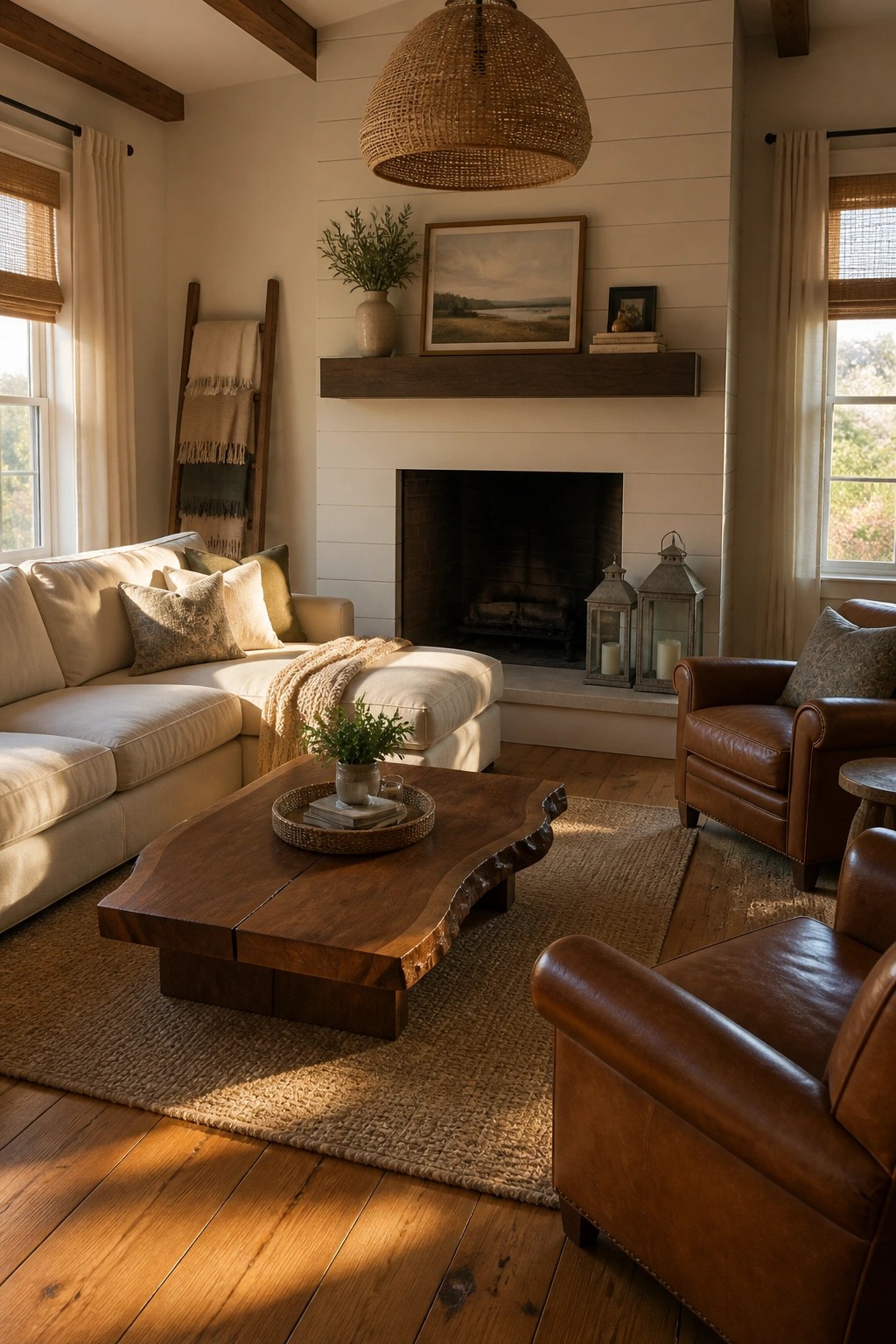
Positioning the main seating so it faces the fireplace helps the room feel pulled together without much effort. The fire becomes the natural point everyone turns toward, and the layout makes it simple to gather and stay awhile.
A large sectional works well on one side with a pair of armchairs opposite it. This setup suits homes that already have a working fireplace and gives people a reason to use the room more often in cooler months.
Sofas Placed On Either Side Of The Fireplace
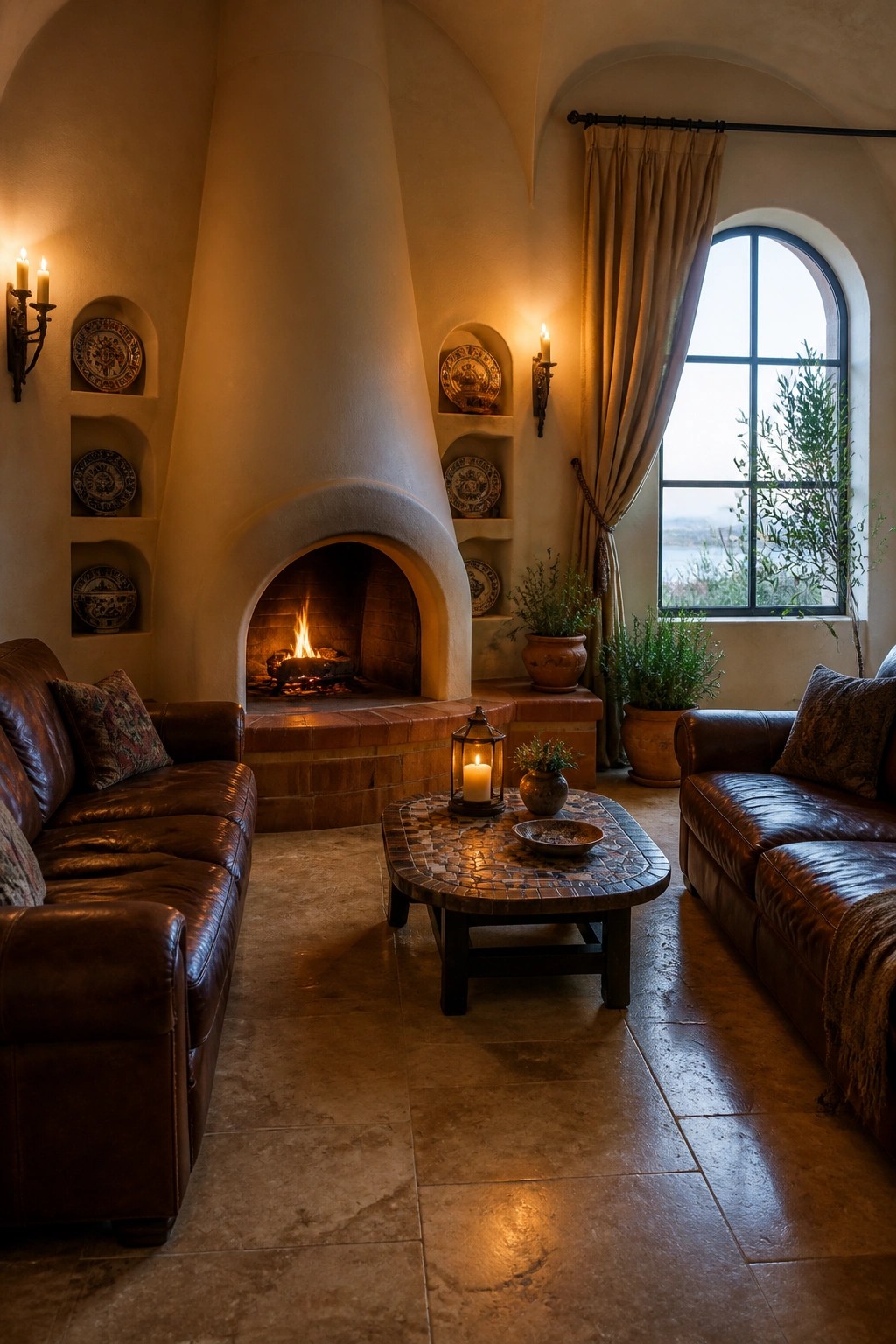
Placing two sofas across from each other with the fireplace in the middle gives the room a clear focus. The setup feels natural for conversation and makes the fire easy to enjoy without anyone craning their neck.
This layout works best in rooms that have enough width to keep the walkway open on both sides. It suits homes that already have a strong fireplace wall, though it helps to keep the coffee table low so the view stays open.
A Chaise Lounge By The Fireplace
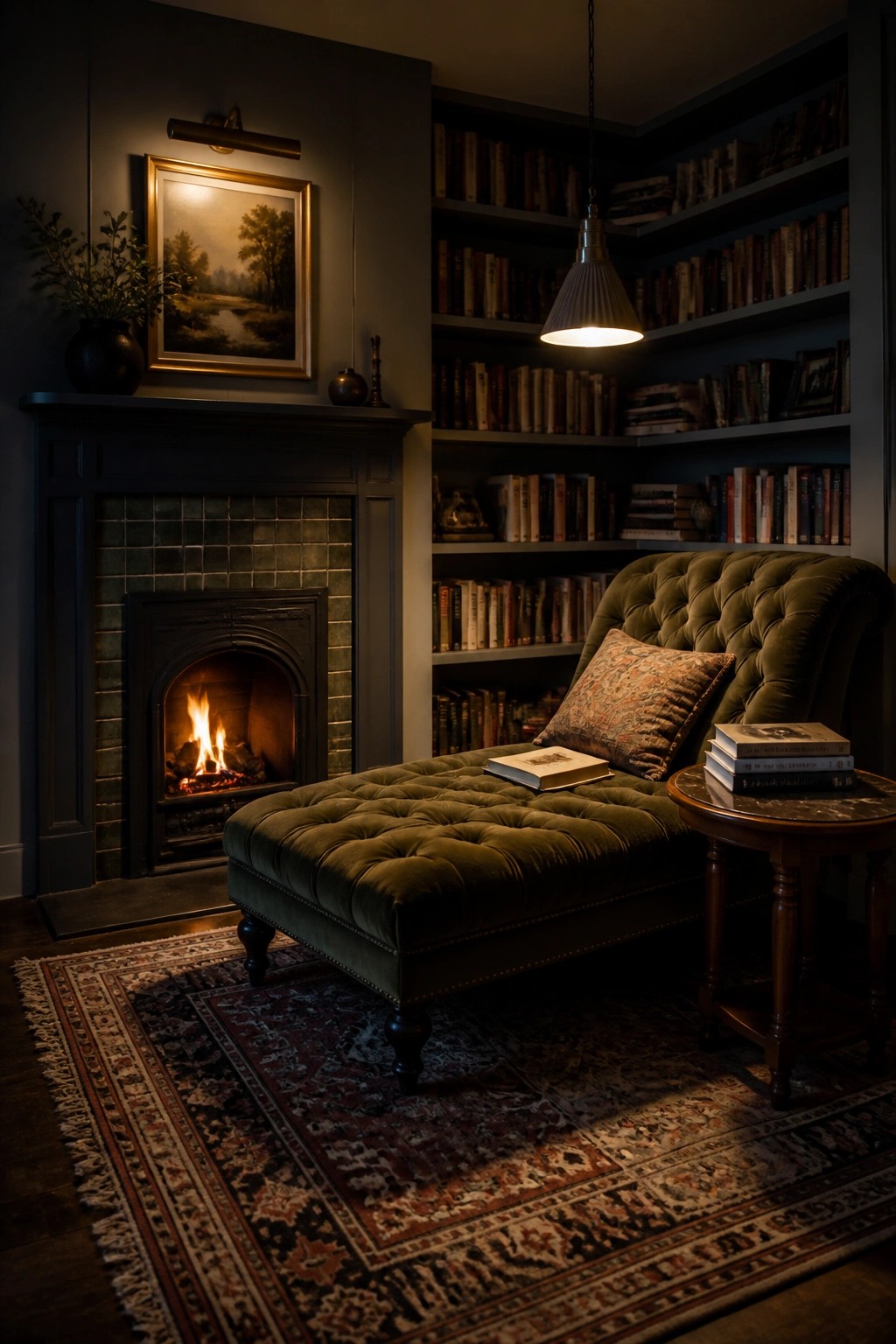
A chaise lounge placed directly in front of the fireplace gives the seating a relaxed, personal feel. It works well when the goal is quiet time rather than group seating, and the low profile keeps the view of the fire open.
This arrangement suits smaller rooms or spaces that already have built in bookshelves. It pairs best with a thick rug underneath to soften the floor and add a bit of warmth underfoot.
Curve Seating Around the Fireplace
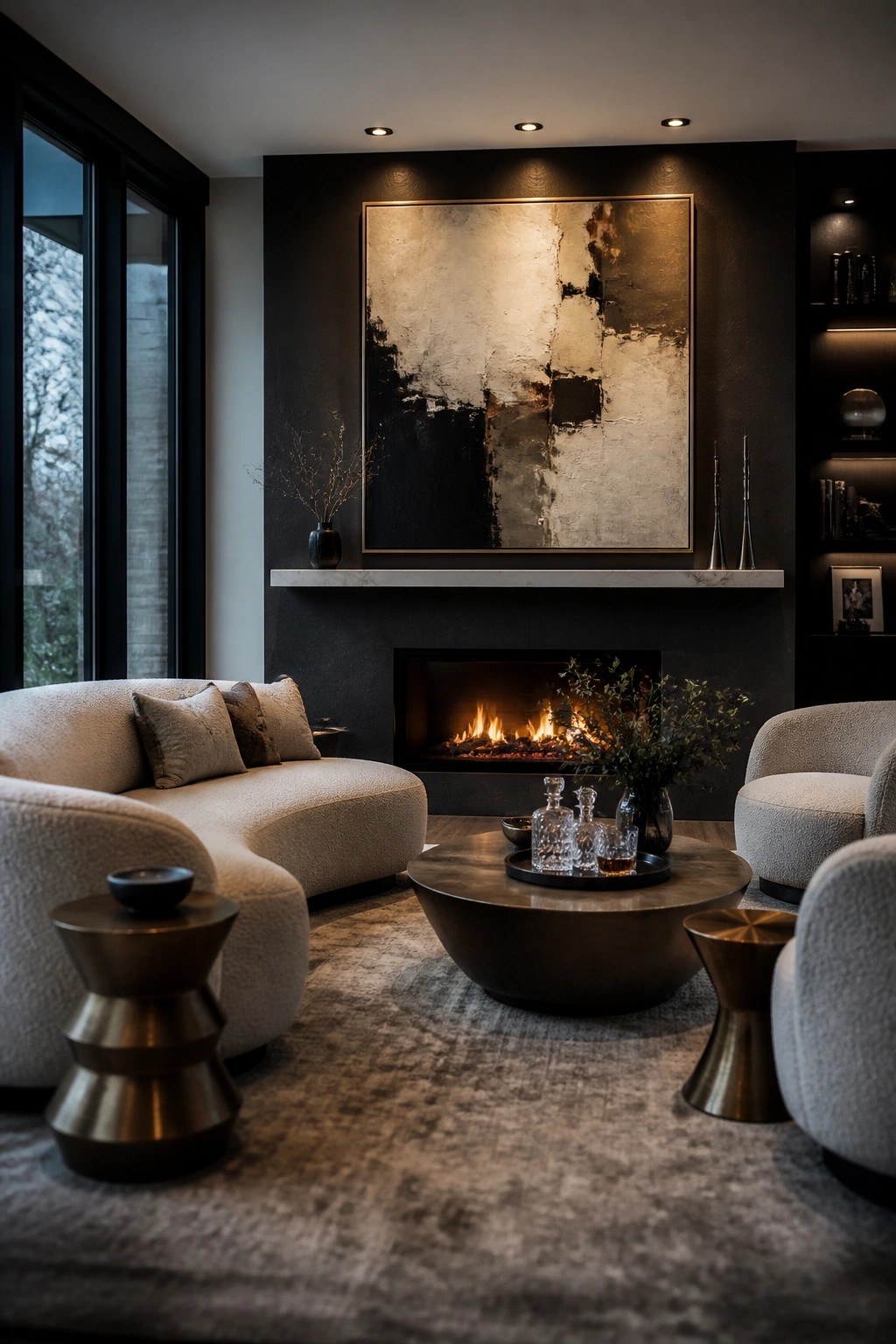
Placing seats in a soft curve around the fire makes the whole room feel more connected. The sofa and chairs face inward without blocking the view of the flames, so people can talk easily while staying warm. It works better than lining everything up in straight rows.
This layout suits living rooms where the fireplace is the main feature. Keep the coffee table low and centered so the curve stays open. It works well in both larger spaces and smaller rooms as long as the seats stay within a few feet of the hearth.
Build Extra Seating Into The Fireplace Hearth
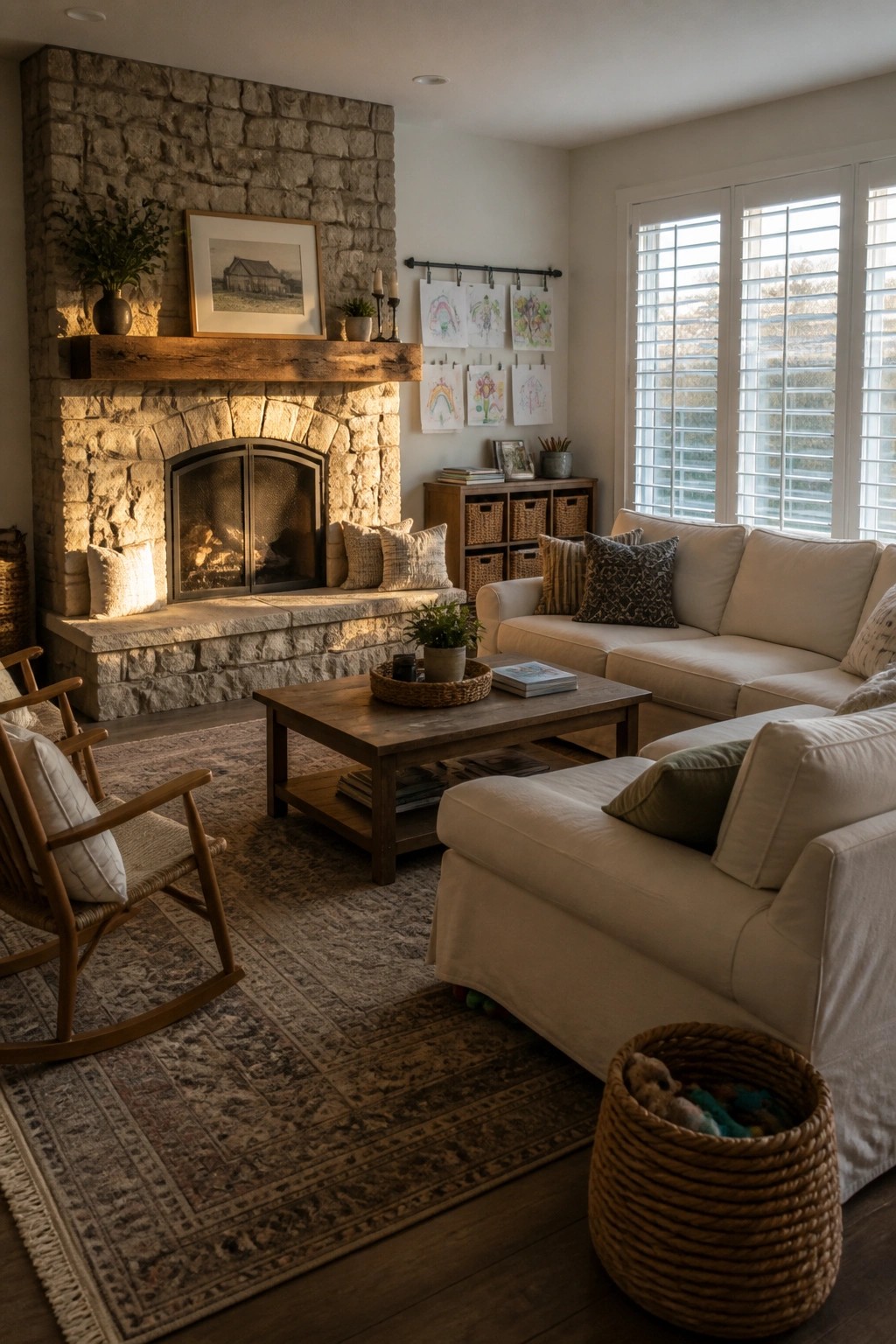
One simple way to make a living room feel warmer is to let the fireplace hearth double as seating. A wide stone ledge gives you a built-in bench right next to the fire, so people can sit close without needing another chair.
This setup works best in rooms where the fireplace already takes up wall space. Add a few cushions, keep the surrounding sofas and chairs in a loose circle, and the whole area stays usable even when the fire is not lit.
Cluster Seating Around The Fireplace
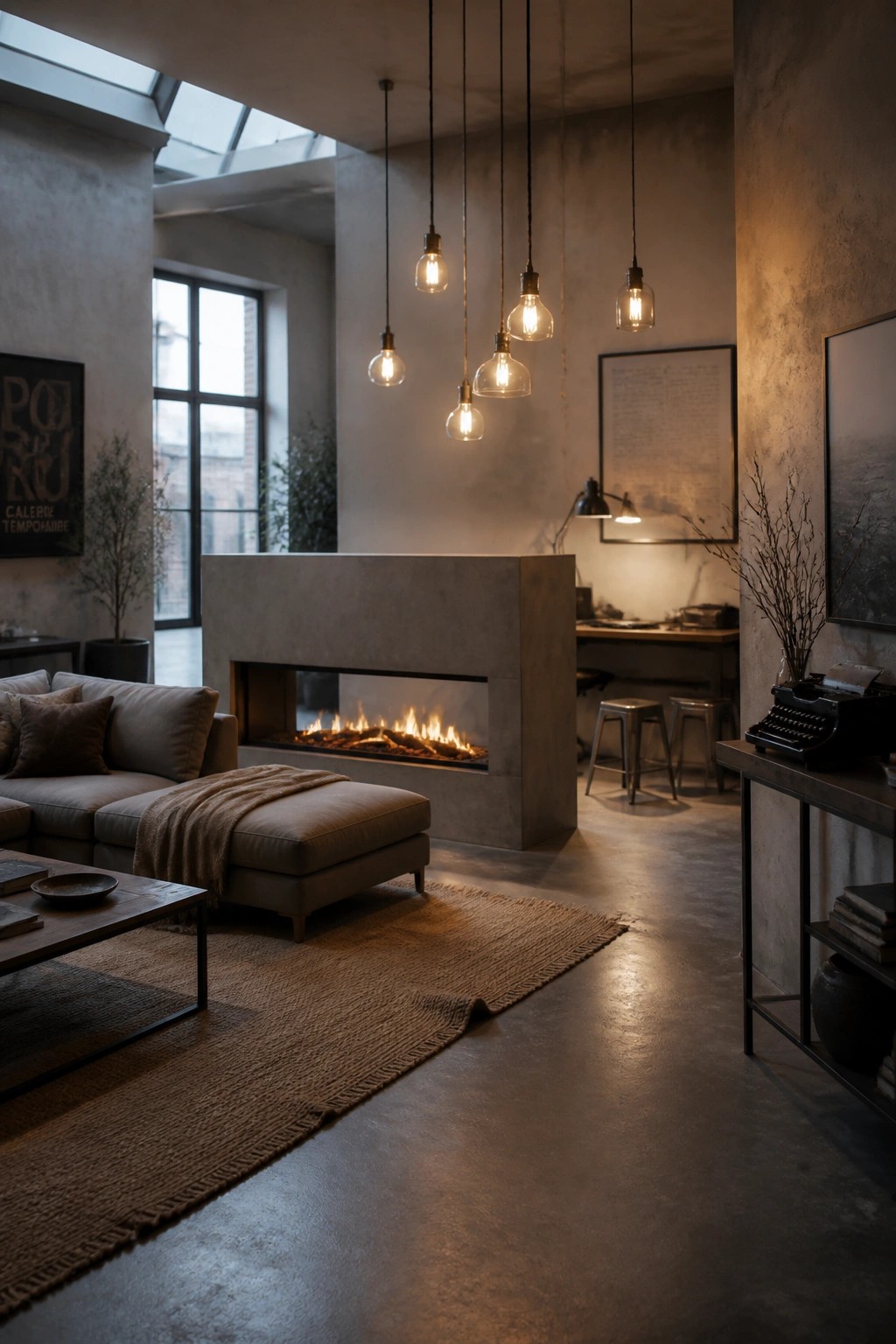
One simple way to make a living room feel warmer is to pull the main seating in close to the fire. Here the sofa and ottoman sit on a large rug right in front of the concrete fireplace so the flames stay the center of attention.
This layout works well in open rooms where the fireplace can divide the space without closing it off. Keep the path around the fire clear and choose low tables so nothing blocks the heat or the view from the seats.
Low Hearths For Floor Seating
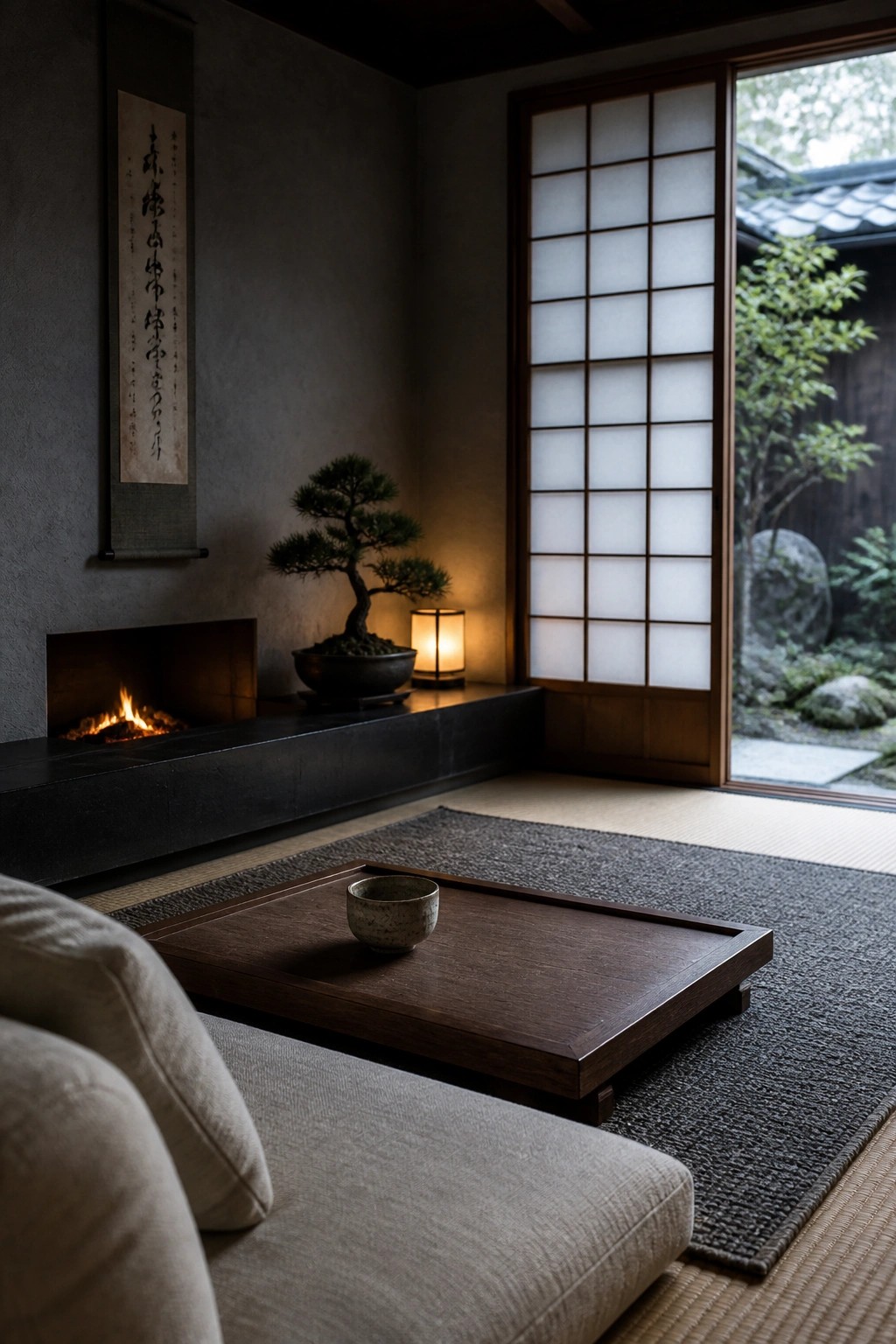
A low hearth keeps the fire closer to where people actually sit. This setup works especially well when the room uses cushions or low seating rather than tall chairs, since the flames stay at eye level and the warmth stays within reach.
It suits homes that already favor simple, grounded layouts. The platform can hold a few small objects without crowding the space, but it needs enough room in front so people can stretch out comfortably.
Arrange Seating Around A Tiled Fireplace
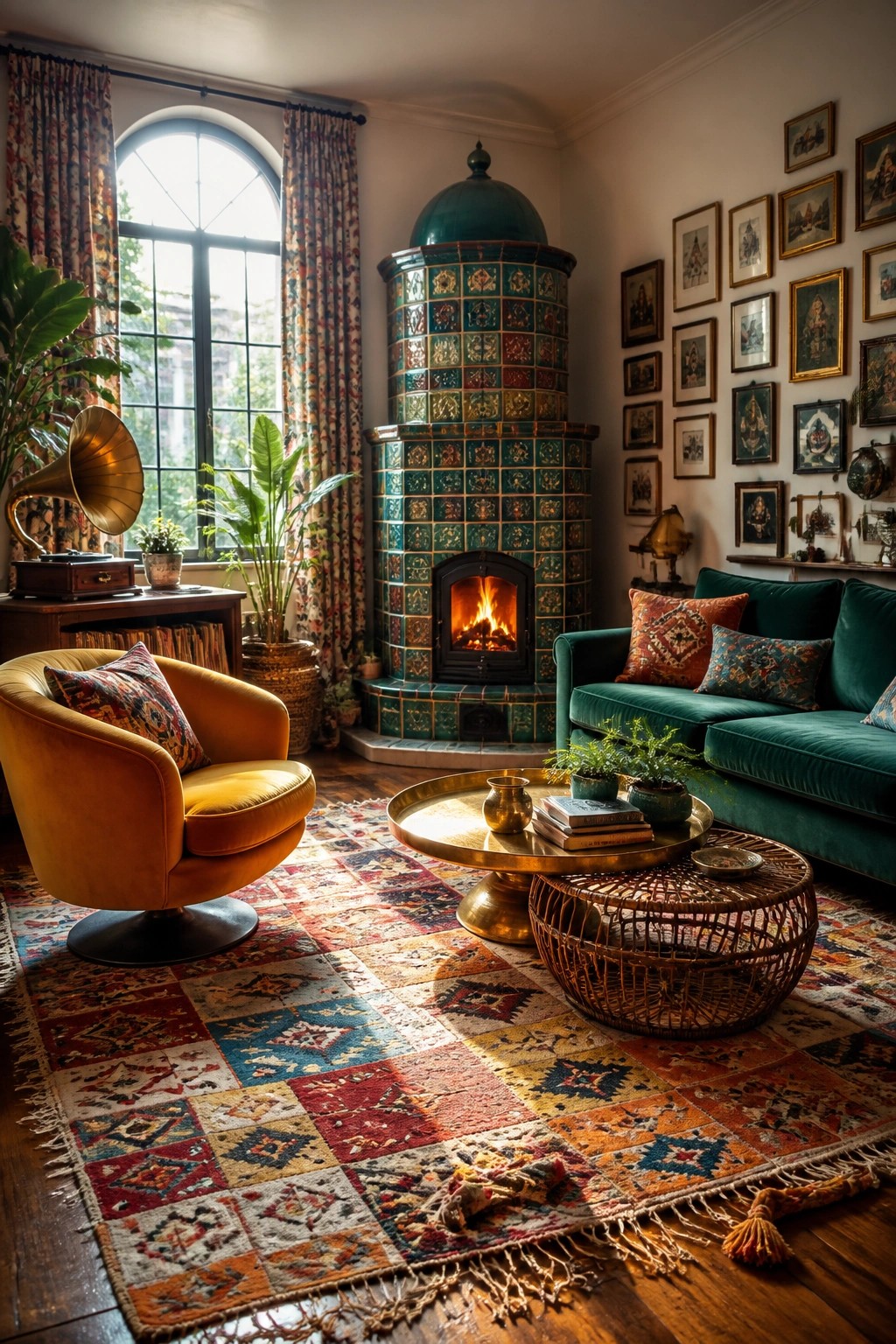
A tiled fireplace gives a living room a natural center without needing much else to pull the space together. Placing a sofa and a couple of chairs close by makes the fire the main draw on cold days and keeps the room feeling lived in rather than staged.
This works best in homes that already have some age or texture, since the bold tile pattern can handle patterned rugs and mixed fabrics without looking busy. Just leave enough space for people to walk around the chairs and keep the coffee table low so the view of the fire stays open.
Built-In Seating Beside The Fireplace
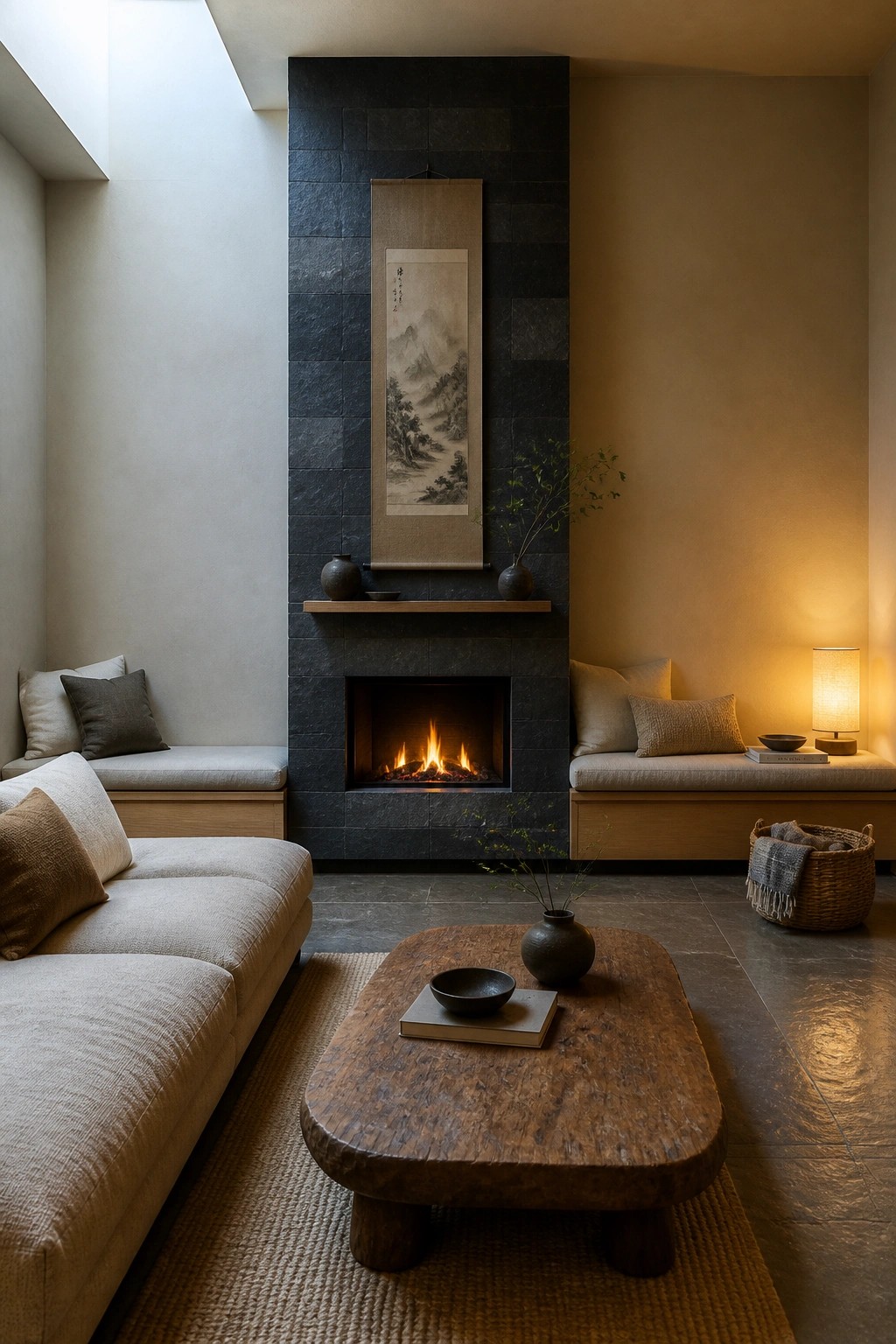
Built-in seating on either side of the fireplace gives the whole room a settled, comfortable feel without needing a lot of extra furniture. The benches connect directly to the fire, so the seating stays warm and the layout stays simple even in a smaller space.
This works best in rooms where you want the fireplace to feel like the natural center instead of something you arrange furniture around later. Keep the bench cushions in the same tone as the walls so the built-ins blend in rather than stand out.
Seating Placed Around The Fireplace
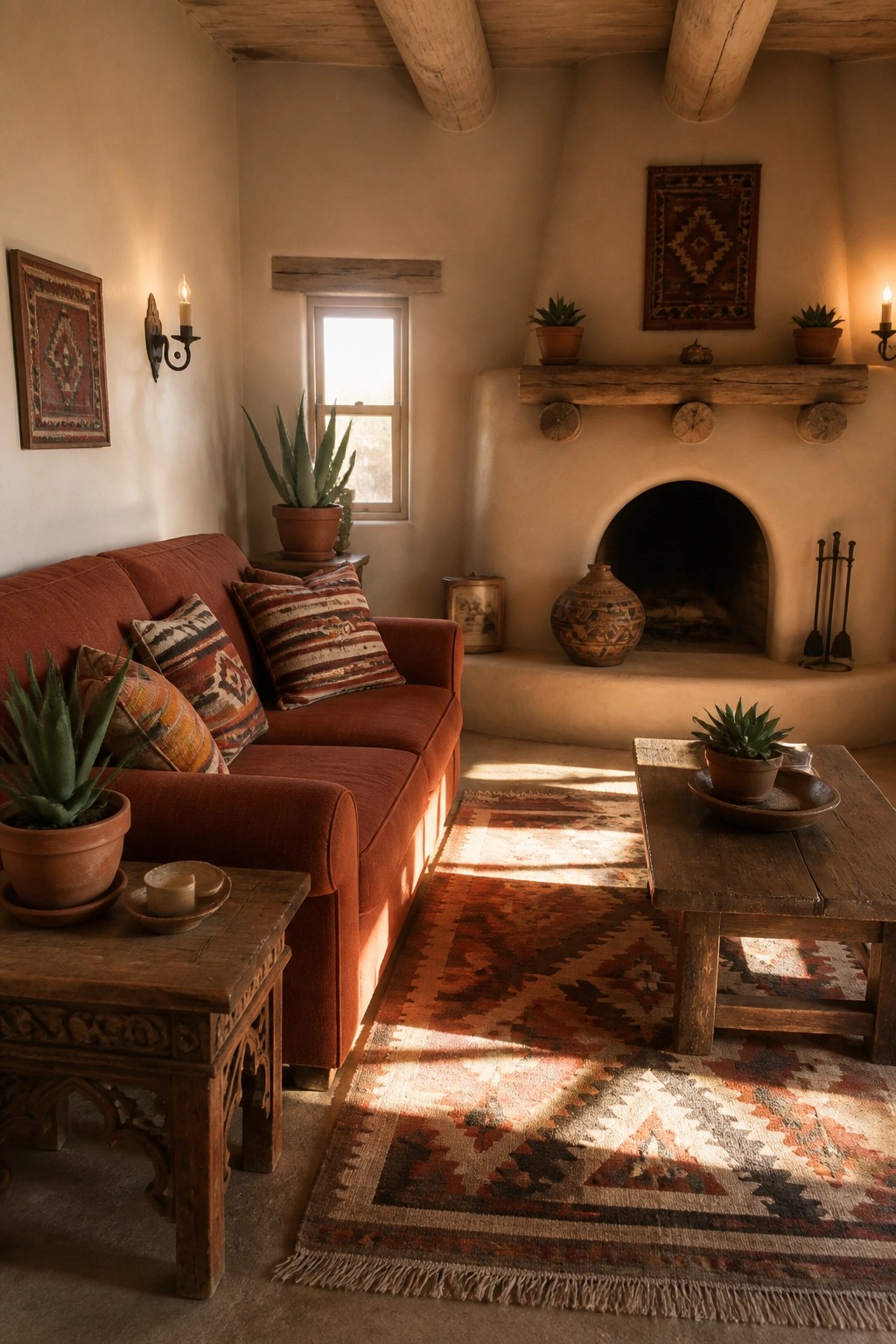
A sofa set directly across from the fireplace turns the hearth into the natural center of the room. The low coffee table and large rug keep the seating zone defined without blocking movement, so the space feels ready for daily use rather than staged.
This arrangement works especially well in smaller or low-ceiling rooms where the fire is the strongest architectural element. Keep the sofa at a comfortable distance so the heat reaches the seats without crowding the hearth itself, and choose upholstery that can handle regular wear.
Build Seating Around The Fireplace
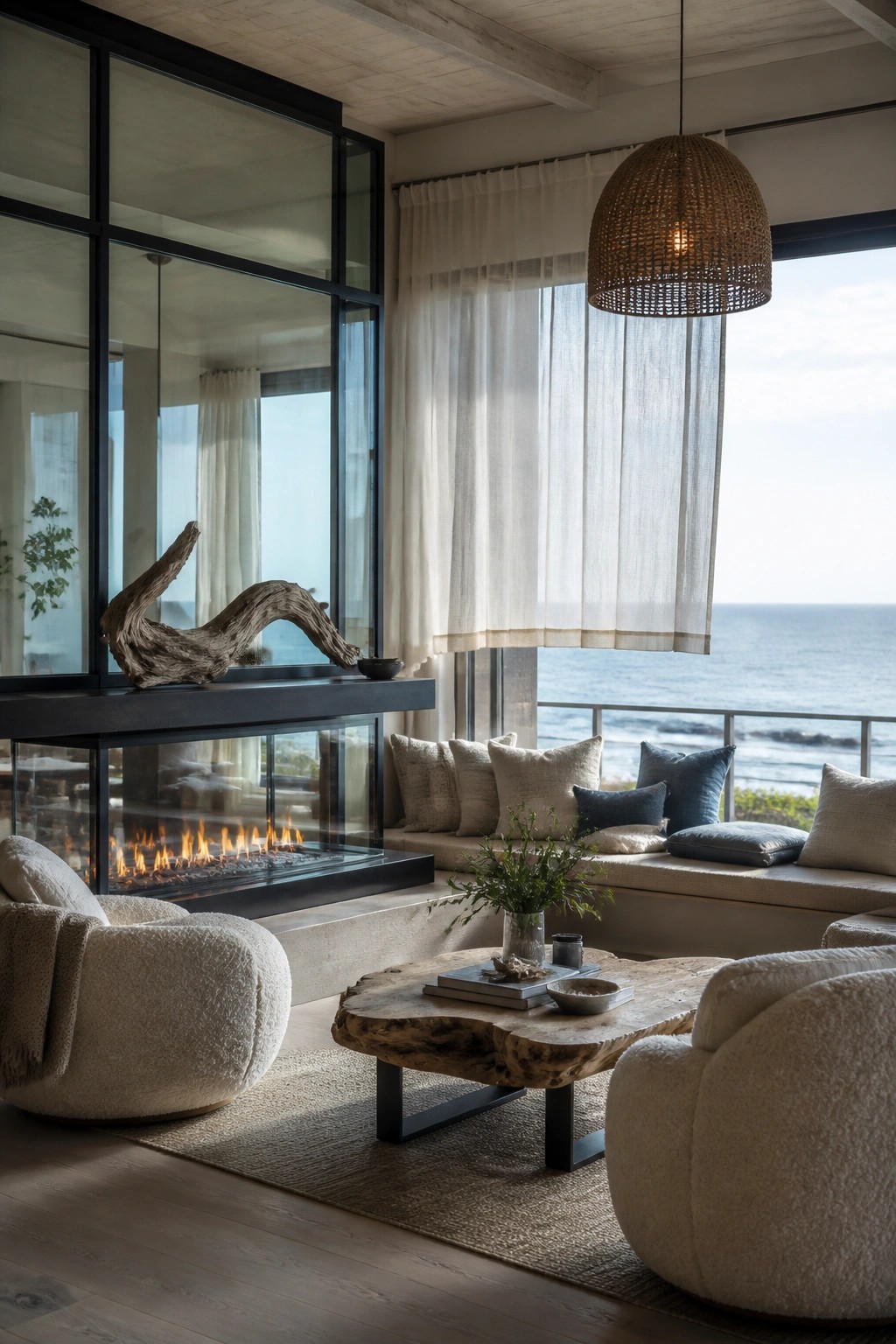
A fireplace feels more welcoming when the seating sits close enough to actually use it. Mixing a built-in bench with a few rounded chairs keeps the area relaxed and lets people settle in without needing a formal arrangement.
This setup works best in rooms where the fire can serve as the natural center. Keep the bench height in line with the chairs so the whole group feels connected, and leave enough floor space for easy movement when the fire is going.
Seating That Faces the Fireplace
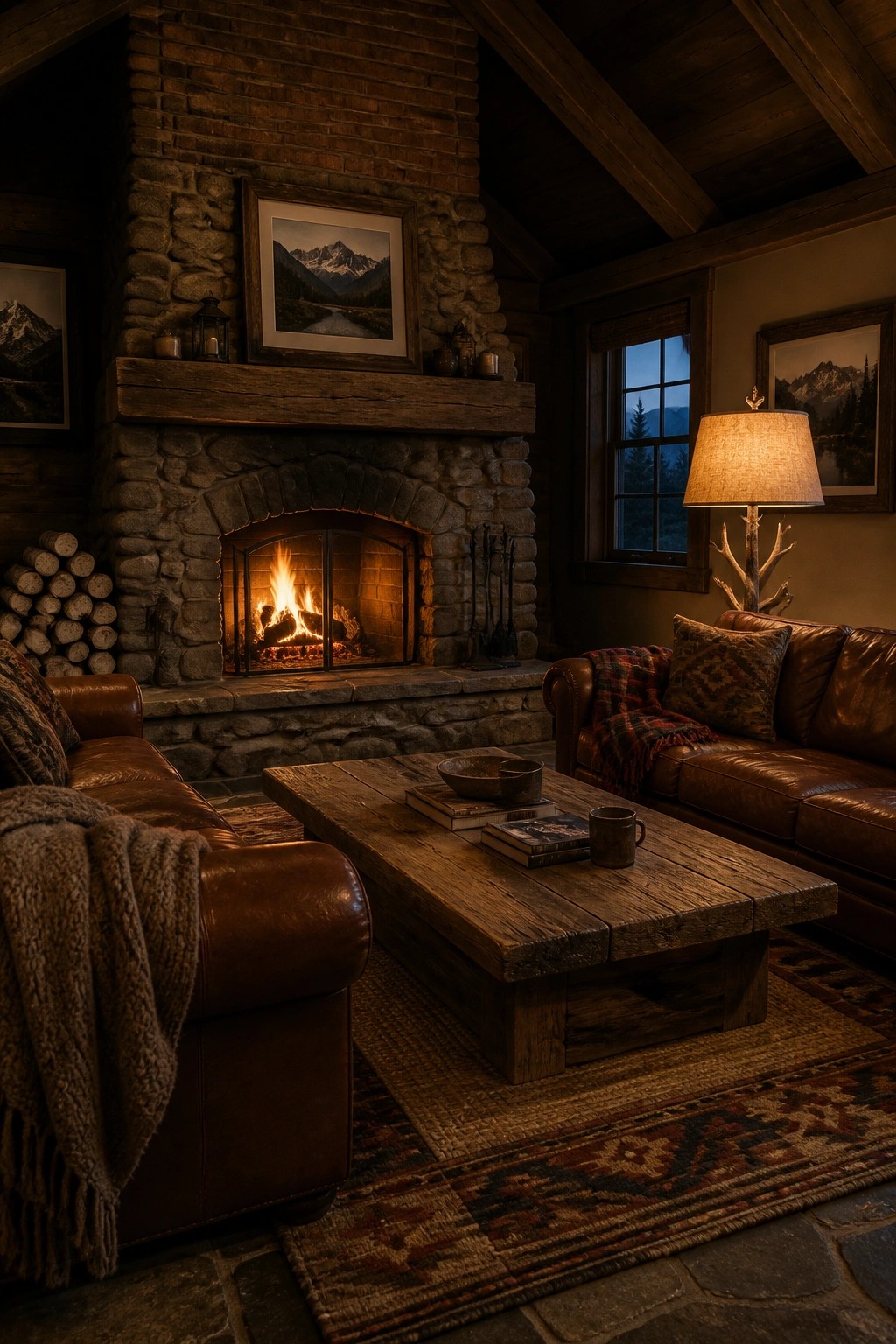
Placing the main seats directly across from the fireplace pulls the room together in a simple way. The two sofas create a clear conversation area while keeping the fire as the natural center point.
This layout works best in homes that already have a strong hearth feature. It suits spaces where people want to spend time close to the heat without adding extra furniture or rearranging often.
Frequently Asked Questions
Q: How close should I pull the sofa to the fireplace without making the room feel stuffy?
A: Set the front edge of the sofa about four feet back from the hearth. That distance lets the heat reach you while leaving room to stretch your legs.
Q: My chairs face the TV on the opposite wall. How do I fix the flow around the fire?
A: Angle one chair slightly toward the fireplace and keep the other aimed at the screen. Swap their spots now and then so both areas get used.
Q: What works if the fireplace sits in a corner?
A: Float a curved bench or two club chairs in front of it. The curve pulls the seating inward and keeps the corner from feeling empty.
Q: Should the coffee table stay between the fire and the seats?
A: Move the table off to one side instead. This opens a direct path for warmth and makes it easier to stand up and poke the logs.
