

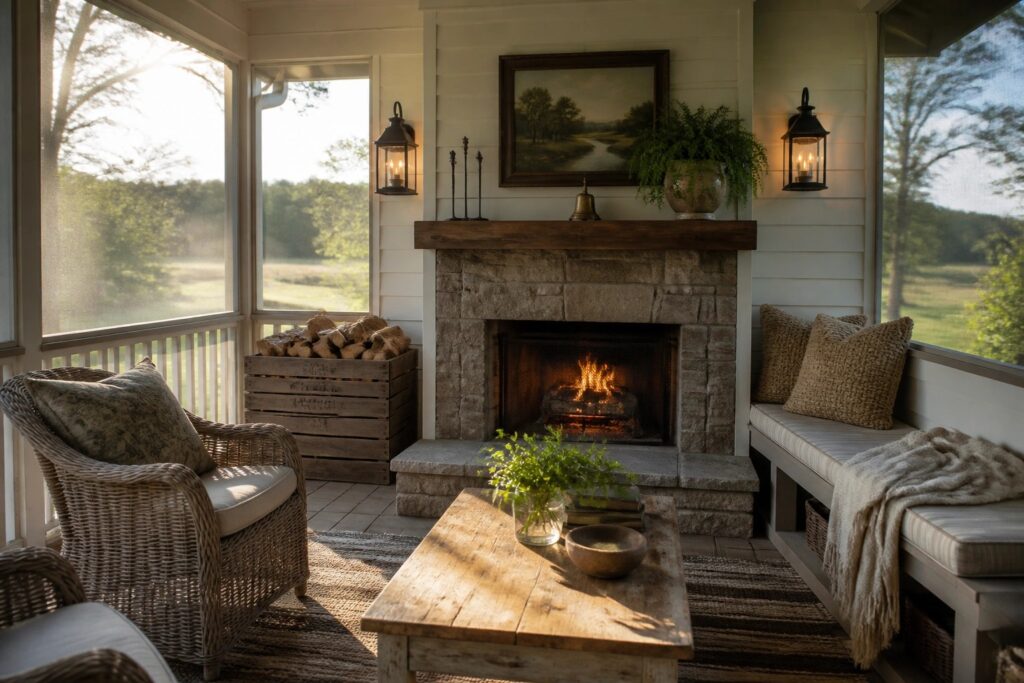
I have seen plenty of screened porches that sit empty once temperatures drop because there is no reliable way to add warmth without closing everything off.
Adding a fireplace changes the whole equation and lets the space stay useful from spring into late fall.
Some setups just work better than others.
I often think about how the fireplace placement affects daily use, especially when you want to keep seating areas clear and views open at the same time.
Looking at different approaches helps me figure out what might fit my own porch and keep it functional across the seasons.
Stone Fireplaces Make Screened Porches More Usable
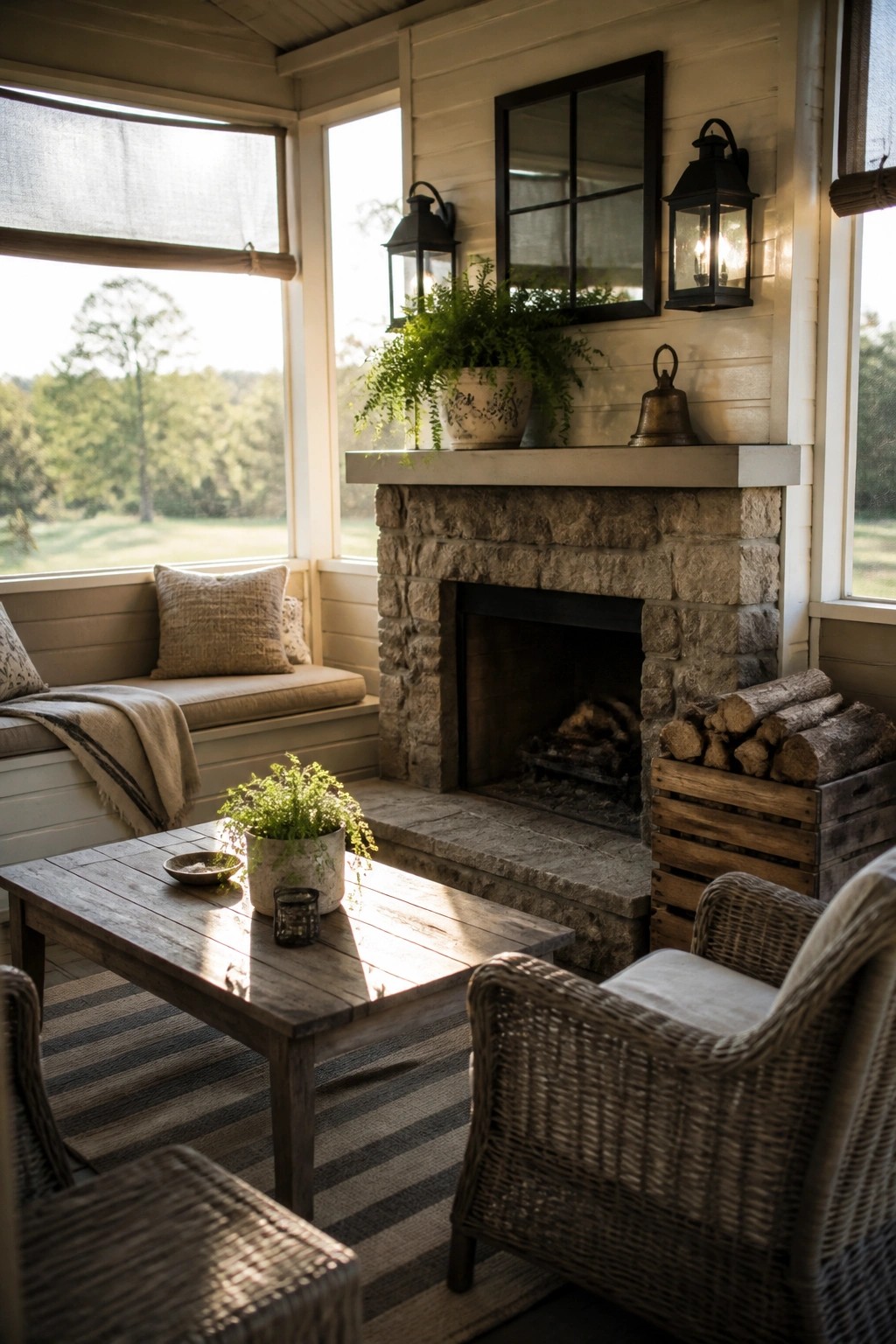
A fireplace changes how long you can actually use a screened porch once the weather cools. The stone surround gives off steady heat while the open design still keeps the outdoor feel that makes porches appealing in the first place.
This setup works best on homes where people want to stretch the seasons without building a full addition. Keep the seating close but not crowded, and leave room for wood storage nearby so the space stays practical instead of just decorative.
Put a Fireplace on Your Screened Porch
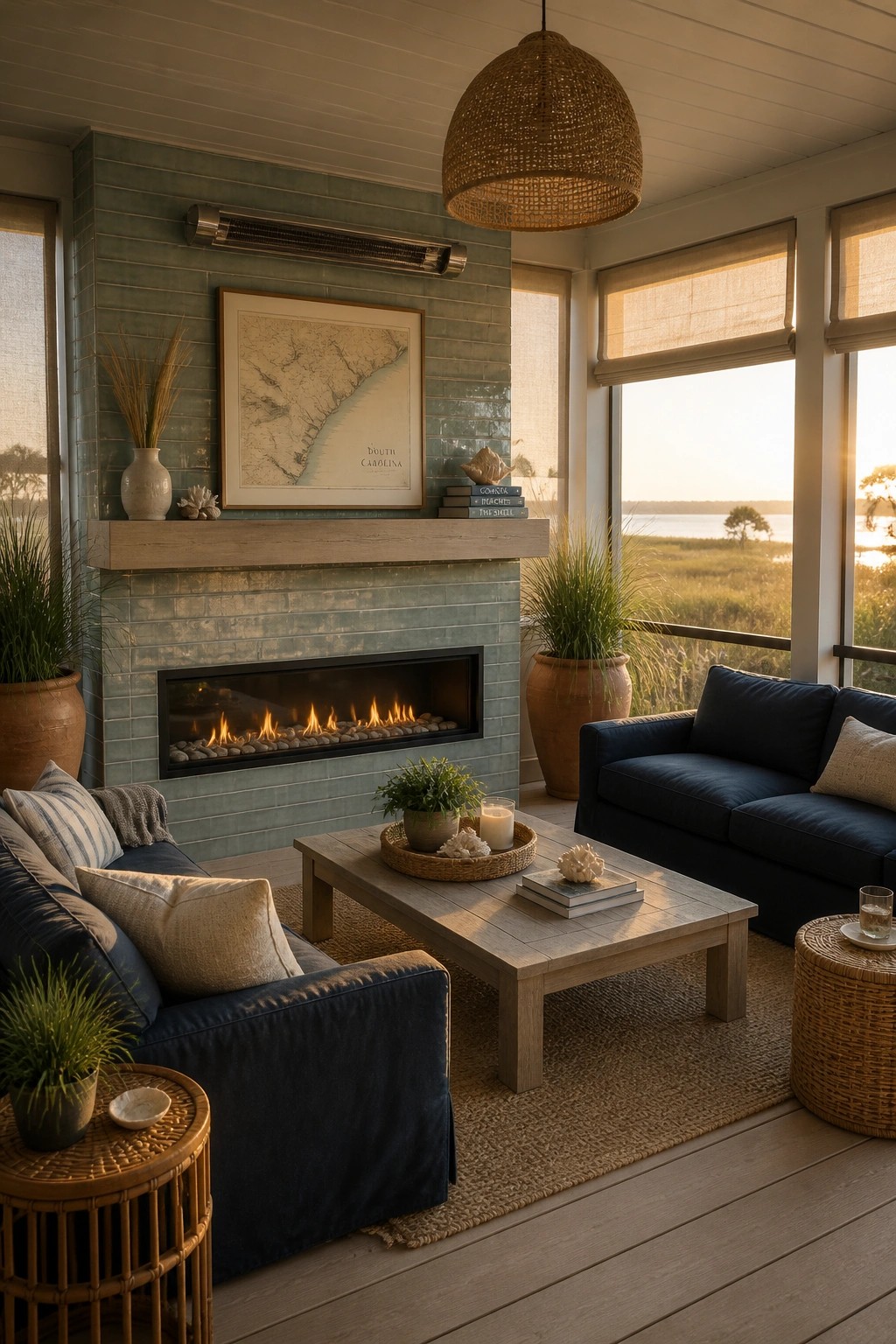
A fireplace turns a screened porch into a space you can actually use when the evenings get cooler. It gives off enough warmth to sit outside without needing heavy blankets, and it makes the whole area feel more like a real room instead of just an outdoor spot.
This works best on porches that have at least one solid wall you can build against. Choose tile or stone around the firebox so it holds up to changing weather, and keep the seating close enough that everyone stays comfortable without crowding the flames.
Stone Fireplaces for Screened Porches
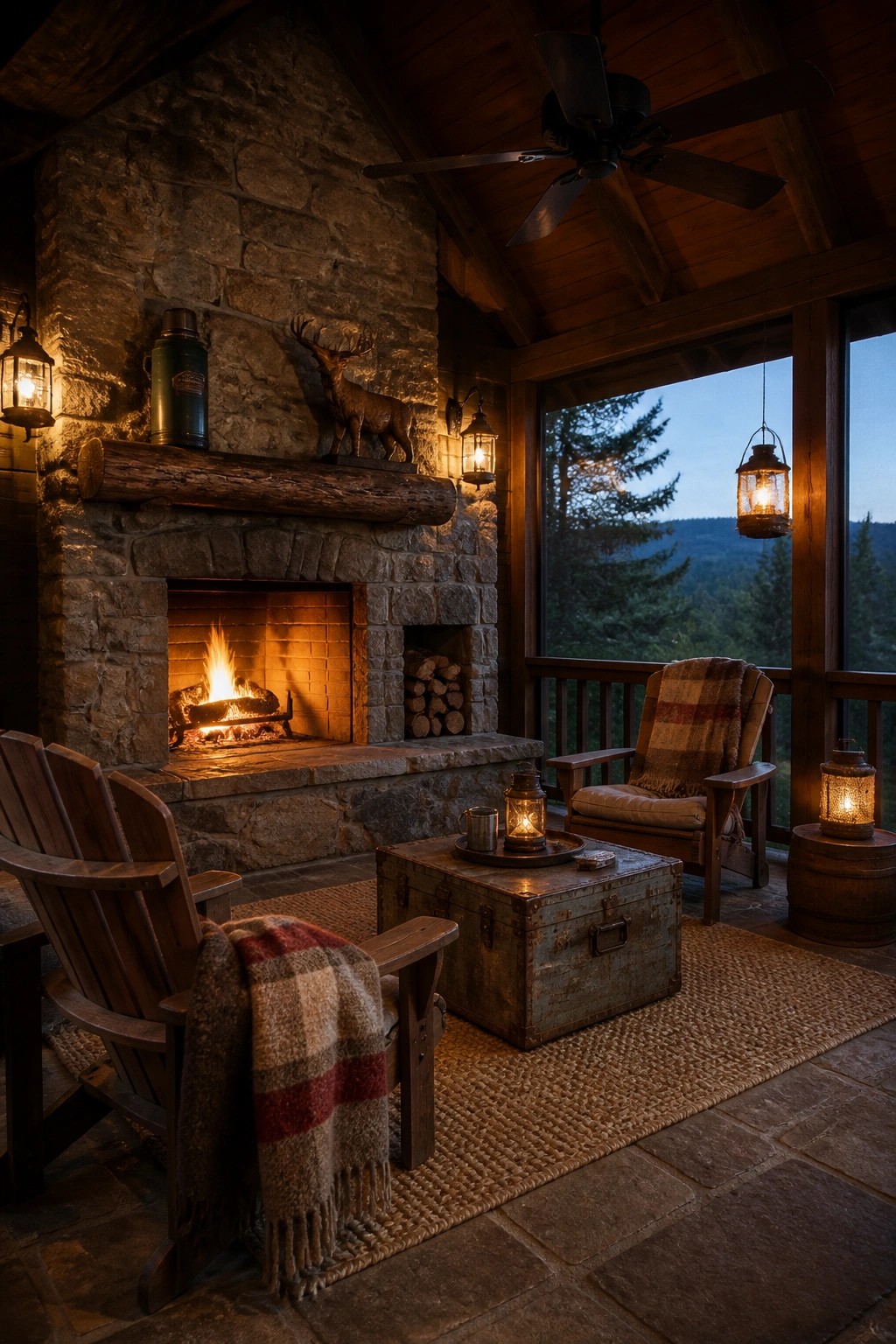
Many people add a fireplace to a screened porch so the space stays usable once the weather cools. It gives you a steady source of heat without moving the whole gathering indoors.
This approach works best on porches that already have a solid roof and some wind protection. Place seating close enough to feel the warmth but leave room to walk around the firebox, and choose stone or brick that holds up outside.
A Fireplace Extends the Porch Season
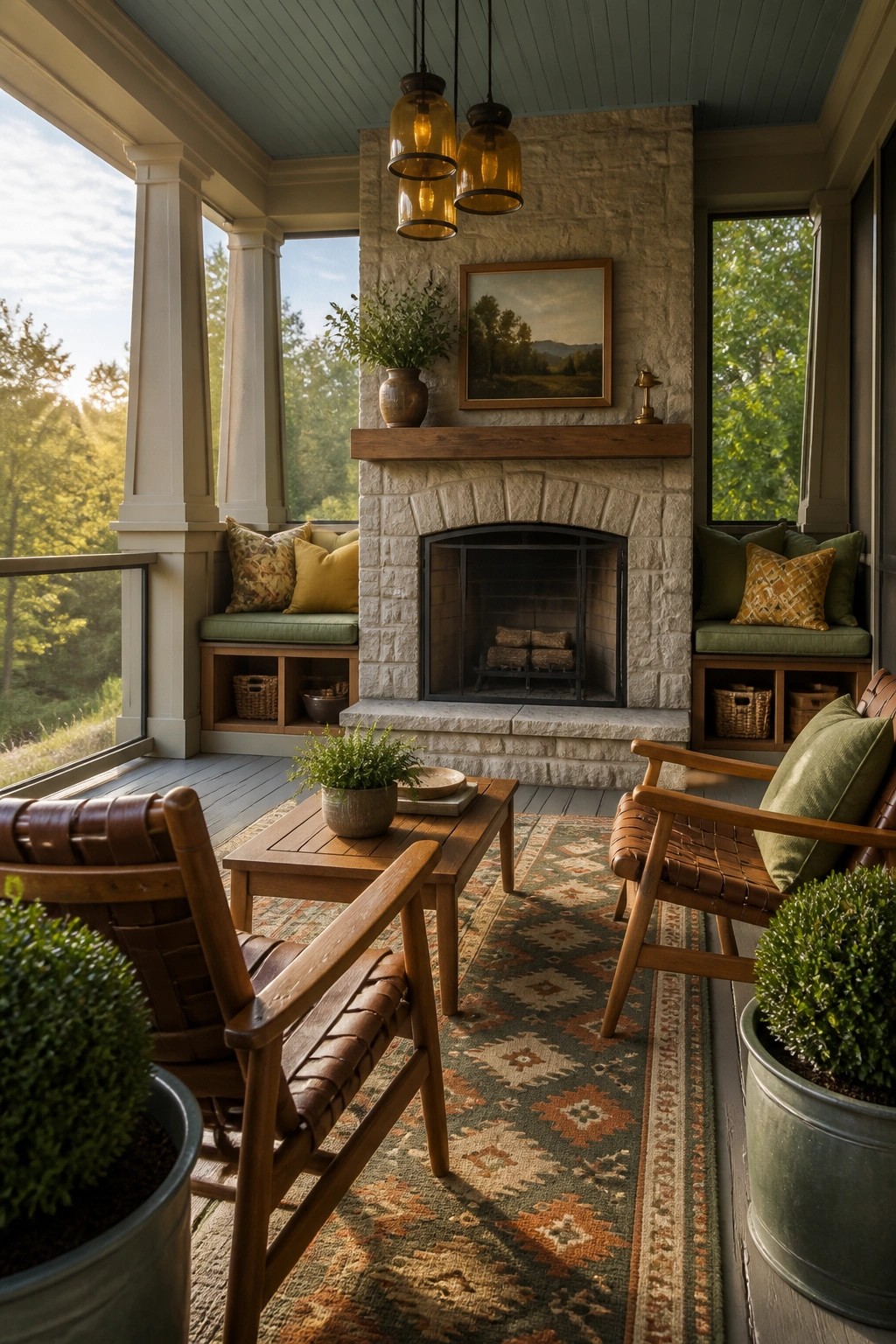
A fireplace gives a screened porch a real focal point and makes the space comfortable on cooler days. It turns what might be a summer-only spot into something usable through spring and fall without much extra work.
This setup works best on porches that already have good screening and a solid roof. Place the fireplace where it can be seen from the main seating area, and keep the surrounding furniture simple so the heat source stays the main draw.
Built-In Fireplace for the Screened Porch
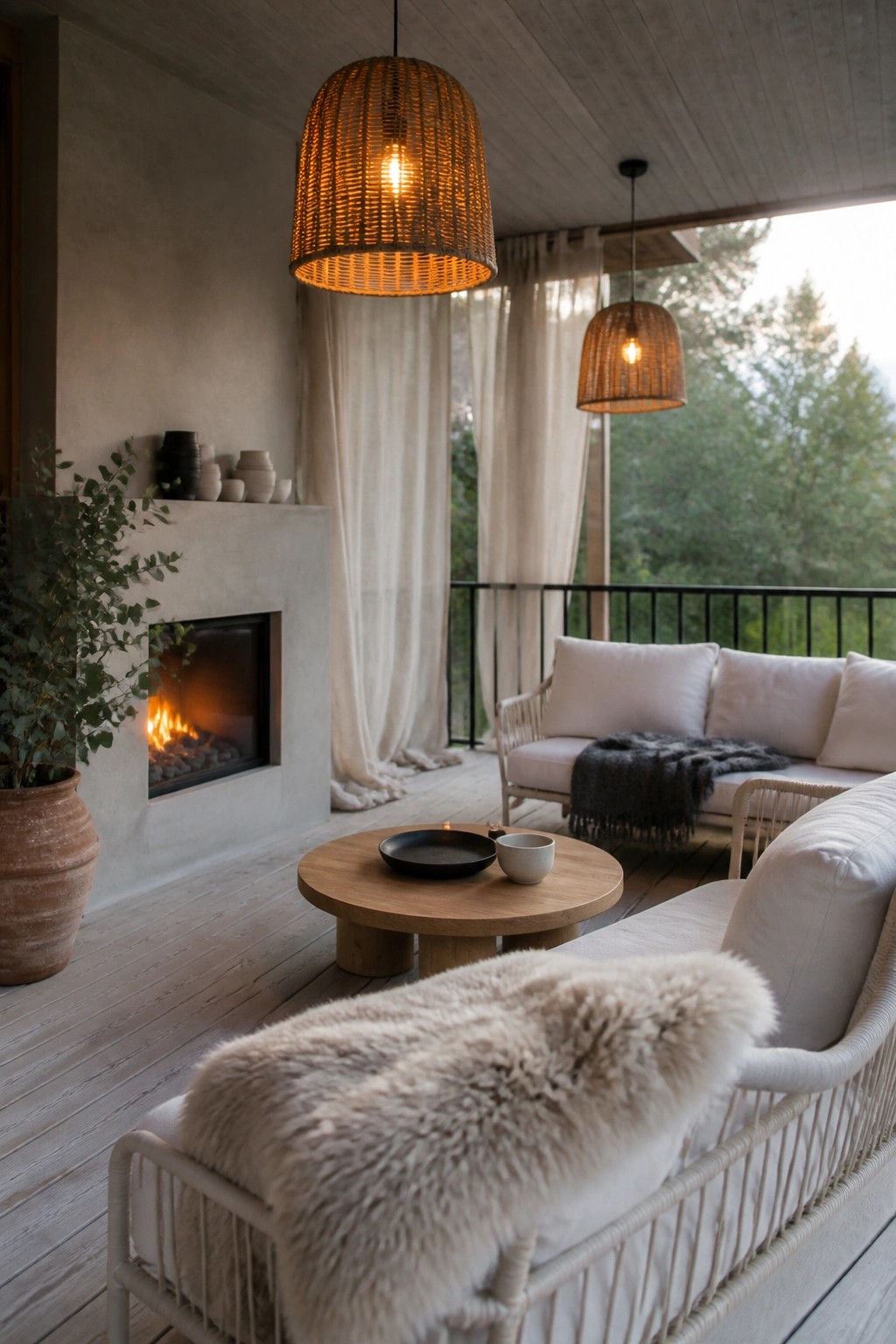
A built-in fireplace gives a screened porch real staying power once the evenings turn cool. It anchors the space and lets you keep the doors open longer without everyone heading inside at the first chill.
This setup suits homes that already have a deck or porch structure in place. Place the fireplace along an outer wall so heat radiates toward the seating, and choose furniture that can handle a little weather without much fuss.
Use Layered Rugs To Warm Up A Screened Porch Fireplace
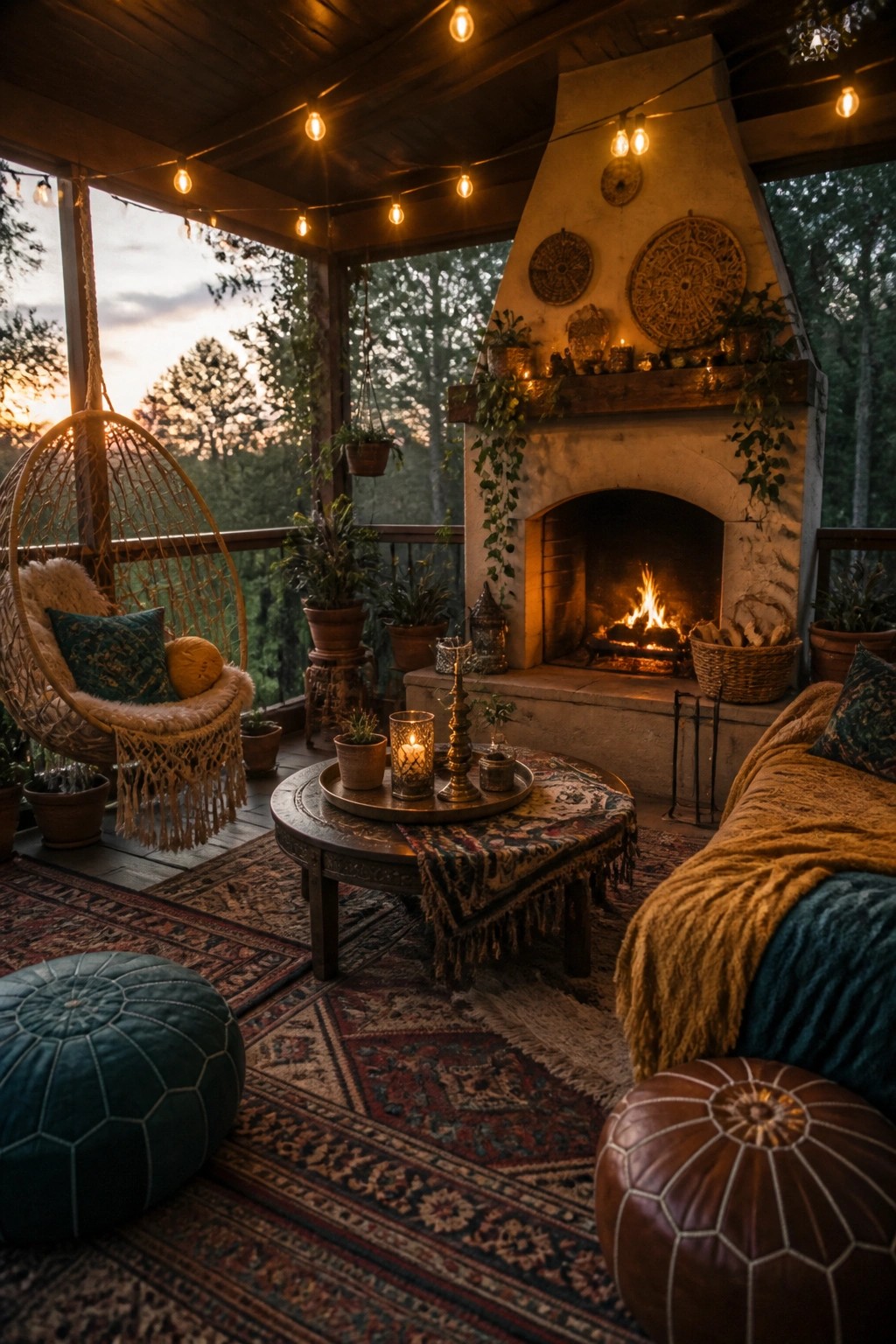
A fireplace already gives a screened porch a natural focus point. Layering rugs underneath the seating and table turns the space into something that feels more enclosed and comfortable even when the air gets cooler.
This setup works best on porches meant for three-season use. Choose sturdy rugs that can take some dampness and keep the arrangement simple so the fire remains the main draw.
Fireplace and Window Bench for Cooler Days
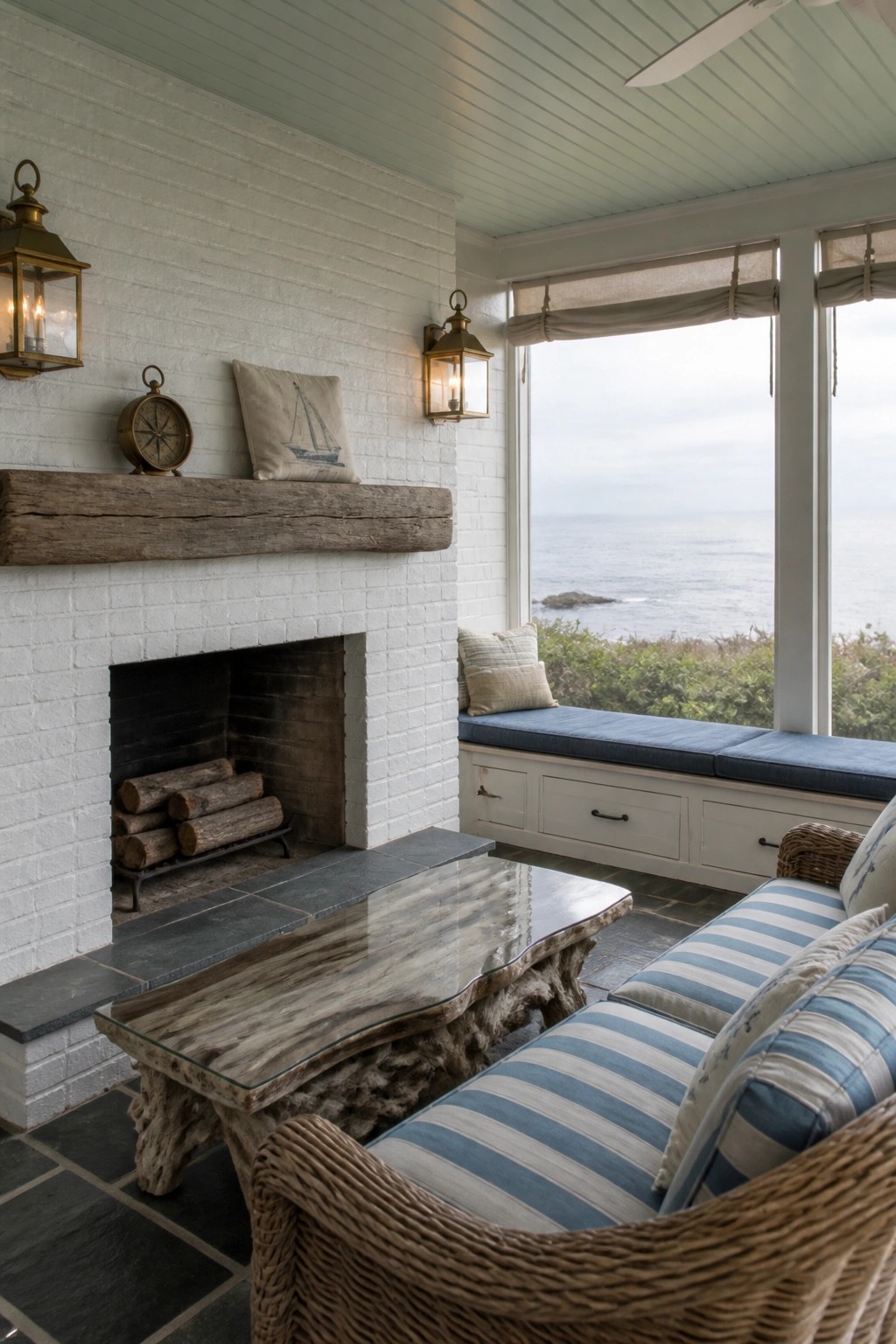
A fireplace paired with a long built-in bench gives a screened porch a spot that stays comfortable even when the air turns cool. The bench runs right under the windows so people can sit close to the fire without crowding the middle of the room.
This works best in places where spring and fall still bring chilly evenings. Use a thick cushion in a fabric made for outdoor use and keep the bench depth around twenty inches so it feels like a real seat rather than just extra ledge space.
Fireplaces Help Screened Porches Stay Usable Longer
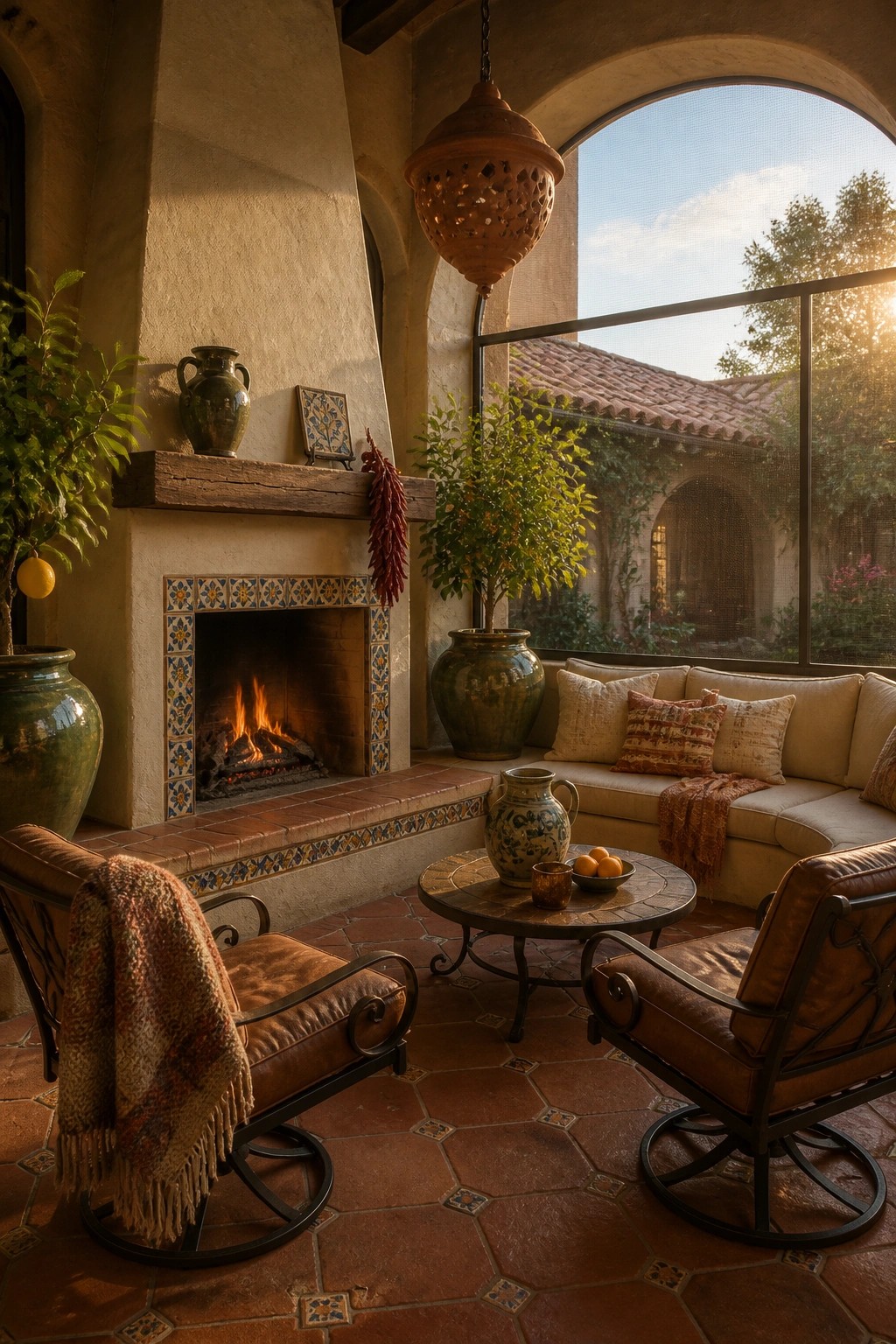
A fireplace turns a screened porch into a space that works well past the warm months. It gives off steady heat that takes the chill off without closing the whole area in, which is why many people add one when they want three-season use.
This works best on porches that already have good screening and a solid roof. Keep the seating grouped near the fire but leave room to walk around, and choose a simple surround that holds up to outdoor air.
A Fireplace for Three-Season Porch Use
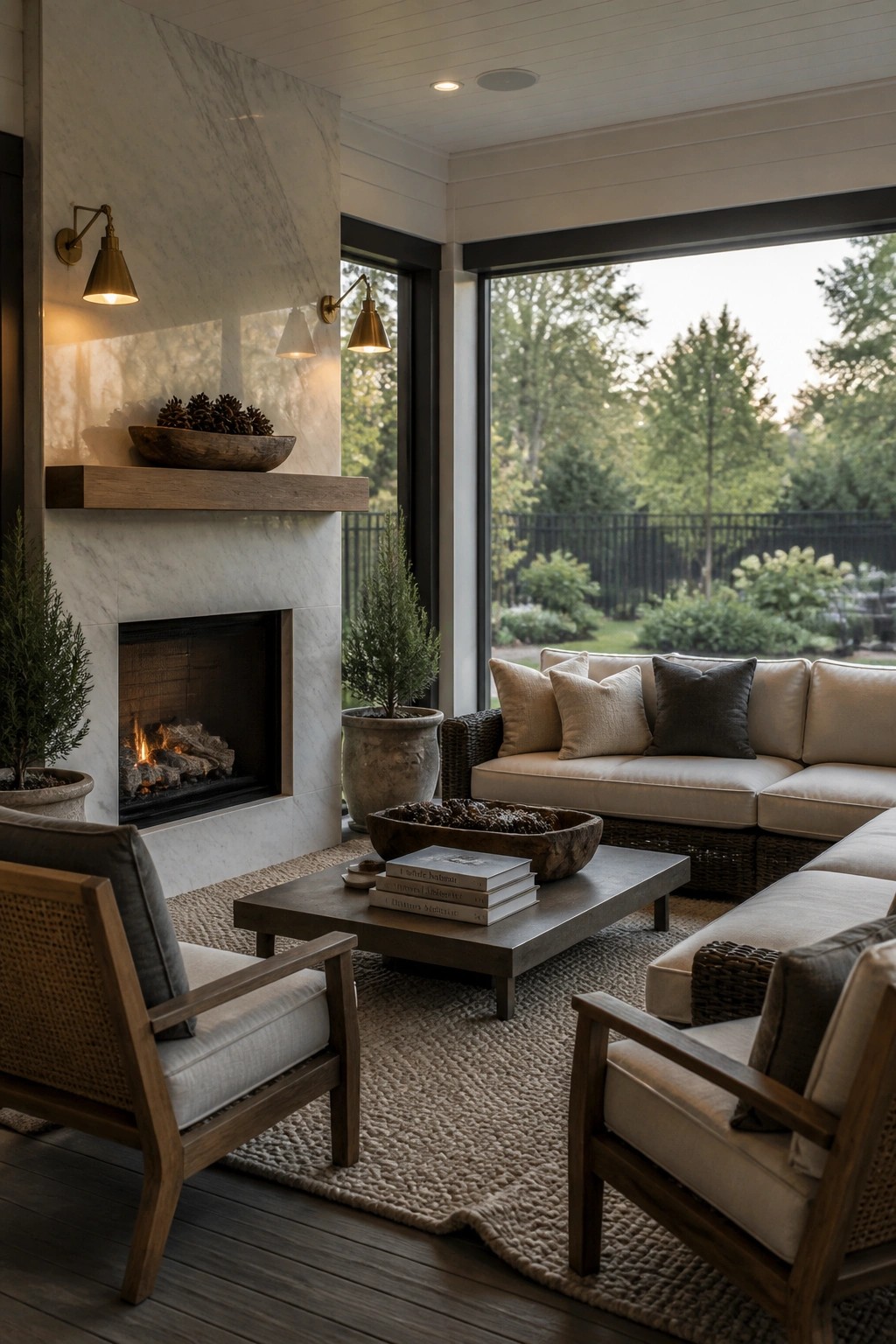
A fireplace gives a screened porch a clear reason to stay open later into the year. It supplies real heat on cool evenings and creates one spot where people naturally gather.
Set the fireplace along an outside wall so the seating can face it without blocking the screens. This works best on porches that already have a roof and good airflow, since the fire adds warmth without turning the space into a closed room.
Fireplace on a Screened Porch
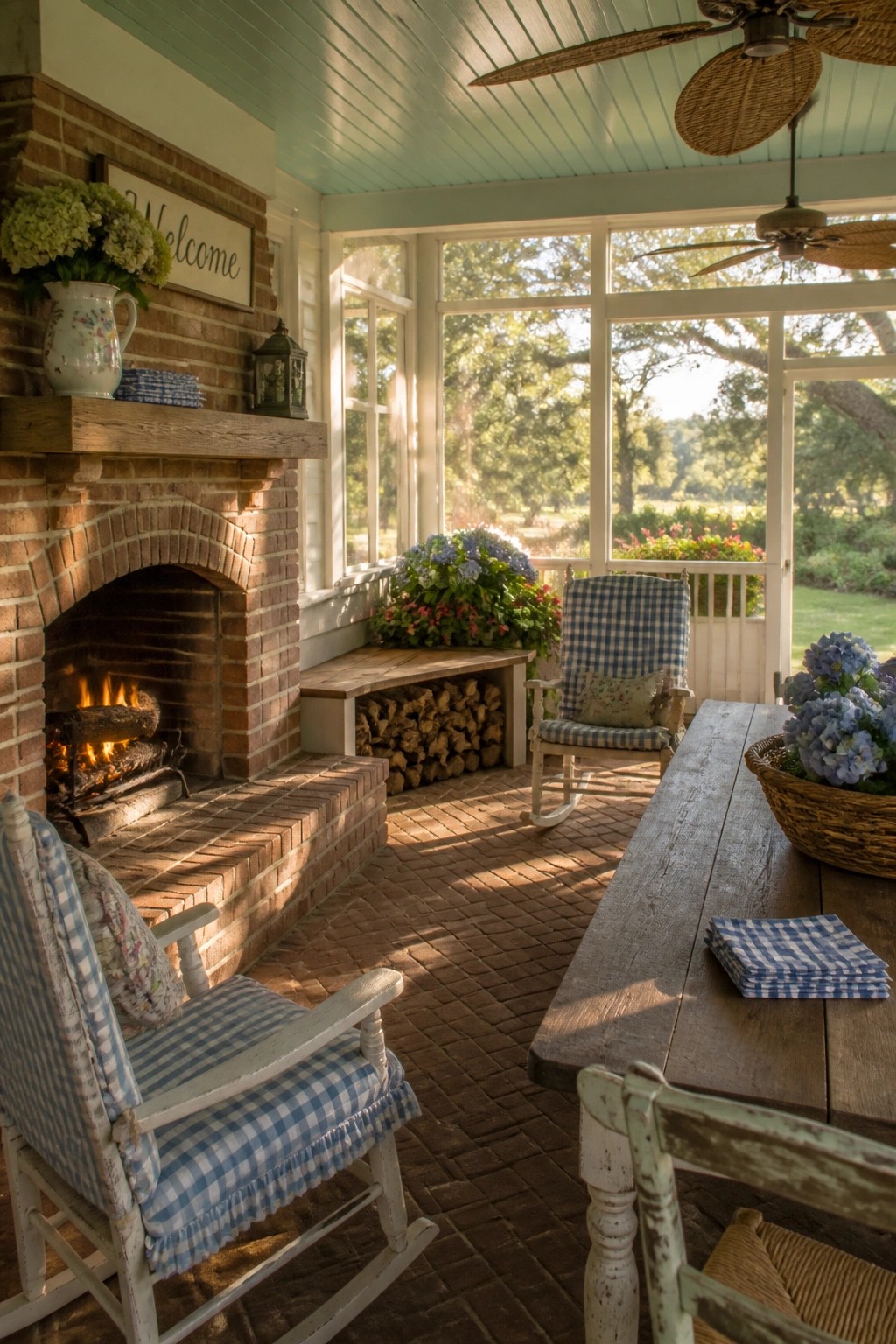
A fireplace gives a screened porch a way to stay comfortable once the evenings turn cool. It creates a focal point that draws people in and makes the space feel more like an extension of the house rather than just an outdoor room.
This setup works best on porches that already have solid screening and room for a few chairs nearby. Keep the firebox properly vented and choose materials like brick that hold heat without needing much upkeep.
Build the Fireplace into a Solid Wall
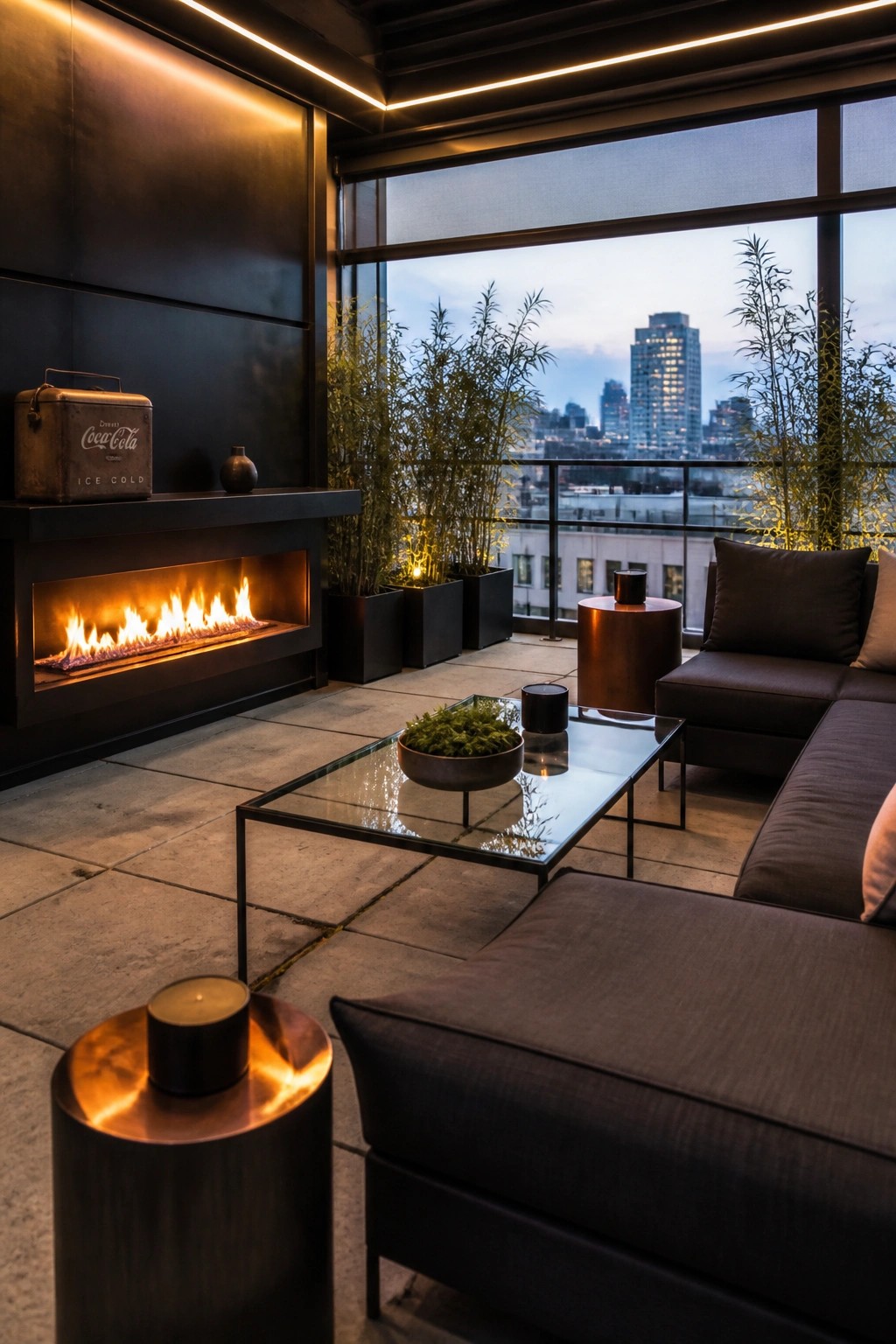
Placing the fireplace directly into one solid wall keeps the floor space open and gives the outdoor area a real sense of structure. The heat stays contained along the back edge, so seating can wrap around without anyone sitting too close to the flames.
This approach works best on balconies or screened porches that already have a tall wall available. Keep the surrounding finishes dark and simple so the fire becomes the main point of interest even when the weather turns cooler.
Add a Fireplace to Your Screened Porch
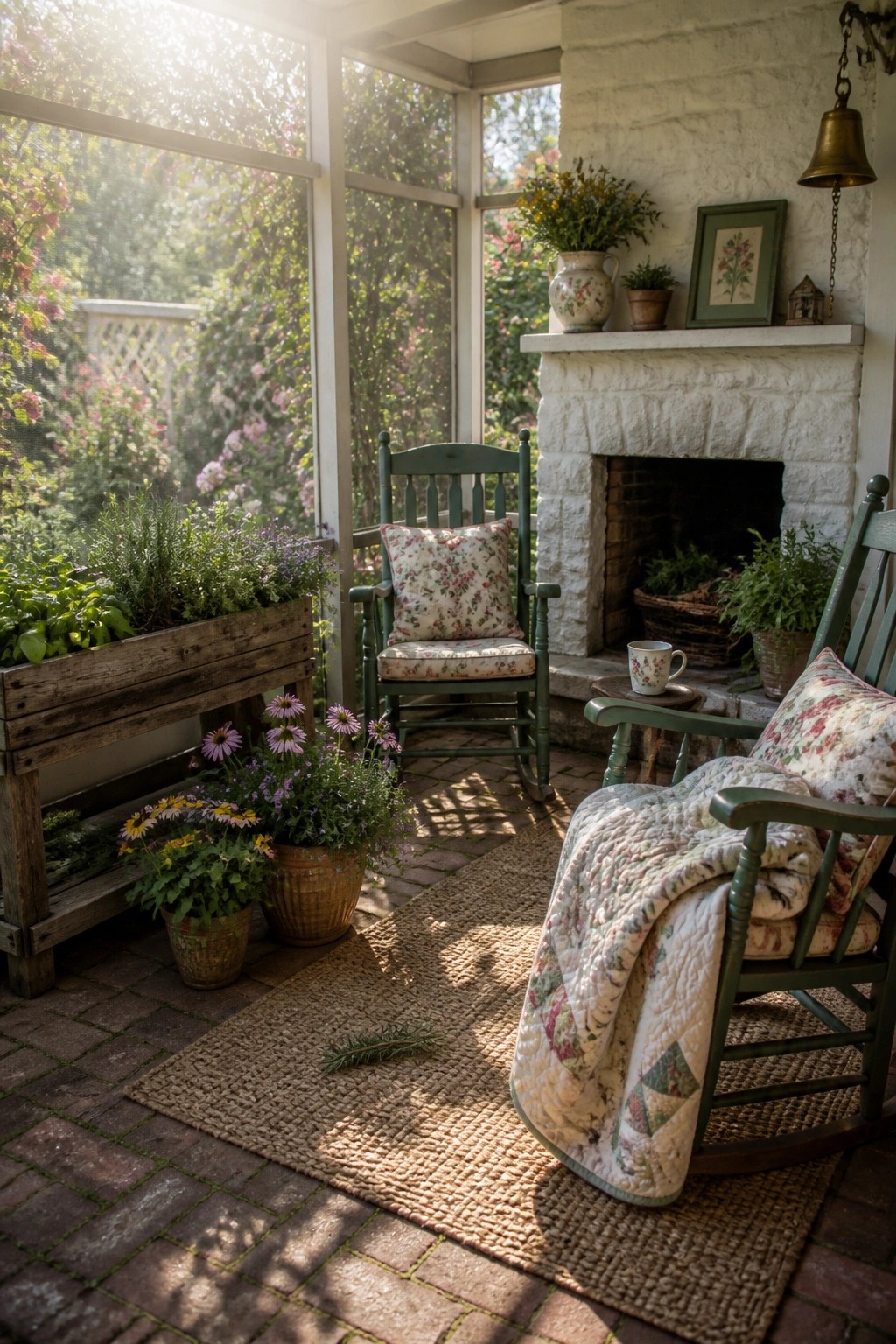
A fireplace turns a screened porch into a spot you can actually use when temperatures drop. The screens keep bugs out while the fire adds enough warmth to stay outside longer in spring and fall.
This setup works best on porches attached to the house with a solid floor and good venting. Rocking chairs and a few layered textiles help the space feel finished without much extra work. Just check local codes before you build.
Fireplace on a Screened Porch
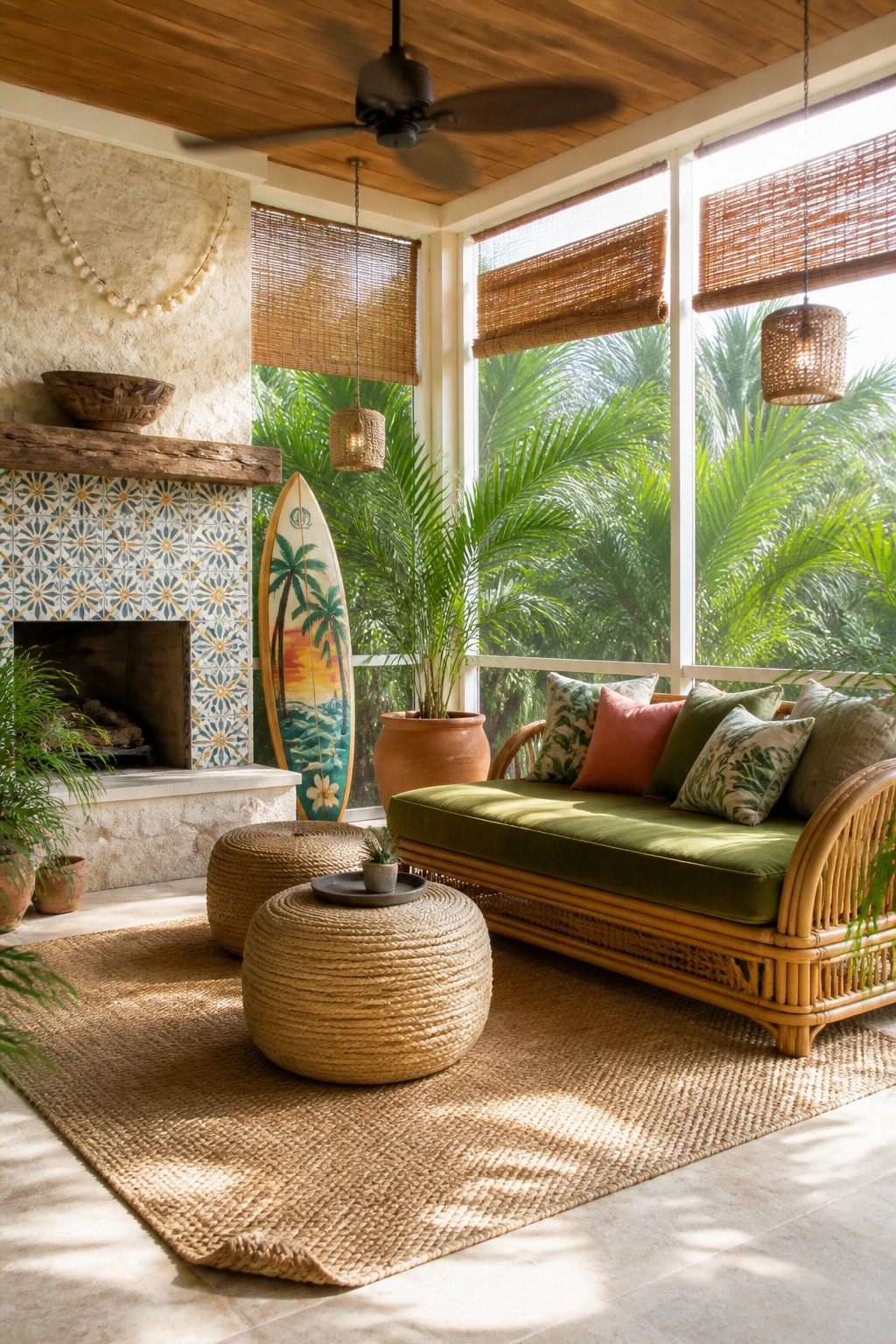
A fireplace changes how a screened porch gets used once the air cools. It gives off real heat and creates a natural spot for seating, so the space stays comfortable well into fall or on cooler evenings.
This setup works best on porches with good airflow and some protection from wind. Keep the seating close but not too tight, and choose durable materials that handle moisture without much fuss.
Build the Fireplace Into the Porch Wall
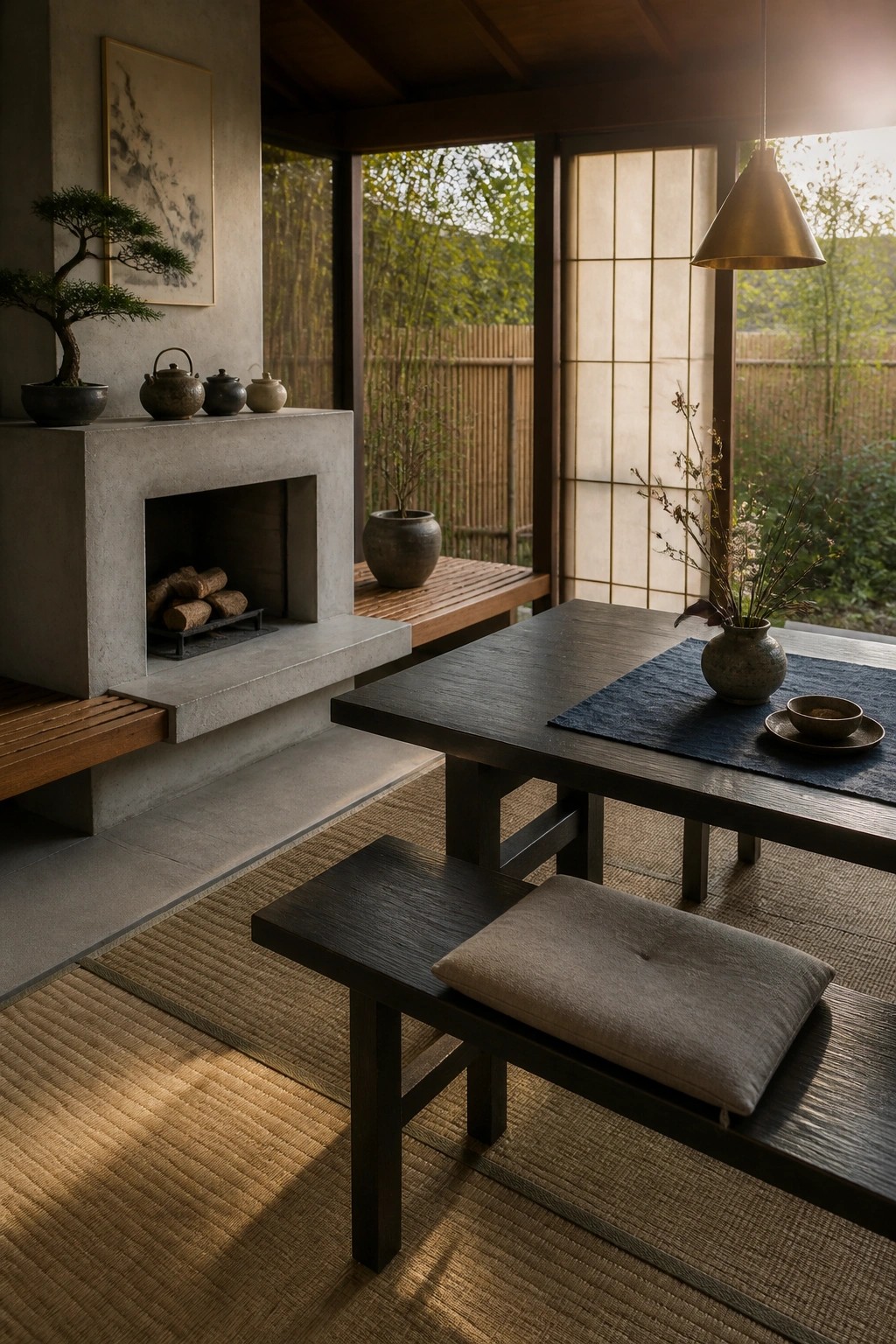
A built-in fireplace gives a screened porch a solid reason to stay useful once the weather cools. It turns the space into a three-season room without needing a full addition, and the heat source keeps people comfortable even when evenings turn crisp.
This approach works best on porches that already have solid walls or partial enclosures. Keep the seating low and simple so the fire stays the main focus, and choose materials that handle both indoor and outdoor conditions without fuss.
Add A Fireplace To Extend Porch Season
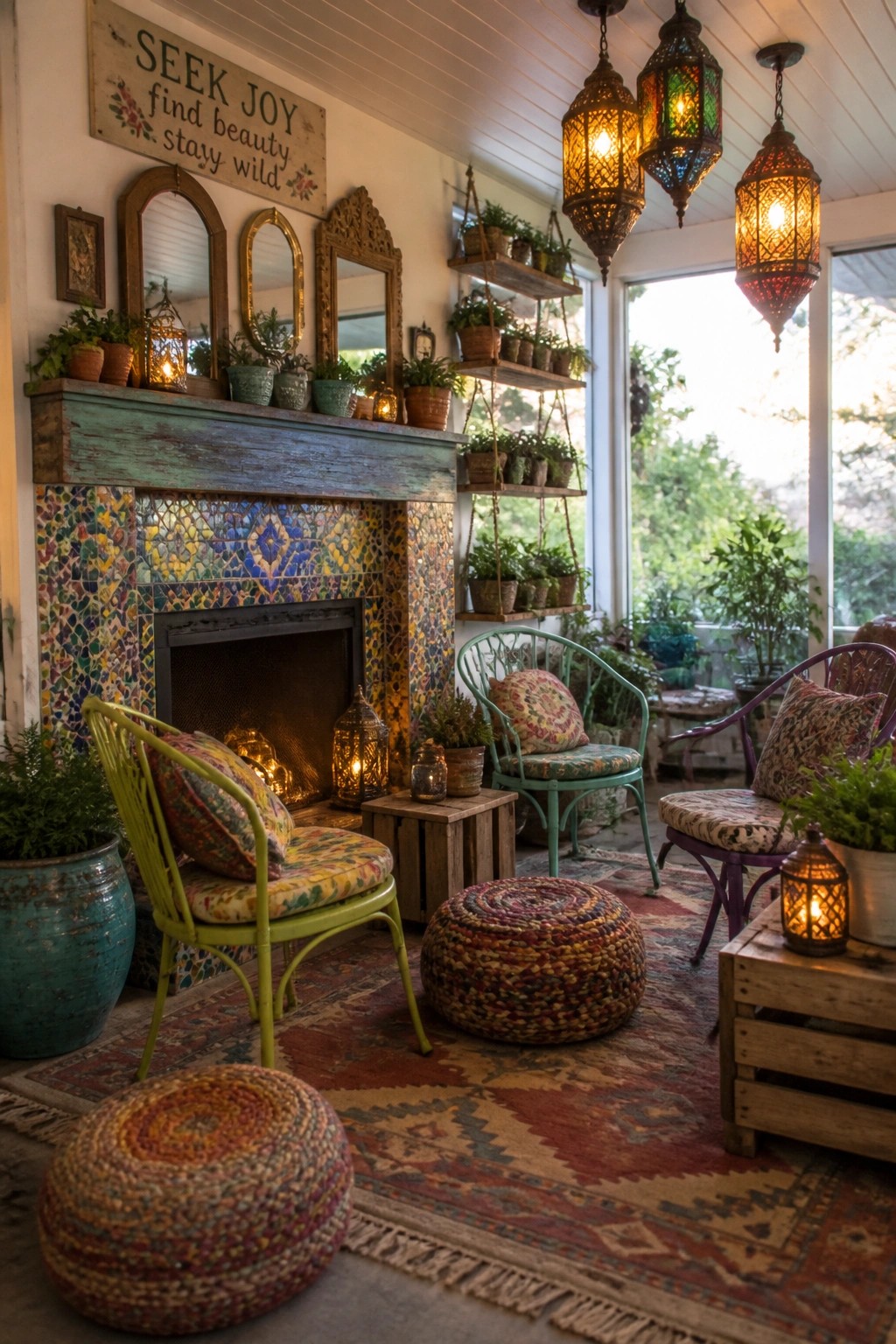
A fireplace makes a screened porch feel usable on cooler evenings when you would otherwise head back inside. It turns the space into a three-season room without much extra work.
Set the fireplace along an exterior wall so seating can face it naturally. Keep the chimney clear and choose a surround that handles some weather exposure.
Stone Fireplaces Anchor A Room
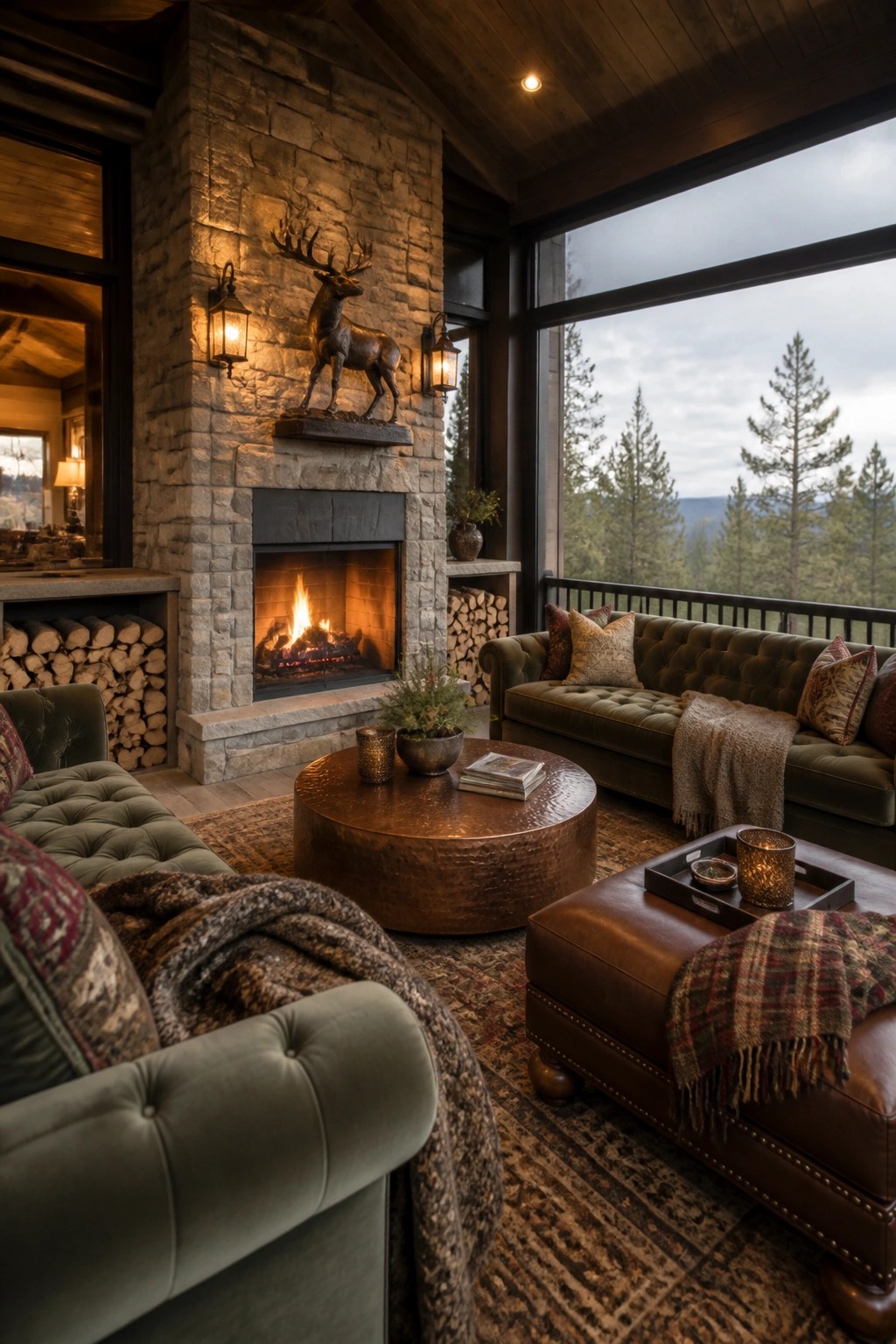
A large stone fireplace gives a living space real presence without needing much else around it. The rough texture and solid build stand out against softer seating and simple wood tones, which is why the whole room feels balanced even with the big windows nearby.
This setup works best in homes that get cool evenings but still want to enjoy the view. Keep the furniture low and the accessories minimal so the fireplace stays the main draw instead of competing with too many layers.
Build a Fireplace Into the Porch Wall
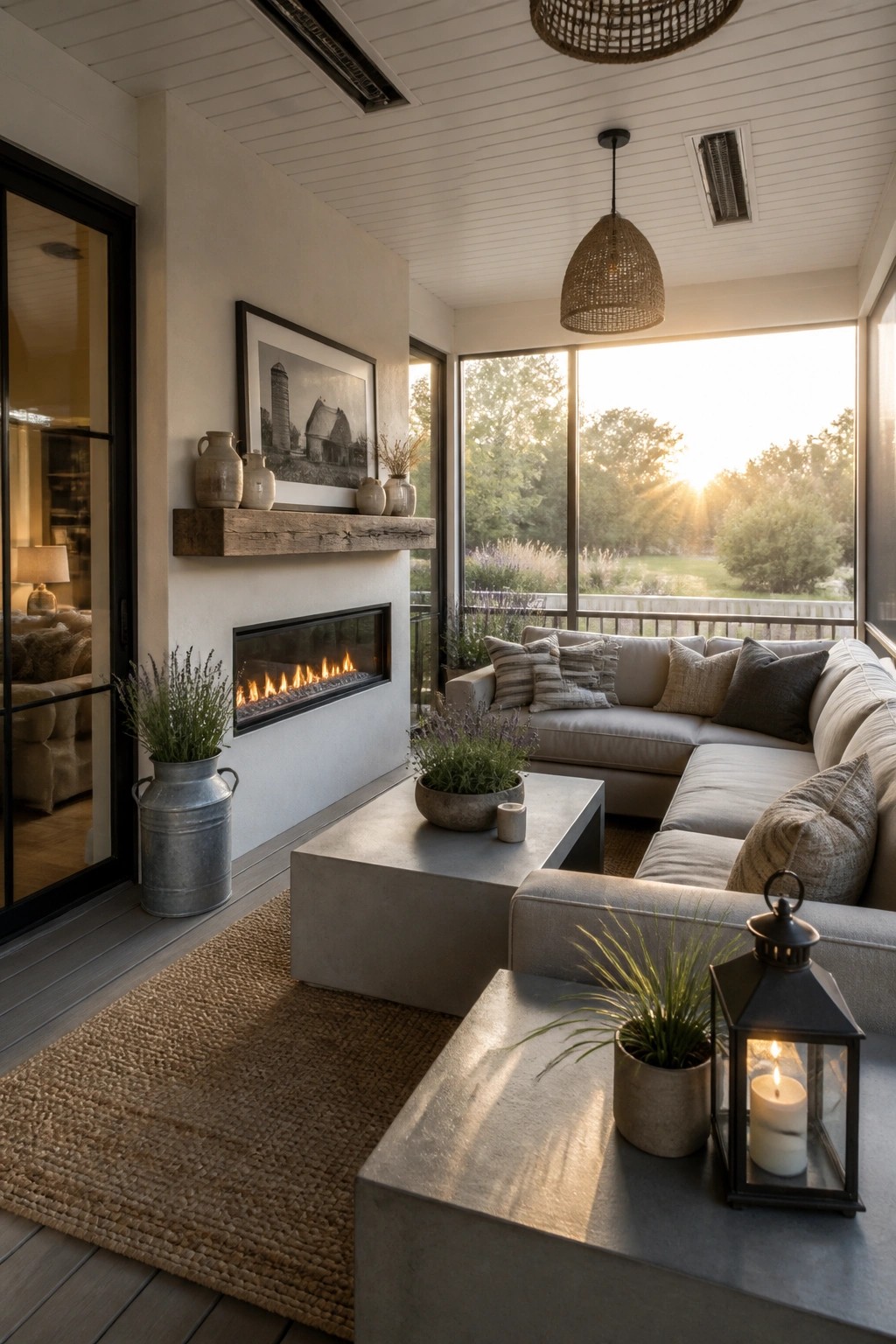
A fireplace built into the wall turns a screened porch into a space you can use well into the cooler months. It gives steady heat without taking up floor space or needing separate heaters scattered around.
This works best on porches that already have some shelter from wind and rain. Keep the unit low so it lines up with the seating, and choose a fuel type that fits the way you plan to use the space most often.
Fireplace Built Into the Screened Porch
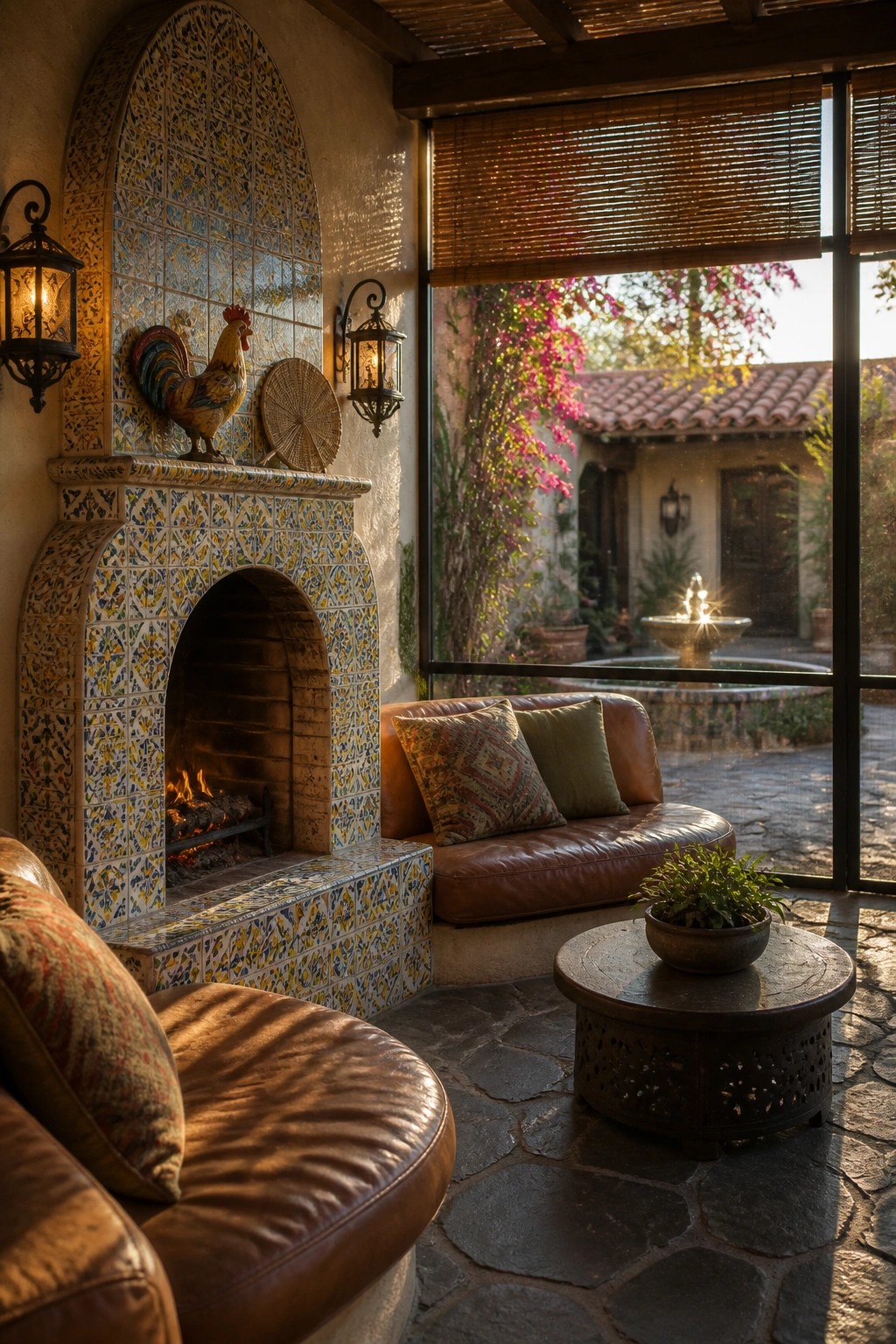
A fireplace changes how long you can use a screened porch once temperatures drop. It creates a warm spot that keeps the space comfortable without forcing everyone back indoors at the first sign of cool weather.
Place the fireplace along one wall so seating can face it directly. This layout works best on porches that already have some enclosure and a solid floor, and it pairs especially well with homes that have tile or stucco details.
Place the Dining Table Beside the Fireplace
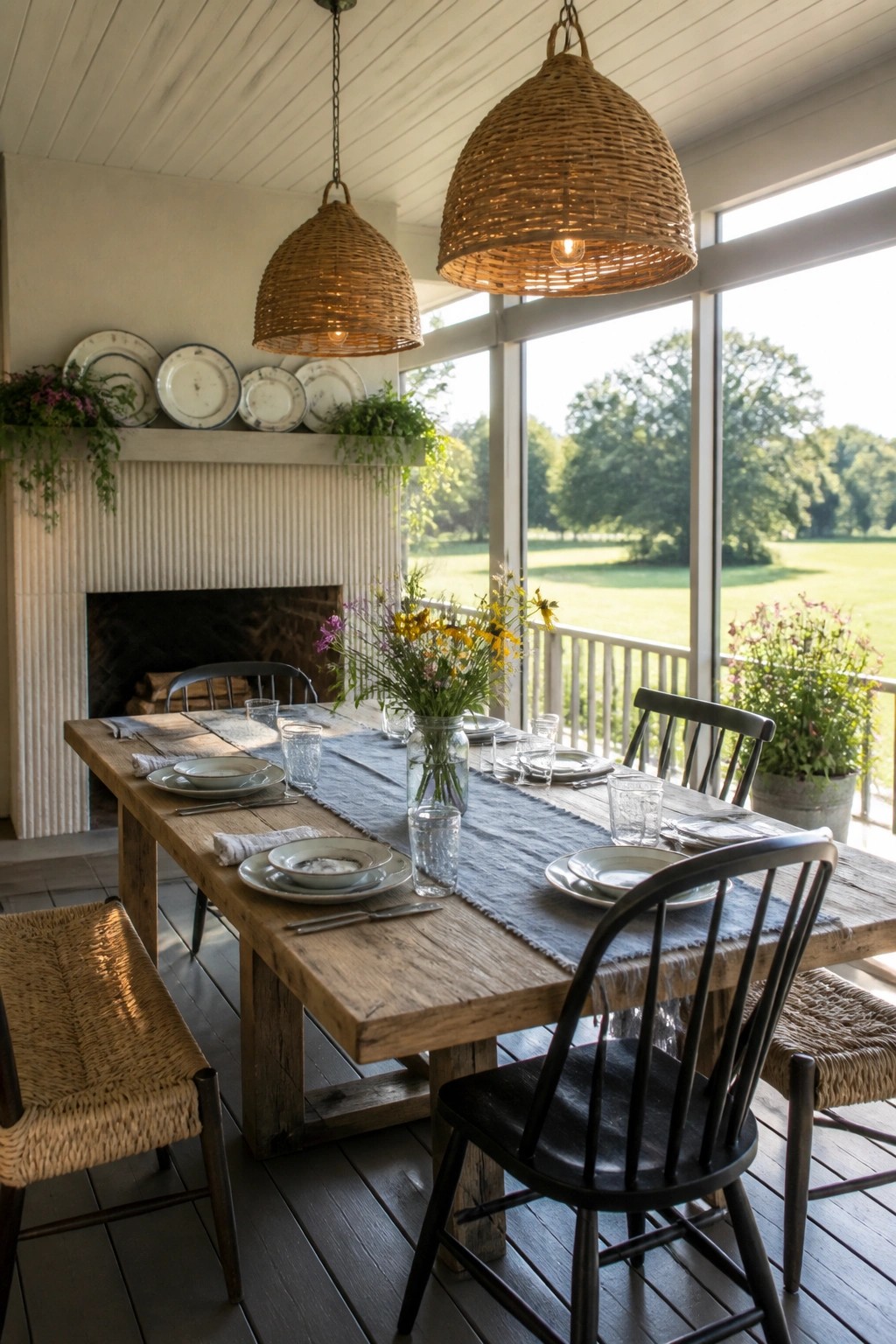
A fireplace next to the dining area turns a screened porch into a space people actually use on cooler evenings. The warmth stays close enough to the table that meals can stretch longer without anyone heading inside. It also gives the porch a clear focal point without needing extra furniture or decor.
This setup works best on three-season porches that already have good screening and some protection from wind. Keep the table at a comfortable distance so the heat reaches the seats but does not overheat the space during warmer months. A simple mantel treatment above the firebox is usually enough to tie the look together.
Stone Fireplaces Extend the Season on Screened Porches
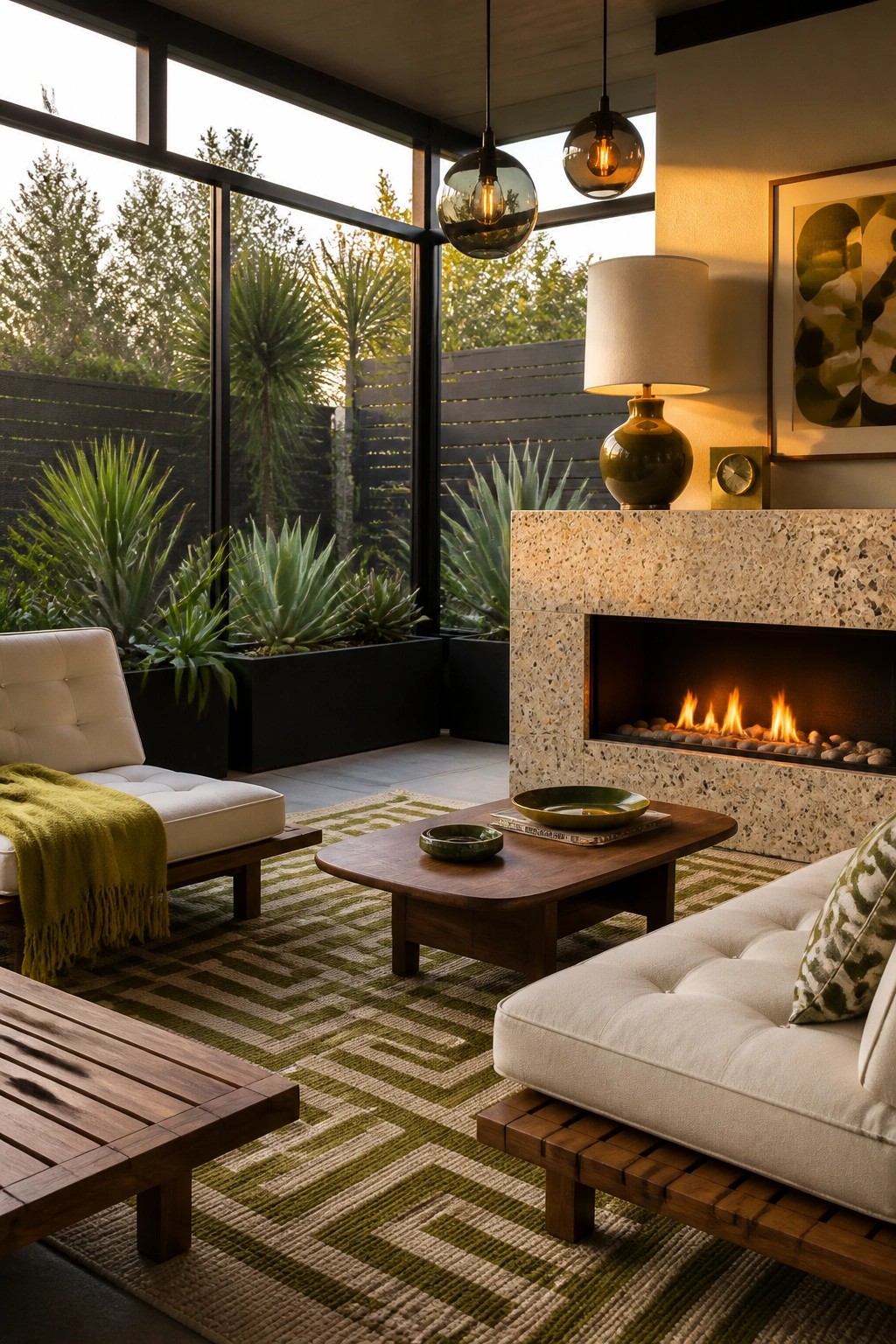
A fireplace built into stone gives a screened porch real staying power once the weather turns. It creates a focal point that draws people in and makes the space feel like an actual room rather than just an outdoor add-on.
Set the fireplace along the main wall so seating can face it without blocking traffic. This approach works best on porches that already have good screening and some overhead cover. Keep the surrounding materials simple so the stone does the work.
Keep Seating Close to the Fireplace
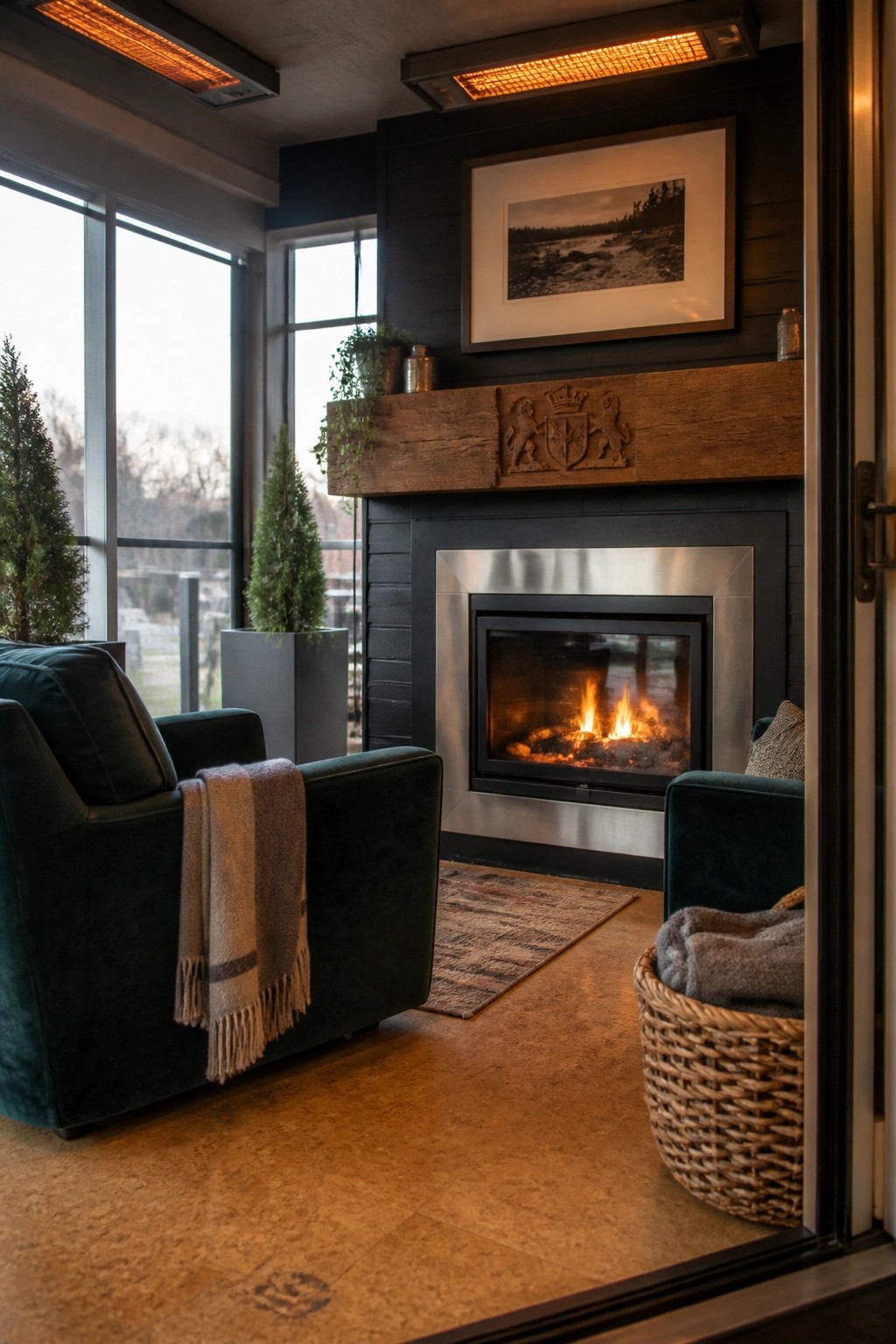
Pulling chairs right up near the fire makes a big difference in a three-season space. The warmth stays with you instead of drifting away, and the room feels ready to use even when the temperature drops.
This setup works best in a screened porch or sunroom where you already have good windows. Leave enough floor space around the chairs so people can move easily, and keep a basket of throws nearby for quick comfort.
Build the Fireplace Into the Main Wall
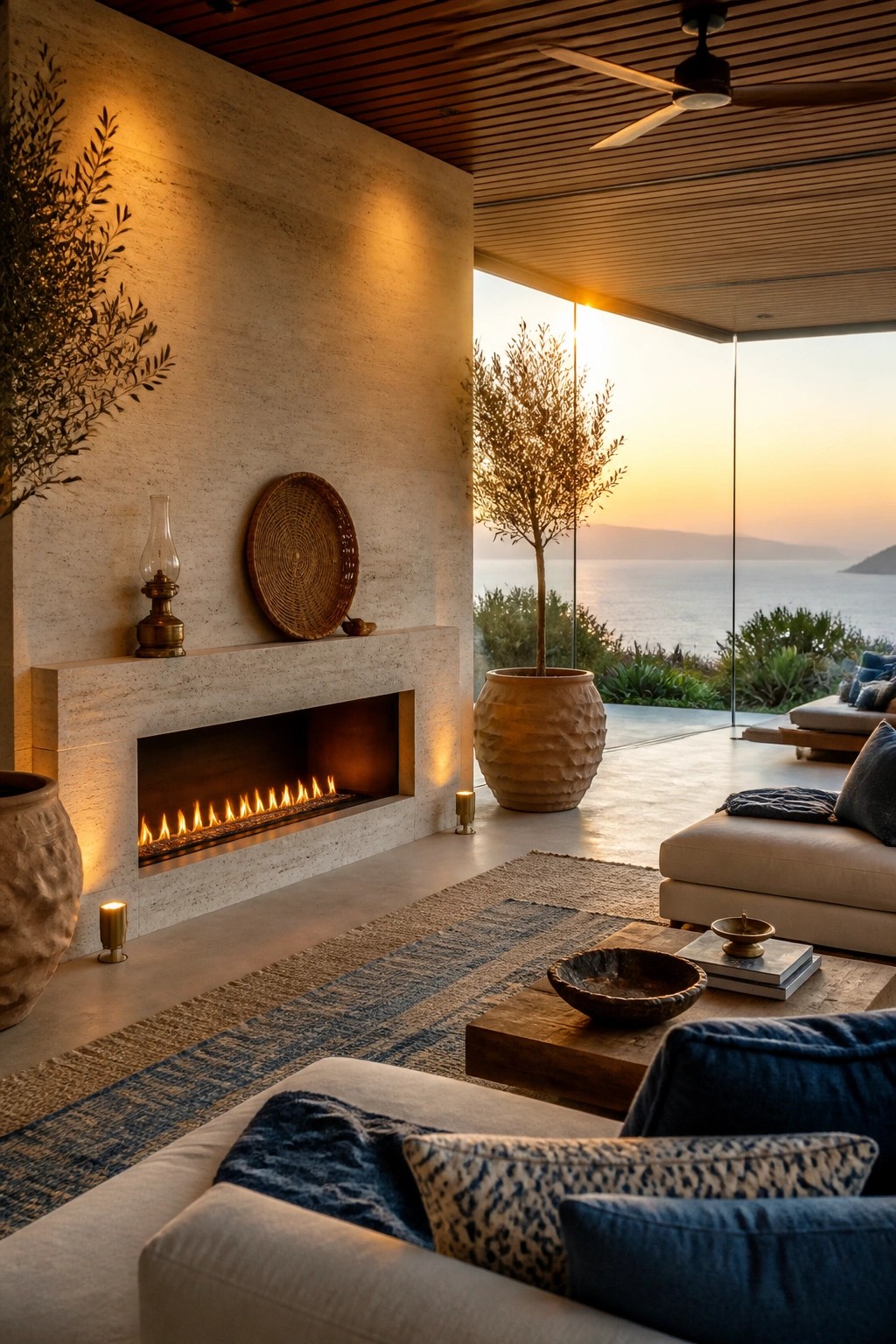
A linear fireplace set into the wall works well because it gives off steady heat without taking up floor space. This keeps the seating area open and lets the room feel connected to whatever is outside, which matters a lot when the weather is still cool but people want to spend time near the doors.
It suits homes where the main living space opens to a porch or deck. The clean line of the firebox stays out of the way, so you can arrange chairs and sofas to face both the flames and the view without the room feeling crowded.
Brick Fireplaces for Screened Porches
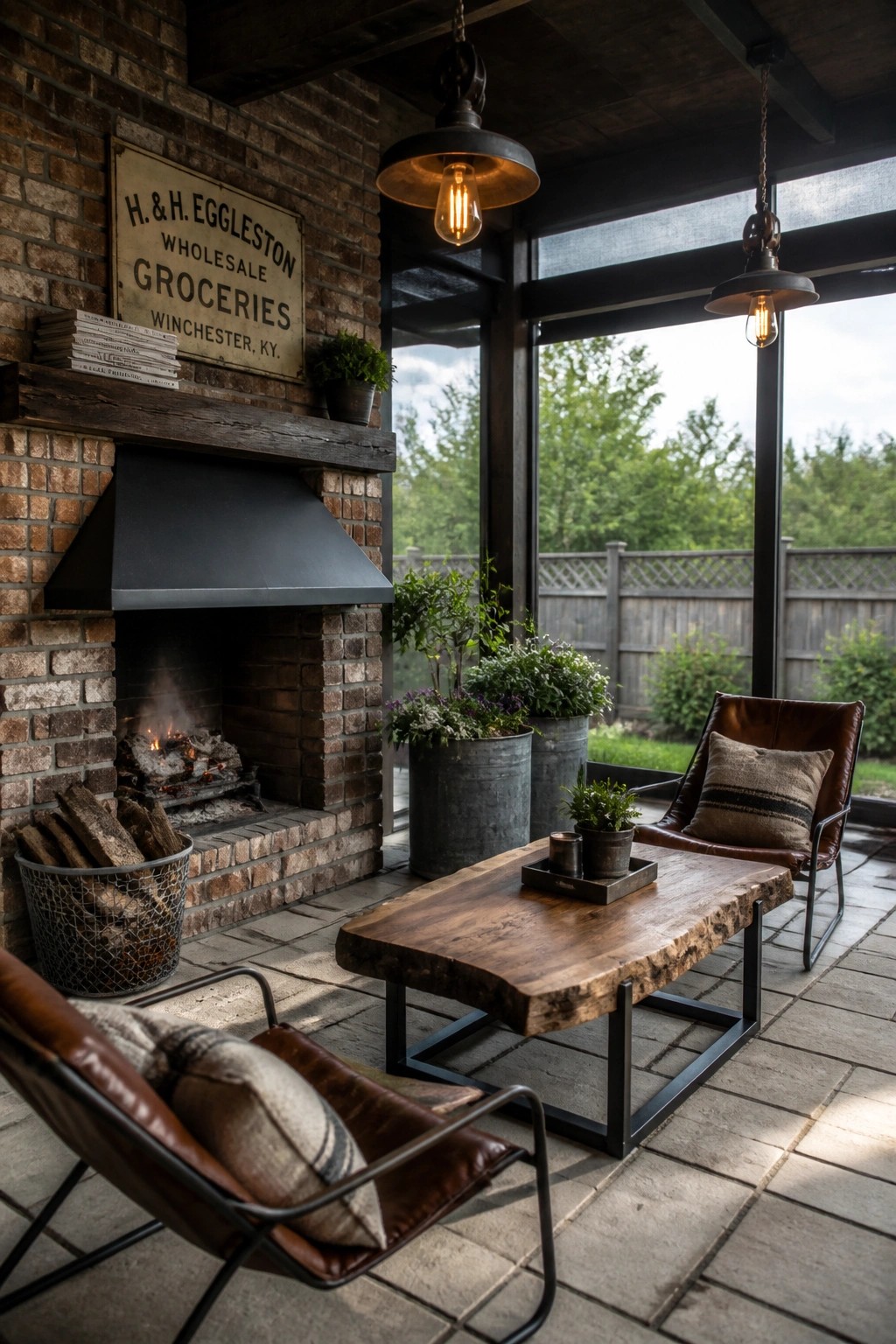
A brick fireplace adds real warmth to a screened porch and makes it usable well into the cooler months. The solid material holds heat and creates a natural spot for seating without any extra effort.
This setup works best on porches that already have some depth so chairs can face the fire without crowding the walkway. Keep the mantel simple and make sure the chimney clears the roof properly for good draft.
Frequently Asked Questions
Q: How do I stop smoke from blowing back into the seating area on a breezy day? A: Angle the fireplace so the opening faces away from the usual wind direction. A simple spark screen also helps contain embers while letting heat out. Sit in the space during a test fire to confirm the smoke rises cleanly.
Q: What kind of fuel makes the least mess for regular three season use? A: Gas logs cut down on ash and let you start or stop the fire fast without hauling wood. They also reduce the chance of stray sparks near the screens. Wood works fine if you prefer the crackle but plan on more frequent sweeping.
Q: How close can I place cushions without worrying about heat damage? A: Keep fabric seating at least three feet back from the firebox edge. Metal or wicker frames hold up better than wood right near the warmth. Move one chair in a bit at a time until you find the spot that feels just right.
