

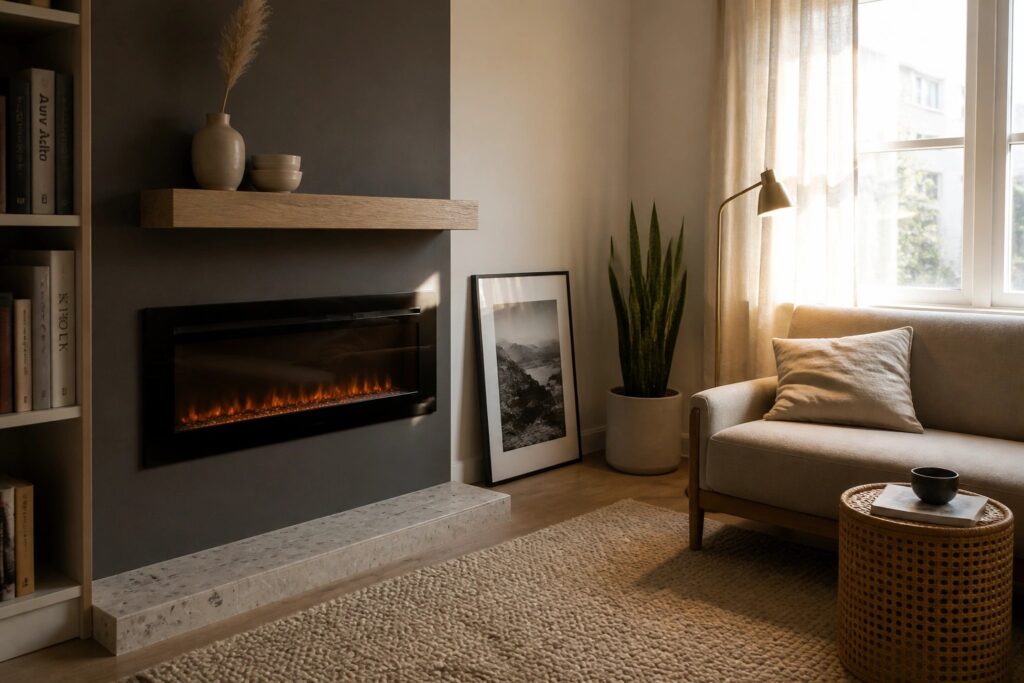
In a compact room every choice around the fireplace seems to shift how the whole space feels when you actually live in it.
I learned this after trying to fit one into my own living area and realizing that the height and depth changed how the seating arrangement came together.
What stands out right away is whether the design leaves enough room to move around or creates a bottleneck near the main path through the room.
A few of the options I have come across seem practical enough to adapt depending on whether you have a corner or a flat wall to work with.
Scale matters more than I expected.
Built In Fireplaces Save Floor Space
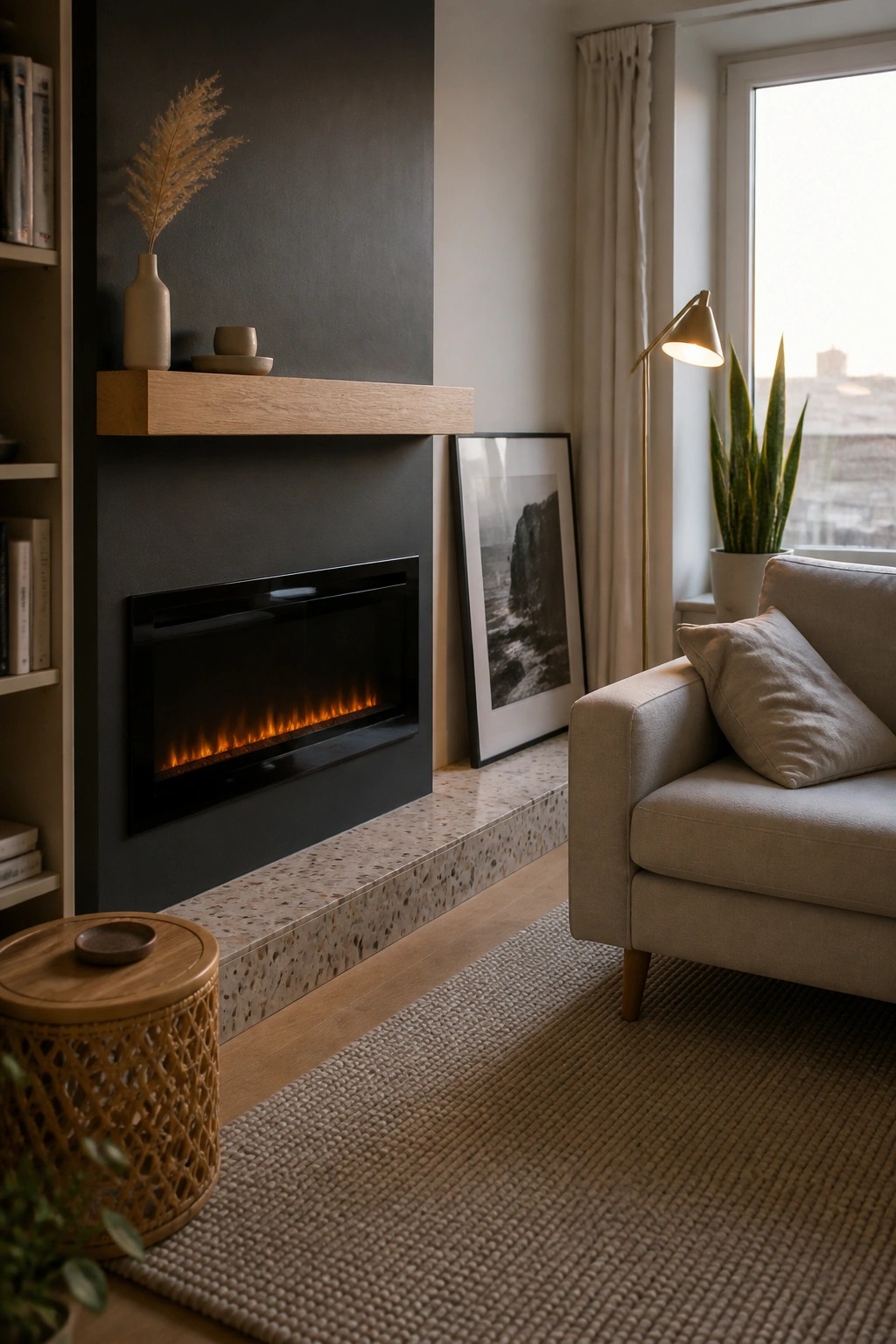
A built in fireplace lets you add warmth without losing usable floor area. It sits flat against the wall so the room stays open and easy to walk through even in a small apartment.
Keep the ledge narrow and add a simple floating shelf above for a few small items. This works best in living rooms or studios where a freestanding unit would crowd the space.
Recess the Fireplace Into the Wall
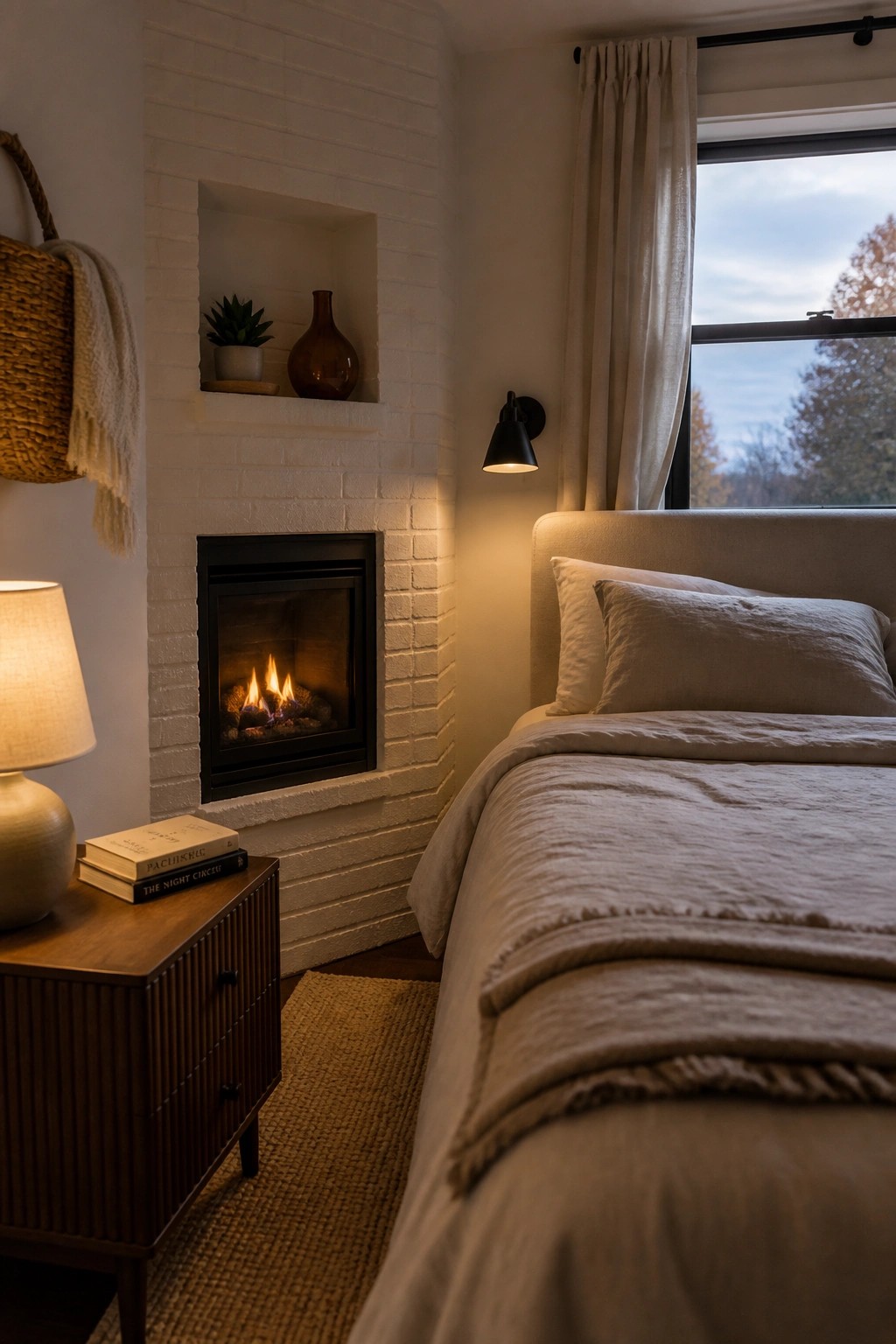
A recessed fireplace keeps the floor clear in a small bedroom or apartment. Instead of a bulky unit taking up space, the firebox sits inside the wall so the bed and nightstand can sit closer without feeling cramped.
This works best along a side wall near the head of the bed. Use a simple surround that blends with the wall color and keep the mantel narrow or skip it entirely. The result gives warmth and a focal point without eating into the usable floor area.
Fireplace in a Narrow Hallway
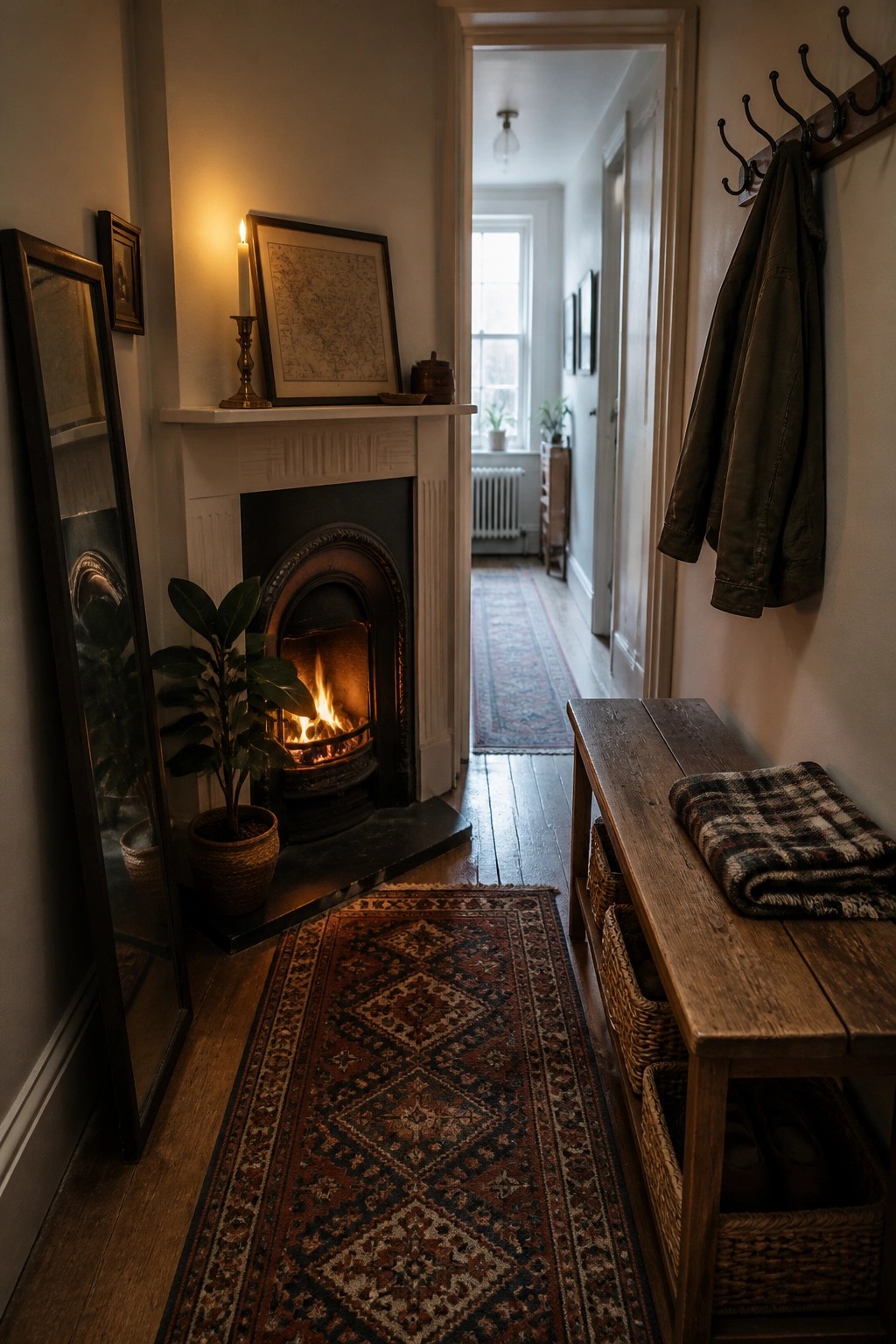
A fireplace can work nicely in a hallway if the space is tight. It turns a simple walkway into something warmer and more useful without needing a full room of its own.
This setup suits older apartments or small homes where the entry or passage gets steady foot traffic. Keep the floor clear with a runner and add only a bench or hooks nearby so the fire stays the main feature.
Place A Freestanding Stove Against Brick
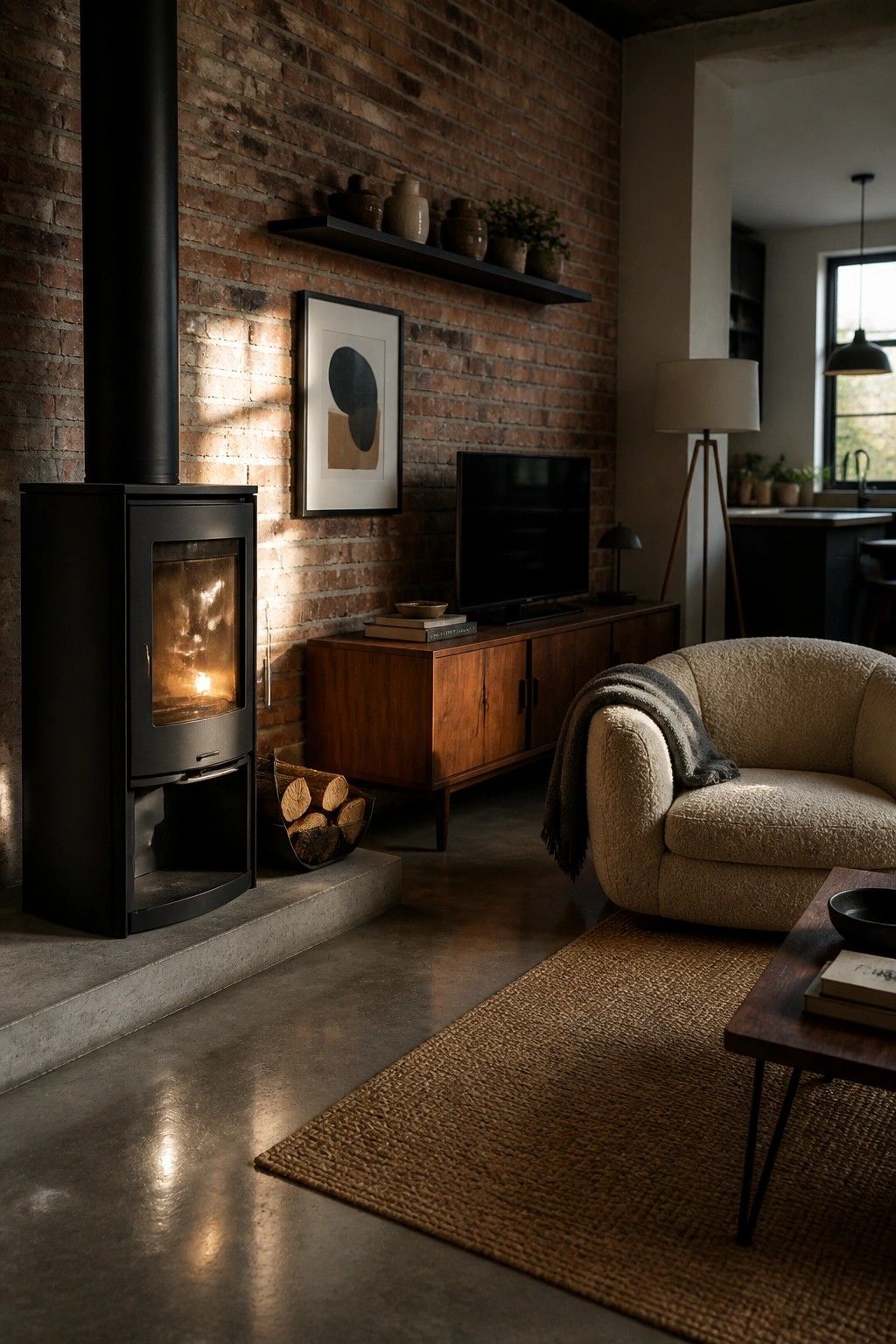
A freestanding stove takes up very little floor space yet still gives a room a clear focal point. The brick wall behind it adds texture and helps bounce heat back into the living area without needing extra built-ins or mantels.
This approach works best in apartments or small homes where a full fireplace would feel too large. Keep the rest of the furnishings low and simple so the stove and wall stay the main features.
Small Dining Areas Built Around Fireplaces
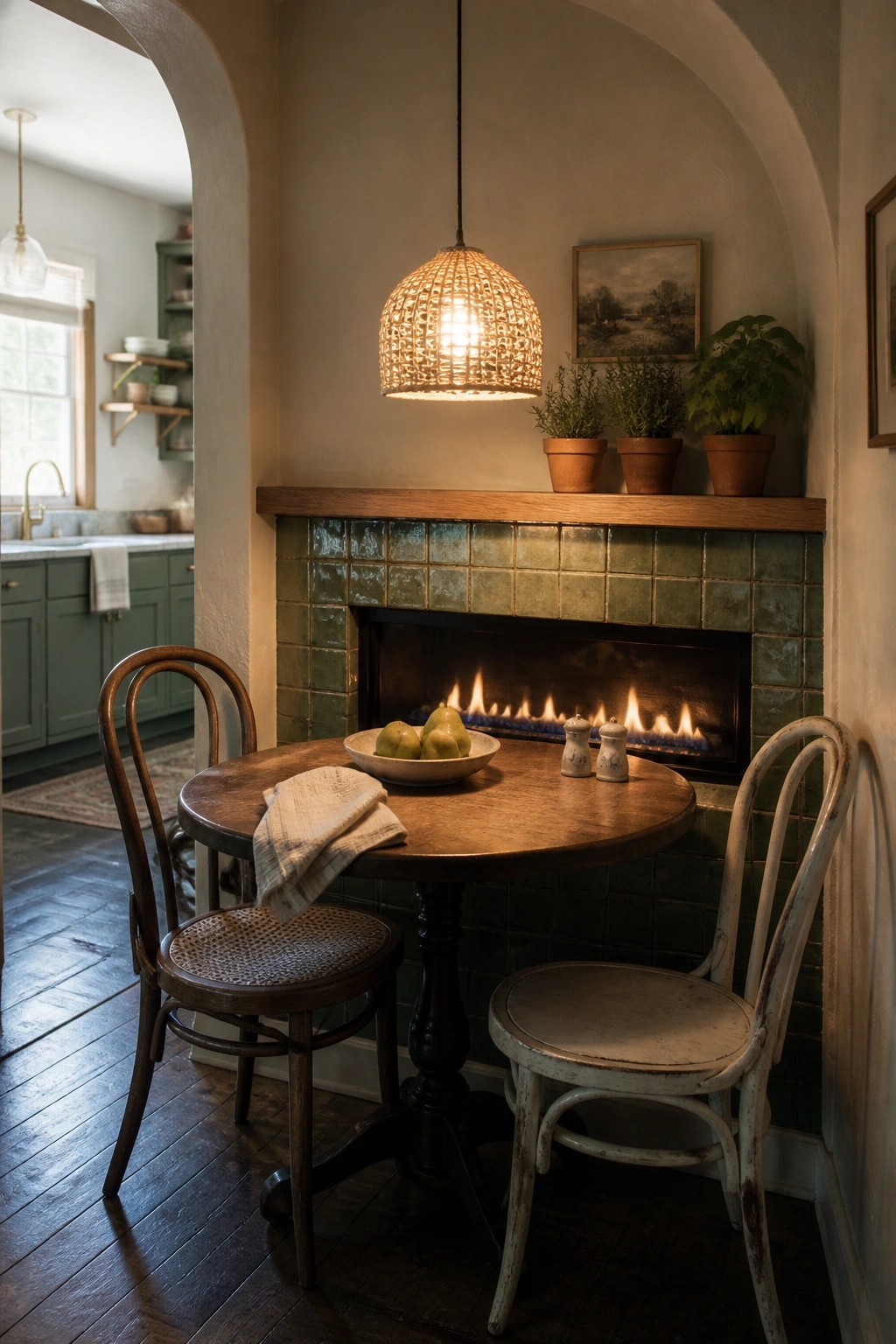
A fireplace can turn a tight corner into a real dining spot without needing much extra room. The key is keeping the table small and round so it sits close to the hearth without blocking the fire or making the space feel cramped. This setup works especially well in older homes or apartments where the fireplace already exists and just needs a simple table and a couple of chairs to feel finished.
It suits compact kitchens or open living areas where you want one zone to handle both cooking and eating. Watch the scale of the table and chairs so they do not crowd the firebox or block heat. A low pendant light helps define the spot without taking up floor space.
Fireplace Ideas For Small Home Offices
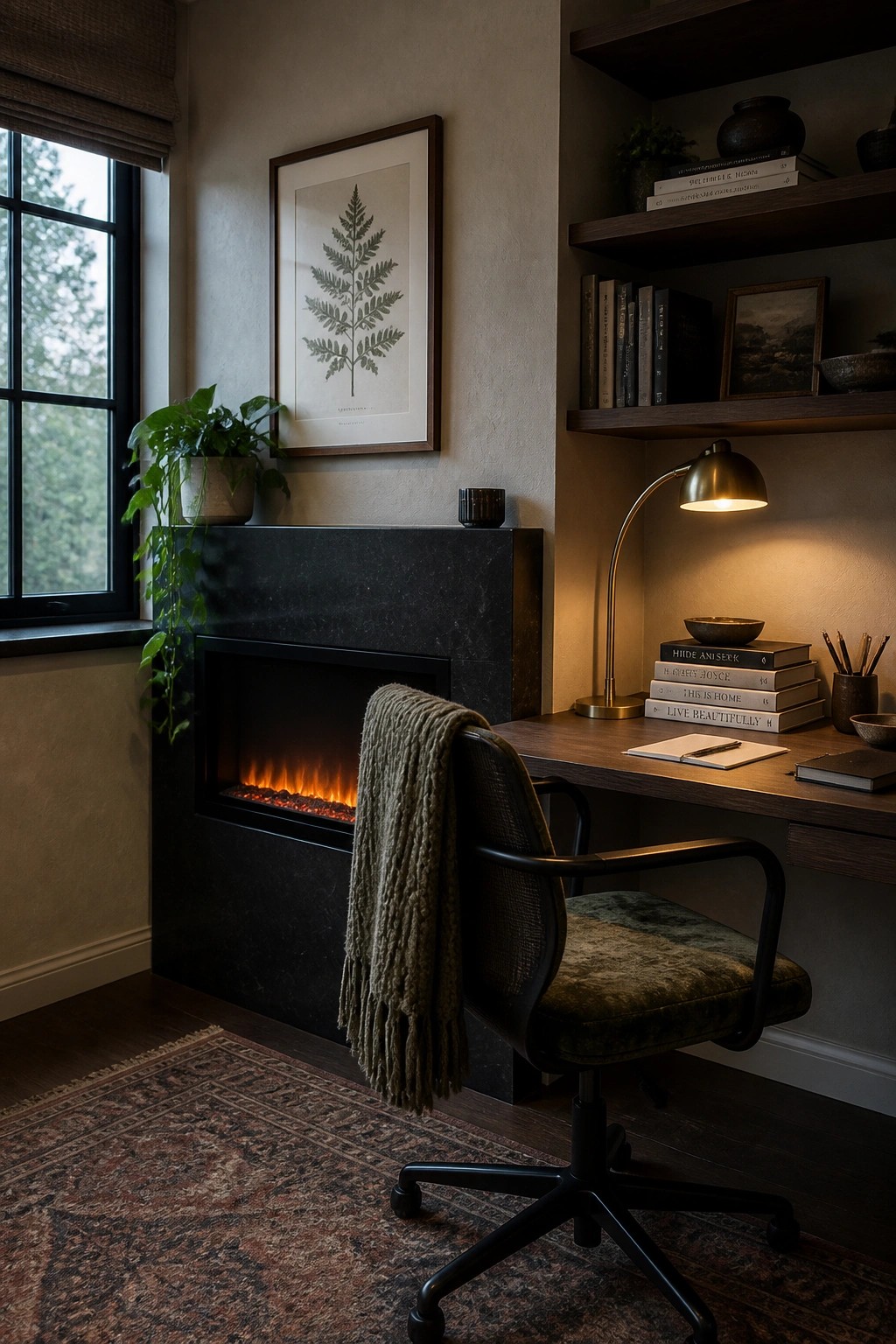
Many people like adding a fireplace to a small workspace because it makes the room feel warmer and more inviting without needing much extra space. The key is keeping the rest of the setup simple so the fireplace stays the focus.
This works especially well in apartments where one room has to handle both work and downtime. Place the desk to one side and let the fireplace anchor the area. Just make sure there is enough clearance for the chair to move freely.
Float A Shelf Above A Linear Fireplace
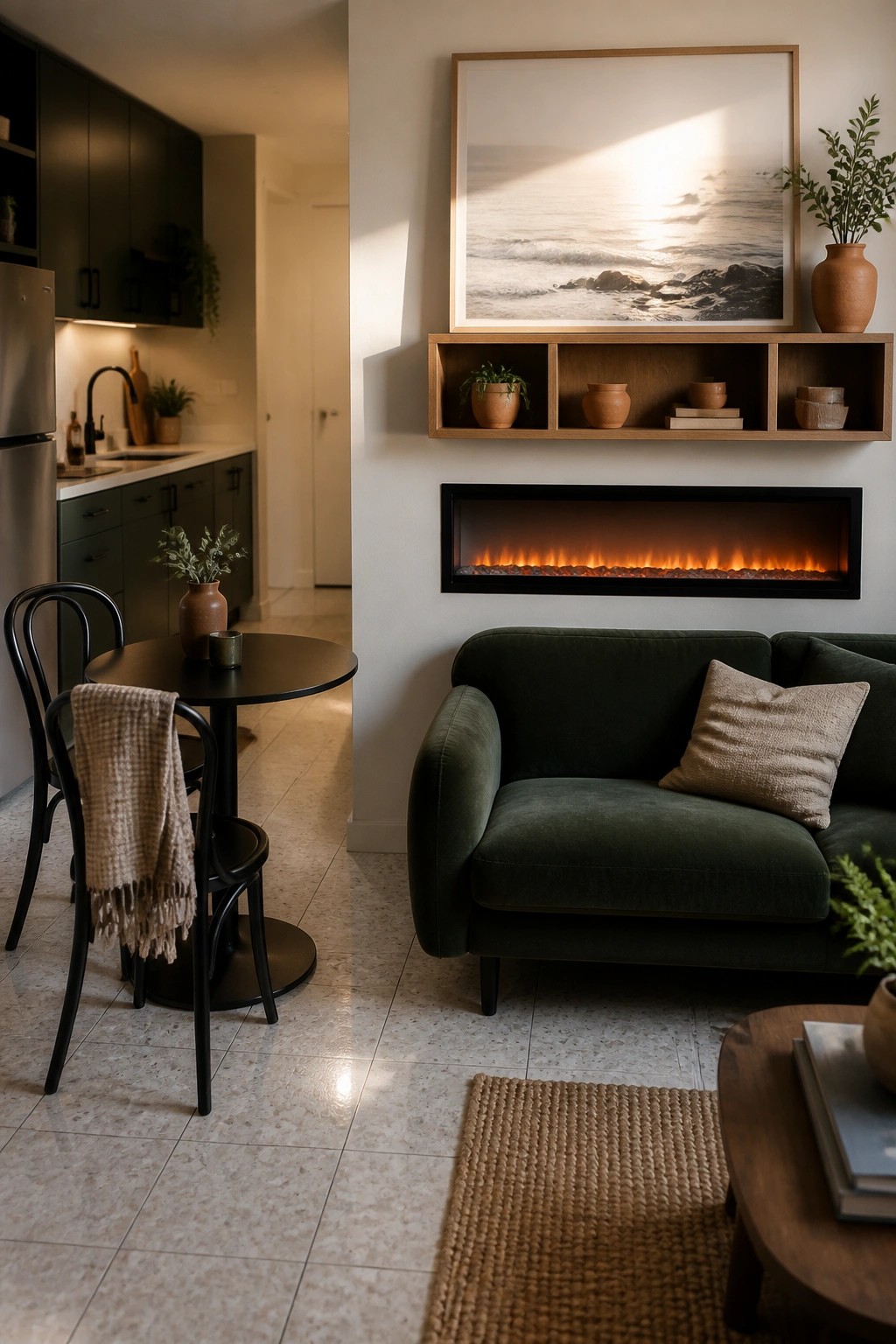
A linear electric fireplace stays low and slim, which helps it fit into compact living areas without taking over the room. Adding a floating shelf right above it turns the wall into useful storage and display space at the same time.
This works best in apartments where you need the fireplace as a focal point but also want room for a few plants or small items. Keep the shelf light and not too deep so the whole setup stays open and does not crowd the seating area.
Keep the Fireplace Corner Simple
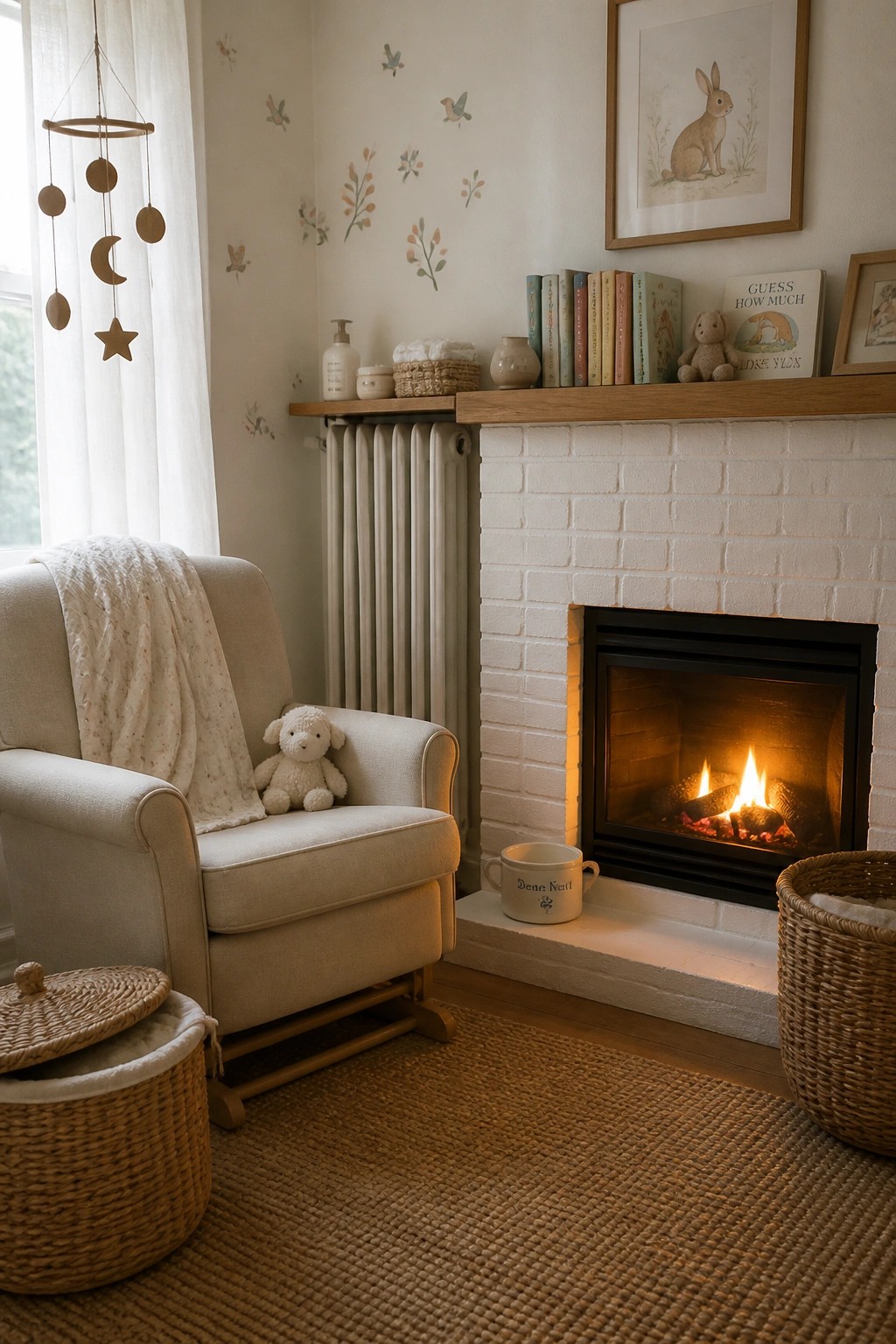
A small fireplace works best when the area around it stays uncluttered. A single comfortable chair, soft neutral tones, and a few woven baskets keep the space feeling open while still cozy.
This setup suits apartments and compact rooms where you want warmth without crowding the floor plan. Choose low-profile seating that tucks in easily and skip heavy styling so the fire stays the main point of interest.
Use Minimal Seating With A Corner Fireplace
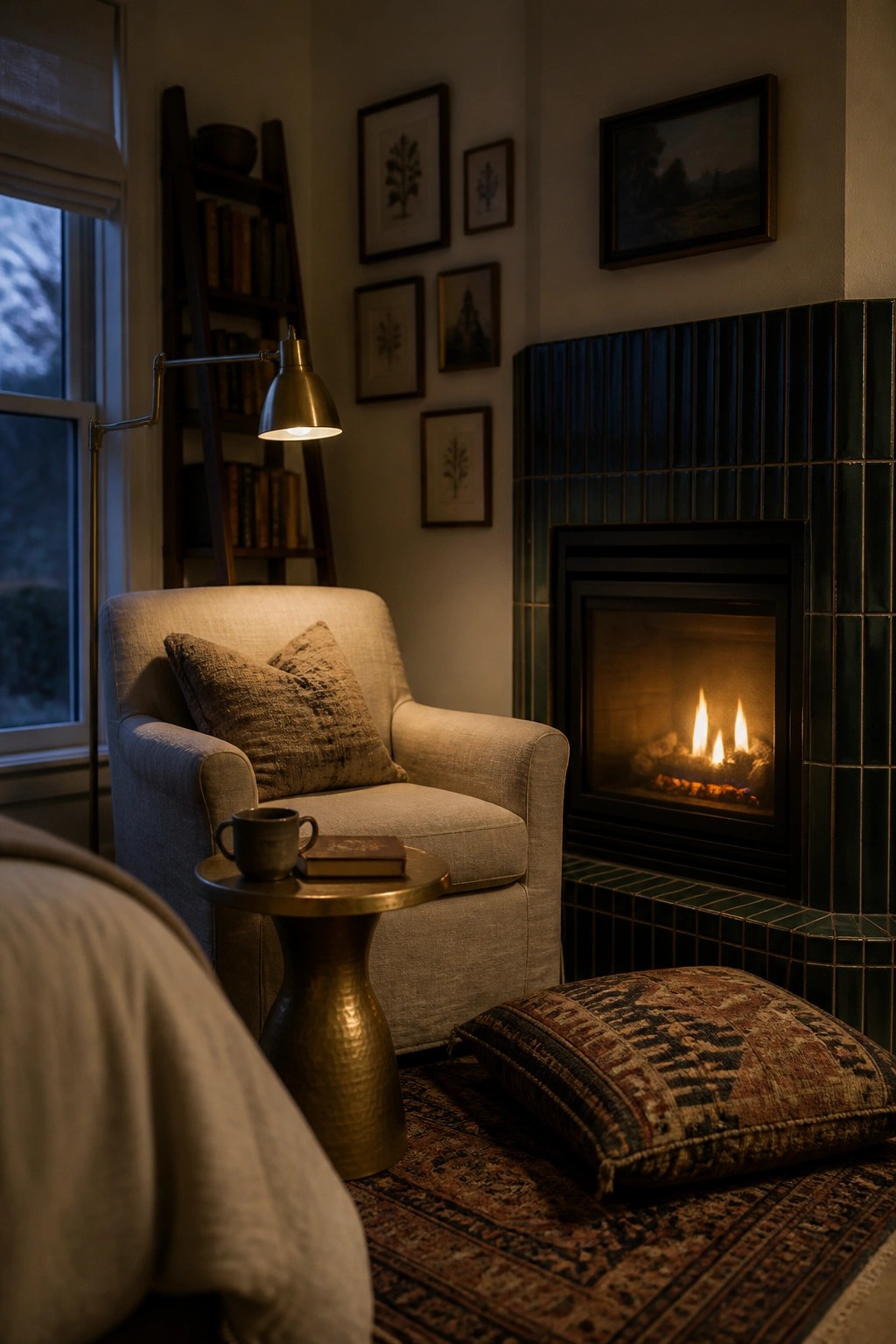
A corner fireplace can give a small room plenty of warmth without taking over the space. The key is keeping the furniture around it simple so the room still feels open.
An armchair and a floor cushion work well here because they do not crowd the area. This setup suits apartments where every inch counts and you want the fire to be the main feature.
Built-In Fireplaces For Small Bathrooms
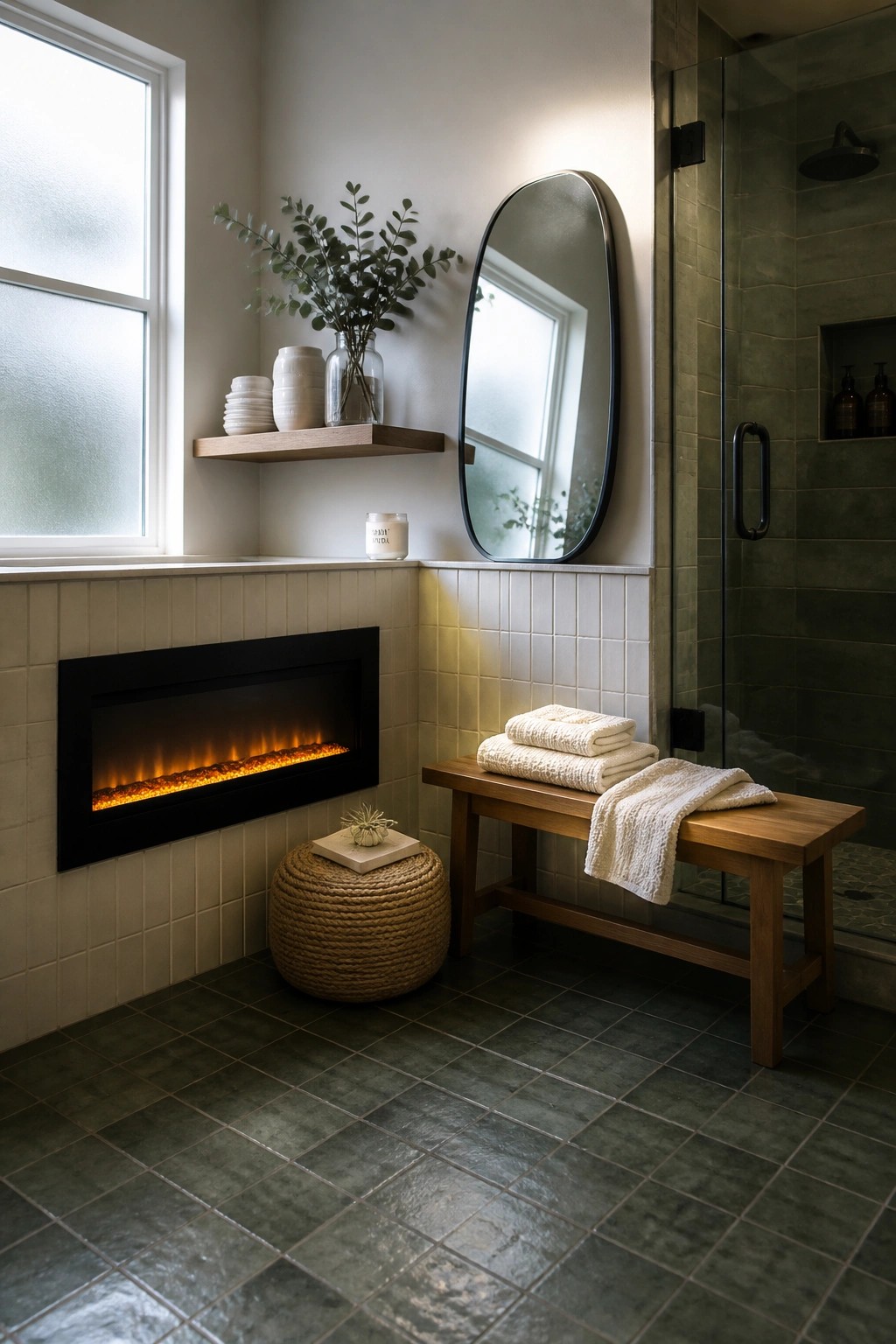
A slim electric fireplace set into the wall works well in tight bathrooms because it adds warmth and a focal point without taking up floor space. The low profile keeps the room feeling open while still giving off heat on chilly mornings.
This approach suits apartments or small homes where a full fireplace would be too much. Place it along a tiled wall near seating or storage so the heat stays useful and the unit blends into the existing surfaces. Keep the surround simple to avoid crowding the look.
Built-In Bench Fireplaces
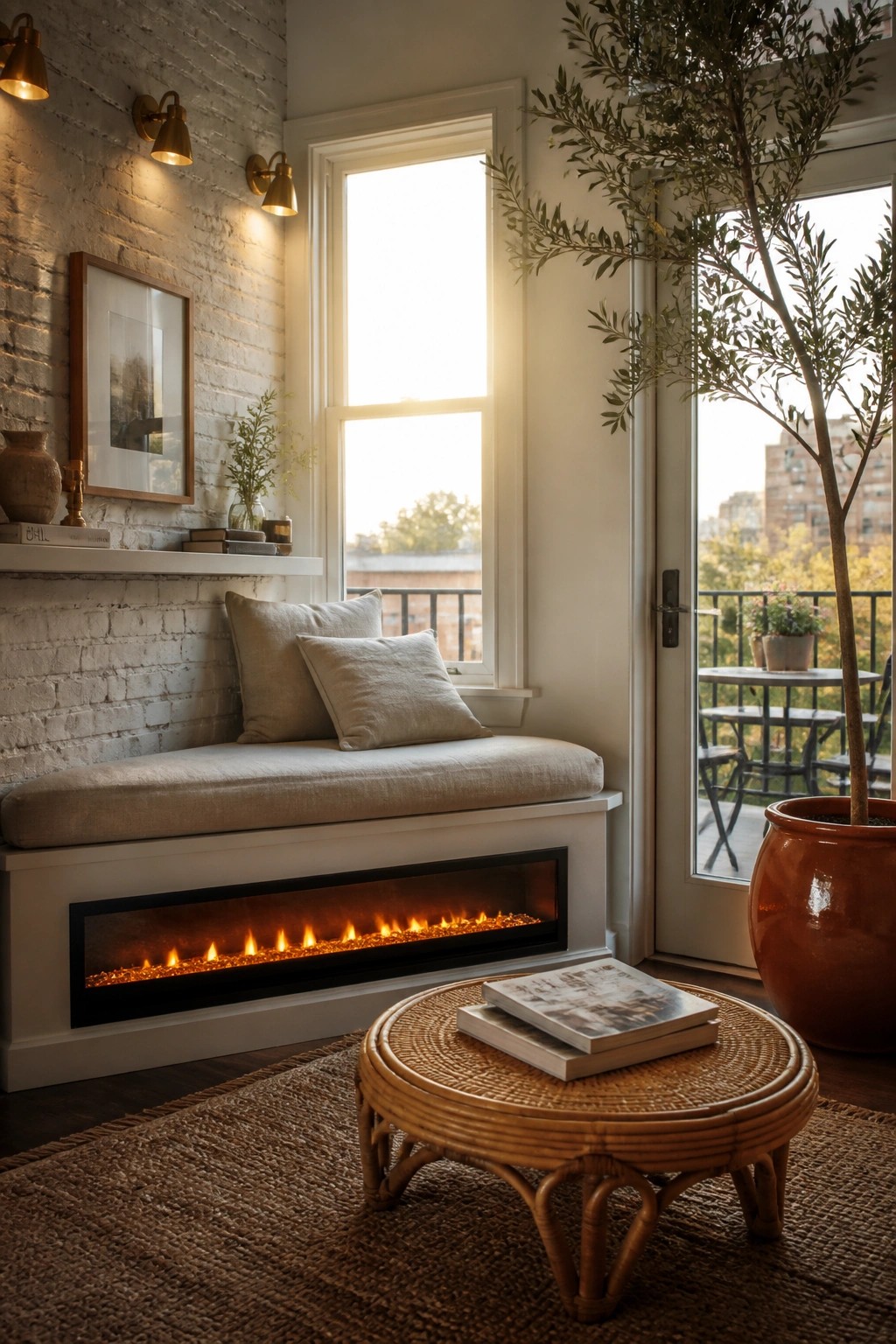
One practical way to fit a fireplace into a small room is to place it under a built-in bench. The bench adds seating without eating into floor space, and the fireplace becomes the base instead of a separate piece that stands out on its own.
This setup suits apartments or compact living areas where you want warmth and a place to sit in the same spot. Keep the bench simple with a few cushions, and choose an electric unit that gives off light and heat without needing a chimney.
Built-In Electric Fireplaces For Small Rooms
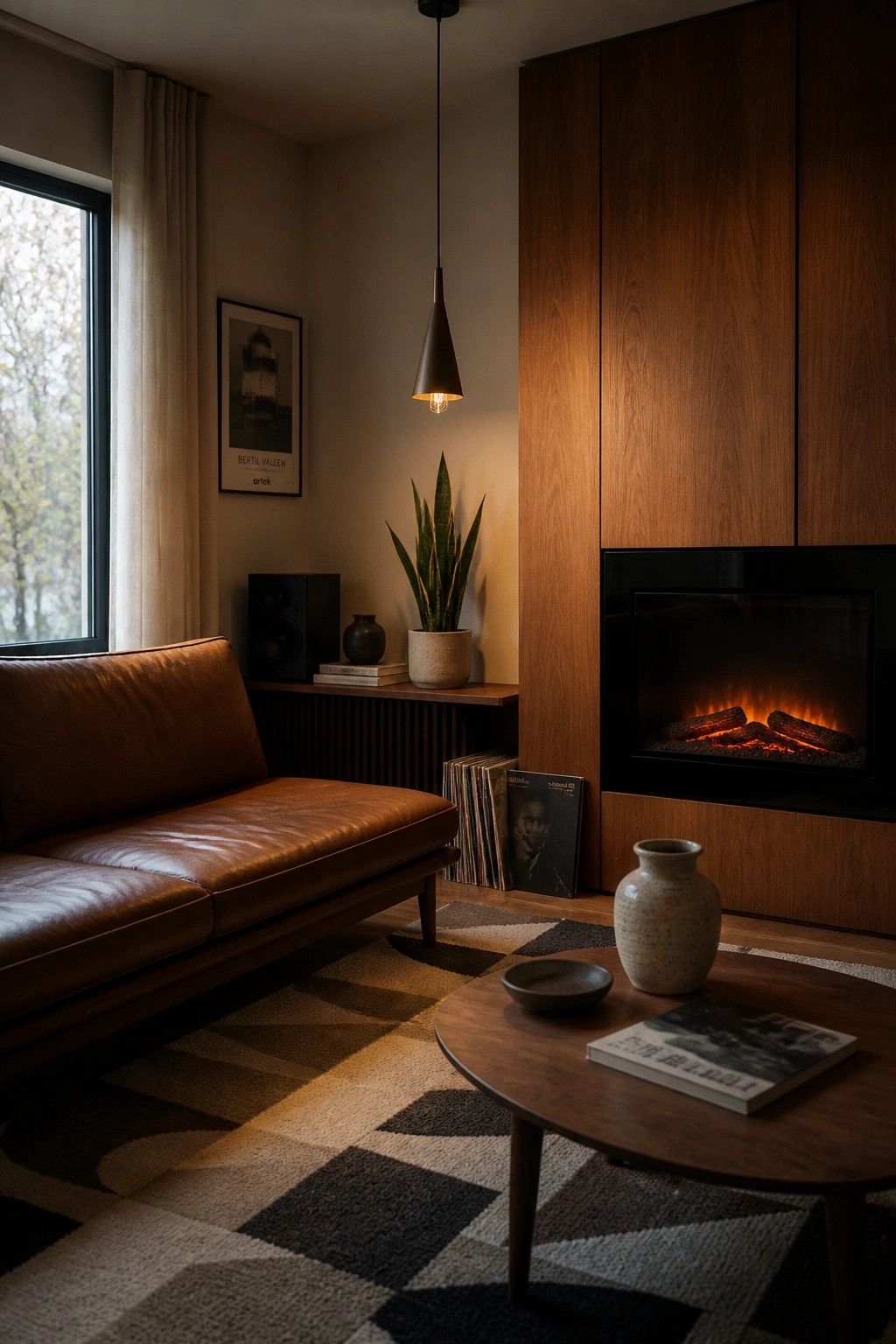
An electric fireplace tucked into cabinetry works well when floor space is limited. It gives the room a focal point and warmth without needing extra depth or a full chimney setup.
This layout suits apartments and compact living areas where you want the feel of a fire but still need room to move. Keep the surround simple so the unit blends into the wall rather than sticking out.
Built-In Fireplaces For Small Bedrooms
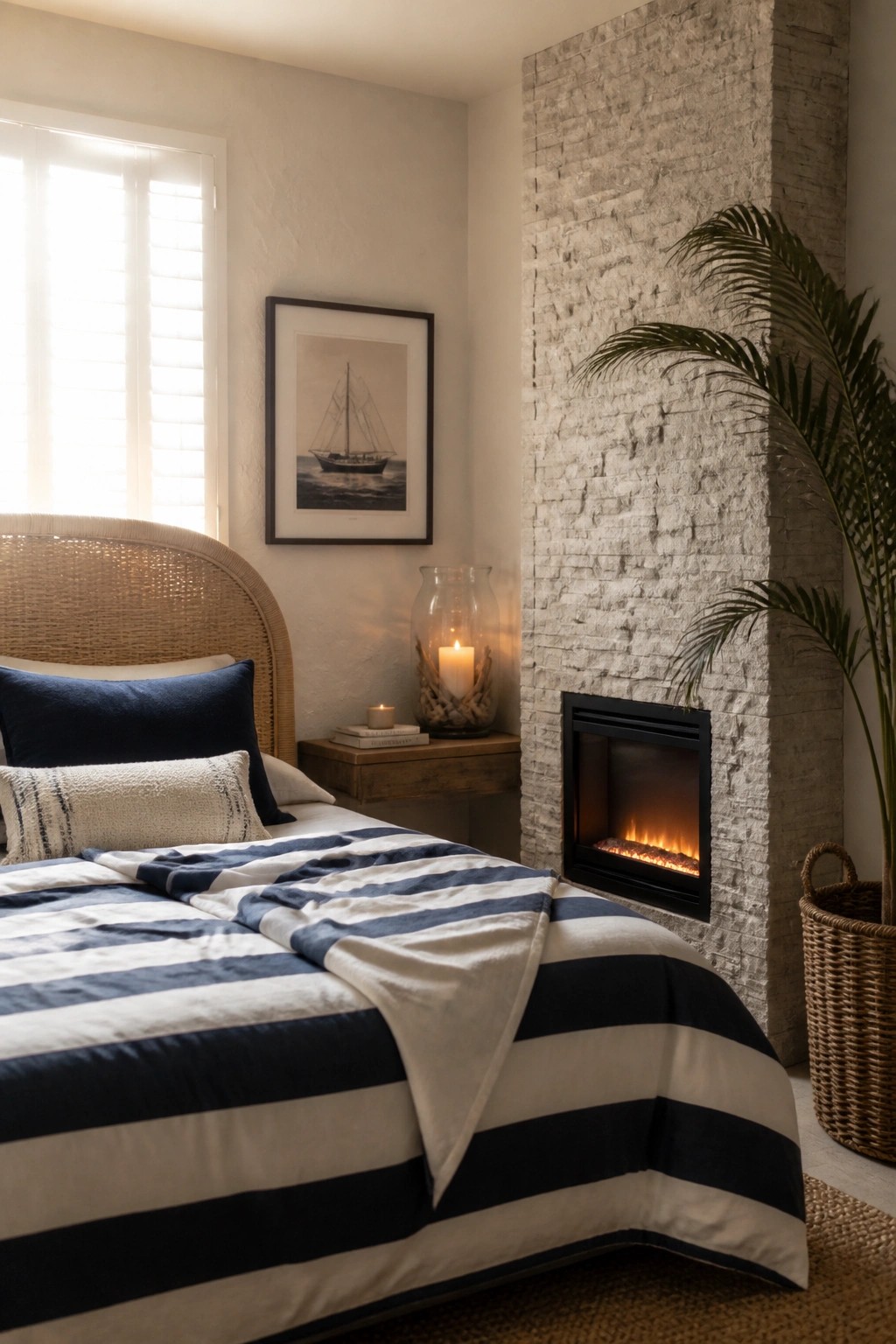
A built-in fireplace works well in a small bedroom because it sits against the wall and does not take up floor space. The slim surround keeps the room feeling open while still giving it a focal point that adds warmth.
This setup suits apartments or compact homes where a traditional fireplace would not fit. Electric inserts make installation easier, and a simple stone or tile finish helps it blend in without looking bulky.
Install A Narrow Ledge Above The Fireplace
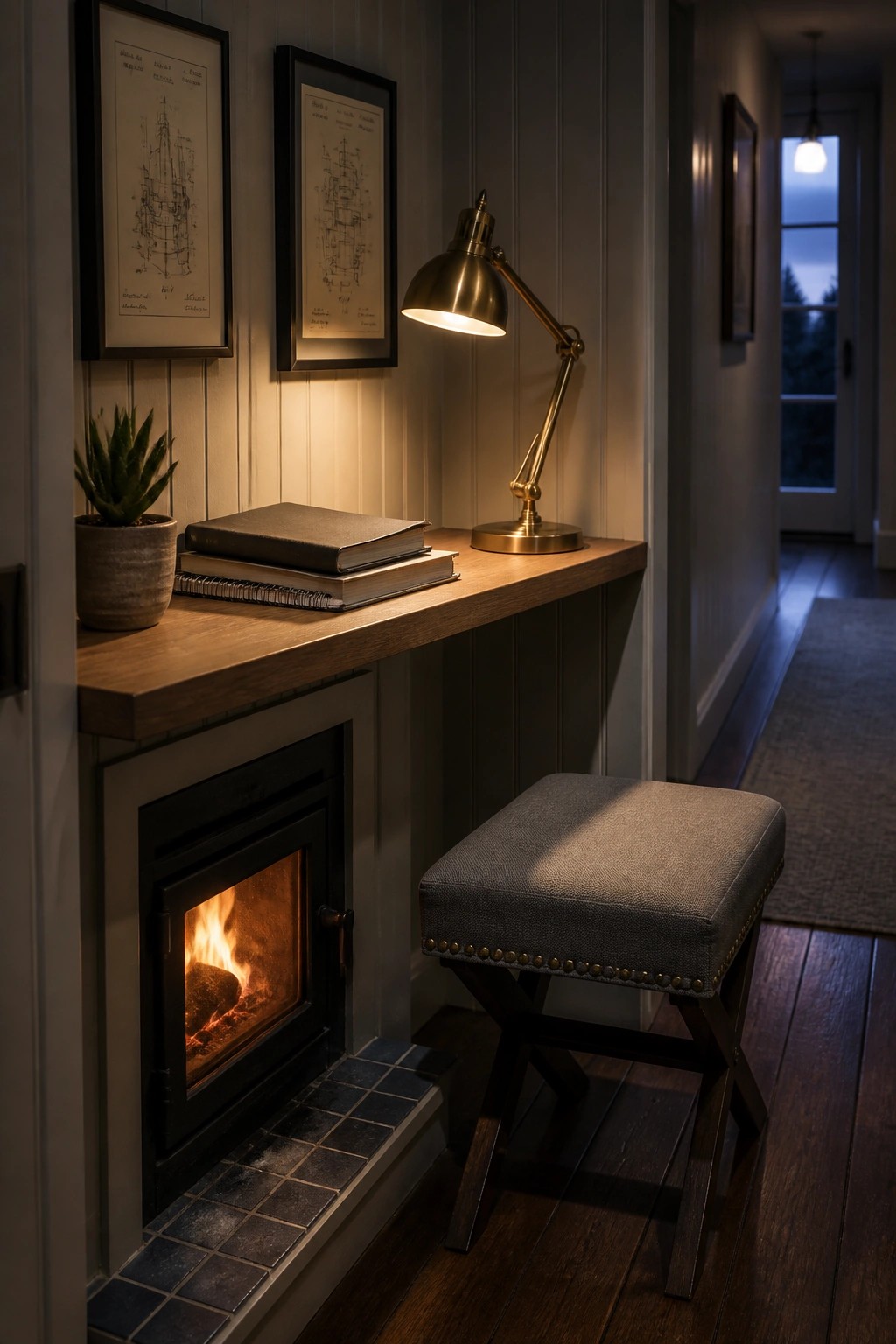
A narrow ledge above a small fireplace gives you a place to set books or a lamp without adding extra furniture that would crowd the room. It keeps the focus on the fire itself while making the area feel more useful in a hallway or corner that has little width to spare.
This setup works best in apartments where floor space is limited. Keep the ledge fairly thin so it does not stick out too far, and pair it with a simple stool that can be tucked away when not in use.
Pull An Armchair Up To The Fireplace
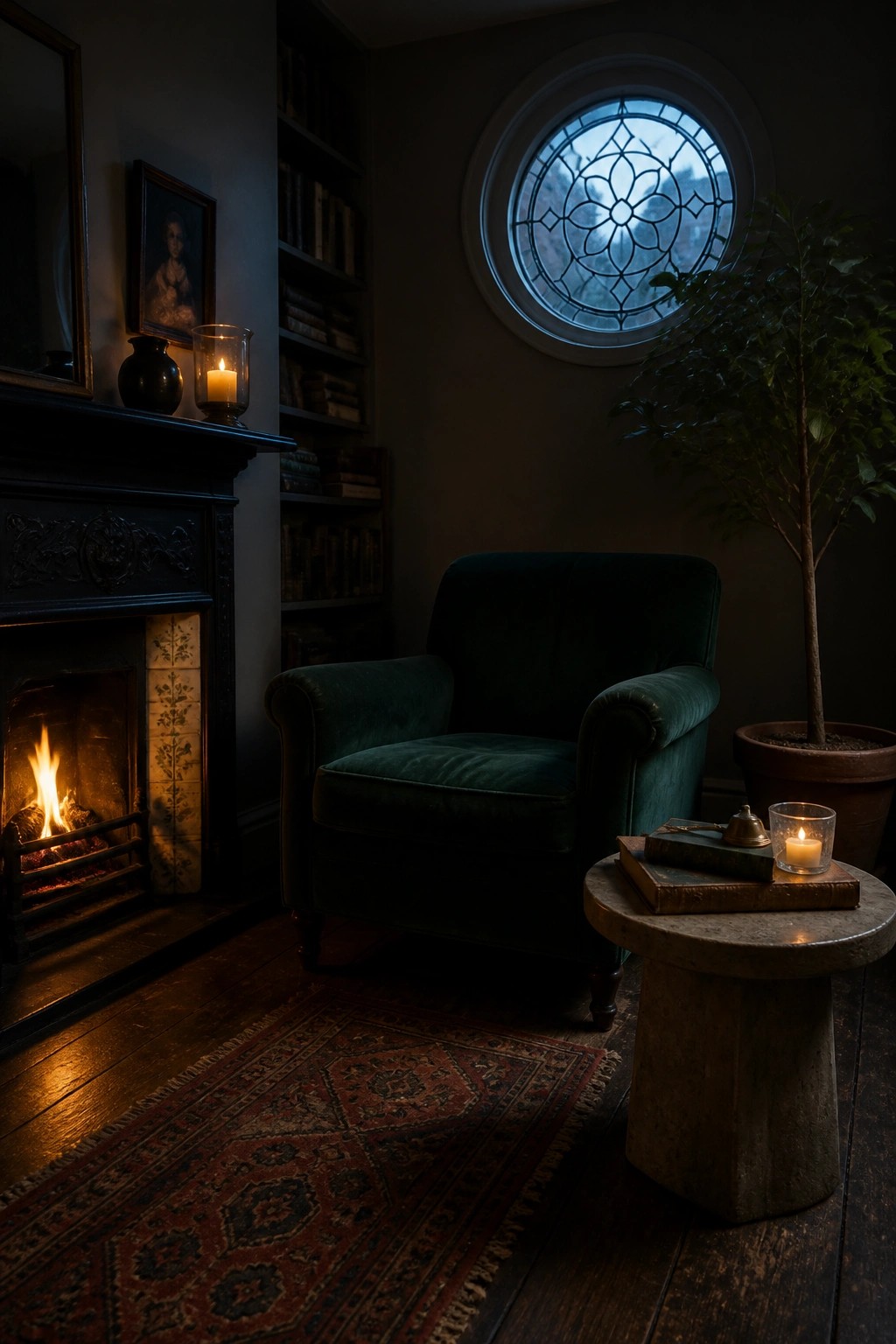
A fireplace can easily become the heart of a small room when you keep the seating simple. Placing one comfortable armchair close to the fire turns the area into a spot people actually use instead of just walking past. The setup works because it focuses on warmth and function without needing extra furniture.
This approach suits apartments and compact rooms where every piece has to earn its place. Choose a chair with a bit of depth so it feels inviting for reading or relaxing, and keep the surrounding space clear. Avoid crowding the area with too many tables or accessories, since the fire and chair already do most of the work.
Fireplaces Built Into Kitchen Islands
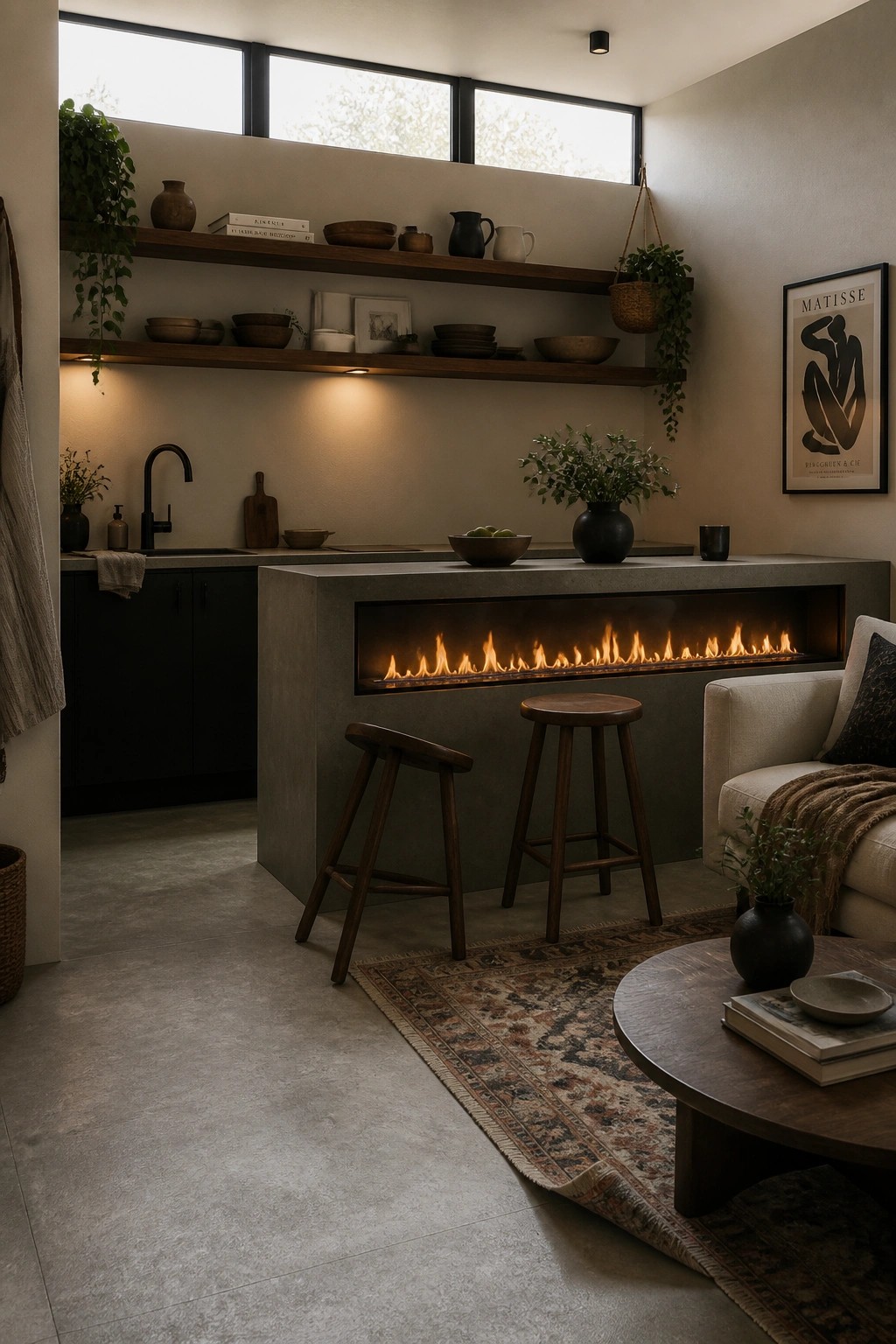
A fireplace set into a kitchen island gives warmth without taking up extra floor space. It works well in open layouts where the kitchen flows into living areas and you need one element to do more than one job.
Place stools on the living side so the fire becomes part of daily seating. This setup suits apartments and compact homes where you want a focal point without adding separate furniture.
Built-In Niches as Fireplace Alternatives
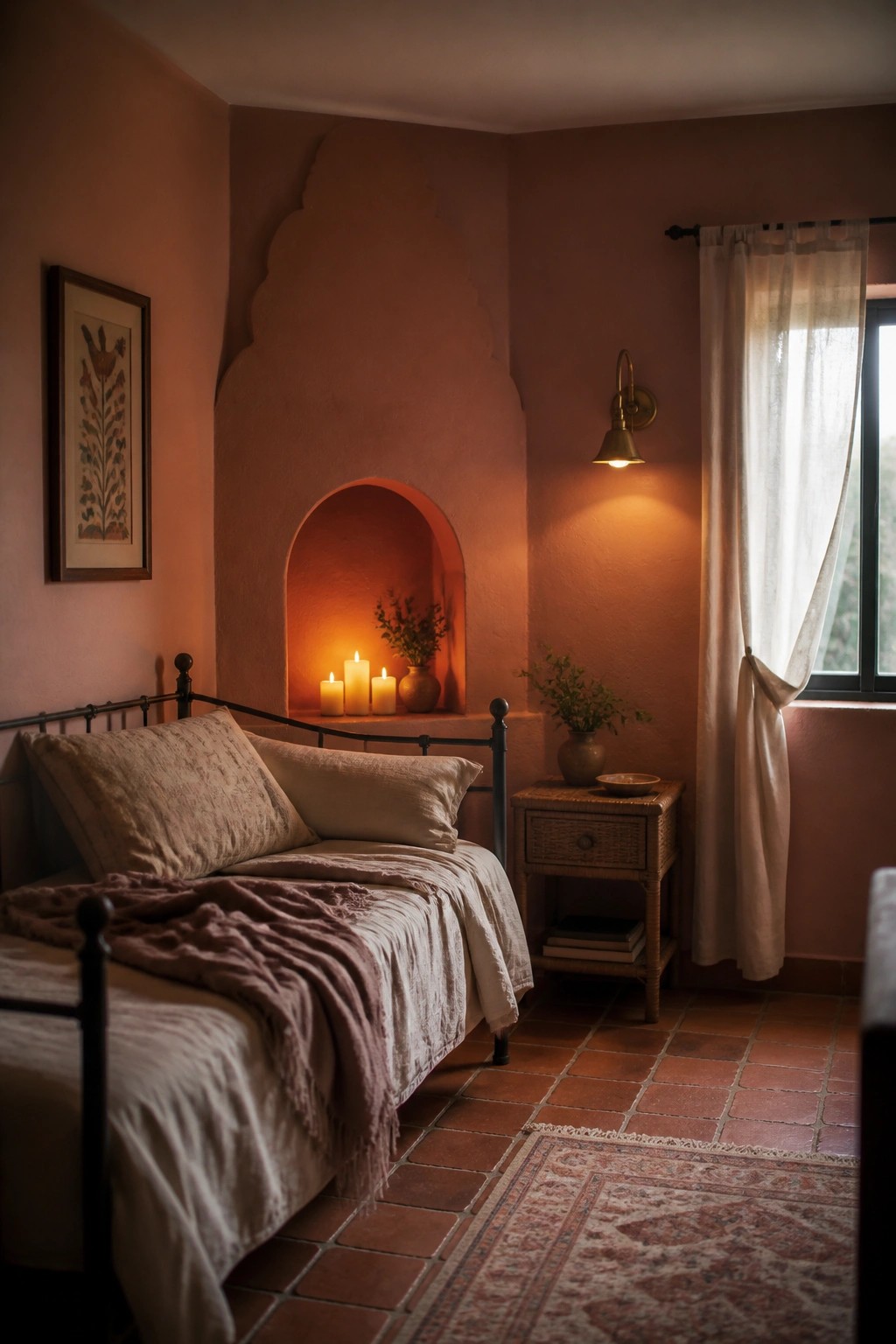
A built-in wall niche can give the same warm focal point as a fireplace without using any floor space. In small rooms the recessed shape draws the eye inward and lets candlelight do the rest of the work.
This idea suits apartments or compact bedrooms where a full fireplace is impossible. Keep the niche shallow and use just a few candles so the glow stays soft and the surface never feels crowded.
Built-In Fireplaces For Compact Rooms
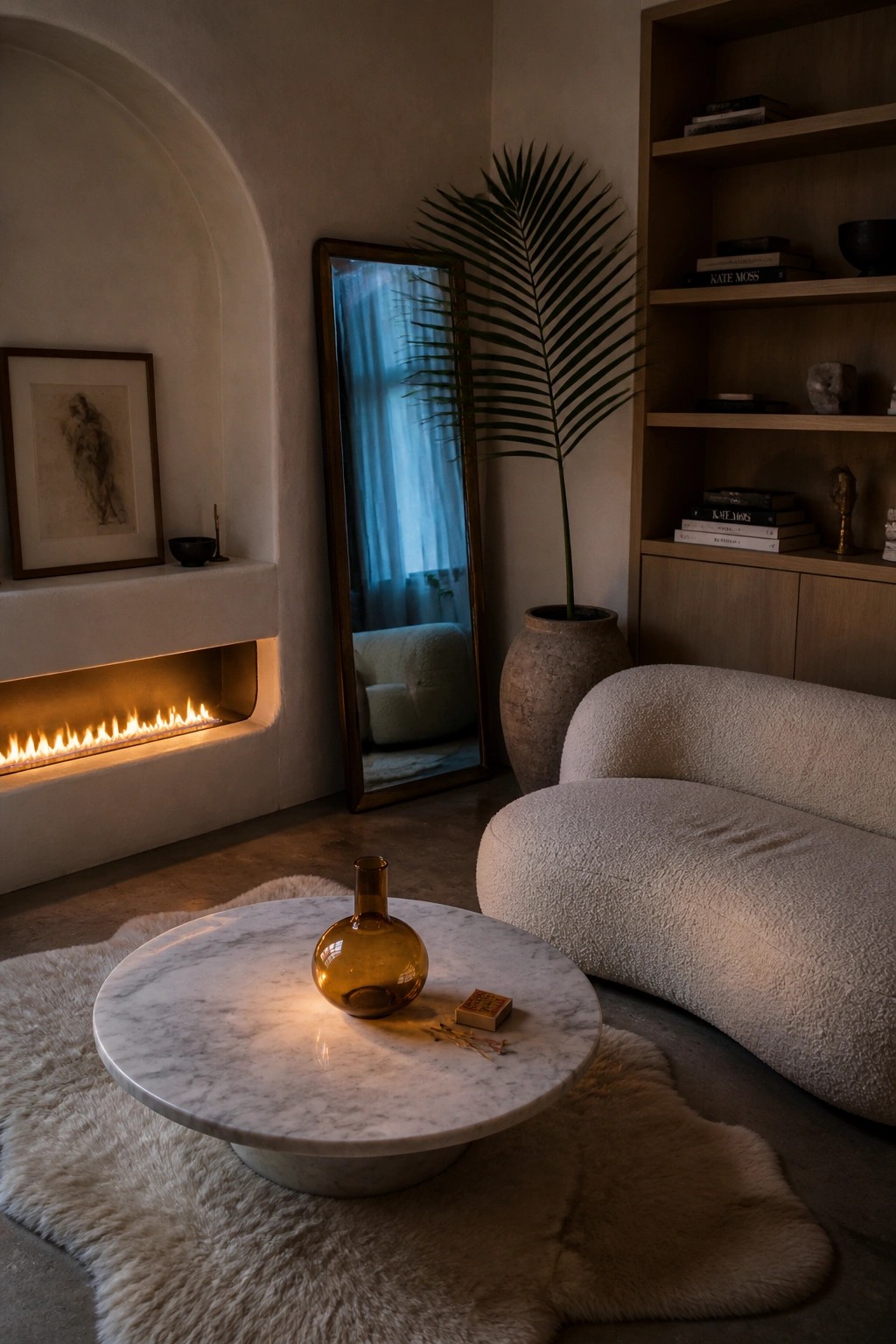
A fireplace tucked into the wall takes up almost no floor space. It still gives a room that steady focal point without crowding the layout or blocking traffic.
This works especially well in apartments and studios where every inch counts. Keep the opening low and the surround simple so it feels like part of the architecture instead of an added piece.
Frequently Asked Questions
Q: Can I add a fireplace if my lease bans open flames? A: Go with an electric model that plugs into the wall. It gives off heat without any real fire or smoke. Just check the wattage so it matches your outlet setup.
Q: What if I want the look without any heat at all? A: Pick a decorative unit with just the flame effect. Turn off the heat function when you do not need it. This works well in studios where every inch counts.
Q: How much floor space will one of these actually take up? A: Most compact versions fit into a corner or against a wall with just a few feet of depth. Measure your spot before buying to avoid surprises.
Q: Do these fireplaces need special cleaning or upkeep? A: Wipe the outside with a damp cloth now and then. Check the filter on electric models every few months if it has one.
