
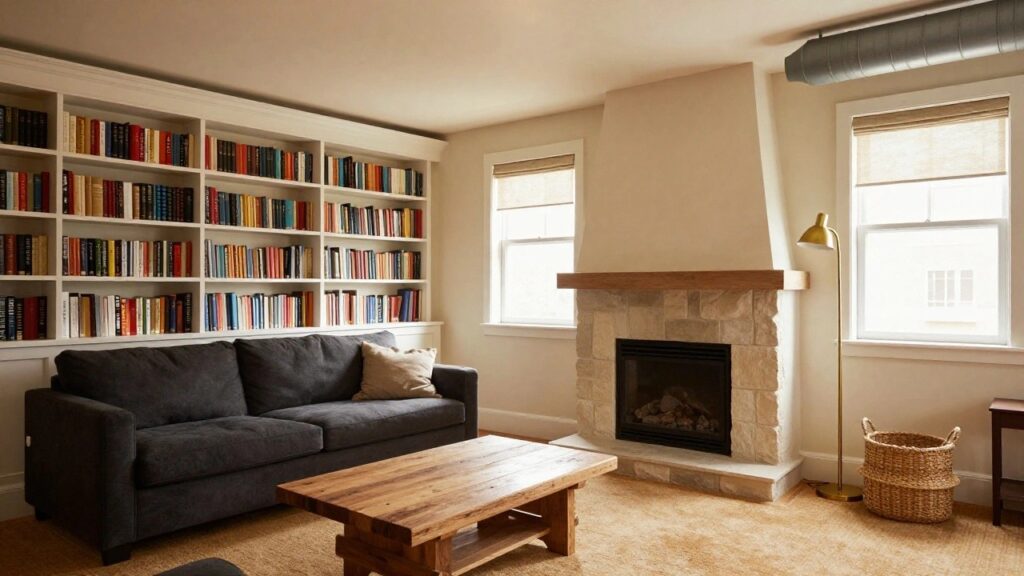
Basements tend to feel cold and unfinished underfoot, no matter how much furniture you add. I noticed that in our own reno, swapping the slab for something softer made the whole lower level pull us downstairs more often. The floor registers first when you step in barefoot. Materials that insulate and give a bit under pressure help the room function like a real hangout, not just storage. You’ll spot a handful here that adapt well to everyday basements without much hassle.
Soft Area Rugs Over Hardwood
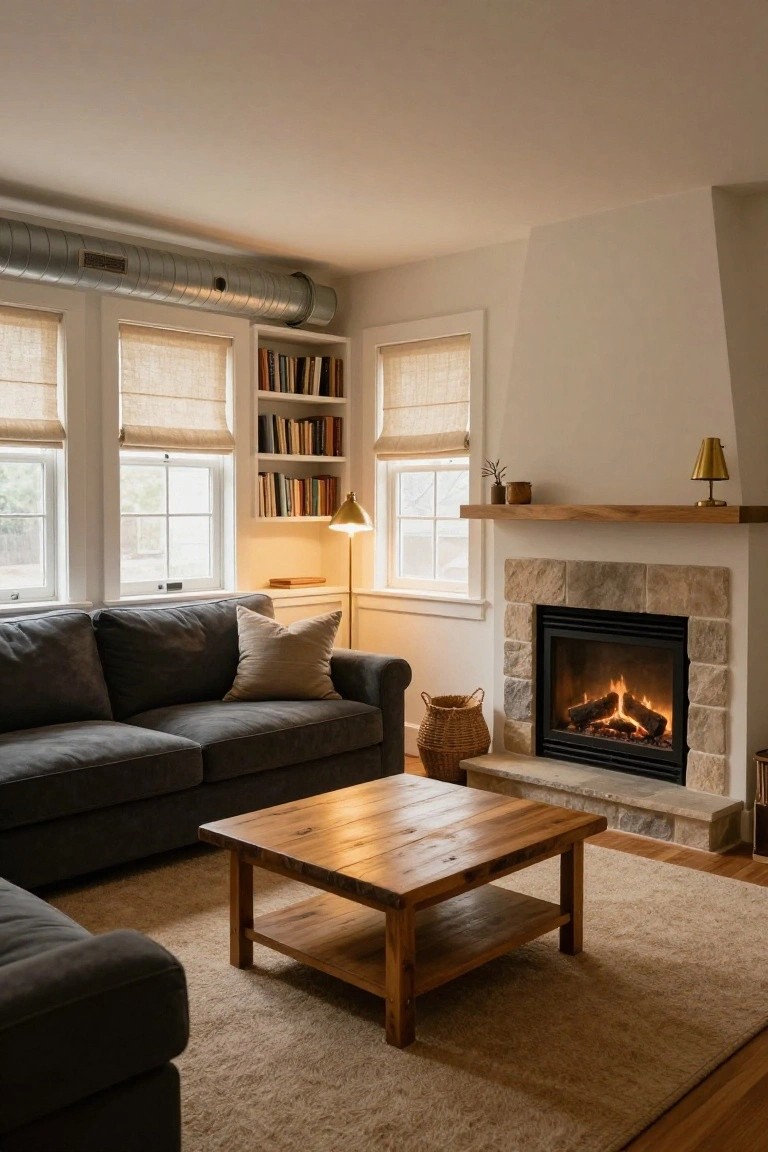
A light beige area rug spread across hardwood floors pulls this living room together nicely. It softens the wood just enough to make bare feet happy, especially right in front of the sofa and fireplace. That plush texture turns a simple floor into something you actually want to linger on.
In basements, this works best in casual spots like family rooms. Go for a large rug that fits under key furniture, maybe with a subtle weave for traction. Skip anything too dark… it can make the space feel smaller.
Cozy Beige Carpet Flooring
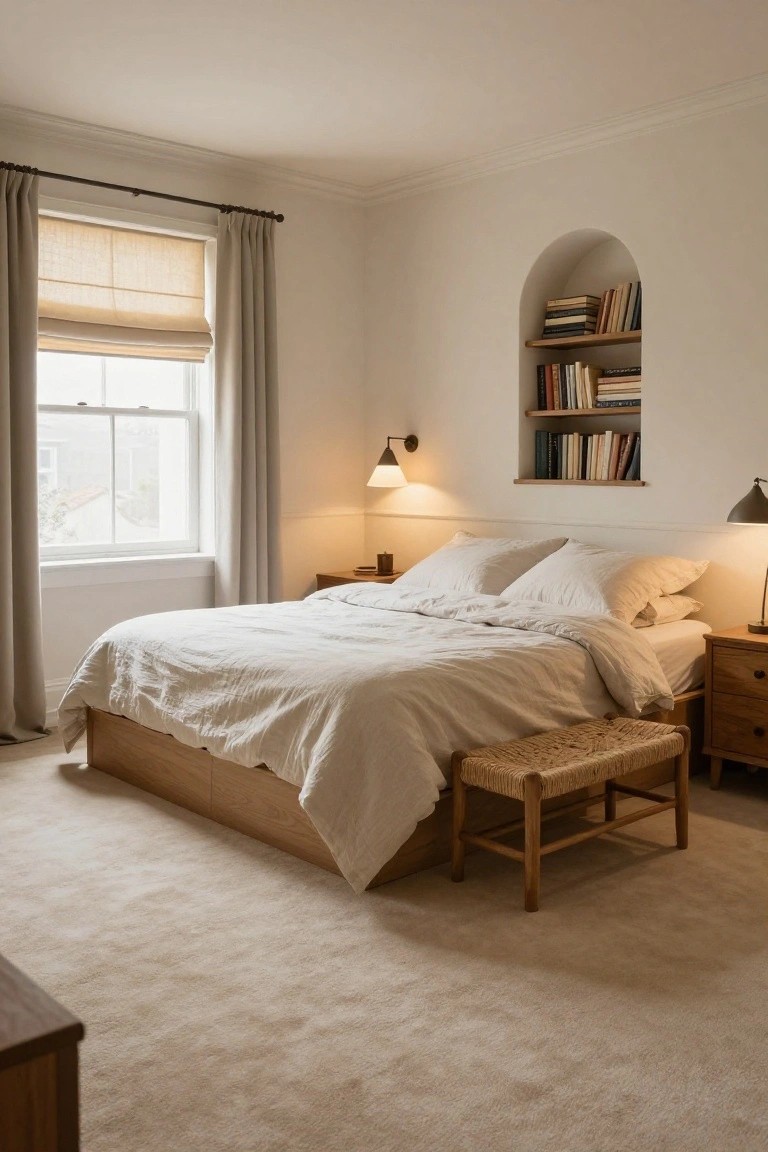
A soft beige carpet like this one covers the floor wall-to-wall and gives the whole room a gentle, walkable comfort. It works quietly with light walls and wood pieces, making everything feel settled and easy. No hard edges or cold spots.
For a basement, pick this kind of plush neutral carpet to warm up the space fast. It suits bedrooms or sitting areas down there, hides scuffs well, and stays cozy year-round. Just vacuum regular, and pair it with rugs if you want spots of pattern.
Textured Carpet for Cozy Basements

A light gray textured carpet like this one turns a basement media room into a spot you actually want to hang out in. It gives that soft feel underfoot, especially nice with a big sectional sofa right there. The pattern blends right in with the room’s darker walls and keeps things from feeling cold or echoey.
This flooring works best in finished basements used for watching movies or relaxing. Pair it with low furniture and neutral tones for easy upkeep. It hides footprints and spills decently… just stick to low-pile versions so it stays fresh.
Herringbone Parquet Flooring
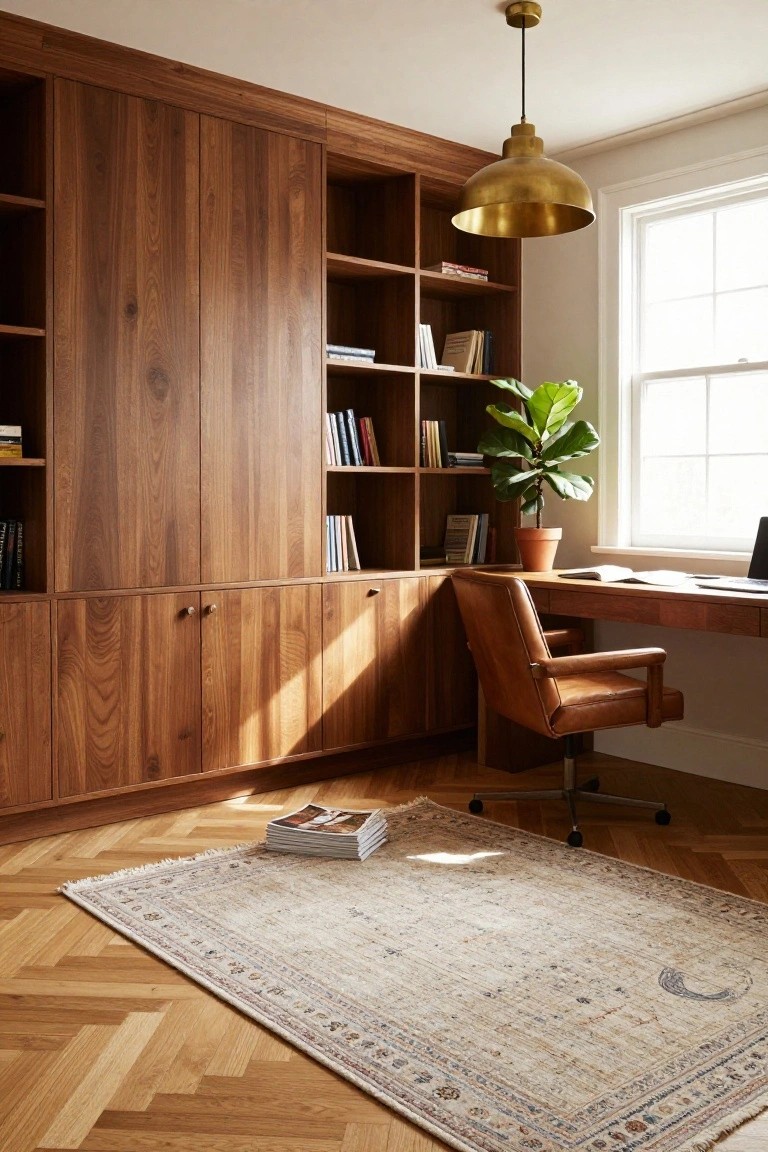
Herringbone parquet floors bring a classic pattern that makes any space feel more settled and lived-in. The angled wood blocks create gentle movement across the floor without overwhelming the room. In this setup, the light oak tone picks up the warm wood on the built-in shelves and keeps everything connected. It’s a solid choice for basements because it adds that upstairs polish while hiding dirt and wear better than plain planks.
Use it in finished basements where you want coziness without carpet. It works best underfoot with rugs for extra padding, like the cream one here that softens the edges. Pair it with mid-tone woods to avoid clashing. Skip it in super damp spots unless you seal it well. Basements with good light pull this off nicely.
Cork Flooring for Basement Comfort

Cork flooring works well in basements. It’s soft to walk on barefoot and stays warmer than cold tile or concrete. You see it here in a kids’ playroom, where the light-colored cork spreads across the floor under shelves and a simple round table. That natural texture feels right with the cushions and toys scattered around.
Use cork in finished basements turned into family spaces. It handles some moisture better than hardwood, and it’s quiet underfoot… good for playtime noise. Go for lighter shades to brighten things up, especially if your basement lacks windows.
Hexagonal Gray Tiles for Cozy Floors

Hexagonal tiles in a soft gray tone bring a subtle pattern to basement floors that feels comfortable without overwhelming the space. They have just enough texture to make the room look lived-in and warm, especially paired with simple subway tiles on the walls. In this bathroom setup, the light color keeps everything bright and open.
These tiles suit basements well because they’re durable porcelain that handles moisture fine. Lay them in a standard hex pattern for easy install, and they work in any size room. Just seal them right to avoid grout issues over time.
Rugs Over Polished Concrete Floors
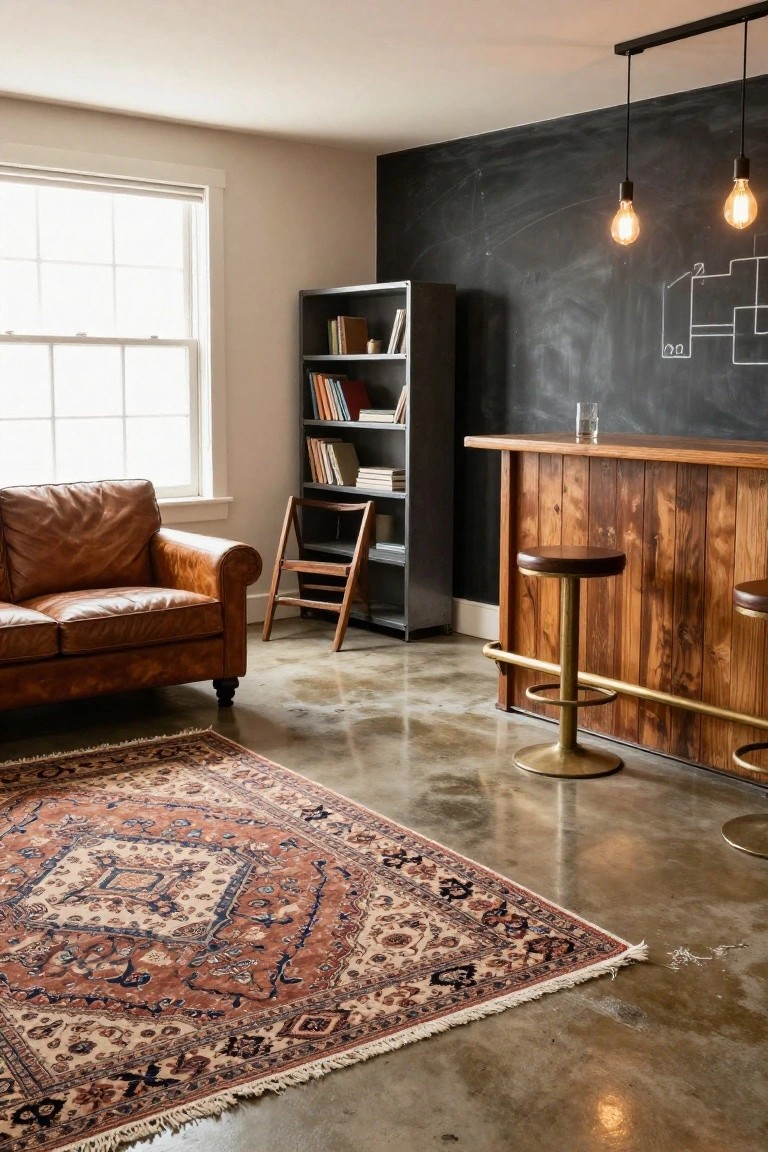
Concrete floors show up a lot in basements. They’re tough and low-maintenance. But they can make a room feel chilly. A big rug changes that fast. This one pulls in warm rust tones and blue patterns. It sits right under the leather sofa and stretches out. The whole floor feels softer now.
Go for a sizable rug that fits the main seating area. Traditional patterns like this work well against plain gray concrete. It’s ideal for casual basement hangouts with a bar or chairs. Watch the rug size though. Too small and it looks lost.
Warm Wood Floors for Basement Comfort

Hardwood floors in warm tones like this one turn a basement bedroom into a real cozy spot. You see the rich grain and slight gloss here under the bed. It pulls in light from the lamps and window, making the space feel less cave-like and more like upstairs living. People go for this because it handles basement moisture better than carpet if you seal it right.
Go with wide-plank oak or walnut in medium browns for the best effect. These floors suit finished basements with decent ceilings and some natural light. Add a rug by the bed for foot comfort. Skip super dark stains though. They can make things feel smaller down there.
Rubber Gym Flooring for Basements
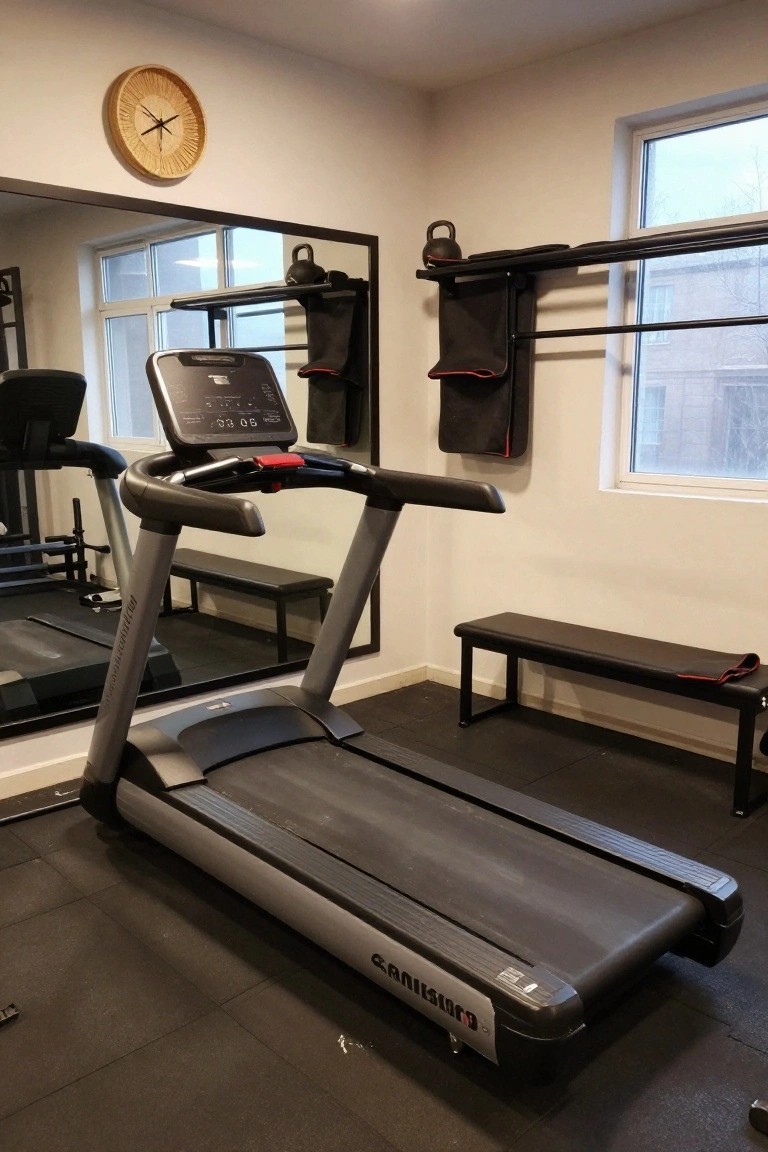
Rubber flooring like this turns a plain basement into a spot that’s easy on the feet during workouts. The black mats cover the floor fully, giving a cushioned feel under the treadmill and around the weights rack. It stays comfortable even after hours of use, and the dark color keeps everything looking clean despite the sweat and dust.
These mats snap together simply, so they’re good for renters or quick setups in family homes. They fit best in active spaces where you want durability over shine. Skip them in formal areas though, since they lean more practical than pretty.
Terracotta Hexagon Tiles
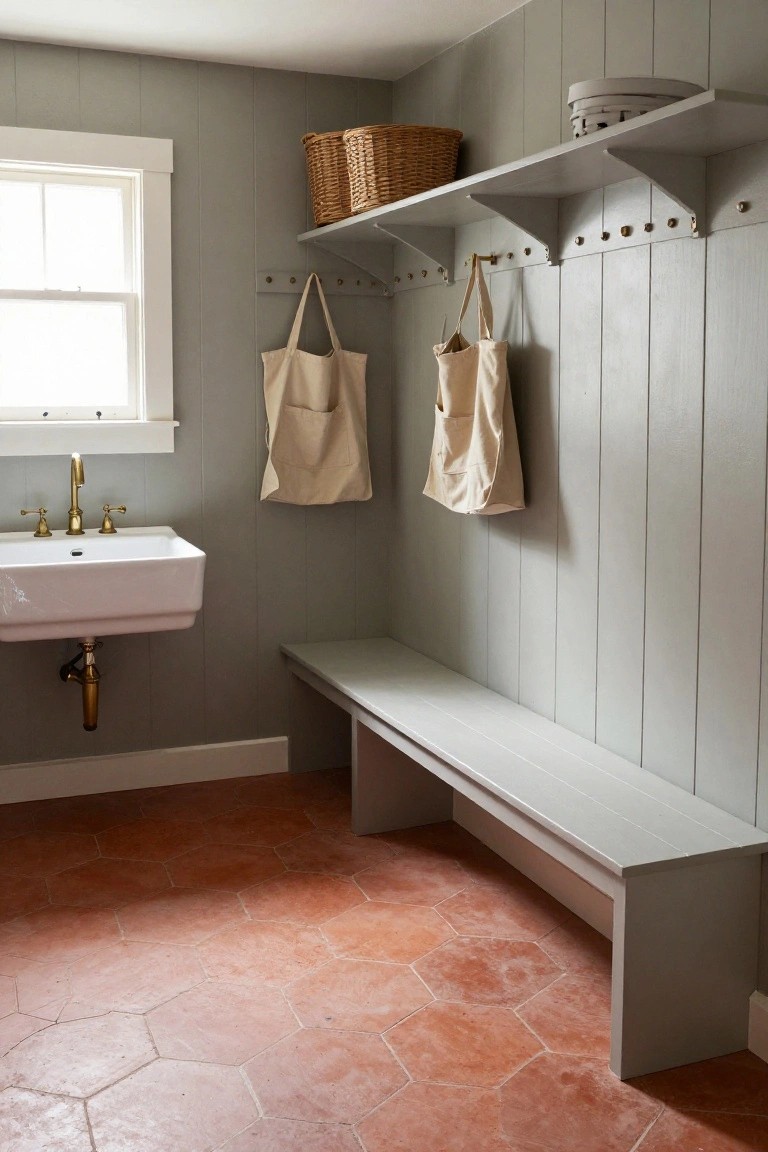
Terracotta hexagon tiles make a basement floor feel warm and lived-in right away. These tiles have that soft red-orange tone that pulls your eye down without being too bold. Paired with cooler gray walls like in this mudroom setup, they add just enough contrast to keep things interesting. It’s a practical pick too. They hide dirt well and stand up to wet shoes or spills.
You can use them in any basement space that gets foot traffic. Lay them in a mudroom or laundry area first, maybe around a simple bench. They work best in homes with a casual country or farmhouse vibe. Skip glossy finishes though. Go matte to keep the cozy texture. One thing to watch. Make sure the grout is sanded so it blends in.
Warm Hardwood Floors in Basements
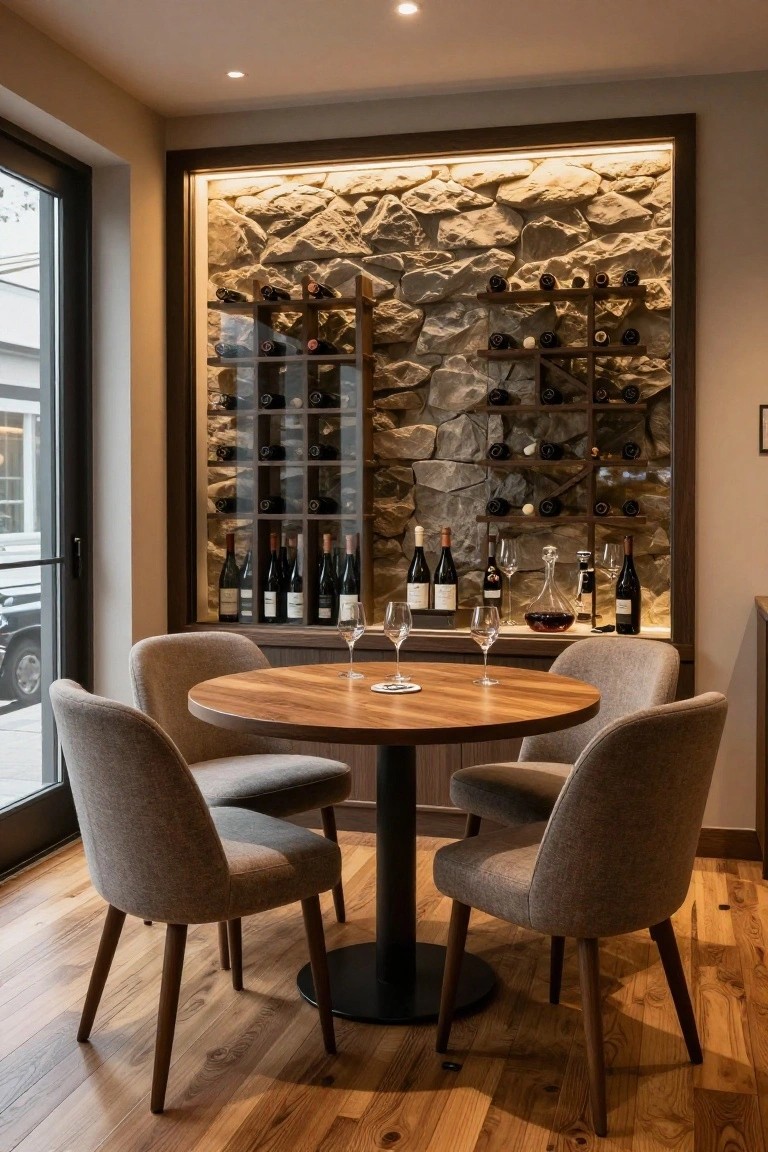
Hardwood floors with a warm golden tone can turn a basement into something really comfortable. They show up nicely here under the round table and chairs, picking up light from the room and making the whole space feel grounded. It’s a simple way to ditch that chilly concrete look without much fuss.
These floors work best in casual spots like dining nooks or family areas. Pick medium-wide planks for easy install, and they suit homes with some natural light coming in. Watch for moisture though… basements can be tricky, so seal them well.
Light Gray Wide Plank Flooring

Light gray wide plank flooring gives a basement that open, airy feel without going too dark or cold. It looks like wood but holds up better in a damp space, and the pale tone bounces light around the room. In this setup, it sits nicely under a big wooden workbench and keeps everything looking clean and calm.
You can use it in workspaces or family rooms down there. It works best with natural wood furniture or shelves to add some warmth. Just make sure the subfloor is prepped right, or it might not last. Pairs well with lighter walls too.
Plush Blue Carpet for Basement Reading Nooks

Blue carpet like this turns a basement into a spot you actually want to spend time in. It’s thick and soft underfoot, which helps with that cozy feel, especially when you pair it with a comfy chair and bookshelves all around. The deep color hides dirt well too, and it picks up nicely on the window light without feeling too bright.
Put this kind of flooring in a basement corner for reading or relaxing. It works best in family homes where you need durable comfort that stands up to kids or pets. Just make sure the room has good ventilation… basements can get stuffy. Go for a high-pile version to really amp up the softness.
Seagrass Rugs Add Soft Texture
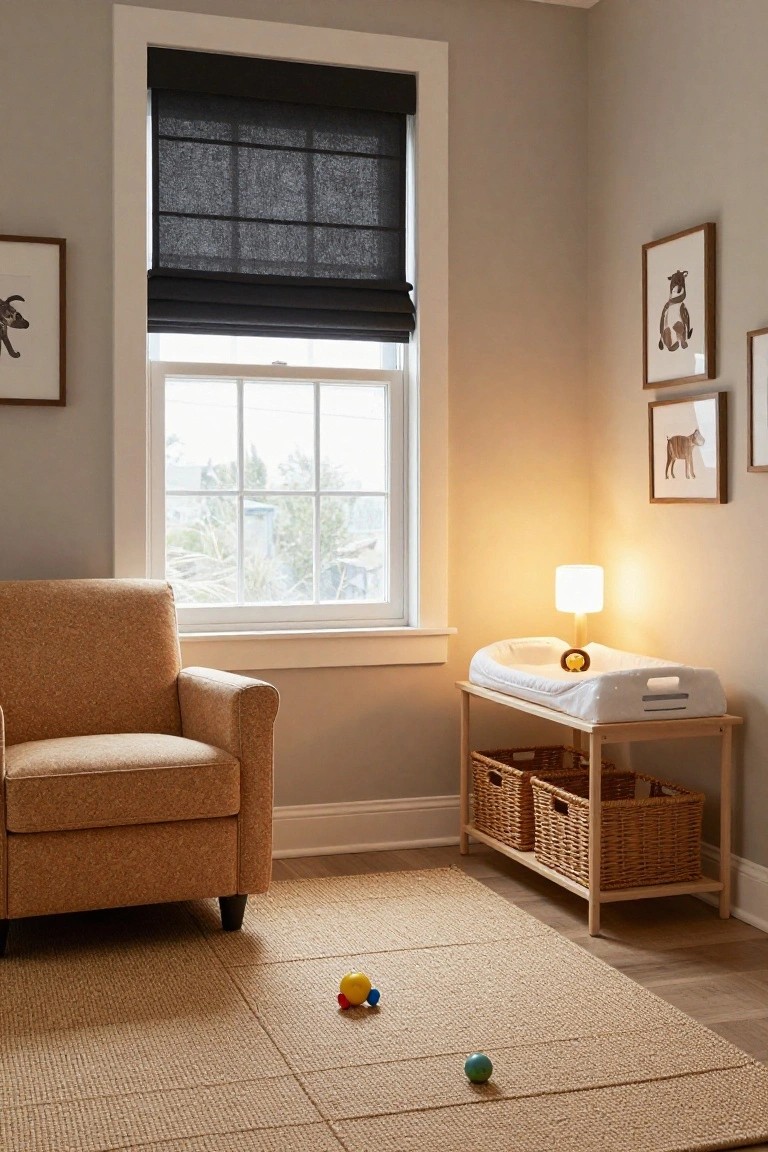
A seagrass rug like the one here pulls the room together nicely. It sits right over plain hardwood floors and gives that extra layer of comfort underfoot. You notice it most with the toys scattered on top. The weave catches light without being too busy, and it fits a calm nursery vibe perfectly.
Try this in a basement play area or family spot. Pick a light color to keep things bright down there. It hides dirt okay from kids, and you can shake it out easy. Just measure for good coverage, maybe under a chair or couch setup.
Herringbone Wood Floors for Basement Bars

Dark herringbone wood floors like this one turn a basement into a comfortable spot fast. The pattern gives the floor some interest. It pulls the eye without taking over. And that warm wood tone offsets cooler black tiles and stone counters nicely. Feels like a real lounge down there.
Try this in a basement bar or seating area. It suits homes with a bit of an industrial edge already. Lay it under leather booths and add brass touches for that pub vibe. Real wood needs sealing though. Or go for a good-lookalike laminate if you want less upkeep.
Seagrass Rugs on Basement Concrete
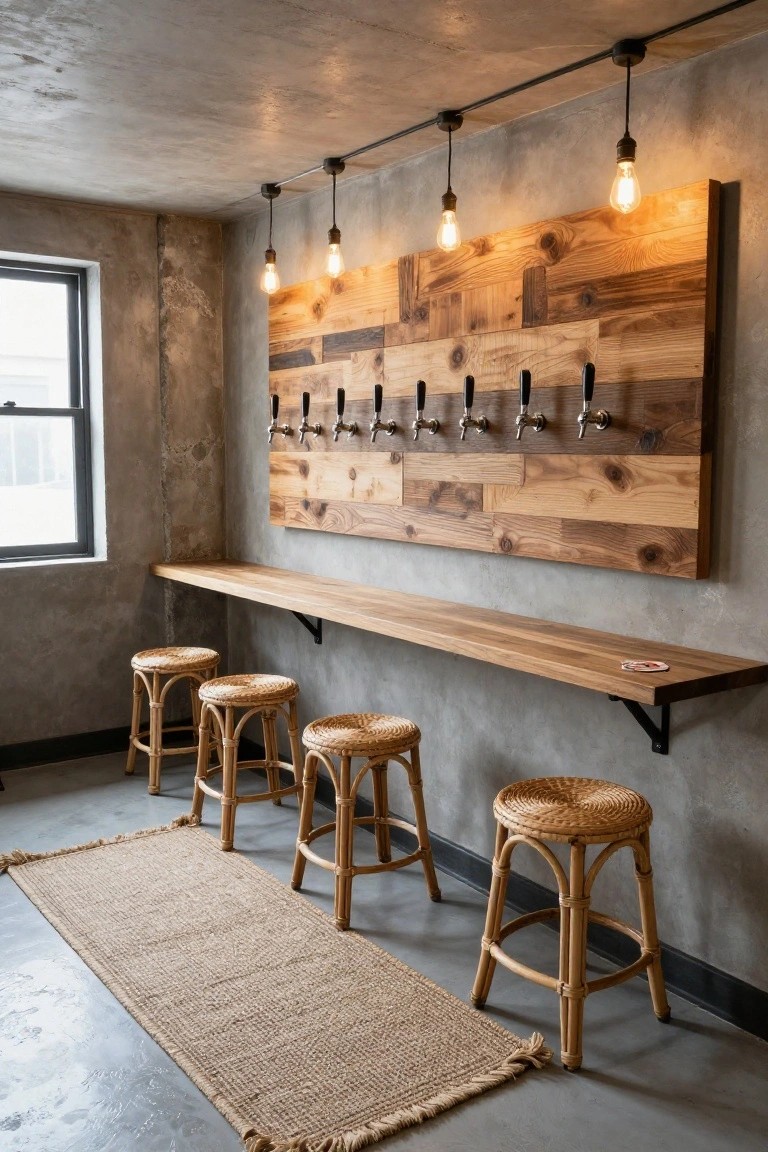
Concrete floors work well in basements. They hold up to spills and traffic. But they stay cold underfoot. A seagrass rug fixes that right away. It adds a soft natural layer that feels good in casual spots like this bar corner. The light rug color keeps things bright too.
Put one down where people gather. Under stools at a counter or along a walkway. It suits open basement areas with an industrial look. Vacuum it now and then. It shakes out easy outdoors. Just keep it away from heavy moisture.
Light Wood Floors in Basement Workshops
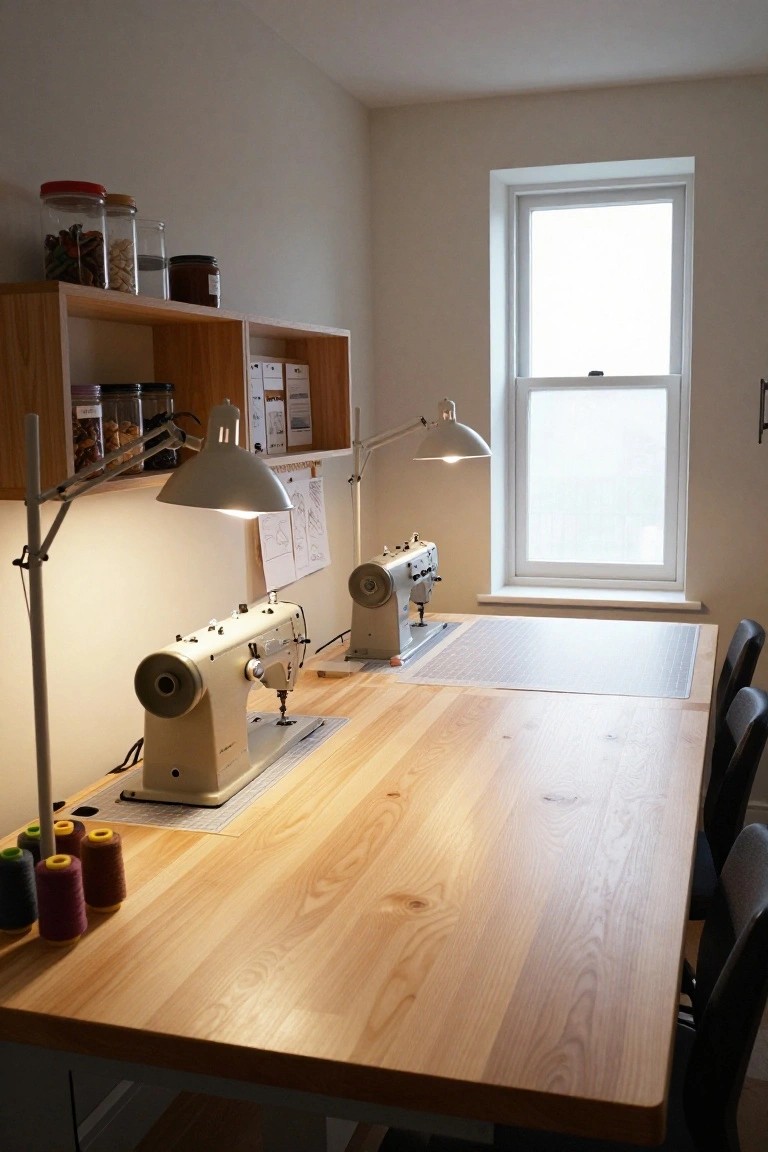
Basement floors often feel cold and uninviting. Light wood tones change that fast. They bring a natural warmth right to the space without much effort. In this setup, the pale pine floor matches the big workbench perfectly. It makes the whole room feel like one smooth work zone instead of a stark basement.
Use this in any craft or hobby area down there. It suits small rooms with high windows. Go for wide planks to keep it simple and easy to clean. Pair it with wooden tables or shelves for that pulled-together look. Skip dark stains though. They can make the space feel smaller.
Checkered Rugs for Cozy Basements

A black and white checkered rug like this one brings a fun pattern right to the floor. It softens hard basement surfaces and adds some personality without much effort. Paired with simple furniture, it keeps the room feeling grounded yet lively. People like it because the chunky weave feels plush underfoot, especially in spaces that can seem a bit stark.
Try this in a basement living area where you want pattern but not carpet everywhere. It works well over concrete or wood subfloors, and the high-contrast squares pop against neutral walls. Just size it to fit under a sofa and table, leaving some floor exposed. Avoid super small rugs. They can trip you up.
Warm Terracotta Tile Floors

Warm terracotta tiles like these bring an earthy coziness to any space. The subtle wood grain pattern on the glossy beige tiles picks up the tones from oak cabinets and counters. It turns a plain floor into something that feels homey right away, especially down in a basement where things can get chilly.
These work best in casual basement kitchens or sitting areas. Lay large-format tiles for fewer grout lines, then seal them to handle spills. They suit older homes or rentals since they’re durable and hide dirt a bit. Just avoid super glossy finishes if you have kids running around.
Polished Concrete Floors for Basement Brew Spaces
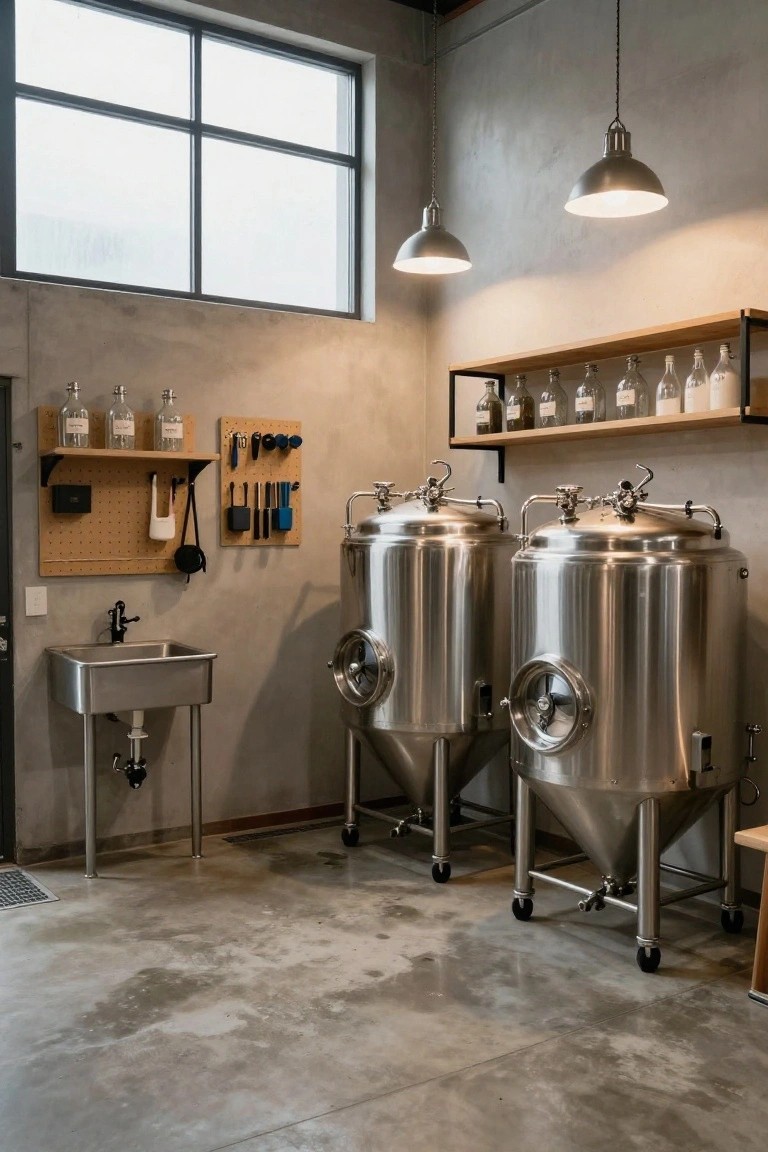
Polished concrete floors like these make a basement feel right at home for brewing or any wet hobby setup. The smooth gray surface stands up to spills around those big stainless tanks and the deep sink. It keeps things practical without looking beat-up, and the soft sheen adds a bit of calm to the industrial setup.
Try this flooring in basements you use for workshops or bars. It suits homes with a casual vibe, especially if you seal it for easy cleaning. Just pair it with metal fixtures to keep the look together… no need for rugs unless you want extra grip in high-traffic spots.
Light Gray Wood Floors Brighten Basements
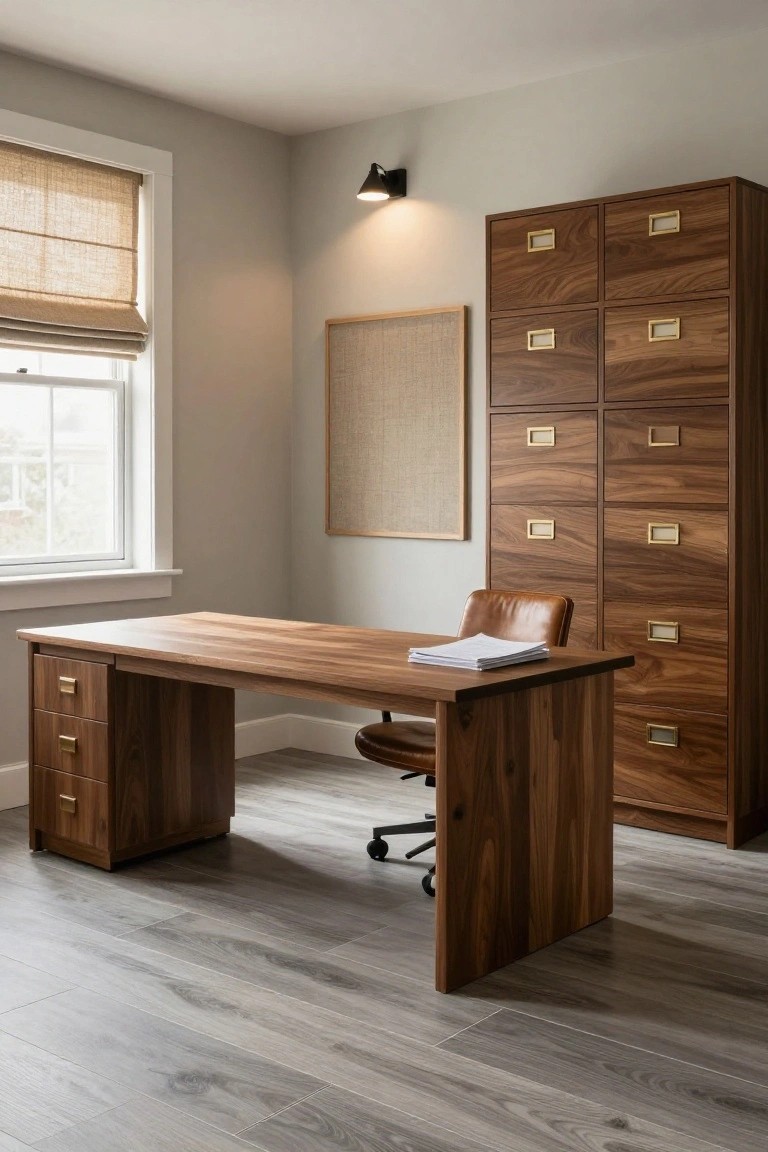
Light gray wood floors like these bring a soft, comfortable feel to basement spaces. The pale tone with its subtle grain keeps things looking open, even in rooms without much natural light. Here, it works under a simple walnut desk setup, letting the warmer furniture tones stand out without overwhelming the floor.
This flooring suits home offices or work nooks down below. It handles everyday wear and feels good underfoot. Go for water-resistant versions if moisture is an issue, and pair it with rugs for extra coziness in high-traffic spots.
Terrazzo Flooring for Basement Comfort

Terrazzo floors like the one here bring a speckled, retro look that makes basements feel less cold. The black and white flecks on a pale base catch the light from string bulbs and a neon window sign, giving the space some playfulness without overwhelming it. It works because it’s tough enough for everyday use but still has that handmade vibe.
Try it in family rooms or media spaces where you want durability underfoot. Pair the floor with a simple gray couch and wood accents, like the coffee table full of records. Add a rug in high-traffic spots if you need more cushion… it suits casual homes best.
Green Painted Floors in Basements

A green painted floor like this one brings some life to a basement without much fuss. Concrete down there can feel cold and dull, but a coat of this green paint covers it right up. It handles spills and dirt from potting soil too, which you can see from the bits on the ground. Makes the whole space feel more like a useful work area instead of just storage.
This works best in utility spots like potting sheds or workshops where you need something tough. Pick an epoxy-based paint for the best hold, and it suits older homes with that raw basement look. Prep the surface well or it might peel… easy enough for a weekend project.
Dark Blue Carpet for Basement Comfort

Dark blue carpet like this one turns a basement into a spot you actually want to hang out in. It’s plush enough to feel good on bare feet after a long day, and the deep color hides dirt from kids or pets running around. Here, it pairs nicely with navy walls and a simple bar setup, keeping everything feeling pulled together without much fuss.
This flooring works best in rec rooms or man caves where you need that cozy vibe for watching games or chilling with friends. Go for low-pile if you want easier cleaning, but skip it in damp areas unless you add good ventilation. It’s a straightforward way to make lower levels less cold and cave-like.
Frequently Asked Questions
Q: My basement has some moisture issues. Which floors from the list handle that best? A: Stick with luxury vinyl plank or porcelain tile. They resist water like champs and keep that cozy feel without warping. Just seal the edges well during install.
Q: I want super soft flooring for lounging barefoot. Cork or carpet? A: Cork wins for that plush, warm-underfoot vibe. It bounces back from footsteps and stays comfy year-round. Skip carpet if dampness lingers.
Q: Can a beginner install these themselves? A: Yes, grab peel-and-stick vinyl tiles or click-lock cork. They snap together fast over a clean subfloor. Rent a tool for perfect cuts.
Q: How do I make any of these feel warmer in winter? A: Layer in area rugs with thick pads underneath. They trap heat and add instant coziness. And electric mats work great under tile if you go that route.
