
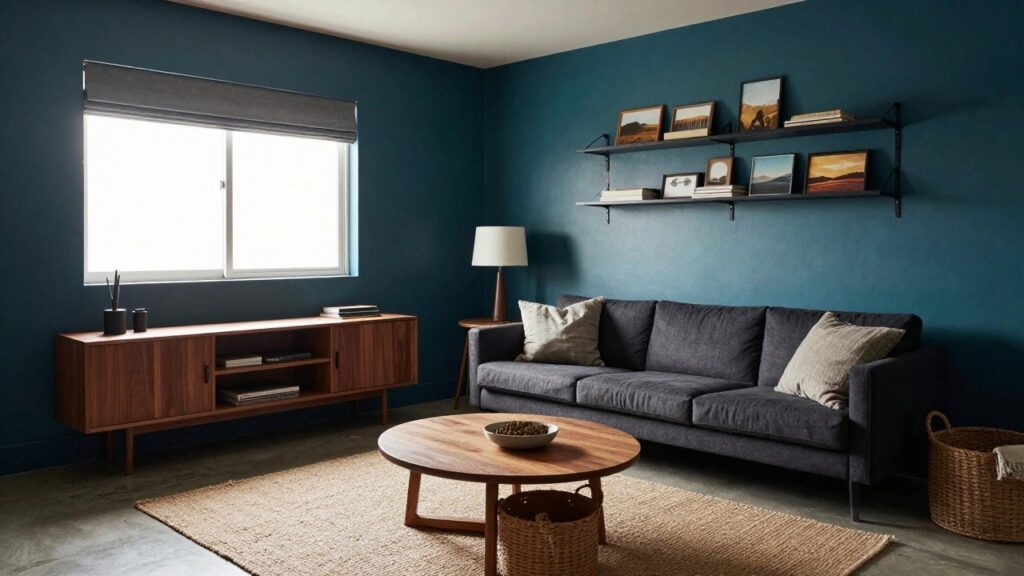
Basements have a way of feeling tucked away and chilly, even when you furnish them just right.
In my own home, I learned that picking a paint color with real depth turns that underused space into something you actually want to linger in.
You notice it immediately in how the walls respond to overhead lights and lamps, softening the room’s edges without shrinking it further.
Those subtle layers make everyday spots like seating areas or work nooks come alive in a grounded way.
Some of these shades are the ones I’d sample first on a test wall.
Deep Teal Walls for Basement Warmth
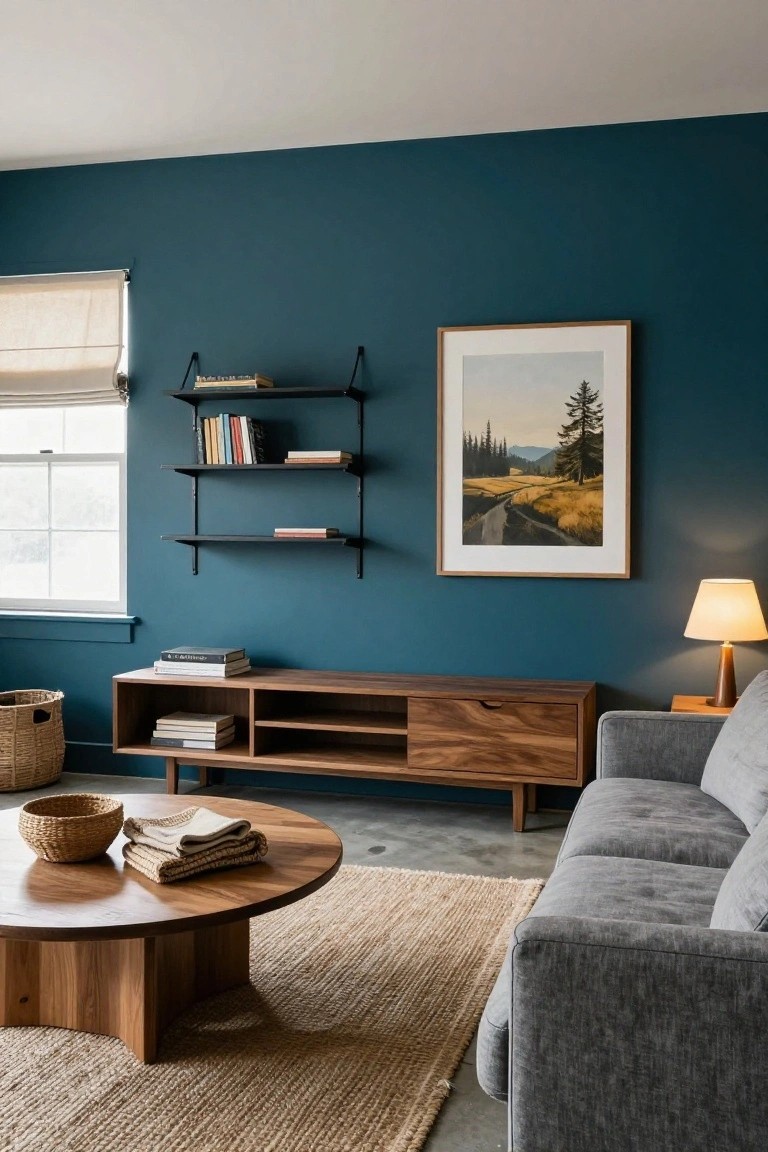
Deep teal paint on basement walls gives the space a cozy feel with real depth. It turns a plain room into something wrapped and lived-in, like here where it sets off the warm walnut TV stand and coffee table. The color holds its own against natural light from the windows but still lets wood tones shine.
Use this shade in basements that get some daylight, or layer in table lamps for evenings. It suits casual family rooms or reading nooks… just test a sample first since it can shift with your lighting. Pairs easy with grays and earth tones.
Recommended Products

ALL-IN-1 PAINT & PRIMER: A hardy multi-purpose and multi-surface one-coat paint and primer in one for almost any indoor or outdoor surface. A wall, ceiling, floor, skirting board, cabinet, furniture and door paint for your bathroom, kitchen, home and garden.

COLORS CRAFTED BY ANNIE SLOAN: Canvas is a slightly warm neutral beige-white. The name reflects the versatility of the color, which will make a fabulous backdrop for other colors (and invite the addition of colorful furniture, contrasting trims, and other artistic interior additions!). It’s Original without the creaminess, more of a putty taupe. This shade has been developed to match a color mix of Chalk Paint in Country Grey and Pure.

Whether you are restoring, customizing or completely revamping, this leather paint the perfect way to transform boots, jackets, athletic shoes, purses and more
Dark Gray Walls Warm Up Basements
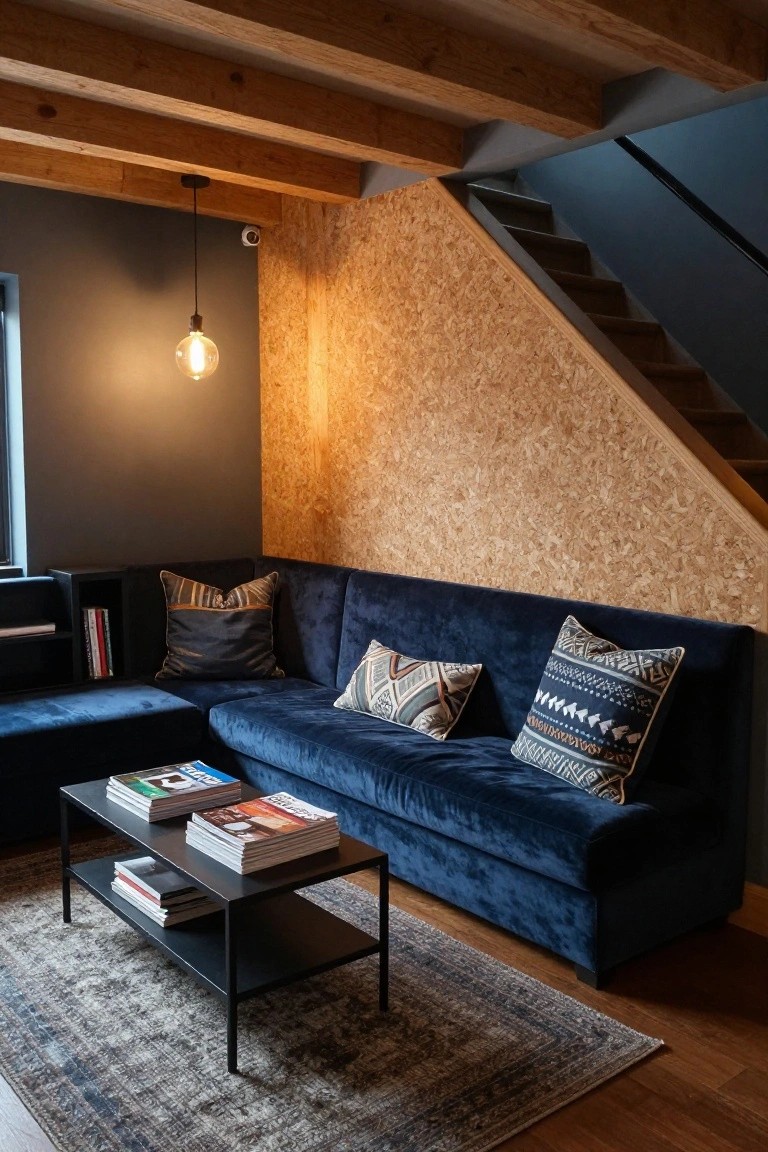
Dark gray paint on basement walls gives the space real depth without feeling cold. It works because the color picks up low light and turns it cozy, especially next to warm wood like exposed beams or textured paneling. In this setup, the gray lets those wood details stand out and keeps the room from looking too dim.
Try it in basements with some natural light from small windows. Pair the gray with velvet seating in deep blue and a few books or plants for comfort. Just add enough warm accents so it doesn’t go flat… wood stairs or a simple rug help a lot. It suits older homes with wood elements already in place.
Recommended Products

COLORS CRAFTED BY ANNIE SLOAN: Paris Grey is a traditional and timeless grey, made from a mix of orange and blue. It provides a soft, gentle, and elegant backdrop for furniture and soft furnishings, and looks particularly great with colors with orange or blue undertones.

This high-quality, acrylic latex water-base interior/exterior paint offers excellent hiding properties with great adhesion and water repellency on textured interior and exterior surfaces
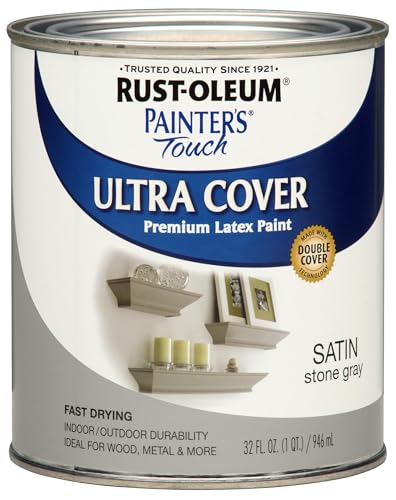
Use for a variety of indoor and outdoor project surfaces including wood, metal, plaster, masonry or unglazed ceramic
Warm Beige Walls for Basement Coziness
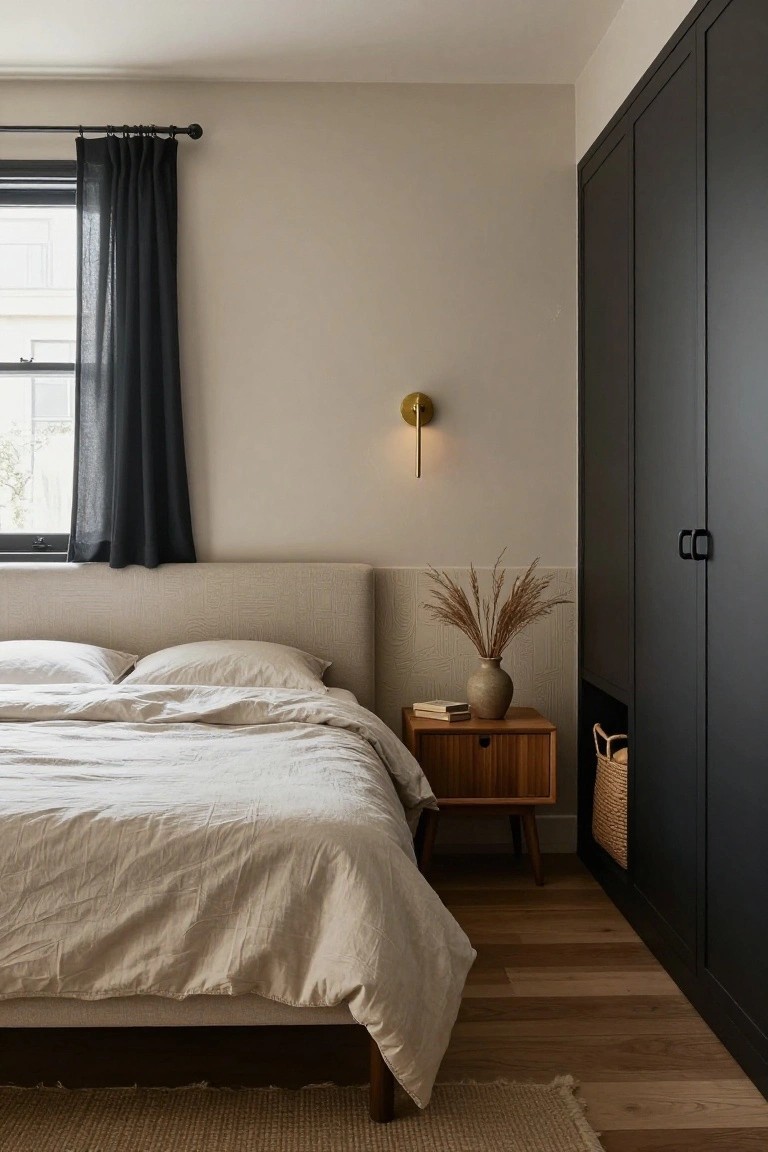
Warm beige paint like this works great in basements because it brightens things up without feeling cold. The subtle texture on the wall behind the bed adds just enough depth to make the room feel bigger and more inviting. It picks up the wood floors nicely too.
Use this color in bedrooms or reading nooks where natural light is low. Go for a matte finish to keep it soft, and balance it with a few darker pieces like that black wardrobe. It suits older homes with wood details best.
Recommended Products
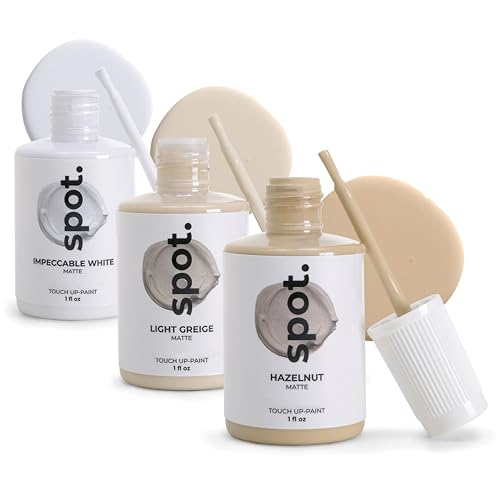
Includes Three Shades to Match 90% of Surfaces: We offer two color shades of Matte Beige and one Matte White to instantly achieve the perfect color match. Eliminating the need for color charts, returns, and waiting for the right color to arrive. Instead, match to one of the two beige colors or mix colors and match to your desired shade.

Oslo Home has created a comparable color based on color specifications of the original color using industry leading technology.

PAINT + PRIMER IN ONE: Evolve’s paint-and-primer formula helps you get great coverage from the start, sealing your surface and reducing the extra work of multiple coats.
Sage Green Walls for Cozy Offices
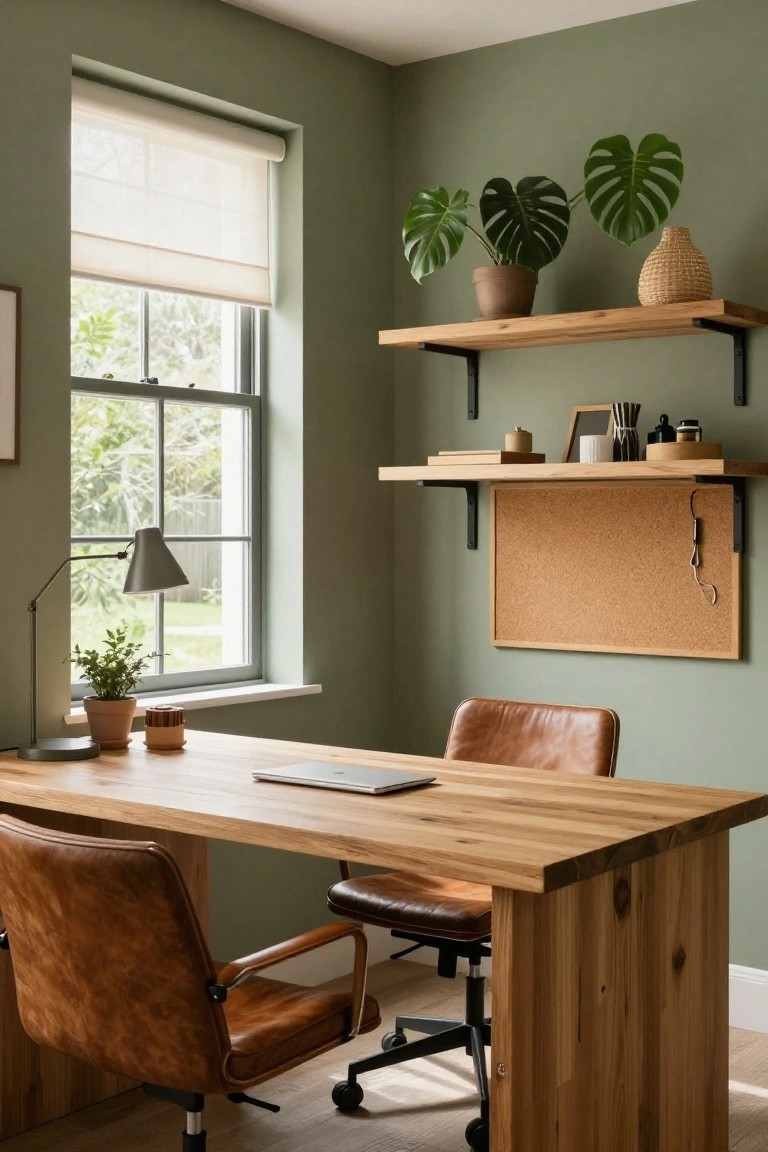
Sage green walls give a room this kind of quiet depth that feels just right in a basement setup. You see it here with the wooden desk and leather chairs pulling everything together. The color picks up on the plants too, making the space look lived-in without trying too hard. It’s one of those shades that softens hard corners.
Use sage green in basements where light is low. Pair it with oak furniture or simple shelves to keep things grounded. It works best in home offices or reading nooks. Skip it if your basement gets a lot of direct sun, though. The green can turn too bright.
Deep Purple-Gray Paint for Basement Nooks
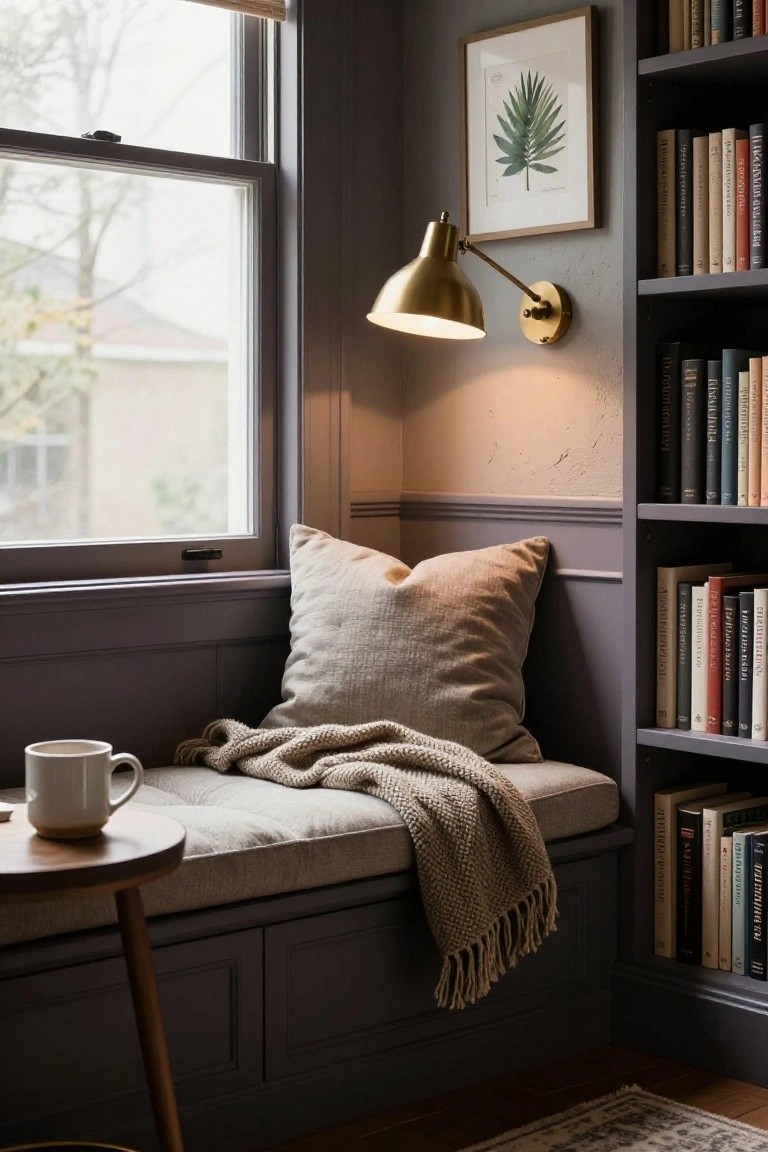
This shade of deep purple-gray works great on walls and built-in shelves in a basement reading spot. It pulls in the low light from a nearby window and makes the space feel wrapped up and calm. The color has enough blue undertone to keep things from going too dark, but it still gives that layered depth people want in basements.
Paint it on paneled walls around a window seat like this, with simple cushions and a throw. It suits older homes with some texture on the walls already. Just pair it with warm wood tones and brass for balance, or it might feel heavy. Test a sample first in your light.
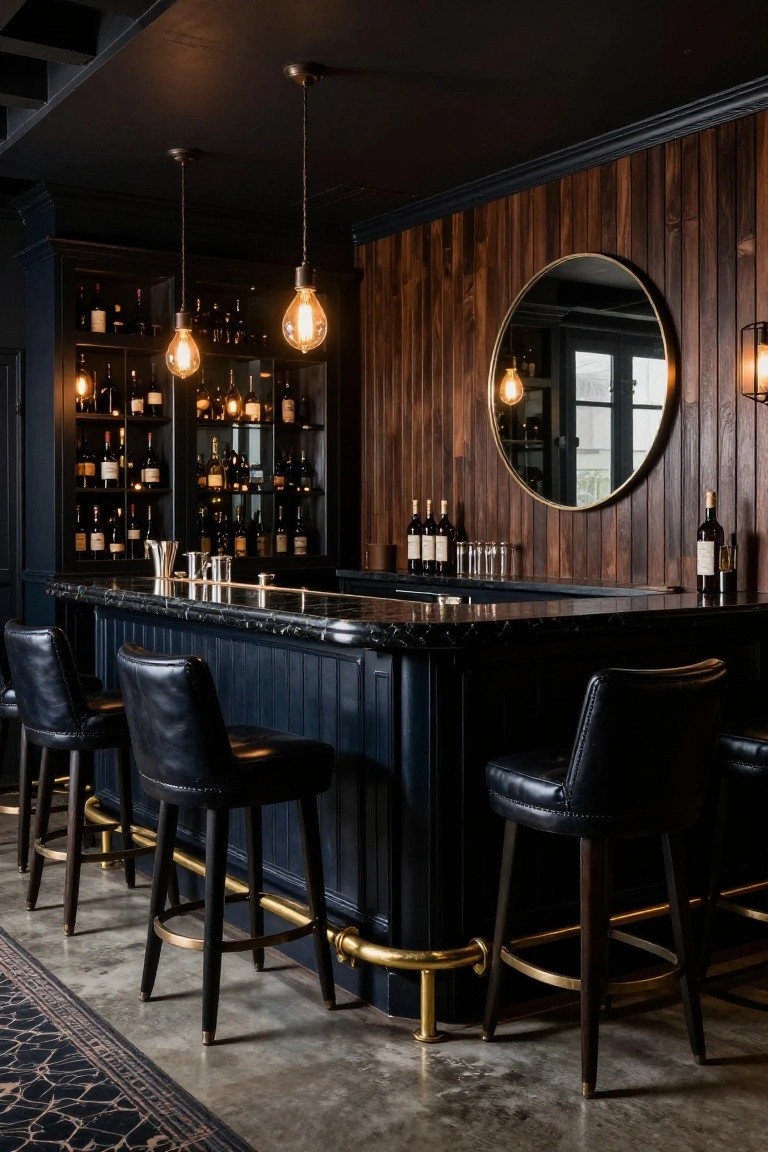
Deep navy paint works wonders on basement bar cabinetry. It gives the space a cozy, wrapped-in feel that basements often need, especially with warm wood paneling nearby and lit-up liquor shelves. The color pulls in light from pendants just right, avoiding a cave-like gloom.
Try it on built-in bars or lower walls in finished basements. It suits homes with some natural light or good artificial setup. Leather stools and a marble top keep it from feeling heavy… just balance with brass foot rails or open shelving.
Soft Gray Walls for Basement Coziness
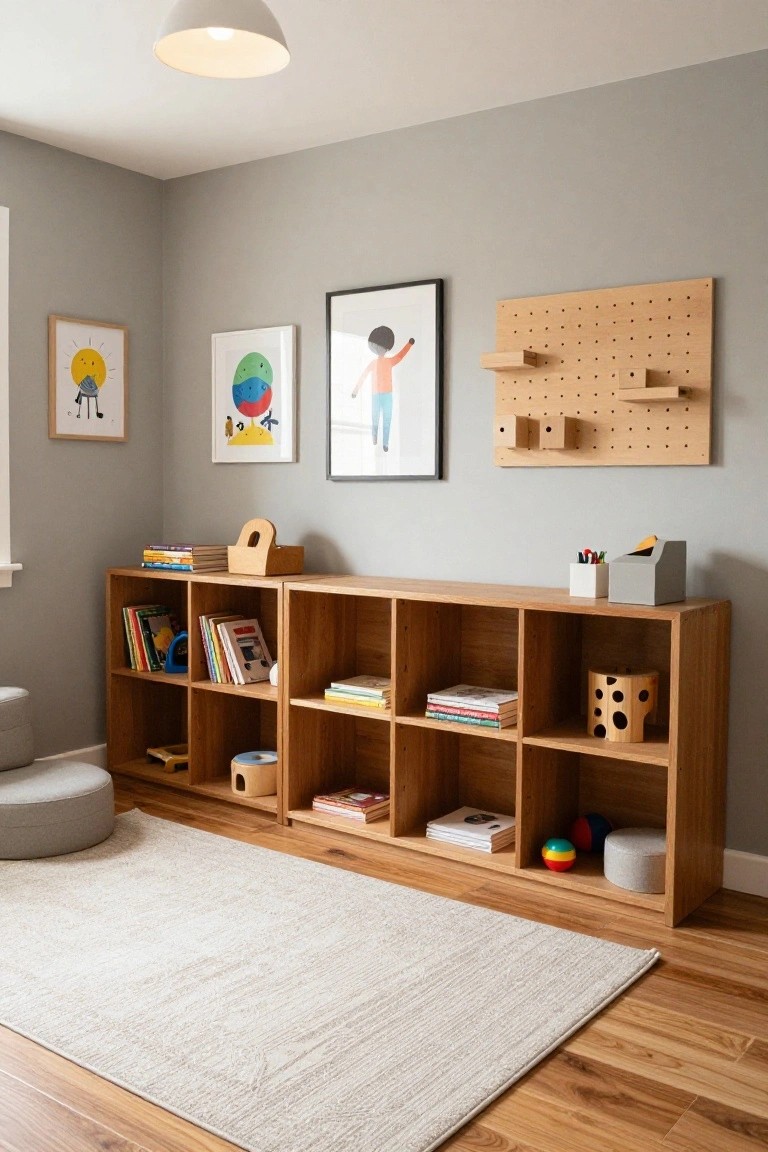
A soft gray wall color like this one works well in basements because it adds a bit of depth without making the space feel dark or chilly. You can see how it sets off the warm wooden bookshelves and lets colorful kids’ books and art stand out nicely. It’s a safe choice that keeps things calm and family-friendly.
Try this paint in playrooms or reading areas where natural light might be limited. It pairs best with wood tones and simple rugs to keep the room grounded. Just test a few samples first since gray can shift with your lighting.
Cozy Orange Walls for Basement Laundry Rooms
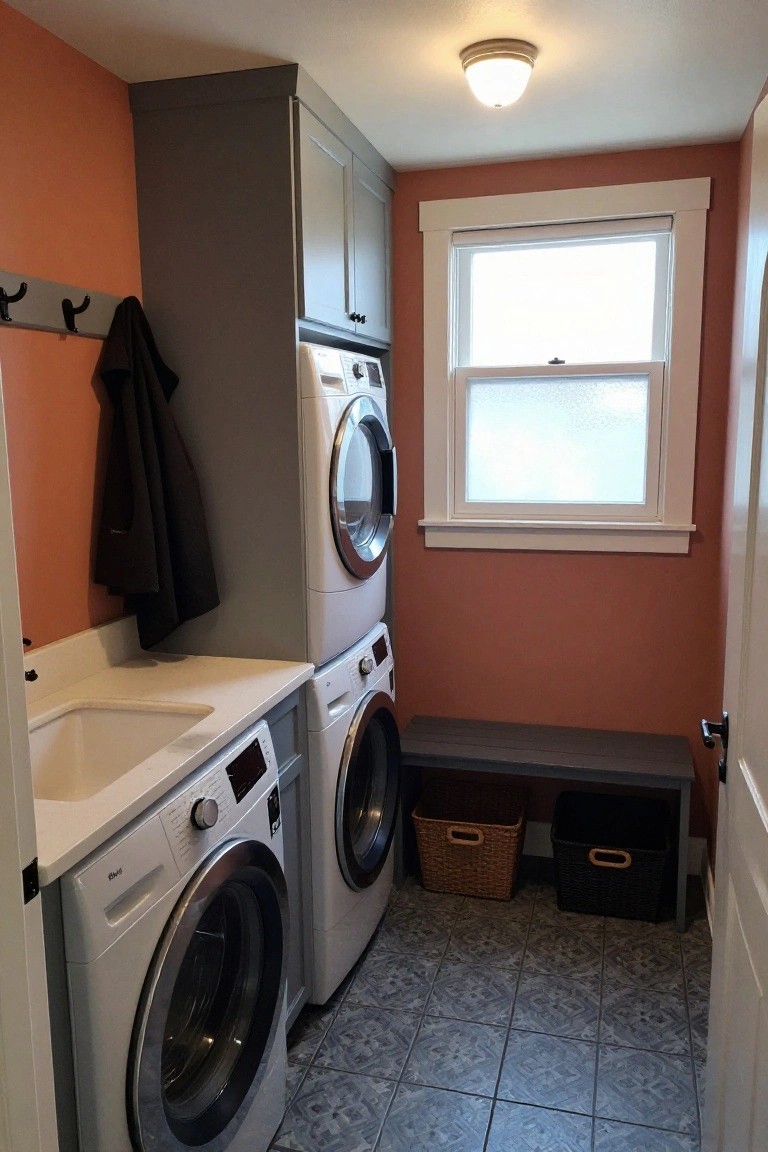
A warm orange paint like this turns a plain basement laundry into something that feels lived-in and cheerful. It pushes back against the usual cool tones down there, giving the walls real depth that makes the space look bigger and less like a chore zone. The gray cabinets up top keep things from getting too busy.
This color works great in tight utility spots where you want some personality without a lot of fuss. Pair it with white appliances and a neutral bench or baskets for storage. It suits older homes with tiled floors best, but watch the lighting, needs a bit to really pop.
Sage Green Vanity for Basement Bathrooms
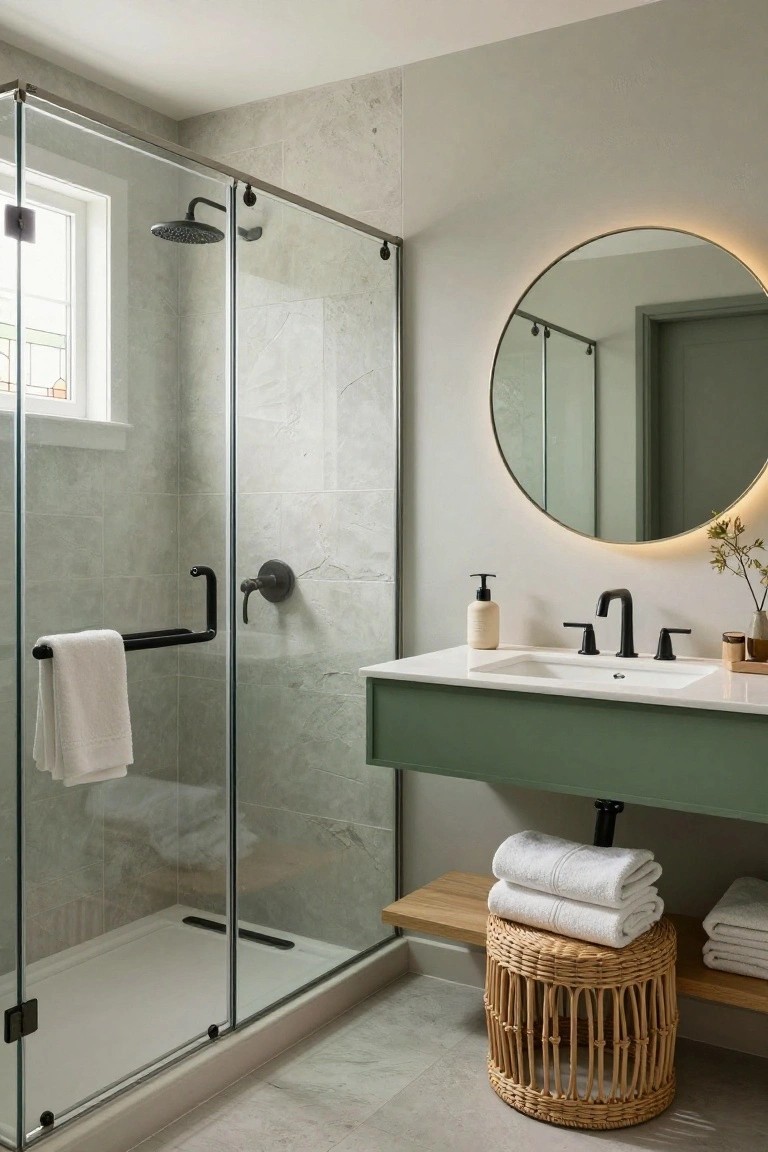
That soft sage green on the floating vanity stands out here against the light gray tile walls. It pulls in a bit of natural warmth that makes the whole room feel cozier, especially with the simple round mirror and white towels stacked nearby. In a basement spot, this color keeps things calm but adds some life without going too bold.
Try it in smaller bathrooms or powder rooms down below. Paint just the cabinet bases green and leave the walls in a neutral gray for balance. It works well in low light since the green reads deeper as the day fades. Skip it if your space already has lots of wood tones though.
Deep Green Walls for Basement Coziness
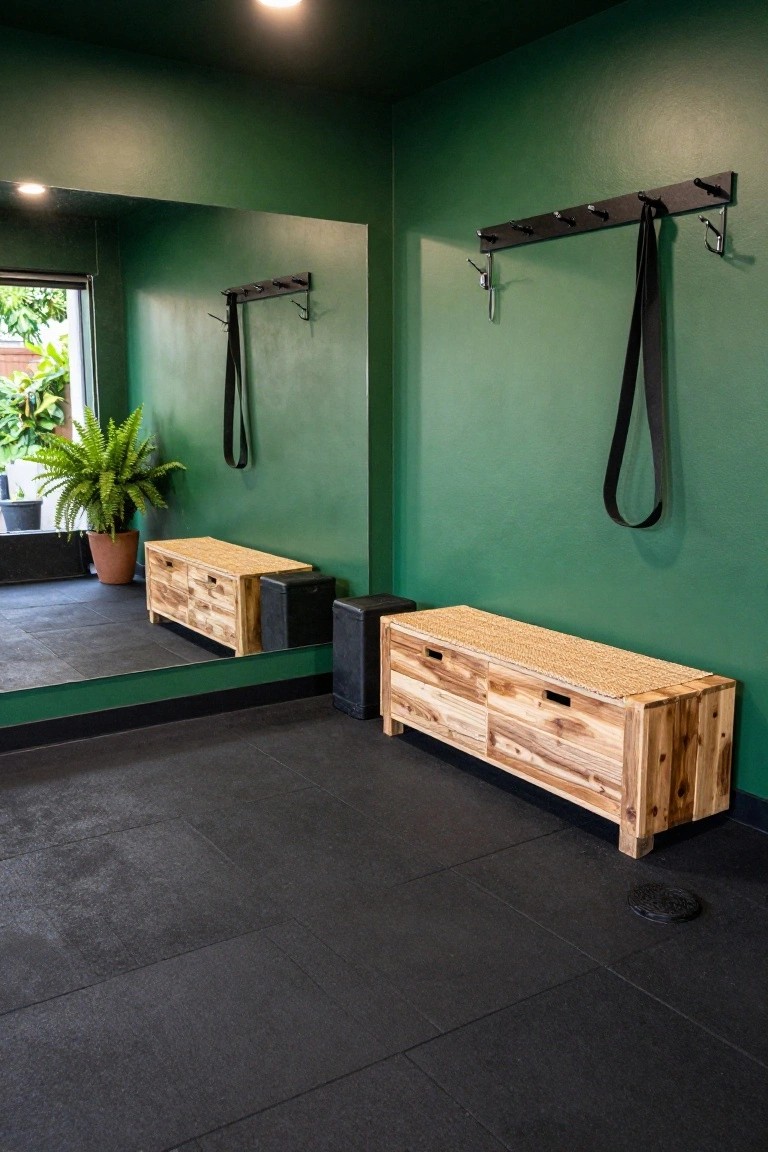
Deep green paint like this turns a basement room into something warm and tucked away. It wraps the space nicely, making it feel less like a cave and more like a quiet spot you’d actually want to spend time in. The color picks up on plants outside the window and plays well against black rubber flooring.
Try it in workout areas or home gyms where you need a space that feels grounded. It suits homes with low light since the shade adds depth without needing much natural glow. Just pair it with simple wood benches or storage to keep things practical… no need for fussy details.
Deep Red Walls Warm Basements
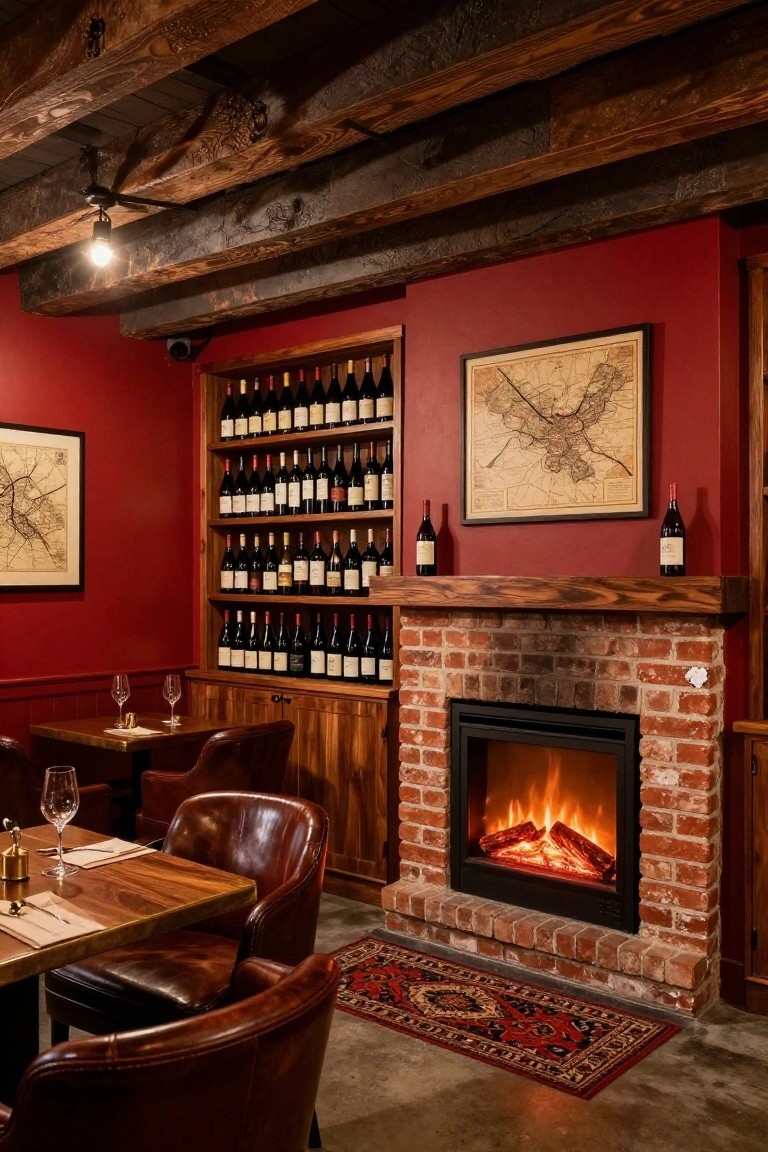
Deep red walls turn a basement into something truly snug. This color wraps the room like a blanket, picking up warmth from the brick fireplace and wood shelves full of wine bottles. It fights off that typical basement chill without needing much else.
Use it in a lounge or bar setup down there. Stick to wood accents and leather seating to keep things balanced. Good overhead lights make sure the red feels rich, not heavy. Works best in spaces with some texture already.
Warm Beige Walls for Cozy Basement Workshops
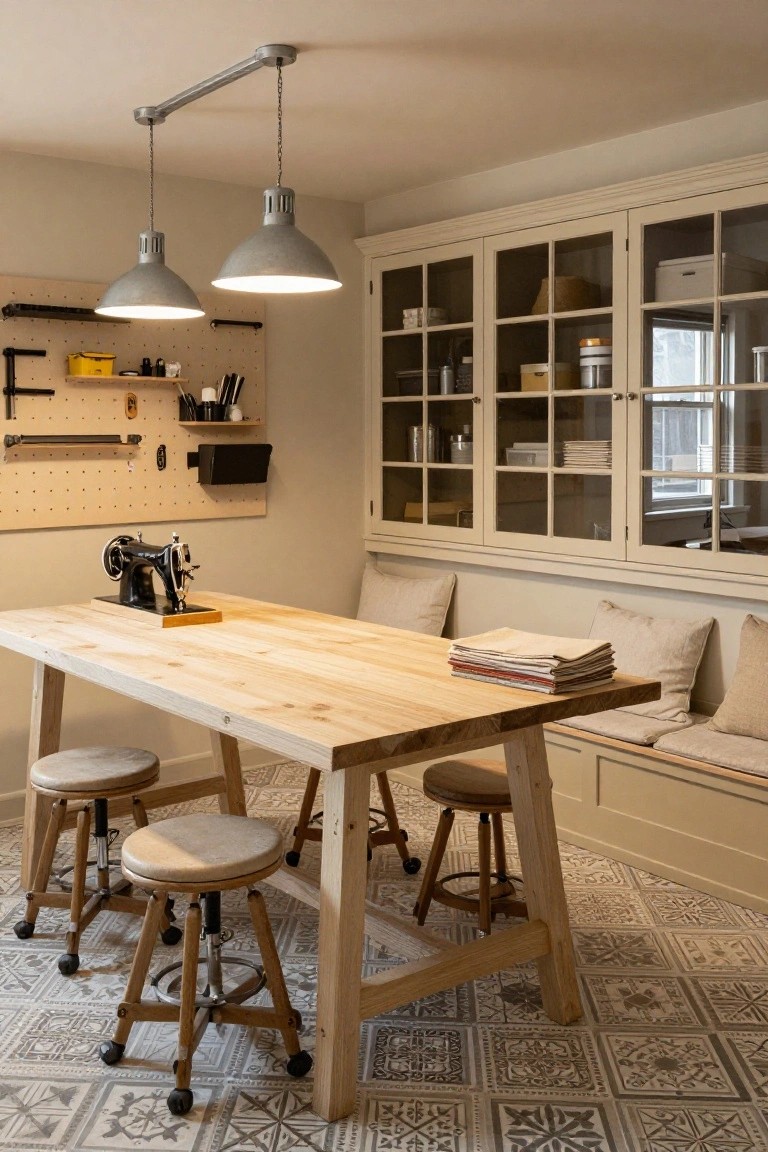
A soft beige paint like this on basement walls brings a gentle warmth that makes the space feel lived-in and welcoming. It adds just enough depth to keep things from looking flat, especially in lower light. Here, it works quietly behind wooden stools and a big craft table, letting the tools and fabrics take center stage without clashing.
Paint your basement workshop or hobby room in a similar pale beige if you want that easy coziness. It suits homes with natural wood furniture and holds up around everyday mess. Skip it in super bright spots, though. It shines best where you need a little extra hug from the walls.
Dark Gray Walls for Basement Coziness
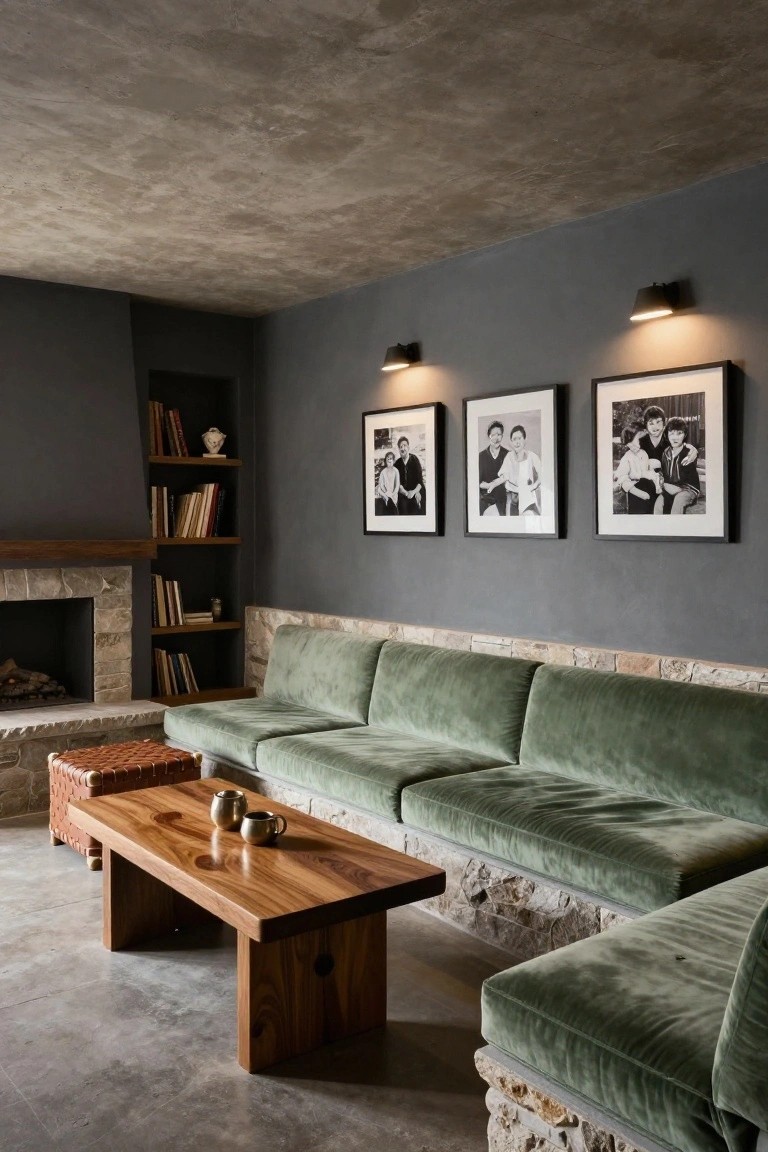
Dark gray paint covers the walls in this basement setup, pulling the room together around the stone fireplace and green velvet sofa. That charcoal tone works because it handles low light well. It turns a plain basement into something snug, almost cave-like in a good way.
Paint your basement walls this shade if natural light is limited. Stick to warm accents like wood furniture or soft fabrics to keep it from feeling too heavy. It suits casual family rooms best, where you want depth without much fuss.
Light Blue Walls Brighten Basements
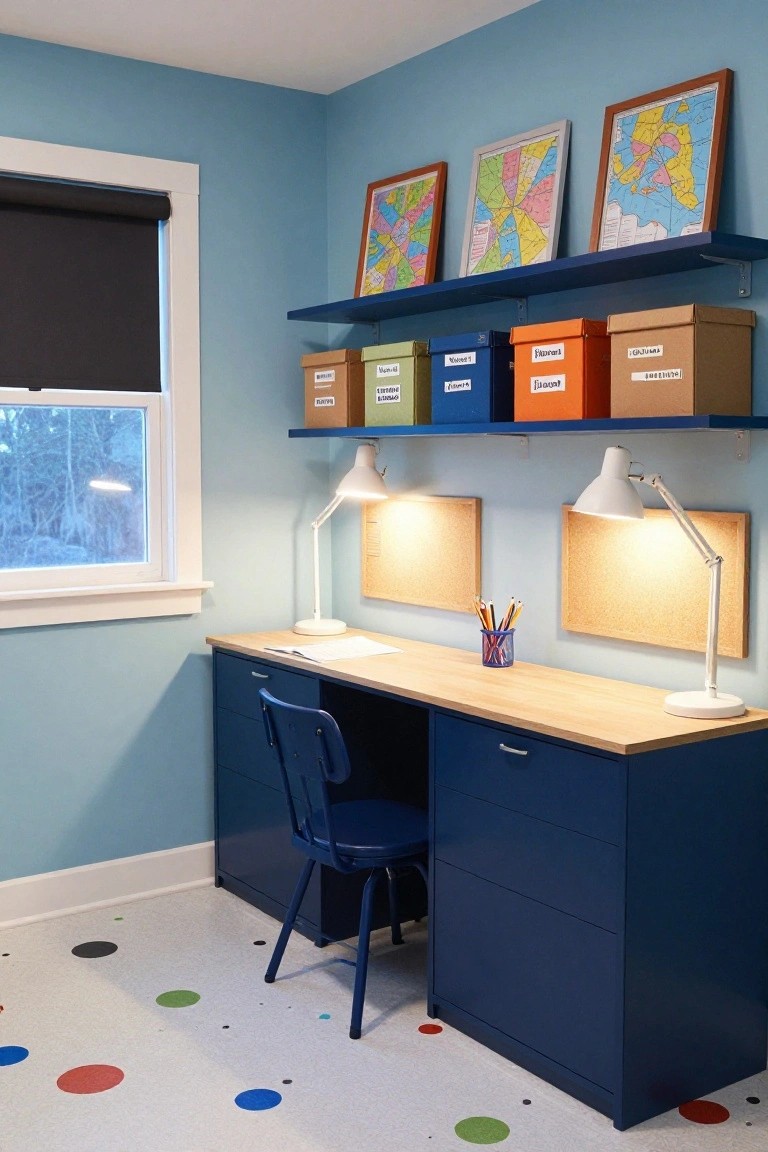
A soft light blue like this on basement walls keeps things feeling open and calm. It pulls in what little natural light comes through the window and spreads it around the room. That subtle color depth makes the space cozy without closing in, especially nice paired with a simple wood desk top.
Try it in kid study nooks or play areas down there. It works best with navy cabinets for contrast and colorful floor dots to add fun. Just add good task lamps since basements stay dim.
Terracotta Walls for Basement Coziness
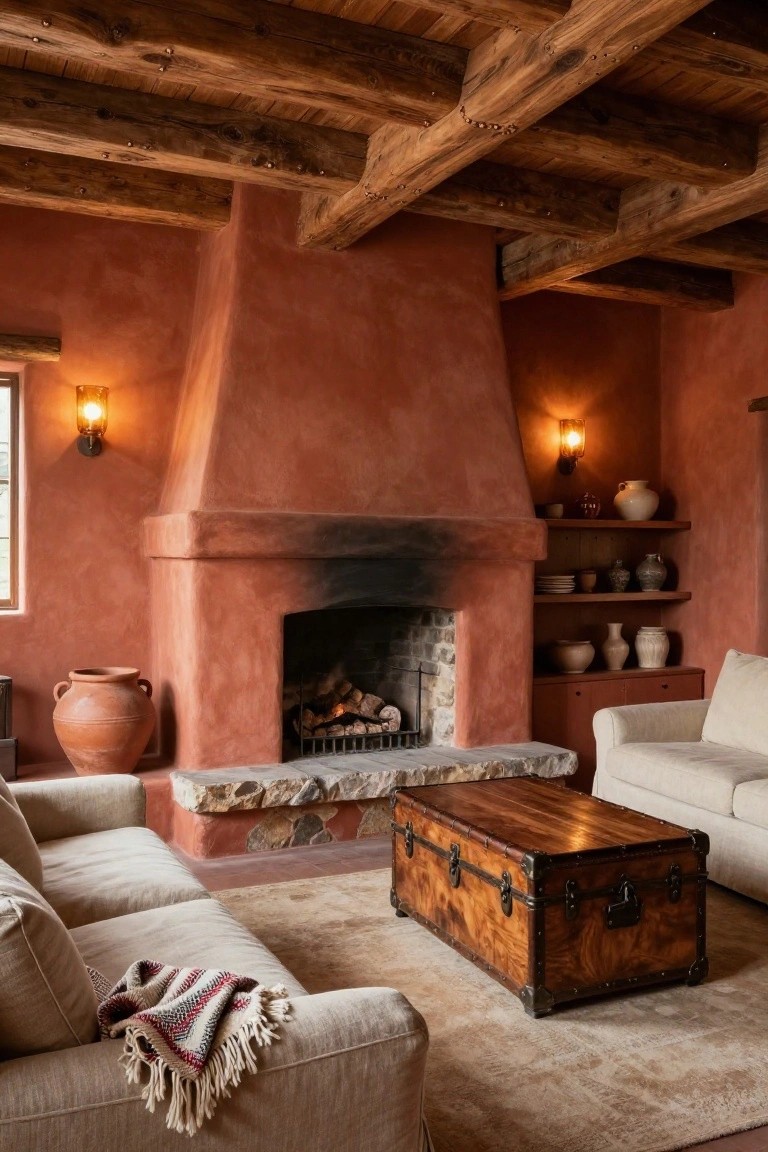
Warm terracotta paint like this turns a basement into a snug spot. The color has real depth from its earthy red tone, working well against wood beams and stone. It makes the space feel grounded and comfortable, even underground.
Use it in family rooms or rec areas with rustic touches. It suits homes with adobe or southwestern vibes. Go for matte finishes to keep the look casual, and test samples under your basement lights first.
Deep Gray Walls for Basement Home Theaters
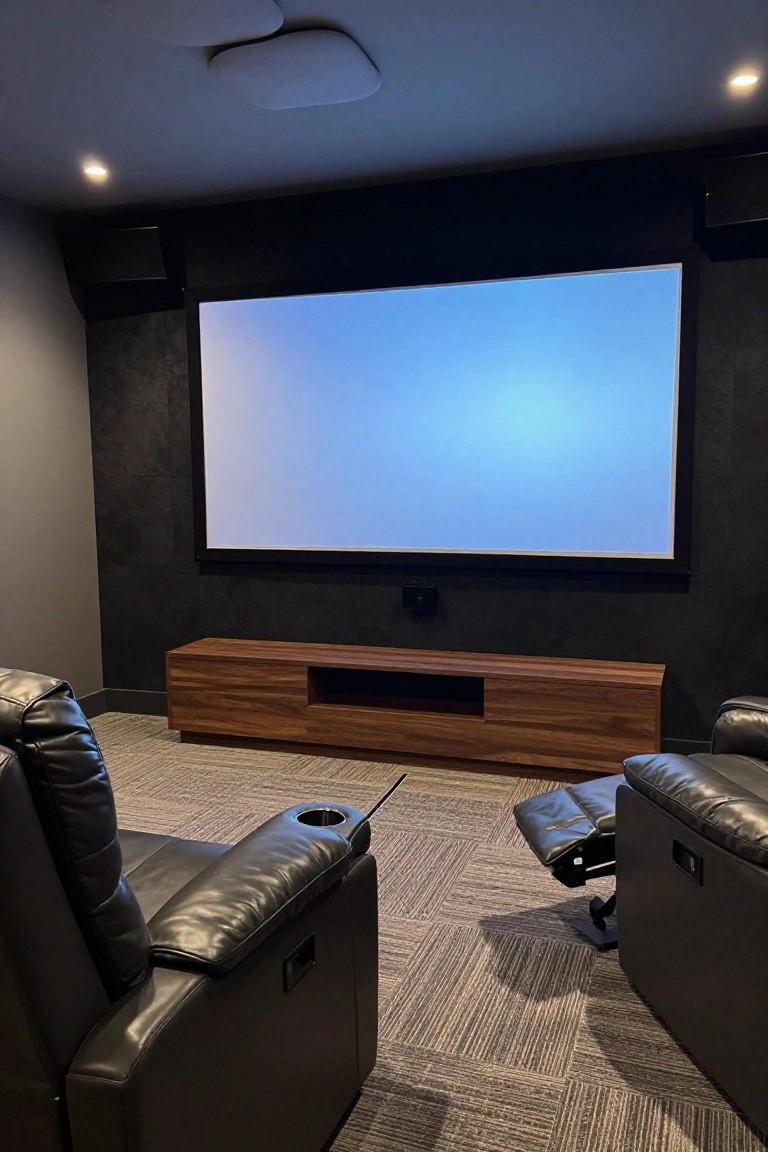
Basement home theaters often feel a bit cave-like. But a deep gray paint with some texture changes that. It adds real depth to the walls, making the space feel wrapped in without being too dark or flat. Here, the gray picks up light from the screen and recessed spots, so the room stays cozy for movie nights.
Try this paint in any below-grade media room. It works best with wood accents like a console or trim to warm things up. Pair it with black leather seats and carpet for that theater vibe. Just test samples first. Basements can pull colors cooler than you think.
Blush Pink Walls for Cozy Depth
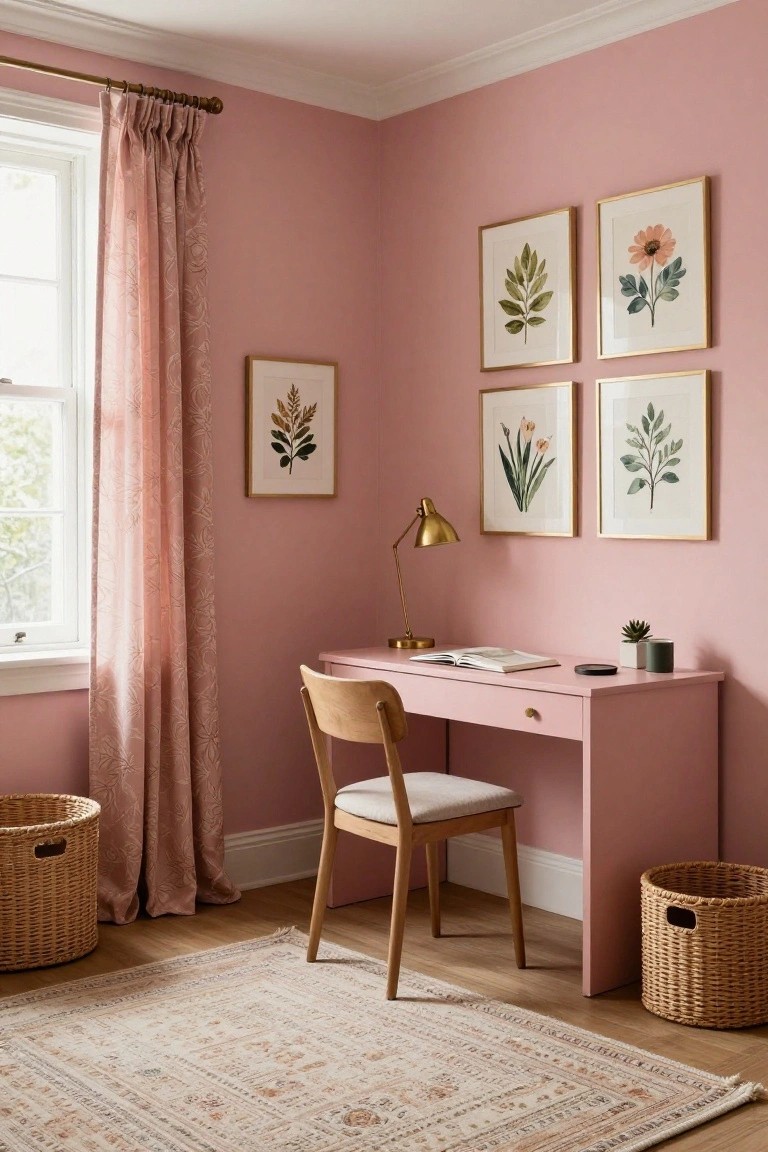
Pink walls like this soft blush shade make a basement feel warm and lived-in without going overboard. The color has just enough depth to wrap around the room nicely, especially when you pair it with simple wood furniture and a bit of green from plants or art. It turns a plain space into something that feels personal and calm right away.
Try this in smaller basements where you want light to bounce around but still keep things snug. Match the pink with a desk or shelf in the same tone for pull-together effect. Stick to matte finishes to avoid glare from basement lights, and it works in older homes too… just test the shade first since it shifts under different bulbs.
Sage Green Cabinetry
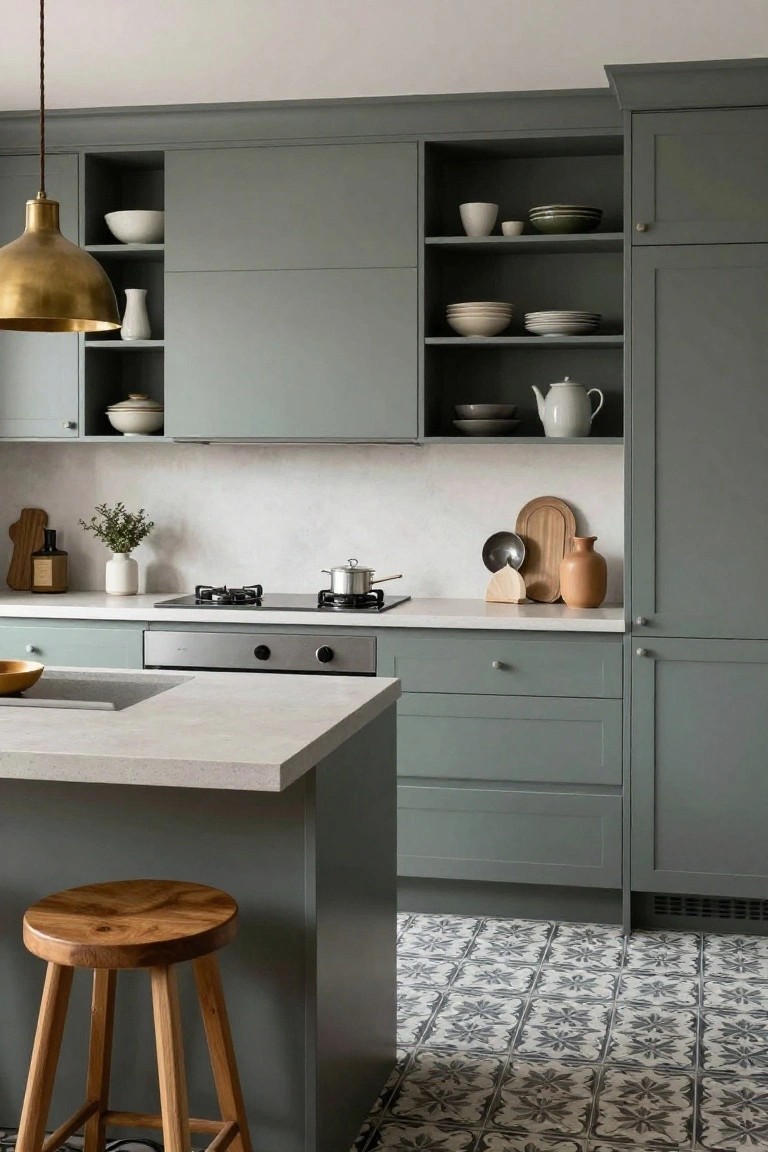
Sage green on cabinets like this gives a room real coziness without feeling too dark. It’s got that subtle depth that makes the space feel lived-in and calm. Paired with white counters and a brass light, it keeps things bright but grounded.
You could use the same paint on basement walls or built-ins. It suits smaller spaces well, especially ones with less natural light. Just test a sample first, since basements can shift tones under artificial lights.
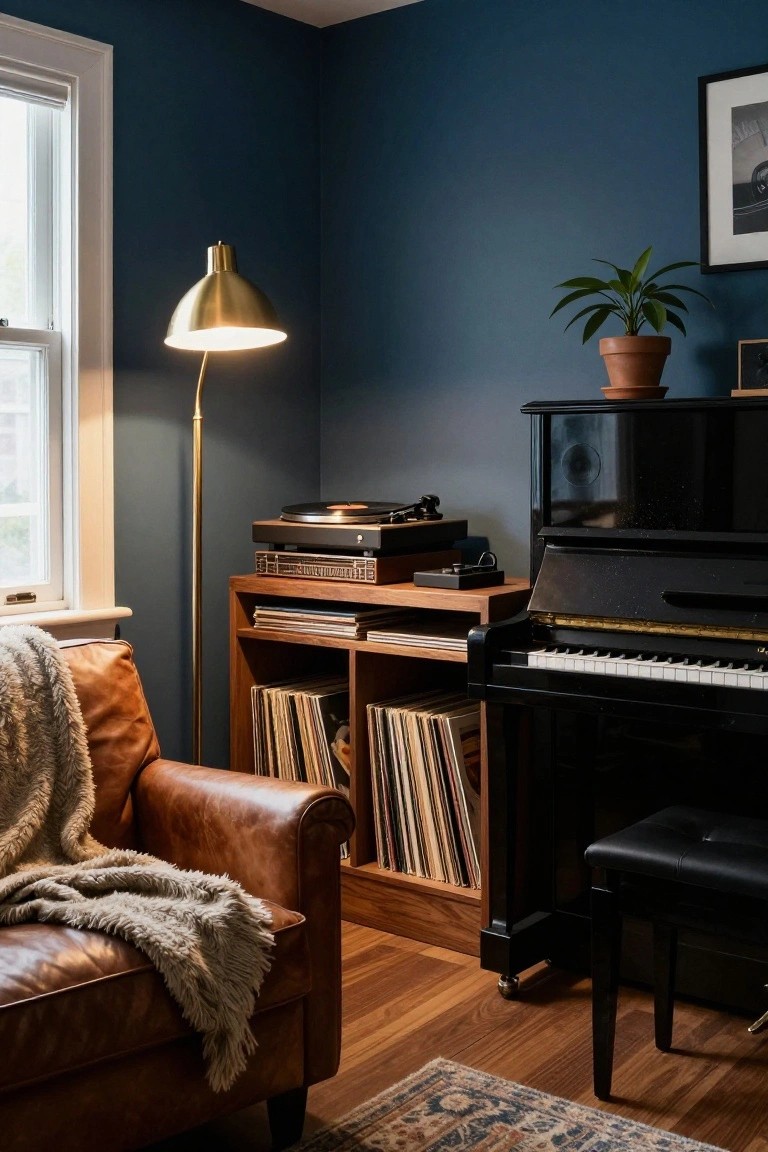
Navy blue walls like this one give a basement that wrapped-in feeling without making it cave-like. The deep color pulls in the light from a nearby window and plays nice with wood tones around the room. It adds real depth, turning a plain space into something you actually want to hang out in, maybe with a record spinning or piano keys going.
Try this shade in basements with some natural light or good lamps. It works best in music rooms or reading nooks where you pair it with warm woods and leather furniture… keeps things balanced. Just make sure your lighting is warm, or it might feel too moody.
Warm Beige Walls for Basement Coziness
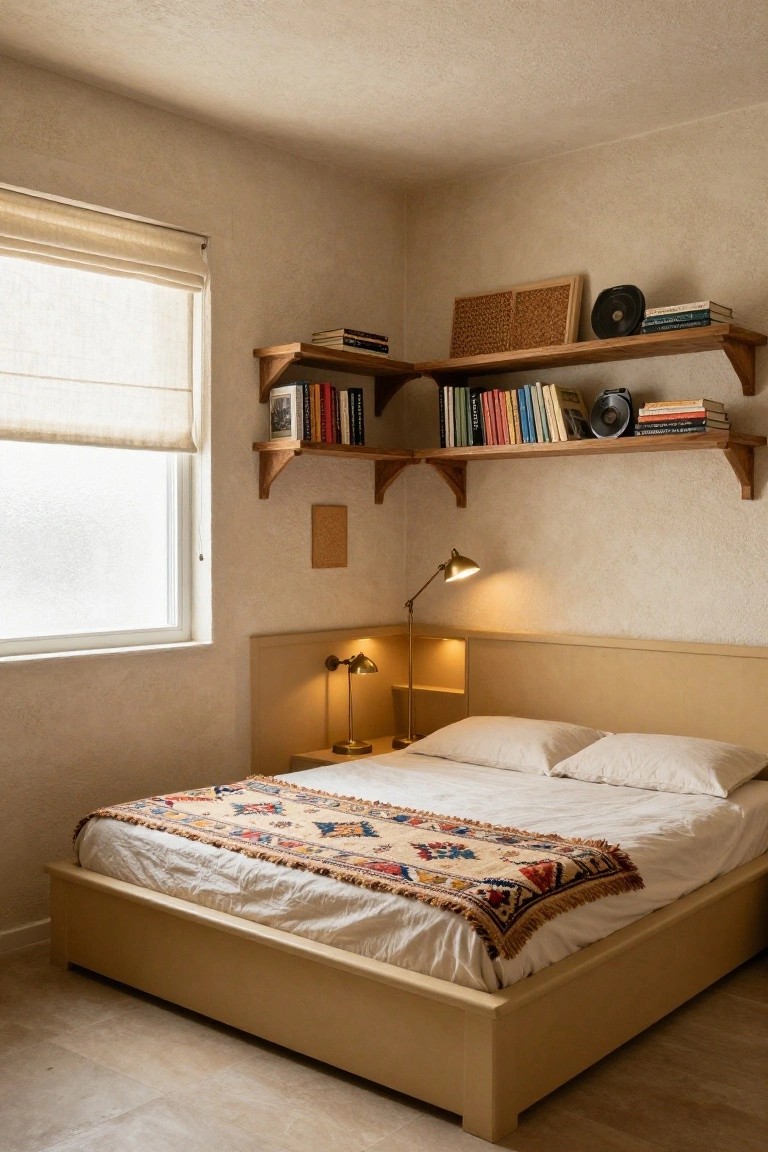
Warm beige walls like these give a basement that soft, lived-in feel without trying too hard. The subtle texture in the paint catches the light just right, adding depth that keeps things from looking flat even on cloudy days. It’s a color that plays nice with wood tones and white bedding, making the whole room pull together.
This shade suits smaller basement bedrooms or reading nooks where you want calm over bold. Test it in your space first since it shifts with bulb warmth. Stick to matte finishes to keep the cozy vibe going, and it holds up well under everyday use.
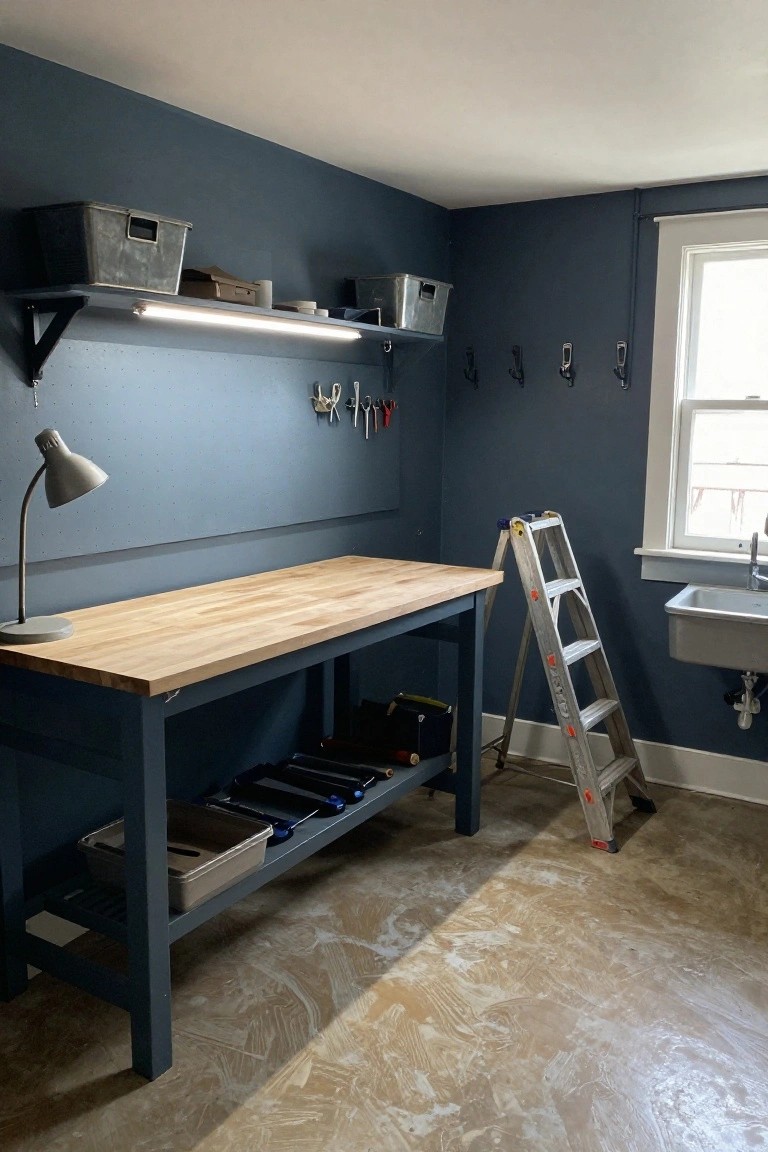
Navy blue walls like these make a basement workshop feel surprisingly cozy. The deep color adds depth without overwhelming the space. It works well against the natural wood of a butcher block bench and picks up on metal tools and fixtures. Good lighting from under-shelf LEDs keeps it from feeling too dark.
Try this paint in utility rooms or work areas where you need a backdrop that hides scuffs and feels grounded. It suits basements with some natural light from a window. Pair it with warm woods and metals… avoid going all white elsewhere or it might feel cold. Basements with concrete floors pull it off nicely.
Sage Green Cabinetry for Cozy Basements
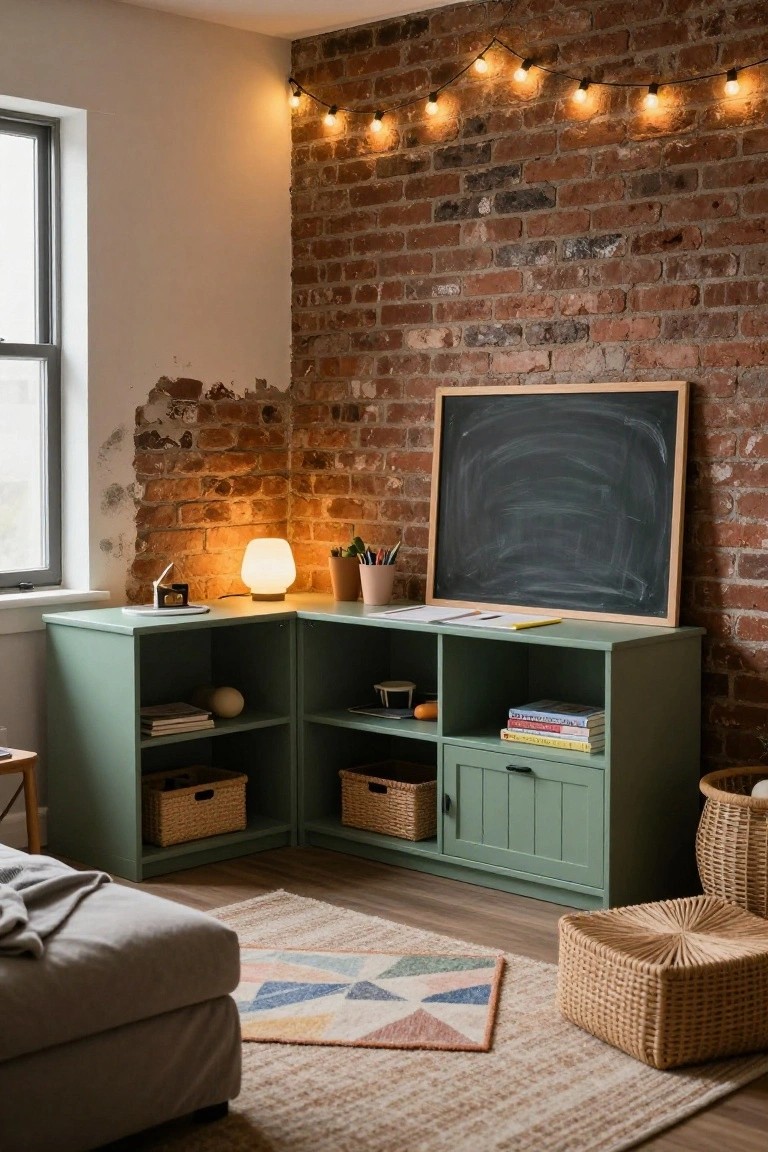
That soft sage green on the corner cabinets catches the eye right away. It works so well against the exposed brick wall, adding just enough color without overwhelming the space. The warm lamp nearby pulls it all together, making the nook feel lived-in and inviting. It’s a simple way to bring depth to a basement that might otherwise feel flat.
Paint your own cabinets this color if you have built-ins, or hunt for secondhand ones to refresh. It suits play areas or reading corners best, especially with neutral walls and wood floors. Keep accessories minimal so the green stays the focus… no need to overdo it.
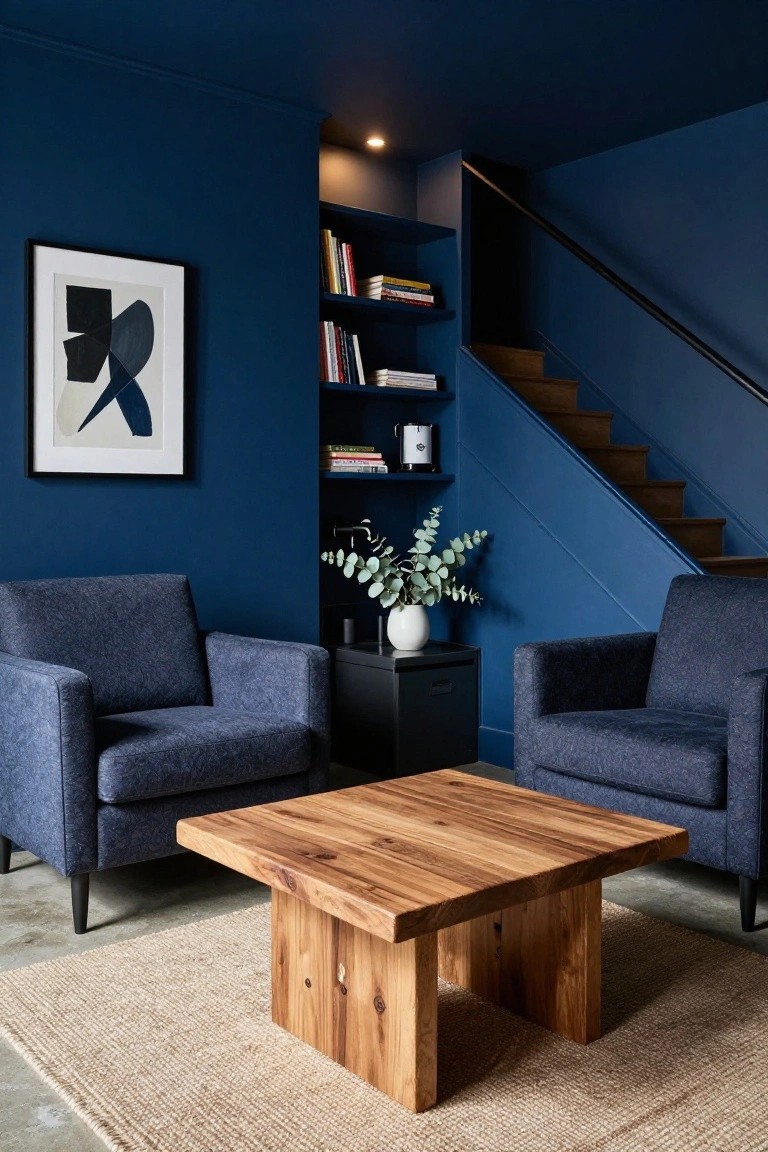
Navy blue walls wrap this basement in a rich, cozy feel that turns a dim space into something welcoming. The deep color on both walls and ceiling adds real depth without making things feel closed in. A simple wooden coffee table and navy chairs keep it grounded and easy to live with.
Try this paint in family rooms or reading nooks where natural light is low. It pairs well with warm woods and soft rugs… just add some plants or books for life. Basements with stairs or built-ins suit it best since the color highlights those features nicely.
Frequently Asked Questions
Q: How do I test these cozy colors in my basement’s funky lighting?
A: Paint large swatches right on the walls with sample pints. Walk by them morning, noon, and night for a few days. You’ll see how they shift and pick the one that stays inviting.
Q: My basement gets a little damp. Do these paints handle moisture?
A: Go for mildew-resistant formulas made for basements or bathrooms. They stand up better to humidity. Just keep good airflow going down there.
Q: Will darker shades from the list make my low-ceiling basement feel cramped?
A: Lighter picks open up tight spaces best. Save the deeper tones for rooms with more height. And pair them with soft rugs to ground everything.
Q: How do I match these paints to my old couch and rug?
A: Spot a color in your fabrics that you love. Echo it on the walls. The room pulls together fast.
