

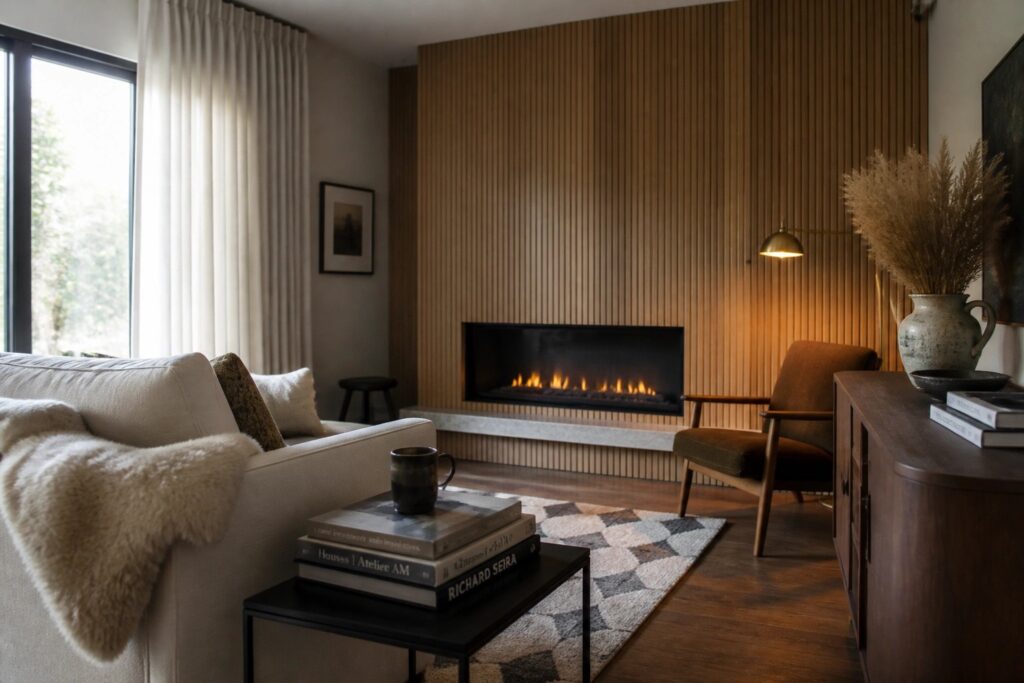
Living rooms often feel more grounded when the fireplace sits right in the mix of daily life rather than pushed to the side.
I have noticed that clean modern lines can sometimes make a space feel colder unless the finishes add enough warmth to balance them out.
The right proportions change everything.
Over time I have learned to look at how the hearth height works with the seating arrangement before committing to a design.
Many of these ideas seem worth trying in a room where people actually spend evenings relaxing.
Wood Paneling With A Linear Fireplace
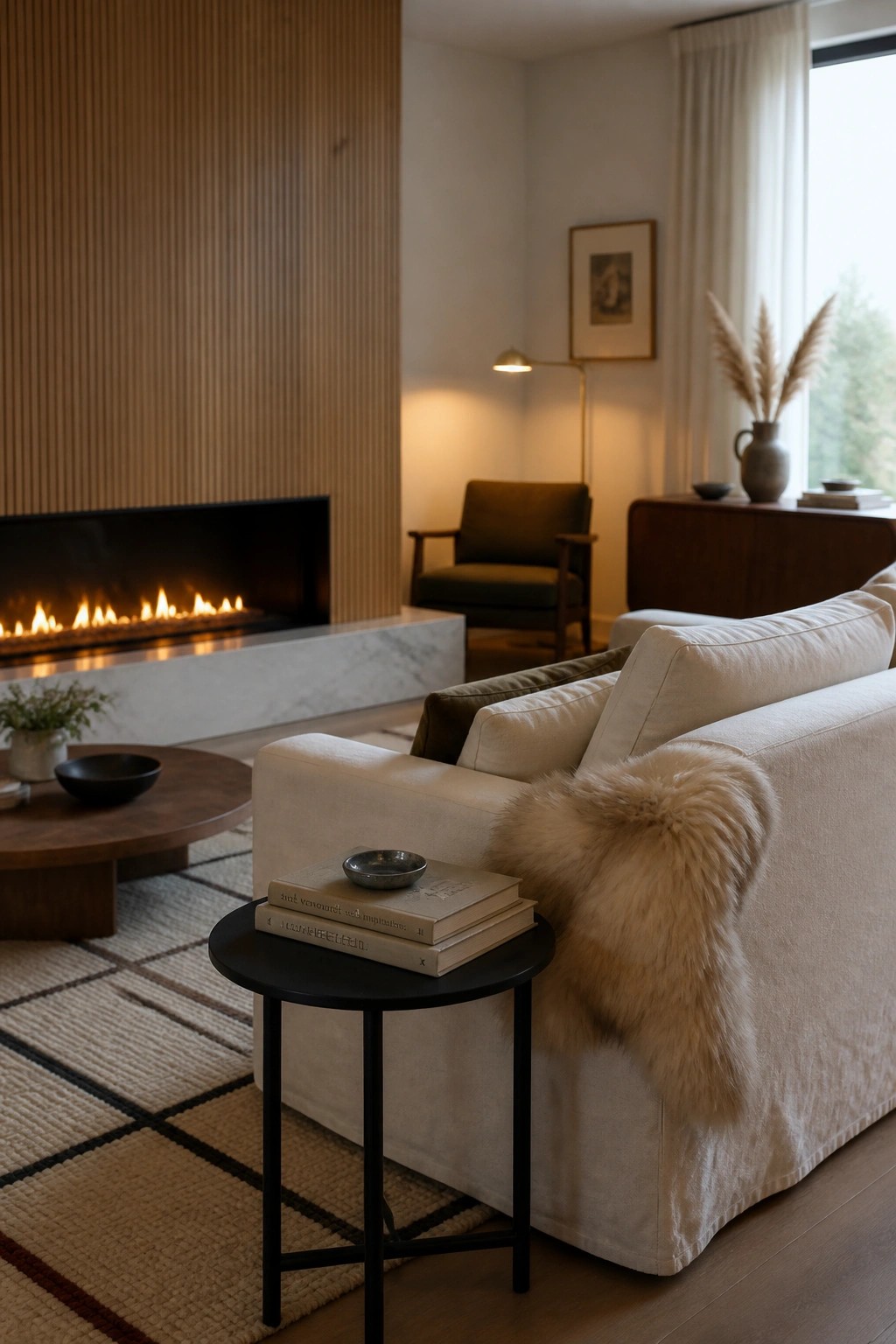
Many people like setting a fireplace into a wood-paneled wall because it gives the room structure without making it feel cold. The vertical lines stay simple and modern, while the wood adds the warmth that a plain wall often lacks.
This approach works best in living rooms where the fireplace needs to blend into the architecture rather than stand out as a separate feature. It suits homes with open layouts and pairs well with neutral furniture and a light stone hearth.
Built-In Fireplaces With Floating Mantels
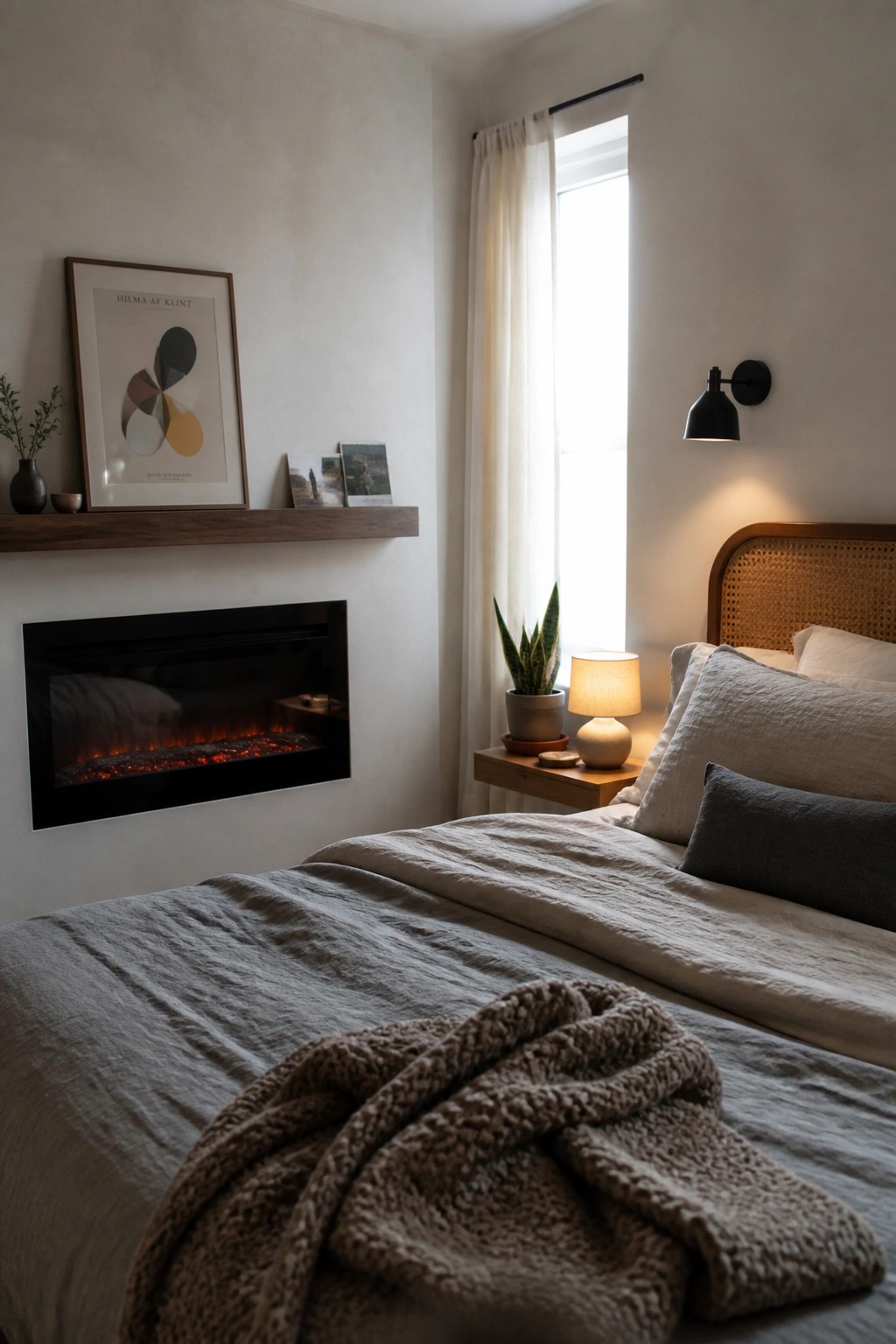
A built-in fireplace keeps the wall flat and simple while still giving a room that warm center point. The floating wood shelf above it adds a place for a few pieces without breaking up the clean lines or adding bulk.
This setup works well in smaller bedrooms or living rooms where you want the fireplace to feel built into the architecture rather than added on later. Stick to light walls and keep the mantel light so the focus stays on the firebox itself.
Fireplaces That Work As Room Dividers
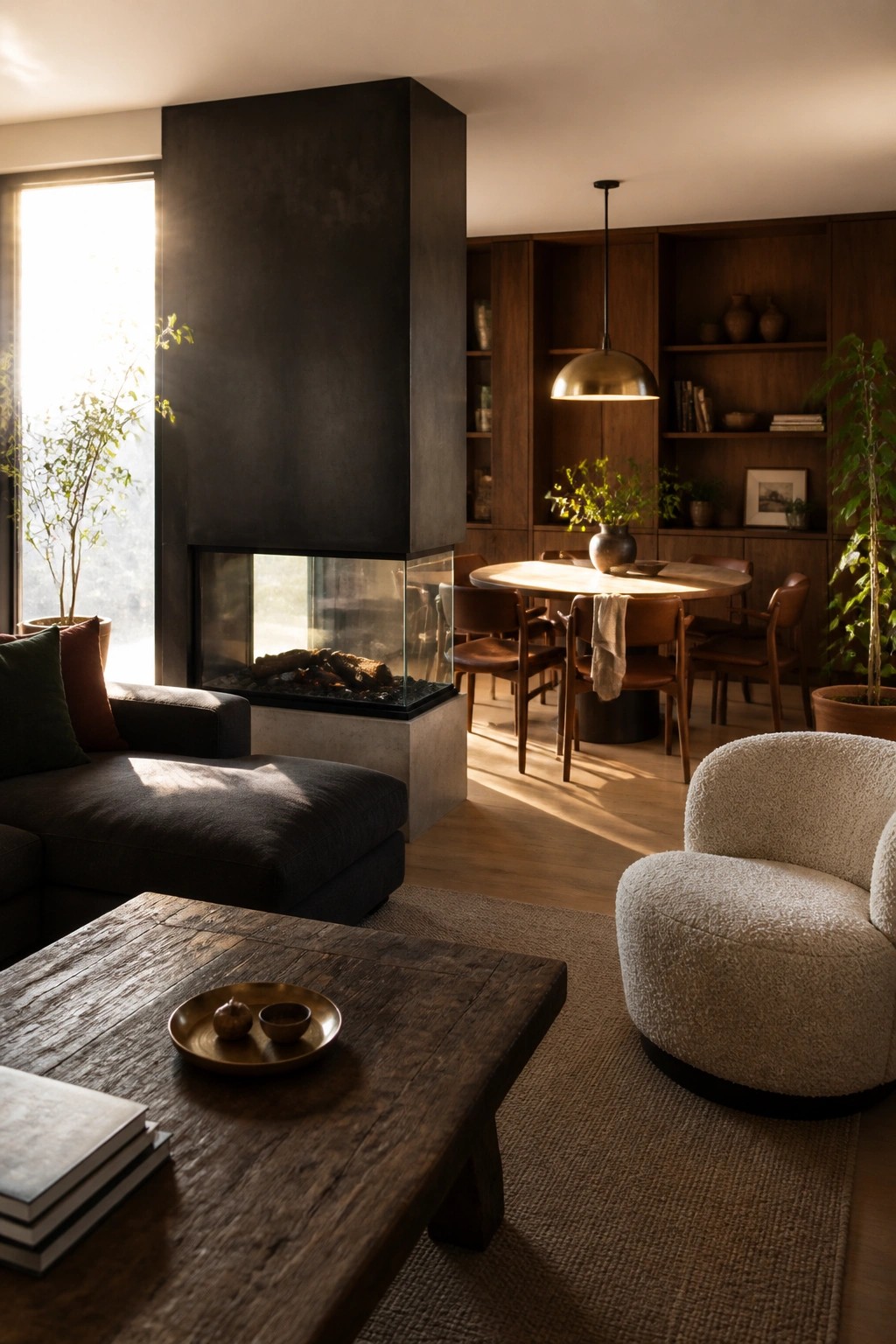
A tall fireplace can split an open living area from the dining space without closing things off completely. The dark surround keeps the look simple and structured while the fire adds the warmth that makes the whole room feel lived in.
This works well in homes with wood tones and soft seating on both sides. Keep the base low and the height bold so the firebox stays at eye level from the main seating area.
Adding A Fireplace To The Kitchen
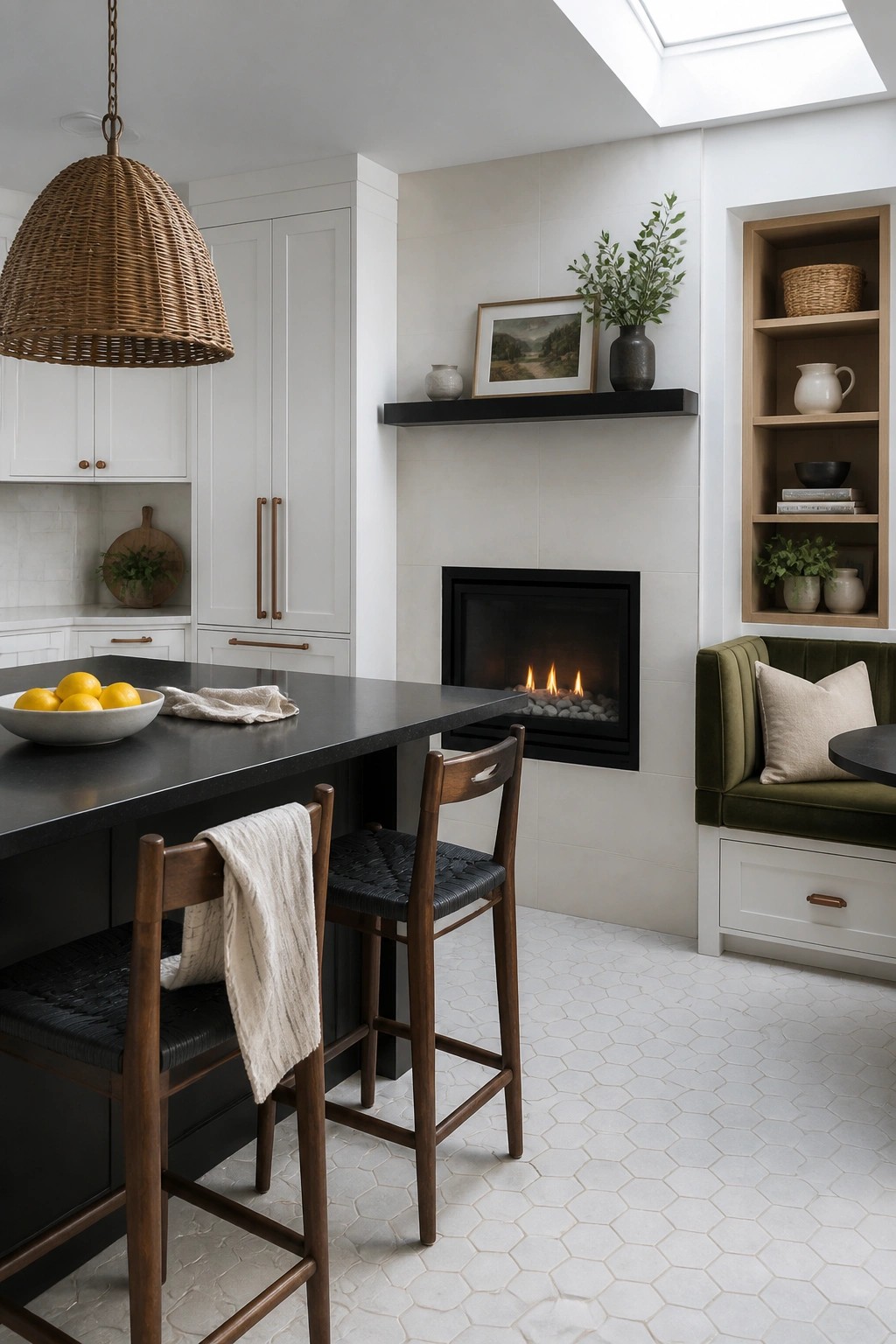
Many kitchens now include a fireplace as a way to bring some real warmth into the space. The clean black frame against the light tile wall keeps the look simple while the fire itself adds the kind of comfort that makes the room feel more lived in.
This idea works well in open layouts where the kitchen connects to seating areas. Keep the surround materials fairly neutral so the fireplace fits with your cabinets and counters instead of fighting them.
Fireplace in the Dining Room
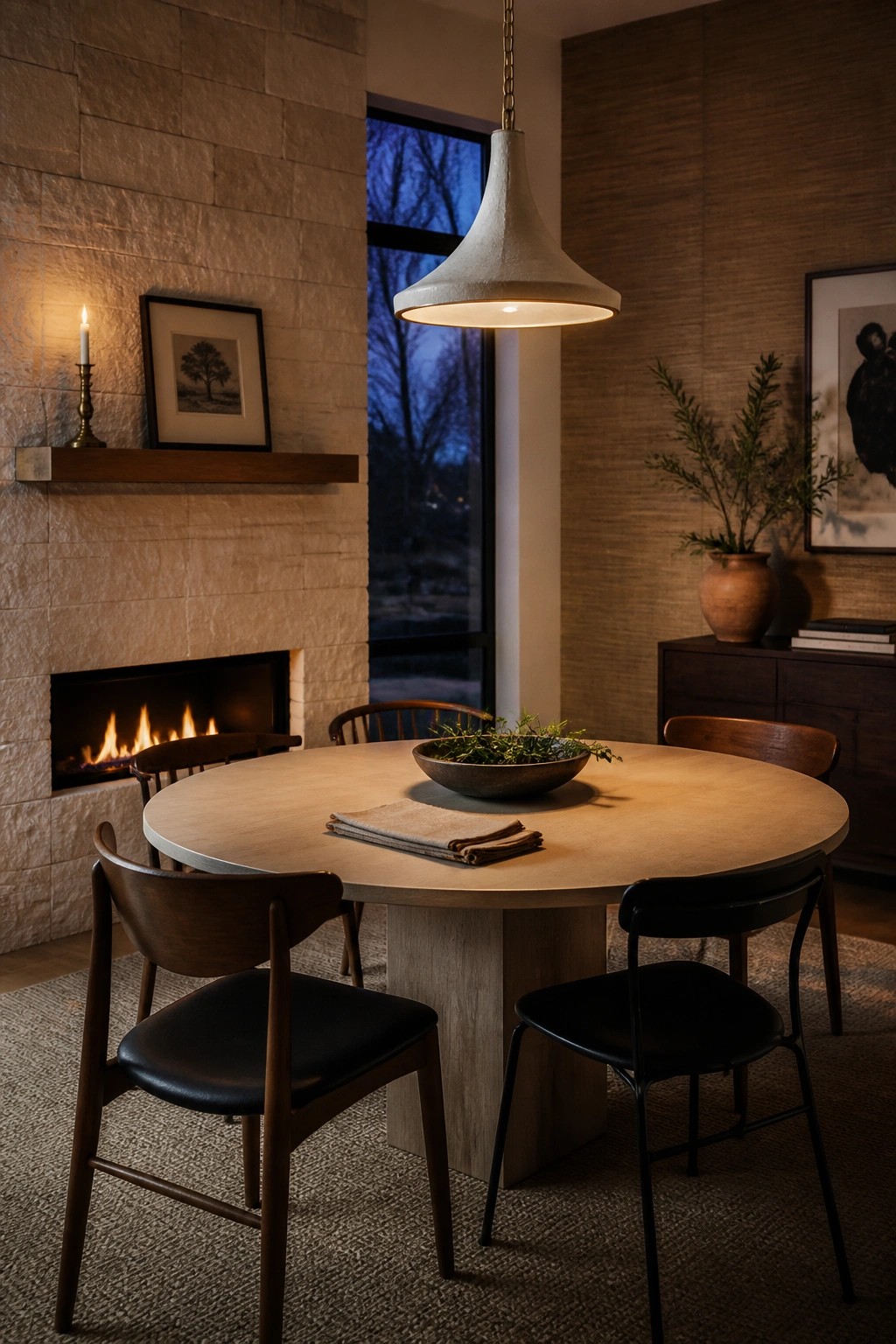
A fireplace next to the dining table gives the room a steady source of warmth that feels natural during meals. The stone surround keeps the look simple while the wood tones and leather seats add just enough softness to balance the modern shape of the space.
This setup works well in open homes where the dining area shares space with the living room. Keep the mantel low and the materials consistent so the fireplace stays part of the room instead of taking over.
Stone Fireplaces In The Bedroom
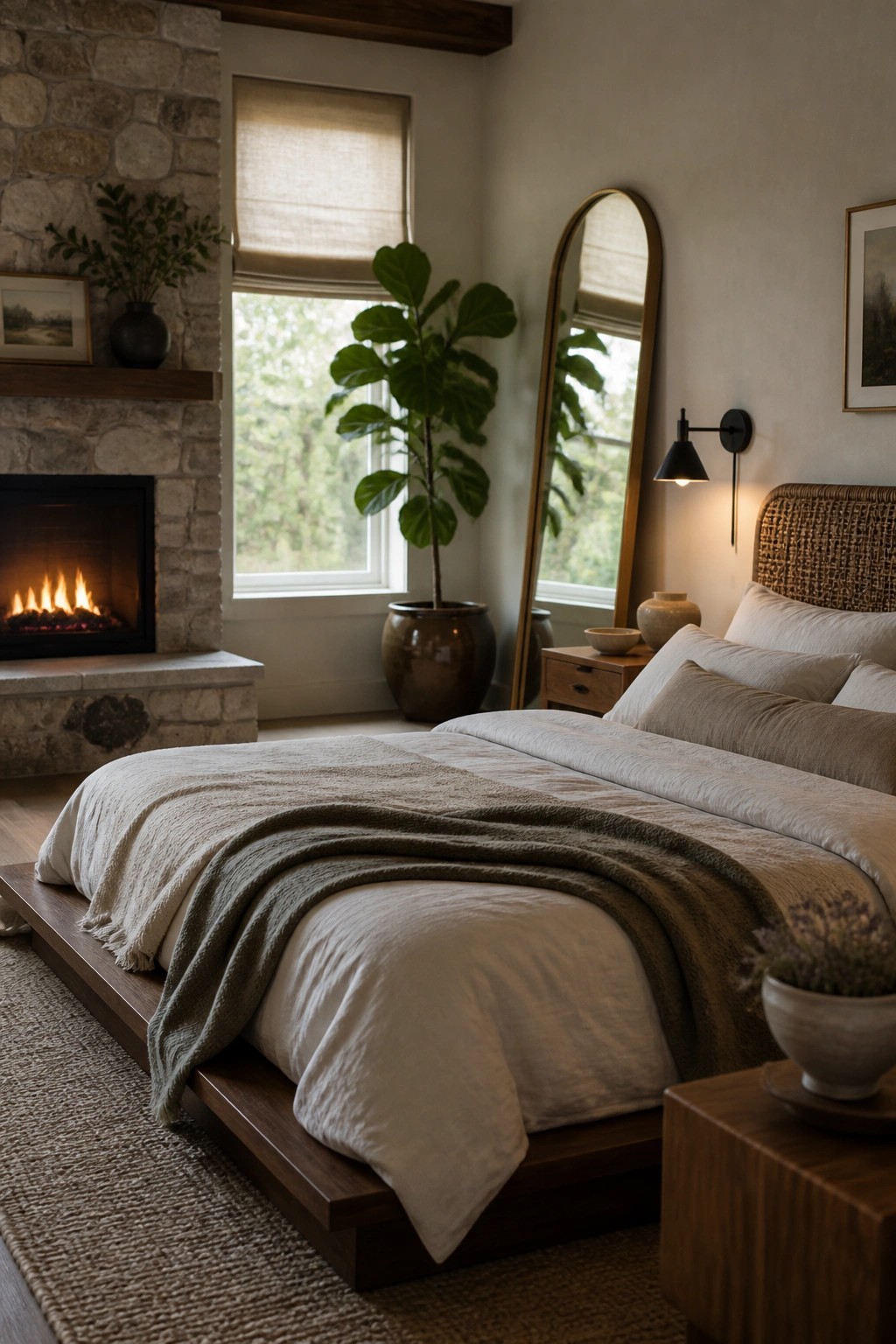
A fireplace can turn a bedroom into a quieter space without adding much else. Stone gives the fire a solid frame that feels grounded, while the rest of the room stays simple with low furniture and soft layers. The warmth from the fire then does most of the work.
This works best in rooms that already lean modern and need one warmer element to balance them. Keep the mantel low or skip it, and let the stone run straight up the wall. Just make sure the firebox sits at a comfortable height for viewing from the bed.
Linear Fireplaces In Entry Spaces
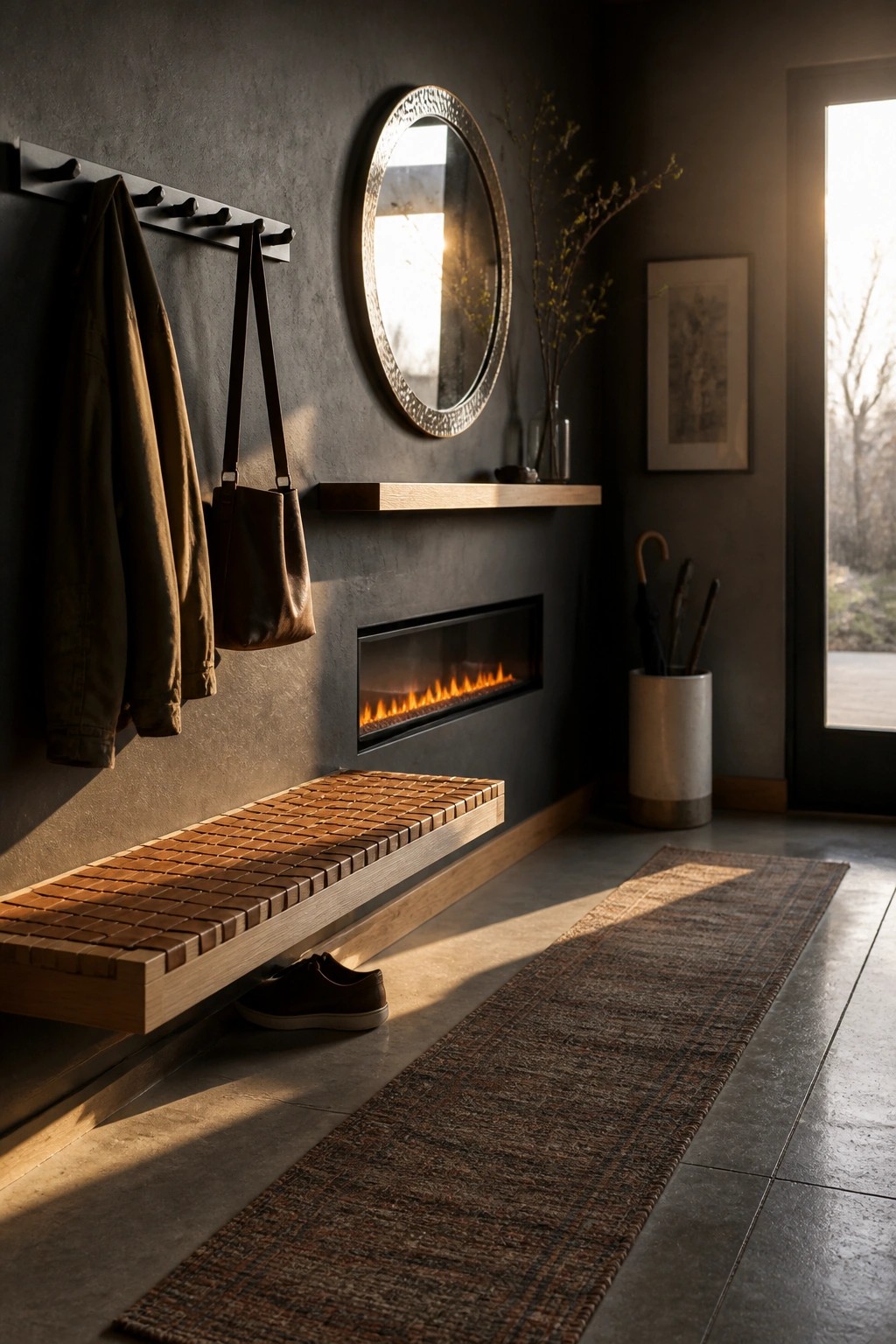
A slim linear fireplace set into a dark wall gives an entry just enough warmth without taking over the room. The clean opening stays low and horizontal, so the space still feels open and easy to move through.
This setup works well in modern homes where the entry doubles as a drop zone. Place a wood bench right below the fire for seating and shoe storage, then add hooks on the side wall. Keep the rest of the surfaces simple so the flame stays the main point of interest.
Reclaimed Wood Mantels Over Clean Fireplaces
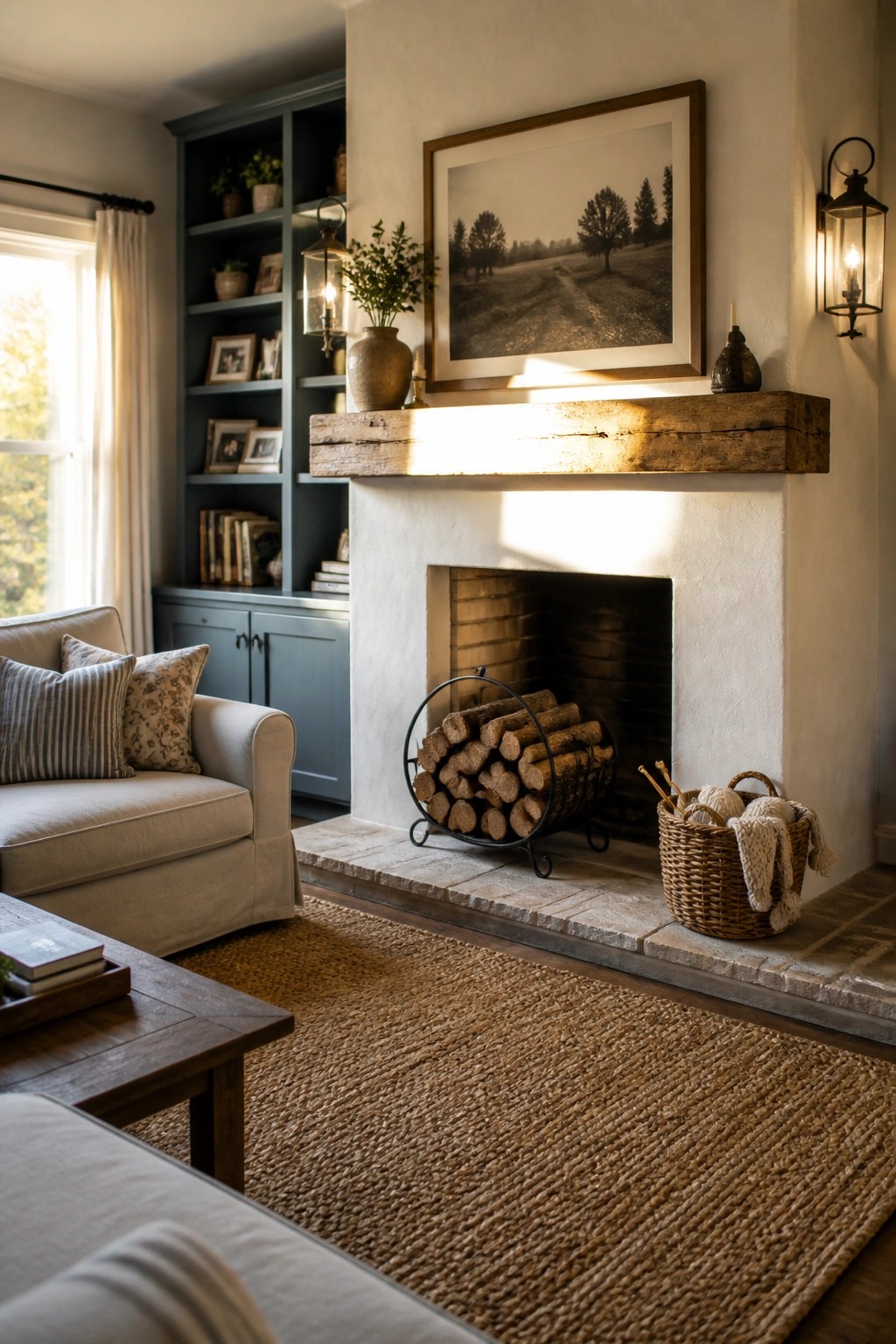
A thick reclaimed wood mantel on a smooth white plaster firebox gives the room a simple mix of clean lines and natural texture. The wood adds warmth and character while the white surround keeps the overall look light and uncluttered.
This approach works best in living rooms with neutral walls and some built-in storage nearby. Keep the styling light so the mantel can stand out without competing with too many other pieces.
Stone Fireplace Wall With Shelving
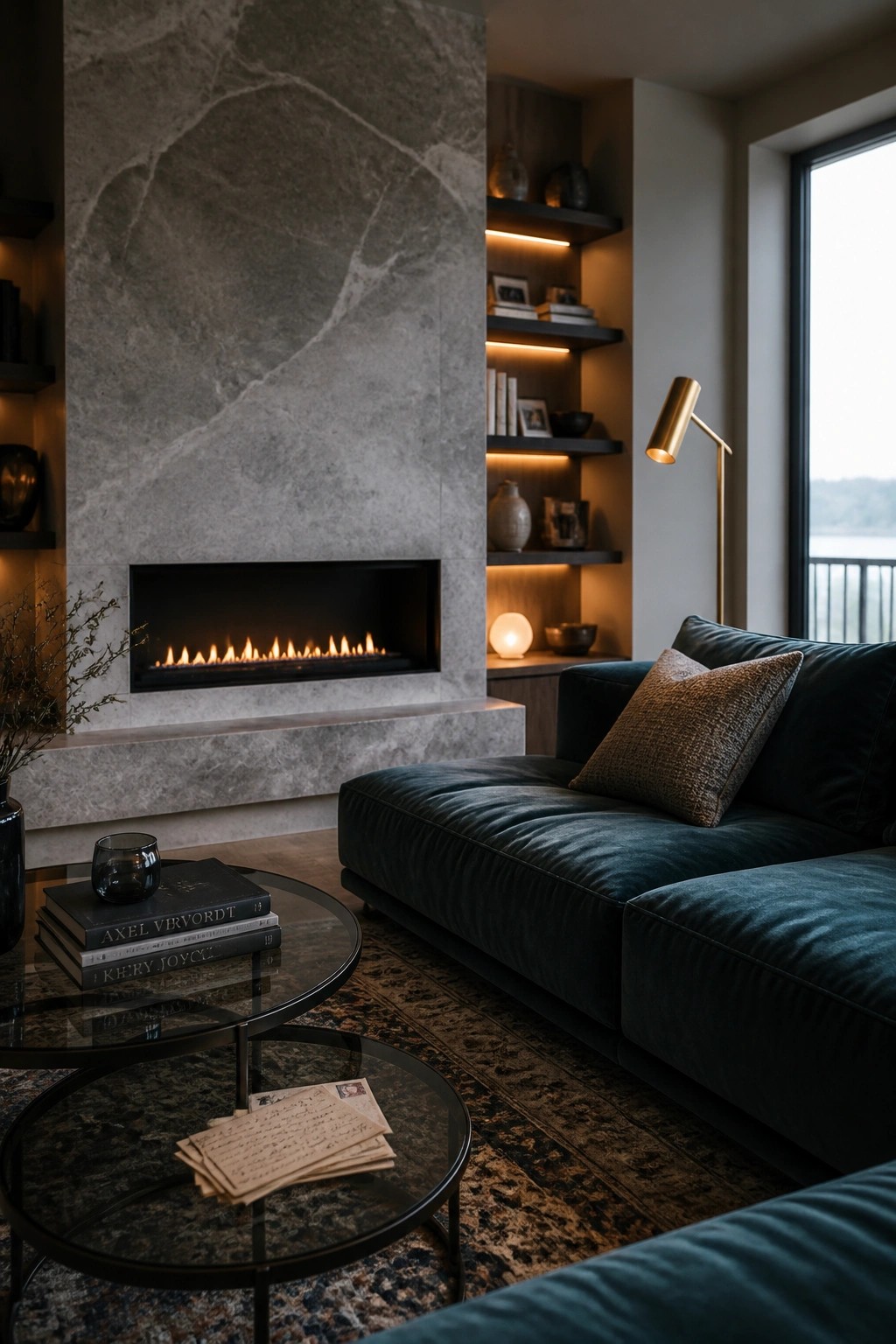
A linear fireplace set into a full stone panel gives the room a strong focal point without needing extra trim or decoration. The stone brings texture that softens the clean lines of the firebox itself.
This approach works best in living rooms where you want the fireplace to feel built in rather than added on. Keep the shelves lightly filled so the stone stays visible and the overall look stays balanced.
Stone Fireplaces in Home Offices
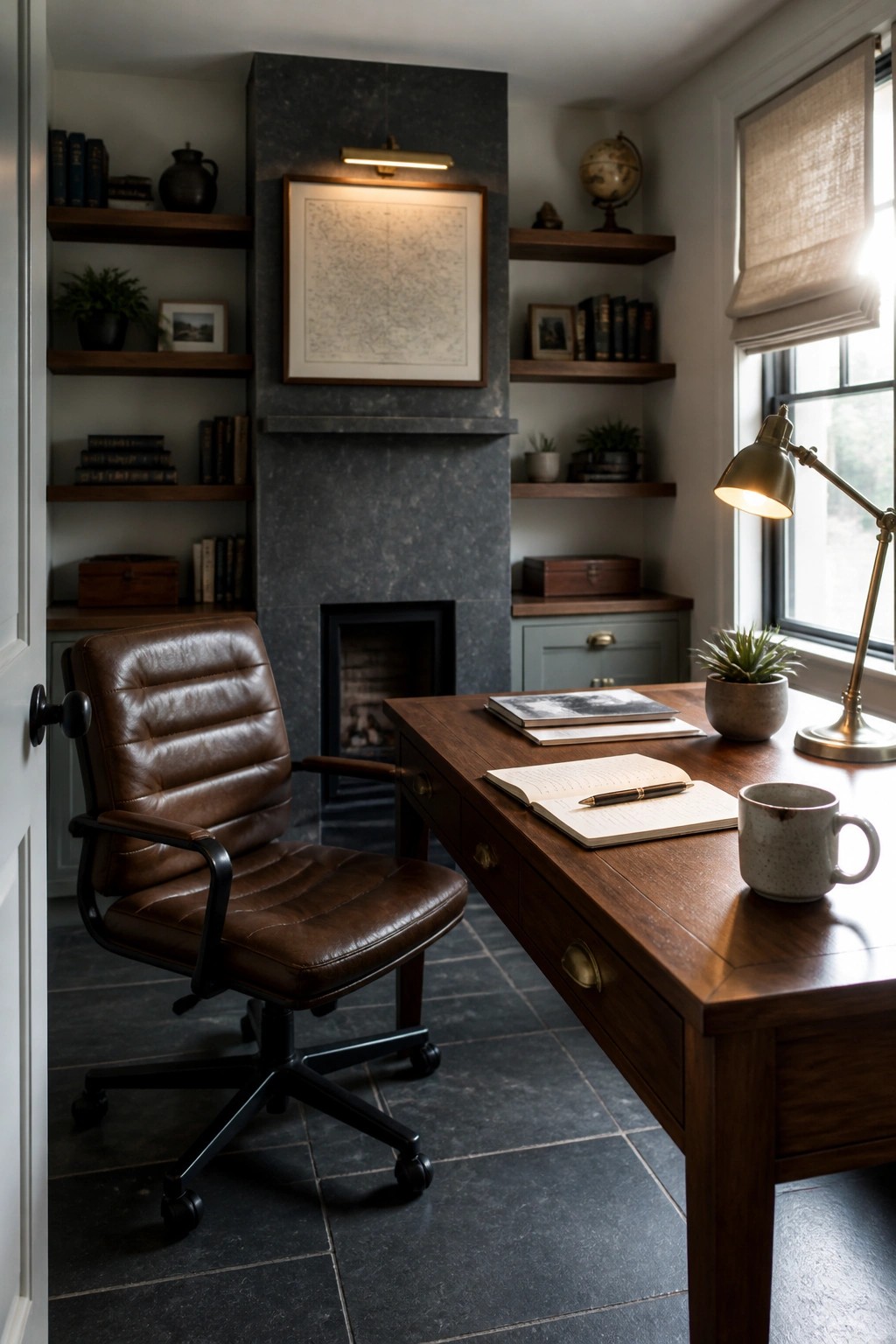
A dark stone fireplace can fit nicely into a home office when you keep the surround simple and add warm wood pieces around it. The clean lines of the stone give the room a modern edge, while the desk and shelves keep the space from feeling too stark.
This approach works best in smaller studies where you want the fireplace to serve as a quiet focal point. Place it on a main wall and match it with wood furniture in a similar tone so the whole room feels pulled together without extra decoration.
Linear Fireplaces In Nurseries
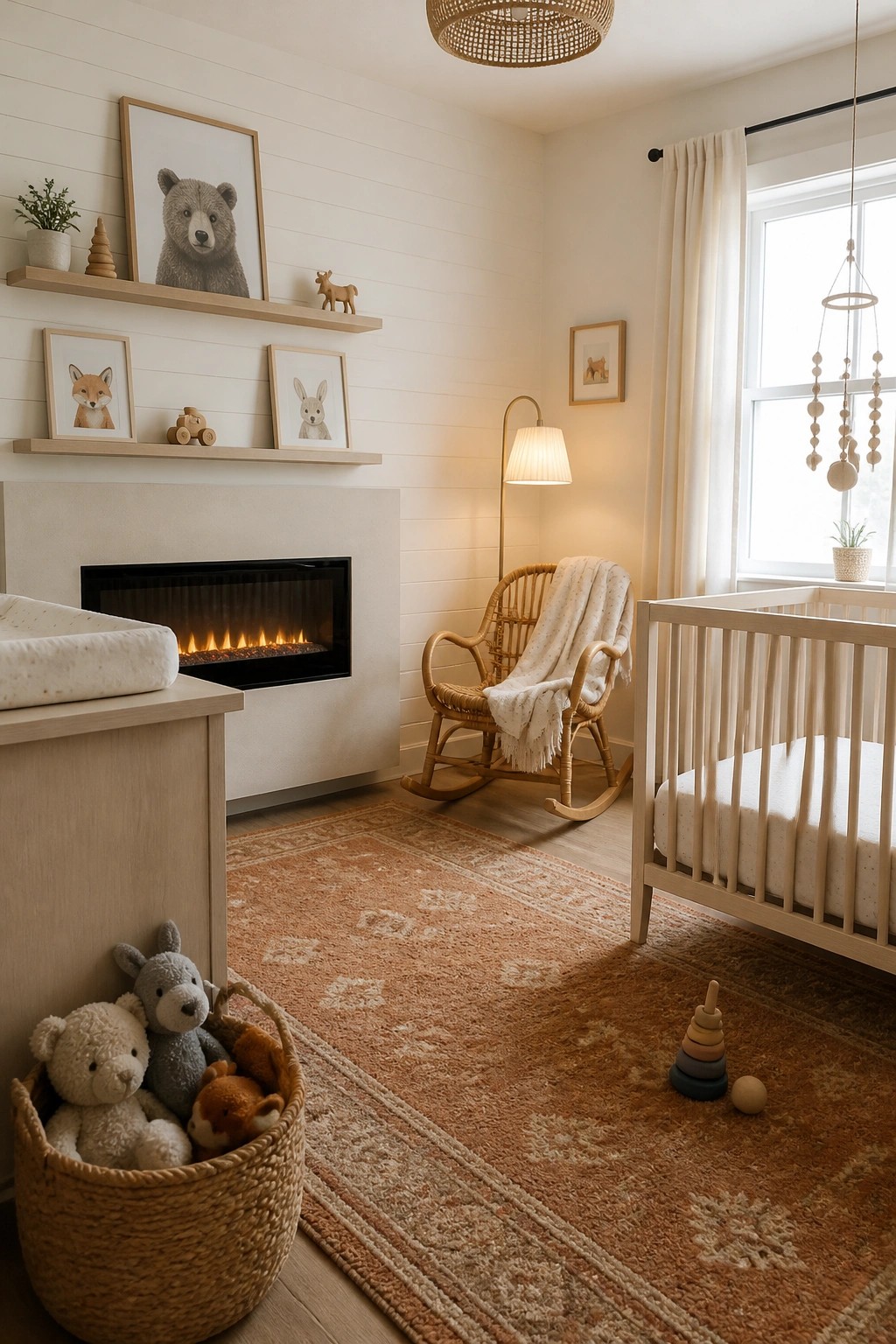
A linear fireplace with a simple white surround gives a nursery a calm center without adding visual weight. The clean shape keeps the room feeling open while the fire itself brings steady warmth that works well for a space meant for quiet time and routines.
This setup suits homes that want modern lines but still need the room to feel soft and practical. Keep the area around it light with wood tones and textiles so the fire stands out as the main feature instead of competing with too many other elements.
Linear Fireplaces Built Into Dark Walls
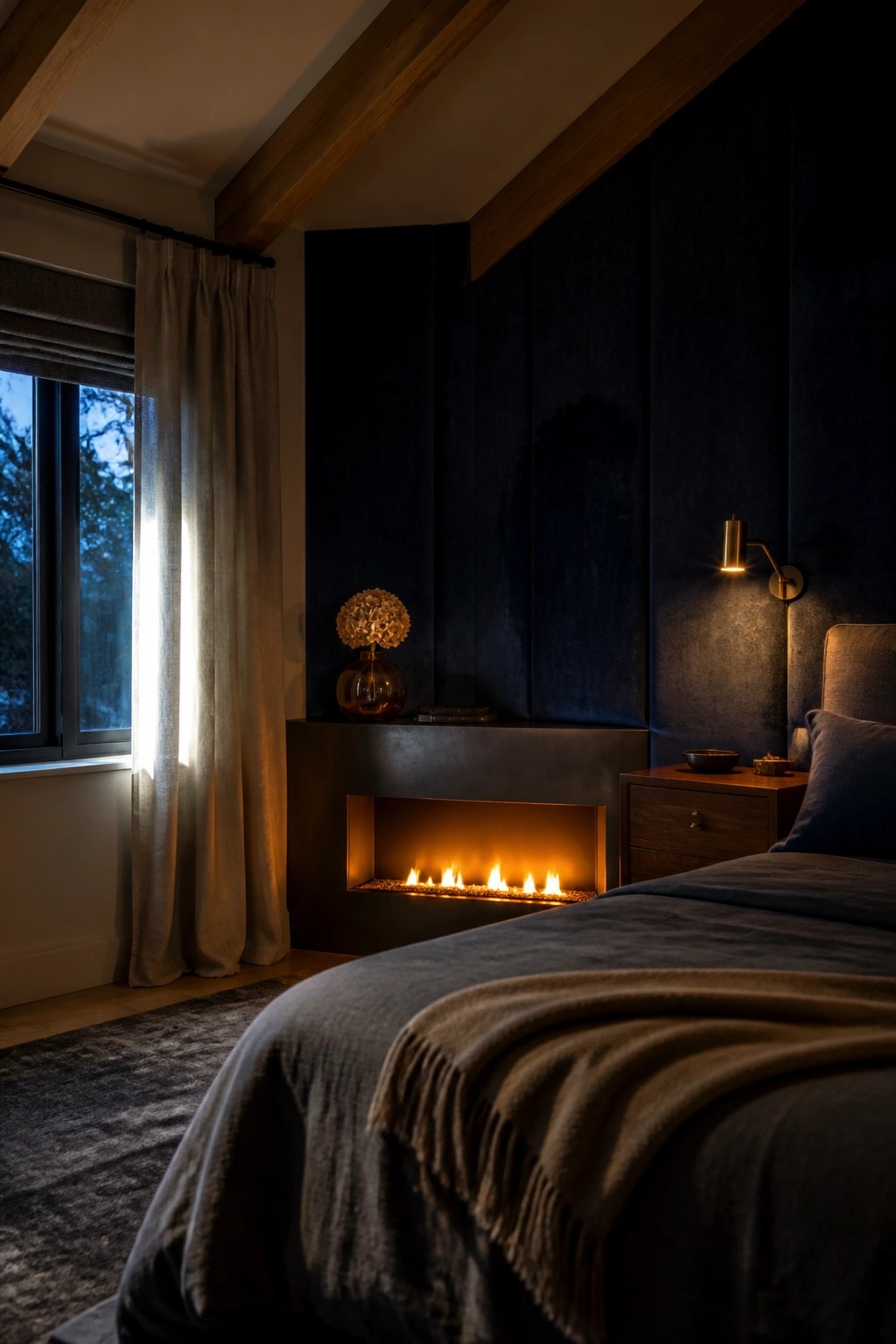
A linear fireplace set right into a dark wall keeps the overall look clean while the fire adds the warmth most rooms need. The dark surface makes the flames stand out without requiring extra trim or decoration around the opening.
This works best in bedrooms or living rooms that already use strong wall color or texture. Keep the surrounding finishes simple so the firebox stays the main point of interest and does not compete with other details.
Built-In Niches Around The Fireplace
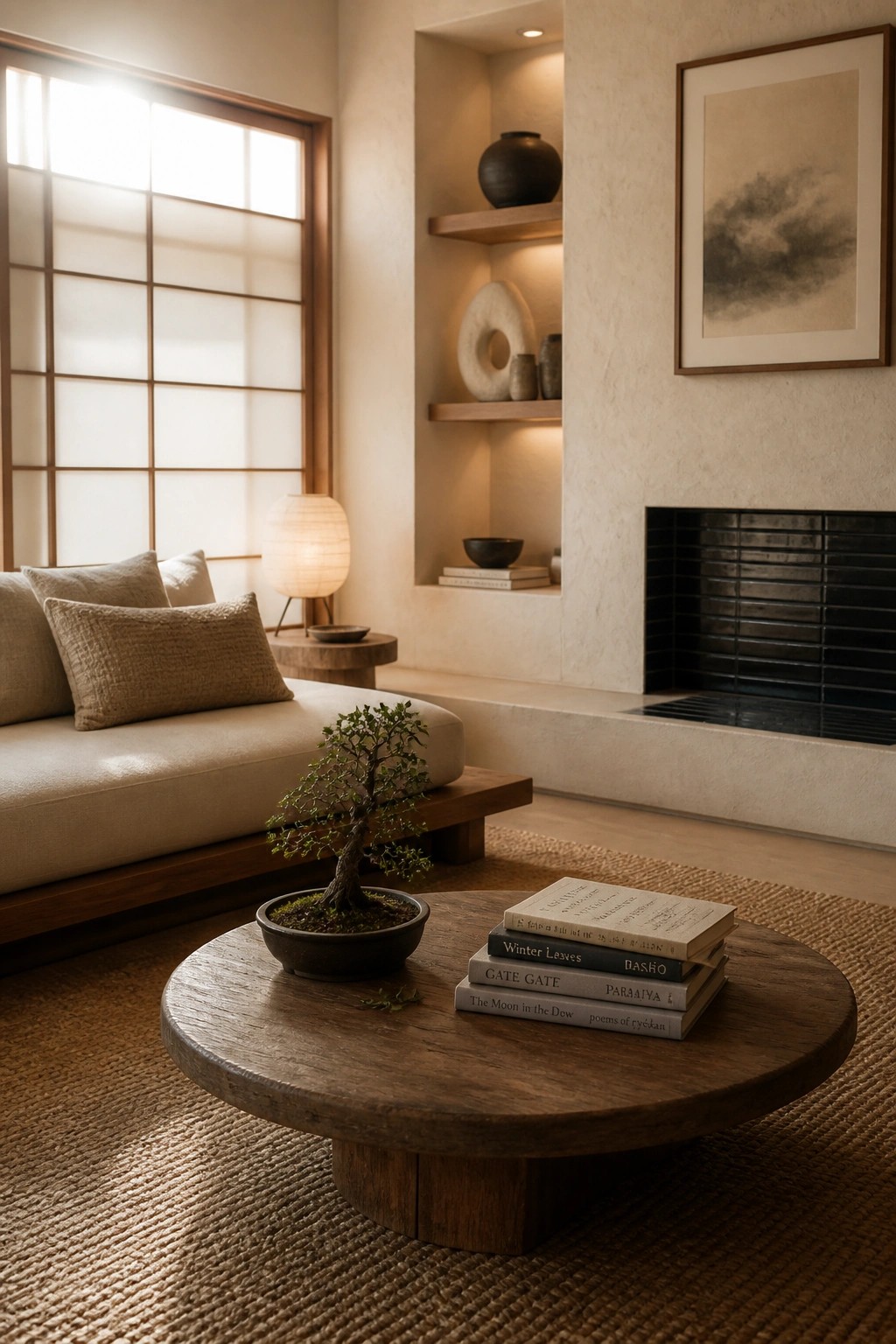
Tucking a few recessed shelves into the wall beside a modern fireplace gives the room a quiet way to show a handful of objects without adding extra furniture. The clean rectangle of the firebox stays the main feature, while the niches bring in a bit of texture and warmth that keeps the whole wall from feeling too stark.
This works best in living rooms that already lean simple, where you want the fireplace to feel part of the architecture rather than just an appliance. Use the shelves for a few ceramics or stacked books in natural tones, and keep the lighting low so it does not pull attention away from the fire.
Fireplaces In The Bathroom
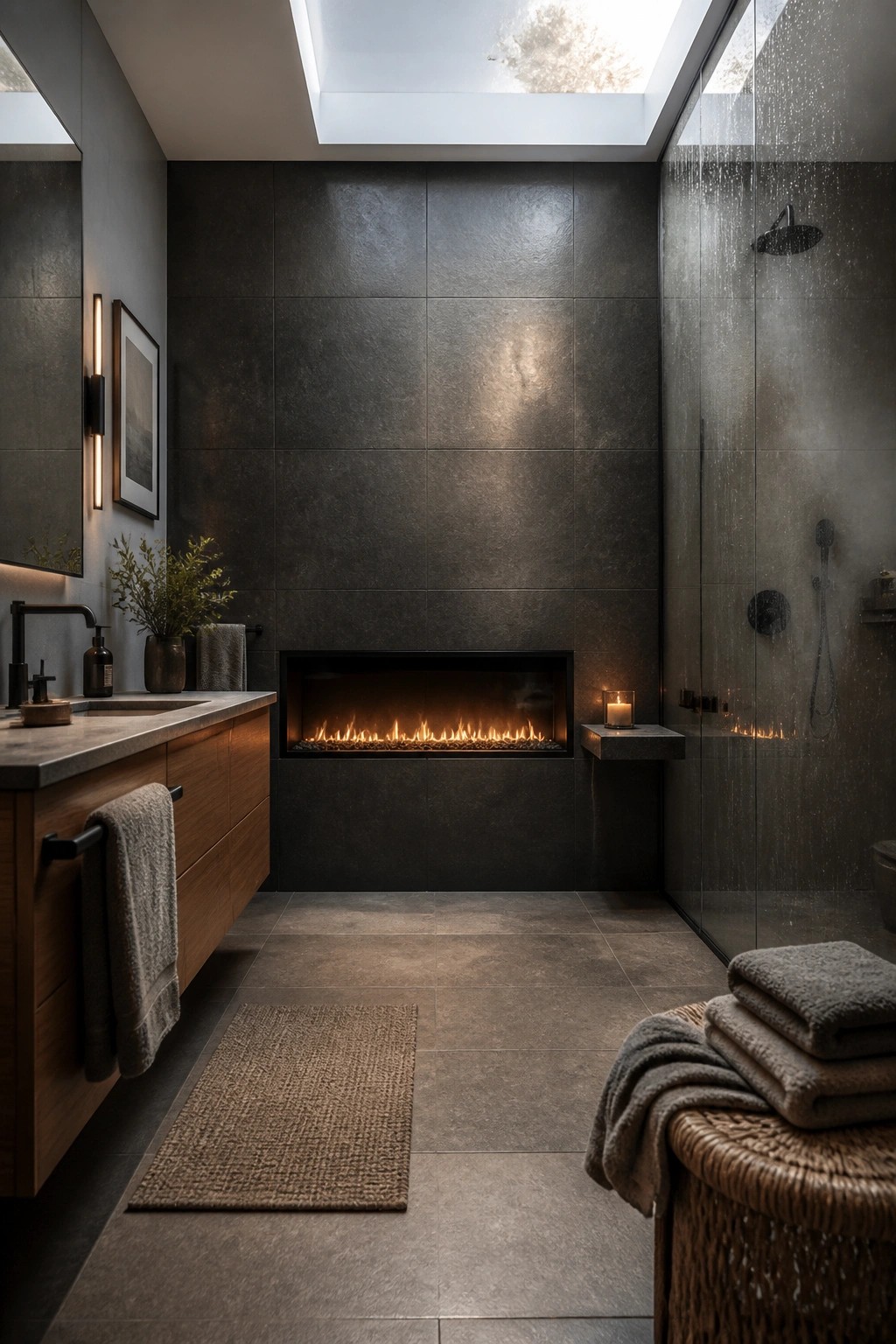
A fireplace can turn a bathroom into a warmer space without adding much clutter. The linear style fits neatly into a tiled wall and gives off a steady glow that makes the room feel more inviting during cooler months.
This setup works best in larger bathrooms where the fireplace can sit across from the main fixtures. Dark tile helps the flames stand out, but the same idea can work in lighter rooms if the surround stays simple.
Extend the Hearth With a Concrete Ledge
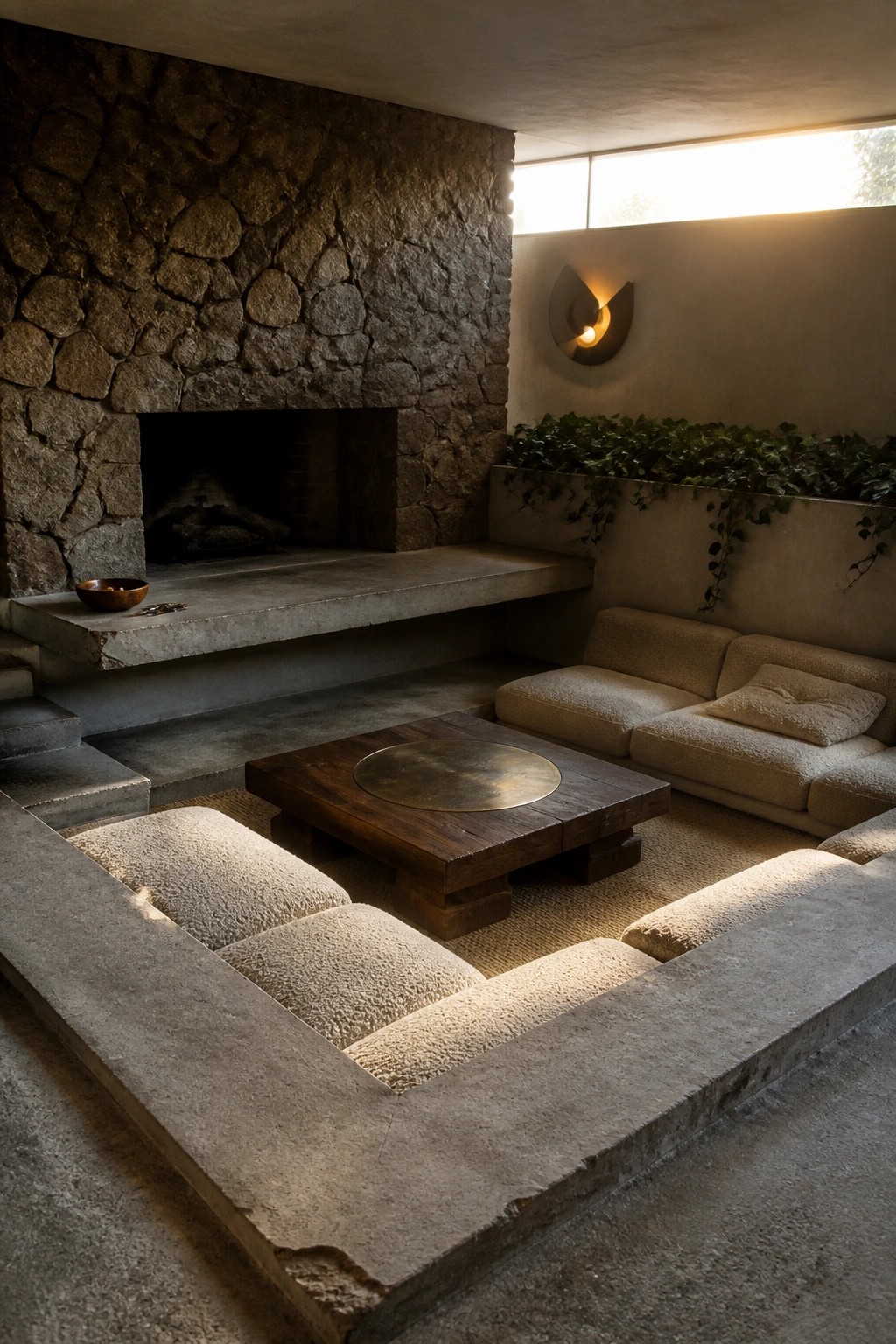
A wide concrete ledge running out from the fireplace gives the whole room a settled, built-in feel. It turns the hearth into more than just a fire surround. The ledge works as a place to set things down or lean against, and it helps the seating area feel connected rather than floating in the middle of the room.
This approach suits homes where the fireplace is the main gathering spot. Keep the ledge low and simple so it does not compete with the stone above it. Make sure the depth feels useful without crowding the floor space in front of the fire.
Painted Brick Fireplaces with Wooden Mantels
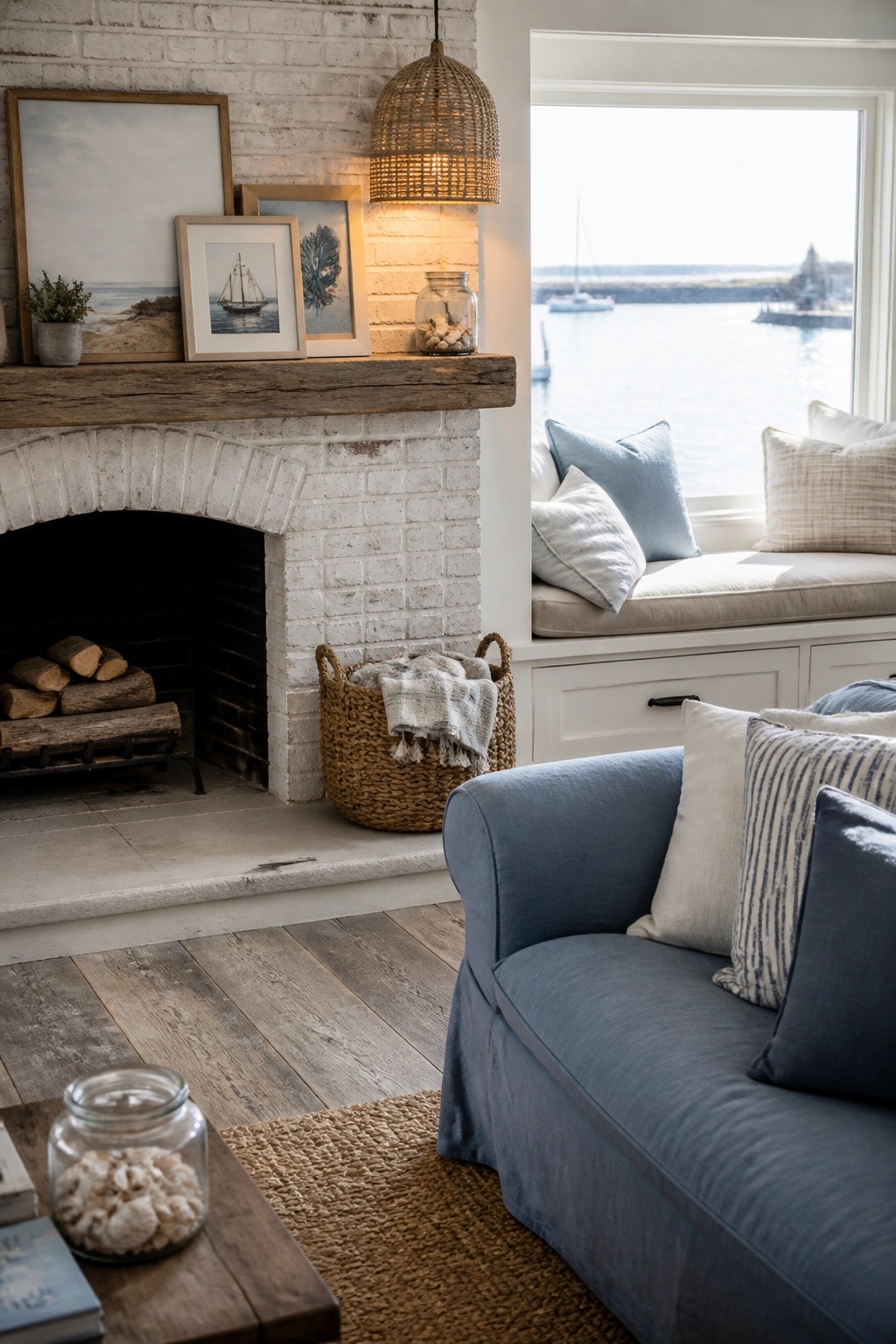
A white brick fireplace already gives a room that clean, simple look. Adding a thick wooden mantel on top brings in just enough warmth and texture to keep things from feeling cold or flat.
This works especially well in smaller living rooms or coastal homes where you want the fireplace to blend into the space rather than dominate it. Stick with a mantel that has some visible grain and keep the styling light so the wood does the work.
Fireplaces Built Into Concrete Walls
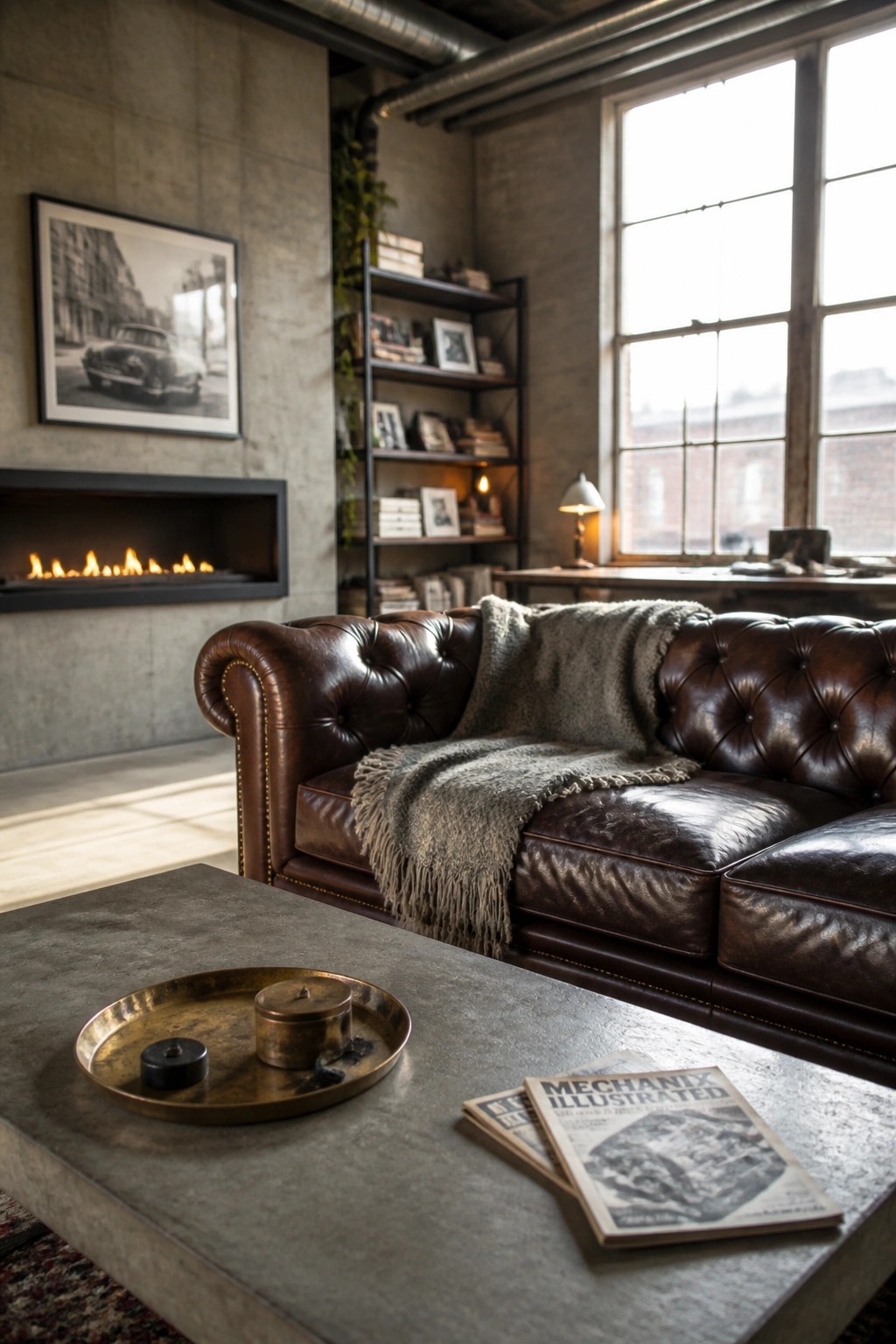
A fireplace set flush into concrete creates a sharp, simple focal point that still feels warm once the fire is lit. The flat surface keeps the wall clean and lets the flame do the work without extra trim or stone.
This look suits loft spaces and modern homes that already use raw materials. Keep the rest of the room simple so the firebox stays the main feature, then add leather seating or wool throws to balance the cool surface with something softer.
Dark Surrounds For Modern Fireplaces
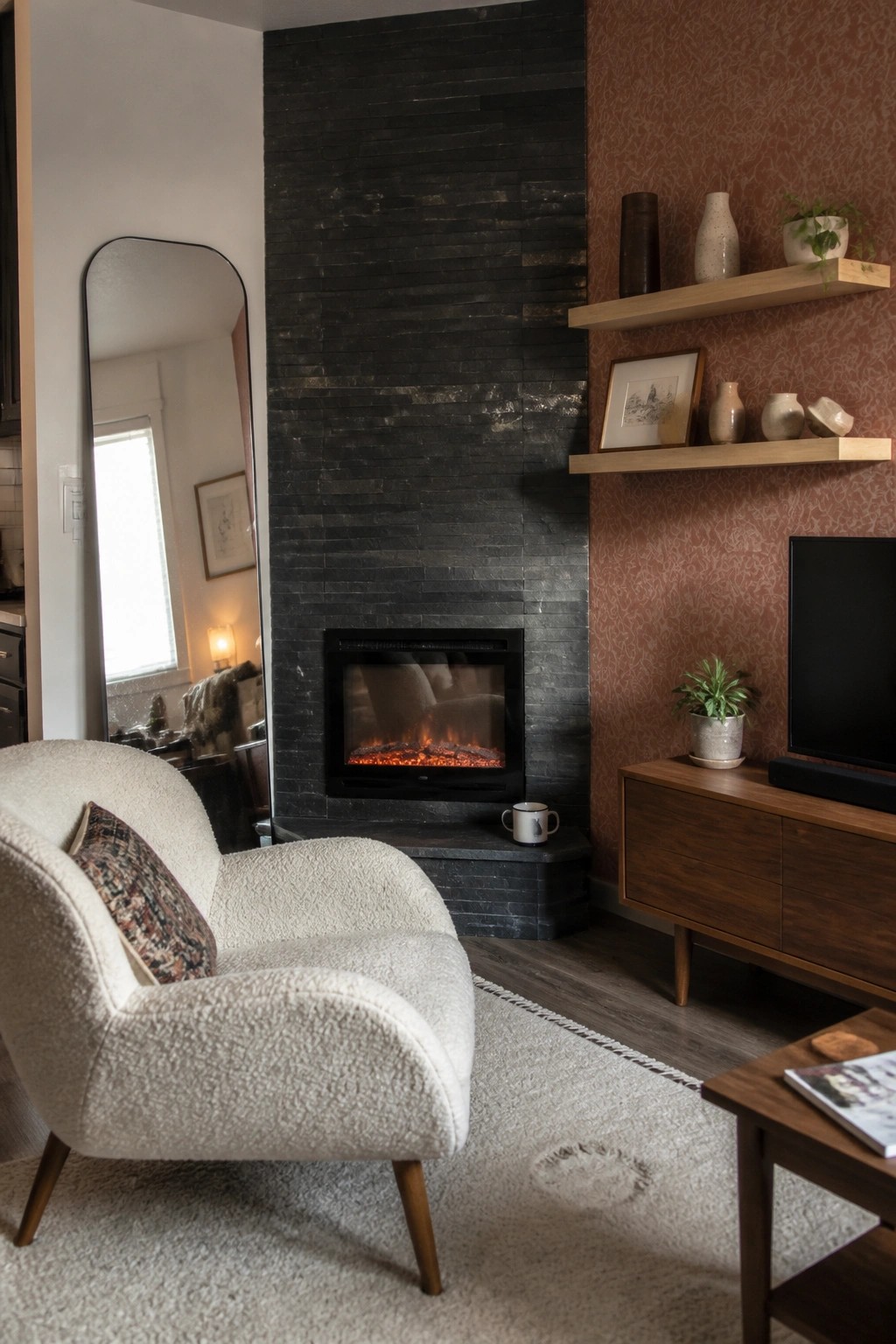
A dark surround gives a modern fireplace more weight without extra trim or decoration. The stacked tile here creates a simple vertical plane that holds the room together while still reading as warm.
This works best in smaller living areas where you want the fire to feel grounded. Pair it with light seating and wood furniture so the overall mix stays balanced rather than heavy.
Built-In Fireplaces in the Dining Room
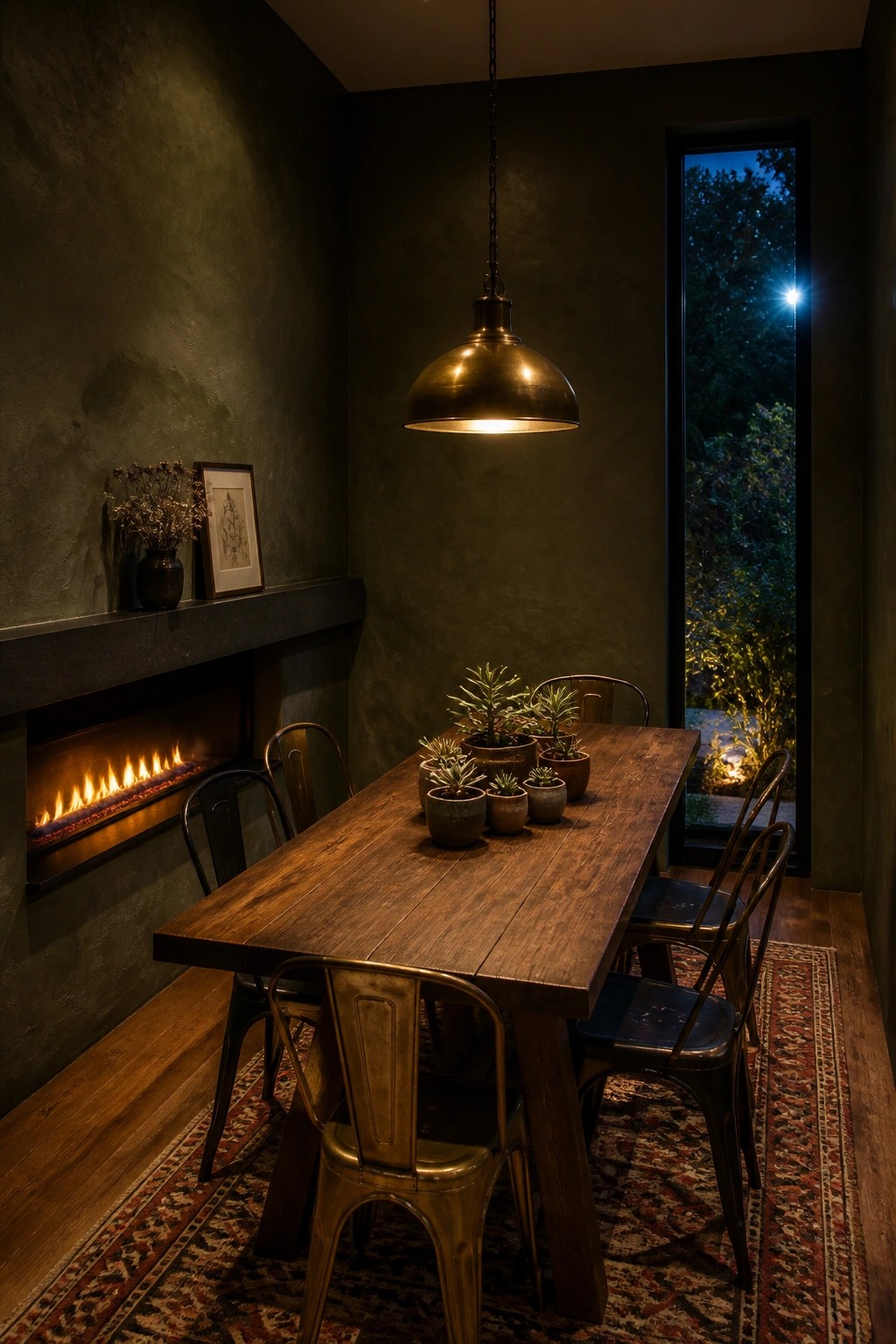
A built-in linear fireplace works well in a dining room because it adds warmth without crowding the space. It sits low on the wall and keeps the focus on the table while giving the room a steady heat source during meals.
This setup suits smaller homes or open layouts where the dining area needs to feel used rather than empty at night. Keep the mantel narrow and let the wood tones on the table and floor carry the warmer finishes.
Stone Surrounds For Linear Fireplaces
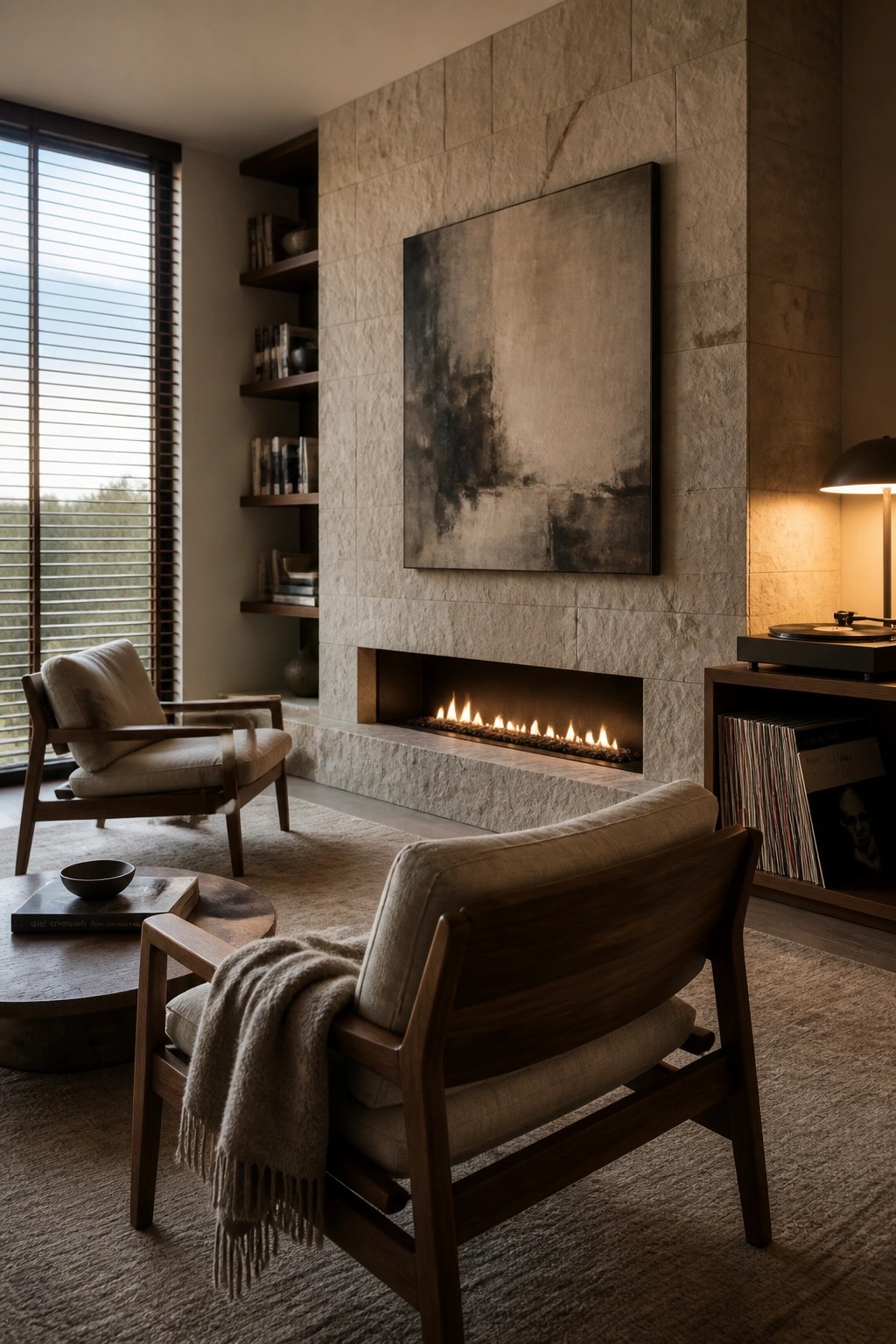
A stone surround gives a linear fireplace more weight in a room without adding fussy trim or layers. The rough surface brings natural texture that pairs easily with wood furniture and simple upholstery.
This approach works best in open living spaces where the fireplace needs to hold its own against larger walls. Keep the stone in a single neutral tone and let the firebox stay low and wide so the clean lines stay intact.
Built-In Bookshelves Around A Fireplace
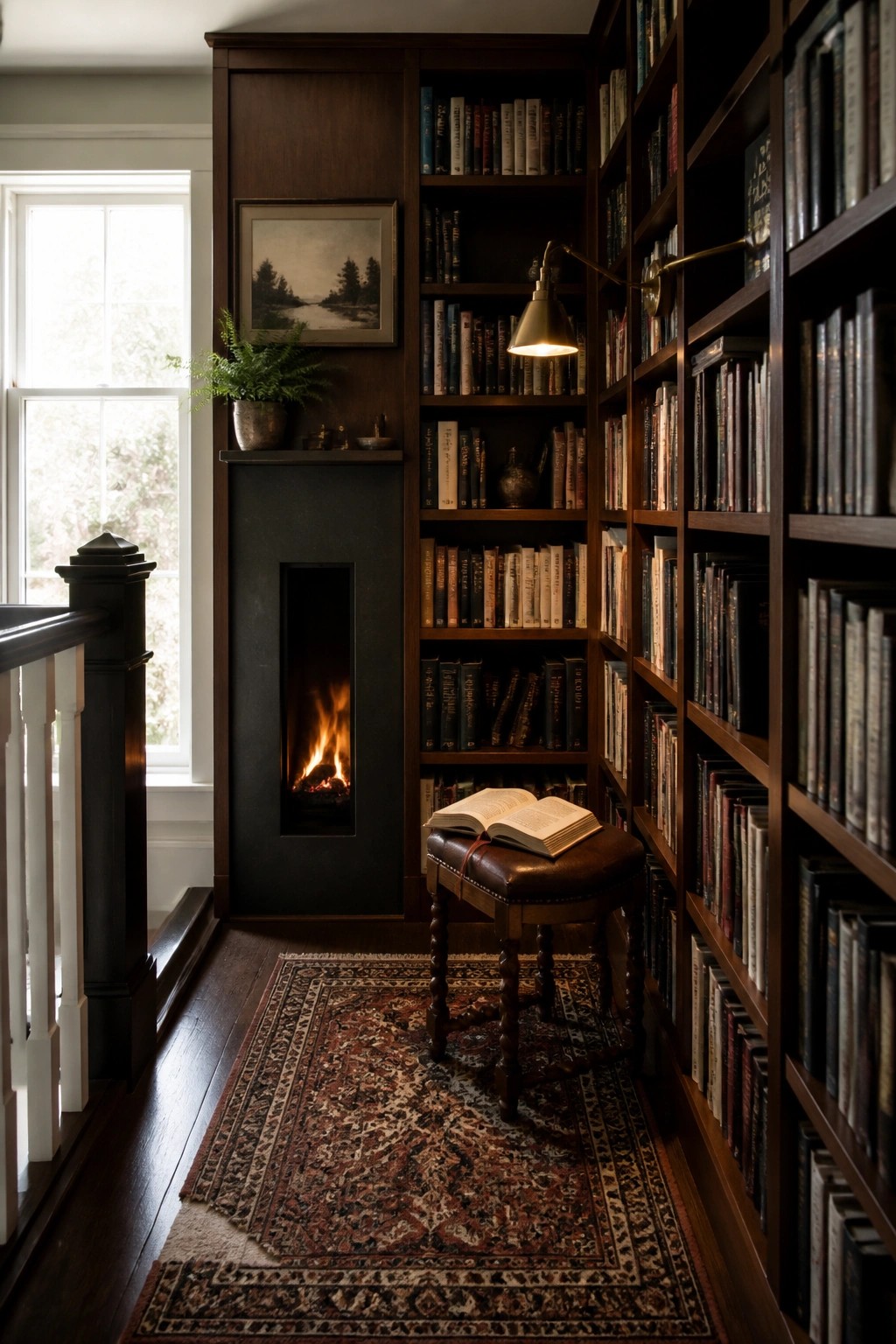
Many people like this setup because the fireplace becomes part of the storage instead of sitting alone on a wall. The shelves run right up to the opening on both sides, so the room feels organized and the fire stays the main point without extra pieces crowding the space.
It works best in narrow rooms or hallways where you need both books and heat. Keep the wood tones simple and the opening tall and narrow so the whole wall stays balanced and easy to use every day.
Built-In Fireplace In The Bathroom
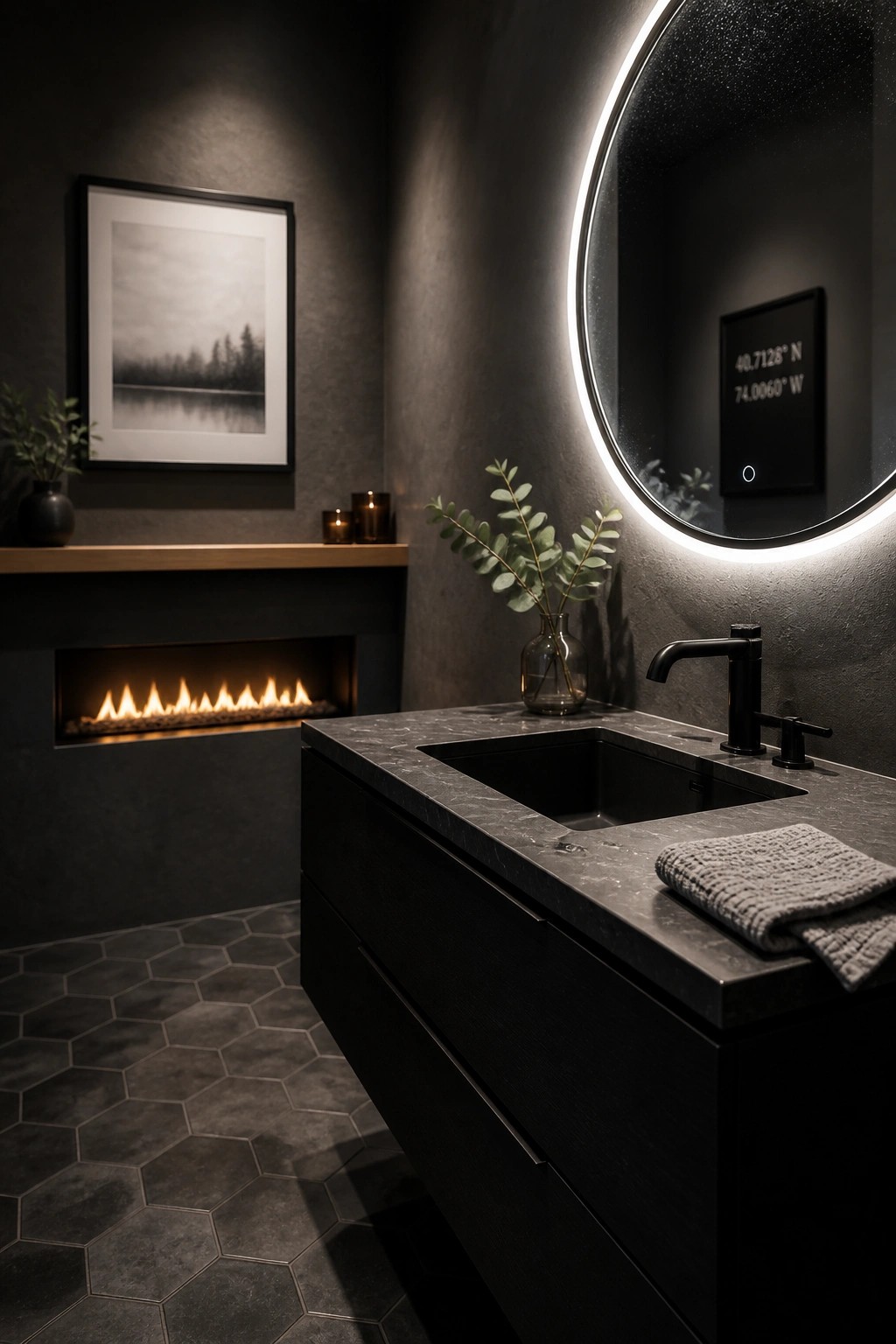
Many bathrooms stay cold even when the rest of the house feels warm. Adding a low built-in fireplace gives steady heat and a quiet focal point without crowding the room or breaking up clean lines.
This setup works well in medium or larger bathrooms where the fireplace can sit on the same wall as the vanity. Keep the surround dark and simple so the fire itself stands out against the rest of the space.
Warm Textured Fireplace Walls
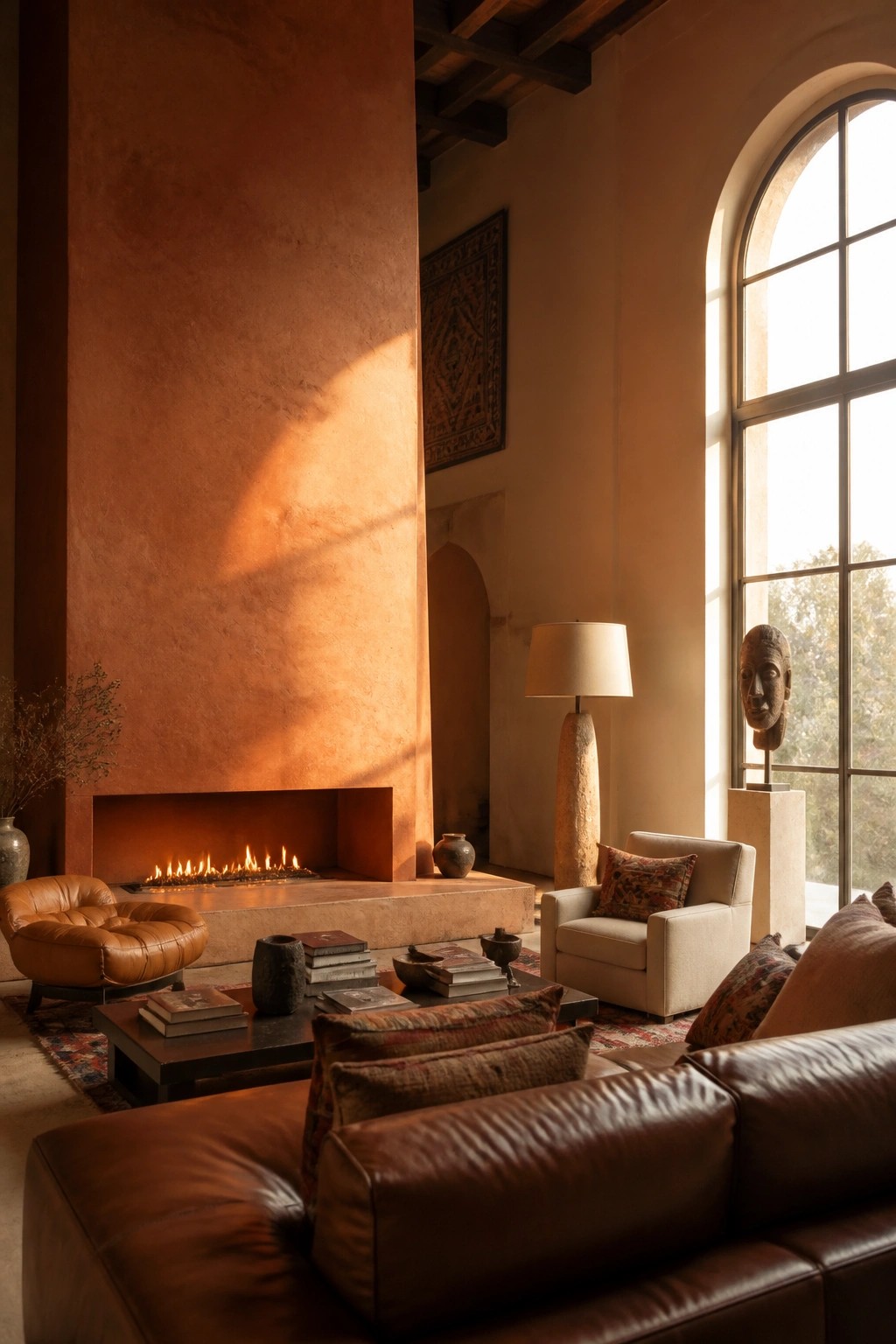
A big textured wall in a warm earthy tone can make a fireplace feel like the natural center of a room without needing lots of extra decoration. The finish adds depth and softness that plain drywall often lacks, while the clean lines of the firebox keep everything feeling current rather than heavy.
This approach works best in living rooms that already have neutral furniture and simple layouts. It suits homes that want a bit of warmth without pattern or clutter. Just make sure the wall color stays in the same family as your other finishes so the texture does not fight the rest of the space.
Frequently Asked Questions
Q: How do I pick a wood tone that warms up clean fireplace lines? A: Go for a mid-tone oak or walnut in a flat finish. It adds natural depth right next to the metal or stone without fighting the shape.
Q: What if the modern surround still feels chilly once it’s installed? A: Set a simple bench or low shelf in the same wood right beside it. The extra surface draws people in and softens the overall look.
Q: Can I use tile around the firebox and still keep things warm? A: Choose matte terracotta or soft beige tile in a running bond pattern. But keep the grout light so the lines stay crisp instead of busy.
