
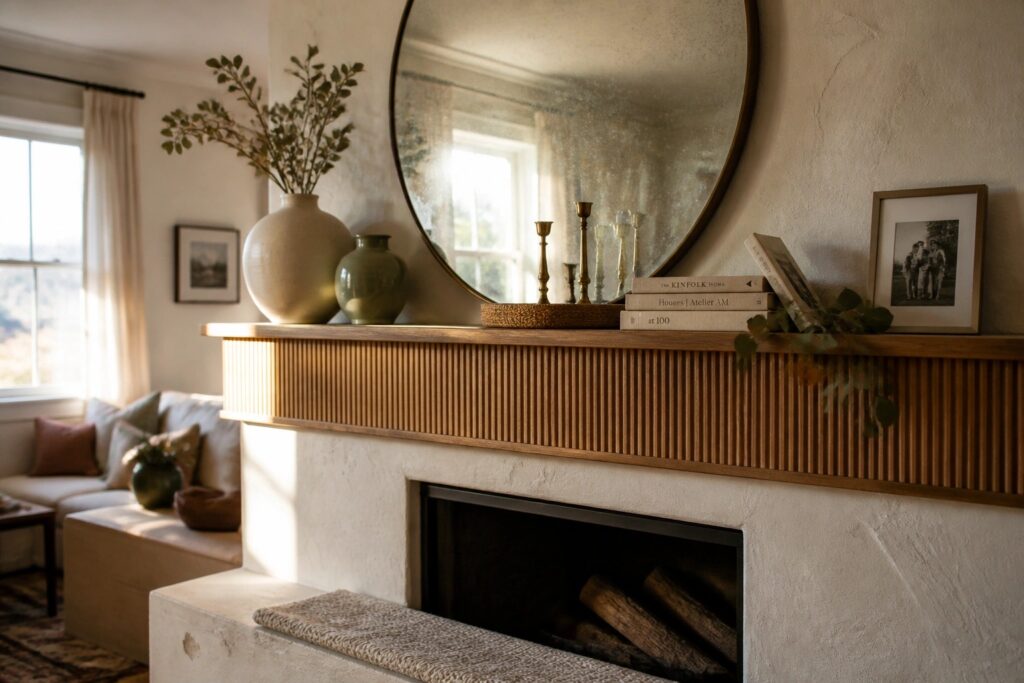
I have spent years adjusting my living room mantel and still find it tricky to add layers without the surface starting to feel crowded.
The fireplace usually anchors the whole room, so whatever sits above it shapes how the space feels when you walk in and sit down.
A few small shifts in height and spacing can decide whether the area reads calm or cluttered by the end of the week.
I would test any new arrangement on a quiet afternoon before deciding it works for daily life.
Over time the setups that hold up best are the ones that leave clear space around each object so nothing competes for attention.
Layer Just A Few Natural Items On The Mantel
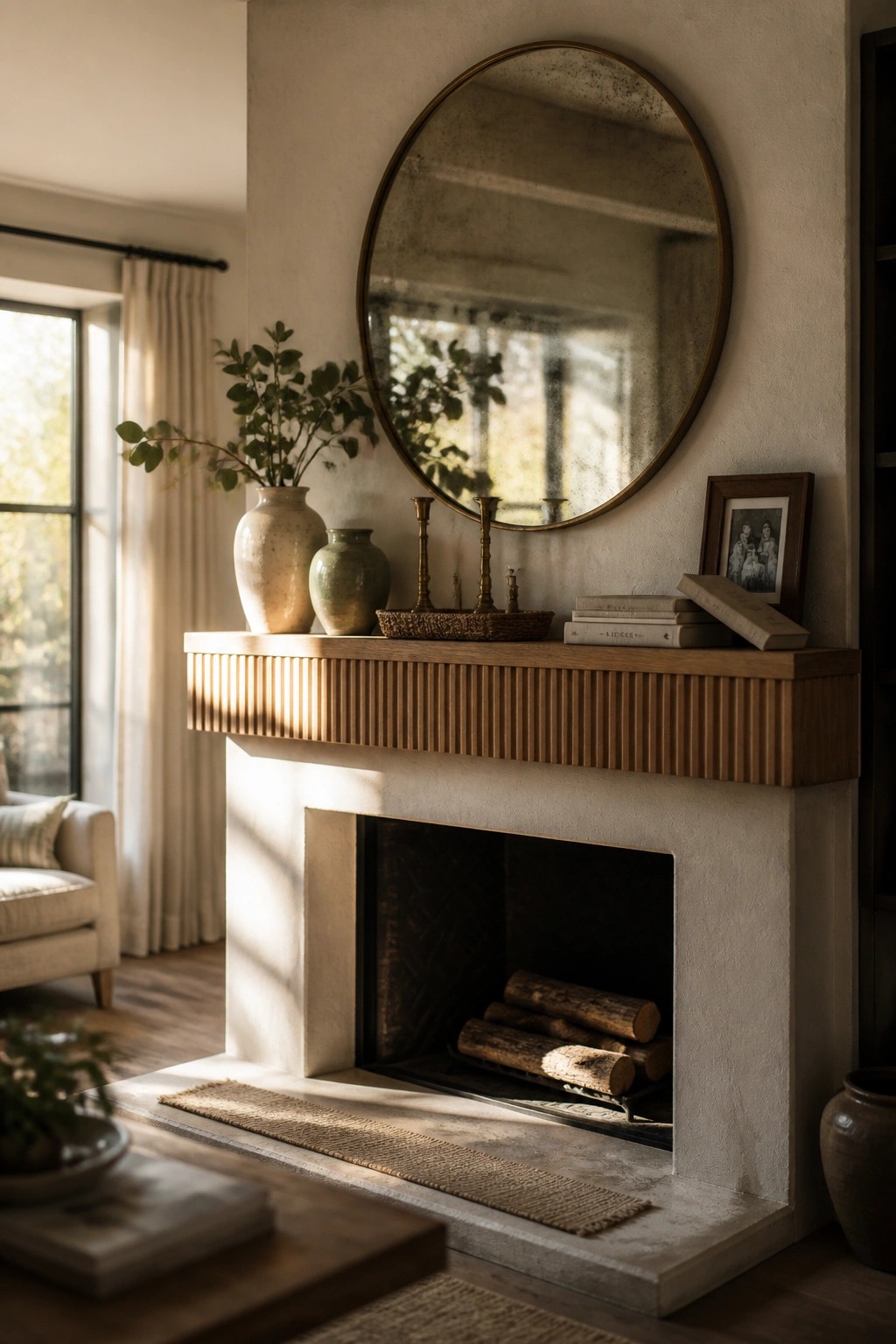
Many people like keeping the mantel simple by choosing only a handful of pieces. This approach lets each item stand out while still giving the area some interest.
Try grouping a couple of vases with greenery next to a stack of books and a few candlesticks. It works well in living rooms that already have plenty of other furniture and accessories around.
Stack Books Under Leaned Art
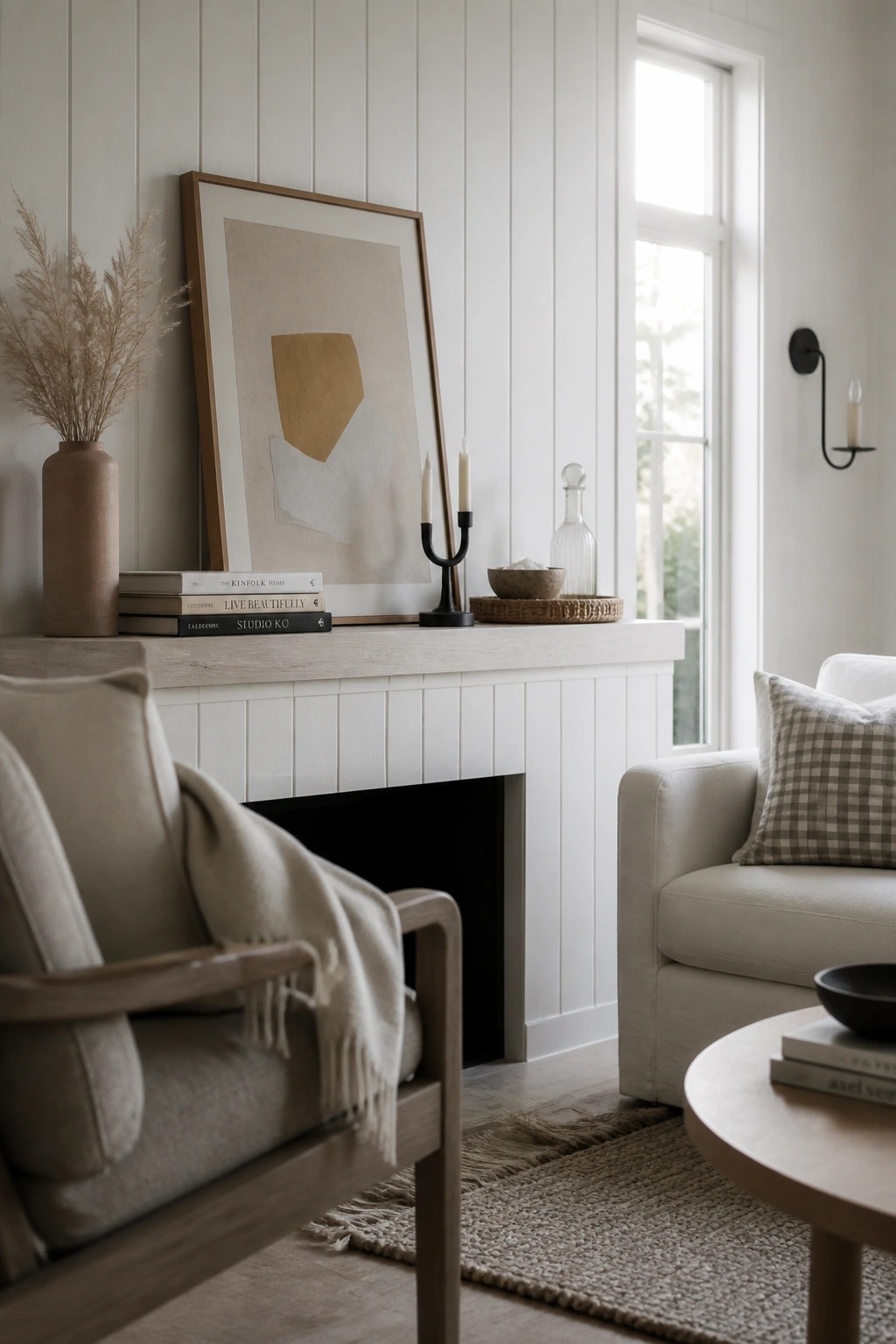
Many people find that stacking a few books on the mantel and leaning one larger piece of art behind them gives the display just enough layers. It adds height and interest while keeping the surface from looking busy or scattered.
This approach works best in rooms that already have some wood tones and soft neutrals. Limit the stack to two or three books, choose art with a simple shape, and leave a little empty space on either side so the mantel still feels open.
Layer Books And Artwork Along The Mantel
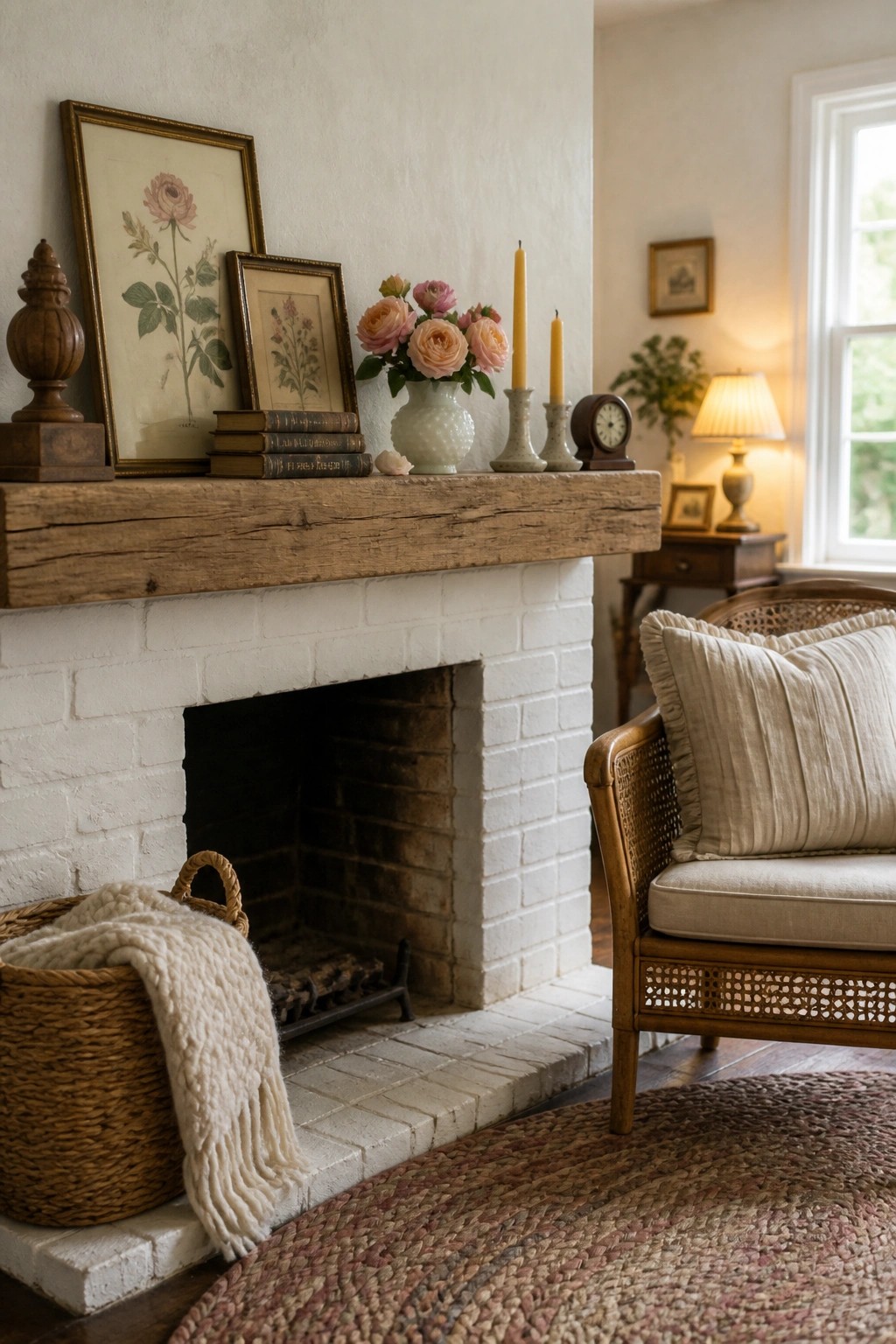
Stacking a few old books under framed prints gives the mantel some height and keeps the display from spreading out too wide. The books act as a base so the art sits at different levels without needing extra stands or shelves. This works especially well when the frames share a similar style or color tone.
Try it on a longer mantel where you want to fill space without crowding every inch. Limit yourself to two or three books and two frames so the arrangement still feels open. It suits older homes or any room that already has wood tones and simple brick or plaster surfaces.
Keep Mantel Styling Simple With A Few Pieces
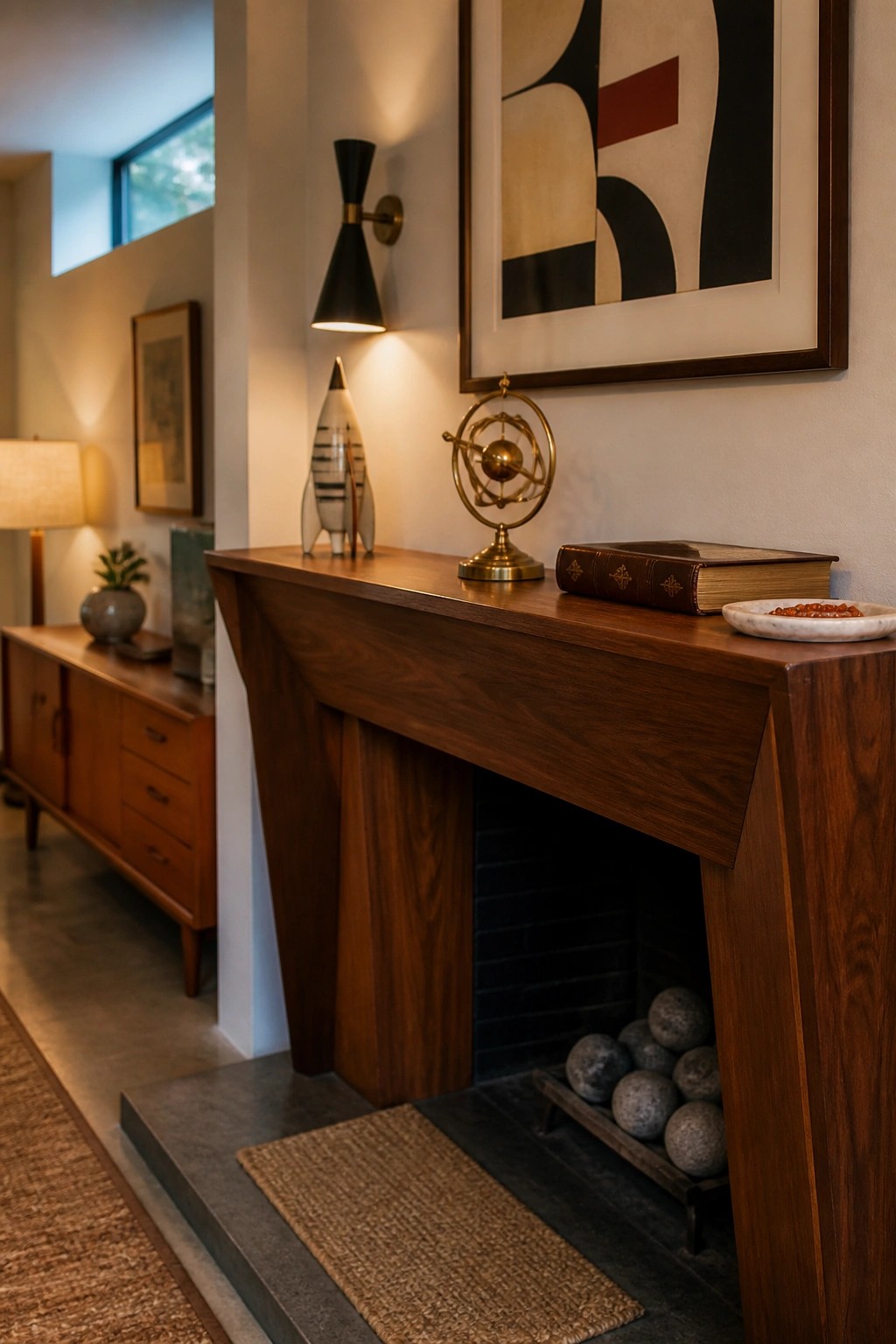
A mantel looks better when it holds only a couple of things instead of a full arrangement. The eye rests easier and the fireplace itself stays the main feature.
This approach works well in living rooms that already have plenty of furniture or art. Place one taller object toward one end and a lower piece, such as a book, near the other, then stop there.
Keep the Mantel Simple with Candles and a Small Frame
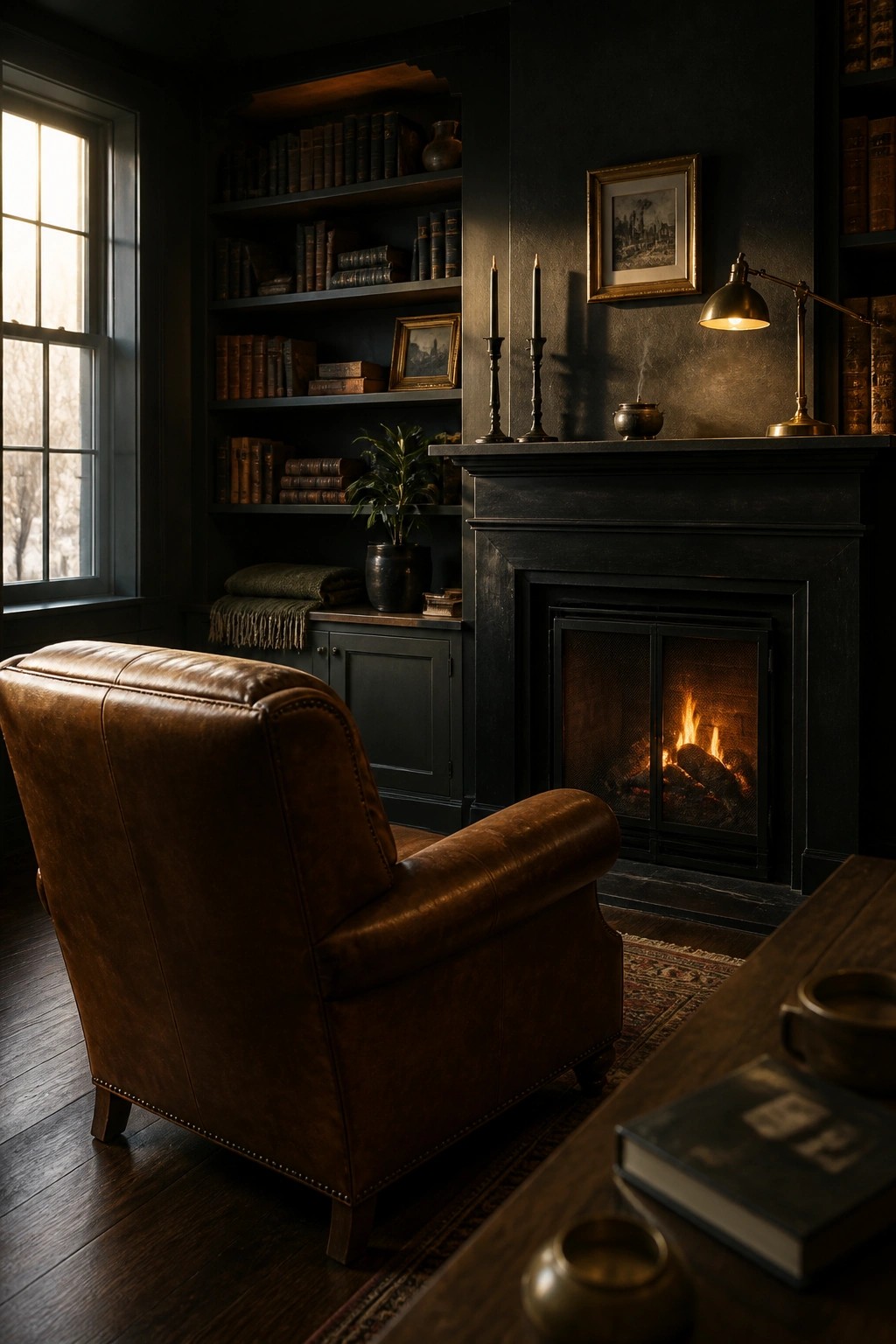
A mantel does not need much to feel finished. Two tall candlesticks and one small framed picture give the surface enough height and interest without crowding it. The rest of the wall stays open, so the eye rests on the fire instead of jumping between objects.
This approach works best in rooms that already have dark walls or heavy furniture. Place the candles at different heights if you can, and keep the frame modest so it does not compete with the candlesticks. Skip anything else unless it serves a clear purpose, such as a small lamp for reading light.
Mix Fresh Flowers with Candles on the Mantel
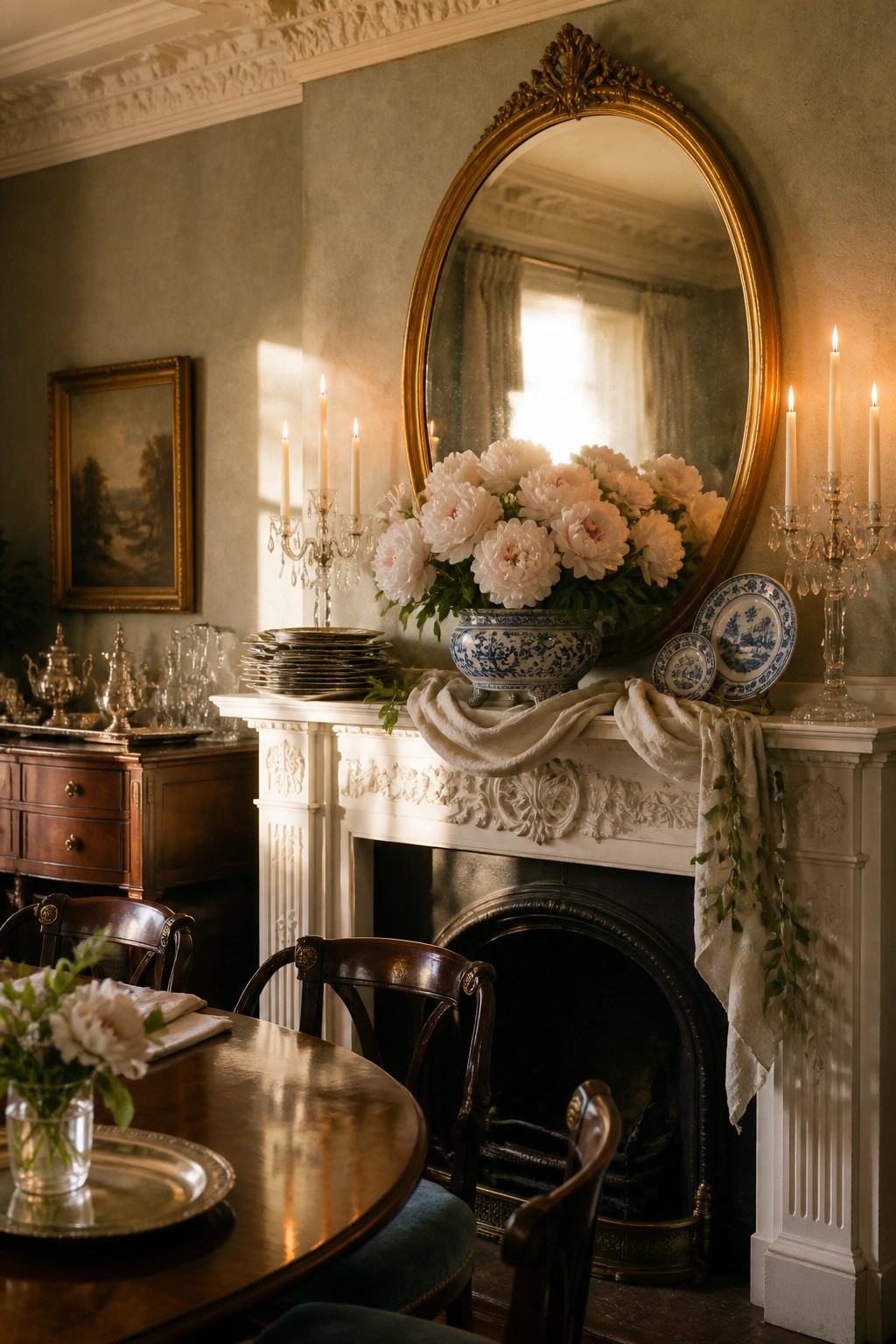
Fresh flowers bring a soft touch that works well on a mantel. A large bowl of blooms in the center gives height and color without filling every inch of space.
Place a pair of candelabras on either side to balance the look. This approach suits dining rooms or living rooms where you want something seasonal but still simple. Keep extra pieces like plates to just one or two so the display stays light.
Layer Just A Few Themed Items On The Mantel
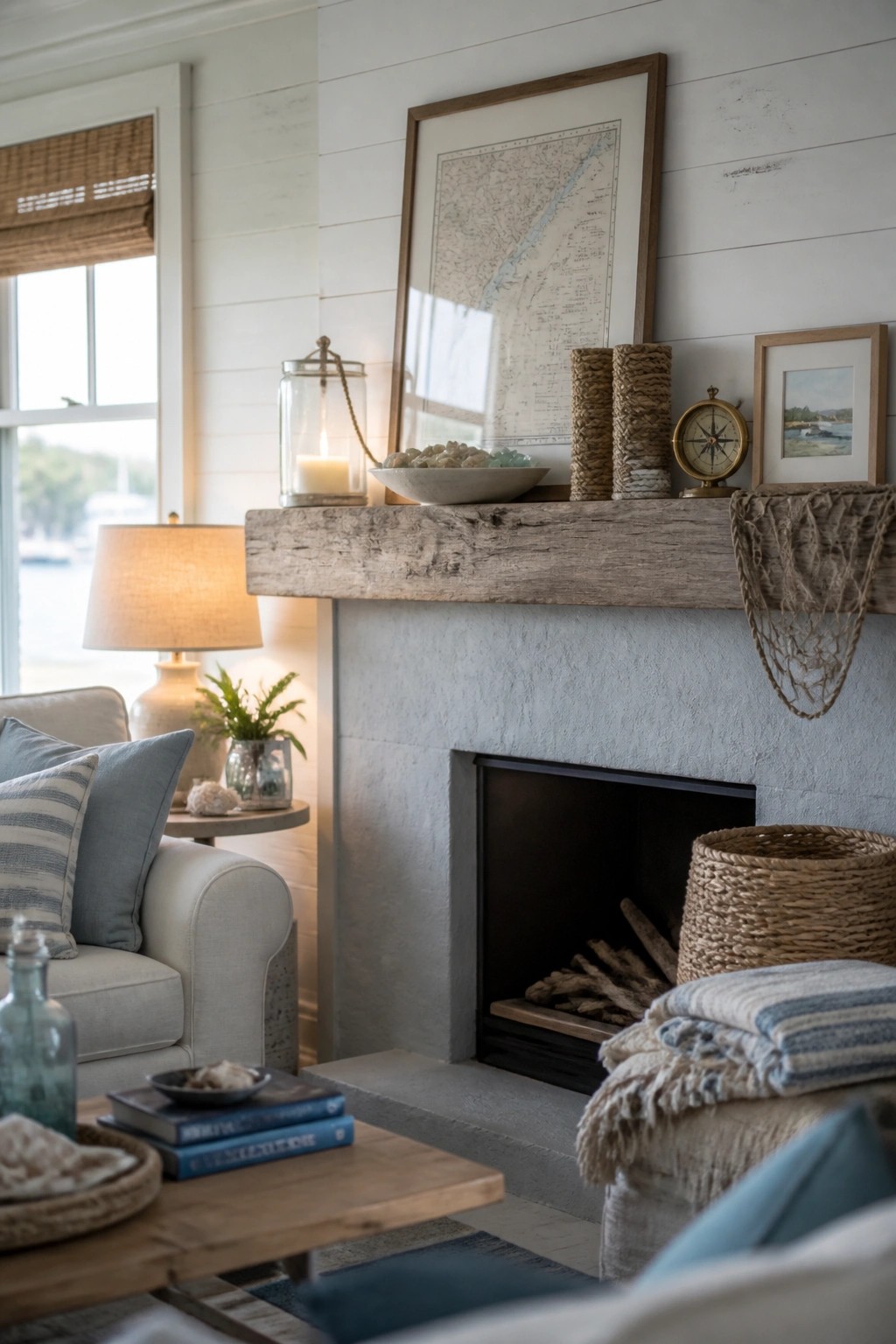
A wide mantel gives you room to spread things out a little, but the real trick is sticking to one loose theme and stopping before it feels busy. In this room the coastal pieces all tie together without fighting for attention, so the display feels collected rather than crowded.
Pick three to five objects that share a similar feel, then leave some empty space between them. This works especially well in casual living rooms where you want a bit of personality without constant dusting or rearranging.
Stack Books to Build Quiet Layers
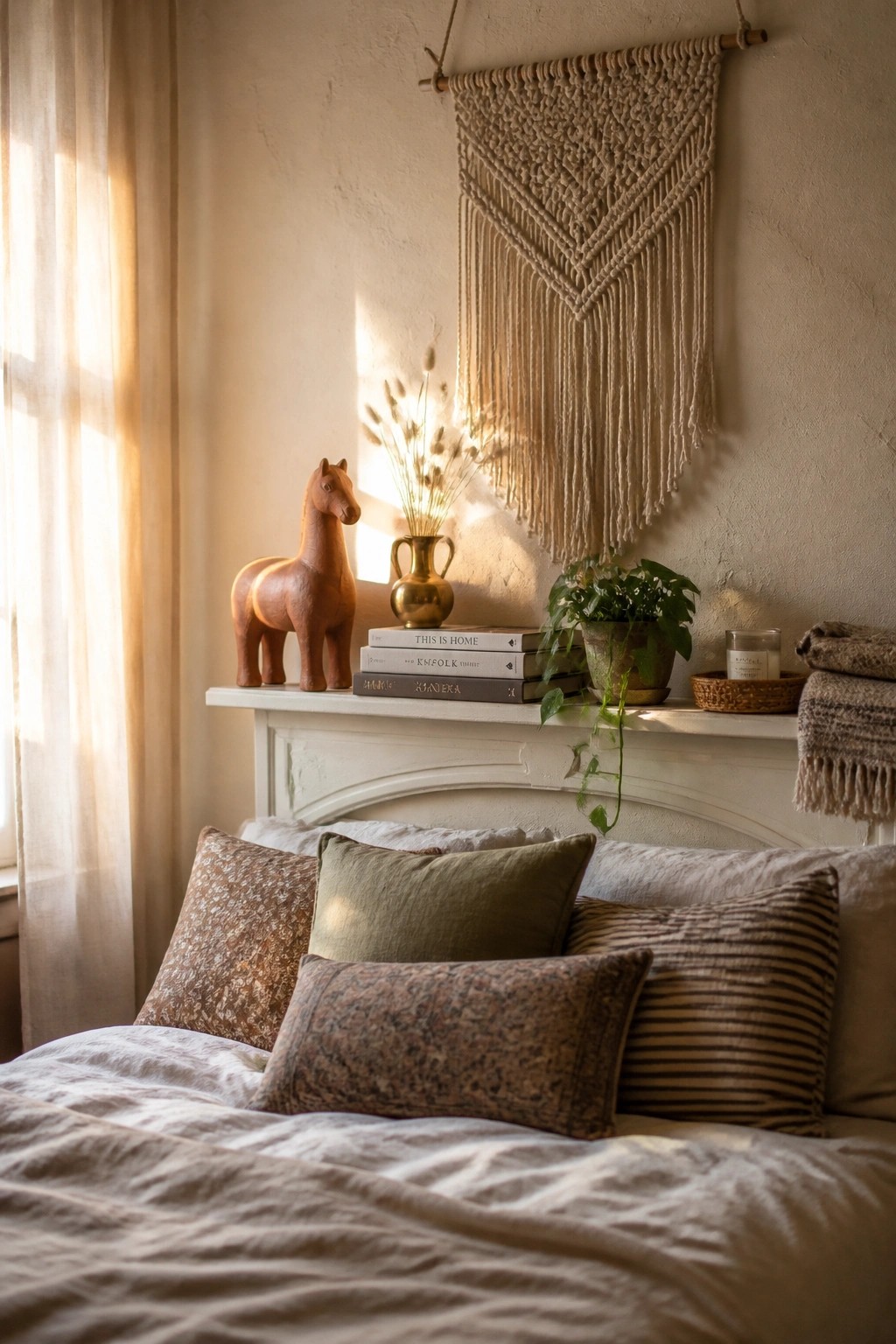
Many people start a mantel with a row of books because they add height without taking up much space. The books create a simple base that lets one or two objects sit at different levels, so the whole display feels gathered instead of scattered.
This approach works best on mantels that sit above a bed or sofa where you want the surface to stay calm. Keep the stack to three or four books, add one taller piece like a small sculpture or vase, and leave the rest of the ledge mostly clear.
Keep Mantel Displays To Just A Few Pieces
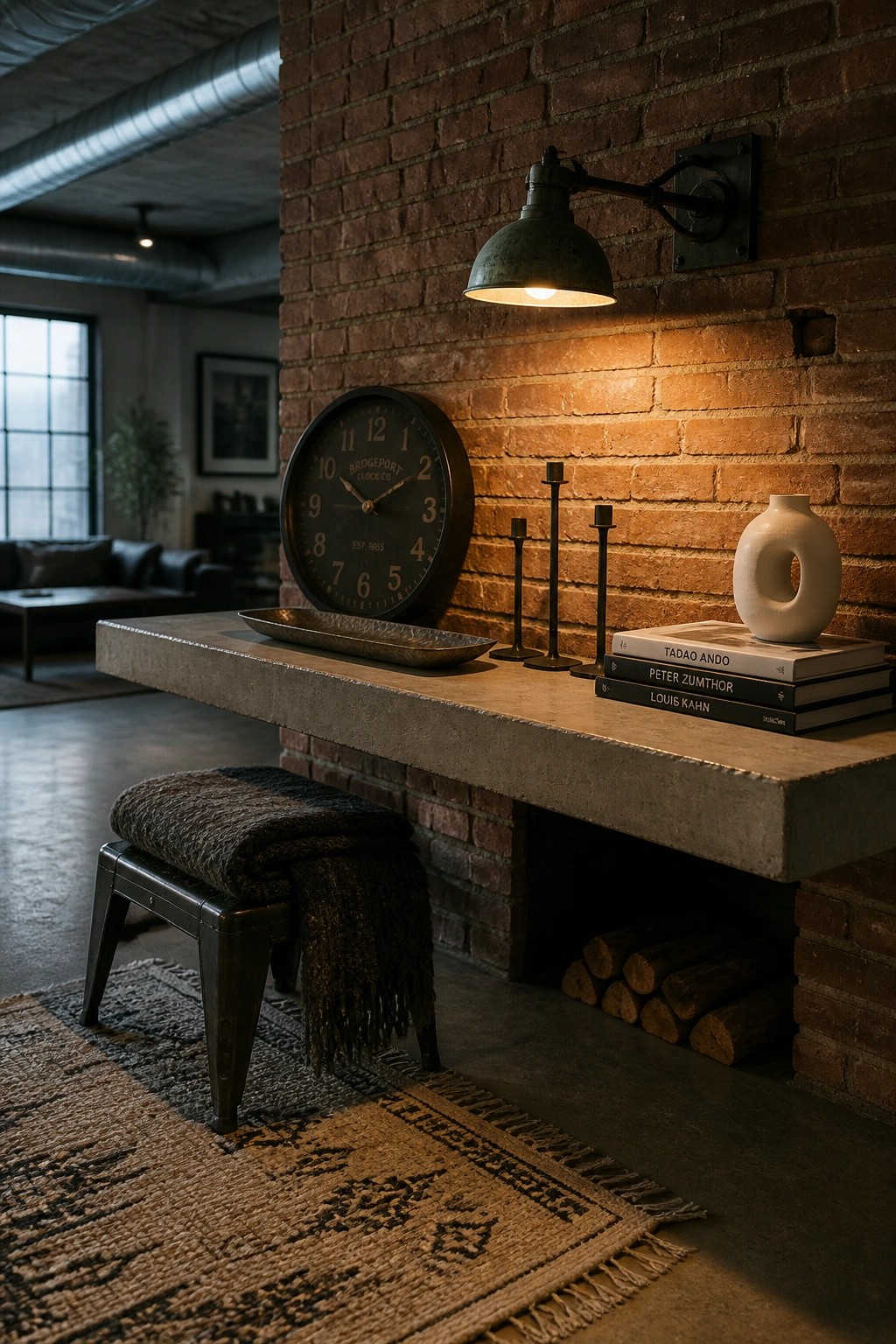
A long mantel gives you room to add interest without crowding everything together. The key is picking only a few items that vary in height and shape, then leaving plenty of empty space between them so the brick and concrete still show through.
This works best in rooms that already have strong textures like exposed brick or heavy wood. Try a clock or tall candle holders on one side and a short stack of books with one sculptural piece on the other. Skip the urge to fill every inch.
A Floating Console Keeps The Area Open
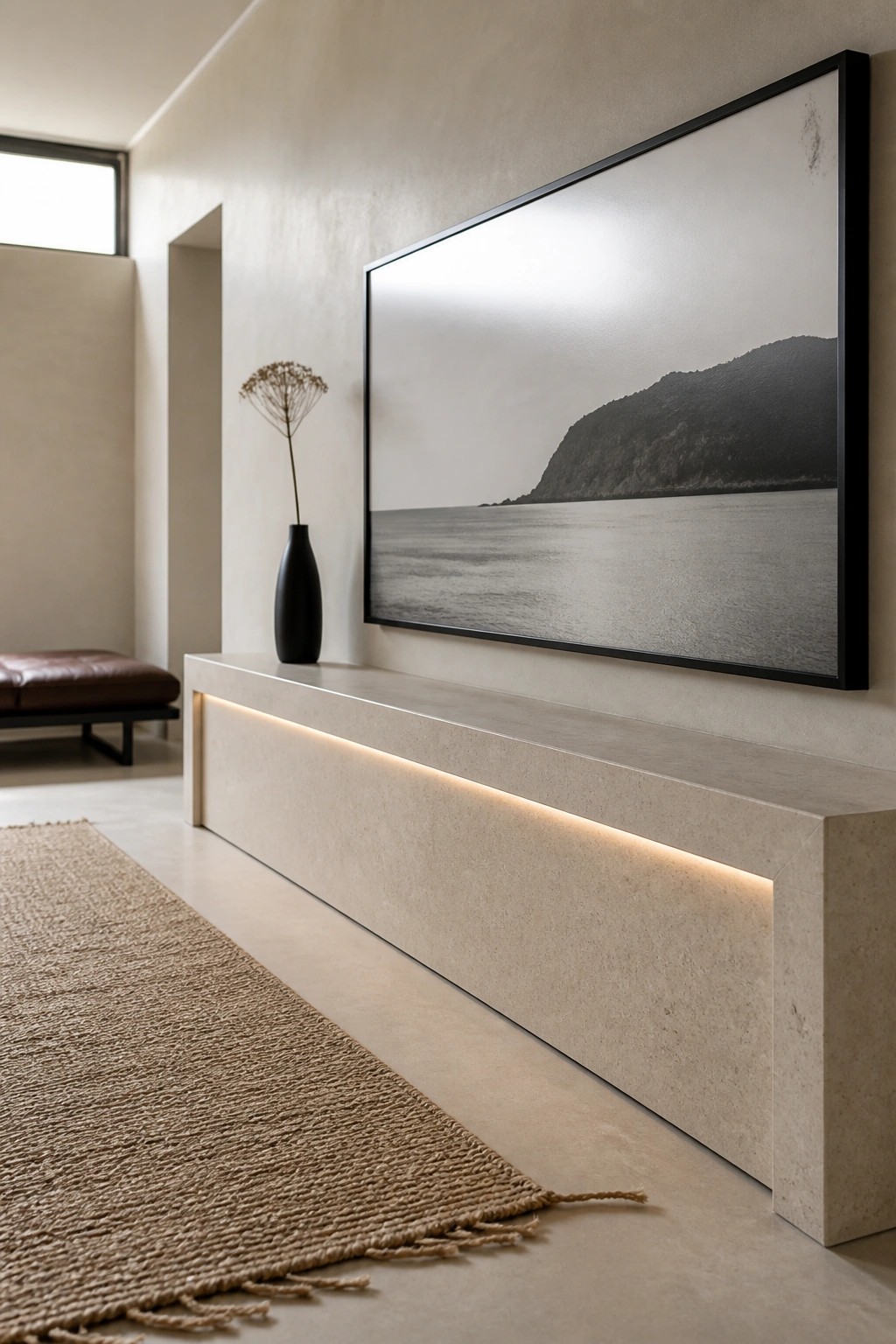
A long floating console gives you a clean base without the bulk of a full cabinet. The under lighting adds a soft glow that defines the space while keeping everything feeling open and simple. This approach works especially well when you want the focus to stay on one main piece above it rather than lots of smaller objects.
It suits rooms where you need storage but still want the wall to feel calm. Place just one or two items on top, like a tall vase, and let the rest of the surface stay clear. Avoid adding too many layers or it starts to feel busy again.
Layer Books And Plants On The Mantel
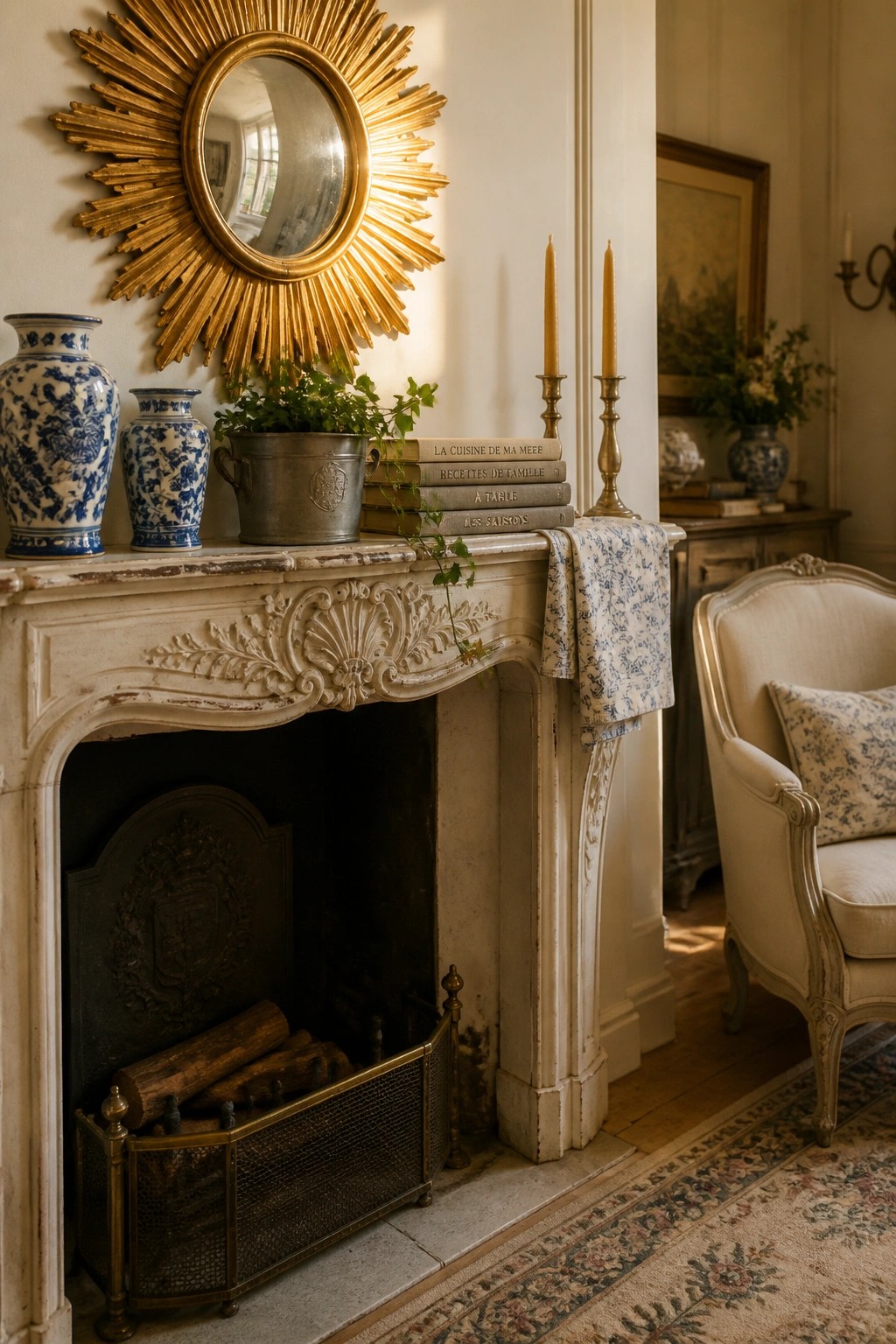
Many people stack a few books on the mantel and set a plant beside them. This creates layers with very little effort and keeps the surface from looking empty or overdone.
It works best when the books stay to a small stack and the plant is kept simple. One or two extra pieces like a vase or candlestick can sit nearby without crowding the look.
Add Natural Textures To Layer Your Mantel
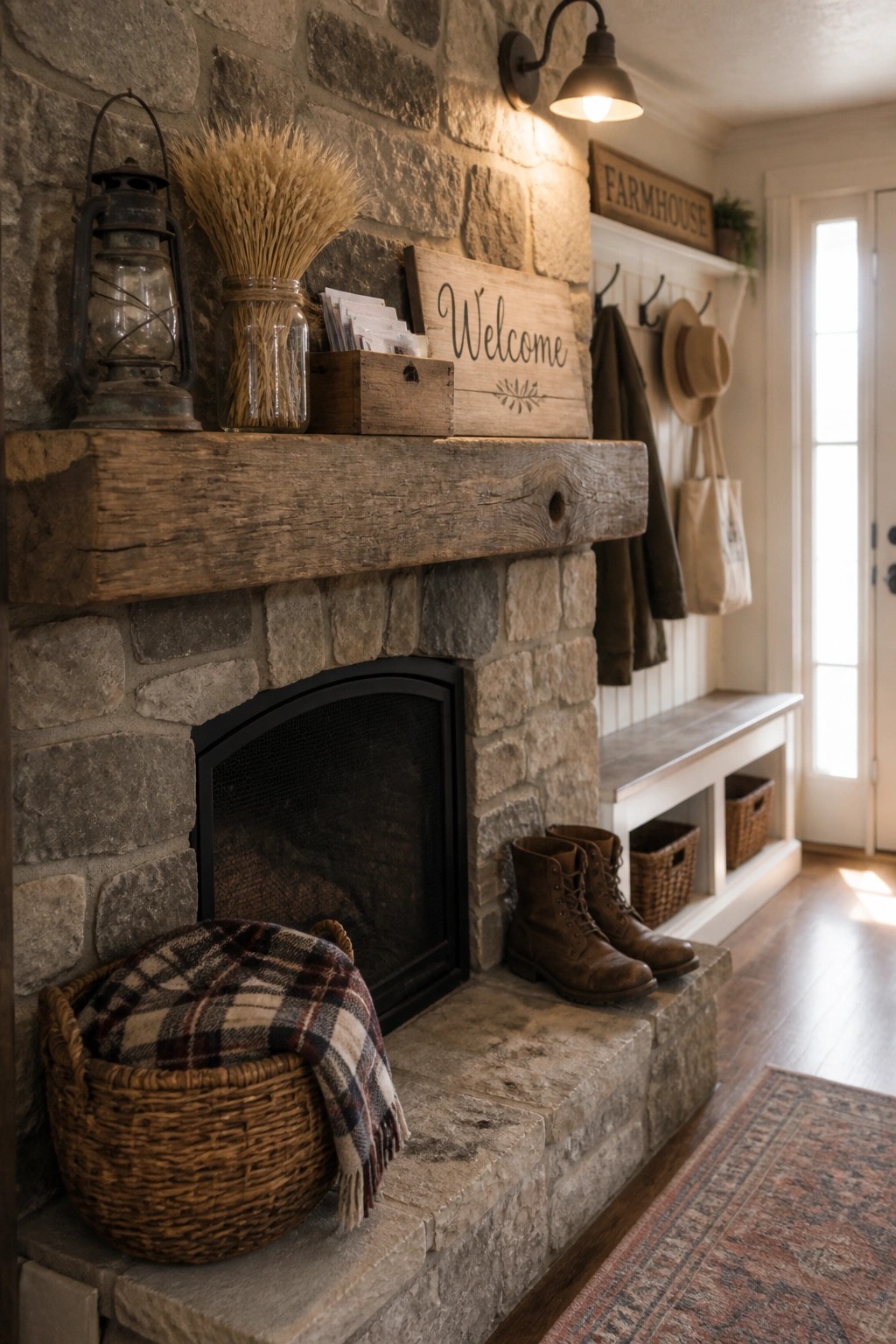
A few natural pieces can give a mantel depth without crowding it. Dried grasses in a simple jar, an old lantern, and a wooden sign work together because they share the same warm, earthy feel as the stone and timber around them.
This kind of layering suits homes with rustic or farmhouse details where the architecture already does most of the talking. Keep the number of items small and vary the heights just a little so the surface still feels open.
Group Ceramics And Art On A Wide Mantel
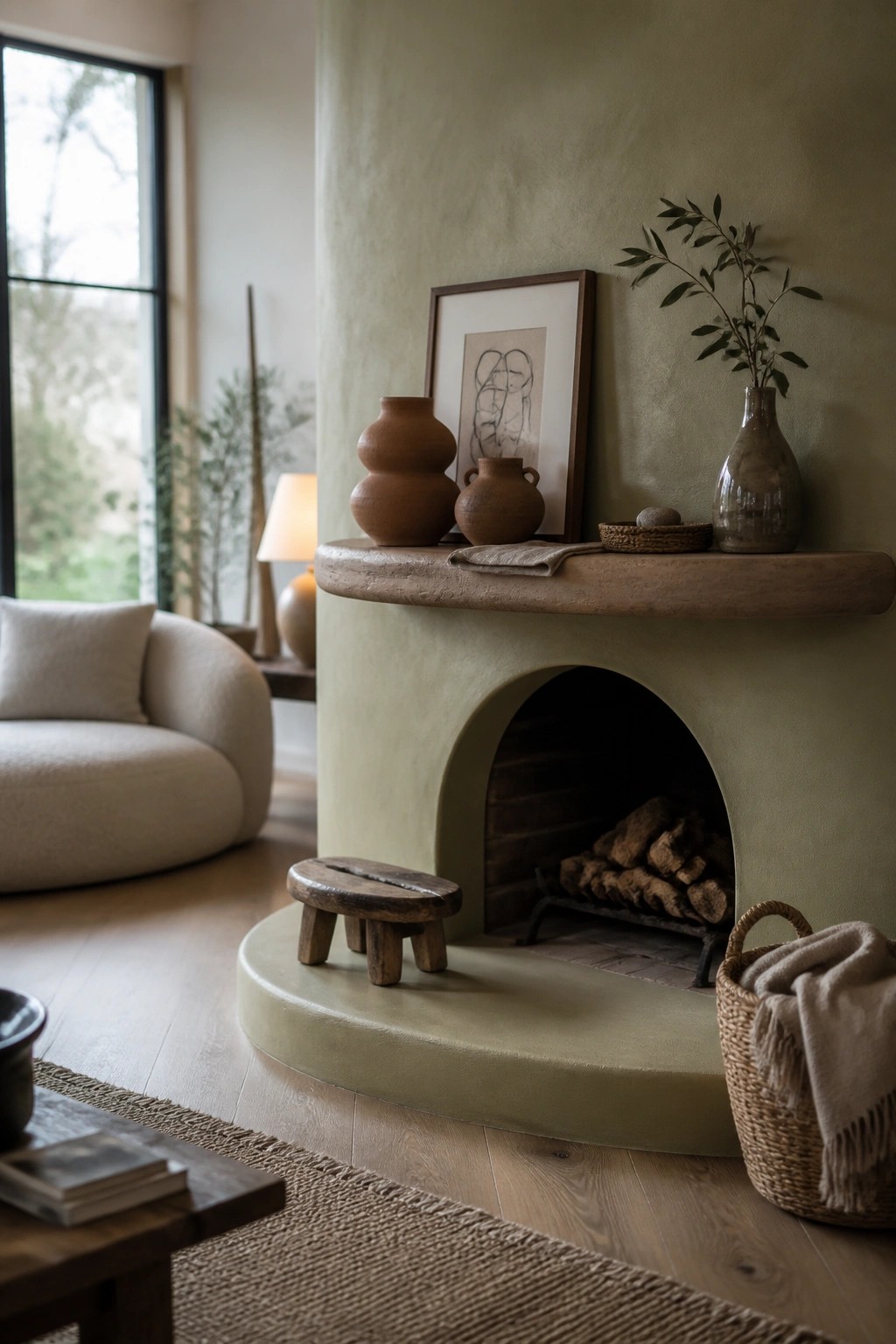
A few well spaced ceramics paired with one framed piece can make a mantel feel layered without looking crowded. The wide ledge gives the objects room to breathe so nothing competes for attention.
This approach works best in rooms that already have some texture in the walls or floors. Place the tallest piece slightly off center and keep everything else low and simple so the display stays easy to live with.
Stack Books For Simple Layers
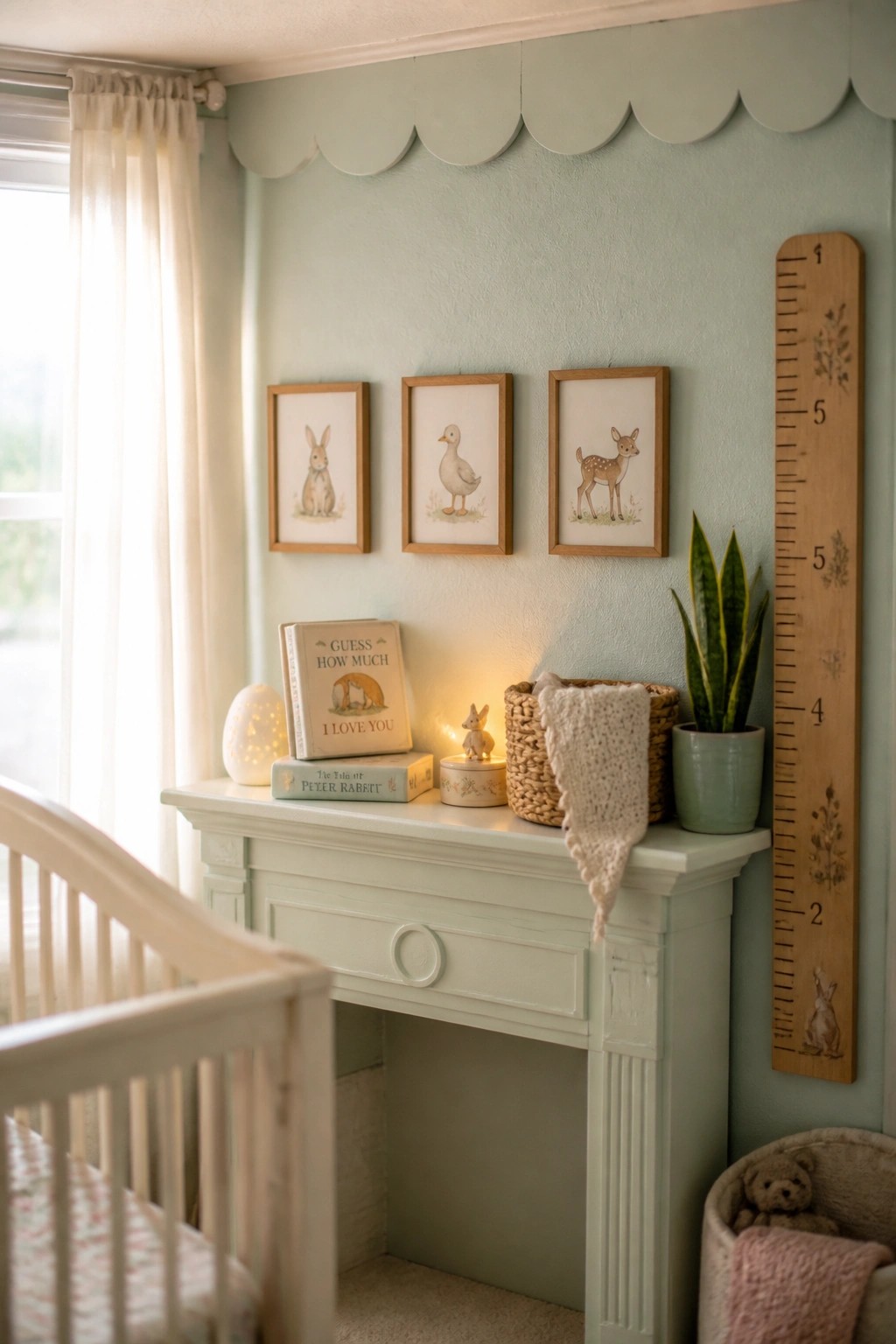
Stacking two or three books on a mantel gives you height and a place to rest smaller items without crowding the surface. The books act as a base that keeps everything else from looking scattered.
This works well in rooms that already have plenty of other details, like soft wall colors or framed art above. Keep the stack to one side and add just one or two small pieces on top so the mantel stays easy to dust and change with the seasons.
Use a Tray to Keep Mantel Layers Organized
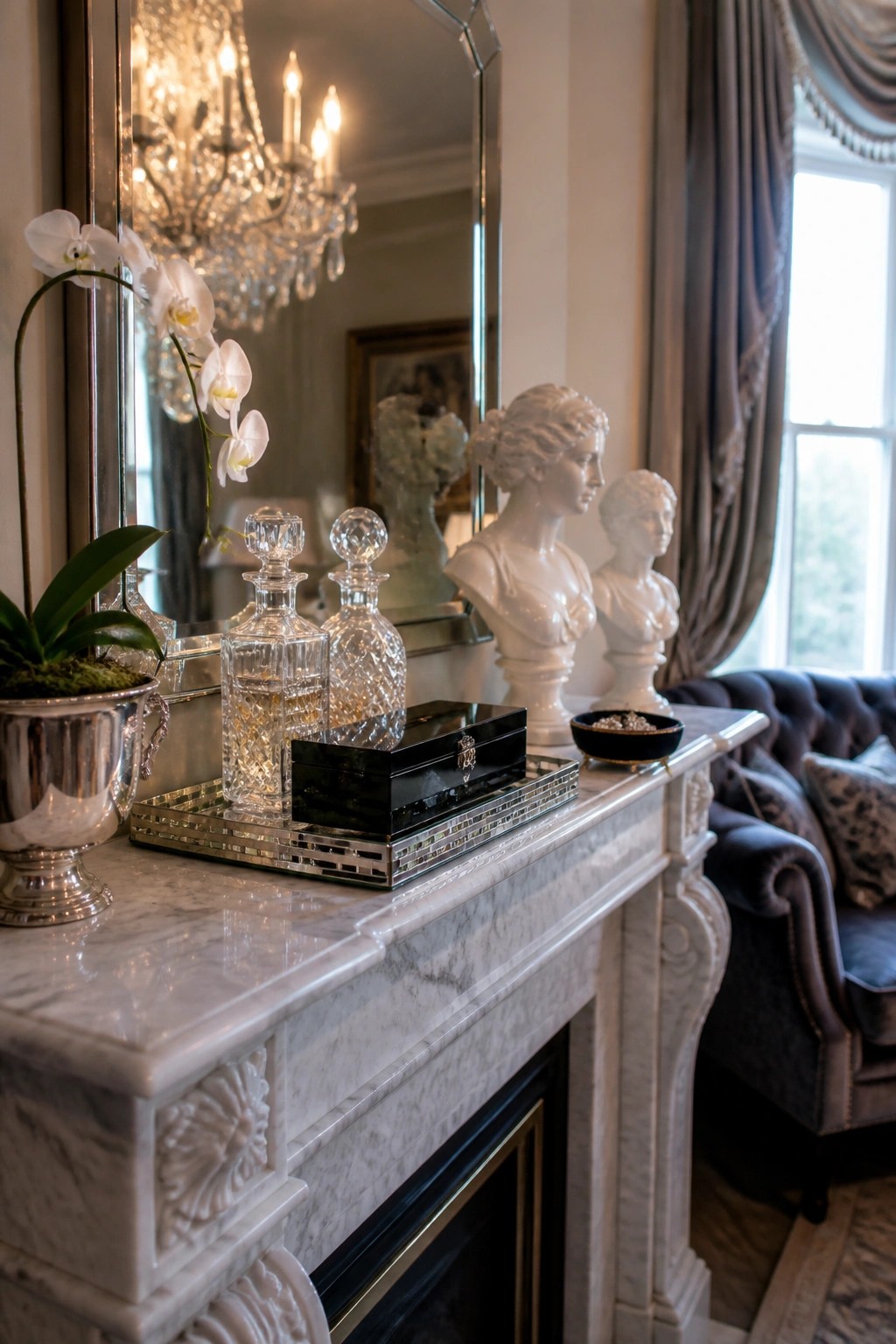
A tray gives you an easy way to layer a few pieces on the mantel without letting them spread out and look messy. It creates one clear zone for the items you want to show, so the rest of the surface stays open and calm.
This approach works best on wider mantels where you have room for a tray in the middle. Choose something reflective or simple in finish, set your taller pieces toward the back, and keep the number of objects small so the grouping still feels light.
Use A Few Larger Pieces On The Mantel
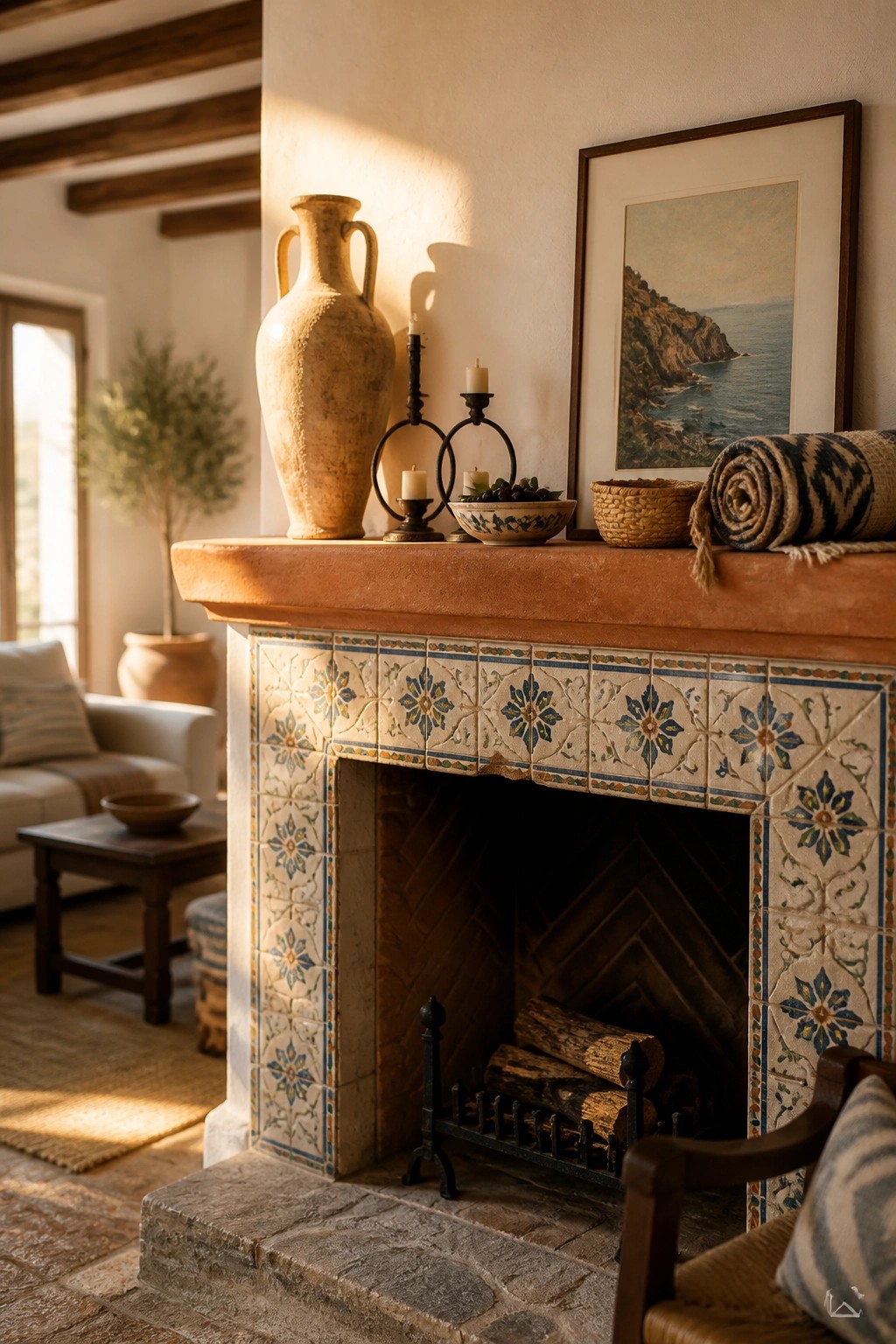
Many people end up with too much on a mantel because they keep adding small things. Using just a few bigger items instead keeps the look layered but still open and easy to live with.
This approach works best in rooms that already have some texture in the walls or flooring. Set one tall piece to one side and add two or three smaller accents close by, then leave the rest of the surface clear. The result feels settled without looking busy.
Style With Fewer Items For A Calmer Look
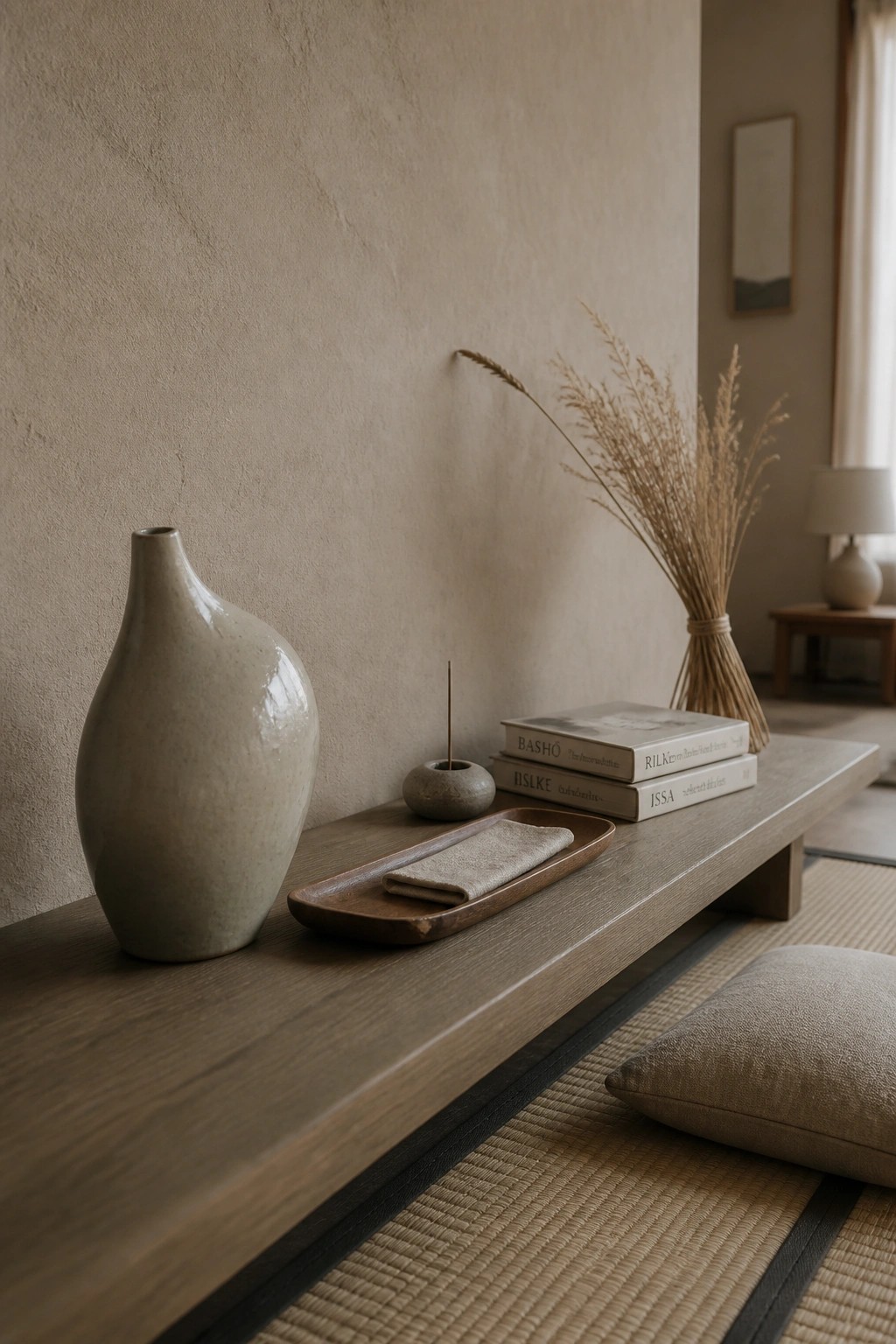
A low bench or mantel works best when you resist the urge to fill every inch. Placing just a couple of objects with space between them lets each one stand out and keeps the whole area from feeling busy.
This approach suits homes that already have textured walls or simple wood tones. Try starting with one taller piece on one side and a smaller group on the other, then stop. The empty space becomes part of the display rather than something you need to fix.
Layer Vintage Prints Along The Mantel
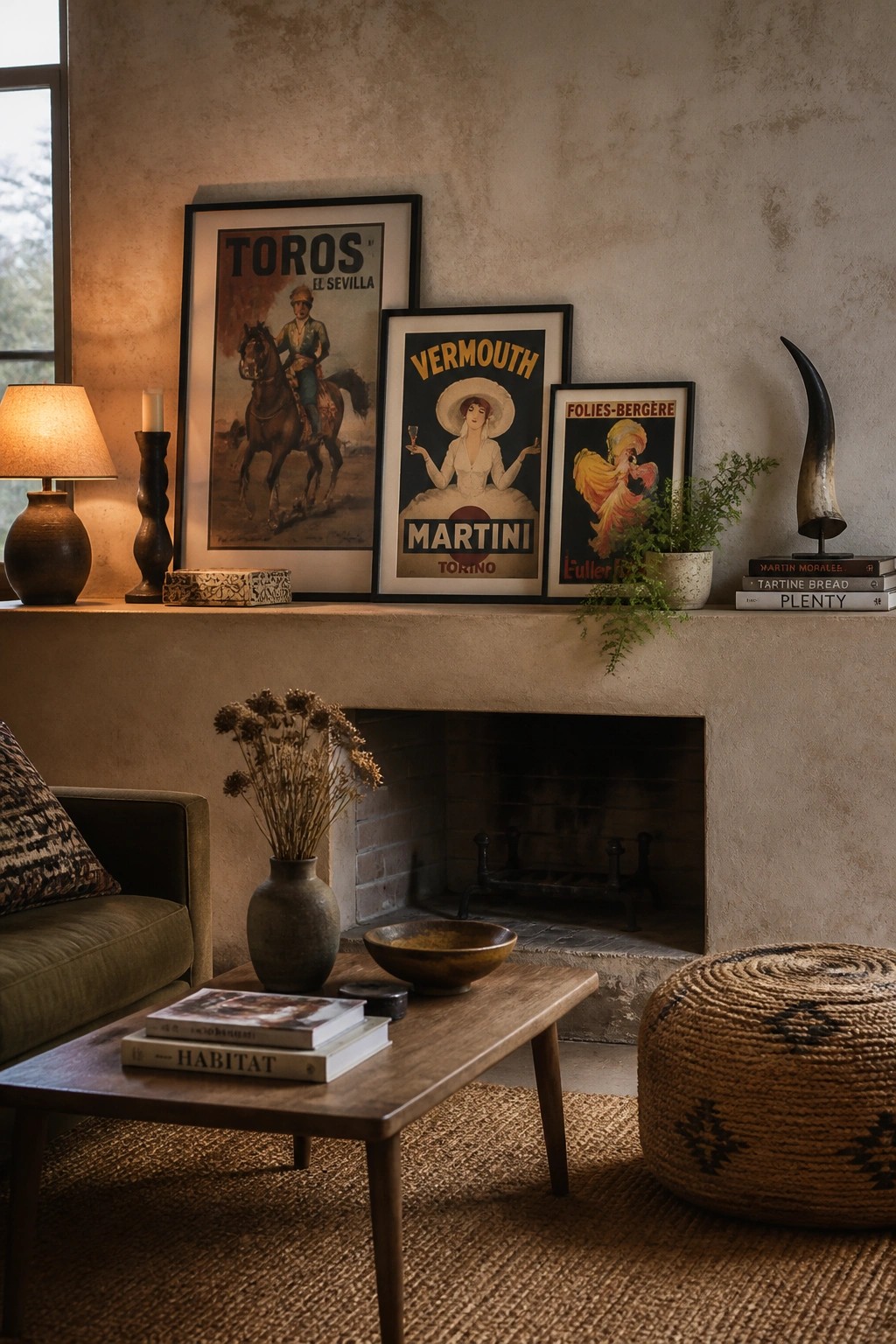
Grouping a few framed prints or posters on the mantel gives the space character without crowding it. The key is keeping the number small and letting the frames overlap just a little so the arrangement feels gathered rather than scattered.
This approach suits rooms that already have some texture in the walls or furniture. Limit yourself to three or four pieces, mix the sizes slightly, and add only one or two small items like a plant so the mantel stays easy to dust and change out later.
Layer Collections Along a Long Stone Mantel
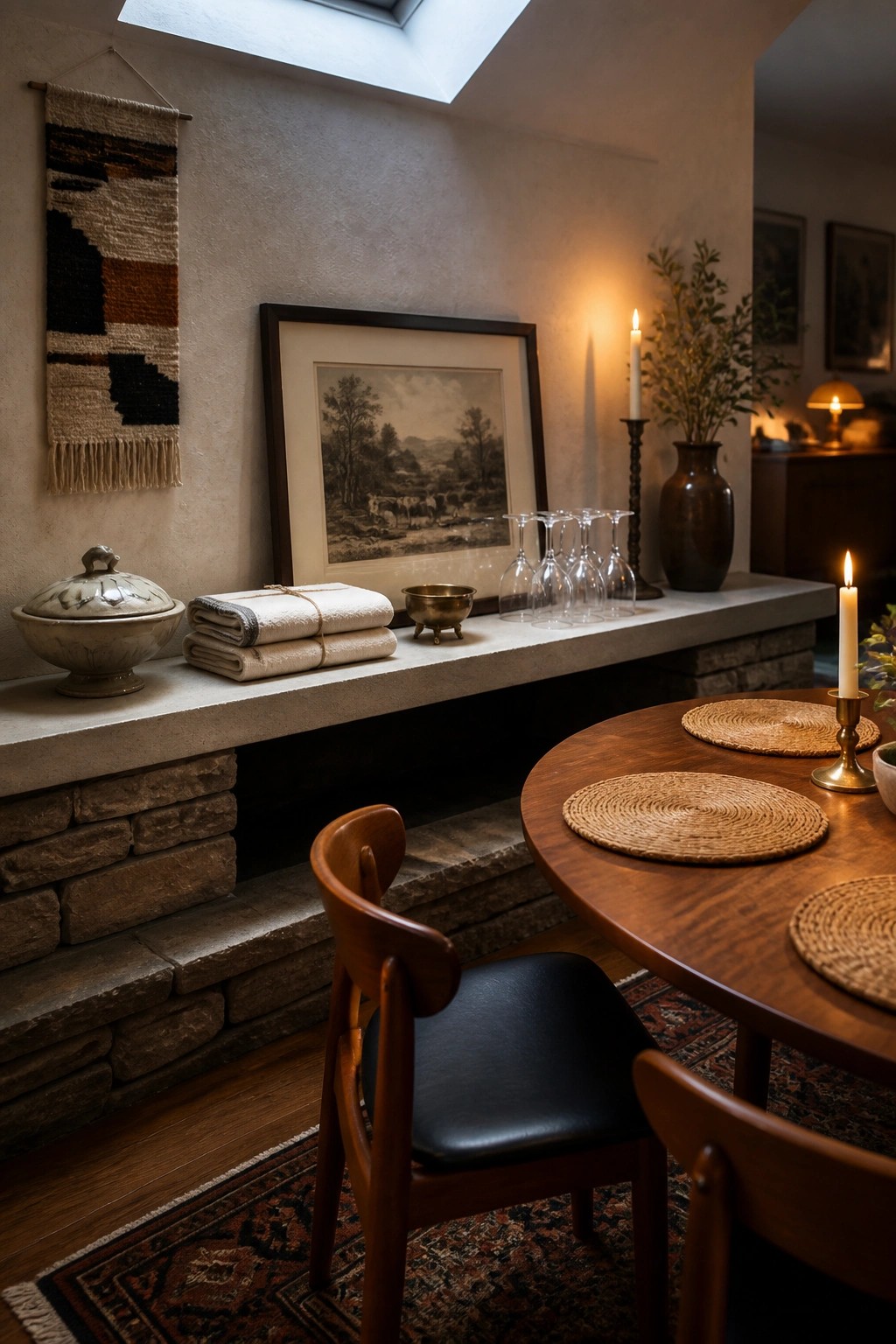
A long stone ledge works well for mantel displays because it gives you room to spread things out without crowding. Group items in small clusters instead of lining everything up in a row. This keeps the look layered while still feeling calm and easy to live with.
Place taller pieces like framed art or vases toward the back and lower items such as bowls or folded textiles in front. Leave breathing room between each group so the eye can rest. This approach suits older homes or any space where the mantel runs wide.
Stack Books on the Mantel
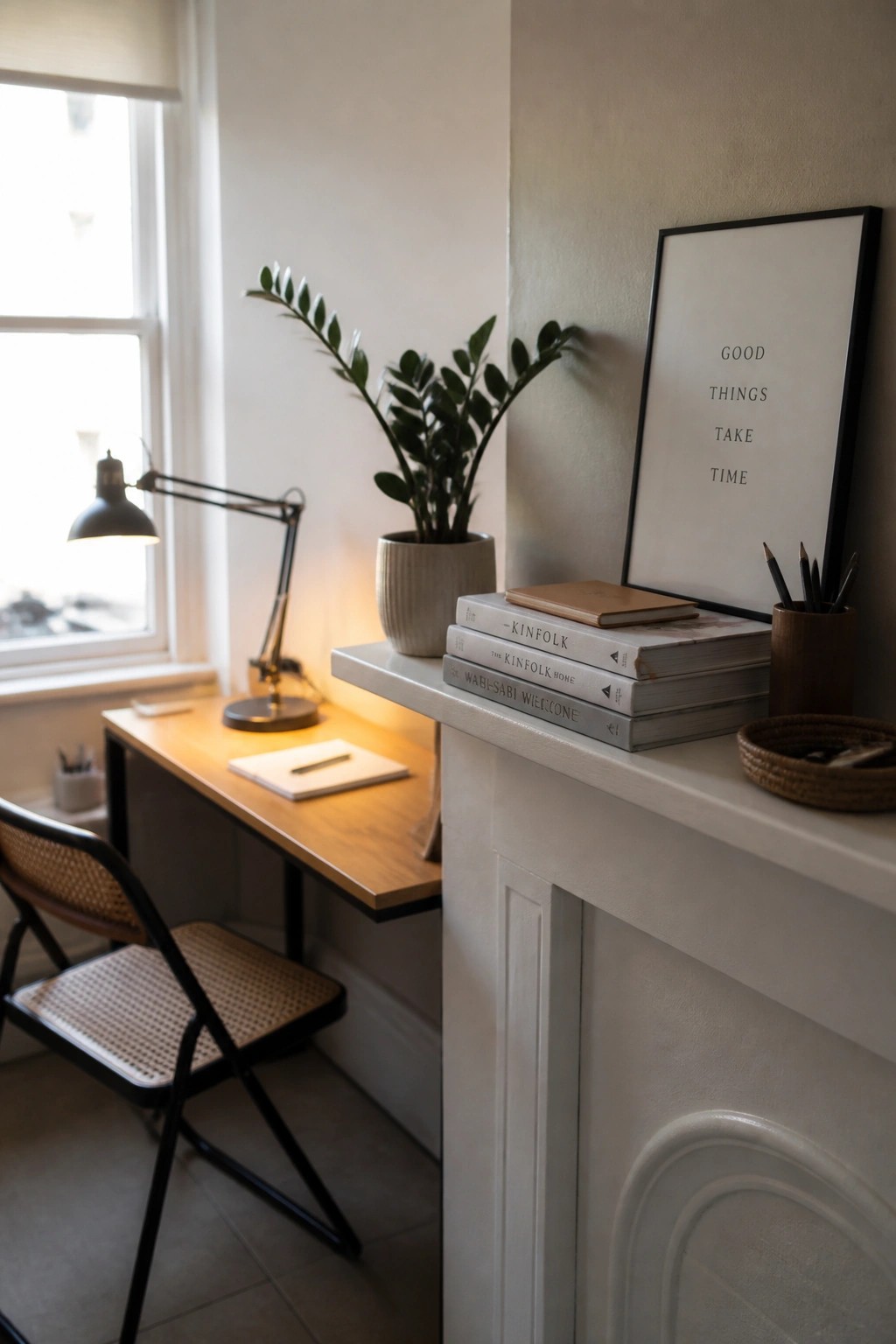
Stacking a few books on the mantel creates an easy layer without filling the surface with too many objects. The books add height and let you bring in color or texture through their covers while keeping the overall look calm.
This works best on narrower mantels or in rooms where you want the focus to stay soft. Place the stack to one side and lean a single framed piece behind it so the display stays balanced and simple to change when you want something new.
Layer Towels On The Mantel For Easy Access
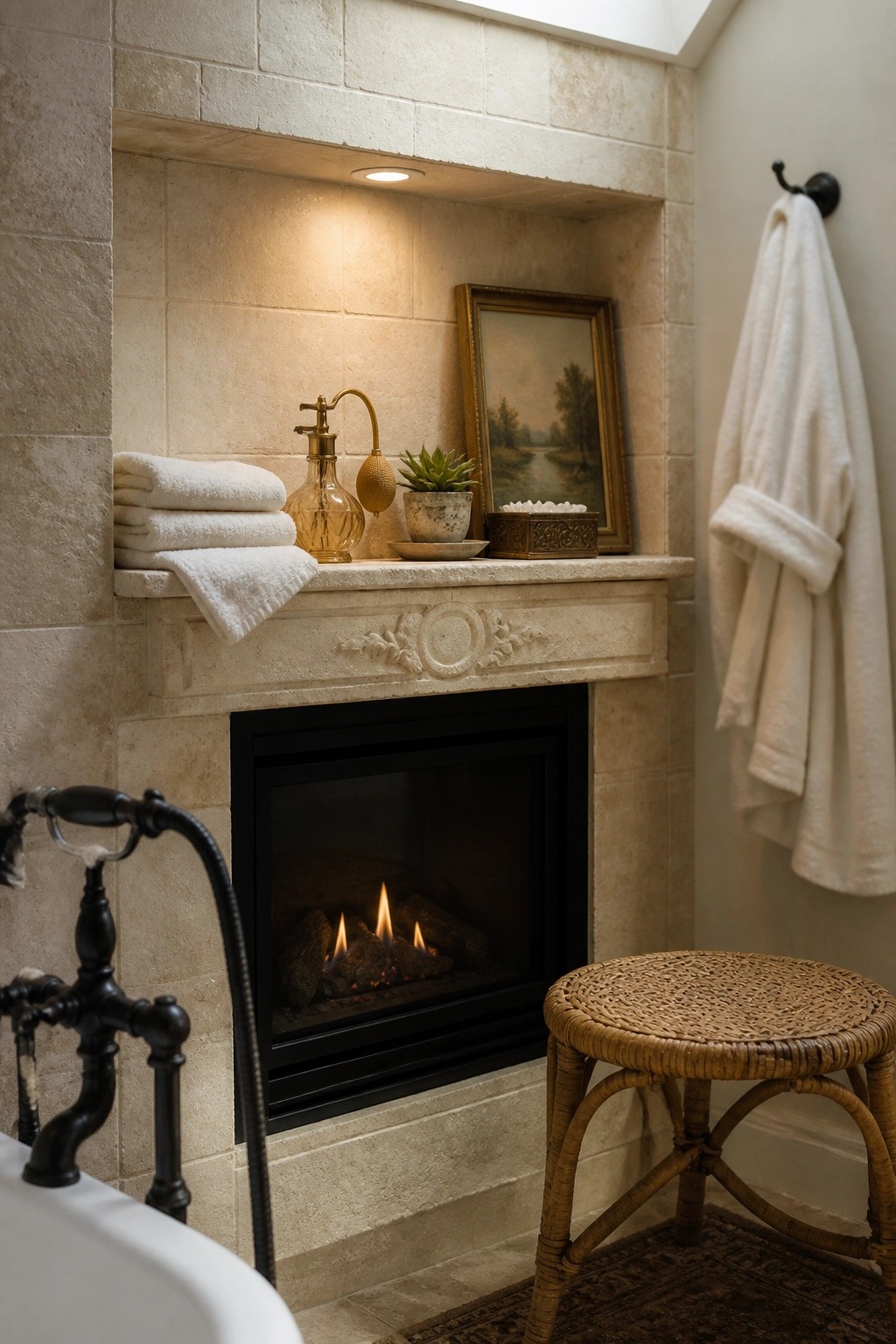
Bathrooms with fireplaces often have a mantel that goes unused. Placing a short stack of towels there turns the spot into something practical while still keeping the display light.
Keep the rest of the mantel clear except for one or two small items like a plant or a framed piece. This approach works well in compact bathrooms where you need storage that also looks intentional.
Frequently Asked Questions
Q: Where do I start when building layers on the mantel? A: Pick one tall item like a mirror or artwork as your anchor first. Group smaller pieces in threes around it and leave breathing room between each cluster. This keeps the look full but open.
Q: How do I stop the layers from feeling crowded? A: Limit yourself to five or six items total and mix heights instead of stacking everything at once. Clear off anything that does not earn its spot every few weeks.
Q: What if my mantel is short and narrow? A: Use just two or three slim pieces such as a low vase and a framed photo. Lean one item against the wall so it takes up less shelf space while still adding depth.
