
Tired of spotty Wi-Fi connections disrupting your Amazon Echo experience? Ever wondered if your Echo device can connect to the faster 5GHz network for smoother performance? Picture this: you’re in the middle of asking Alexa to play your favorite song, and suddenly, the connection drops on the 2.4GHz band. Frustrating, right?
In this article, we’ll dive into the question on many minds: Can your Amazon Echo seamlessly link up with a 5GHz Wi-Fi network? Discover how this potential upgrade could enhance your smart home setup and elevate your interaction with Alexa. Say goodbye to lagging music streams and delayed responses – it’s time to unlock the full potential of your Echo device.
Key Takeaways
- Upgrading your Amazon Echo to connect to a 5GHz WiFi network can result in faster speeds, reduced interference, enhanced streaming quality, improved device connectivity, and a better gaming experience.
- Confirm if your specific Amazon Echo model supports 5GHz WiFi before attempting to connect for optimized performance.
- Troubleshooting steps for connectivity issues include checking compatibility, adjusting proximity, minimizing interference, optimizing WiFi channels, restarting devices, updating firmware, resetting network settings, and seeking customer support for further assistance.
- To optimize Amazon Echo performance on a 5GHz WiFi network, check compatibility, adjust proximity, minimize interference, optimize WiFi channels, restart devices, update firmware, reset network settings, and seek customer support if needed.
The Benefits of 5GHz WiFi for Amazon Echo Devices
Upgrading your Wi-Fi network to utilize the 5GHz band can significantly enhance the performance of your Amazon Echo devices. Here’s why making the switch can be advantageous for your smart home setup:
- Faster Speeds: With 5GHz Wi-Fi, you can experience quicker data transfer rates than the standard 2.4GHz band. This means that commands to your Echo device, such as playing music or controlling smart home devices, can be executed with minimal delay, providing you with a more responsive experience.
- Reduced Interference: The 5GHz band is less crowded than the 2.4GHz band, reducing the chances of interference from other devices that might be operating on the same frequency. This can lead to a more stable connection for your Amazon Echo, ensuring seamless communication with Alexa and other connected devices.
- Enhanced Streaming: Streaming music or videos to your Echo device is smoother on a 5GHz network due to the increased bandwidth capabilities. You’ll notice a significant improvement in audio quality and video playback without interruptions or buffering, enhancing your overall entertainment experience.
- Improved Device Connectivity: Smart home devices often require a stable and fast connection to operate efficiently. By connecting your Amazon Echo to a 5GHz network, you can ensure that all your smart devices communicate seamlessly, creating a more integrated and responsive smart home environment.
- Better Gaming Experience: If you use your Echo device for interactive games or voice-controlled applications, a 5GHz network can offer lower latency and faster response times, enhancing your gaming experience and overall enjoyment.
By leveraging the benefits of a 5GHz Wi-Fi network for your Amazon Echo devices, you can optimize their performance, responsiveness, and connectivity, creating a more seamless and efficient smart home experience. Make the switch today and enjoy a smoother and more reliable interaction with your Echo devices.
Compatibility of Amazon Echo with 5GHz WiFi Networks
If you’re contemplating whether your Amazon Echo device can connect to a 5GHz WiFi network, here’s what you need to know.
Recommended Products
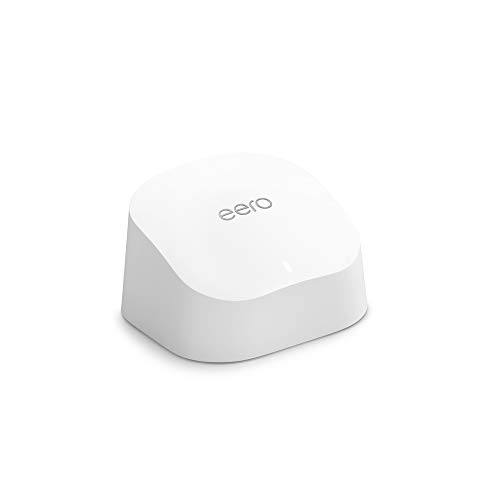
WHOLE-HOME WI-FI 6 COVERAGE - eero covers up to 1,500 sq. ft. with wifi (a 22 foot radius) and supports wifi speeds up to 900 Mbps.
Like-New eero 6 dual-band mesh Wi-Fi 6 router is refurbished, tested, and certified to look and work like new and comes with the same limited warranty as a new device. Like-New Amazon devices may be packaged in generic Amazon-branded boxes.
Confirming Amazon Echo Support for 5GHz WiFi
To determine if your Amazon Echo model supports 5GHz WiFi networks, consult the Echo device’s specifications.
Echo Dot and 5GHz Compatibility
For instance, the latest Echo Dot models typically support 2.4GHz and 5GHz frequency bands.
Benefits of 5GHz Connectivity
Connecting your Echo to a 5GHz network can result in faster data transmission speeds and potentially less interference compared to 2.4GHz networks.
Enhancing Performance with 5GHz WiFi
By utilizing a 5GHz WiFi network, you can experience improved streaming quality, better device connectivity for smart home setups, and enhanced gaming experiences.
Setting Up 5GHz WiFi on Echo
If your Echo device is compatible with 5GHz WiFi, you can configure the connection in the Alexa app following simple steps.
Monitoring Signal Strength
Once connected to a 5GHz network, ensure your Echo maintains a strong signal strength for optimal performance.
Troubleshooting Connectivity Issues
In case of connectivity problems, consider adjusting router settings, restarting your Echo device, or relocating it closer to the router for better signal reception.
Enjoying Enhanced Connectivity
With your Amazon Echo successfully connected to a 5GHz WiFi network, you can now relish faster speeds and a more robust smart home experience.
Ensure to check your specific Amazon Echo device’s compatibility with 5GHz WiFi for seamless connectivity and enhanced performance.
Troubleshooting Issues with Amazon Echo and 5GHz WiFi
If you’re encountering connectivity problems between your Amazon Echo and your 5GHz WiFi network, here are some steps you can take to troubleshoot and resolve the issues:
- Check Compatibility: Ensure that your specific Amazon Echo device supports 5GHz WiFi connections. Not all Echo devices are compatible with the 5GHz frequency, so verify this information in your device’s specifications.
- Proximity: Place your Amazon Echo device closer to your WiFi router to improve the signal strength. Physical distance can impact the quality of the connection, especially with higher frequency bands like 5GHz.
- Interference: Reduce potential sources of interference that could disrupt the 5GHz signal. Electronic devices, walls, and other obstacles can obstruct the signal, causing connectivity issues.
- WiFi Channel: Adjust the WiFi channel on your router to prevent overlapping with neighboring networks. This can help optimize the performance of your 5GHz connection and minimize signal interference.
- Restart Devices: Sometimes, a simple restart of both your Amazon Echo device and WiFi router can resolve connectivity issues. Turn off both devices, wait for a few seconds, and then power them back on.
- Firmware Updates: Ensure that your Amazon Echo device and WiFi router have the latest firmware updates installed. Updating the software can address compatibility issues and enhance performance.
- Reset Network Settings: If other steps don’t work, you can try resetting your network settings on both the Amazon Echo device and the router. This can sometimes clear any configuration issues causing connectivity problems.
- Contact Support: If you’ve tried the above steps and are still experiencing connectivity issues, reach out to Amazon’s customer support for further assistance. They can provide tailored solutions based on your specific situation.
By following these troubleshooting tips, you can address connectivity issues between your Amazon Echo device and your 5GHz WiFi network, ensuring a seamless and enhanced smart home experience.
Recommended Products

Dual-band Wi-Fi with 5 GHz speeds up to 867 Mbps and 2.4 GHz speeds up to 300 Mbps, delivering 1200 Mbps of total bandwidth¹. Dual-band routers do not support 6 GHz. Performance varies by conditions, distance to devices, and obstacles such as walls.

DUAL-BAND WIFI 6 ROUTER: Wi-Fi 6(802.11ax) technology achieves faster speeds, greater capacity and reduced network congestion compared to the previous gen. All WiFi routers require a separate modem. Dual-Band WiFi routers do not support the 6 GHz band.
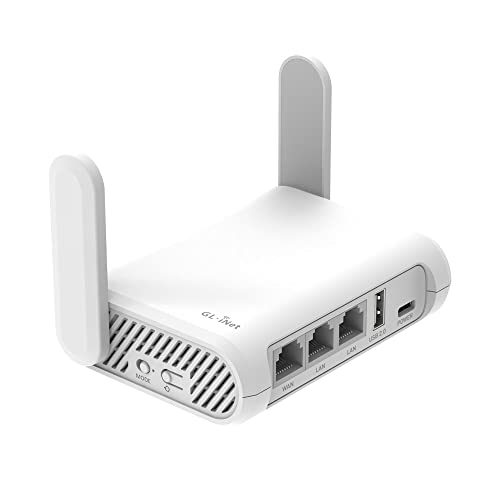
【AC1200 Dual-band Wireless Router】Simultaneous dual-band with wireless speed up to 300 Mbps (2.4GHz) + 867 Mbps (5GHz). 2.4GHz band can handles some simple tasks like emails or web browsing while bandwidth intensive tasks such as gaming or 4K video streaming can be handled by the 5GHz band.*Speed tests are conducted on a local network. Real-world speeds may differ depending on your network configuration.*
Tips to Optimize Amazon Echo Performance on 5GHz WiFi
Ensure a smooth experience with your Amazon Echo on the 5GHz WiFi network by following these practical tips:
Recommended Products
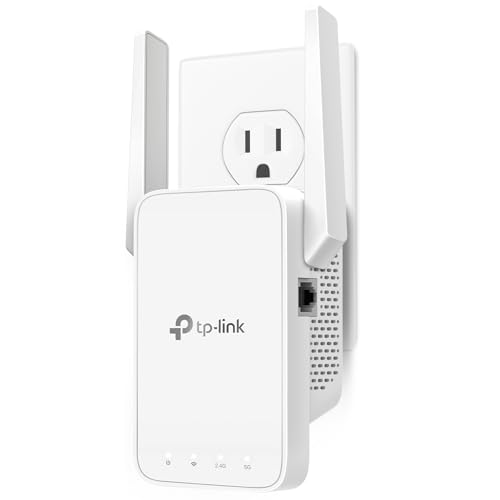
𝐒𝐭𝐫𝐨𝐧𝐠𝐞𝐫 𝐖𝐢-𝐅𝐢 𝐢𝐧 𝐄𝐯𝐞𝐫𝐲 𝐂𝐨𝐫𝐧𝐞𝐫 - Enjoy extended coverage with strong performance powered by Adaptive Path Selection and simple setup using One-Touch Connection. Perfect for everyday users looking to eliminate dead zones.

𝐅𝐮𝐭𝐮𝐫𝐞-𝐑𝐞𝐚𝐝𝐲 𝐖𝐢-𝐅𝐢 𝟕 - Designed with the latest Wi-Fi 7 technology, featuring Multi-Link Operation (MLO), Multi-RUs, and 4K-QAM. Achieve optimized performance on latest WiFi 7 laptops and devices, like the iPhone 16 Pro, and Samsung Galaxy S24 Ultra.

Wave 2 Wireless Internet Router: Achieve up to 600 Mbps on the 2.4GHz band and up to 1300 Mbps on the 5GHz band. Dual-band WiFi routers do not support the 6 GHz band. Performance varies by conditions, distance to devices, and obstacles such as walls.
1. Check Compatibility
Before connecting your Amazon Echo to a 5GHz WiFi network, verify that your device supports this frequency. Not all Echo models are compatible with the 5GHz band.
2. Adjust Proximity
Place your Echo device within a reasonable range of your 5GHz WiFi router. Optimal proximity can enhance signal strength and prevent connection dropouts.
3. Minimize Interference
Reduce interference from other electronic devices that may affect the performance of your Echo on the 5GHz network. Keep your Echo away from sources of interference like microwaves, baby monitors, or cordless phones.
4. Optimize WiFi Channels
Selecting the least congested WiFi channel can enhance the performance of your Amazon Echo on the 5GHz WiFi network. Use tools like WiFi analyzers to identify the best channel for your setup.
5. Restart Devices
If you encounter connectivity issues, restarting both your Echo device and WiFi router can often resolve the problem. This simple step can help refresh the connection and improve performance.
6. Update Firmware
Ensure that your Amazon Echo device’s firmware is up to date. Regular firmware updates can address connectivity issues, add new features, and improve overall performance.
7. Reset Network Settings
As a troubleshooting step, you can reset your Echo device’s network settings to default. This action can eliminate any configuration errors that may be affecting connectivity to the 5GHz WiFi network.
8. Seek Customer Support
If connectivity problems persist, reach out to Amazon’s customer support for assistance. They can provide further guidance and troubleshooting steps tailored to your specific issue.
By implementing these tips, you can optimize your Amazon Echo’s performance on a 5GHz WiFi network, ensuring a seamless and reliable smart home experience.
Conclusion
Now that you’ve explored the benefits of connecting your Amazon Echo to a 5GHz WiFi network, you’re well-equipped to enhance your smart home experience. By following the tips shared in this article, you can optimize your device’s performance and ensure a seamless connection. Remember to check compatibility, adjust proximity, and minimize interference for the best results. Additionally, optimizing WiFi channels, restarting devices, and seeking customer support when needed can further improve your connectivity. With these strategies in mind, you’re ready to enjoy the full potential of your Amazon Echo on a faster and more reliable 5GHz network.
Frequently Asked Questions
Is connecting Amazon Echo devices to a 5GHz network better than a 2.4GHz network?
Yes, connecting Amazon Echo devices to a 5GHz network offers faster speeds, reduced interference, and improved connectivity for smart home setups. This enhances overall performance.
How can I confirm if my Amazon Echo device is compatible with a 5GHz network?
You can check your Amazon Echo device’s compatibility by reviewing the specifications on the Amazon website or contacting Amazon customer support for assistance.
What steps are involved in setting up my Amazon Echo device to connect to a 5GHz network?
To set up your Amazon Echo device on a 5GHz network, access the device settings in the Alexa app, select the appropriate WiFi network, and follow the on-screen prompts to complete the setup process.
How can I monitor the signal strength of my Amazon Echo device on a 5GHz network?
You can monitor the signal strength of your Amazon Echo device on a 5GHz network through the Alexa app by checking the device’s connection status and signal strength indicators.
What should I do if I encounter connectivity issues when using my Amazon Echo device on a 5GHz network?
If you experience connectivity issues, try restarting your Amazon Echo device, updating firmware, adjusting proximity to the router, optimizing WiFi channels, resetting network settings, and seeking customer support if problems persist.
