
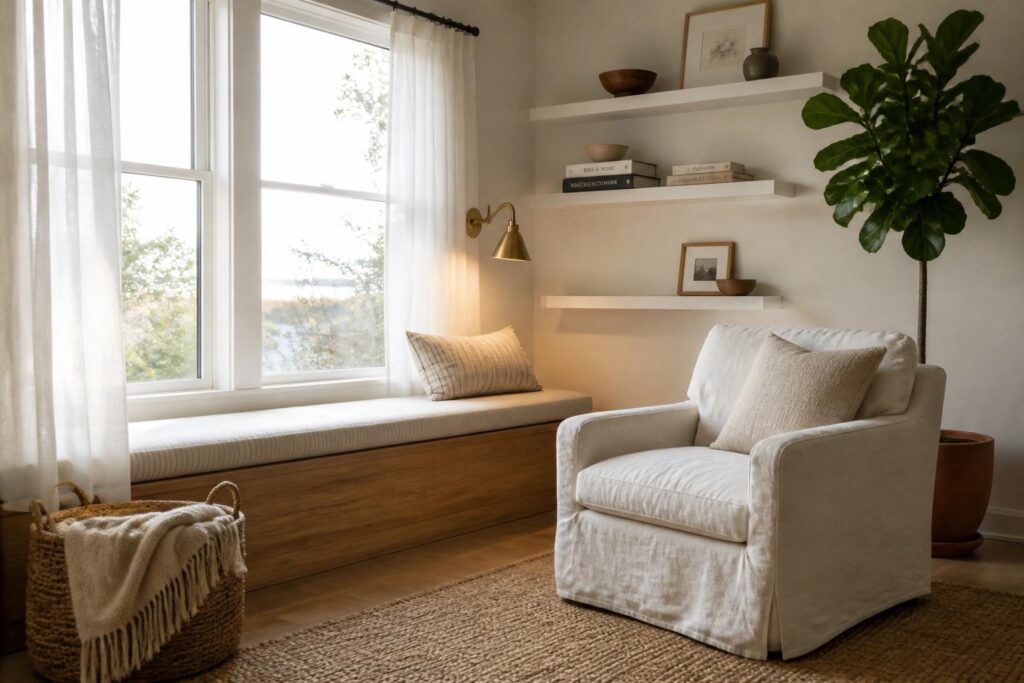
I’ve always noticed that the way light enters a corner can completely change how a room feels throughout the day.
In my own place, one window corner stayed unused until I rearranged the seating to catch the morning sun properly.
That small adjustment made the space feel more open and actually drew me in during quiet afternoons.
Light placement matters more than most people expect.
A few simple tweaks around the windows can turn those forgotten spots into places that work better with how the house gets light.
Build a Window Seat Into the Corner
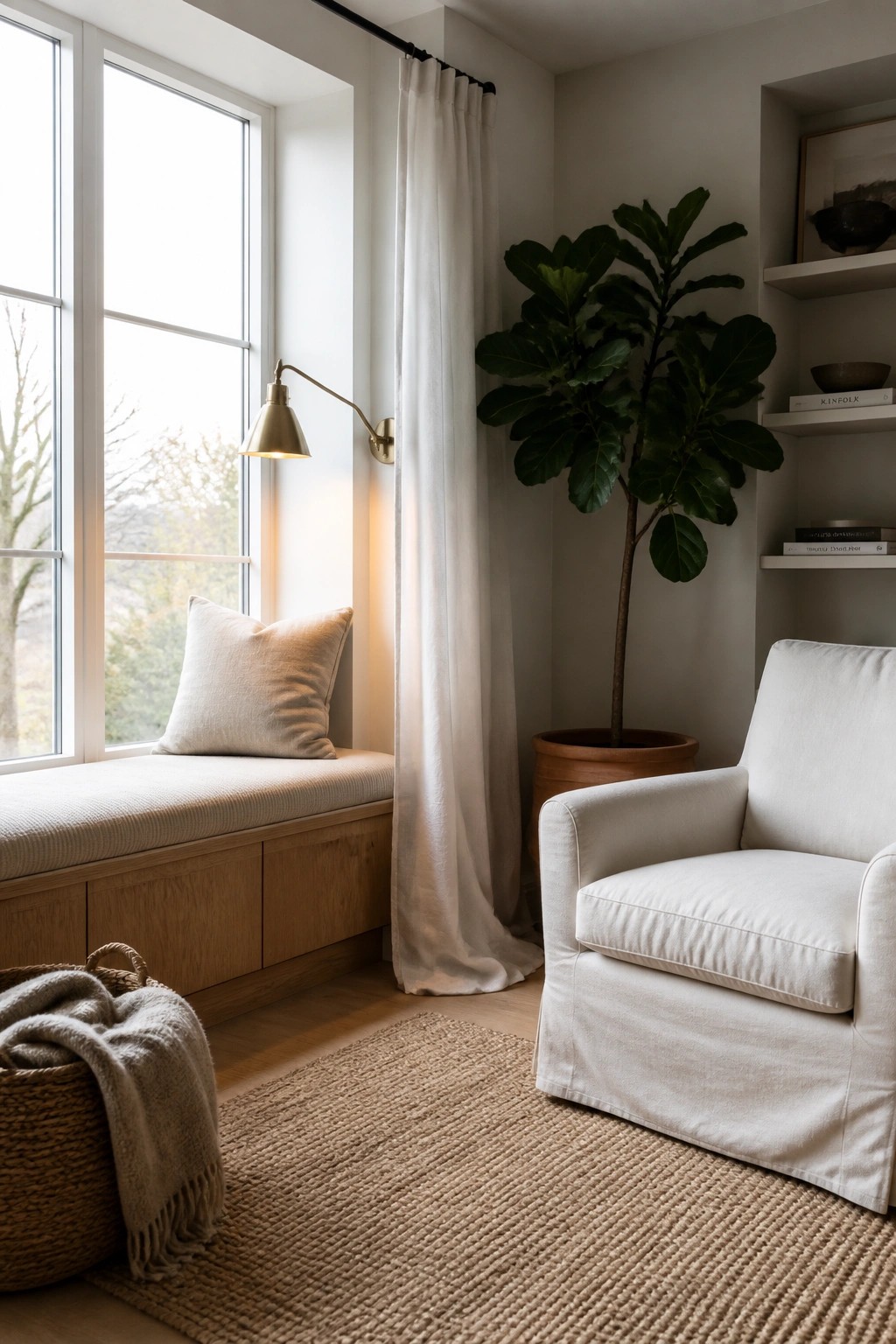
A window seat turns an empty corner into a useful spot for sitting and reading. It takes advantage of the natural light without adding bulky furniture that crowds the room.
This setup works best in homes with deep window frames or existing nooks. Keep the cushion neutral and add a simple curtain if you want the option to soften the light during the day.
Build a Window Seat Into a Bright Corner
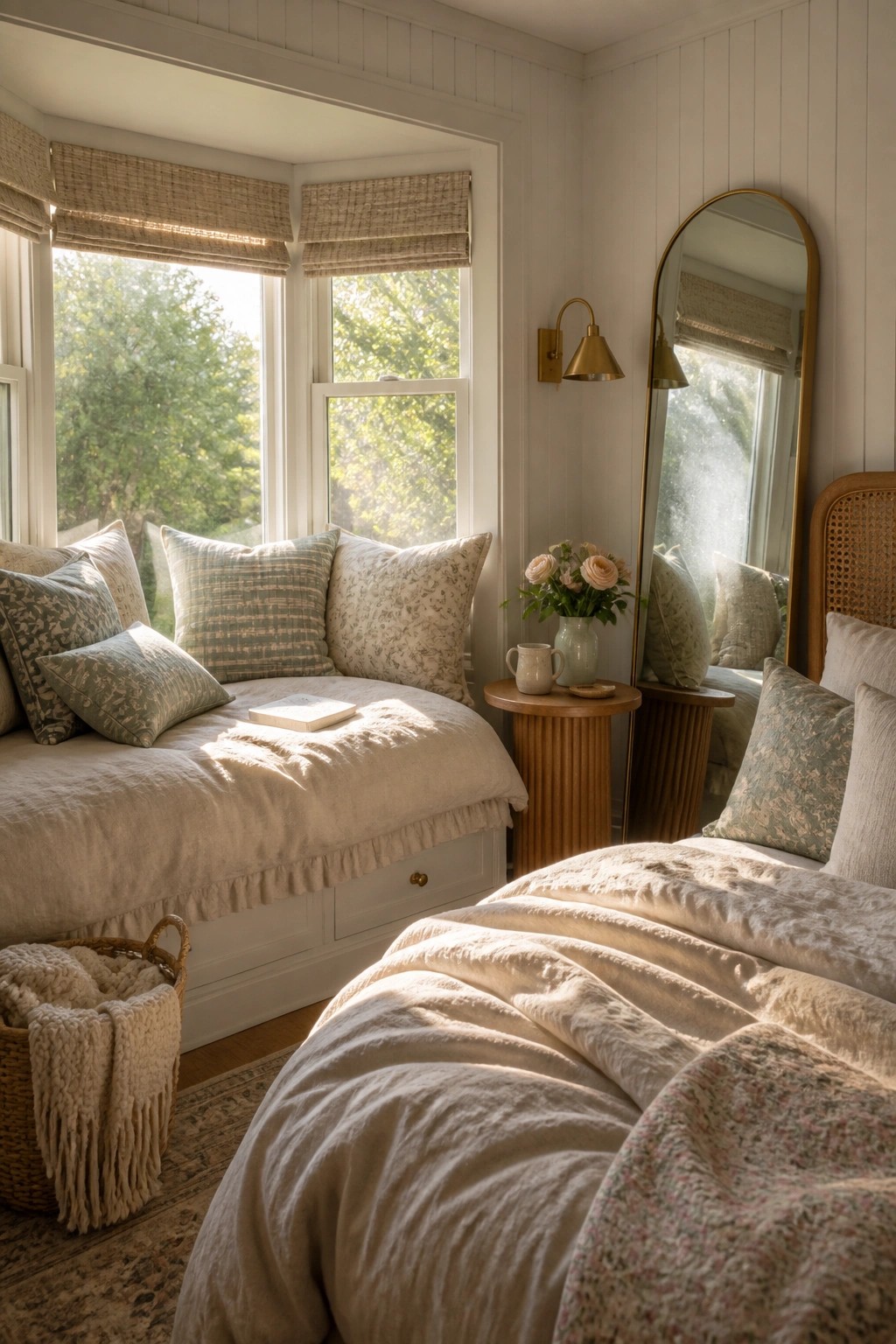
A window seat gives you a simple way to turn extra wall space under a window into something useful. It creates a quiet spot to sit and take in the light without crowding the rest of the room.
This works best in bedrooms or guest rooms where you already have good natural light from multiple windows. Keep the cushions soft and in light colors so the area stays calm, and add just one small table if you need a place for a book or mug.
Built-In Bench Seating In A Window Corner
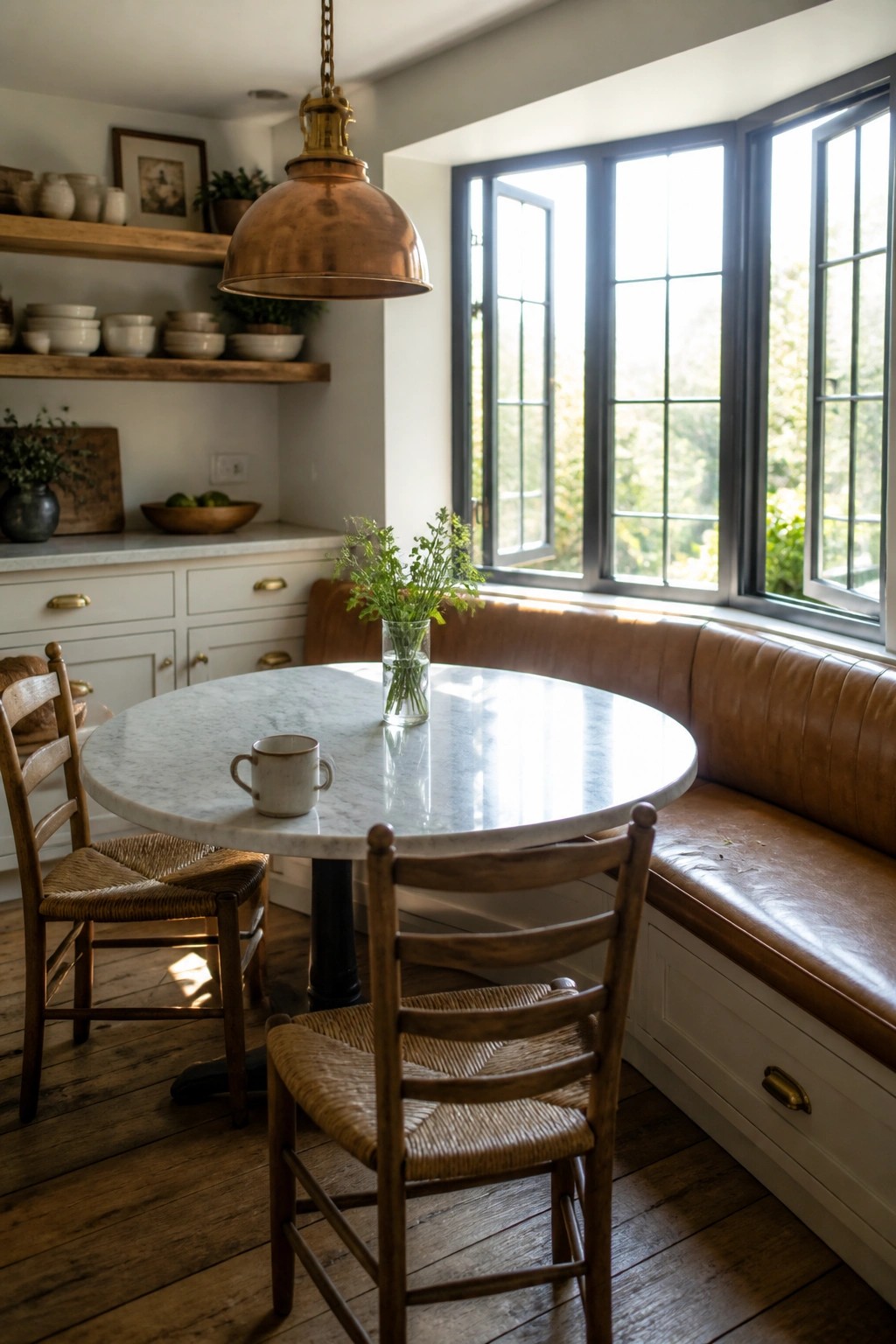
A built-in bench along the windows turns an empty corner into usable seating without blocking the light. It keeps the room feeling open while giving people a comfortable spot to linger at the table.
This works best in kitchens or breakfast areas where you want extra seating but do not have room for a full set of chairs. Pair the bench with a round table and one or two loose chairs so the space stays flexible and easy to move around.
Desk Placement In Front Of A Window
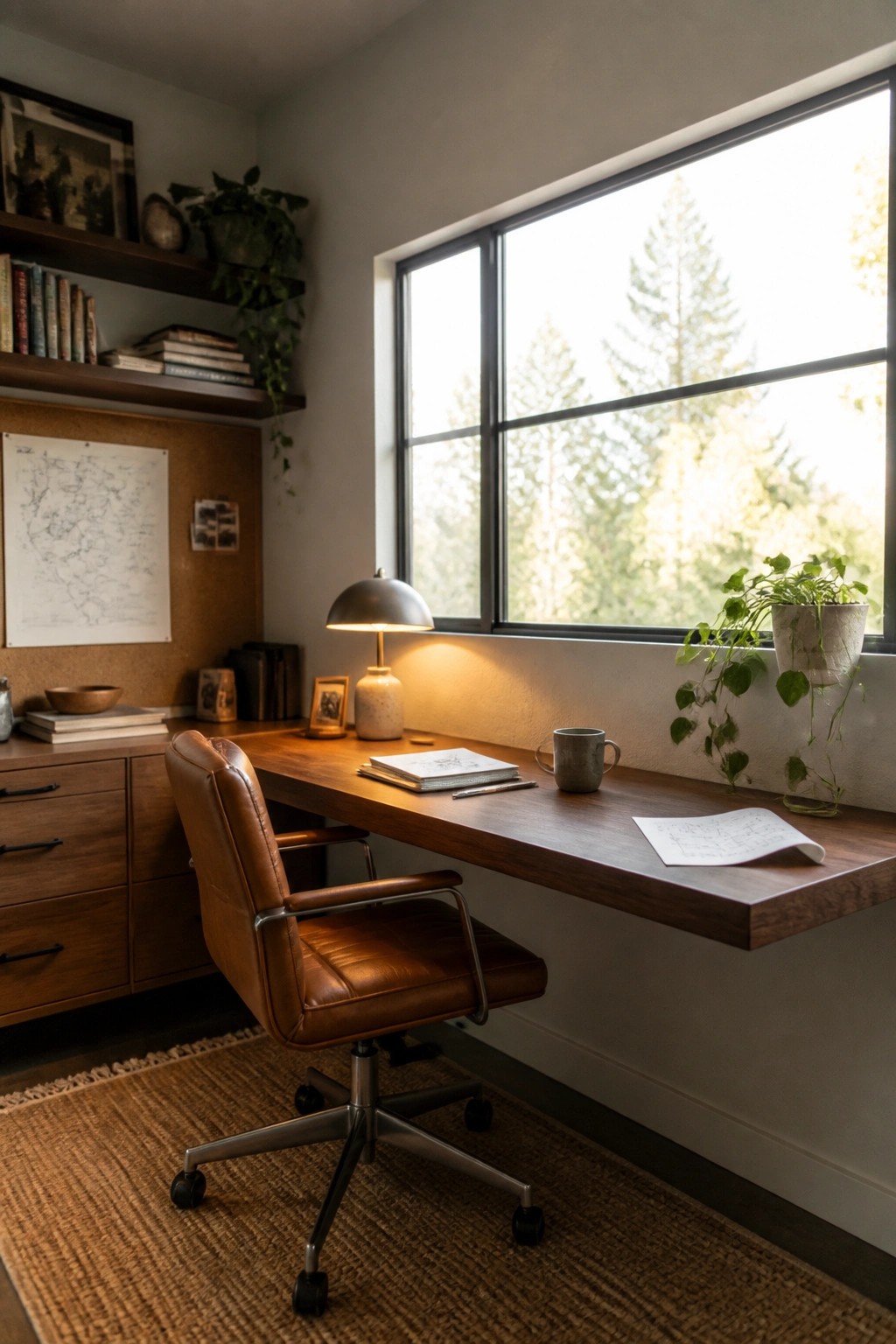
Placing a desk right in front of a large window turns the corner into a bright workspace that relies on natural light instead of lamps for most of the day. The setup feels simple and practical, especially when the desk surface stays low enough to let the light spread across the work area.
This arrangement suits home offices or small studies where you want steady daylight without blocking the view. It works well in rooms with deep windowsills, and it helps the space feel less closed in as long as the chair can tuck neatly underneath.
Rocking Chair By The Window
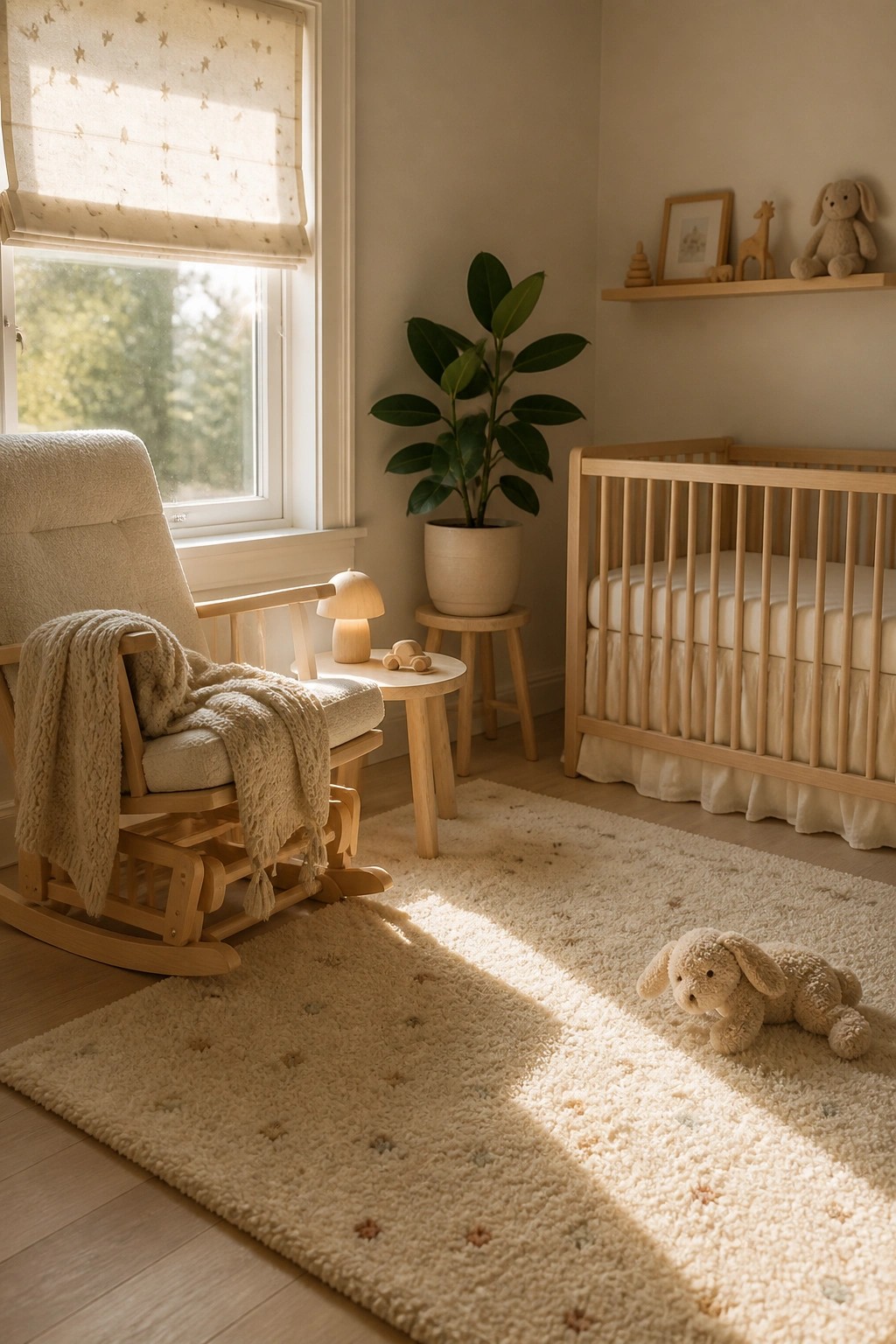
A rocking chair placed right in the window corner turns natural light into the main feature of the room. The light falls across the seat throughout the day, making the spot feel calm and useful without extra lamps or bright colors.
This idea works well in bedrooms or nurseries where someone needs a quiet place to sit for a while. Keep the chair simple, use soft layers, and leave enough floor space so the light can reach the rest of the room too.
Window Ledges That Hold Plants
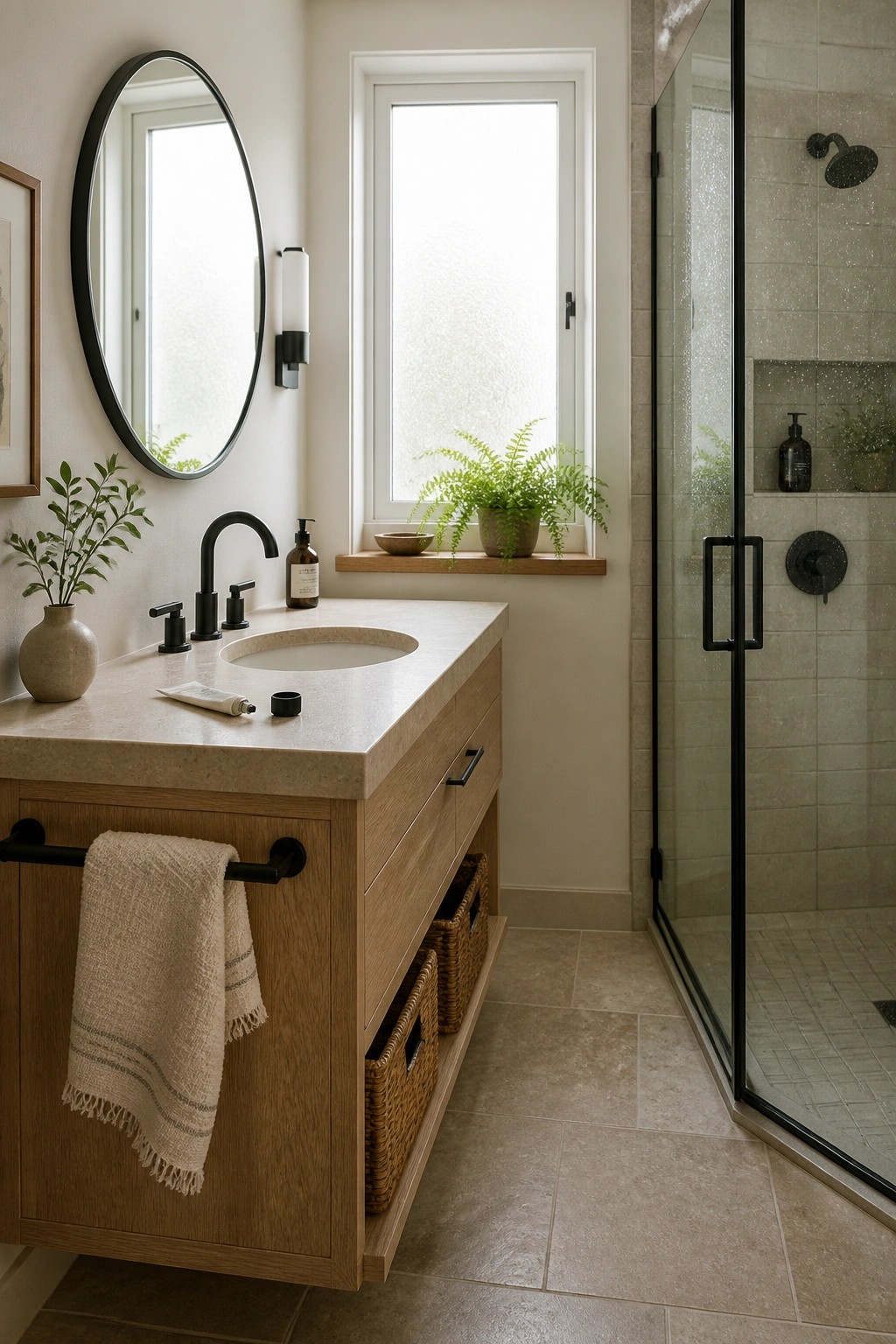
A narrow ledge under the window gives plants a steady spot for light without crowding the counter. In bathrooms this keeps things simple and makes the most of whatever daylight comes in.
It works best in smaller spaces where you want a bit of green but do not have room for extra furniture. Keep the ledge shallow so it does not get in the way and choose plants that handle the humidity.
A Table Placed by the Window Corner

Putting a small table right next to a large window turns an ordinary corner into a useful spot for meals. The light comes in strong and steady, so the space feels brighter without any extra fixtures or changes to the walls.
This setup works best in rooms that already have good natural light from one side. Keep the table round and the chairs simple so nothing blocks the view or the flow of light across the floor.
Add A Window Bench For Everyday Seating
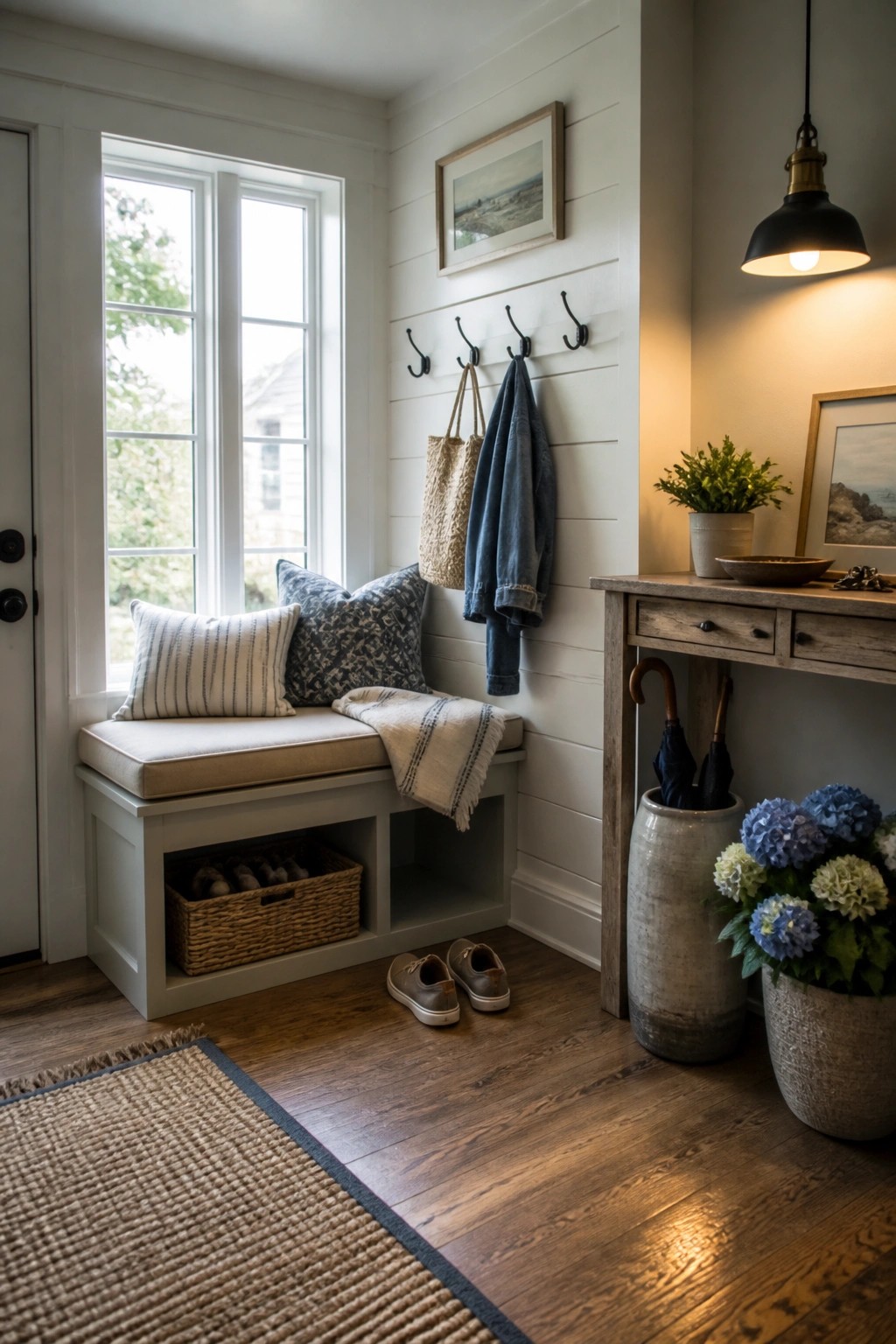
A window bench turns an empty corner into a spot people actually use. It gives you a place to sit and catch the light without needing much extra furniture or planning.
This works best in homes with a decent window size and a bit of wall space on either side. Keep the bench low and add simple storage underneath so the area stays tidy and practical.
Laundry Counter Right Under The Window

A counter placed directly under a window turns an ordinary laundry room into a brighter and more usable space. The natural light makes sorting and folding easier without needing extra lamps, and it keeps the room from feeling closed in.
This setup works well in any utility area that gets decent daylight. Keep the surface clear for daily tasks and add simple bins or baskets underneath so everything stays organized without crowding the window.
Shower Bench Under A Window
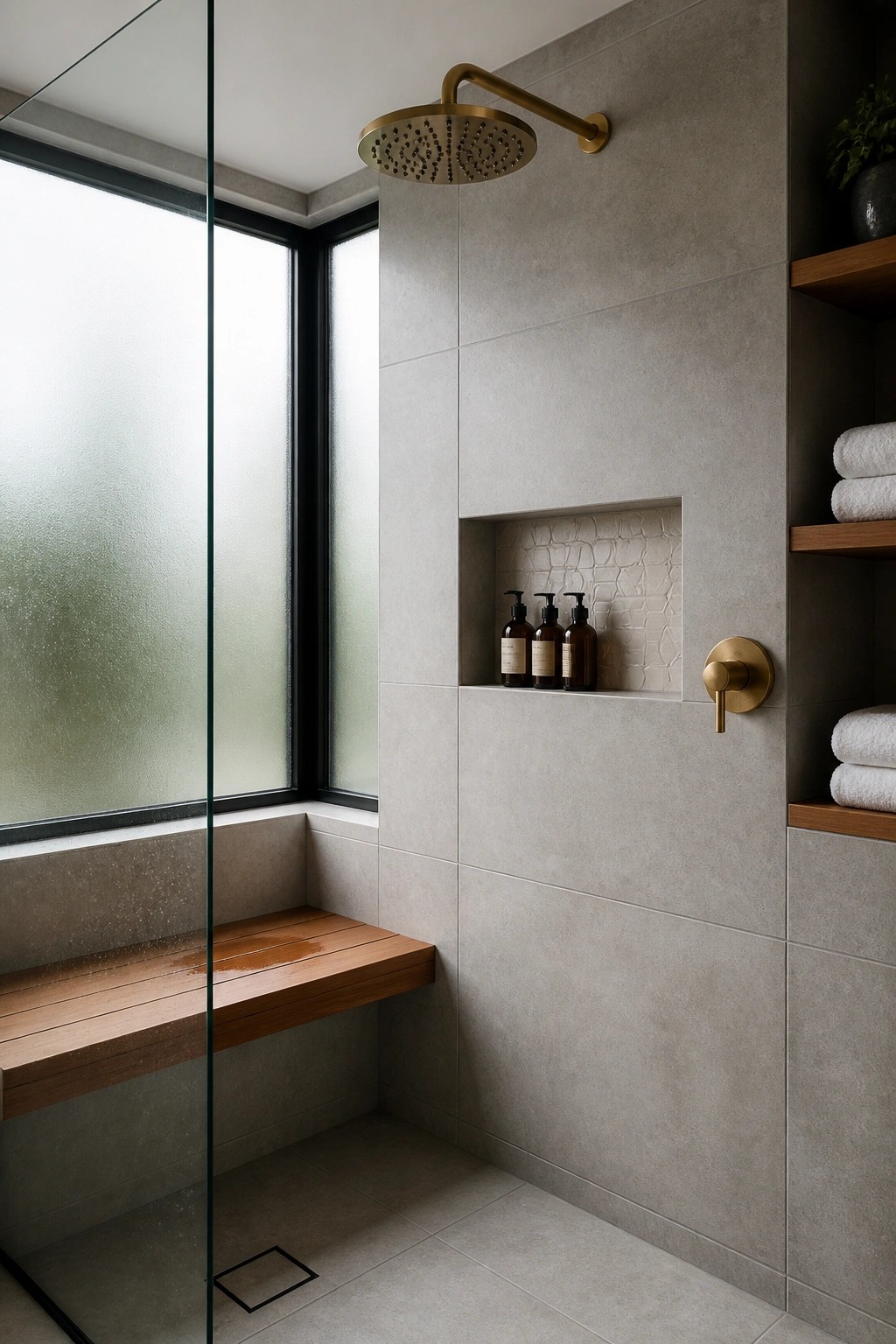
A wooden bench placed right under a large window turns an ordinary shower corner into a brighter, more usable spot. The natural light makes the whole area feel less closed in, and the bench gives you a place to sit while getting ready or just relaxing.
This setup works best in bathrooms that already have decent outdoor privacy or can use frosted glass. It suits homes that want simple upgrades without major remodeling, though you do need to make sure the bench material and window seal can handle moisture.
Desk Next to the Window for Natural Light
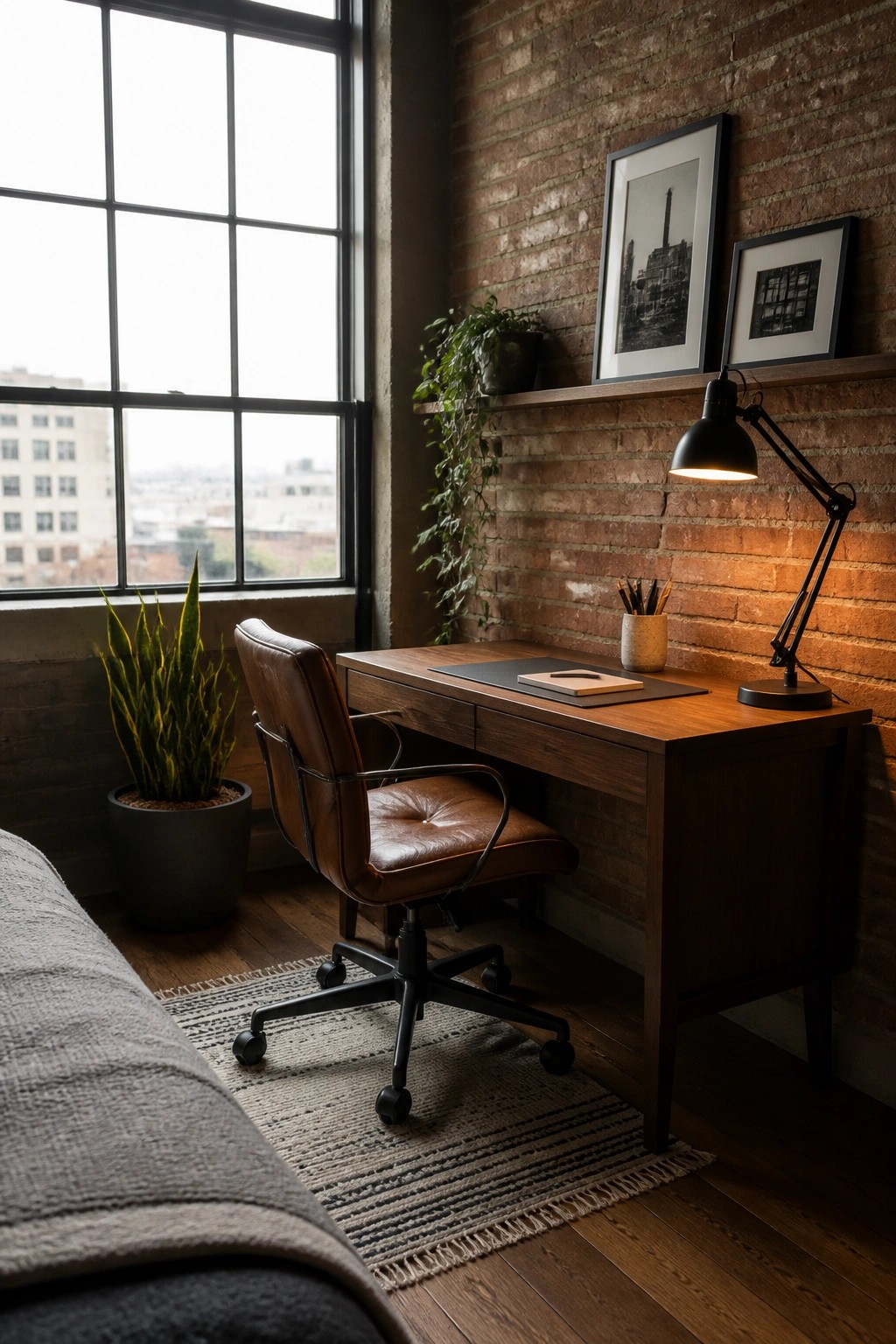
Putting a desk right beside a large window turns the corner into a practical workspace that stays bright during the day. The light reduces the need for overhead lamps and makes the room feel more open without any extra changes.
This setup works best in smaller rooms or home offices where you want to keep the focus on one main surface. Keep the desk low and simple so it does not block the view, and add only a few items like a lamp for evening use.
Create a Plant-Filled Window Seat
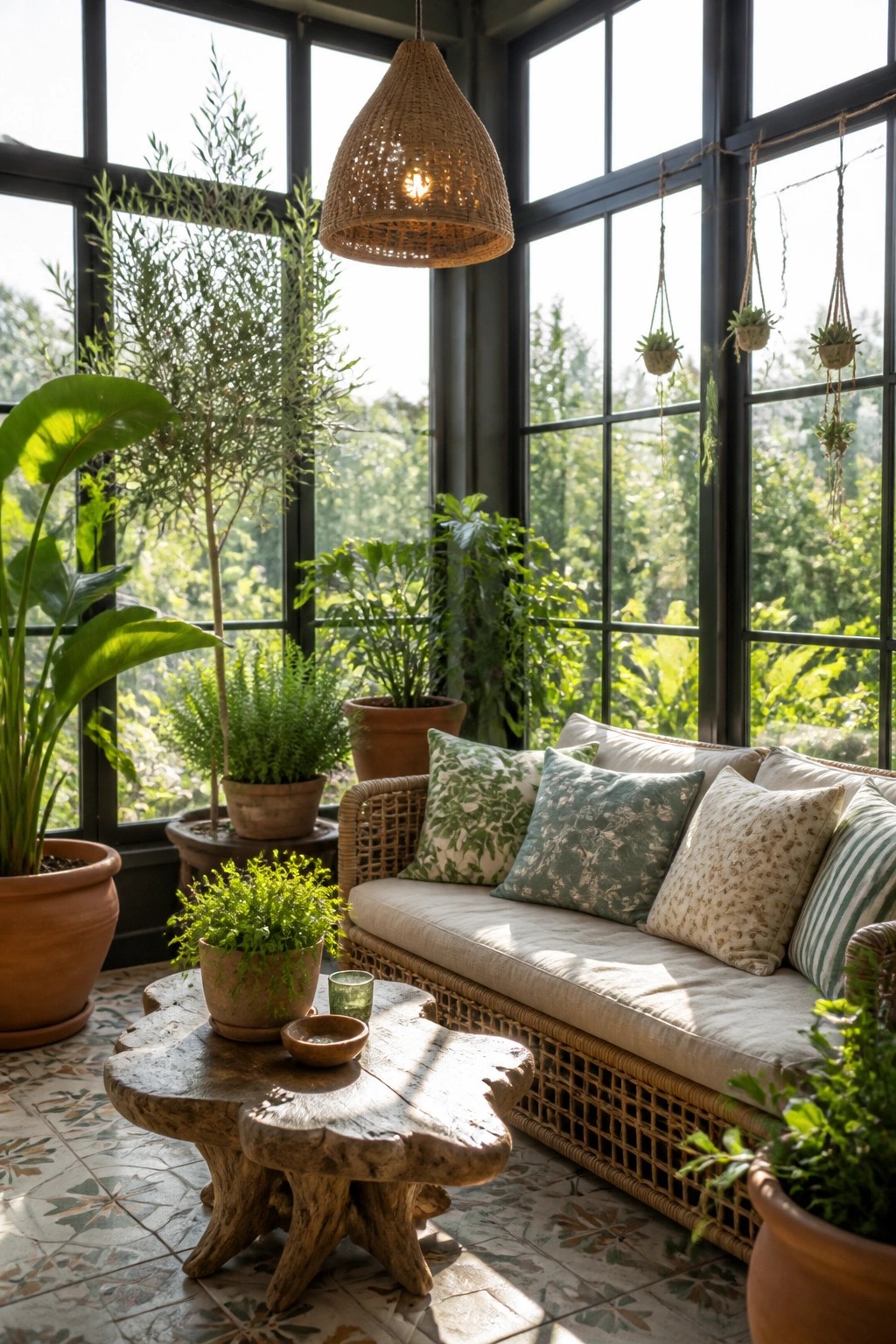
Placing a simple seat right against a wall of windows and surrounding it with plants turns ordinary natural light into the main feature of the room. The greenery softens the bright light while making the corner feel more like an extension of the garden outside.
This idea suits any room with decent sun exposure, especially older homes where windows are already large. Use sturdy pots in similar tones and choose plants that can handle direct light so the setup stays low maintenance over time.
Sink Under The Window

Placing the sink directly beneath a window brings steady natural light into the main workspace. It makes the area feel brighter during the day and gives a simple view outside while you wash dishes or prep meals.
This works best in kitchens that get decent sun and where the view feels pleasant rather than busy. Keep the window easy to open and clean, and check that the sill height lines up with the faucet so water does not hit the frame.
Build A Window Seat Into The Corner
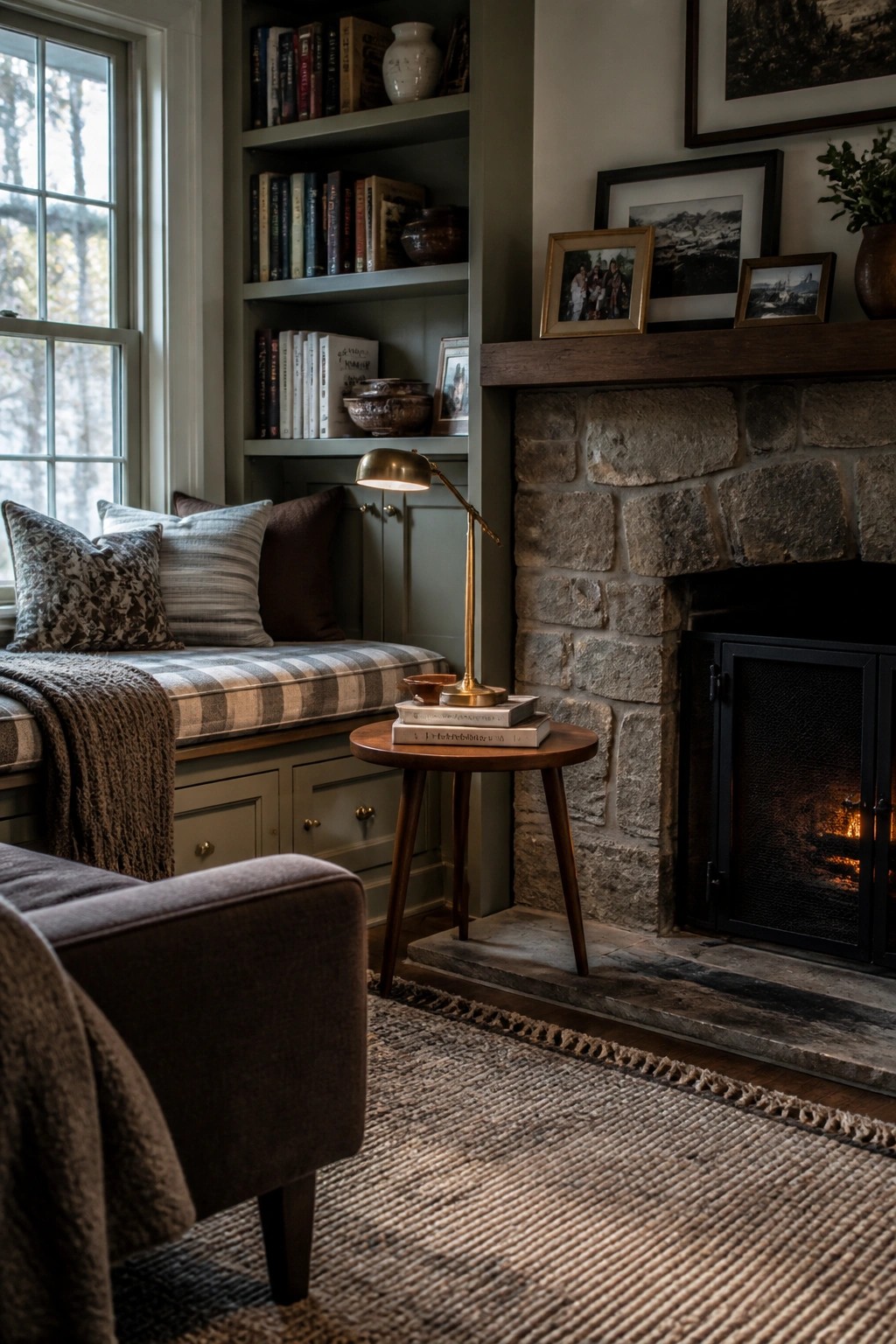
A built-in window seat turns an ordinary corner into a useful spot for reading or relaxing. It takes advantage of the natural light without adding extra furniture that can crowd the room.
This idea works best in living rooms or bedrooms where the window sits low enough for seating. Keep the cushions simple and sturdy, and leave room for a small side table if you want a place to set things down.
Built-In Seating Under A Window
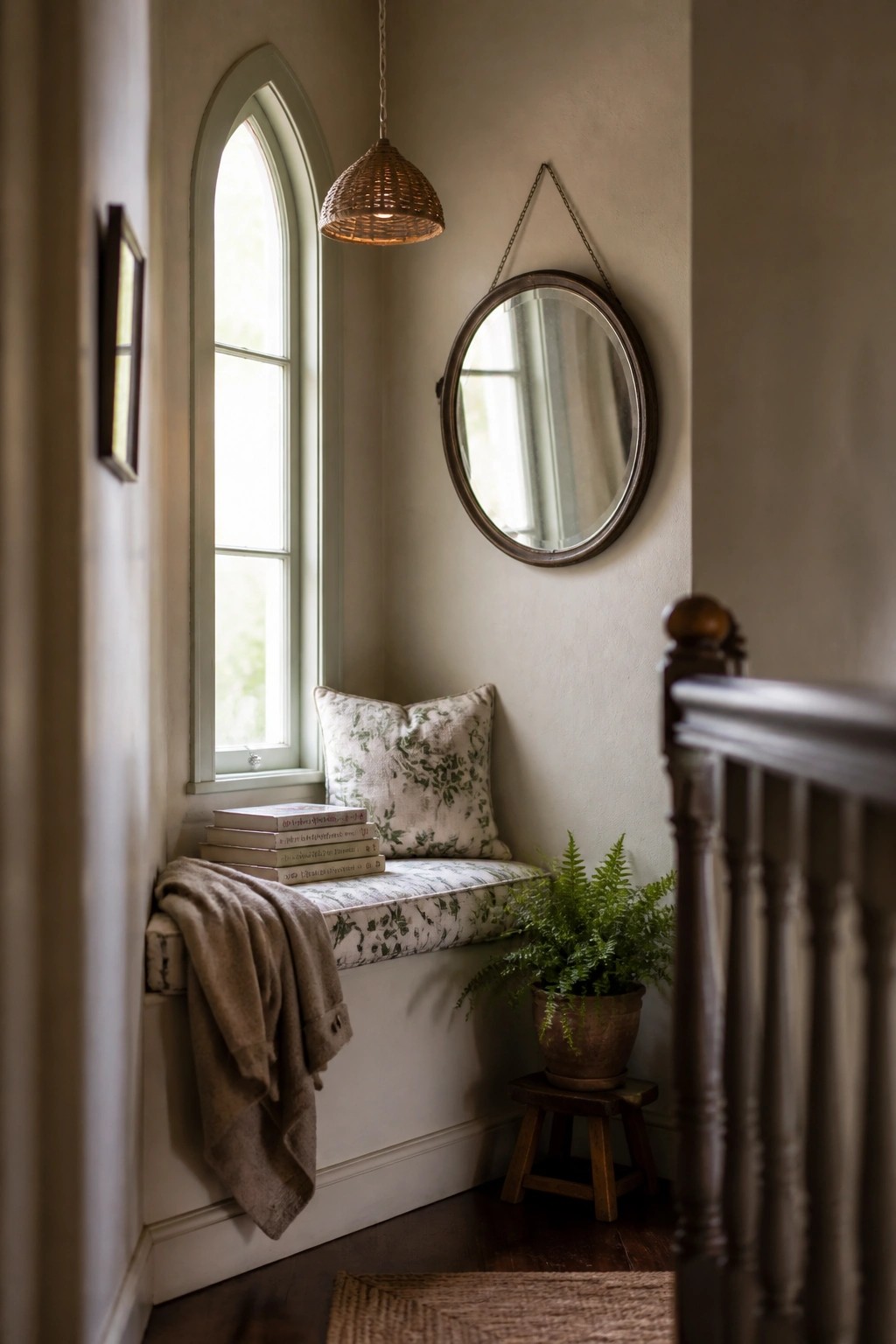
A built-in bench under a window turns an empty corner into a useful spot. It takes advantage of the natural light and gives you a place to sit without adding extra furniture that might crowd the room.
This idea works best in homes with older windows or deeper sills. Keep the cushion simple in a light fabric and add only a few items like books or a small plant so the light stays the main feature.
Adding A Window Seat To Catch The Light

A low bench or daybed placed right under the window turns an empty corner into a place where light actually gets used. The soft layers on top, like a quilt and a few pillows, make it comfortable without blocking the view or the sun.
This setup works well in bedrooms or living rooms that get steady daylight but lack a natural spot to sit. Keep the textiles light and the frame simple so the corner feels open rather than crowded.
Built-In Benches Under Windows
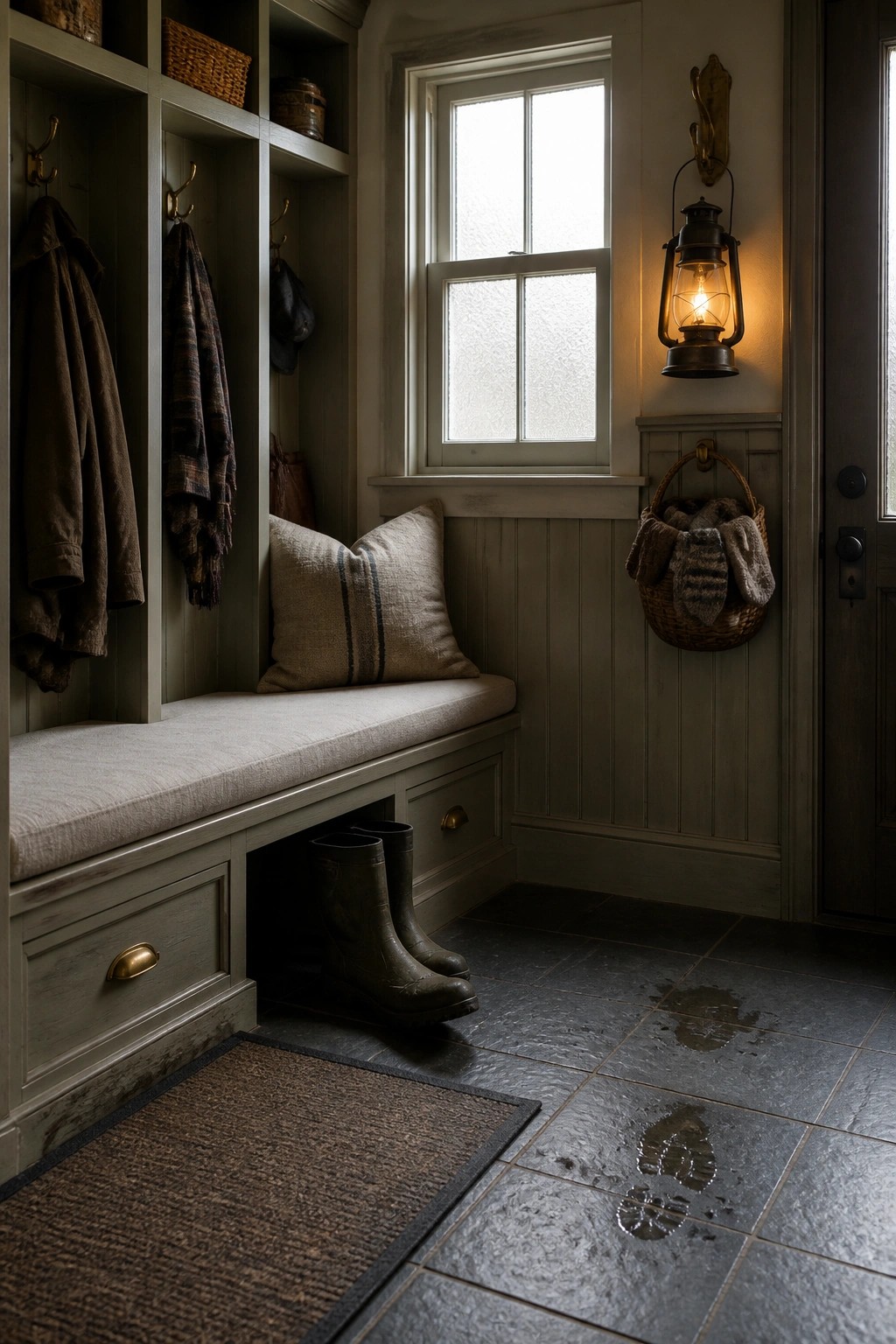
A built-in bench under a window gives you a place to sit while making the most of whatever light comes through. In an entry or mudroom it turns a plain wall into something you actually use every day.
This works best in homes where the window already gets steady light and the space needs a little extra function. Keep the cushion neutral and add simple storage below so the bench stays practical rather than just decorative.
A Chaise Lounge By The Window
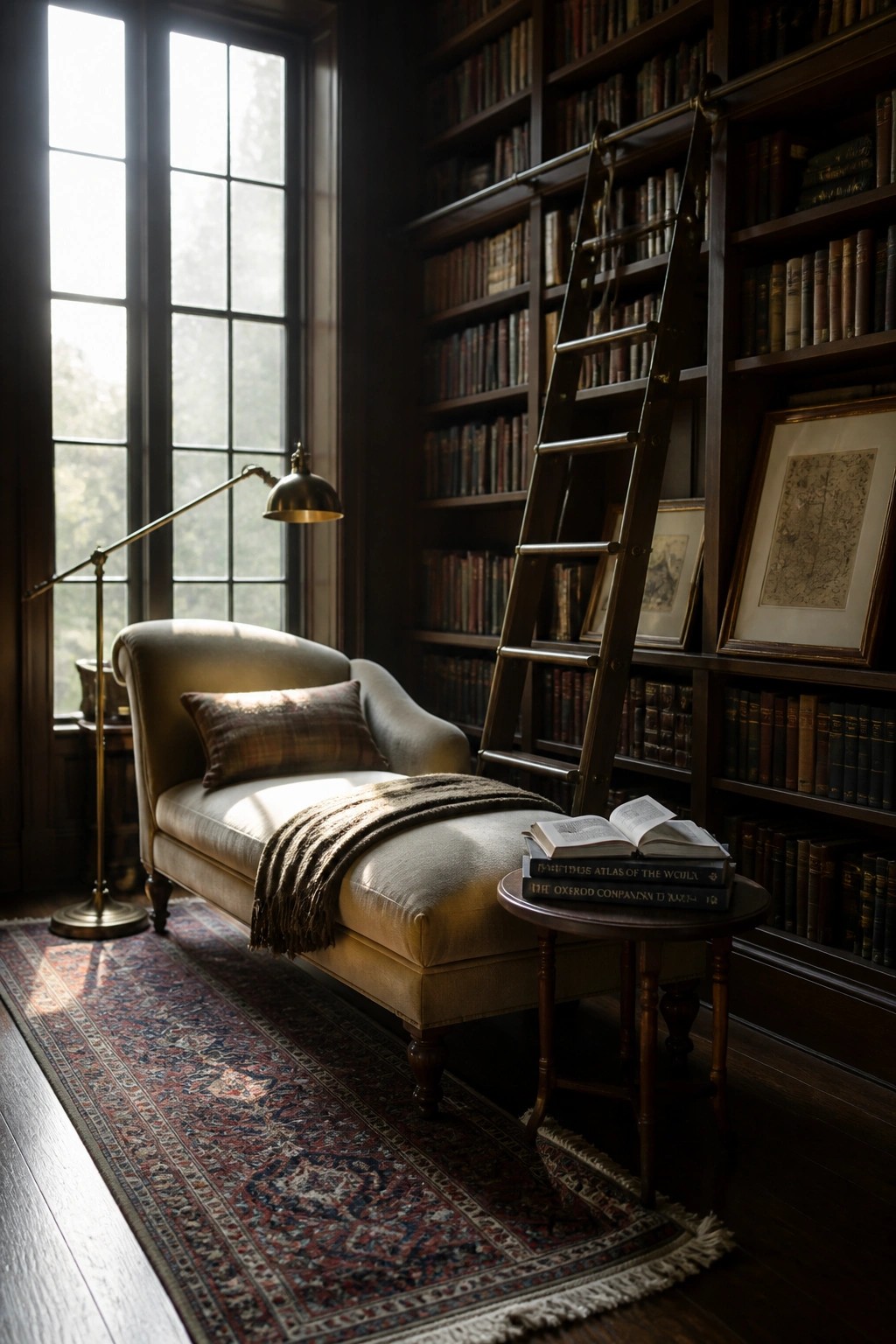
A chaise lounge placed right in a window corner gives you a simple way to turn extra light into a useful spot. It works because the low profile lets the light reach the seat without blocking the view or the room.
This setup suits older homes with tall windows or any space that gets steady daylight. Keep the surrounding area light on furniture so the corner stays open and easy to use for reading or resting.
Position Your Workspace By The Window
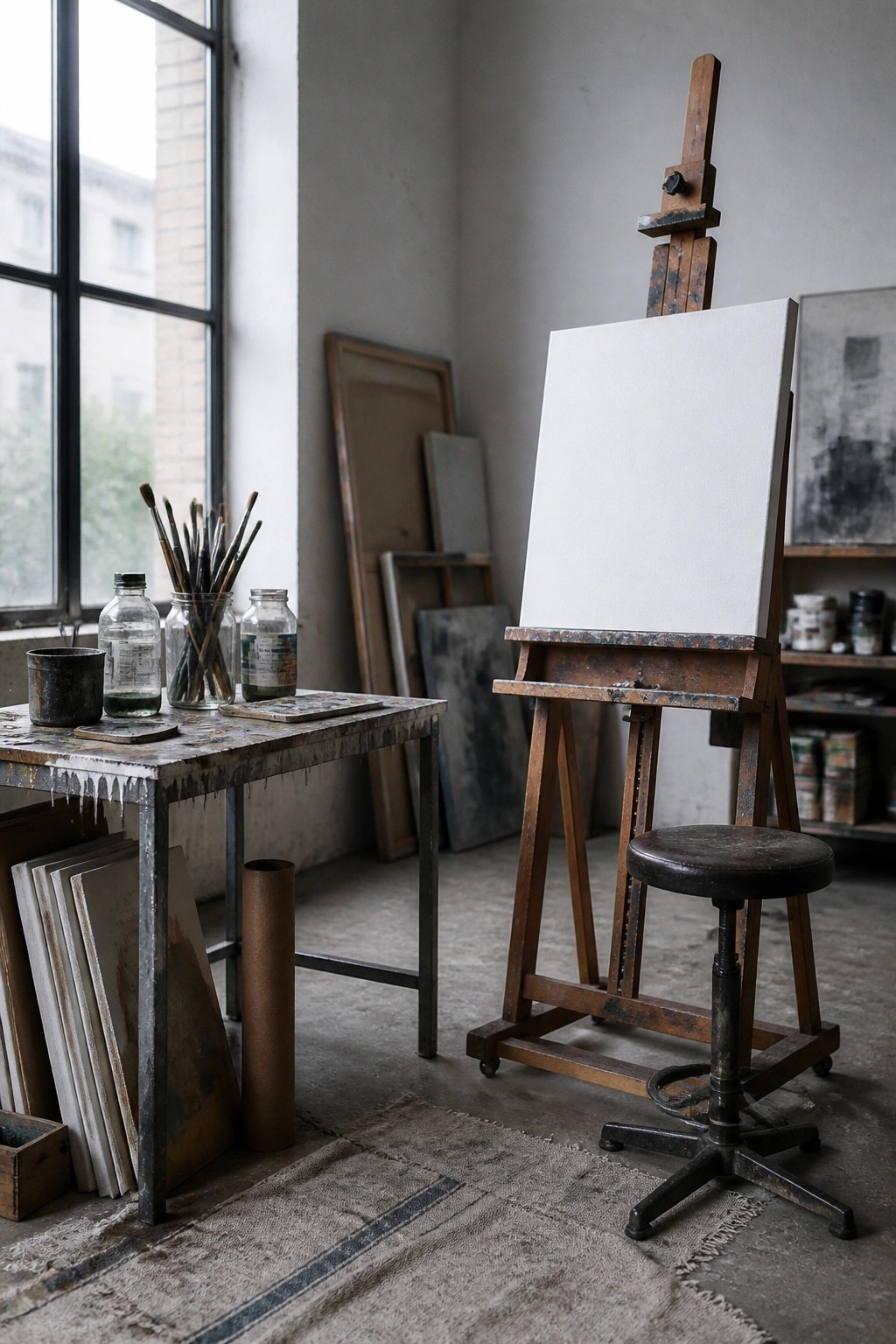
Many people set up a table or easel right next to a large window. The light that comes in makes it easier to see details and colors without needing extra lamps during the day.
This works best in rooms that already have good sized windows. Try placing the main work surface so the light comes from the side or slightly behind you. It suits older homes or any space where you do hands on creative work.
A Vanity In The Window Corner
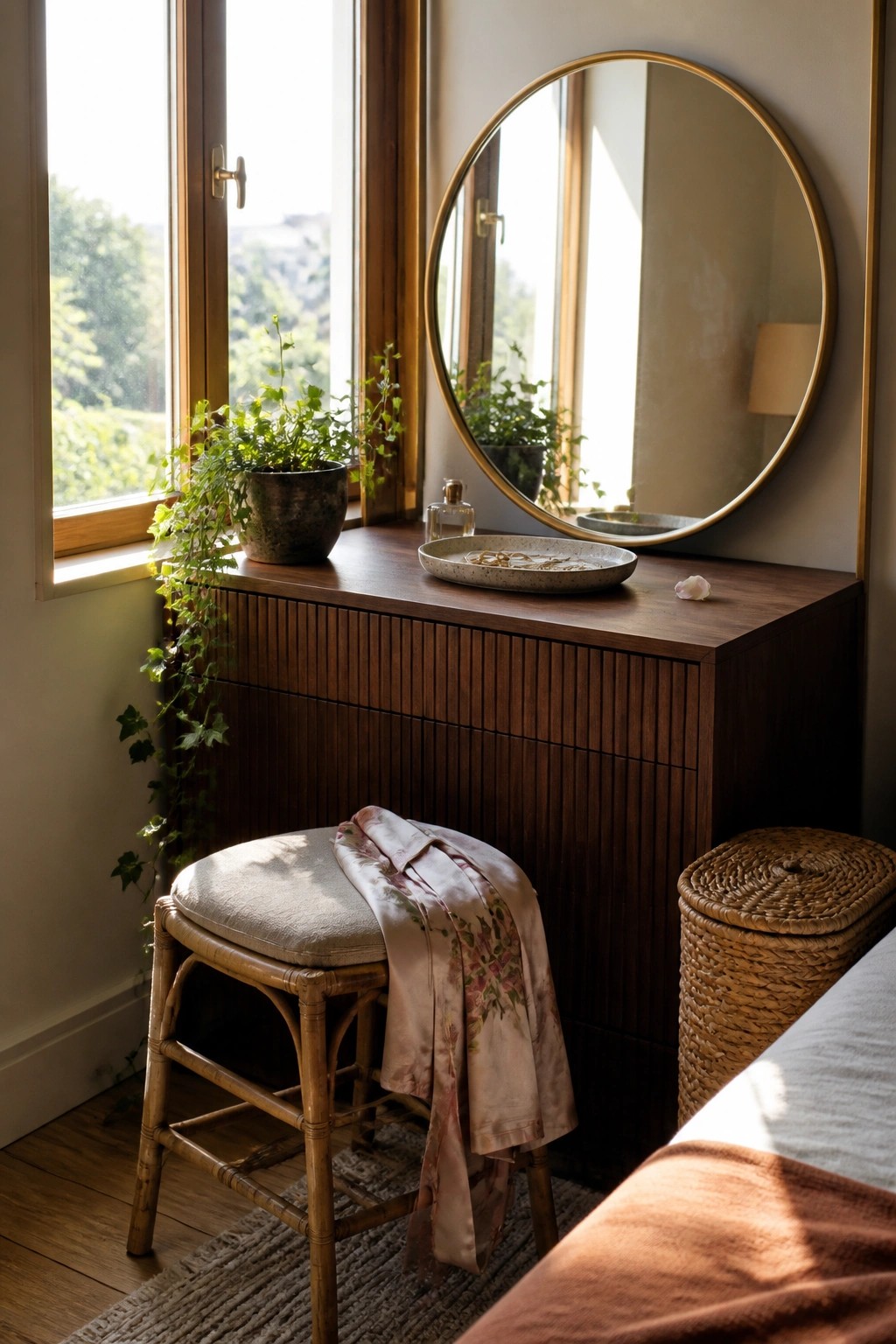
Placing a vanity right by the window gives you steady natural light for getting ready. It turns an underused corner into a practical spot without needing extra lamps during the day.
This setup works best in bedrooms where the window has enough wall space below it. Keep the piece low and pair it with a simple seat so the area stays open and the light still reaches the rest of the room.
Frequently Asked Questions
Q: How do I keep my plants from blocking too much light in a small corner?
A: Trim them regularly and choose varieties that grow upward rather than outward. Place taller ones toward the back so the sun still reaches the rest of the space. Rotate them every few weeks to keep growth even.
Q: Can I add a reading chair if the corner already feels tight?
A: Pick a slim profile with an open back. Angle it toward the window so it catches the light without crowding the floor. Leave a little breathing room around it for easy movement.
Q: What happens to fabric items left in strong natural light all day?
A: Colors fade over time. Choose fade-resistant materials or shift cushions and throws around every month. Light curtains help filter the rays without cutting off the view.
