
Imagine walking into your home after a long day, and with a simple voice command, the lights come on, creating the perfect ambiance. Sounds like something out of a sci-fi movie, right? Well, with the power of Alexa and smart lights, this futuristic experience can be a reality in your own living space.
Have you ever struggled with fumbling for light switches in the dark or wished you could control your home’s lighting effortlessly? Setting up smart lights with Alexa is not only convenient but also adds a touch of modernity to your home. In this article, we’ll guide you through the simple steps to transform your living environment into a smart, voice-controlled oasis.
Get ready to say goodbye to the hassle of traditional light switches and hello to a more convenient and connected way of illuminating your home. Let’s dive into the world of smart lighting with Alexa and discover how you can elevate your living experience with just a few simple setup tips.
Key Takeaways
- Smart lights can be controlled remotely using smartphones, voice assistants, or home automation systems like Alexa.
- Benefits of smart lights include convenience, energy efficiency, and customization for different lighting scenes.
- Popular smart light brands compatible with Alexa include Philips Hue, LIFX, and Sengled.
- Setting up smart lights with Alexa involves installing smart bulbs, downloading the app, connecting to Alexa, and using voice commands for control.
- Grouping lights by room, setting schedules, experimenting with colors, and adjusting brightness levels are essential steps for maximizing smart light functionality with Alexa.
- Troubleshooting tips for common smart light setup issues include ensuring proper connectivity, checking for firmware updates, and clarifying voice commands.
Understanding Smart Lights
To set up smart lights with Alexa, you first need to understand the basics of how smart lights work. Smart lights are light bulbs that can be controlled remotely using a smartphone, voice assistant, or home automation system like Alexa. These lights can be turned on or off, dimmed, or even change color using your voice or an app.
Benefits of Smart Lights
Smart lights offer various benefits, such as:
- Convenience: You can control your lights without getting up or using a switch.
- Energy Efficiency: Many smart lights are LED, which is energy-efficient and can help reduce your electricity bills.
- Customization: You can create different lighting scenes for various activities, such as movie nights or relaxation.
How Smart Lights Work with Alexa
To integrate smart lights with Alexa, you typically need a smart home hub or bridge that connects your lights to your Alexa device. This hub acts as a bridge between your smart lights and the Alexa system, allowing you to control your lights using voice commands.
Popular Smart Light Brands
Some popular smart light brands that work seamlessly with Alexa include:
- Philips Hue: Offers a wide range of smart bulbs and light strips.
- LIFX: Provides vibrant color options and easy setup.
- Sengled: Known for its affordable smart light options.
Setting Up Smart Lights with Alexa
To set up smart lights with Alexa, follow these general steps:
- Install Your Smart Lights: Replace your traditional bulbs with smart bulbs from a compatible brand.
- Download the App: Download the app provided by the smart light manufacturer.
- Connect to Alexa: Use the Alexa app to discover and connect your smart lights.
- Voice Control: Start controlling your lights with simple voice commands like “Alexa, turn off the living room lights.”
- Group Lights: Create groups for different rooms or areas in your home for easy control.
- Set Schedules: Schedule your lights to turn on or off at specific times, adding convenience and security.
- Experiment with Colors: Have fun experimenting with different colors to create the right ambiance for any occasion.
Understanding smart lights is the first step towards creating a connected and convenient lighting experience in your home with the help of Alexa.
Setting Up Alexa for Smart Home Integration
To integrate your smart lights with Alexa seamlessly, follow these straightforward steps to set up your home for voice-controlled convenience.
Recommended Products
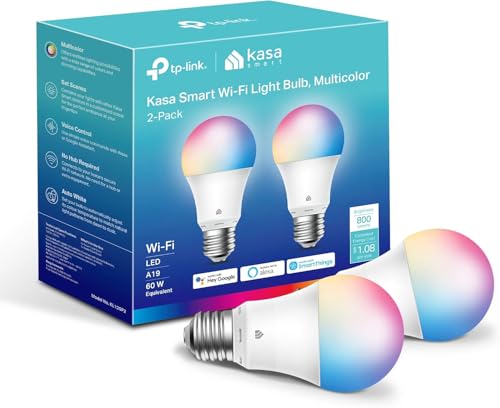
Multicolor & Auto White: Dimmable 16 million colors and warm to cool whites(2500K-6500K). Set your bulb to automatically adjust its color temperature to match natural light patterns from dawn to dusk. Explore endless lighting possibilities to create your favorite light effects for everything from a dinner party to a late-night study session. Great for holiday decorations.

SMART UPGRADE FOR CONVENIENCE AND ENERGY EFFICIENCY : Control your Amazon Basics smart light bulbs using your voice or via the Alexa app, no more turning on/off each individual light switch. Create custom routines to schedule your lights automatically at sunset and sunrise and save energy. You can change colors of your lights for a movie night with family or friends. Works Exclusively with Alexa. Not compatible with Google Assistant, Apple HomeKit, Smart Things.
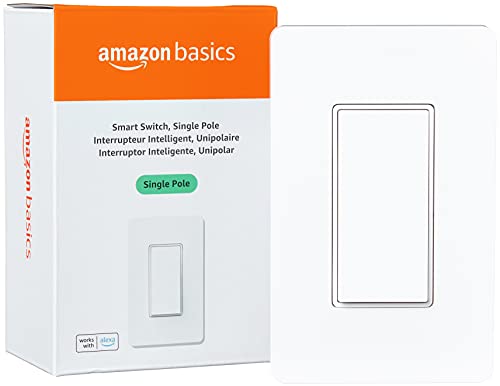
SMART UPGRADE: Transform your home by upgrading to a smart switch that works seamlessly with Alexa, providing convenient voice control for an enhanced living experience
Connecting Smart Lights to Alexa
- Check Compatibility: Ensure your smart lights are compatible with Alexa by checking the manufacturer’s instructions or the product packaging.
- Install Smart Hub (if needed): If your smart lights require a hub, install and set it up according to the manufacturer’s guidelines.
- Enable Skill: Open the Alexa app on your smartphone and enable the skill for your smart light brand.
Adding Smart Lights to Alexa
- Discover Devices: In the Alexa app, go to “Devices” and select “Add Device” to search for your smart lights.
- Pair Devices: Follow the on-screen instructions to pair your smart lights with Alexa; make sure they’re connected to the same Wi-Fi network.
Voice Commands and Groups
- Control Lights with Voice: You can now use voice commands like “Alexa, turn on the living room lights” to control your smart lights effortlessly.
- Create Light Groups: Group your smart lights by room or area to control multiple lights with a single command.
Scheduling and Routines
- Setting Schedules: Use the Alexa app to schedule your smart lights to turn on or off at specific times, enhancing security and convenience.
- Create Routines: Customize routines to automate multiple actions with a single command; for example, set a “Good Night” routine to dim all lights before bedtime.
- Experiment with Colors: Explore the color options of your smart lights to create different ambiances for various activities or moods.
- Adjust Brightness: Control the brightness levels of your smart lights through Alexa voice commands or the app for personalized lighting experiences.
By following these steps, you can successfully set up Alexa for smart home integration, transforming your living space into a convenient, voice-controlled haven with personalized lighting options.
Connecting Smart Lights to Alexa
To connect your smart lights to Alexa seamlessly and enjoy the convenience of voice-controlled illumination, you need to ensure a few key steps are followed. Here’s how you can achieve a hassle-free integration:
Recommended Products

Voice Control: After being paired with the free SmartLife app via Wi-Fi, these smart bulbs work with Alexa and Google Assistant for hands-free voice control.

WHEN RELIABILITY MATTERS: The Lutron Smart Hub works without Wi-Fi, providing ultra-fast, reliable performance beyond a typical wifi switch for dependable smart lighting

App-Guided Install: The Kasa or Tapo app guides you through step-by-step setup. Requires neutral wiring and 2.4 GHz Wi-Fi. Consulting an electrician is recommended if you’re unfamiliar with electrical wiring
Checking Compatibility
Before you begin, ensure that your smart lights are compatible with Alexa. Check the manufacturer’s specifications or website to confirm compatibility with Amazon Alexa.
Installing a Smart Hub (if Required)
If your smart lights require a hub for connectivity, make sure to install and set up the hub according to the manufacturer’s instructions before proceeding with the Alexa integration.
Enabling the Skill in the Alexa App
Open the Alexa app on your smartphone and navigate to the skills section. Search for the skill related to your smart lights’ brand, e.g., Philips Hue, and enable it to allow Alexa to communicate with your lights.
Adding Smart Lights to Alexa
Once the skill is enabled, you can easily add your smart lights to Alexa by following the prompts in the app. This step usually involves discovering new devices within the Alexa app.
Using Voice Commands
After successfully adding your smart lights to Alexa, you can start controlling them using voice commands. Simply speak commands such as “Alexa, turn on/off [light name],” or “Alexa, dim [light name] to 50%.”
Creating Light Groups
To control multiple lights simultaneously, consider creating groups within the Alexa app. Grouping lights allows you to manage different areas or settings with a single voice command.
Setting Schedules
Take advantage of Alexa routines to schedule when your smart lights turn on or off. This feature is particularly useful for automating your lighting based on your daily routines.
Adjusting Brightness and Colors
Experiment with adjusting the brightness levels and colors of your smart lights using voice commands or the Alexa app. Personalize your spaces by setting the ambiance that suits your mood or activities.
By following these steps, you can seamlessly connect your smart lights to Alexa and explore the endless possibilities of creating a smart, voice-controlled lighting environment in your home.
Voice Controlling Smart Lights with Alexa
To control your smart lights effortlessly, Alexa offers a seamless voice control experience. By following these steps, you can transform your home into a voice-activated haven where adjusting lighting is just a spoken command away.
Checking Compatibility with Alexa
Before getting started, ensure that your smart lights are compatible with Alexa. Most reputable smart light brands like Philips Hue, LIFX, and Sengled integrate well with Alexa for smooth voice control functionality.
Installing a Smart Hub (If Required)
If your smart lights require a hub for connectivity, make sure to install and set it up according to the manufacturer’s instructions. The hub acts as a bridge between your smart lights and Alexa, enabling communication between the devices.
Enabling the Skill in the Alexa App
Next, navigate to the Alexa app on your smartphone or tablet. Search for the skill associated with your smart lights and enable it to allow Alexa to recognize and interact with your lighting system seamlessly.
Adding Smart Lights to Alexa
Once the skill is enabled, proceed to add your smart lights to the Alexa app. This step will link your lights to Alexa, granting you the ability to control them using voice commands.
Using Voice Commands for Control
With your smart lights successfully added to Alexa, you can now use simple voice commands like “Alexa, turn on the living room lights” or “Alexa, dim the bedroom lights to 50%” to adjust the lighting according to your preferences.
Creating Light Groups and Setting Schedules
To further enhance convenience, consider grouping your smart lights based on rooms or areas within your home. Additionally, you can schedule lighting changes to automate the ambiance according to your daily routine or preferences.
Adjusting Brightness and Exploring Color Options
Experiment with brightness levels by instructing Alexa to increase or decrease the intensity of your smart lights. You can also explore a spectrum of colors by instructing Alexa to change the color of compatible smart bulbs to suit different moods or occasions.
By following these straightforward steps, you can enjoy the ease and flexibility of controlling your smart lights with Alexa’s voice commands, adding a touch of modernity and convenience to your living space.
Troubleshooting Smart Light Setup with Alexa
Facing issues when setting up your smart lights with Alexa can be frustrating, but don’t worry, we’ve got you covered! Here are some common problems you might encounter and simple solutions to troubleshoot them effectively:
Recommended Products

Stability Upgrade Quick Connection:Supports Bluetooth or WiFi connection.The improved WiFi technology let you quick connection and stay stable,no disconnection worries. Please keep the smart plug connected to your stable 2.4GHz network.(Note: Only 2.4Ghz WiFi)


Multicolor & Auto White: Dimmable 16 million colors and warm to cool whites(2500K-6500K). Set your bulb to automatically adjust its color temperature to match natural light patterns from dawn to dusk. Explore endless lighting possibilities to create your favorite light effects for everything from a dinner party to a late-night study session. Great for holiday decorations.Voice Control: Get hands-free control of your lights with your voice via Amazon Alexa or Google Assistant. Perfect for times when your hands are full or entering a dark room.
Common Issues:
- Alexa Can’t Discover Lights:
- If Alexa is unable to discover your smart lights, ensure that they are powered on and within range of your Wi-Fi network.
- Check if the smart lights and Alexa device are connected to the same Wi-Fi network. Reboot both devices if needed.
- Difficulty Controlling Lights with Voice Commands:
- Make sure your voice commands are clear and match the names you’ve assigned to your smart lights.
- Check if the lights are correctly named in the Alexa app to avoid confusion.
- Lights Not Responding Consistently:
- Verify that the smart hub, if used, is functioning correctly and is connected to both the lights and Alexa.
- Check for any firmware updates for your smart lights and install them to improve performance.
- Connectivity Issues with Smart Hub:
- Ensure that the smart hub is connected to your Wi-Fi network properly and is receiving a stable internet connection.
- Place the smart hub in a central location to improve connectivity with both the lights and Alexa.
- Dimming/Brightening Problems:
- If the brightness adjustment isn’t working as expected, reset the smart lights and re-add them to the Alexa app.
- Check for any conflicting routines or schedules that might be affecting the brightness changes.
- Restarting your Alexa device and smart lights can often resolve minor connectivity issues.
- Updating the firmware of your smart lights and Alexa devices regularly can help prevent compatibility issues.
By following these troubleshooting tips, you can quickly address common problems when setting up your smart lights with Alexa, ensuring a seamless and hassle-free smart home lighting experience.
Conclusion
Setting up smart lights with Alexa can truly transform your home into a more convenient and efficient space. By following the steps outlined in this article, you can enjoy the benefits of voice-controlled lighting with ease. Remember, troubleshooting common issues is part of the process, but with a few simple solutions, you can overcome any challenges that may arise. Regular firmware updates and optimizing your smart hub placement are key to ensuring a seamless smart home lighting experience. Embrace the future of home automation by integrating smart lights with Alexa, and you’ll never look back. Get ready to bask in the glow of a well-lit, voice-controlled home environment that caters to your every need.
Frequently Asked Questions
How do I set up smart lights with Alexa for voice control?
To set up smart lights with Alexa, start by installing the smart light bulbs, downloading the corresponding app, and enabling the skill in the Alexa app. Use voice commands like “Alexa, discover devices” to connect the lights to your Alexa device.
What are the benefits of setting up smart lights with Alexa?
Setting up smart lights with Alexa allows for hands-free control, scheduling routines, adjusting brightness and colors, and integrating with other smart devices to create a seamless smart home experience.
What are common issues when setting up smart lights with Alexa?
Common issues include Alexa not discovering lights, difficulty controlling lights with voice commands, inconsistent light responses, connectivity problems with the smart hub, and dimming/brightening issues.
How can I troubleshoot common issues with smart lights and Alexa?
Troubleshooting steps include checking Wi-Fi connections, verifying device names, updating firmware, optimizing hub placement, ensuring compatibility, and keeping software up to date for a smooth user experience.
