

Living rooms often end up with corners that stay empty because the main seating already takes up most of the floor space.
I notice this most when family members end up standing or perching on armrests instead of settling in comfortably.
Small seating additions in those spots change the whole flow.
The setups that hold up best usually place the chair at an angle that still lets someone join the conversation without blocking the path to the kitchen or hallway.
I would try the ones that use an existing side table or lamp first since those feel less like adding new furniture and more like making the room work harder.
Build A Window Bench For Extra Seating

A built-in window bench turns an empty corner into usable seating without crowding the room. It fits neatly under the windows and gives people a spot to sit while keeping the floor open for movement.
This idea works best in rooms with wide windows and some wall space on either side. You can add a thick cushion for comfort and use the space below for storage so the seat stays practical in everyday use.
A Rounded Armchair With A Woven Ottoman
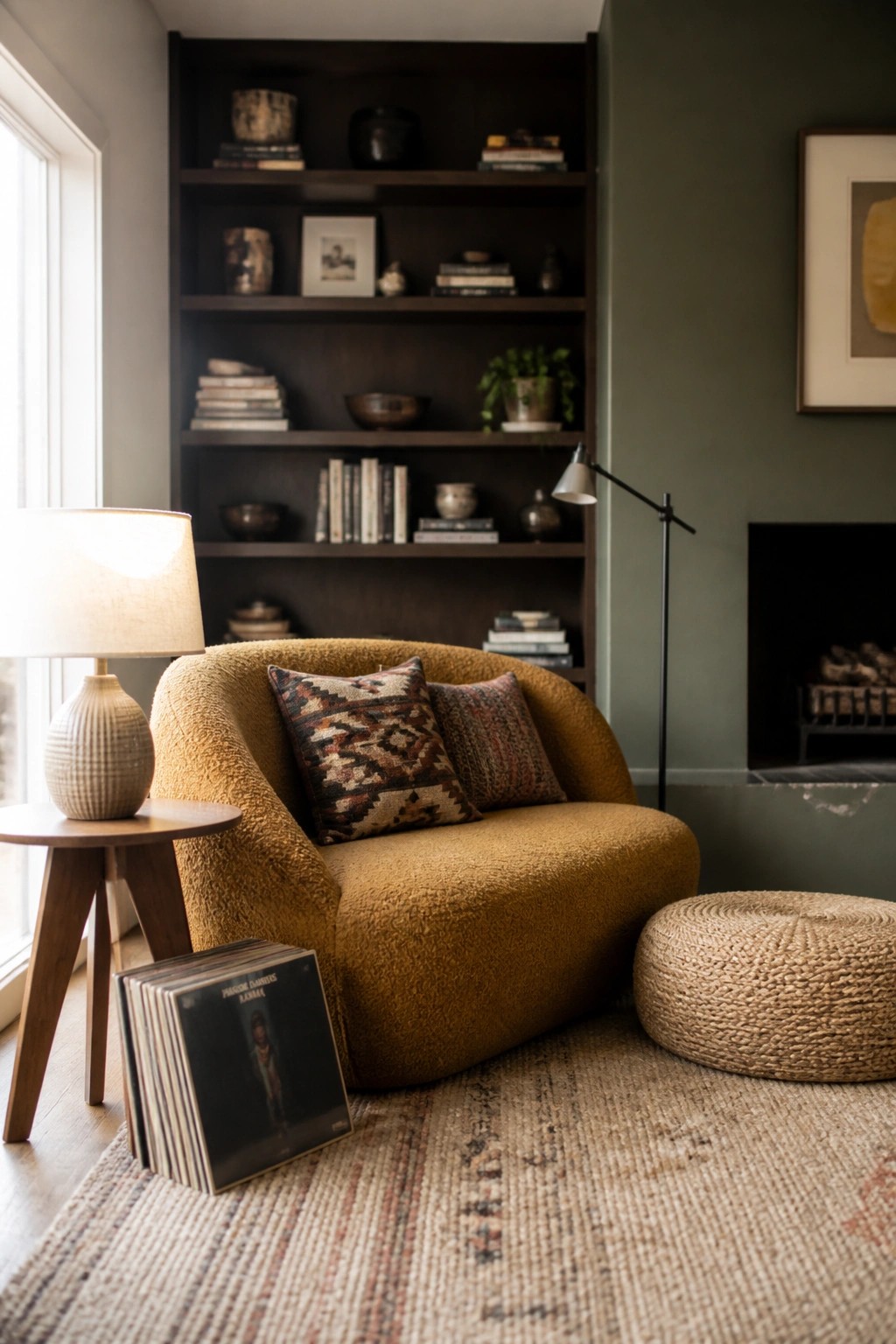
A rounded armchair paired with a low woven ottoman gives you extra seating that feels relaxed and easy to move around. The shape keeps the corner from looking too boxy, and the ottoman adds a place for feet or another person without taking up much space.
This setup works best in rooms that already have built-ins or a fireplace nearby, since it turns leftover floor area into something useful. Try it in smaller living rooms where a full sofa would crowd things, and keep the fabrics simple so the pieces can shift as needed.
Built-In Corner Benches For Extra Seating
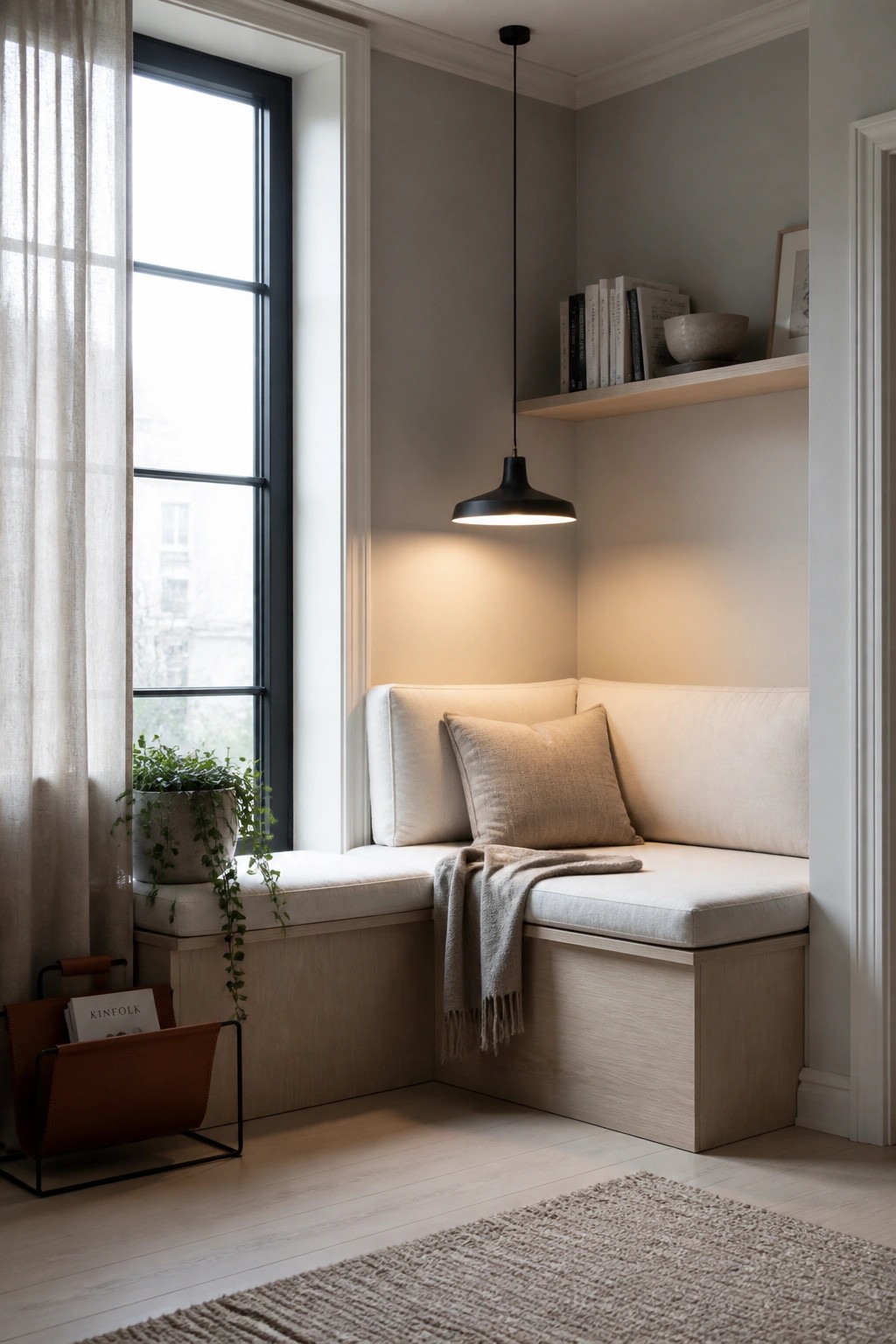
A built-in bench turns an unused corner into real seating without taking up much floor space. It works especially well near a window, where the seat feels tucked away but still part of the room.
This setup suits smaller living rooms or homes that need flexible spots for guests. The base can double as storage for blankets or books, and keeping the cushions light helps the whole area stay bright.
Built-In Bench Seating With Storage
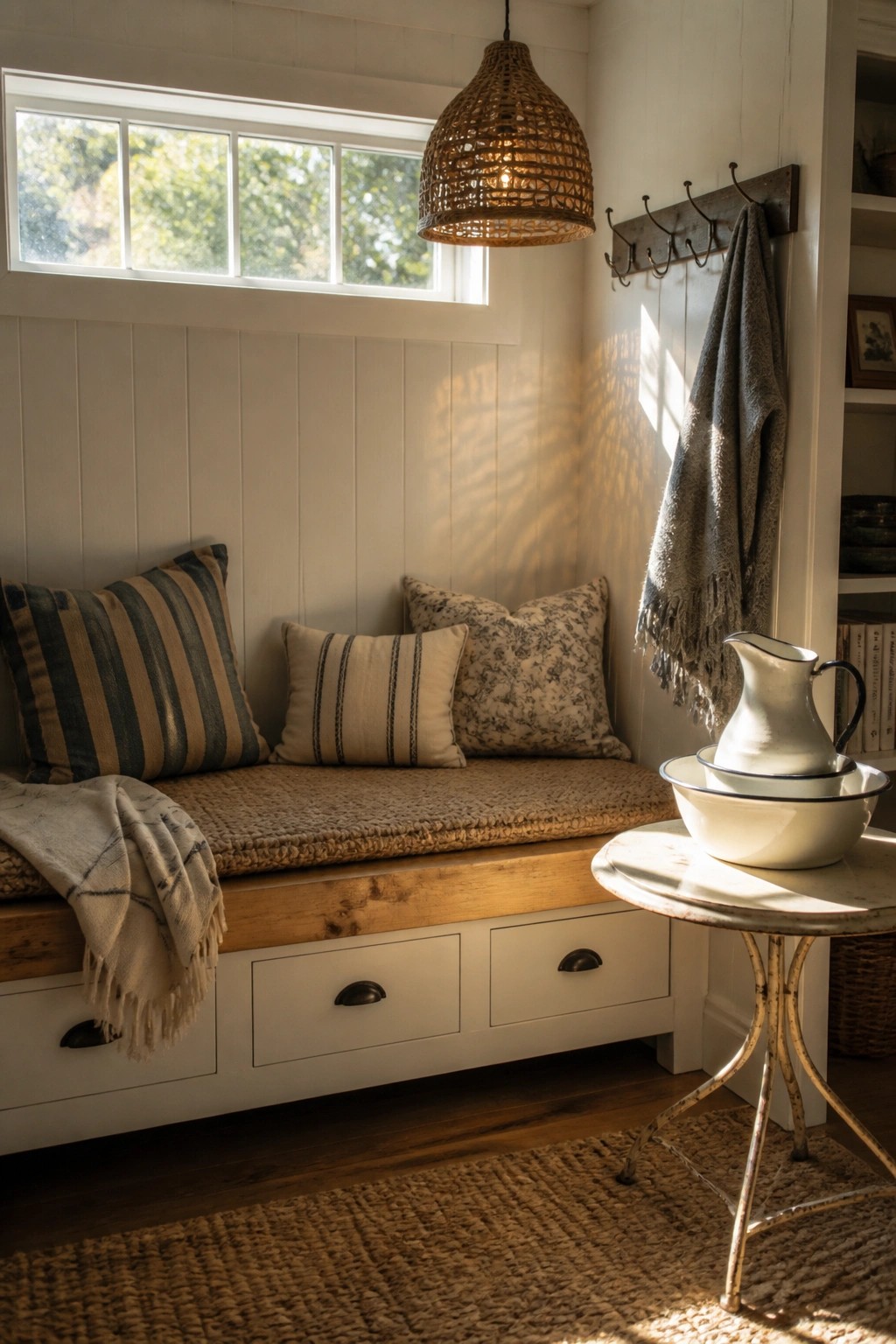
A built-in bench under a window creates extra seating in a corner while keeping the floor clear. It works well because the seat doubles as storage, so you can tuck away blankets or pillows when they are not in use.
This idea fits best in smaller living rooms or homes that need flexible seating without adding more chairs. Use a simple cushion on top and keep the drawers easy to reach so the bench stays practical day to day.
Swivel Chairs Add Flexible Corner Seating

Two swivel chairs can turn a quiet corner into a spot that actually gets used. Because they rotate, people can face each other for conversation or turn toward the rest of the room without moving the furniture around.
This arrangement works best in living rooms that need one more seating area but lack space for a full sofa. Keep the table between the chairs small so the setup stays open and easy to walk around.
Add a Floor Pouf for Flexible Seating
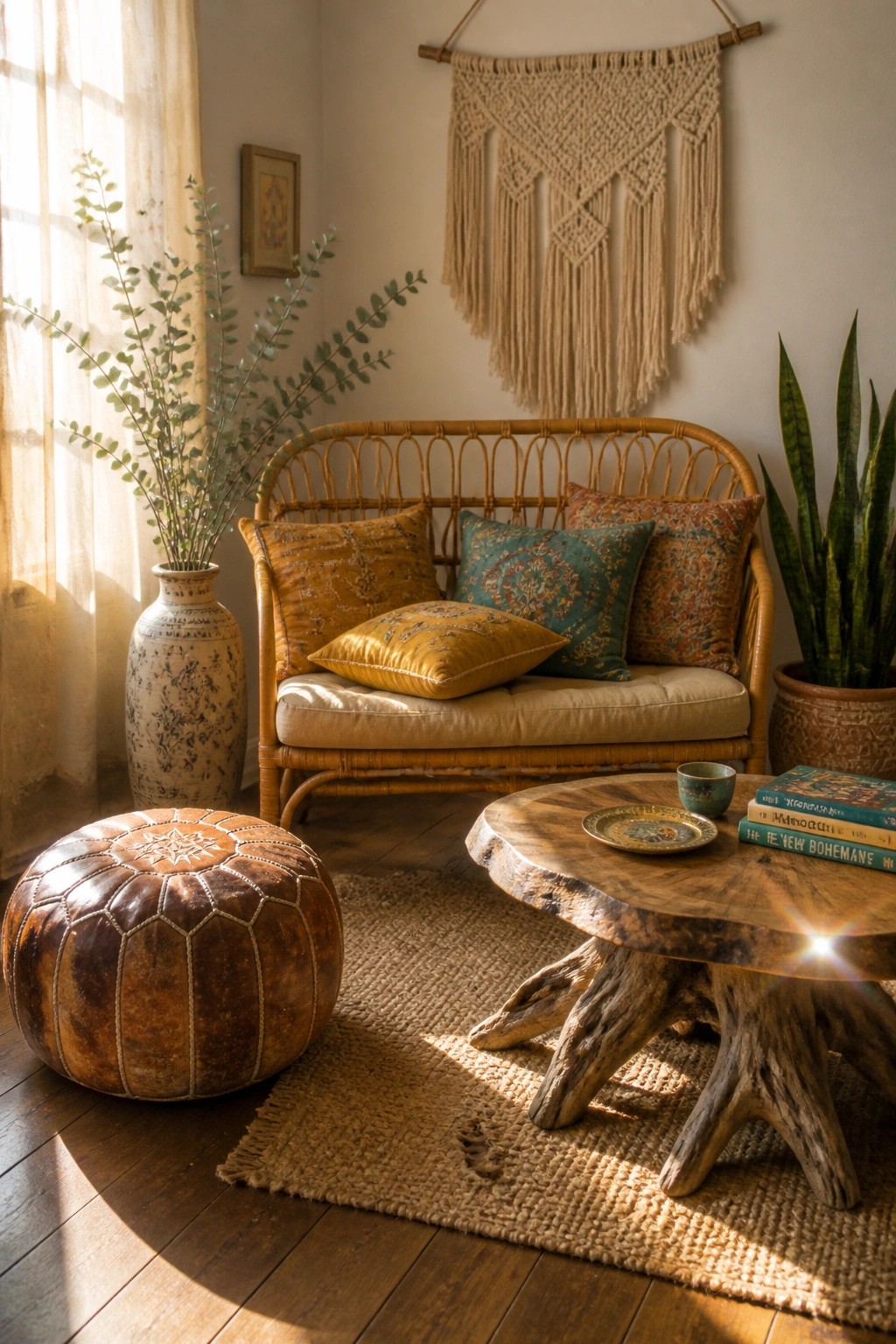
A floor pouf gives you extra seating without taking up much space or looking bulky. It works especially well in corners where a full chair might feel too big or in the way.
Place it near a sofa or bench so people can pull it out when needed and tuck it back when the room feels crowded. This setup suits smaller living rooms or homes that like casual, movable furniture over fixed pieces.
A Floating Bench With Tucked Stools
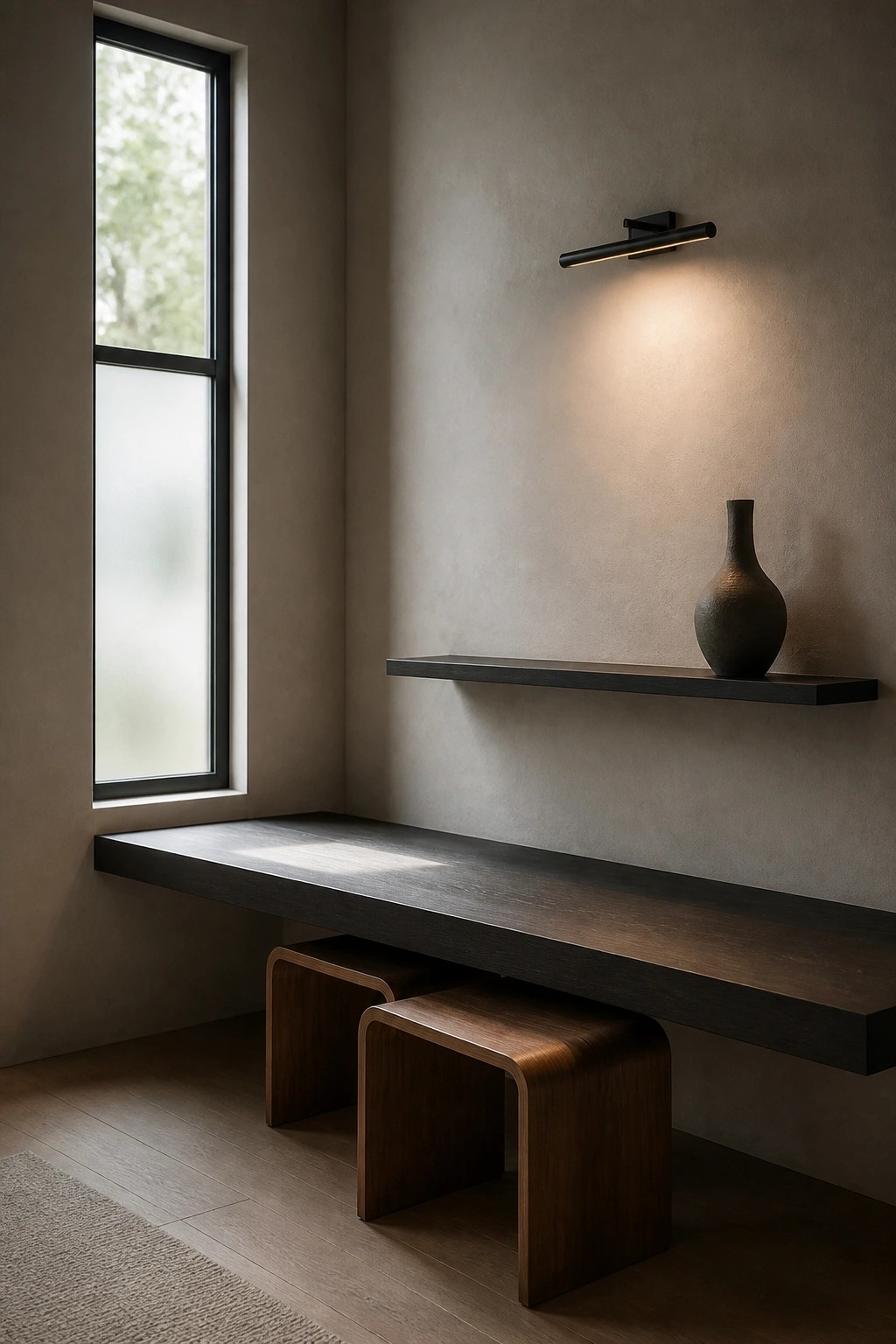
A long floating bench gives you seating without taking up much floor space. It works well in corners where a full sofa would feel too heavy, and the stools slide underneath when you do not need them.
This setup suits smaller living rooms or homes that need flexible seating for guests. Keep the bench narrow so the room stays open, and choose stools that match the bench material for a clean look.
Sofa by the Window Creates Extra Seating

A sofa tucked into the corner right by a large window gives you extra seating without crowding the rest of the room. The position makes the space feel brighter and more open, and it turns the corner into a spot people actually want to use.
This works well in living rooms that need more places to sit but do not have room for another chair. Keep the sofa deep enough for comfort and add a mix of pillows so guests can settle in. It suits homes with good natural light and pairs nicely with a small side table for drinks or books.
Leather Chair And Ottoman By The Fire
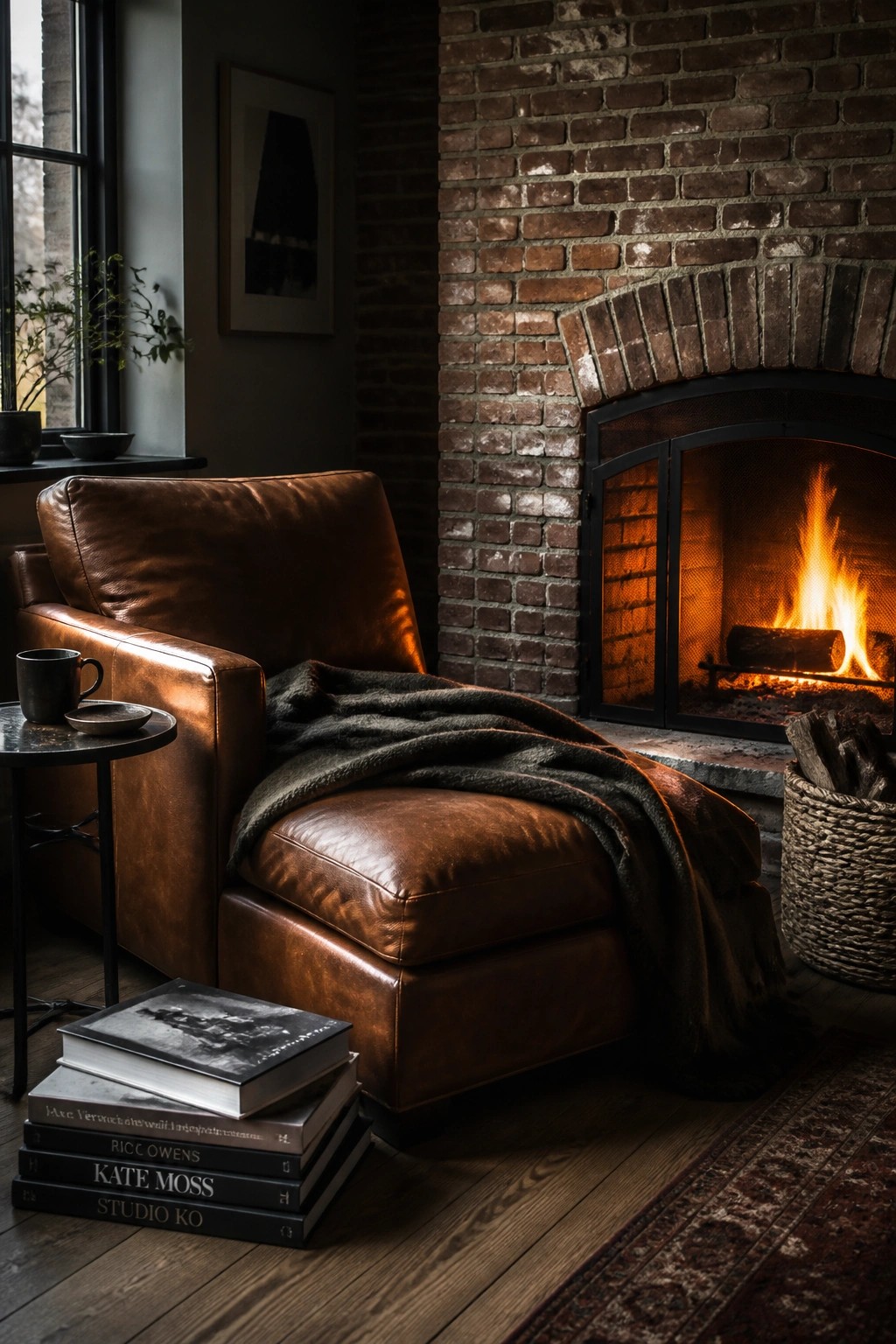
A leather armchair paired with an ottoman makes a simple but effective extra seating spot in a living room corner. The combination feels substantial without crowding the space, and the ottoman gives you the option to stretch out or pull up another seat when guests arrive.
This setup works best near a fireplace or in a quiet corner that already has good natural light. Keep the surrounding pieces minimal so the chair and ottoman stay the main focus rather than competing with too many other furnishings.
Ottomans For Extra Corner Seating

A pair of ottomans placed right in front of the sofa turns a simple corner into a spot that can seat more people without crowding the room. They sit low and take up little visual space, so the area still feels open even when someone pulls one over to sit.
This works best in smaller living rooms where a full chair would feel too big. Pick ottomans that are firm enough to sit on and keep trays on top so they double as a surface when not needed for seating.
A Corner Sofa For Extra Seating

A small sofa placed in the corner adds seating without taking over the room. It turns an empty spot into a useful place to sit, and the scale keeps everything feeling balanced rather than cramped.
This setup works well in traditional homes where you want extra seats for guests but do not have a large space. Keep the surrounding pieces simple, like a side table and a rug, so the corner stays practical and easy to use every day.
Use A Bench For Corner Seating

A bench gives you extra seating in spots where a sofa or chairs would feel too big. It fits neatly into corners or under stairs and keeps the room open while still offering a place to sit.
This works best in smaller homes or rooms that need flexible seating. Keep the bench low and simple so it does not block movement, and place it against a wall or textured surface for a bit of visual weight.
Built-In Corner Benches For Extra Seating

Many homes have empty corners that feel wasted, especially under stairs. A built-in bench turns that space into useful seating while keeping the room open and uncluttered.
This approach works best in smaller living rooms or homes that need more places to sit without adding another sofa. The storage drawers below keep blankets or books out of sight, and a simple cushion on top makes the bench comfortable enough for daily use.
Built-In Bookshelves Create a Quiet Corner for Seating

Tucking a pair of chairs into a corner and wrapping them with built-in shelves gives the space a clear purpose. The shelves turn what might feel like leftover wall space into a spot that invites people to sit and stay awhile.
This setup works best in living rooms that already have some empty wall area along two sides. It suits homes that need both extra seating and storage without adding more furniture. Keep the chairs simple so the corner stays open and easy to move around.
Add A Window Bench For Extra Seating
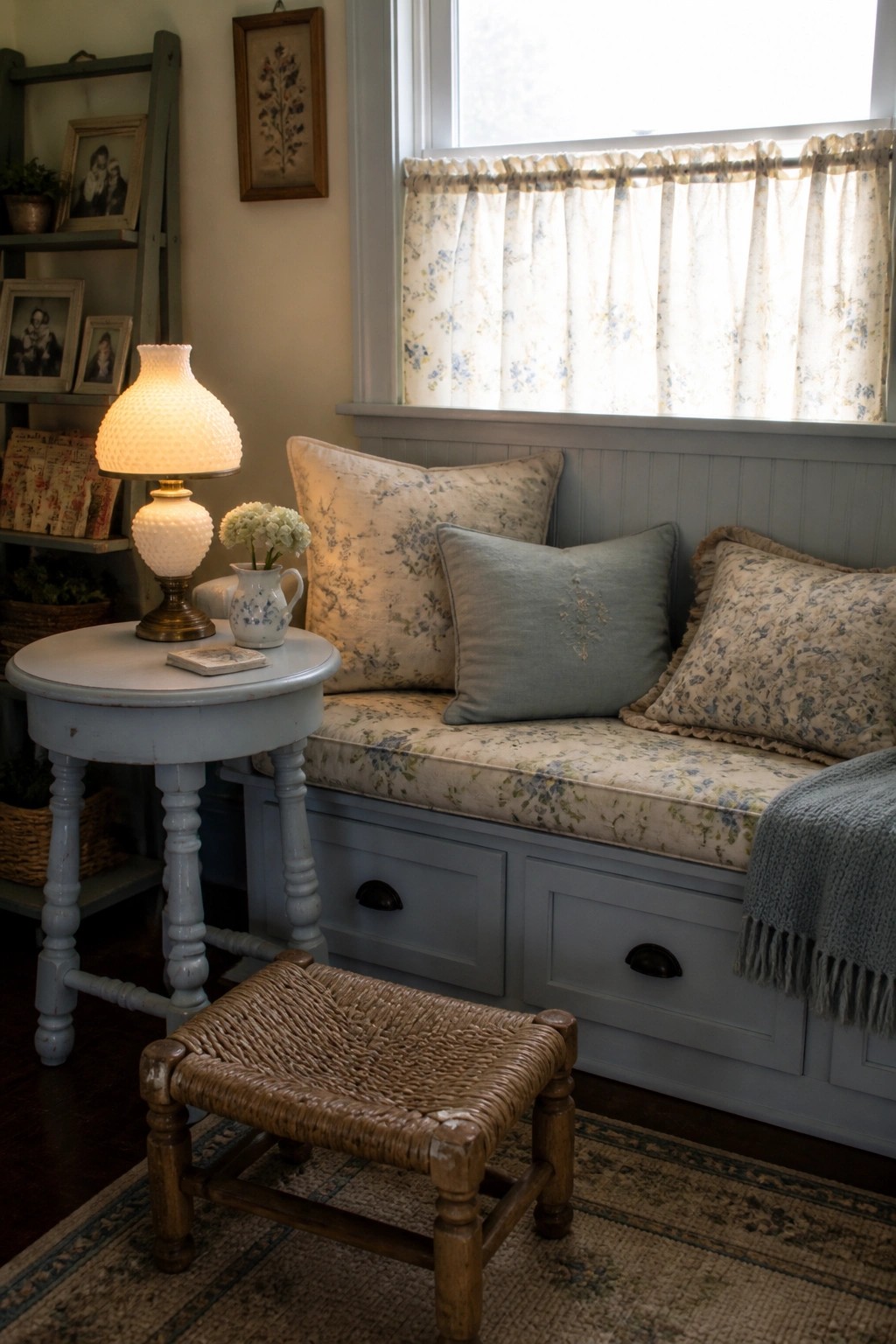
A window bench gives you extra seating in a living room corner without adding another chair or sofa. It makes use of space that often sits empty and turns it into a comfortable spot to sit and relax.
This works best in rooms with a decent window and some wall depth. Keep the bench simple with a few cushions and use the drawers underneath for blankets or books if you have them.
A Chaise Lounge for Extra Corner Seating
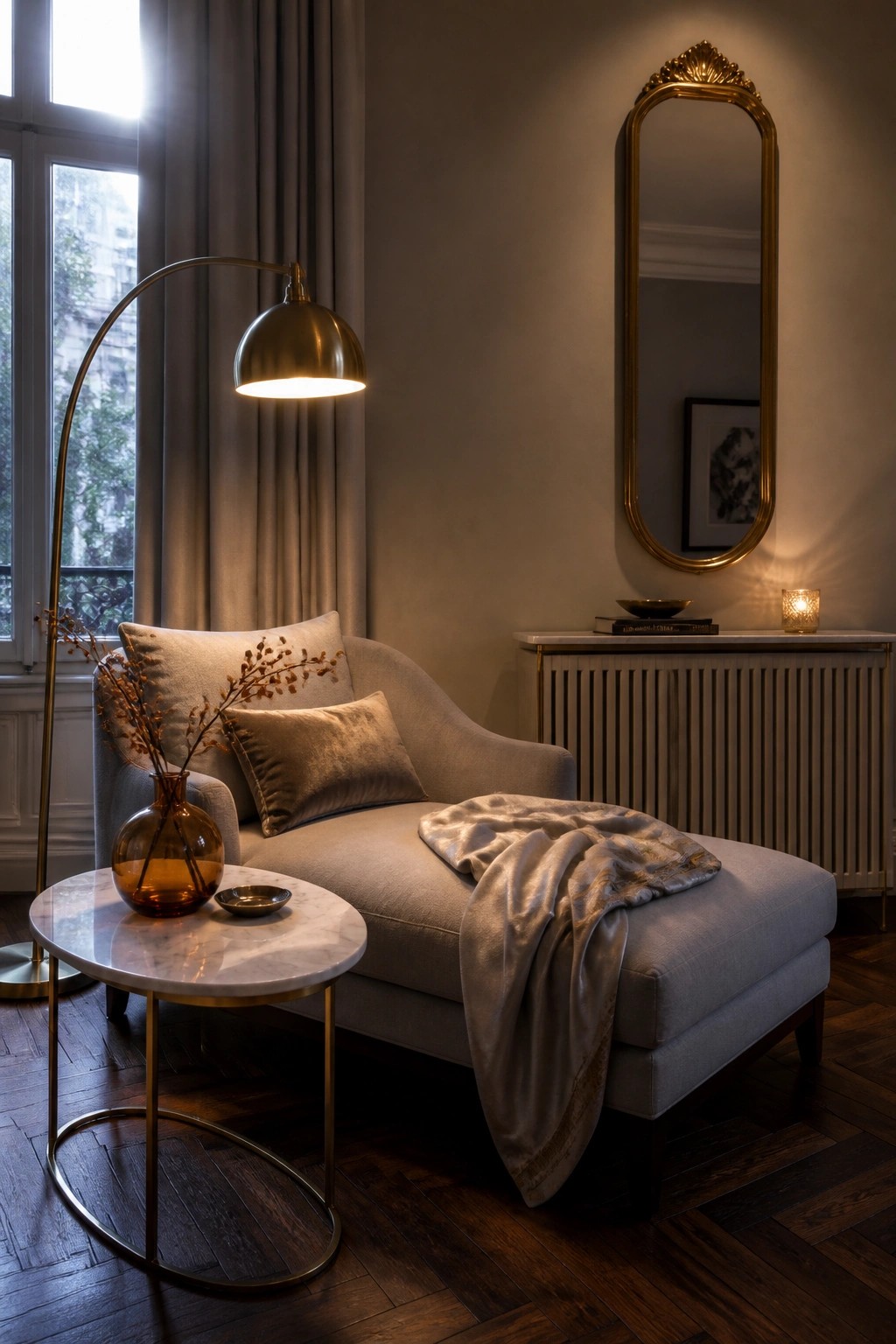
A chaise lounge works well when you need one more seat without crowding the room. It fits neatly into a corner and gives people a place to stretch out or curl up with a book.
Place it near a window or a good lamp so the spot feels useful during the day and evening. Keep the surrounding pieces simple so the chaise stays the main draw and does not compete with too much else around it.
Add A Window Seat For Extra Seating

A window seat makes good use of a corner that might otherwise sit empty. It adds seating without crowding the room and often includes hidden storage below the bench for toys, blankets, or books.
This idea works well in homes with decent window depth and natural light. Keep the cushions neutral and layer a few pillows so the spot feels ready for everyday use rather than just for show.
Pair Two Armchairs For Extra Seating

Many living rooms have a corner or alcove that feels empty most of the time. Adding two matching armchairs gives that spot a clear purpose and creates a place where two people can sit without needing the whole room rearranged.
This setup works best near a focal point like a mantel or window. Keep the chairs simple in shape and fabric so they do not crowd the space, and make sure there is enough room to walk around them.
Use Low Stools for Flexible Extra Seating
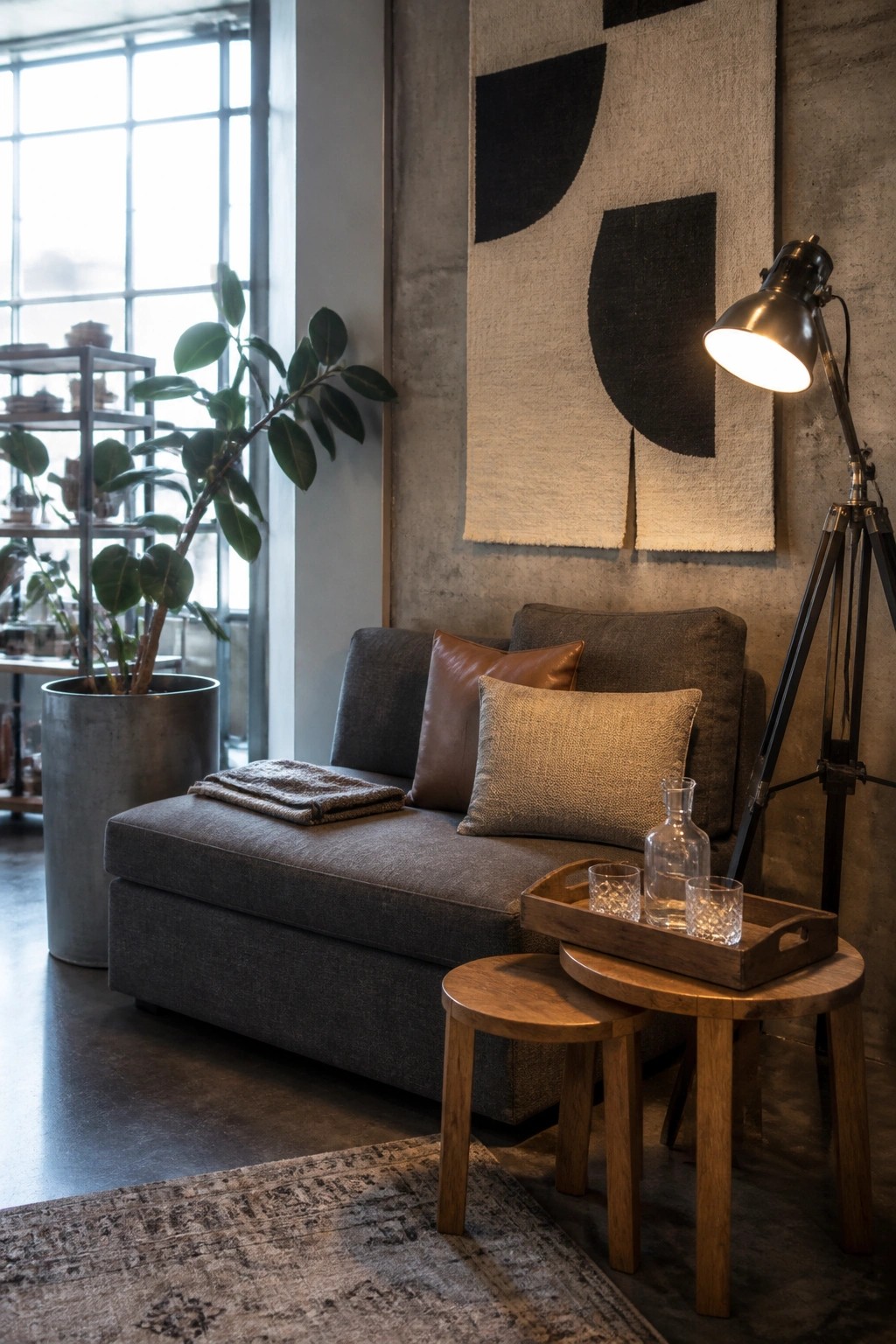
Low wooden stools can turn a simple chaise into a spot that handles extra guests without adding bulky furniture. They sit low enough to feel connected to the main seating while keeping the corner open most of the time.
Place a pair near the edge of a chaise or sectional so people can pull them up when needed. This setup works well in smaller living rooms or apartments where permanent chairs would crowd the space.
Frequently Asked Questions
Q: How do I keep a corner bench from feeling stiff during movie nights?
A: Toss on a few thick pillows and a soft throw blanket so everyone can shift around easily. Place a low basket nearby for remotes and snacks. Guests will actually want to stay put instead of moving to the couch.
Q: What if my corner gets a lot of foot traffic from the kitchen?
A: Skip bulky armchairs and go with a slim ottoman or stacked floor cushions that slide out of the way. Test the spot by walking through it a few times yourself. This keeps the flow open while still giving people a spot to perch.
Q: Can I add lighting without running new wires to that far corner?
A: Set a tall floor lamp behind the seating or clip a small one onto a nearby shelf. It brightens the area just enough for reading without extra outlets. Battery versions work fine if you want zero hassle.
Q: My sofa already faces the TV. How do I make the corner seating feel like part of the same space?
A: Angle one chair slightly toward the main seating area so conversations carry over. Use a rug that overlaps both zones by a foot or two. People naturally drift between the spots once they see the connection.
