
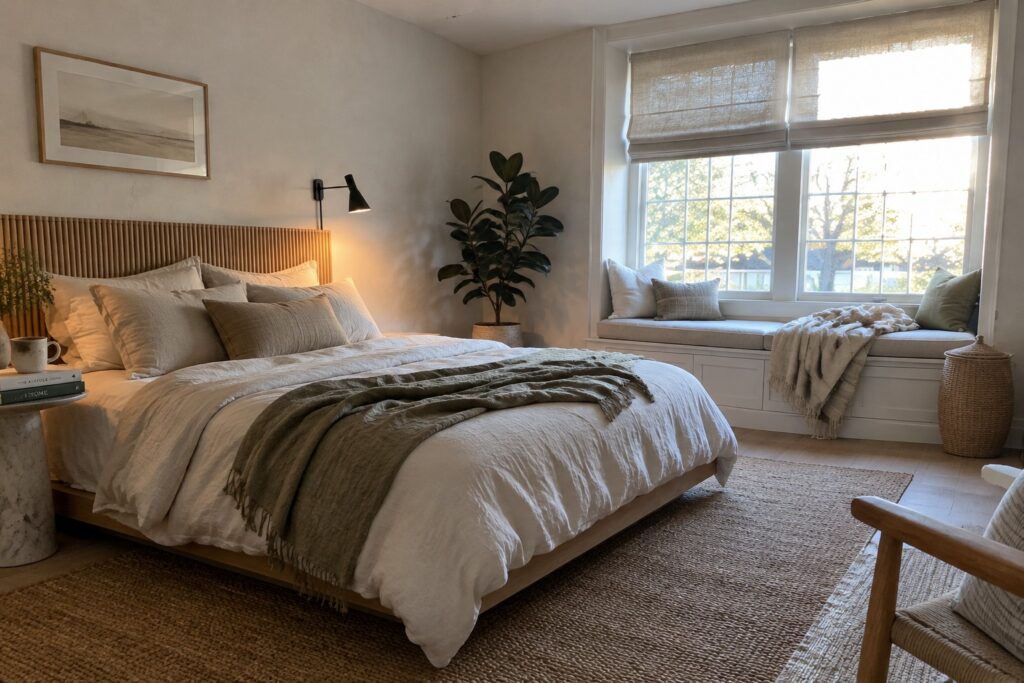
A sitting area by the bedroom window can make the room feel more useful, but it needs enough space to move around without making the bed area feel crowded.
I find the best layouts treat the chair or small sofa as part of the room, not as an afterthought tucked beside the glass.
Light, window placement, and the view all shape how the corner feels, while a rug or side table can help it connect with the rest of the bedroom.
Some arrangements look lovely in a photo but may be awkward for reading or getting dressed, so it helps to notice how each space handles everyday routines.
I’d save the ideas that suit your room’s proportions and adapt the details to make the seating feel like a natural place to pause.
Make a Window Seat Part of the Bedroom Layout
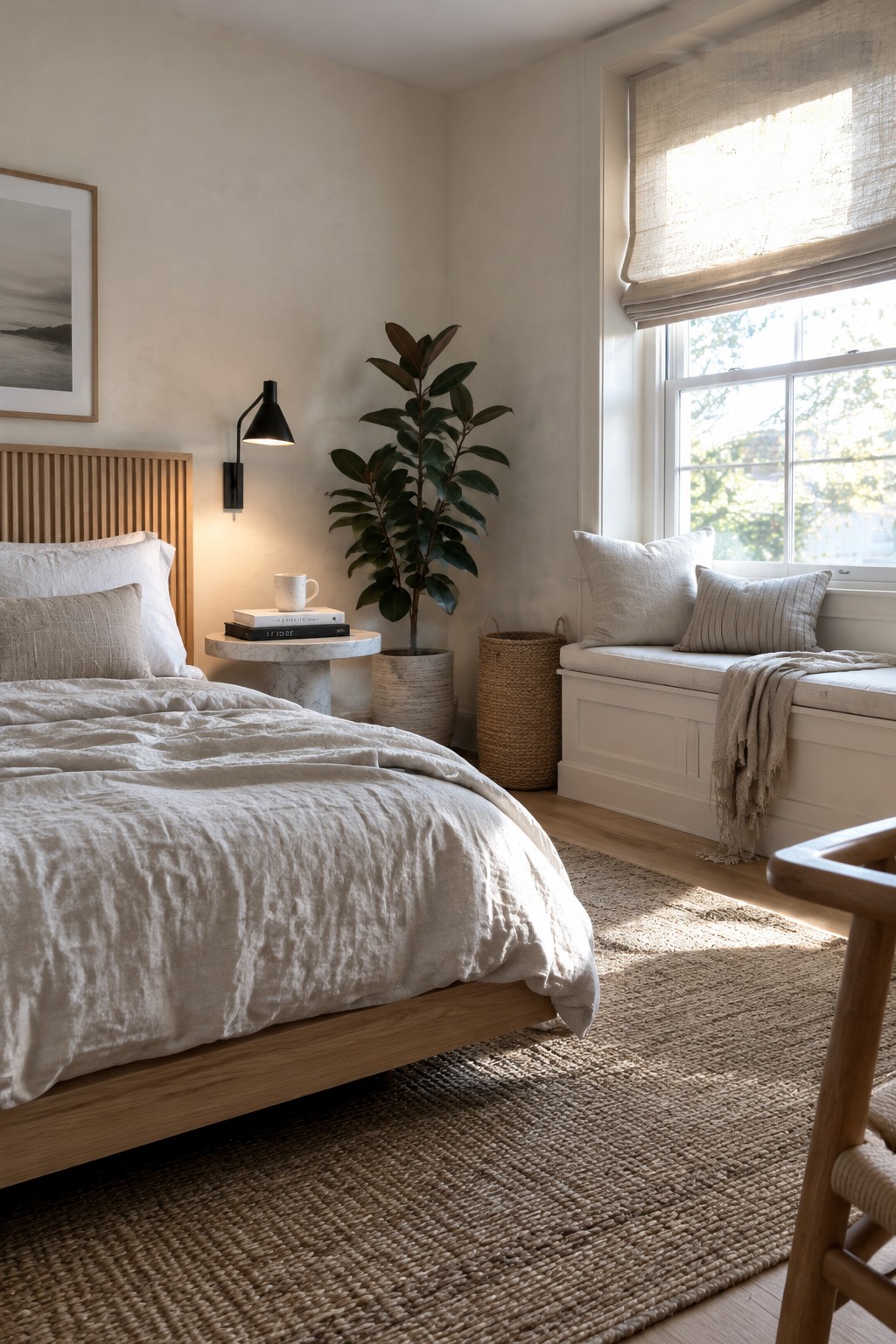
A window-side seat gives a master bedroom a useful place to sit without needing a separate lounge area. A built-in bench can also make an awkward stretch beneath a window feel intentional.
Keep the seat deep enough for a cushion and a few pillows, and leave room to move around it. A simple upholstered top works well for reading or getting dressed, while a Roman shade lets in daylight without taking up space beside the window.
Make Room for a Sitting Area Beside the Window

A small seating spot near the window gives a master bedroom another place to sit without taking away from the bed. It works especially well when the room has a wide window or a sunny corner that might otherwise go unused.
Choose a compact chaise or armchair, and leave enough space to walk around it comfortably. A darker, patterned fabric can also be a practical choice in a bedroom with rich colors and heavier textures.
Make Room for a Window-Side Sitting Area

A small sitting spot by the window gives a master bedroom a useful place to read or have a quiet cup of coffee. A built-in bench is especially handy because it makes good use of space that might otherwise go unused.
If a built-in is not practical, try a narrow upholstered bench or a pair of compact chairs. Leave enough room to move around the bed, and choose fabrics that can handle everyday use.
Create a Sitting Area Beside the Window
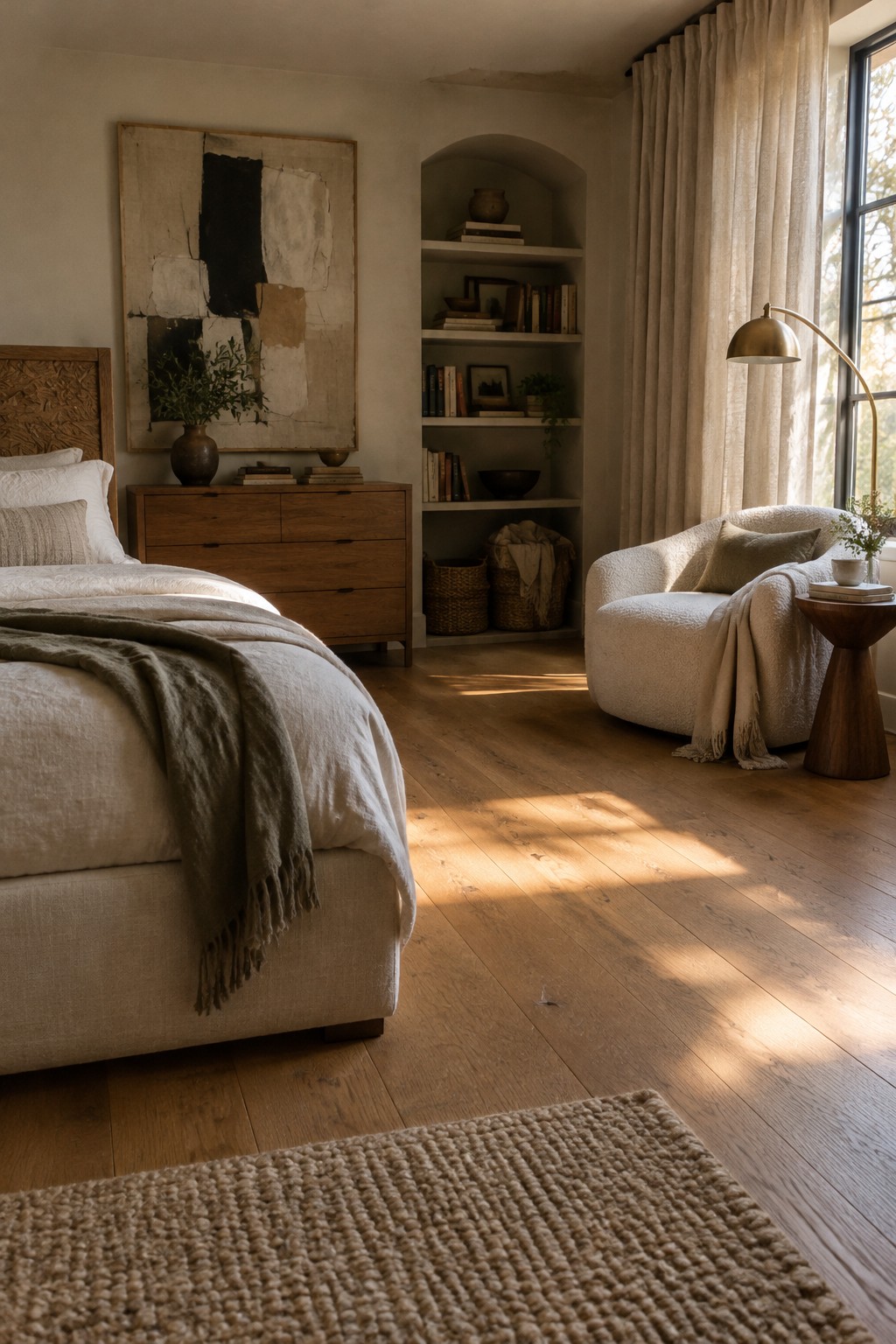
A small sitting area near the bedroom window gives you a comfortable place to read or have a quiet moment without taking up much floor space. A rounded armchair works well here, especially when the bedroom already has a large bed.
Choose a chair that leaves a clear path through the room, and add a small table for a book or cup. If the window gets strong sun, curtains can help control glare while keeping the seating spot usable.
Use A Bay Window For Extra Bedroom Seating

A built-in seat in a bay window makes use of space that can be awkward to furnish, while giving the bedroom a comfortable place to sit. A fitted cushion and a few pillows are enough to make it useful without crowding the rest of the room.
This works especially well in bedrooms with a deep window alcove. If you’re planning one, add drawers or cabinet storage below the seat, and leave enough room to move around it easily.
Use a Low Window Ledge for a Quiet Sitting Spot

A built-in ledge beneath the window gives a bedroom a place to sit without needing a separate chair. Here, a couple of cushions make it comfortable for reading or taking a short break, while leaving the floor open.
This works especially well in a room with a deep window recess or a long stretch of glazing. Keep the ledge wide enough to sit on, and use cushions that can be moved aside when you want a simpler look.
Give a Bedroom Window Its Own Seating Area

A small chair near the window gives a bedroom a useful spot to read or take a quiet break. Here, the woven chair sits close to the daylight, but remains separate from the bed.
Try this layout when there’s enough room to leave a clear path between the seating and the bed. A compact chair can work in a smaller bedroom, too. Keep its footprint modest so the area feels comfortable to use, not crowded.
Use a Chaise to Create a Bedroom Sitting Spot

A chaise near the window gives a master bedroom a comfortable place to read or pause without needing a separate room. It also makes good use of space that might otherwise be left open.
Choose a style that fits the bed and leave enough room to walk around it. Here, a pale upholstered chaise sits beside the tall curtains, with a small table close at hand.
Add a Bench Beside the Bedroom Window
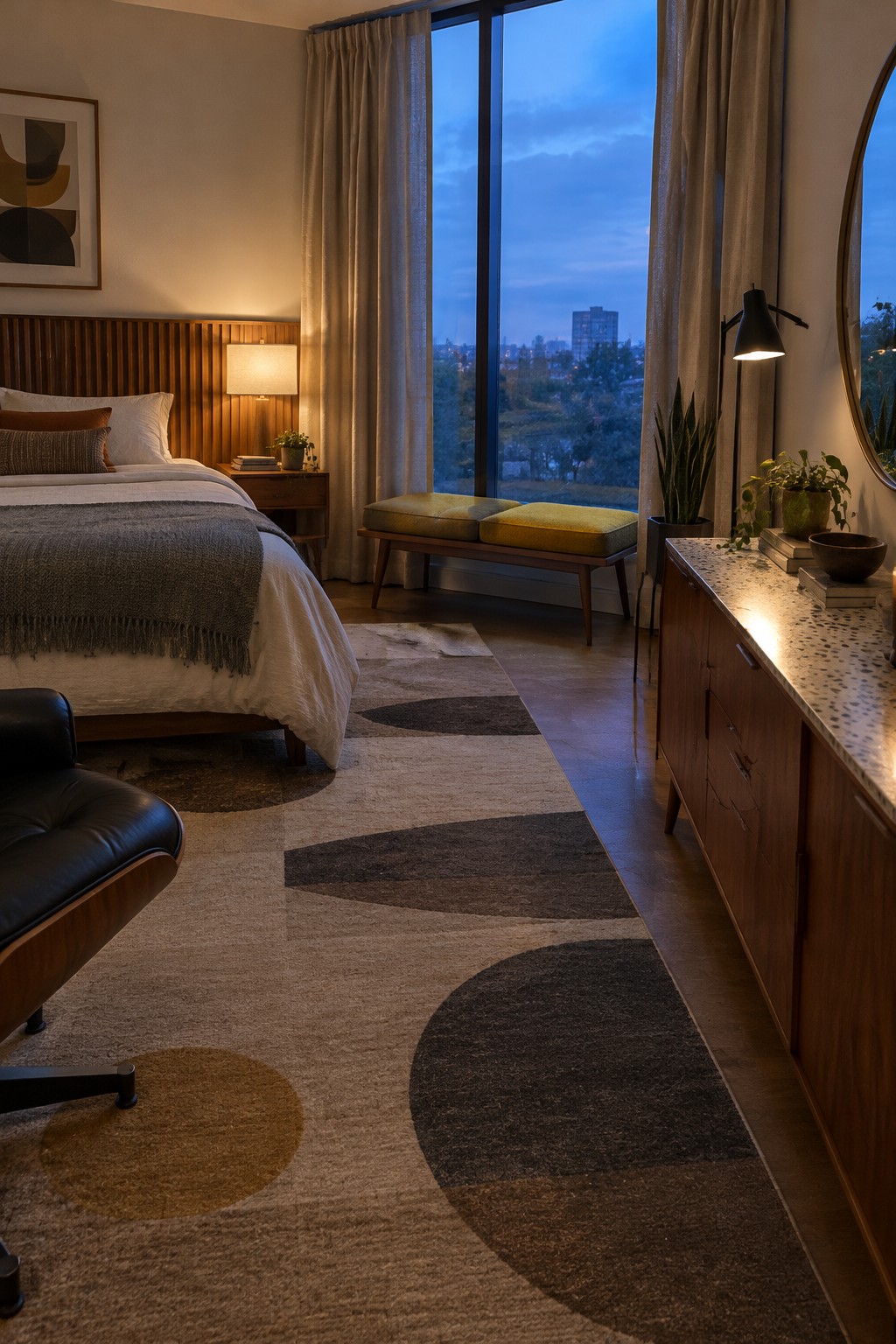
A simple bench beside a large bedroom window makes a useful place to sit without taking up much room. It gives the window area a purpose, and the low profile leaves the view open.
Choose a bench that fits the window’s width and leaves enough space to walk around it. A slim cushion can make it more comfortable, but avoid a bulky piece that crowds the bed or blocks the curtains.
Let a Small Chair Make Use of the Window Corner
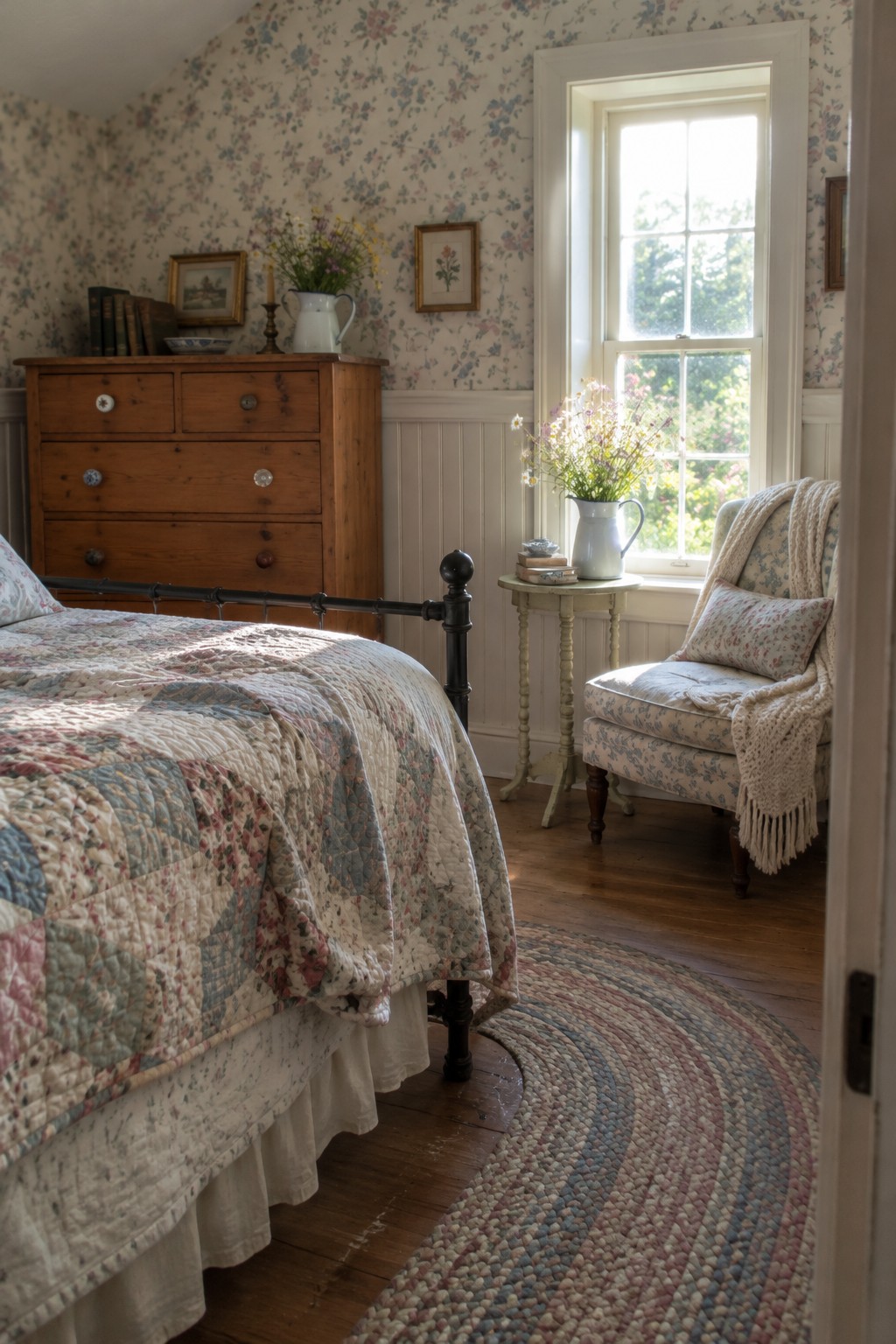
A chair beside the bedroom window gives you a comfortable spot to sit without taking up much floor space. Here, a small floral armchair and a narrow table make the corner useful while leaving the main walkway open.
This arrangement suits bedrooms where a full seating set would feel crowded. Choose a chair that fits the available space, and keep the table small enough to reach without blocking access to the bed or window.
Add a Built-In Bench Beneath the Bedroom Window

A built-in bench can turn the space beside a bedroom window into a useful place to sit without taking up much floor area. In this room, the bench also includes drawers, so it provides extra storage along with a spot to pause or read.
This idea works well in a narrow bedroom where a separate chair might crowd the walkway. Add a cushion and a couple of pillows for comfort, and keep the seat depth practical so the drawers remain easy to use.
Use a Compact Chair to Make the Window Area Useful
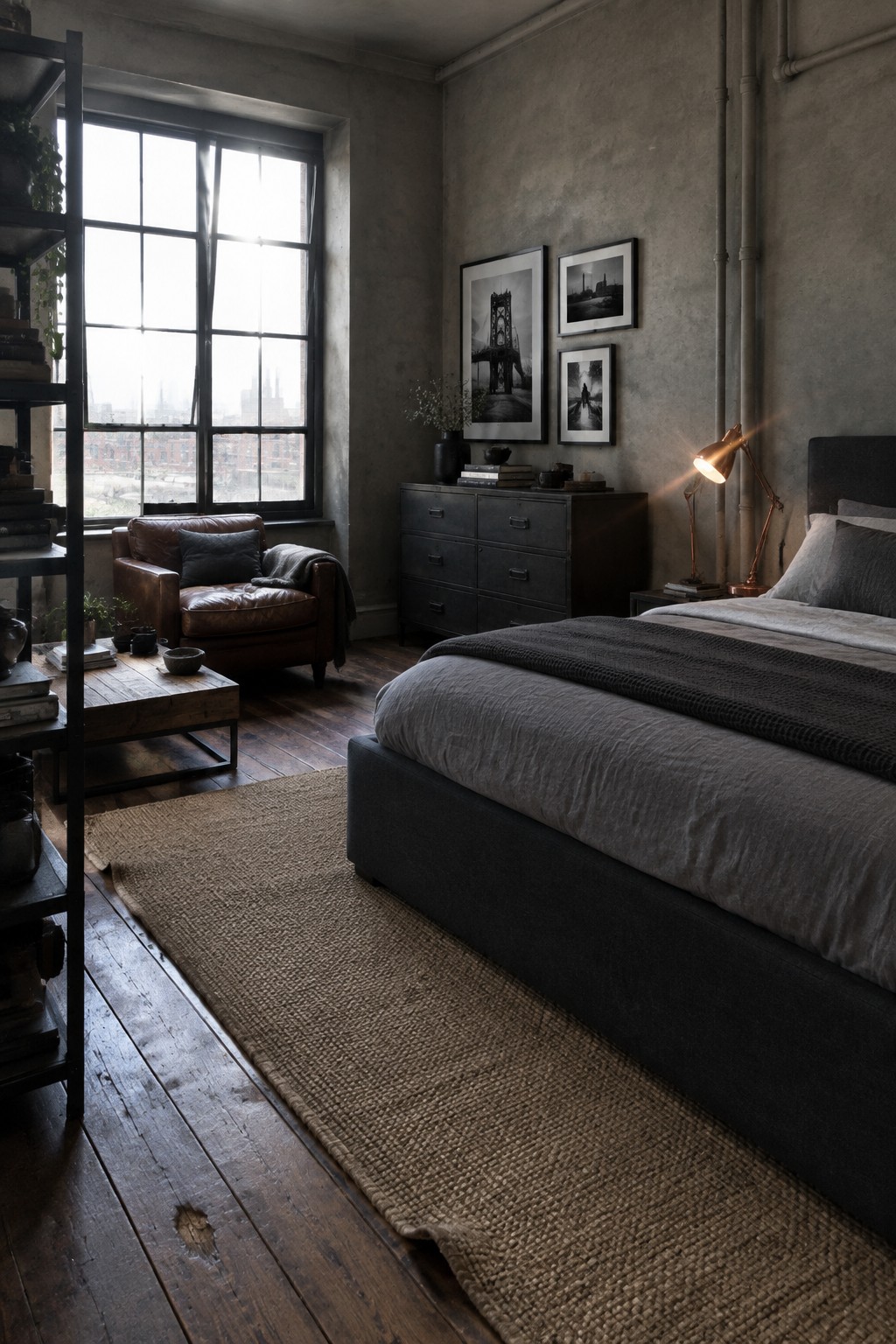
A small chair near the bedroom window gives you a spot to sit without needing a separate lounge room. Here, a leather armchair and a simple footstool make the space practical while leaving the bed as the main focus.
This layout suits bedrooms with a little open floor space beside a window. Choose a chair that fits comfortably without blocking the path to the bed, and keep the nearby table small.
Use a Window Ledge as a Bedroom Seat
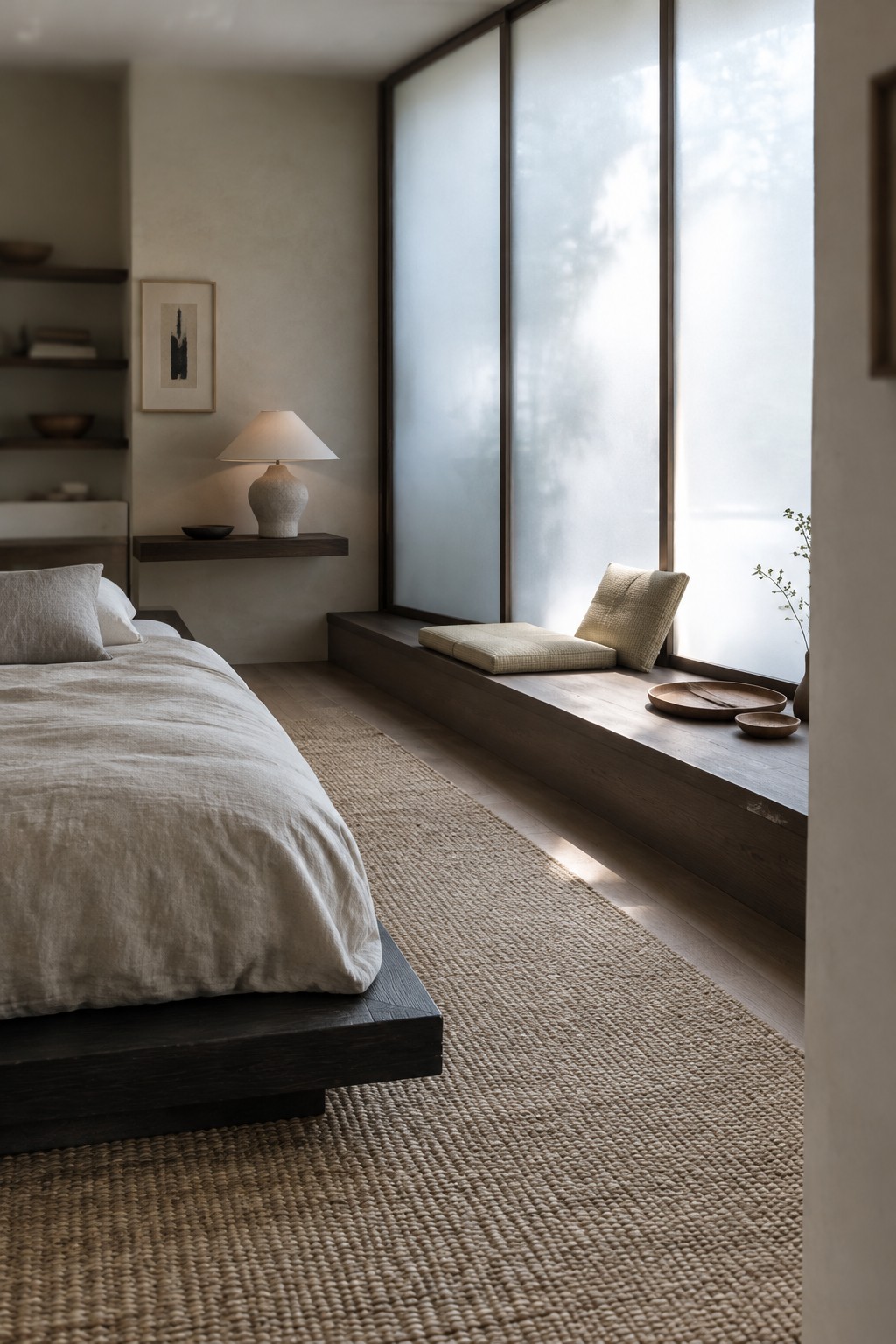
A wide, built-in ledge beside the bed can give a bedroom a useful place to sit without adding another piece of furniture. It also makes good use of space that might otherwise be left empty.
Add a firm cushion and a back pillow so the ledge is comfortable for reading or taking a quiet break. This works best when the ledge is deep enough to sit on and still leaves a clear path through the room.
Give a Bedroom Window a Place to Sit

A small sofa beside the window gives a bedroom a useful second spot to sit, rather than leaving the bed as the only place to relax. It works especially well when there’s enough room to keep the path between the bed and seating area clear.
Choose a compact piece with a comfortable seat, then use a few cushions to tie it into the bedroom. This kind of setup suits larger bedrooms best, but even a narrow bench can make a bright window corner more practical.
Use a Window Bench to Make a Narrow Bedroom More Useful

A bench beneath the window can turn a slim strip of bedroom into a comfortable place to sit without taking up space beside the bed. It also makes good use of the long window wall, which can otherwise be awkward to furnish.
Choose a depth that leaves a clear path through the room, and use a cushion or a few pillows for comfort. A built-in bench is especially handy in a narrow bedroom, though a low freestanding seat can work too.
Keep the Window Area Clear for a Sitting Spot
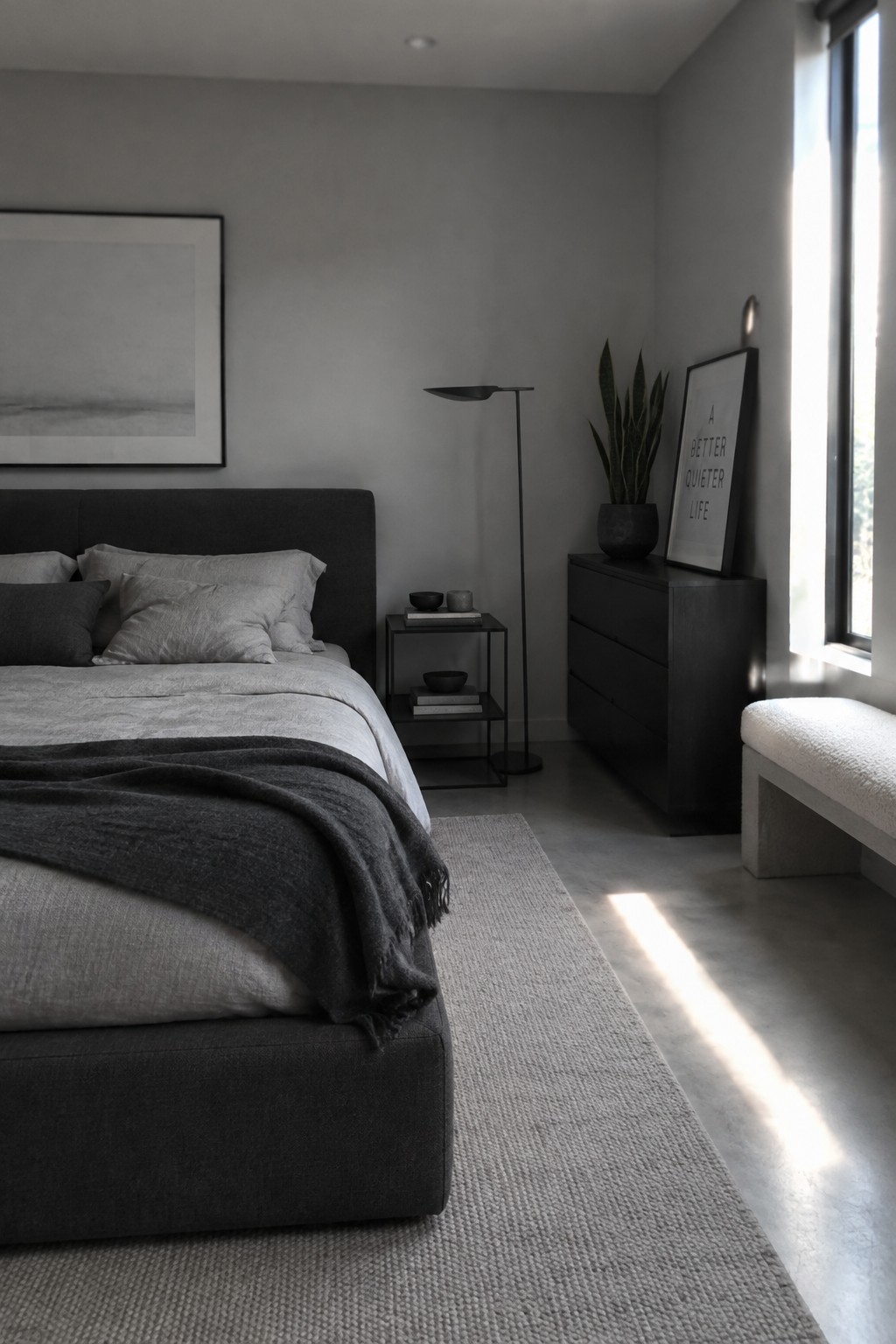
A bedroom window can make a useful place to pause if the space beside it stays open. Here, a small upholstered bench sits near the glass without crowding the bed, offering a simple spot to sit or set down a book.
This works best when there’s enough room to move between the bed and window. Choose a bench that fits the available space, and keep it low or visually simple so it doesn’t block the light.
Let a Window Bench Double as Bedroom Seating

A built-in bench beside the bedroom window gives you a useful place to sit without taking up space in the main sleeping area. Here, patterned cushions make the long seat comfortable enough for reading or taking a quiet break.
This idea suits a bedroom with a deep window recess or a stretch of wall beside the window. Keep the seat depth modest so it stays easy to move around, and choose cushions that can be lifted off for cleaning.
Set a Comfortable Chair Beside the Bedroom Window

A chair near the window gives a master bedroom a useful spot to sit without taking up much floor space. Here, a simple armchair makes a natural place to read or pause, while keeping the bed as the room’s main focus.
Try this layout when there’s a little open space beside the window. Choose a chair that’s easy to pull out and leave enough room to walk around it.
Let the Window Seat Serve as a Bedroom Sitting Area

A window-side seat gives a master bedroom a place to pause that is separate from the bed. Here, a built-in bench with cushions and a throw makes the area comfortable without taking up much floor space.
This layout works especially well when a bedroom has a wide window or a natural alcove. Add a small chair or keep the bench simple, and leave enough room to move easily between the bed and the seat.
Make a Built-In Window Seat Part of the Bedroom

A built-in seat beneath the bedroom windows gives the space a useful place to sit without bringing in extra furniture. It also makes good use of the wall beside the bed, especially in a room where floor space is limited.
A cushioned bench with drawers below can provide both seating and storage. Keep the seat deep enough to be comfortable, but leave a clear path between it and the bed.
Use a Reading Chair to Make the Window Area Useful
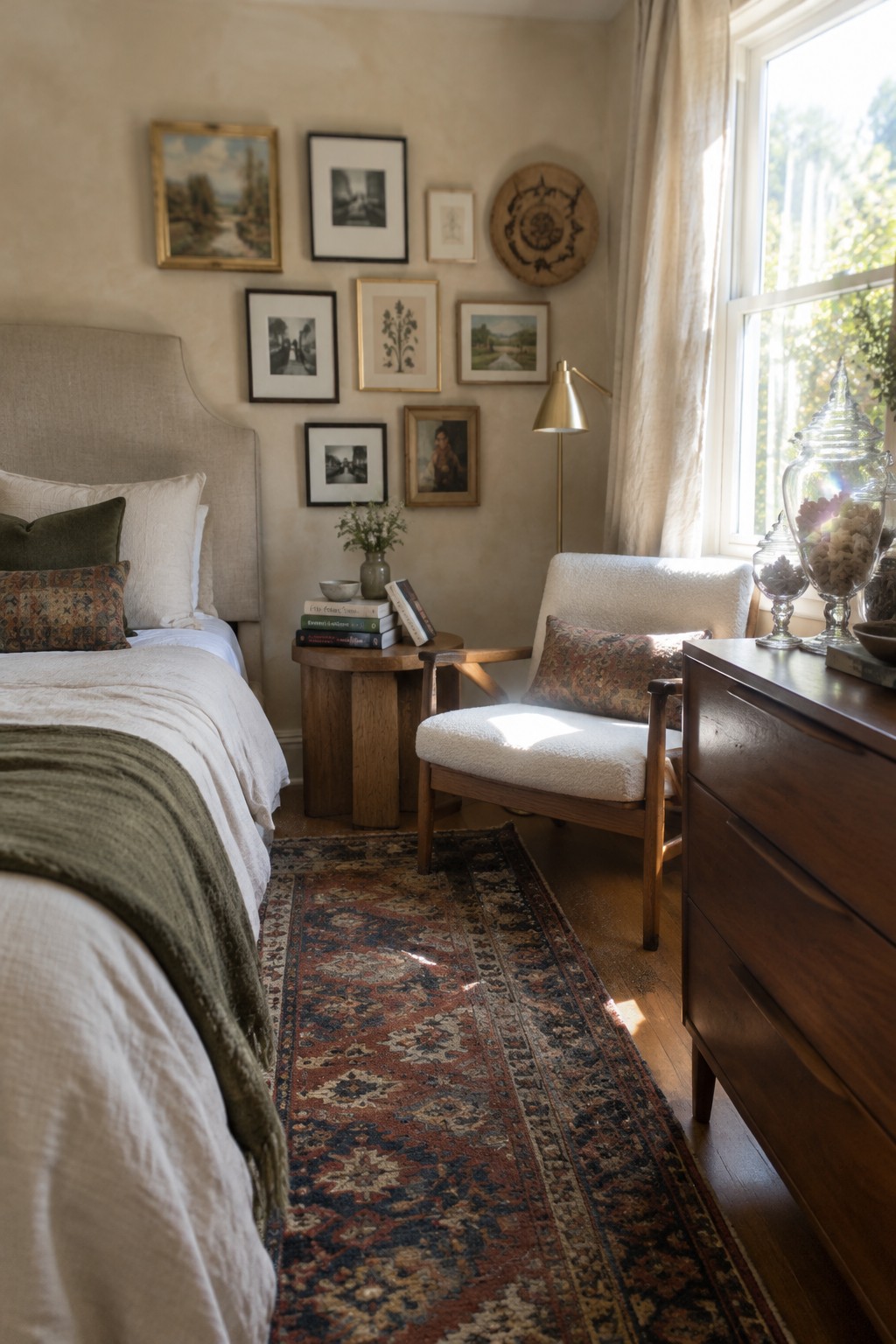
A chair beside the bedroom window gives you a comfortable place to sit without needing a built-in bench. Here, the upholstered seat makes a small corner feel like part of the room rather than leftover space.
Choose a chair that leaves a clear path around the bed, and add a small table if you want somewhere to set a book or cup. This arrangement works especially well in bedrooms with a bright window and enough floor space for a separate seat.
Frequently Asked Questions
Q: How much space do I need for a sitting area beside the bedroom window?
A: Even a small corner can work with one comfortable chair and a slim side table. Leave enough room to walk around the furniture without squeezing past it.
Q: What kind of window treatment works best behind a reading chair?
A: Curtains that open wide keep the chair from feeling boxed in, while shades offer privacy without taking up much room. If sunlight gets strong in the afternoon, a light-filtering shade can soften the glare.
Q: How can I make the sitting area feel like part of the bedroom?
A: Repeat a color or texture from the bedding in the chair, cushions, or rug. A small lamp also makes the spot feel inviting after dark.
Q: What should I put beside the chair?
A: A side table is handy for a book or cup of tea. Choose one with a stable top and a height close to the chair’s arm.
