
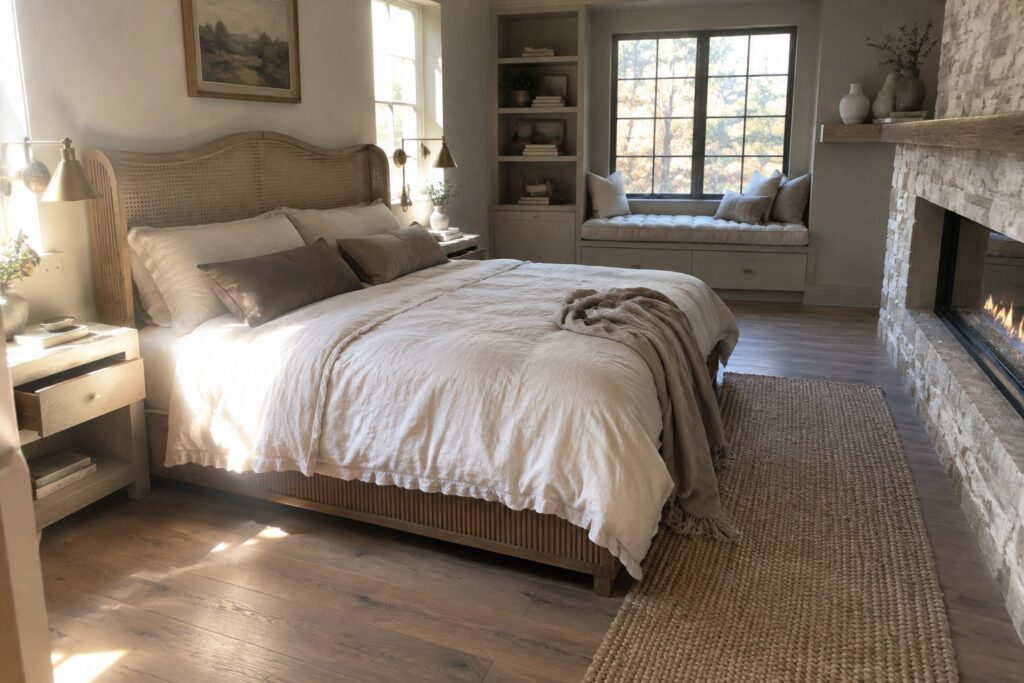
A neutral bedroom can feel restful or a little flat, and the difference often comes down to how the textures and tones work together.
Cream walls and taupe bedding give you a quiet starting point, but the room still needs enough contrast to feel comfortable and lived in.
I tend to notice the bed first, then whether the lighting, rug, and bedside pieces make the space feel balanced around it.
Soft layers help, though too many similar shades can blur together if there is no change in texture or depth.
These rooms offer practical details I’d consider adapting at home, from mixing linen and wood to using darker accents without making the space feel heavy.
The best ideas are the ones that suit the way you actually rest and move through your bedroom.
Use a Woven Headboard to Warm Up a Neutral Bedroom
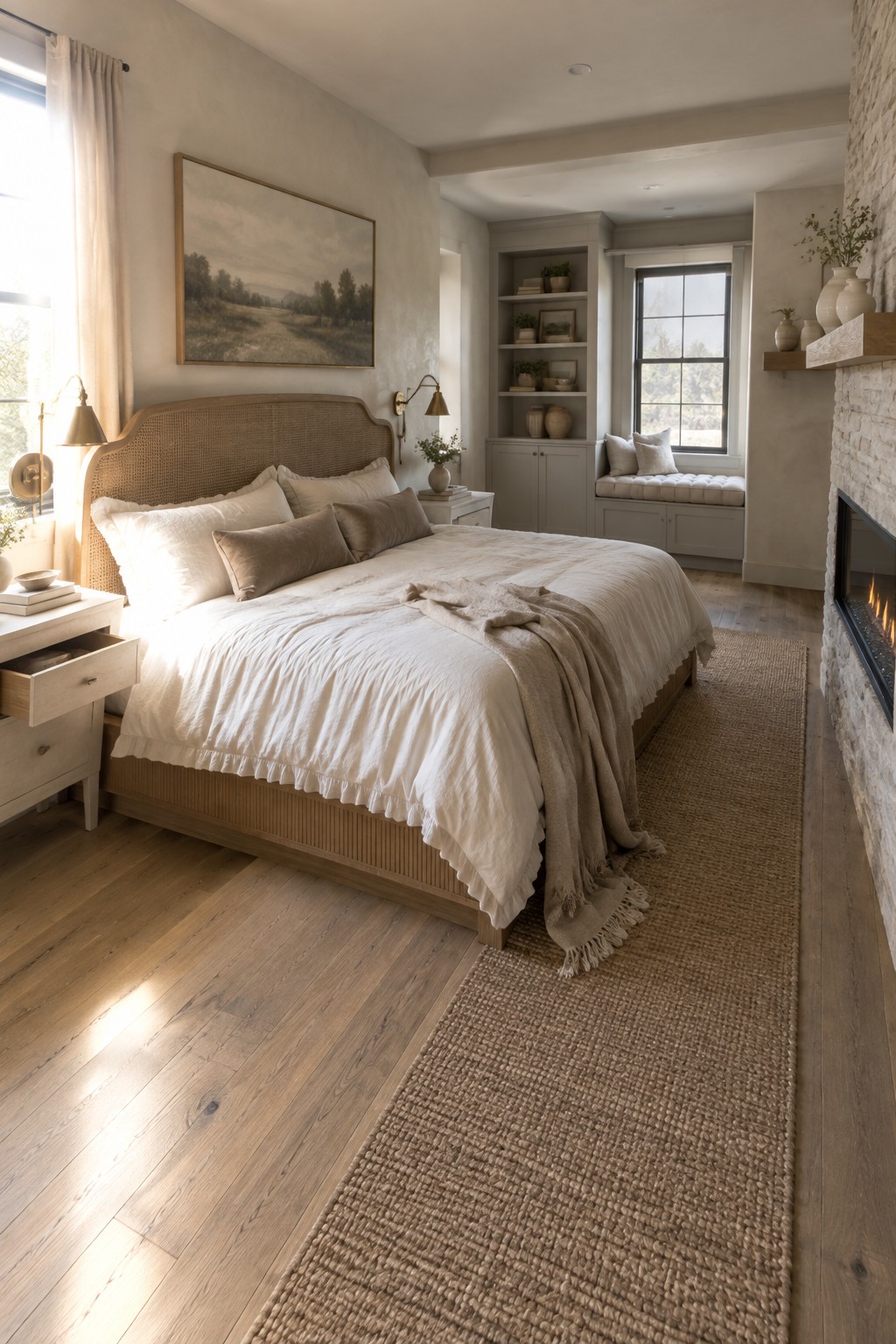
A woven headboard brings texture to a cream-and-taupe bedroom without adding a strong color or busy pattern. It helps a mostly light bed feel a little more settled, while still keeping the room calm.
This idea works well with simple bedding and soft wood furniture. Choose a headboard with a shape and weave you like, and keep nearby patterns quiet so the texture can stand out.
Use a Taupe Headboard to Set a Soft Neutral Base

A taupe upholstered headboard is an easy way to give a neutral bedroom a little structure without making the bed feel heavy. It also pairs naturally with cream bedding, so the room can stay light while still having some contrast.
Try this approach when you want a calm bedroom that feels comfortable rather than stark. Keep the bedding in a few related shades, and let the headboard be the main darker note.
Use Taupe Bedding to Warm Up a Cream Bedroom
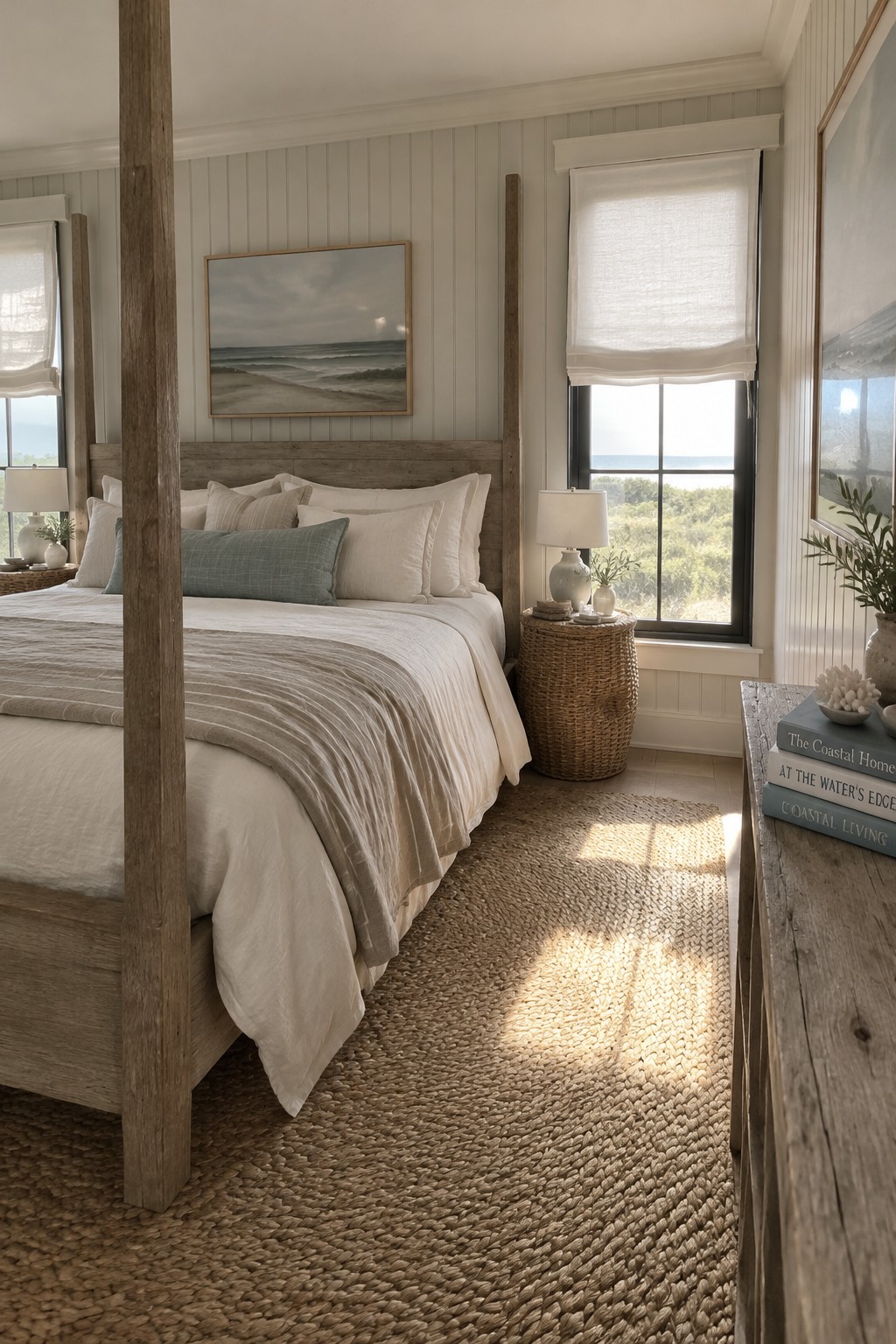
Taupe bedding is an easy way to bring a little variation to a cream bedroom without making it feel busy. A soft taupe coverlet at the foot of the bed gives the pale linens a more relaxed, layered look.
Try this approach when you want a quiet bedroom that still feels comfortable and lived in. Choose a muted shade, and keep the rest of the bedding simple so the contrast stays gentle.
Use Soft Window Treatments to Keep a Bedroom Calm
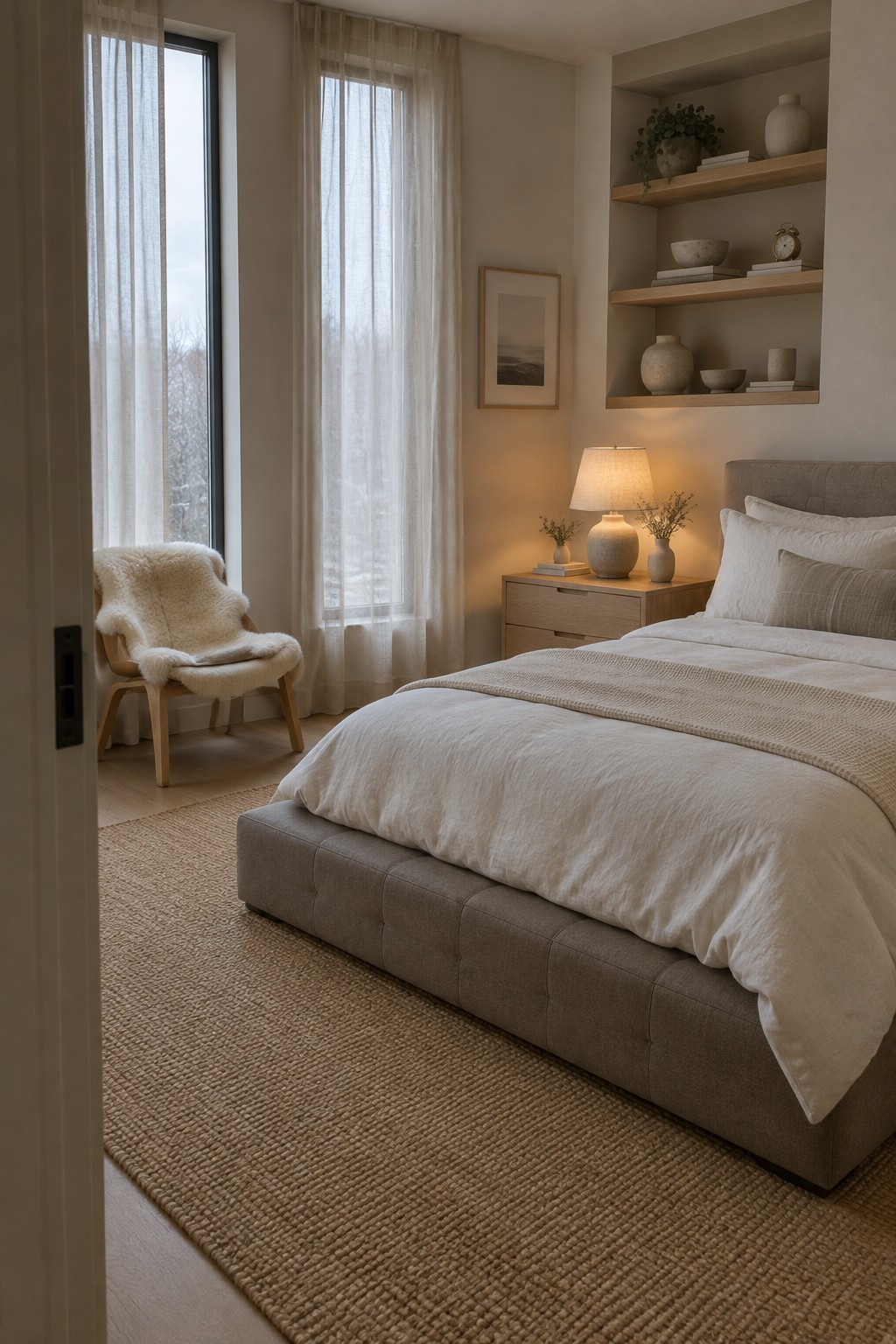
Sheer curtains are an easy way to make a bedroom feel private without blocking all the daylight. In a neutral room, their light texture also keeps the windows from looking too stark.
Hang them high and let them fall close to the floor for a simple, relaxed look. They work especially well in bedrooms with tall windows, though you may want a separate blackout shade if you need a darker room for sleeping.
Layer Neutral Bedding for a Cozy Bedroom

Cream and taupe bedding can make a bedroom feel settled without relying on bold color. Varying the fabrics keeps the bed from looking too uniform, and a knitted throw is an easy way to bring in a different texture.
Try this approach with a simple neutral palette, using one shade for the main bedding and another for a blanket or quilt. Keep the pattern subtle so the layers feel restful rather than busy.
Use an Antique Bed Frame to Add Character
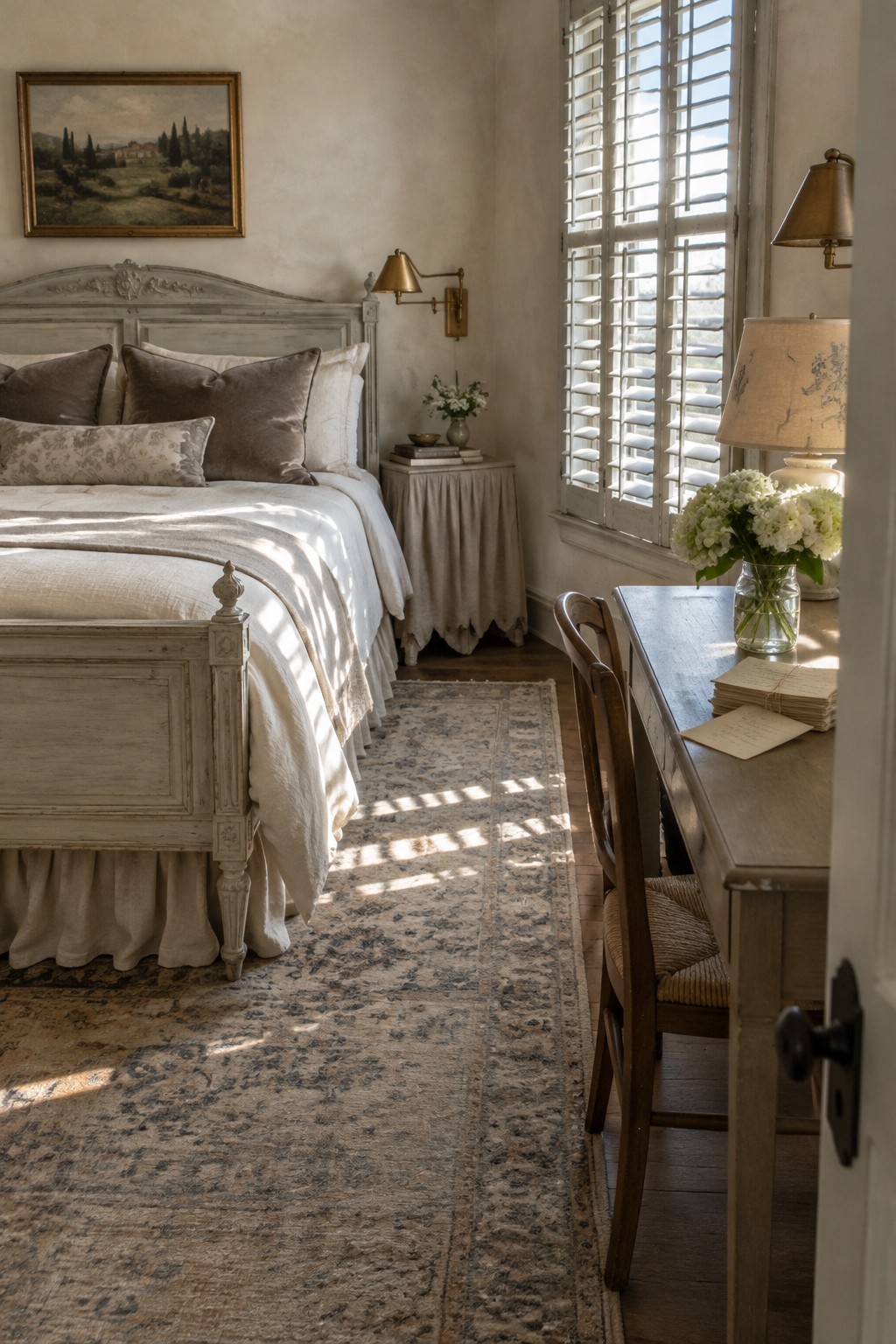
An old-style bed frame can give a neutral bedroom a little history without changing its quiet color scheme. Here, the distressed pale finish keeps the carved frame from feeling too formal.
This idea works well in a cottage or older home, especially with simple cream bedding. If you use a more ornate frame, keep nearby patterns and accessories fairly restrained.
Add Built-In Shelves Beside the Bed

Built-in shelves beside the bed make use of a narrow space without adding another piece of furniture. Open shelves keep everyday items close and give a bedroom a place for a few books or small decorative pieces.
This idea works especially well in a room with a recessed wall or an awkward gap beside the bed. Keep the shelves fairly simple so they do not compete with the headboard, and leave some open space rather than filling every shelf.
Layer Taupe Bedding Over Cream
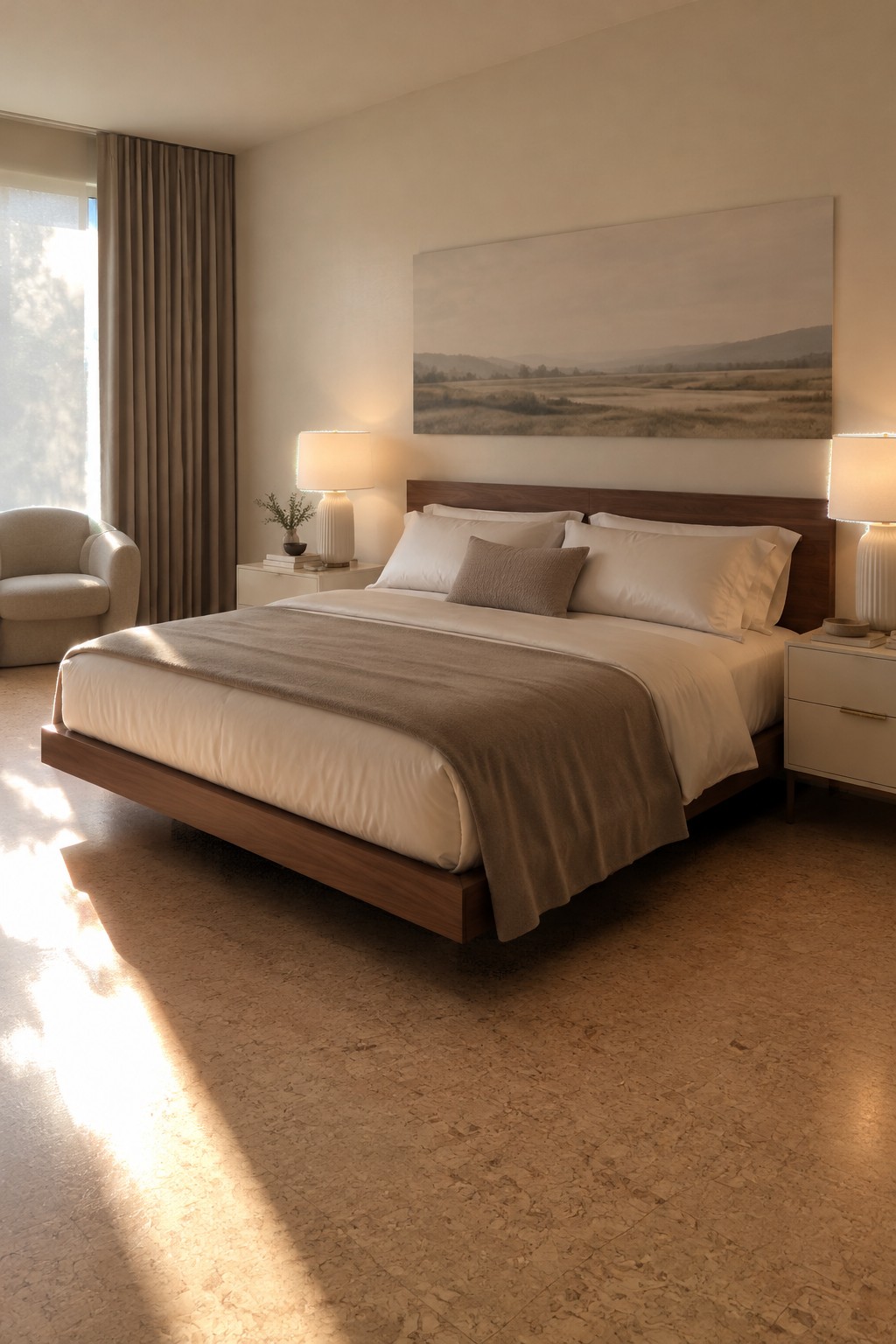
A taupe coverlet at the foot of a cream bed gives a neutral bedroom a little contrast without making the palette feel busy. It is an easy way to bring in a deeper shade while keeping the bed light and simple.
Try this with cream or ivory sheets and one taupe layer in a soft fabric. A larger coverlet can be folded neatly at the foot of the bed, so it adds color without covering the whole bed.
Use a Patchwork Quilt for Subtle Bedroom Contrast
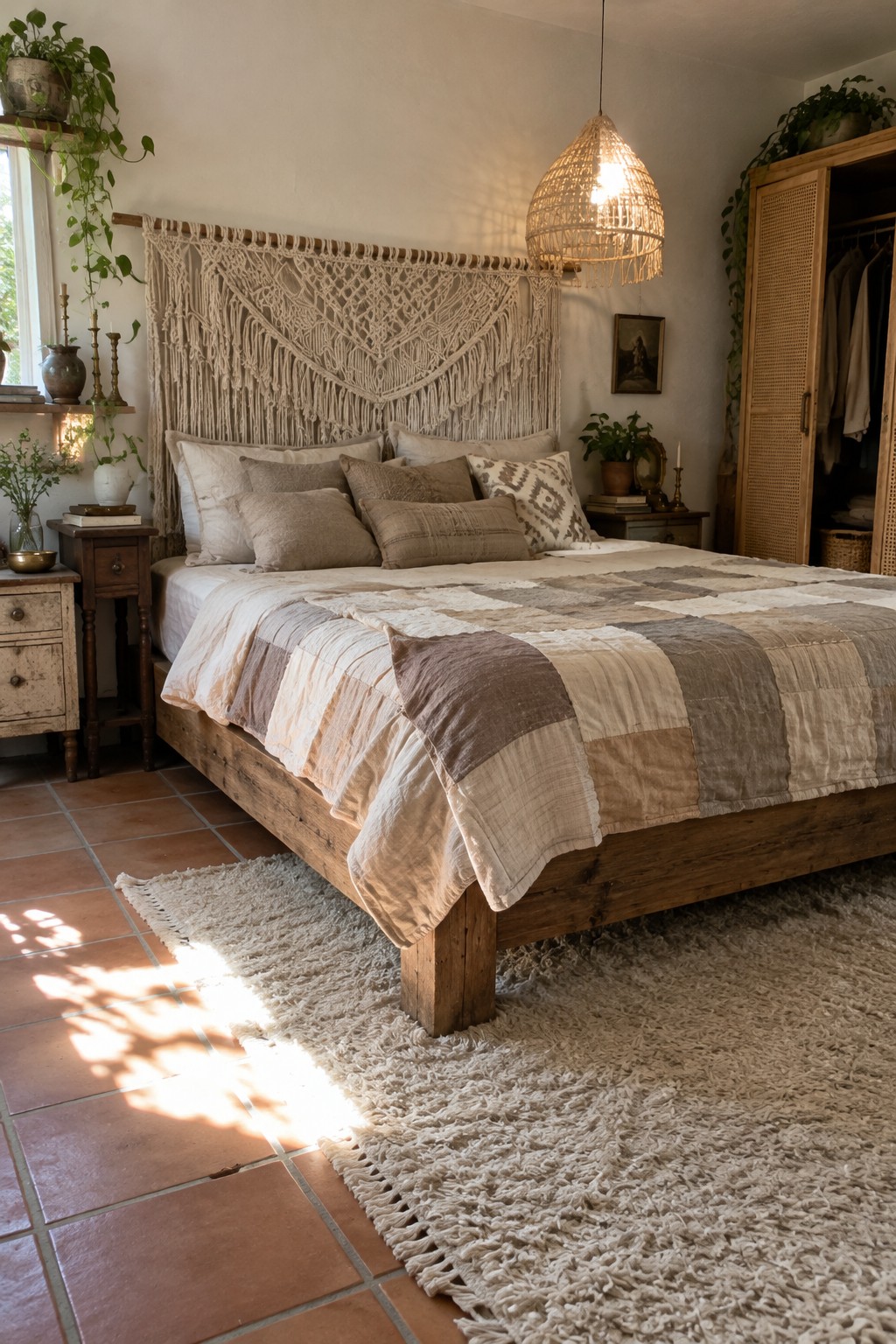
A patchwork quilt brings a little variation to a neutral bedroom without introducing strong color. The different cream and taupe fabrics keep the bed from looking too uniform, while the overall palette still feels easy to live with.
This idea works well if you want a calm bedroom but prefer bedding with some pattern and texture. Keep the other linens fairly simple, and choose a quilt with a few related shades rather than many competing colors.
Use Warm Wall Panels to Give a Neutral Bedroom Structure
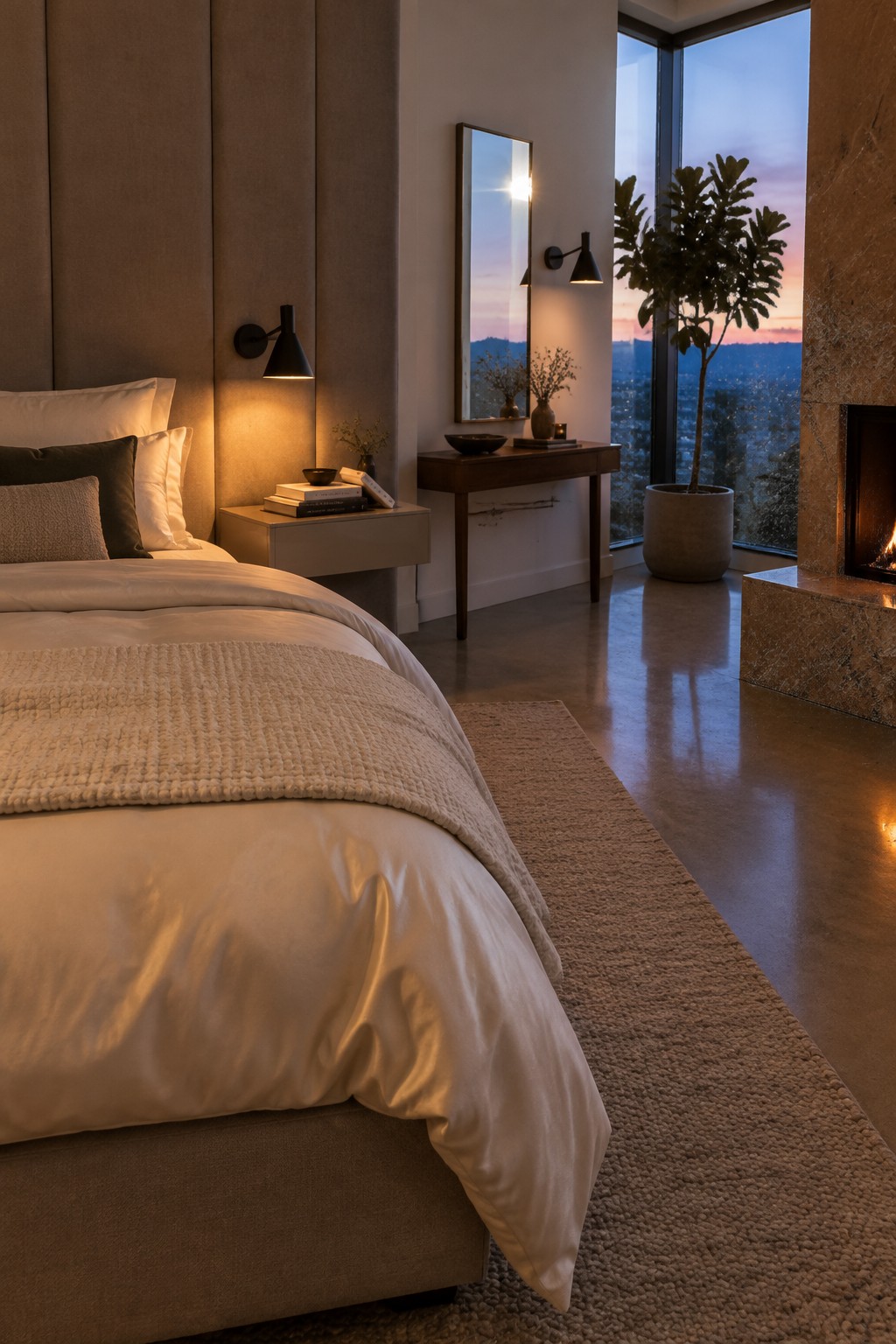
Upholstered wall panels are a practical way to bring a little structure to a cream-and-taupe bedroom. They give the bed a clear backdrop, while their padded finish feels less stark than a plain painted wall.
This approach works especially well behind a bed when you want a simple room to feel considered without adding much decoration. Keep the panel color close to the bedding, as it is here, and use a few darker accents to break up the neutral tones.
Use a Canopy to Give a Neutral Bedroom Shape
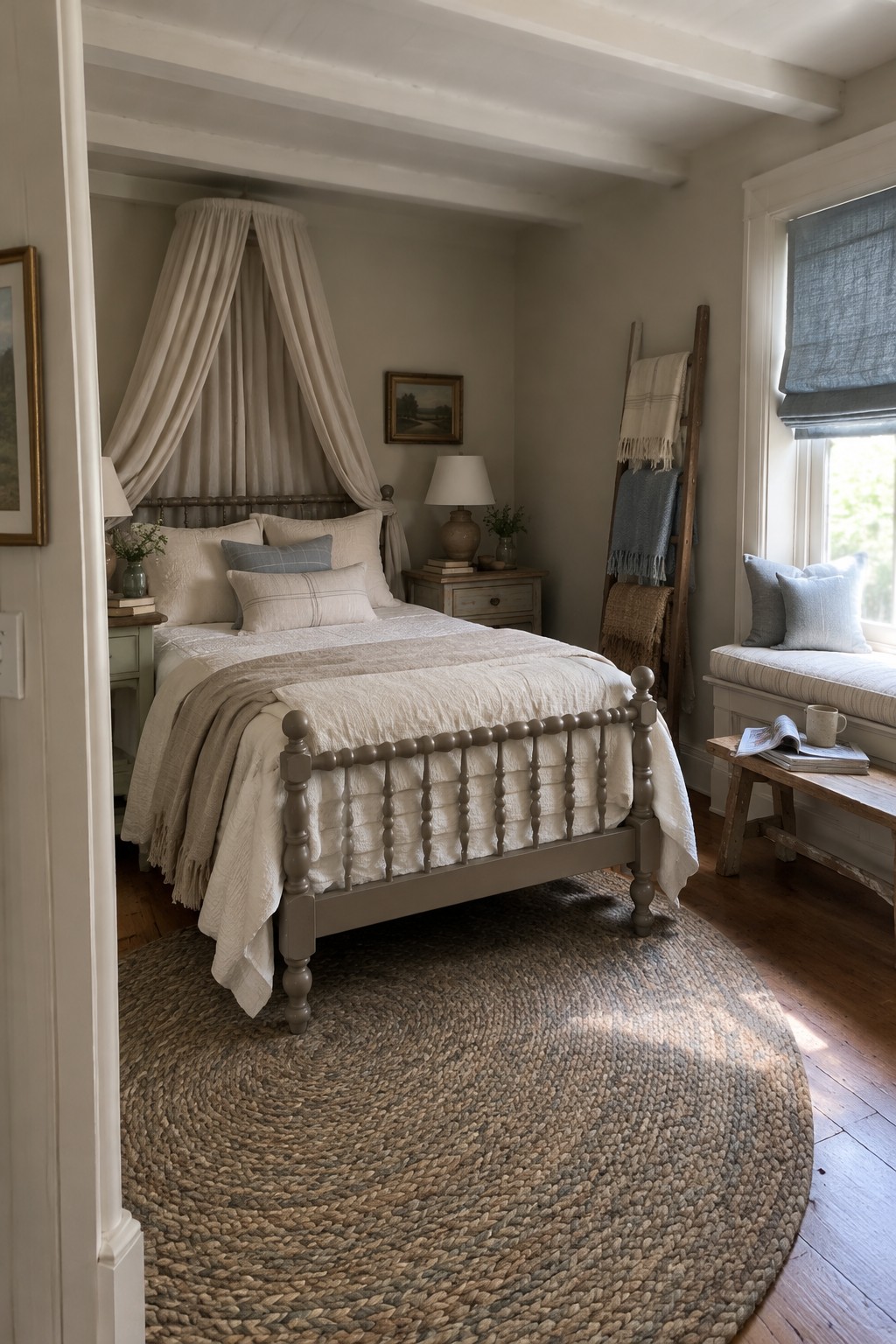
A simple canopy gives a neutral bedroom a clear focal point without relying on bold color. Here, pale fabric falls around the bed and makes the sleeping area feel more defined while keeping the overall look quiet.
This approach suits a bedroom with enough ceiling height for the fabric to hang freely. Keep the canopy light and loosely draped so it does not crowd the bed or make a small room feel closed in.
Use Built-In Shelves to Add Bedroom Storage
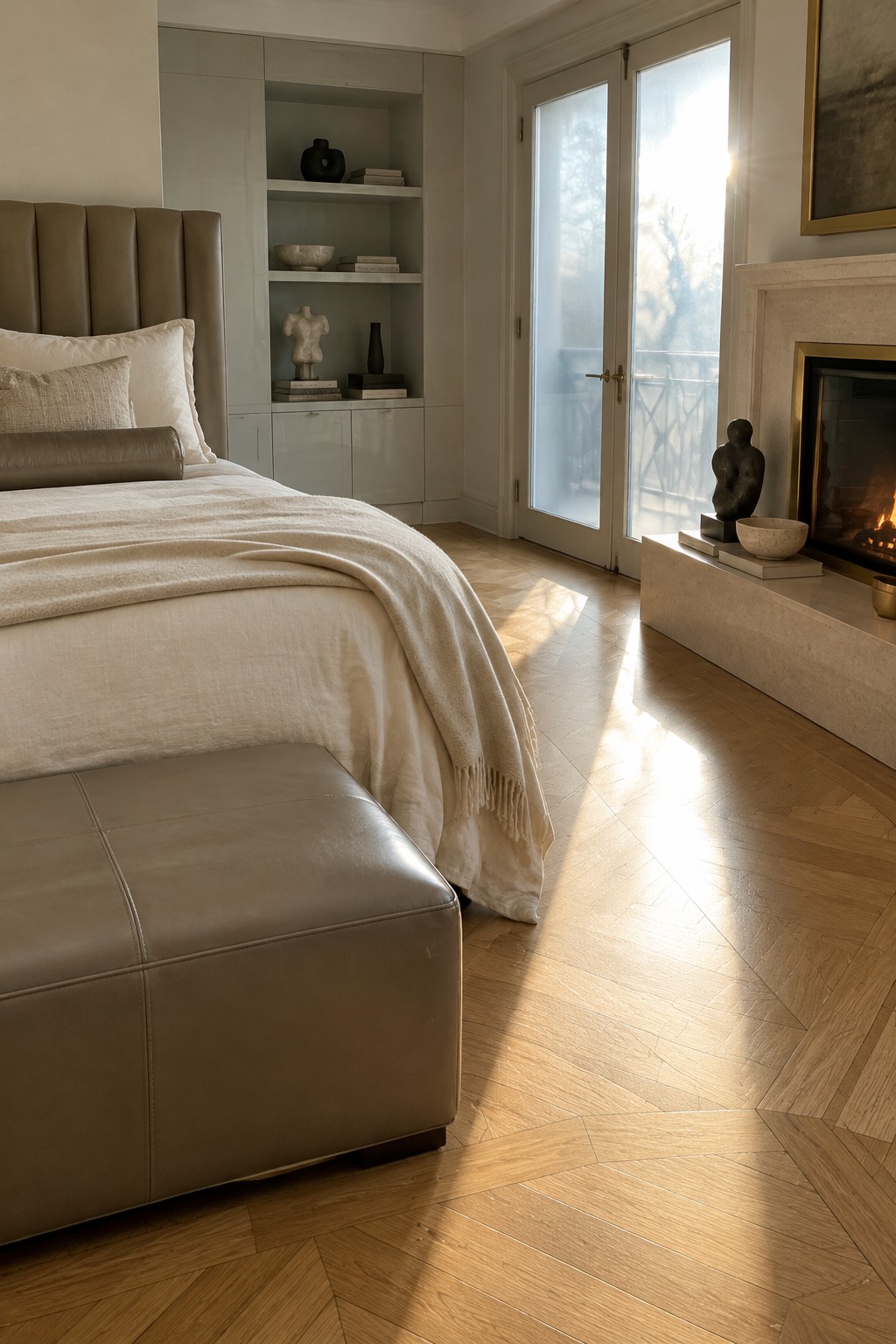
Built-in shelves make good use of wall space while keeping a bedroom’s storage close at hand. Here, open shelves sit above closed cupboards, so books and a few objects can stay accessible without leaving everything on display.
This approach works especially well in a room where freestanding storage would crowd the floor. Keep the shelves lightly filled, and use the lower cupboards for items you would rather tuck away.
Use Exposed Beams to Add Character to a Neutral Bedroom
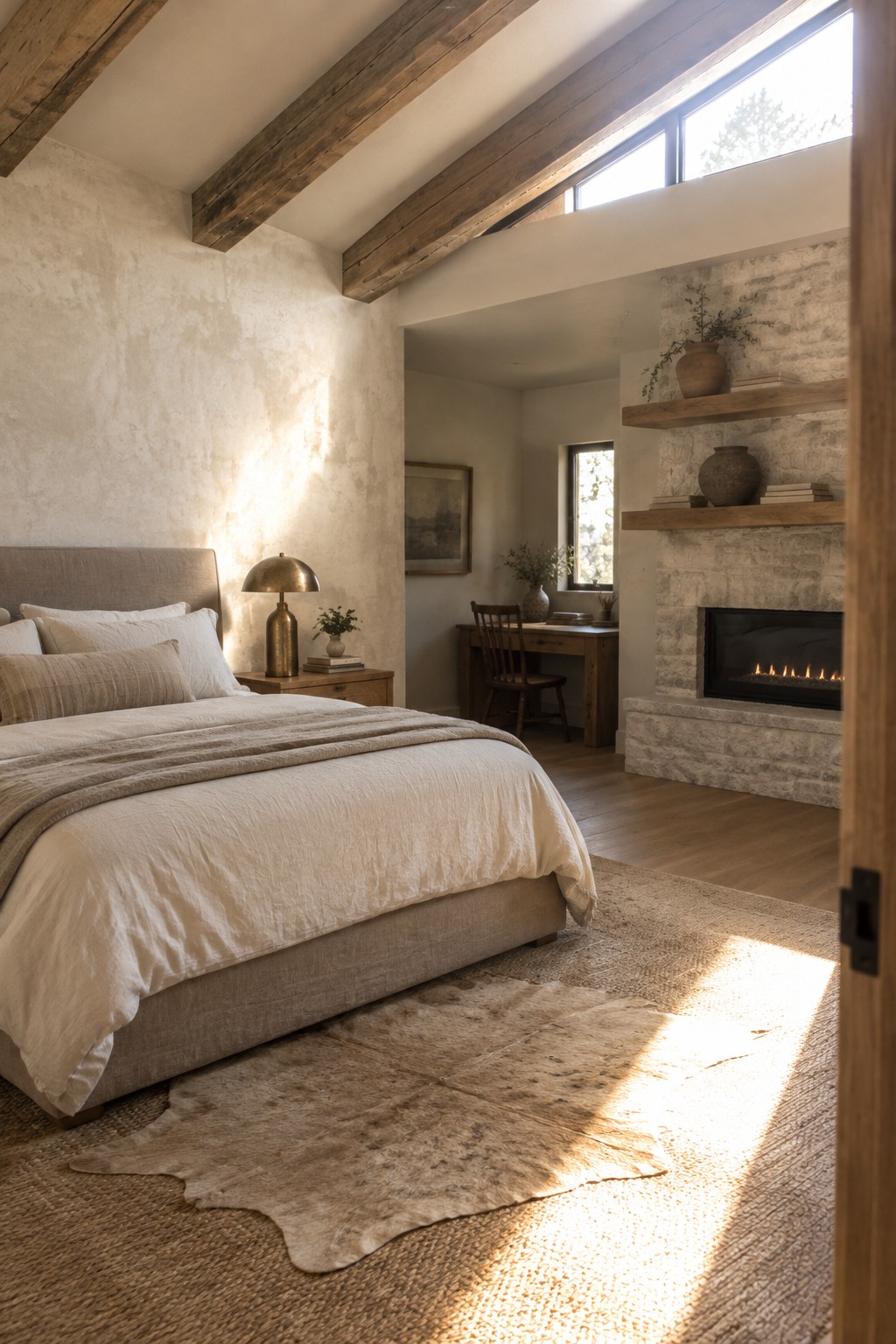
Exposed wood beams give a cream-and-taupe bedroom a little more structure without changing its quiet color scheme. The rough wood brings in contrast, while the light walls and bedding keep the room from feeling too heavy.
This detail works especially well in a bedroom with a vaulted ceiling, where beams can follow the roofline and make the height feel intentional. If your ceiling is lower, a few smaller beams or a lighter wood finish may be easier to live with.
Use an Arched Doorway to Bring Character to a Neutral Bedroom
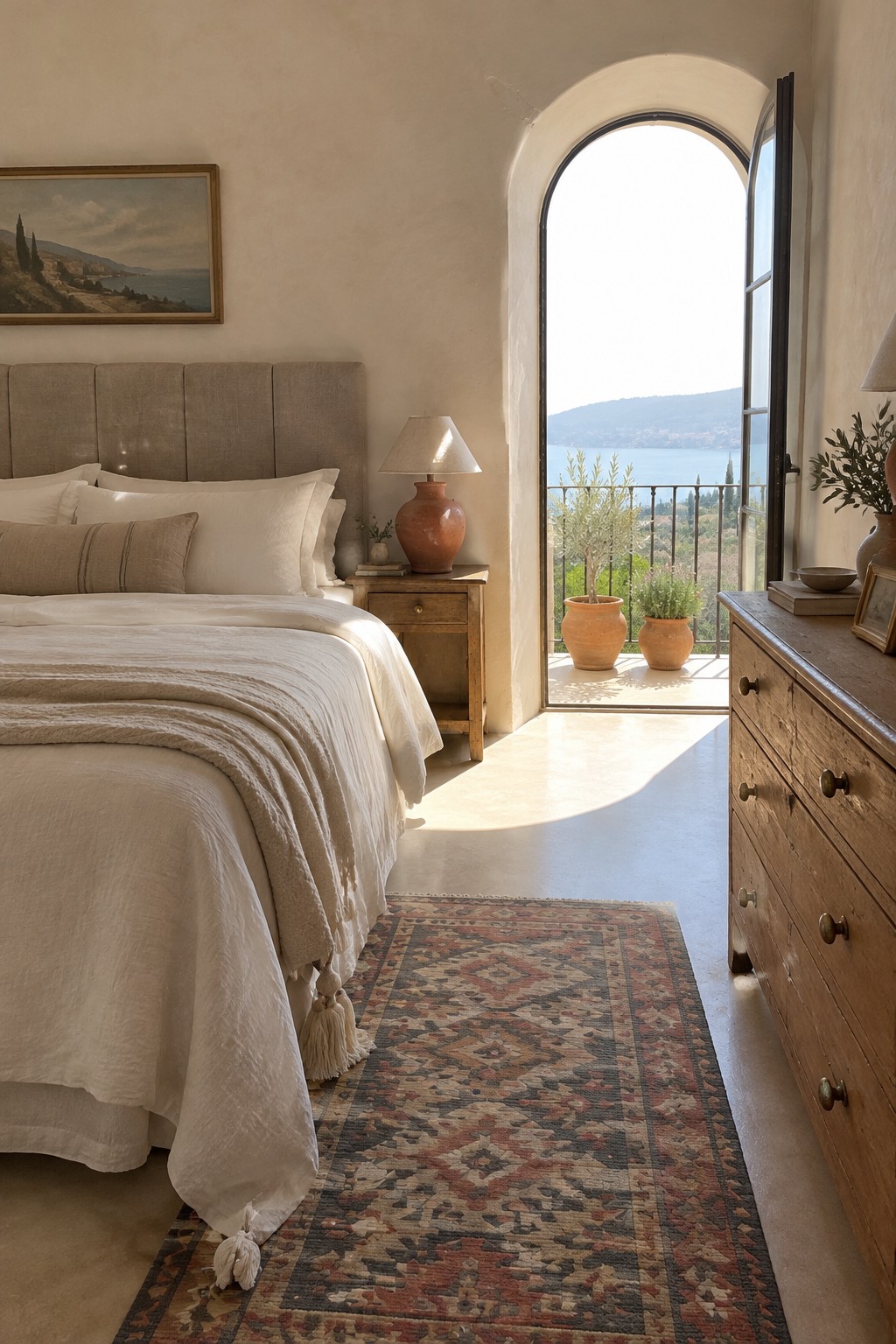
An arched doorway gives a bedroom a little architectural character without adding more color or decoration. Here, the tall opening feels especially fitting beside the simple cream and taupe finishes.
This detail works well in rooms with access to a balcony or terrace, where a full-height door can also bring in daylight. If you are renovating, keep the trim simple so the curve remains the focus.
Use Paneled Walls to Give a Neutral Bedroom Character
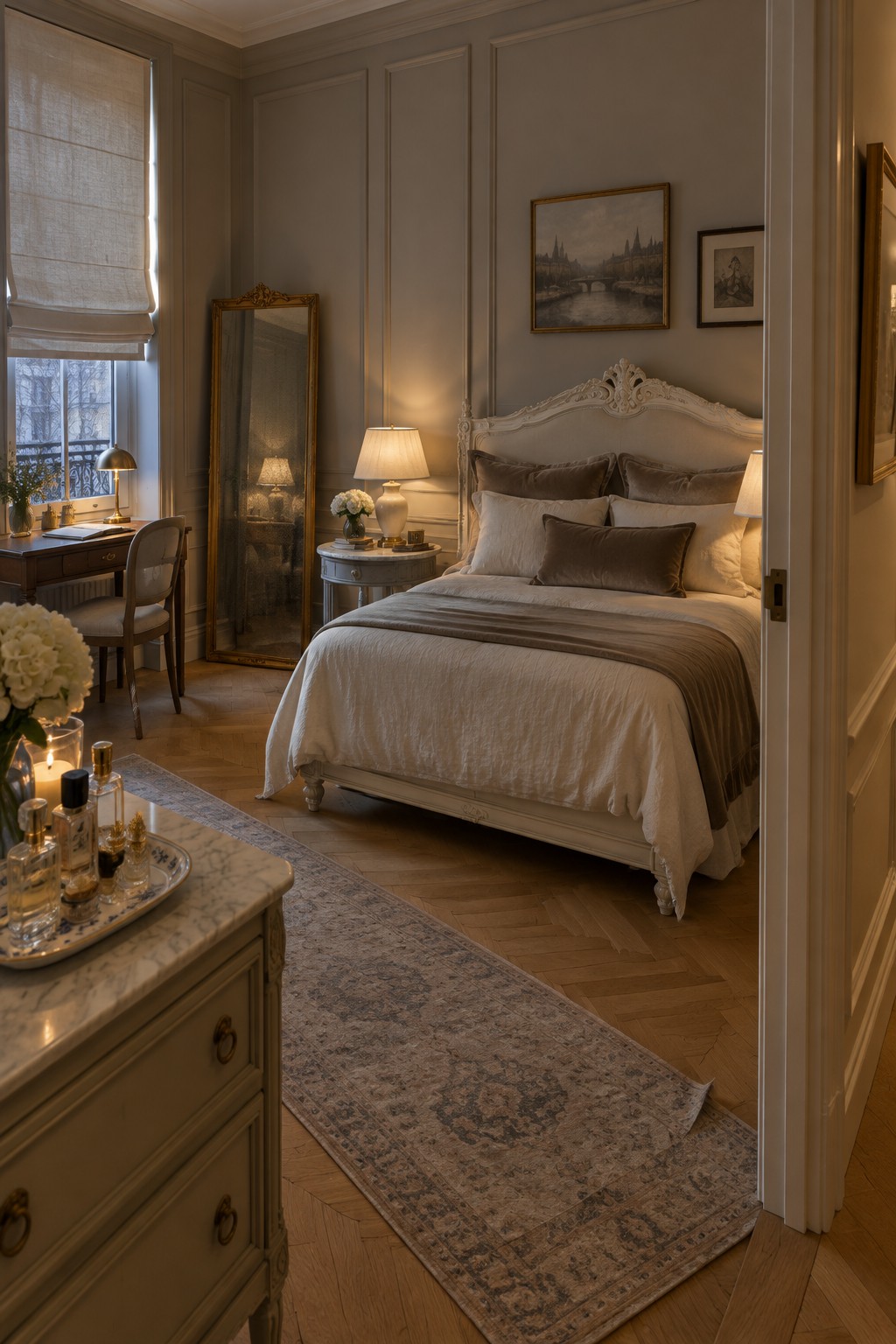
Wall molding adds quiet structure to a neutral bedroom without needing a strong paint color or busy pattern. Here, the simple panels suit the cream and taupe palette and help the room feel considered rather than plain.
This detail works especially well in older homes or rooms with tall ceilings. Keep the panel profiles modest, then use a similar wall color across the panels so they add interest without taking over.
Use Brick Walls to Add Texture to a Neutral Bedroom
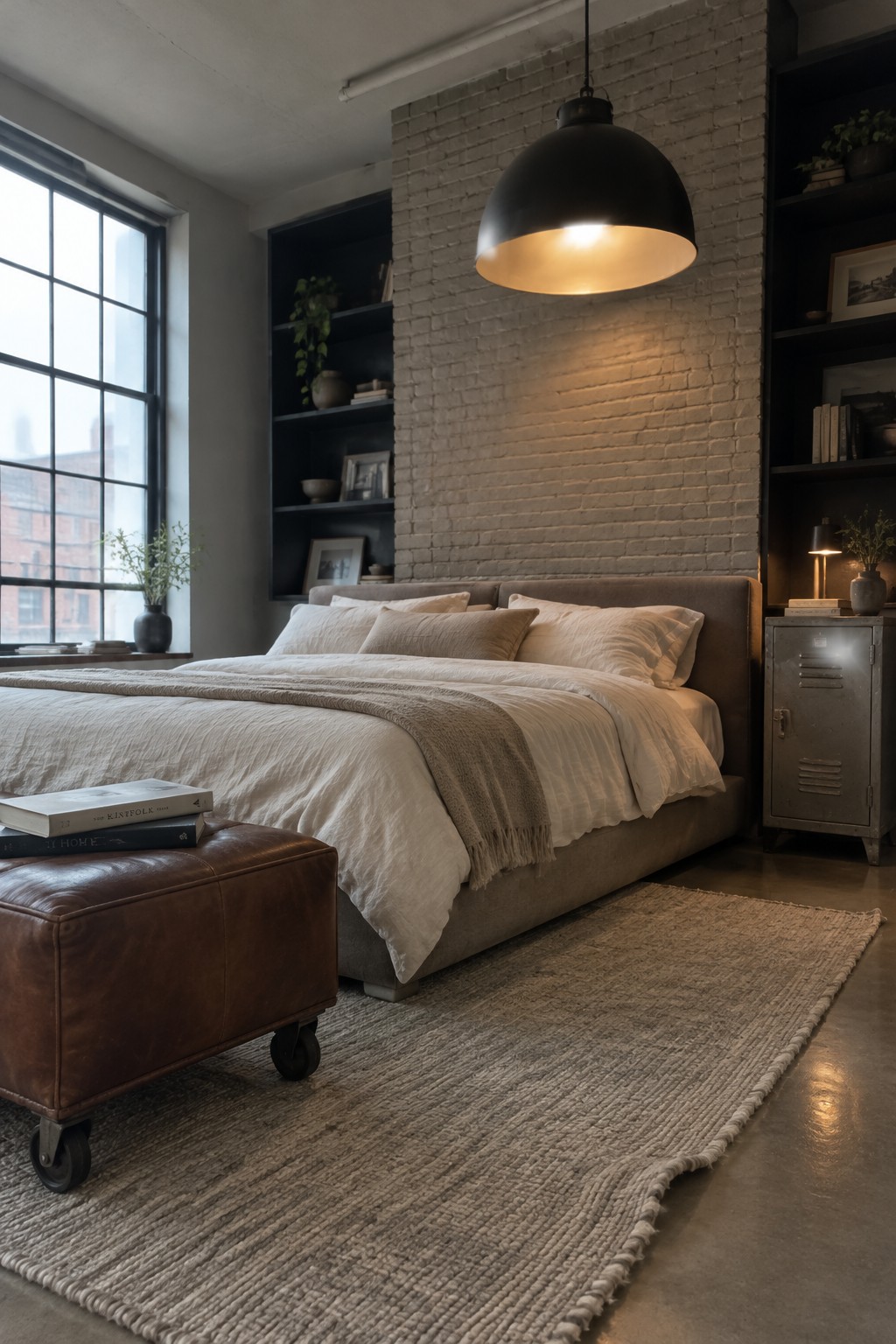
An exposed brick wall gives a neutral bedroom more character without needing a bold color. Its uneven texture brings interest to the room, while a muted taupe finish sits easily beside cream bedding.
This idea suits lofts and older homes, but it can work in a newer space too. Keep the bedding simple and let the brick be the main wall feature. If the brick feels too rough or dark, a pale wash can tone it down.
Use Taupe Textures to Add Contrast
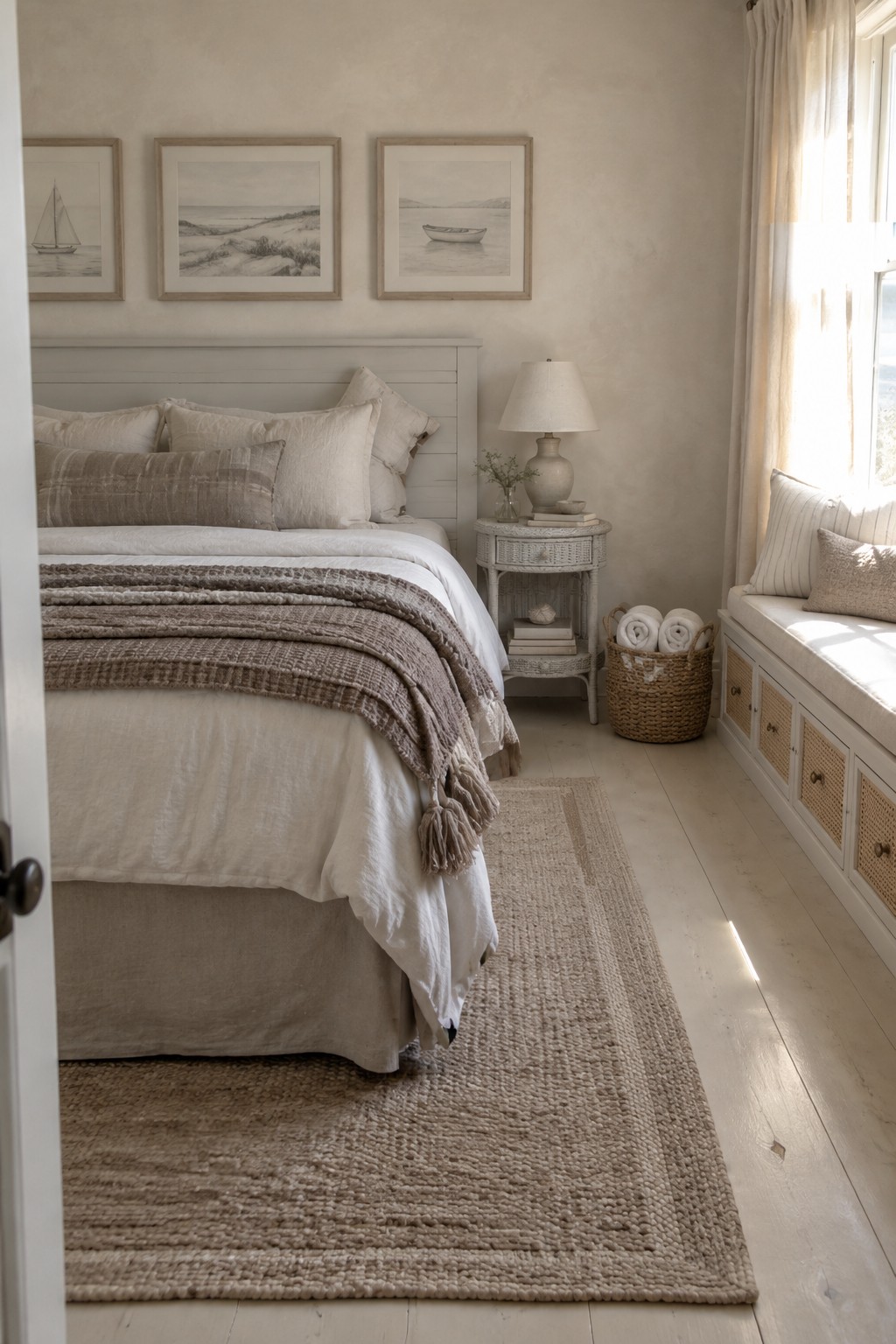
A neutral bedroom can feel more settled when its soft colors come in different textures. Here, a chunky taupe throw gives the cream bedding a little contrast without introducing a new color.
Try this with a woven blanket or textured coverlet folded across the lower part of the bed. It works especially well when the larger pieces are simple, though keeping the shades close helps the bed feel restful rather than busy.
Use Cream Bedding to Keep a Bedroom Feeling Restful

Cream bedding makes a bedroom feel calm without relying on stark white. Here, the quilt’s subtle texture gives the pale bedcover some interest while keeping the overall look quiet.
For a similar effect, choose bedding in a few close shades of cream and let texture do most of the work. It suits both traditional and simple bedrooms, especially when you want a light look that still feels comfortable.
Frequently Asked Questions
Q: How do I keep a cream and taupe bedroom from feeling flat?
A: Mix a few textures, such as linen bedding, a nubby throw, and a smooth wood nightstand. Even small shifts in texture give the neutral palette depth without adding more colors.
Q: What wall color works with cream and taupe bedding?
A: A soft warm white keeps the room light, while a muted beige or greige adds a little more warmth. Test a sample near the bed, since the light in your room can make the same color look quite different.
Q: Can I use gray with cream and taupe?
A: Yes, but choose a warm gray rather than a cool, blue-leaning one. It’ll sit more comfortably alongside the creamy tones.
Q: How can I add color without losing the calm feel?
A: Bring in one muted accent, such as sage green, dusty blue, or rust, through a pillow or piece of art. You can swap it out easily if you want a quieter look later.
