
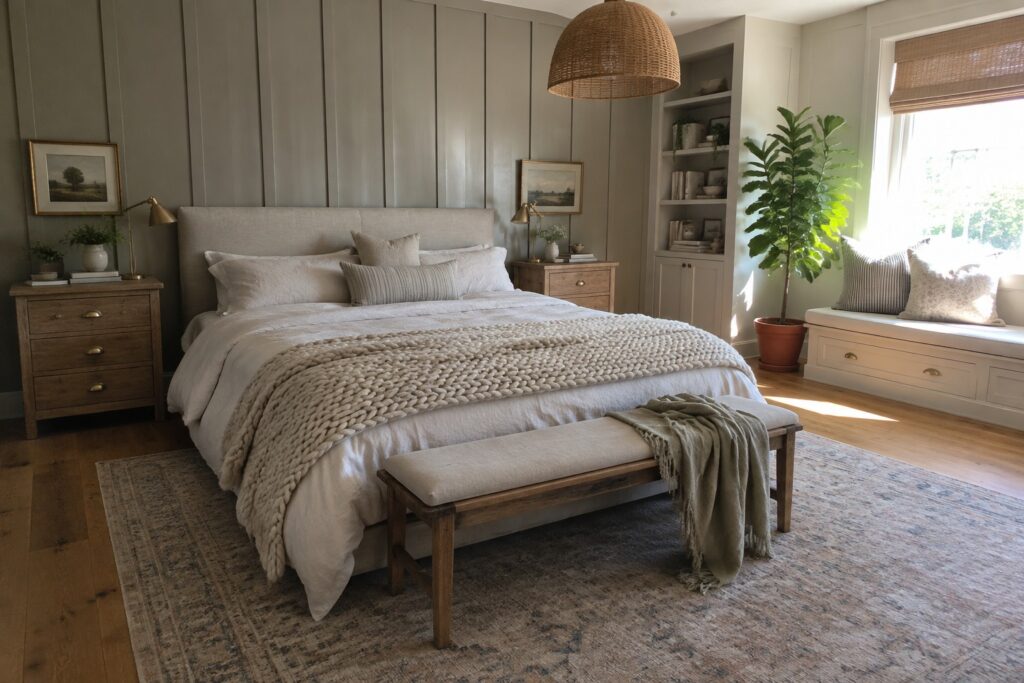
A master bedroom can feel unfinished even when the furniture is right, especially if the wall behind the bed has no clear focus.
Board and batten adds shape and shadow, but its spacing, height, and color need to suit the room rather than compete with the bed or windows.
I’d start by thinking about how the wall will look in morning light and whether the detail still feels calm once the bedding and other finishes are in place.
Some designs keep the lines simple, while others use color or a wider pattern to give the room more character.
These ideas offer practical details to save and adapt to your own bedroom.
Use Board And Batten As A Bedroom Accent Wall
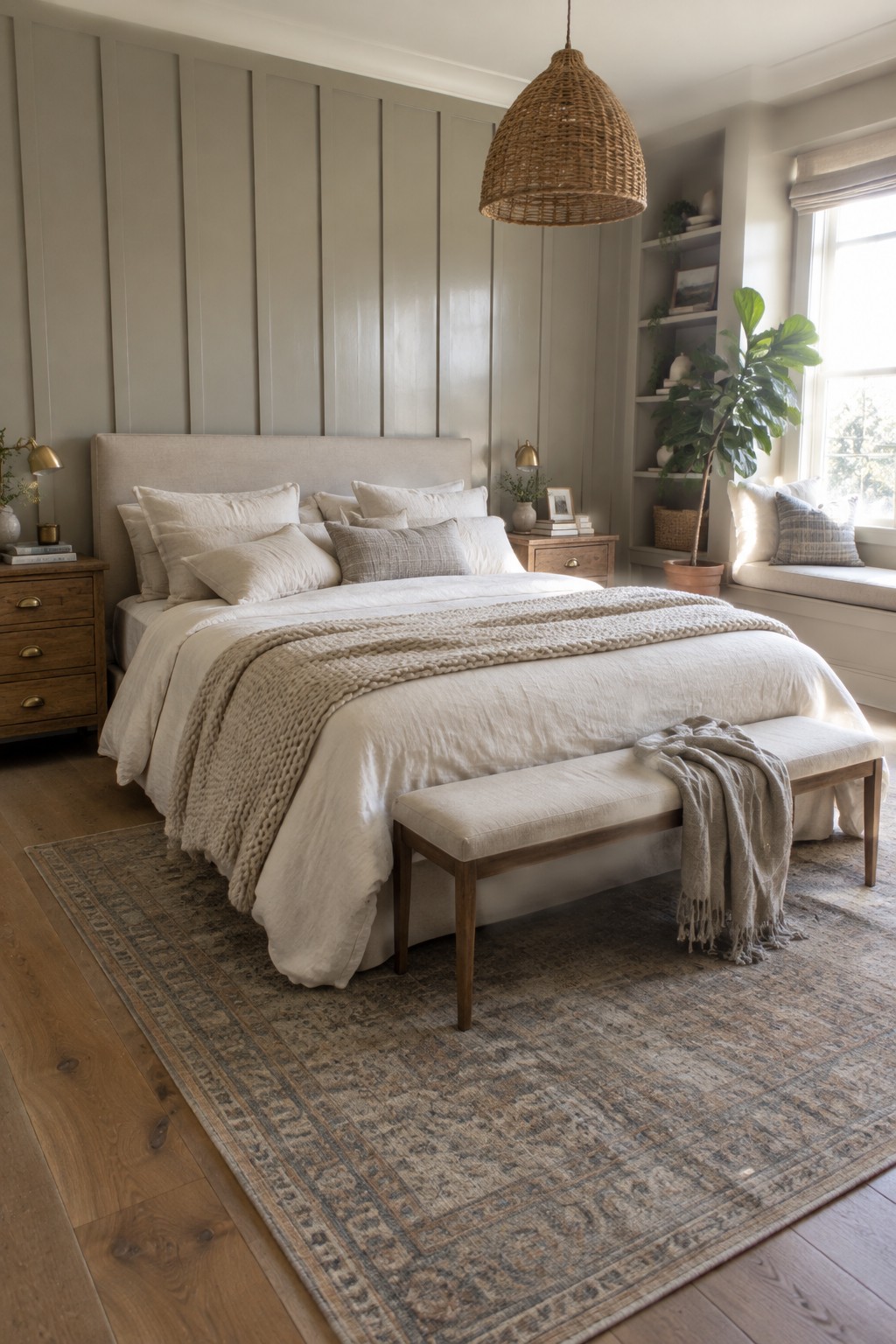
A board-and-batten wall can give the area behind a bed a little more character without adding busy patterns or strong colors. Its vertical lines make a simple backdrop for the headboard, and a muted paint color keeps the effect easy to live with.
This treatment works well on the wall behind the bed, especially in a room with mostly plain bedding and furnishings. Choose a color that sits comfortably with the rest of the room, and keep the trim proportions in scale with the wall so the panels don’t feel crowded.
Use Board And Batten To Give The Bed A Strong Backdrop
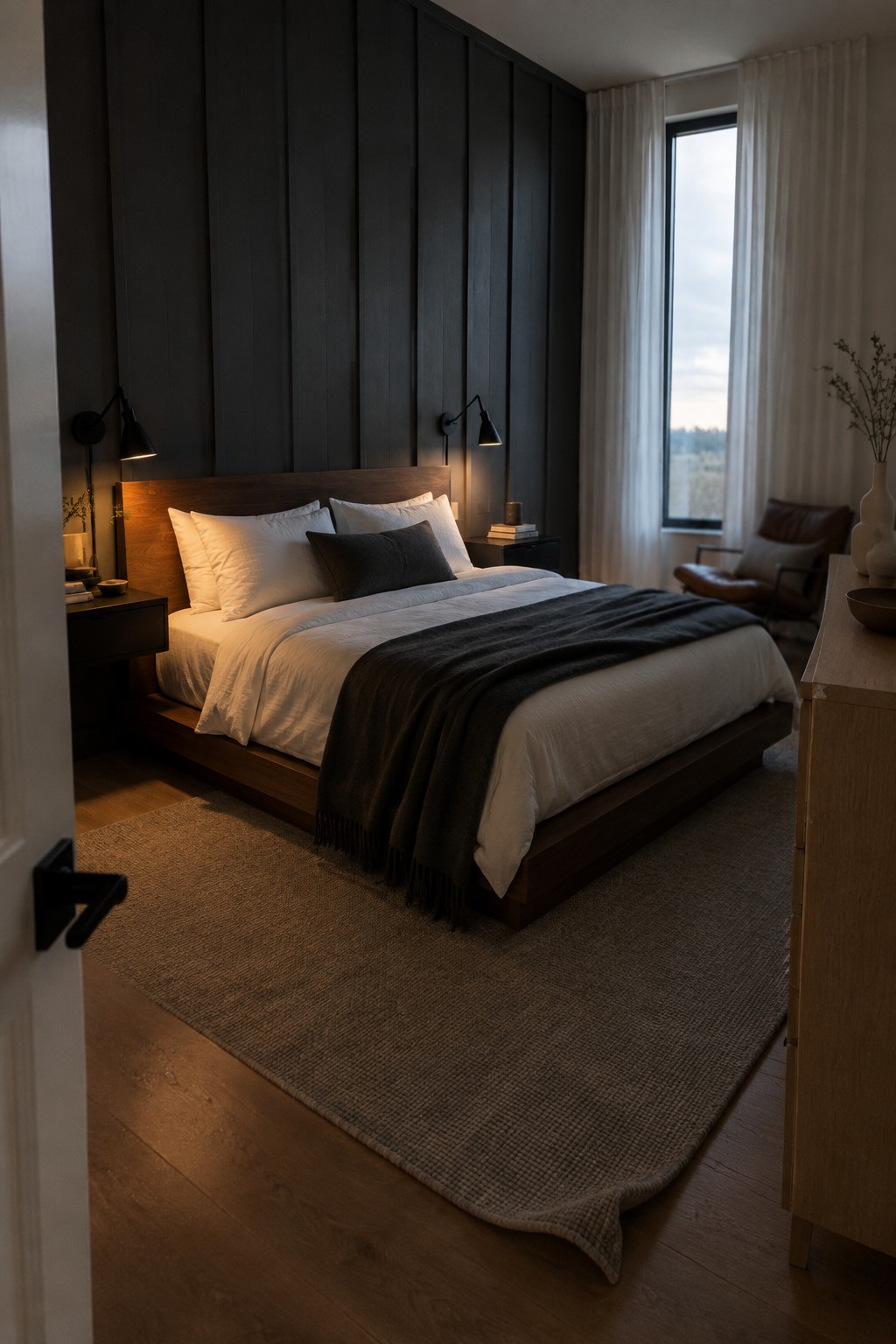
Dark board and batten makes a simple, steady backdrop for the bed. The tall panels draw the eye upward, while the deep color gives white bedding a clear contrast without needing extra wall decor.
This approach works especially well behind a bed, where the wall can feel like a natural focal point. Try it on one wall, and keep the other finishes fairly simple so the panel detail can stand out without making the room feel too dark.
Use Board And Batten To Set A Coastal Tone
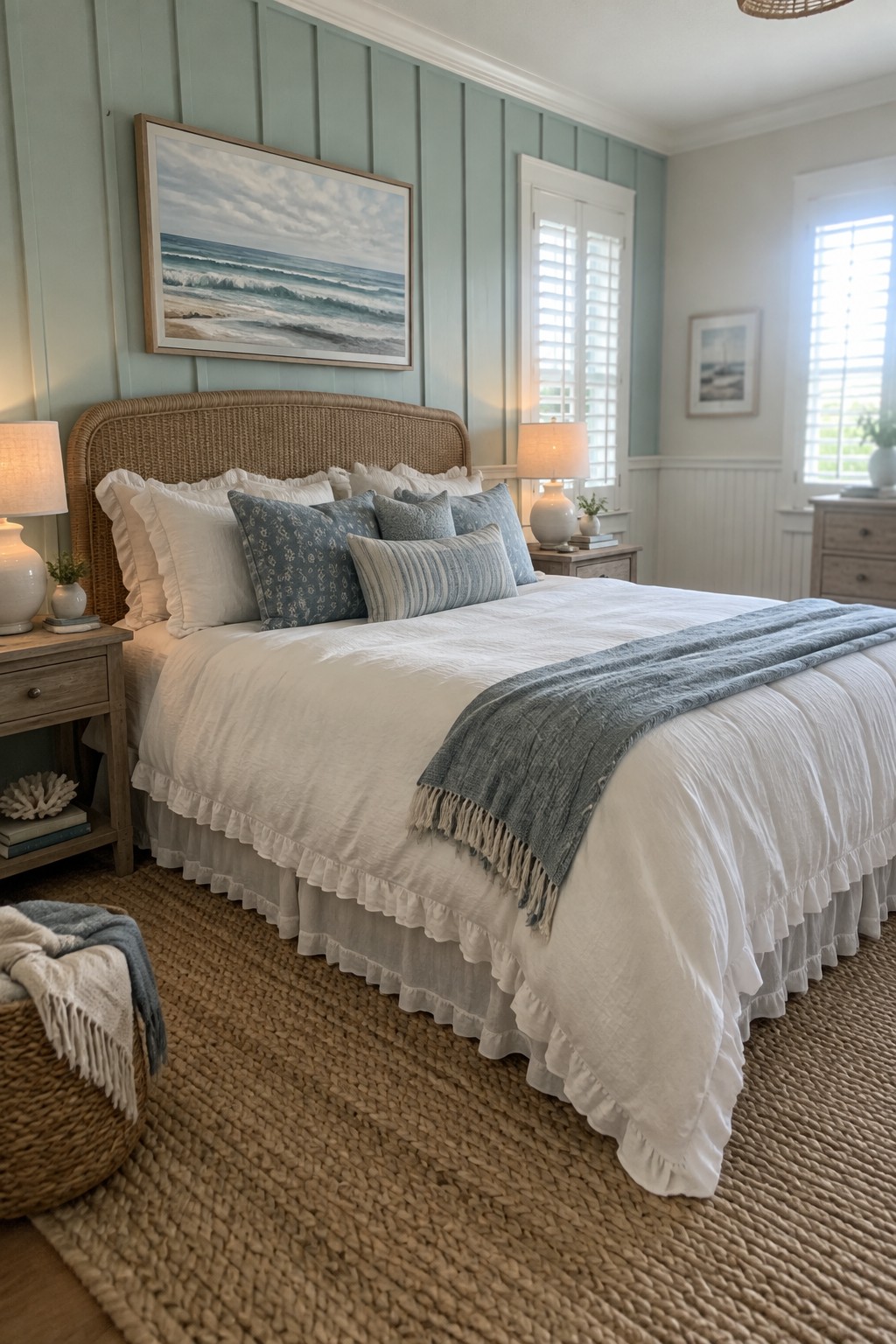
A board-and-batten wall can give a master bedroom a little more character without relying on bold color or busy decor. Painted a soft sea-glass green, it makes a calm backdrop for a woven headboard and simple bedding.
This treatment works especially well behind the bed, where the vertical lines add interest without taking over the room. Keep the battens fairly narrow and the paint muted if you want the wall to feel restful rather than formal.
Use Board And Batten To Give The Bed A Clear Backdrop
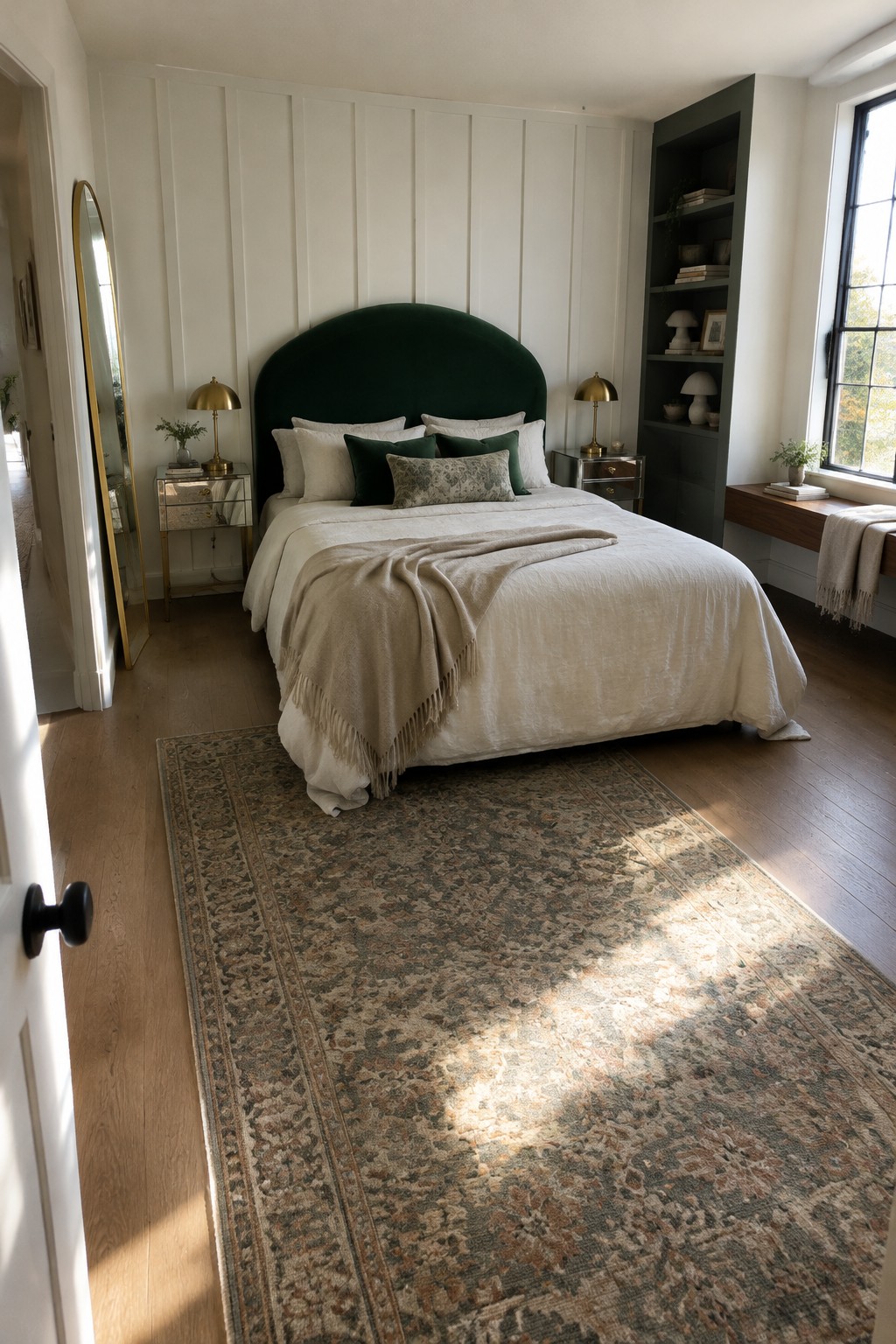
Board and batten can make the wall behind a bed feel more finished without adding much decoration. Here, the tall white panels let the dark green headboard stand out while keeping the overall look simple.
This treatment works well on the bed wall in a master bedroom, especially when the room needs a little structure but not a busy pattern. Keep the trim and wall close in color for a quiet look, or paint them together in a deeper shade for more contrast.
Use Natural Wood Paneling For A Softer Bedroom Wall

Natural wood board and batten gives a bedroom wall a little structure while keeping the room relaxed. The pale finish feels less formal than painted trim, and it works especially well behind a bed with simple, light bedding.
For a similar look, use boards with a subtle grain and a finish close to the room’s other wood tones. It suits calm, neutral bedrooms, though keeping the spacing even helps the wall feel considered rather than busy.
Use Dark Board And Batten To Set The Bedroom’s Color

A dark board-and-batten wall can give a master bedroom a clear focal point without adding busy patterns. In this room, deep blue paneling makes the bed stand out, while the light upholstered headboard keeps the contrast from feeling too stark.
This approach works well behind the bed, especially when the rest of the room has simple finishes. Try a deep shade that suits your bedding, and keep the trim and spacing consistent so the wall feels considered rather than crowded.
Use Dark Board And Batten For A Calm Bedroom
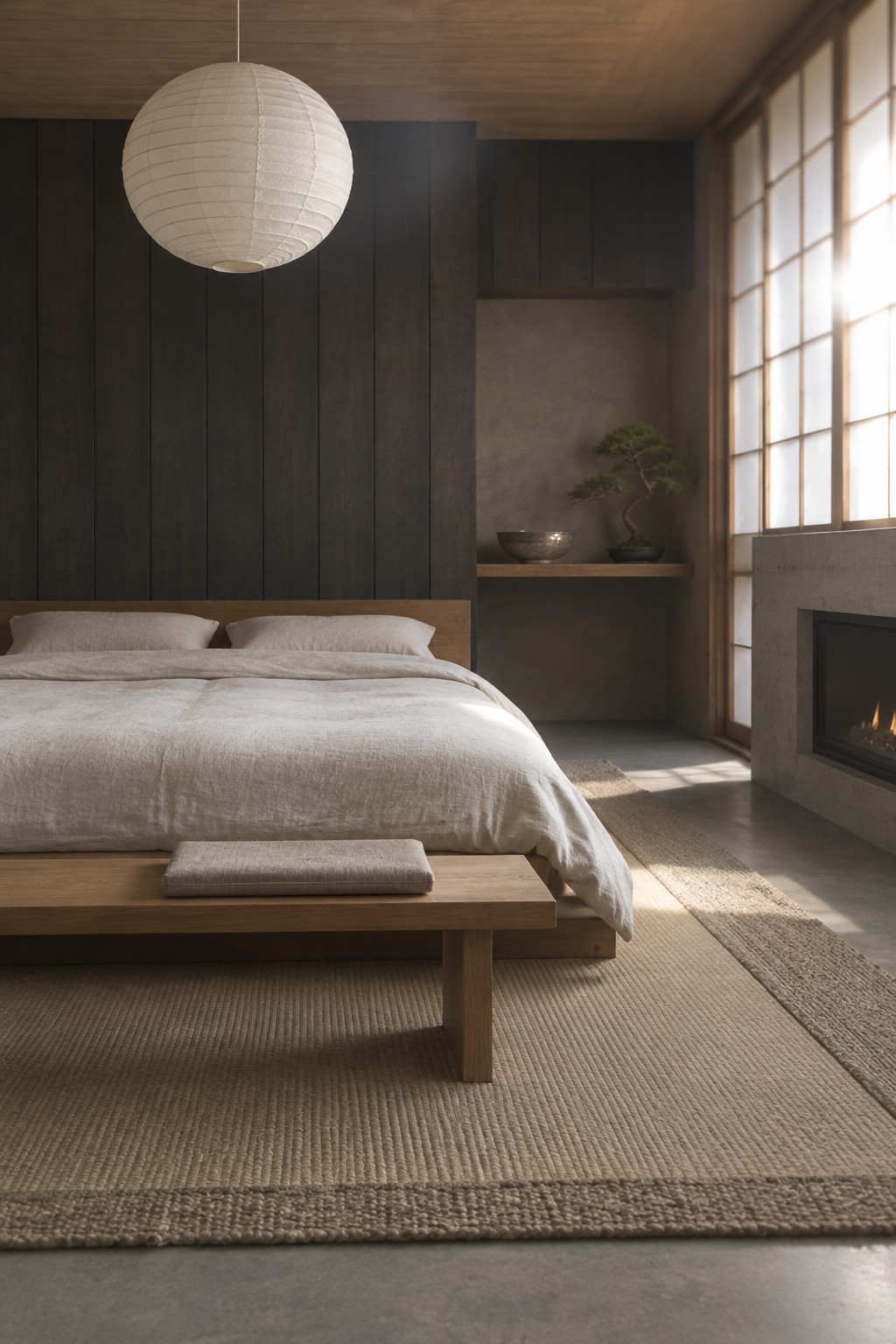
Dark vertical boards make a simple backdrop for the bed and give the room a quieter, more settled feel. The wood tone also works well with pale bedding, so the wall feels distinct without needing extra decoration.
This look suits a bedroom with natural materials and a restrained palette. Keep the boards behind the bed, and use a lighter paint or wood finish if the room has limited natural light.
Choose a Deep Green Board-And-Batten Wall
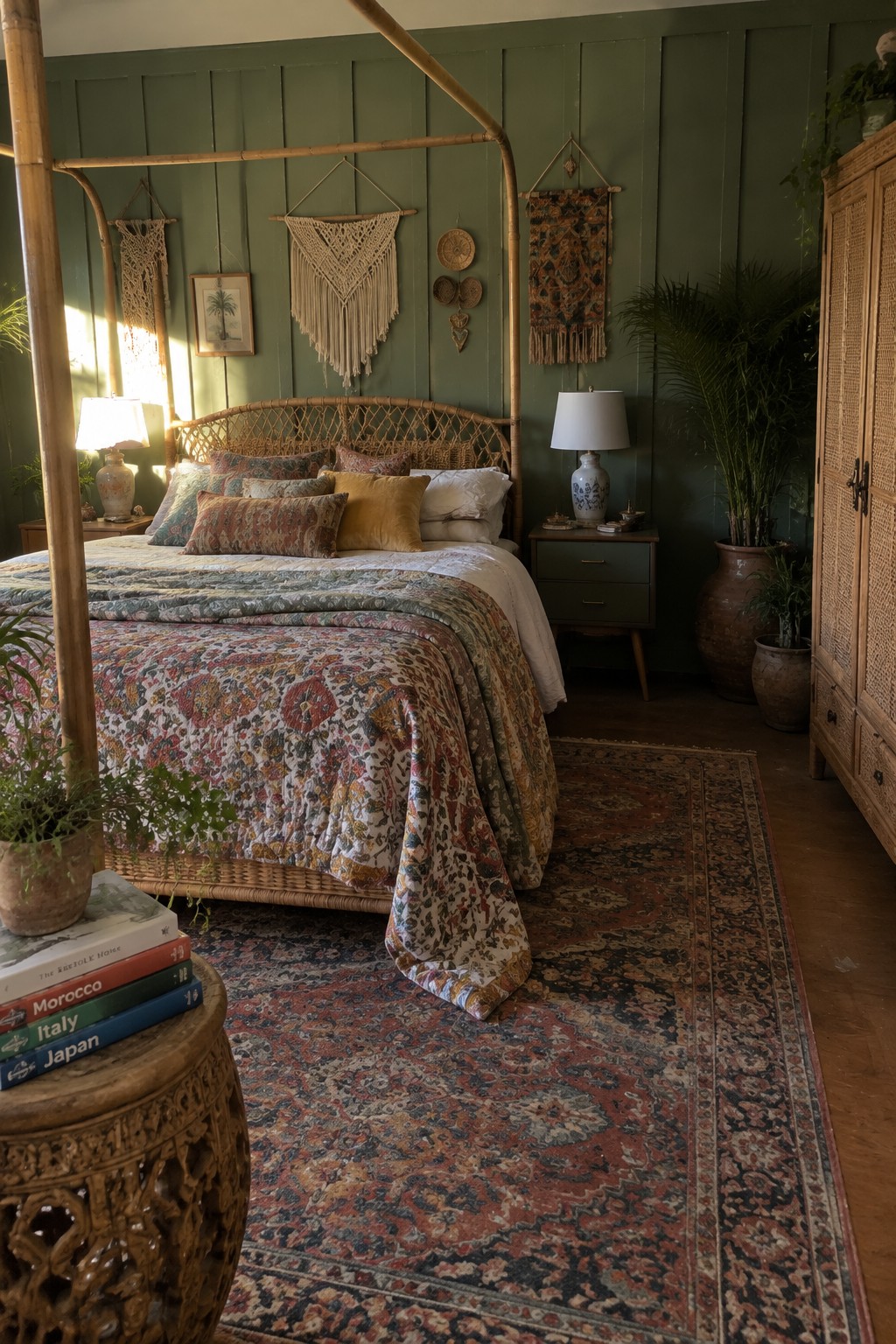
A deep green board-and-batten wall gives a bedroom a richer look without relying on extra decoration. Its vertical trim also adds a simple pattern behind the bed, which works well with woven or patterned furnishings.
Try this color on the wall behind the bed, especially in a room with warm wood or natural textures. Keep the trim and wall the same shade for a calmer effect, and use lighter bedding to keep the room from feeling too dark.
Keep Board And Batten Light In A Neutral Bedroom
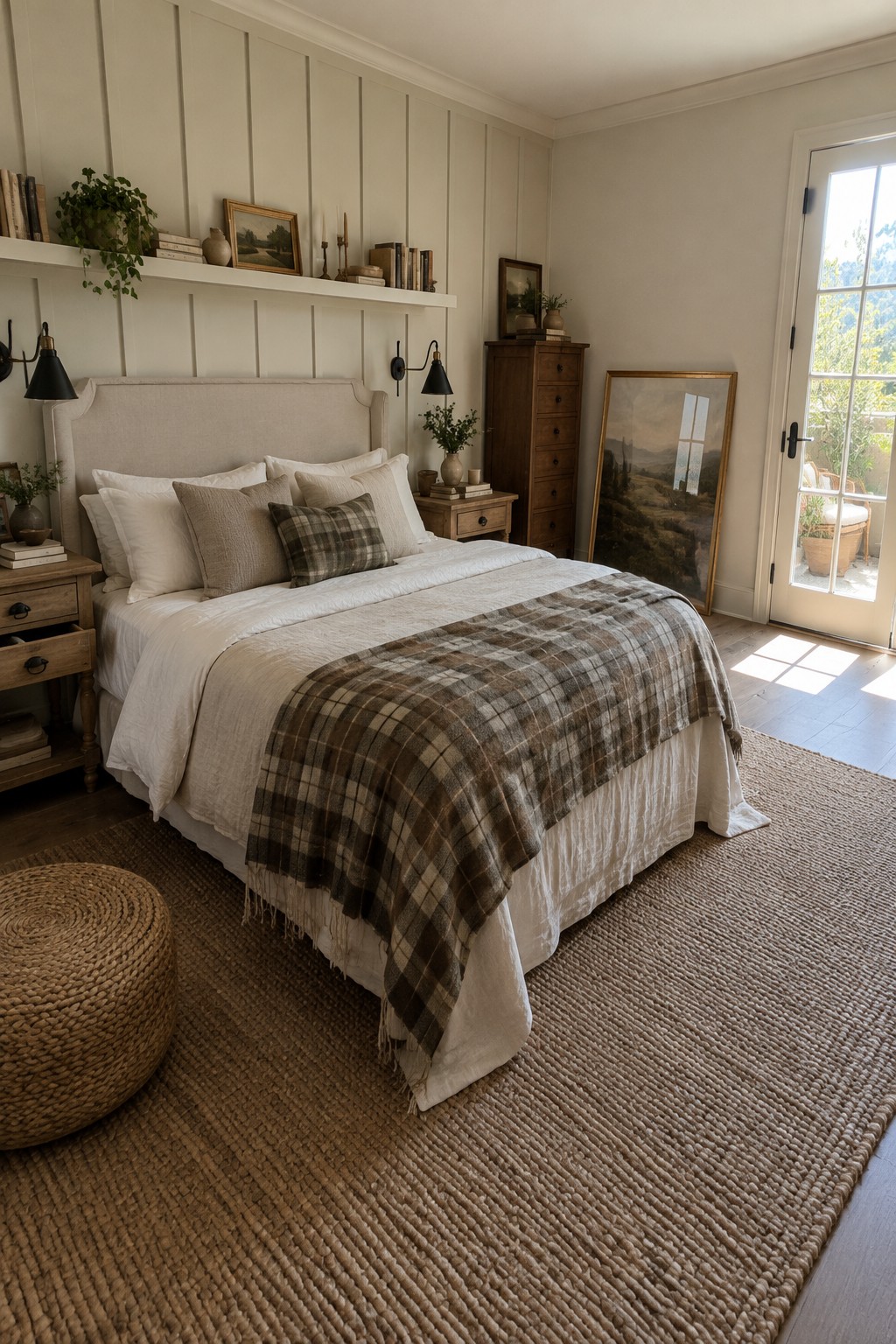
A pale board-and-batten wall gives the bed a clear backdrop without making the room feel busy. Here, the trim blends with the wall color, so the vertical lines add interest while the room stays calm.
This approach suits bedrooms with neutral bedding and natural textures. Keep the trim and wall close in color, and let a patterned throw or a few pillows bring in contrast.
Use Rustic Wood Boards Behind The Bed
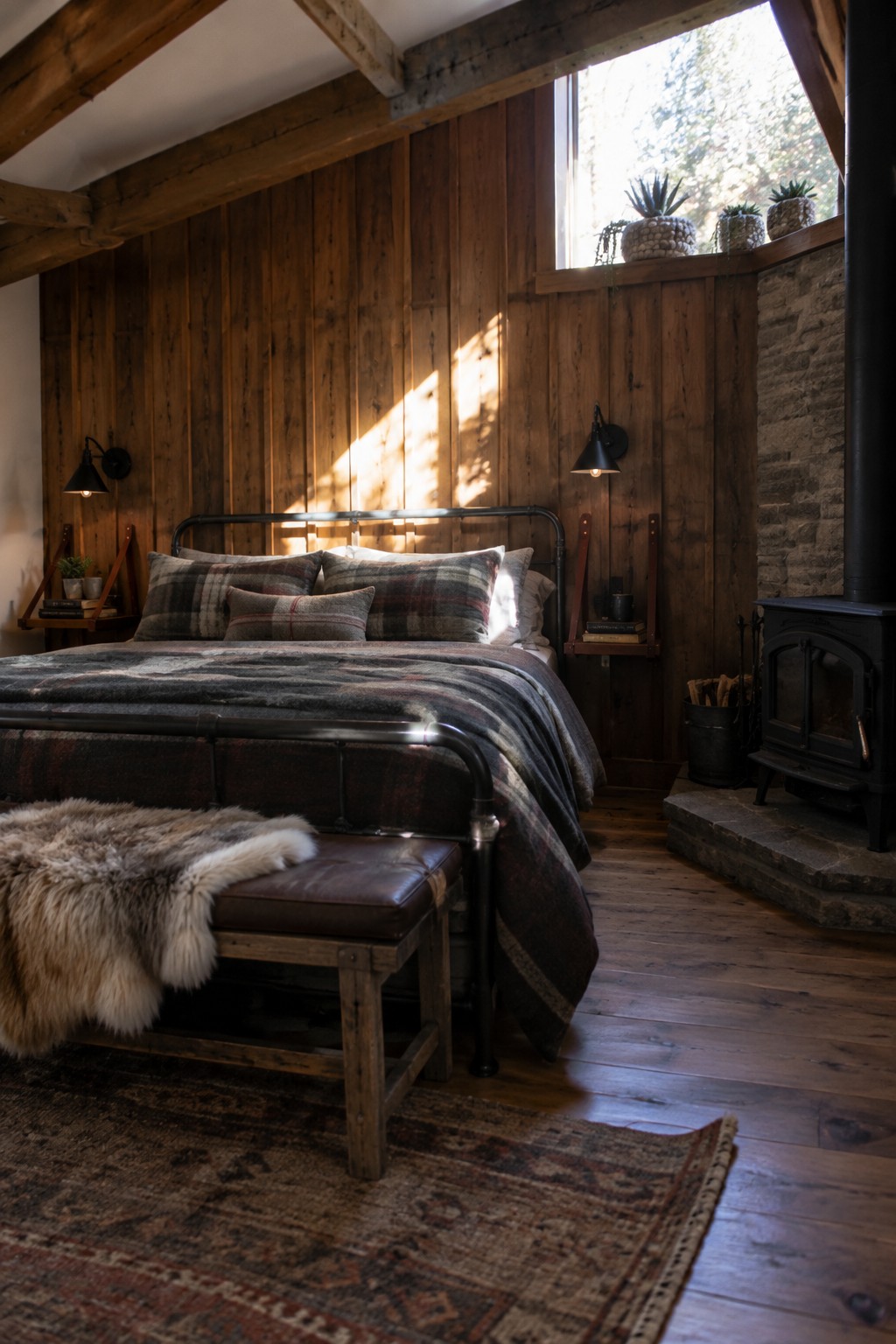
A wood-plank accent wall gives a bedroom a rustic feel without needing much extra decoration. Here, the vertical boards make a clear backdrop for the bed, while their varied grain keeps the wall from looking too uniform.
This approach suits a cabin or older home, especially when the room already has exposed beams or other natural materials. For a more restful look, keep the bedding fairly simple and choose boards in a similar tone throughout.
Use Vertical Board And Batten To Add Height
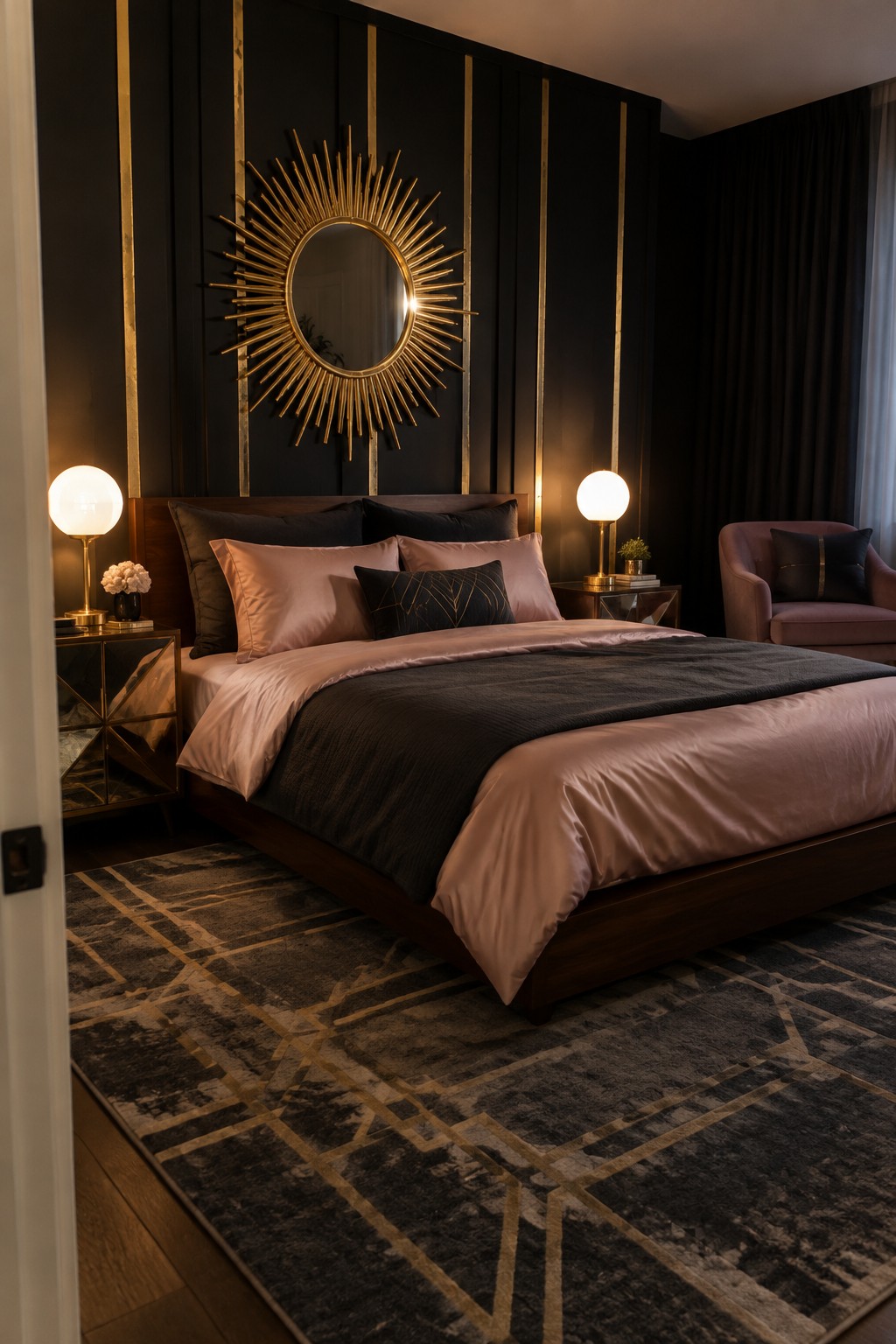
Vertical board and batten gives a bedroom wall a clear pattern without needing extra decoration. In a dark finish, it makes a strong backdrop for the bed, while narrow gold strips add a little contrast.
This approach suits a bedroom where you want the bed wall to stand out. Keep the trim spacing consistent, and let the bedding stay fairly simple so the wall does not compete with too many patterns.
Use Light Wood Paneling Behind The Bed
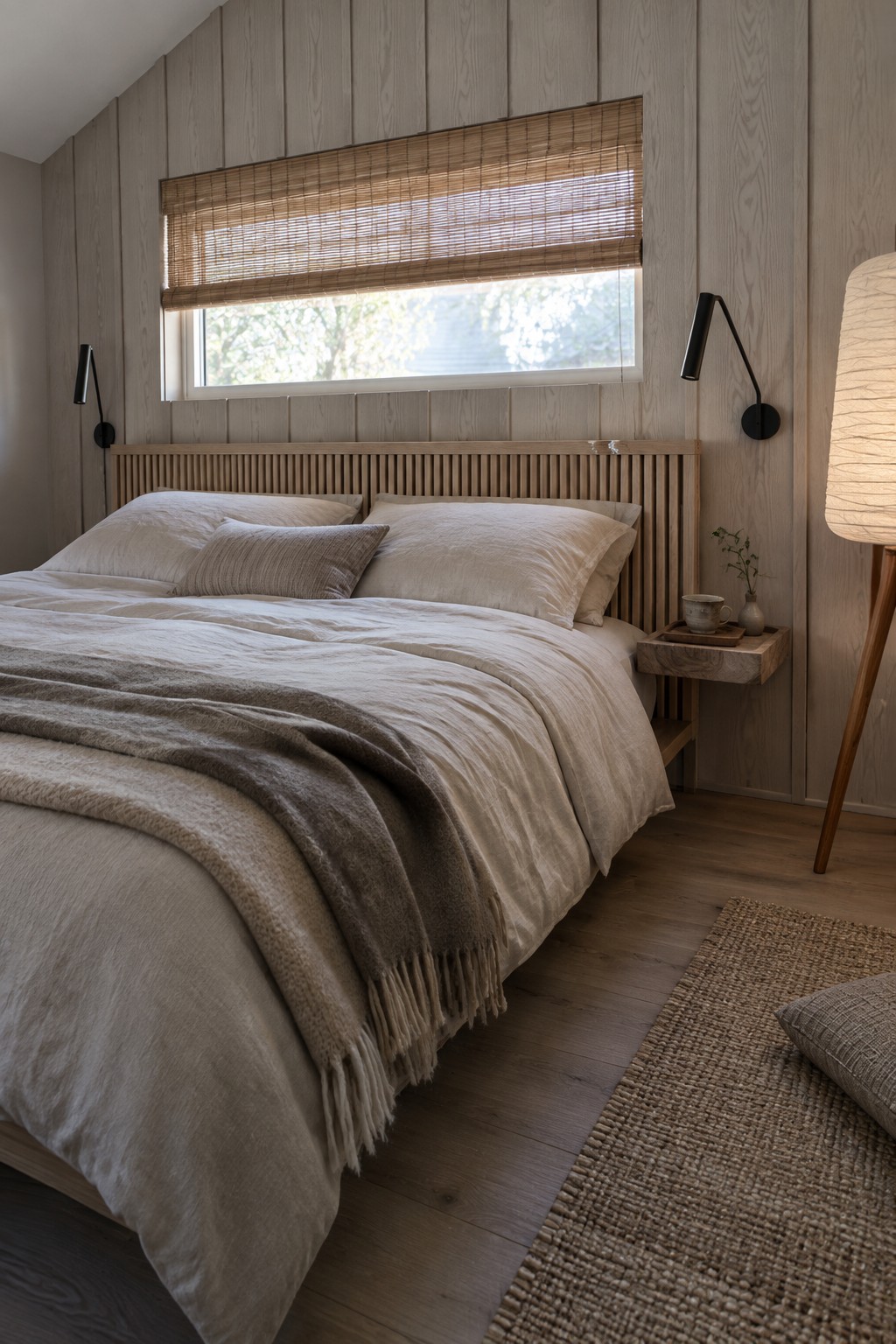
Vertical wood panels give the wall behind the bed a simple architectural detail without needing a strong paint color or busy pattern. The light finish keeps the look relaxed, while the slatted headboard picks up the same natural texture.
This approach works well in a bedroom where you want a clear feature wall but still prefer a quiet palette. Choose panels with a grain and tone that suit the furniture, and keep the rest of the bedding fairly simple so the wall remains easy to live with.
Use Weathered Board And Batten For A Cottage Bedroom
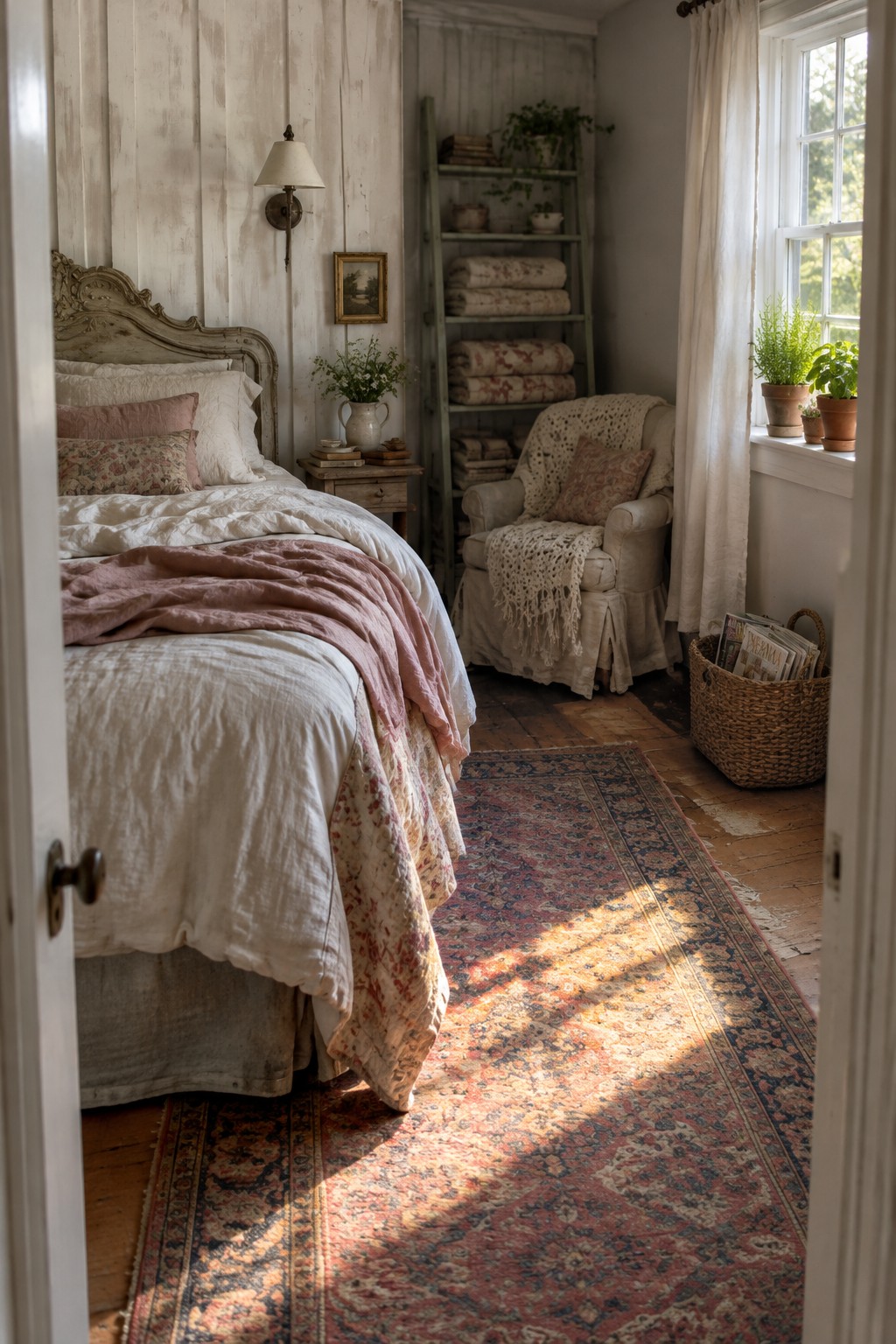
A pale, weathered board-and-batten wall gives a bedroom an easy cottage feel without needing bold color or busy decor. Its worn finish has a little character, while the vertical boards make a simple backdrop for the bed.
This look suits older homes and relaxed bedrooms, especially when the bedding stays fairly quiet. Keep the wall finish subtle so it does not compete with patterned quilts or other details in the room.
Use Pale Blue Board And Batten For A Coastal Bedroom

Pale blue board and batten gives a bedroom a coastal feel without relying on lots of beach-themed decor. The vertical panels add just enough pattern behind the bed, while the light color keeps the wall from feeling too strong.
This approach works well in a bedroom with white bedding and simple furniture. Choose a muted blue rather than a bright shade, and let the wall be the main color feature.
Use Light Board And Batten To Keep The Bedroom Calm
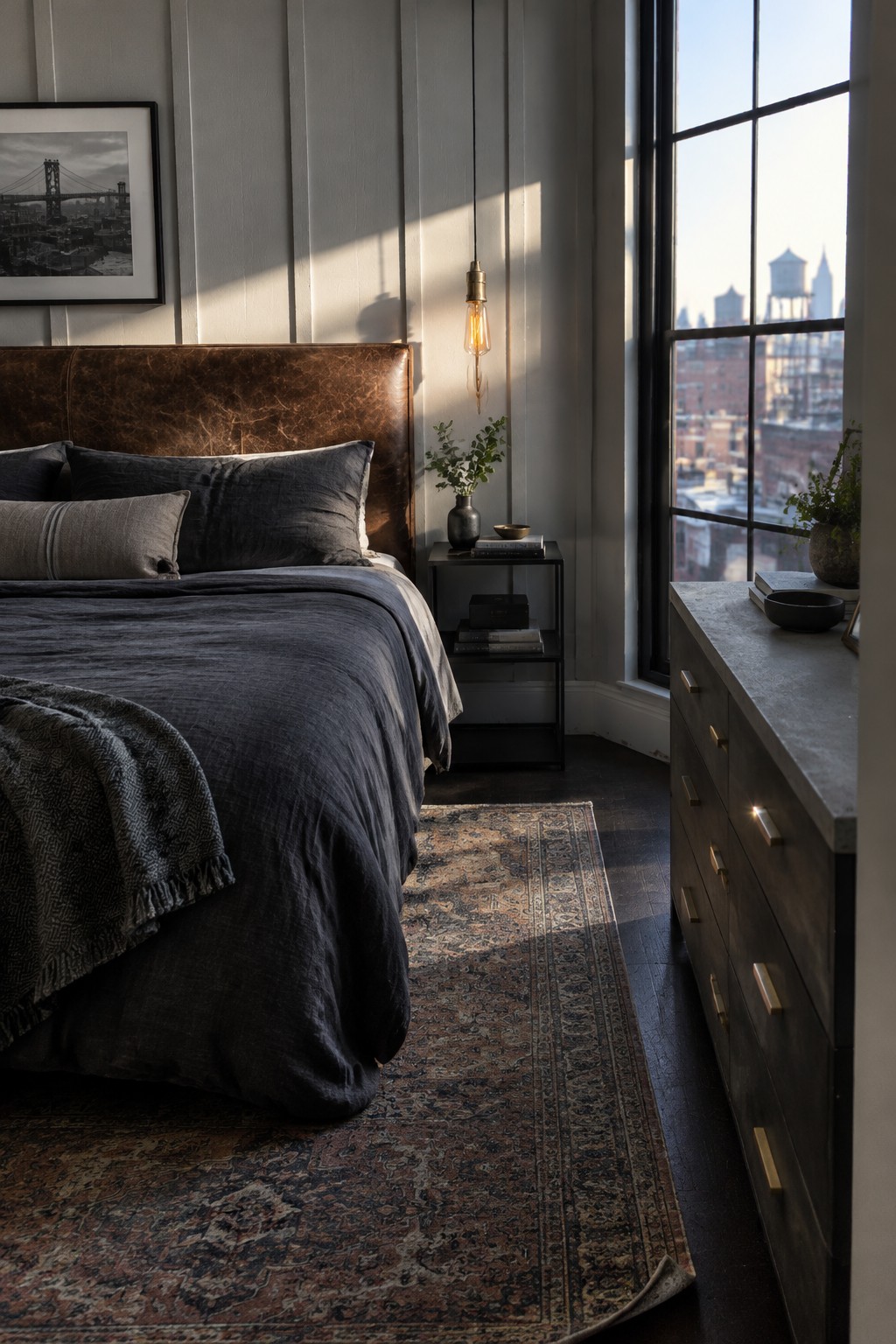
A light board-and-batten wall can give a bedroom a little structure without making it feel busy. The narrow vertical lines suit a simple, restful space, especially when the bedding and furniture stay in muted shades.
This approach works well behind the bed, where the wall treatment can take the place of a bold color or busy pattern. Choose a soft warm white or pale gray, and keep the trim fairly simple so the room still feels relaxed.
Use Mustard Board And Batten To Warm Up The Bedroom
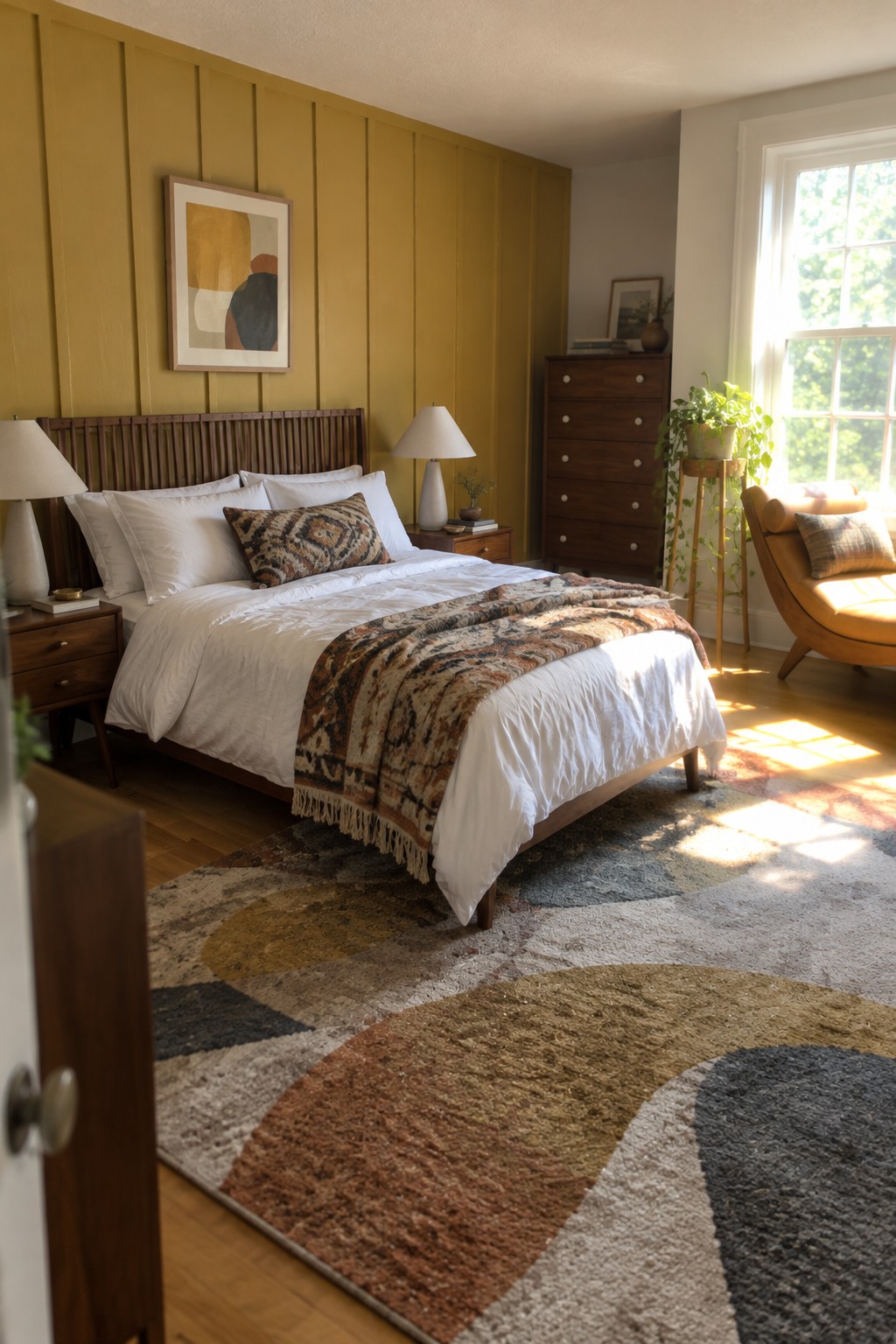
A mustard board-and-batten wall gives a bedroom a strong color without needing a busy pattern. The vertical trim adds interest, while the golden paint makes a simple backdrop for the bed feel more personal.
This idea suits a room with plenty of natural or wood tones. Keep the bedding fairly plain so the wall remains the main feature, and try a muted mustard if you want the color to feel easier to live with.
Let Board And Batten Set The Bedroom’s Style
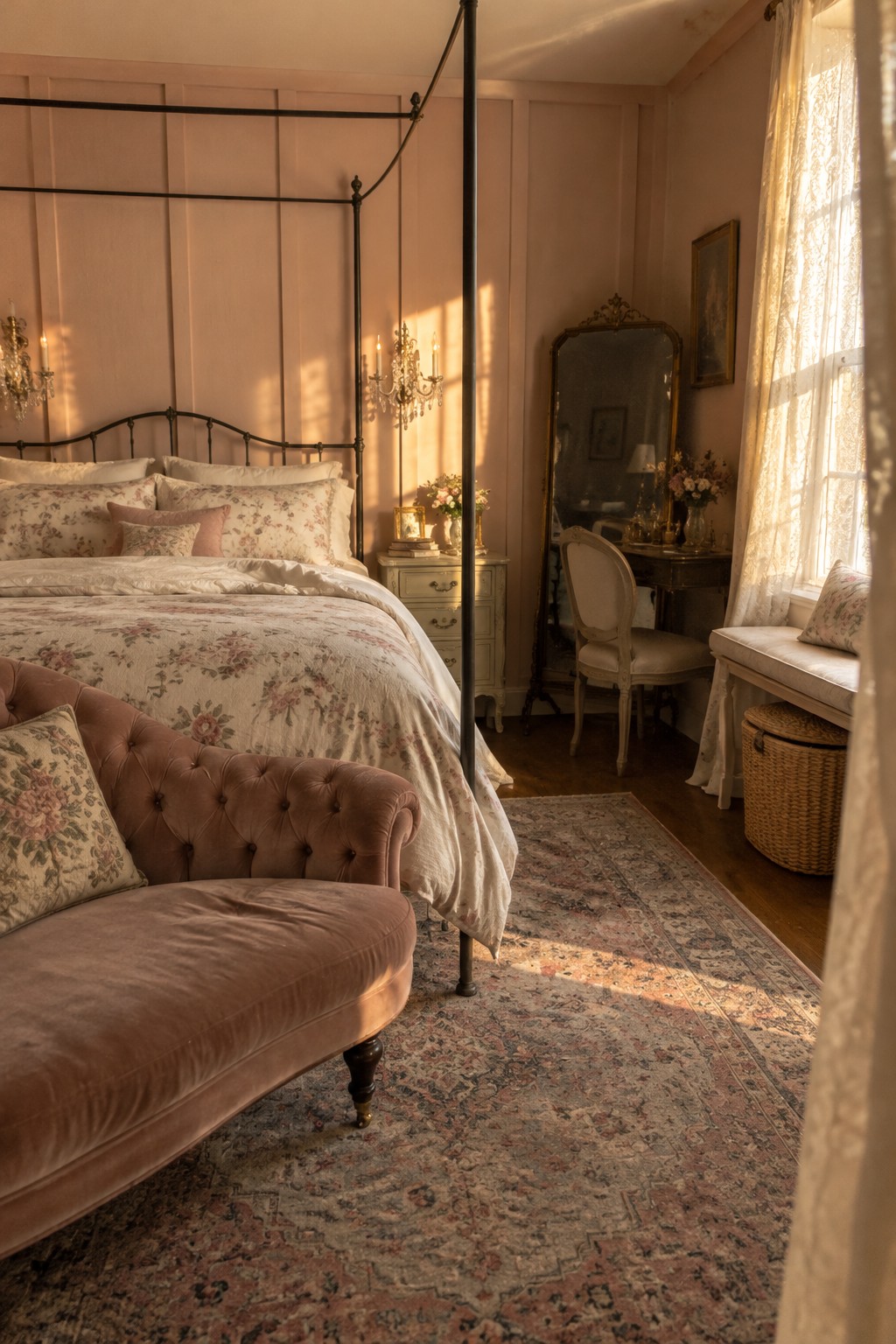
Board and batten gives a bedroom wall a little structure without needing a bold color or busy pattern. Here, the pale pink panels suit the floral bedding and make the bed feel at home in a cottage-style room.
For a similar look, paint the trim and wall panels the same soft shade, then keep the bedding fairly simple so the lines remain easy to see. It works especially well behind the bed, where the wall can add character without taking up floor space.
Use Tall Board And Batten Panels Behind The Bed
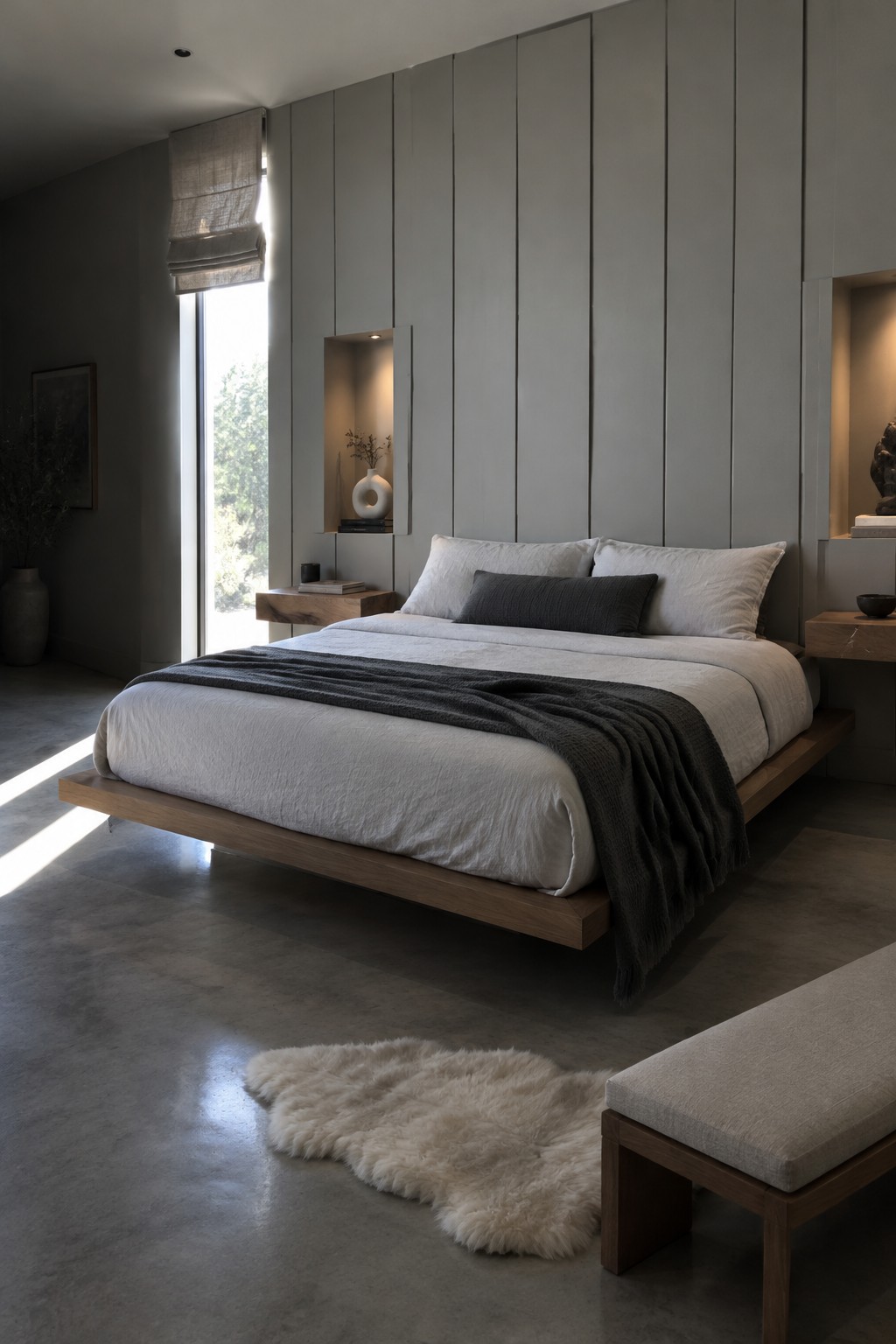
Vertical board and batten gives the bed wall a clear structure without relying on a bold paint color. Here, the tall, pale panels make a simple backdrop for the bed while keeping the overall look quiet.
This approach works well when you want an accent wall to feel built into the room rather than busy. Use narrow battens for a subtle pattern, and keep the wall color close to the bedding or other finishes for a calm result.
Frequently Asked Questions
Q: Will board and batten make a small bedroom feel cramped?
A: Not necessarily. Keep the battens fairly slim and paint the wall and trim the same color to avoid a busy, boxed-in look. Vertical lines can also draw the eye upward.
Q: Should I put the accent wall behind the bed?
A: That’s often the easiest spot because the headboard naturally sits against it. Check that the battens won’t land awkwardly behind bedside tables or cut across wall lights.
Q: Can I install board and batten over textured walls?
A: Yes, but deep texture can leave visible gaps around the trim. Smooth the wall first, or use a flexible paintable caulk to tidy small gaps before painting.
Q: What sheen of paint works well for a bedroom accent wall?
A: Matte or eggshell gives the wall a soft, low-glare finish. Satin is easier to wipe clean, but it can highlight bumps and uneven spots.
