
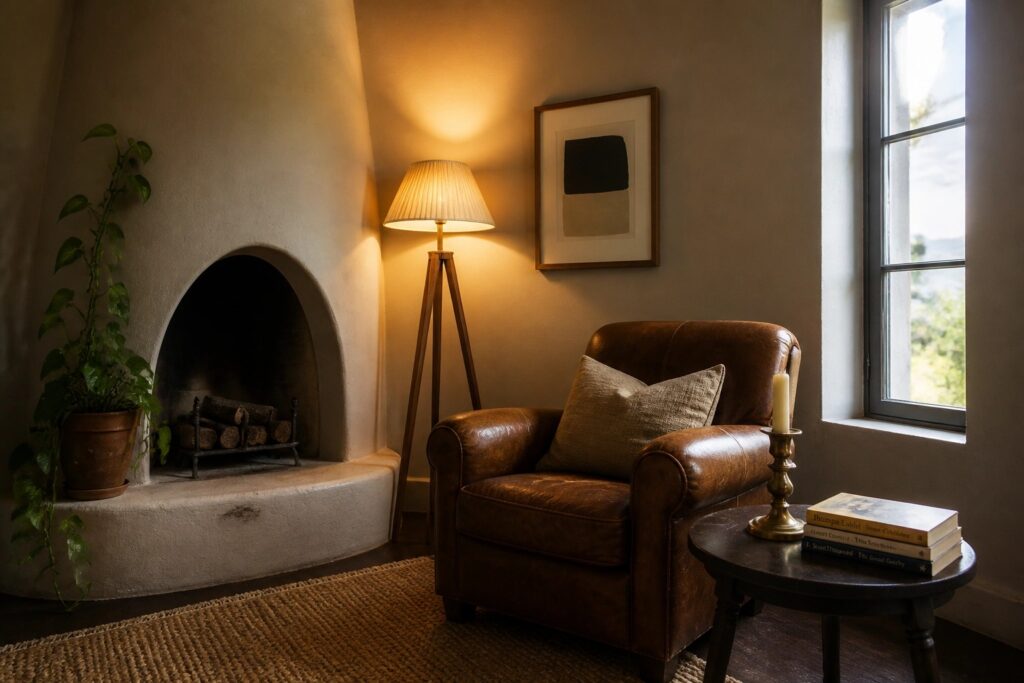
I have walked into plenty of rooms where one overlooked corner stayed dim no matter how the rest of the furniture was arranged.
That always made the space feel slightly off balance during the evening, even when the main seating area worked fine.
Corners need their own light.
Over time I started noticing how a single low fixture changed the way I used the room, turning an area I usually avoided into a spot that felt intentional.
Now I pay closer attention to solutions that fit the actual layout without creating new shadows or extra cords to hide.
Floor Lamp In A Dark Corner
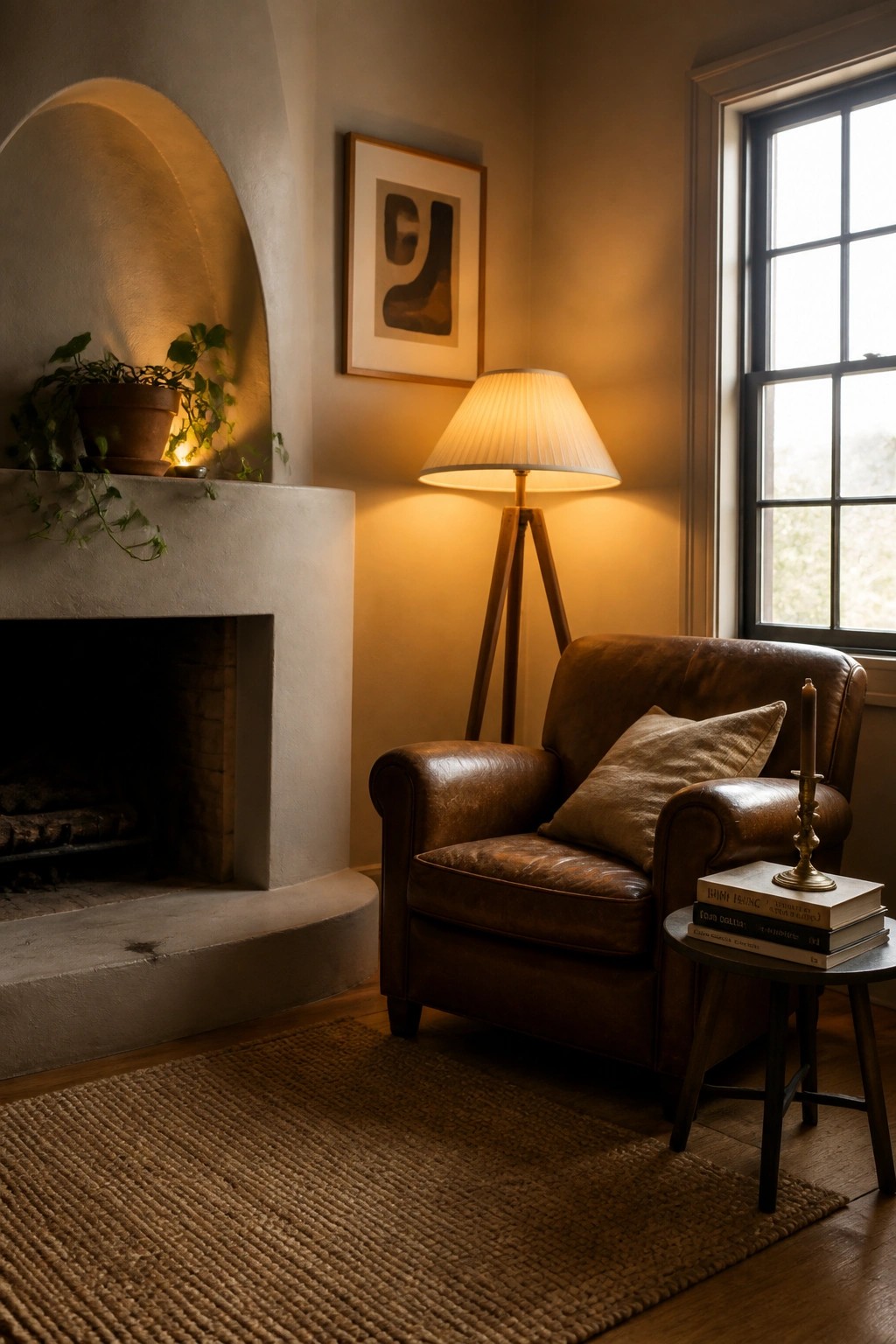
A tall floor lamp with a soft shade can fill a shadowed corner with steady warm light without needing overhead fixtures. It works especially well next to a chair or beside a fireplace where you want a calm evening glow rather than bright task lighting.
Place the lamp on the side away from the main window so the light stays even once the sun goes down. This setup suits older homes or rooms with deep corners that feel cool or unused after dark. Keep the shade simple and the bulb on the warmer side so the light feels gentle rather than harsh.
Wall Sconces That Brighten Bedroom Corners
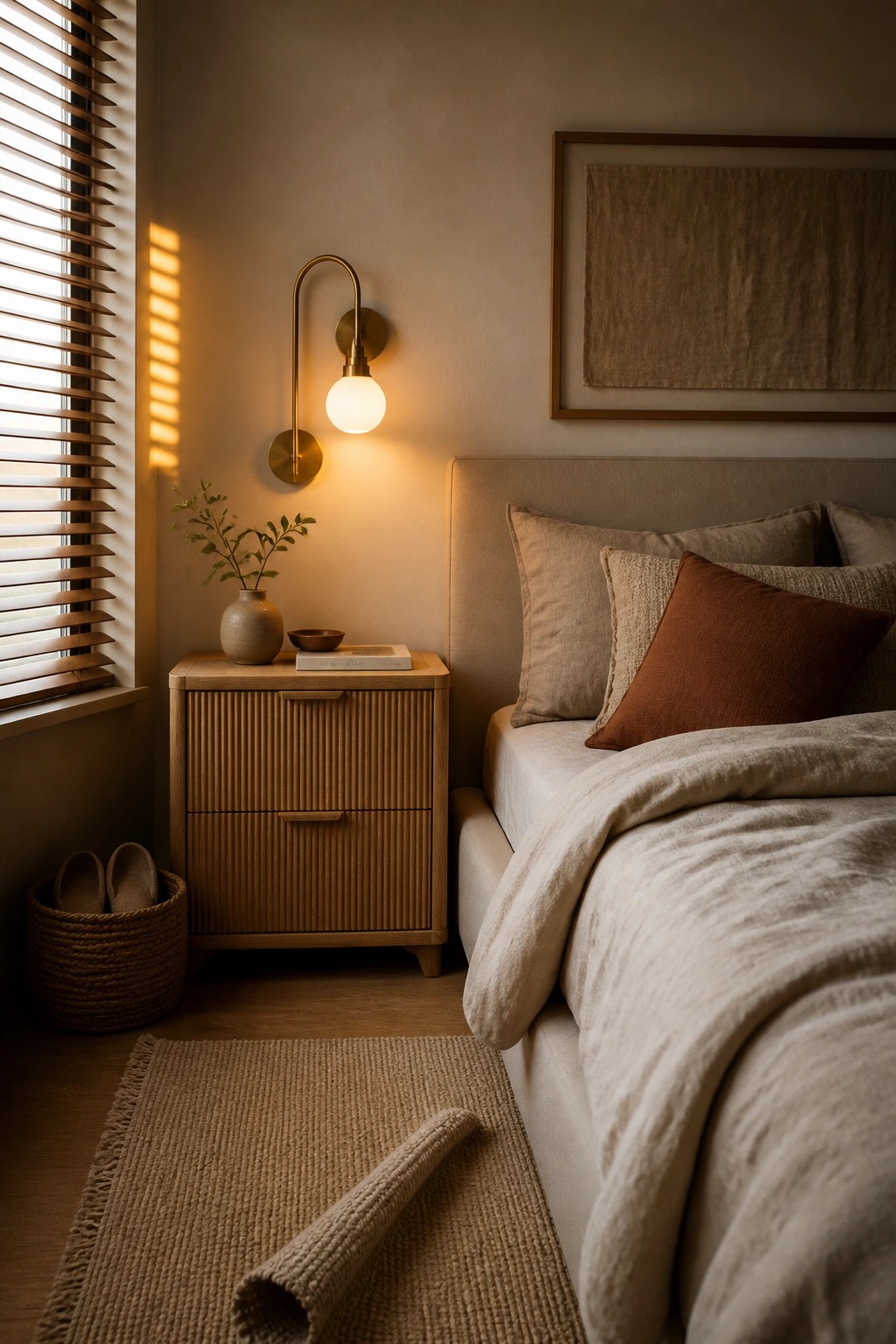
A wall sconce can be a simple way to bring light into a dim corner without needing a big lamp on the table. The light spreads softly from the wall and helps the space feel less shadowy at night.
It works well in bedrooms where space on the nightstand is limited. Mount it at a comfortable height above the bed and choose a warm bulb to keep the glow inviting rather than harsh.
Use A Swing Arm Lamp In A Reading Nook
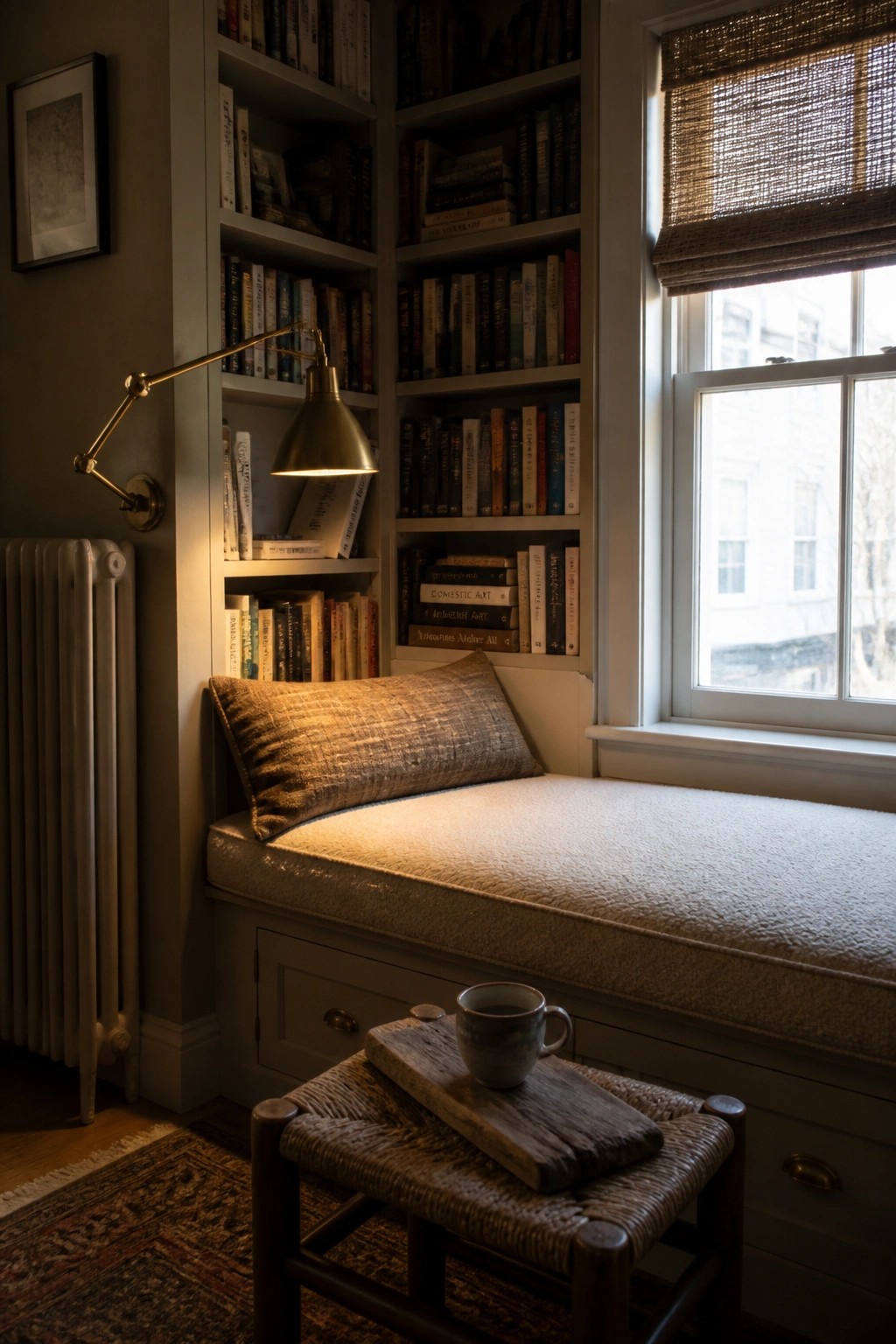
A swing arm lamp works well when you need light in a corner that feels too dark for reading or relaxing. It lets you aim the light right where you sit without adding another floor lamp or ceiling fixture.
This approach suits small nooks or built-in seating areas in older homes. Mount the lamp on the wall so the arm can swing out over the seat, and pick a bulb that gives off a warm tone rather than a cool one.
Warm Pendant Lights Over A Corner Table
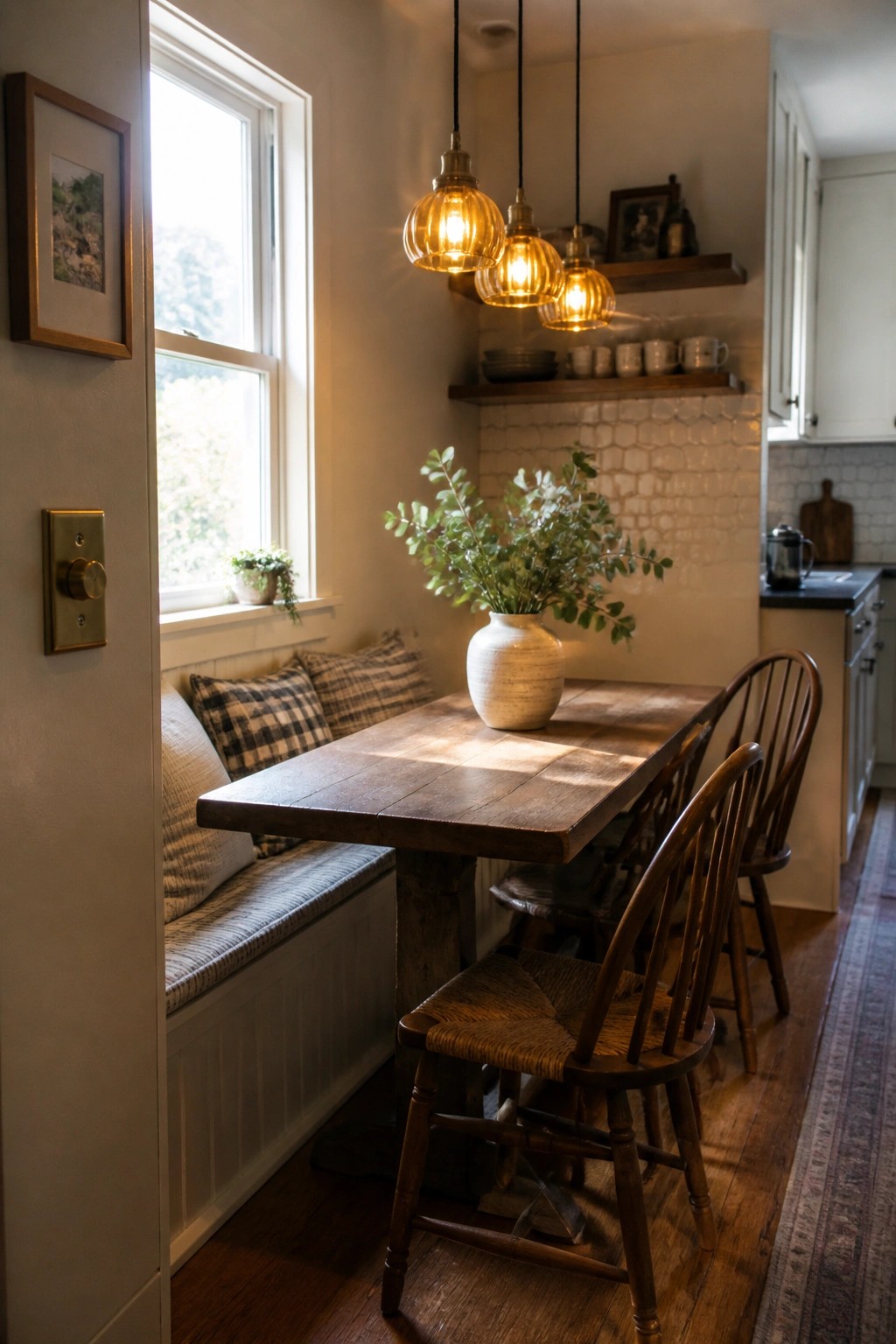
Hanging a few warm glass pendants above a table in a corner can brighten up a space that gets little direct light. The glow spreads across the surface and makes the whole area feel more used and comfortable instead of left in shadow.
This works well in small dining spots or breakfast nooks where one overhead light feels too harsh. Keep the pendants at different heights so the light stays soft and even across the table.
Backlit Mirrors To Warm Up Dark Bathroom Corners
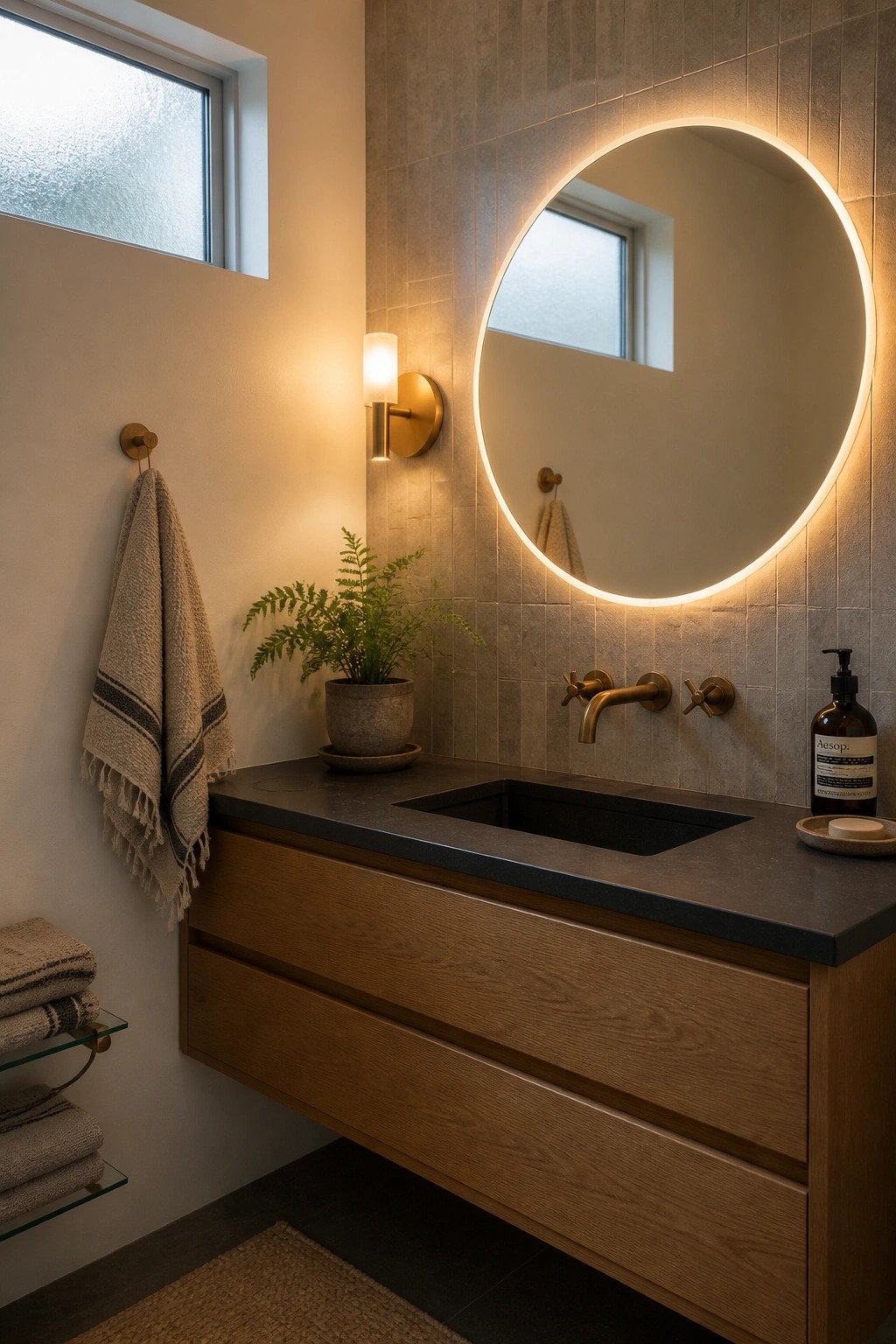
A backlit mirror gives off a steady, gentle light that fills shadowed corners without needing extra lamps or harsh overhead fixtures. The glow stays close to the wall, which helps the space feel softer and more usable even when natural light is limited.
This approach works best in smaller bathrooms where every surface counts. Place the mirror so the light sits flush against the tile, and keep the tone warm rather than cool so the room does not feel stark at night.
Warm Console Lamps For Dark Entryways
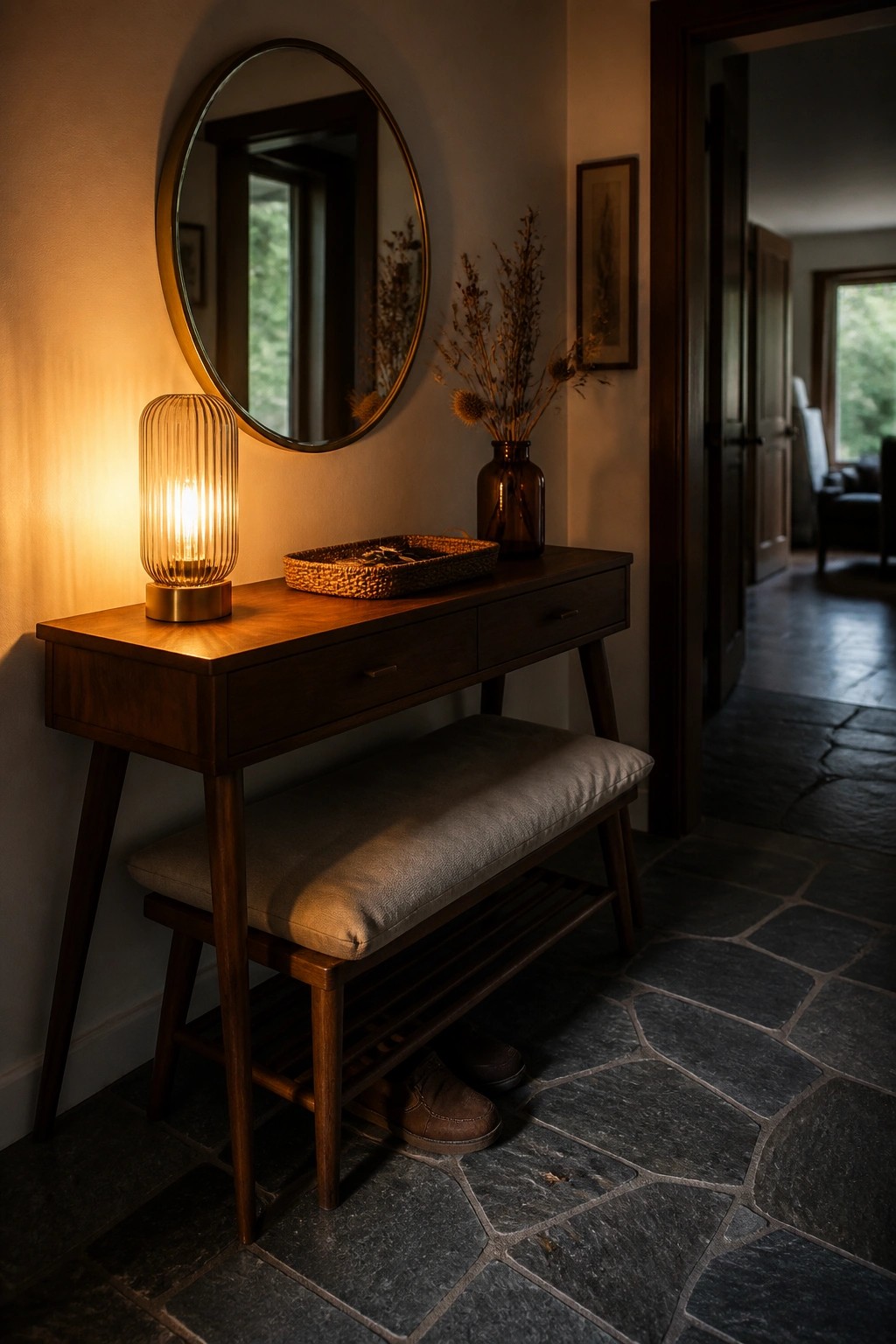
A console table with a warm lamp gives quick light to shadowed entry spots without needing ceiling fixtures. The glow stays low and soft, which helps the space feel less closed in.
This setup works best in narrow hallways or small foyers with darker floors. Keep the lamp simple and pick a shade that spreads light evenly along the wall rather than straight down.
A Desk Lamp For Dark Workspaces
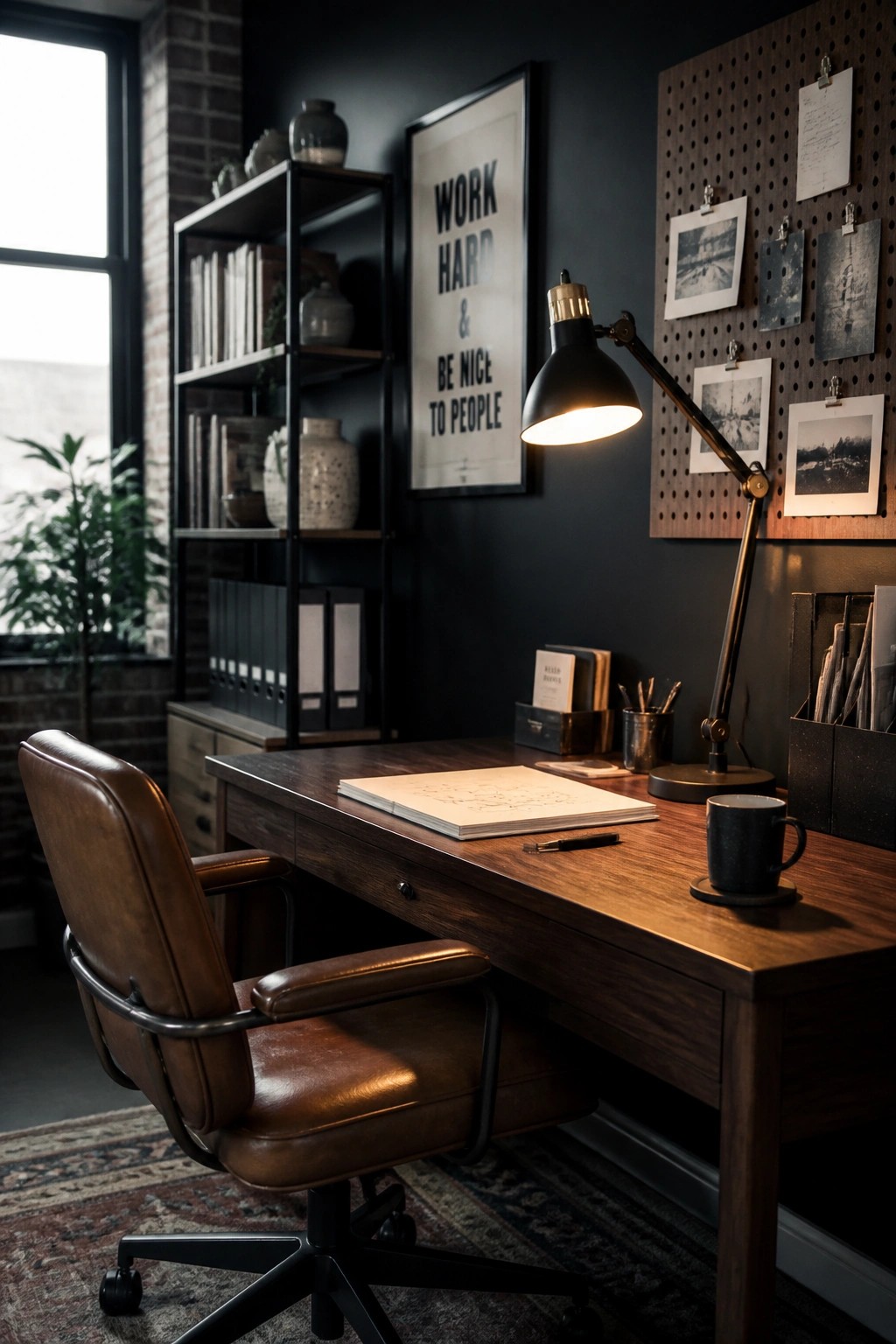
A desk lamp with a warm bulb gives you light right where you need it without having to brighten the whole room. This works especially well in spaces with dark walls or limited windows.
Set the lamp on the side of the desk that faces the main work area and angle the shade to cut down on glare. It suits home offices in older homes or any room where overhead lights feel too cold or distant.
Woven Pendants For Soft Corner Lighting
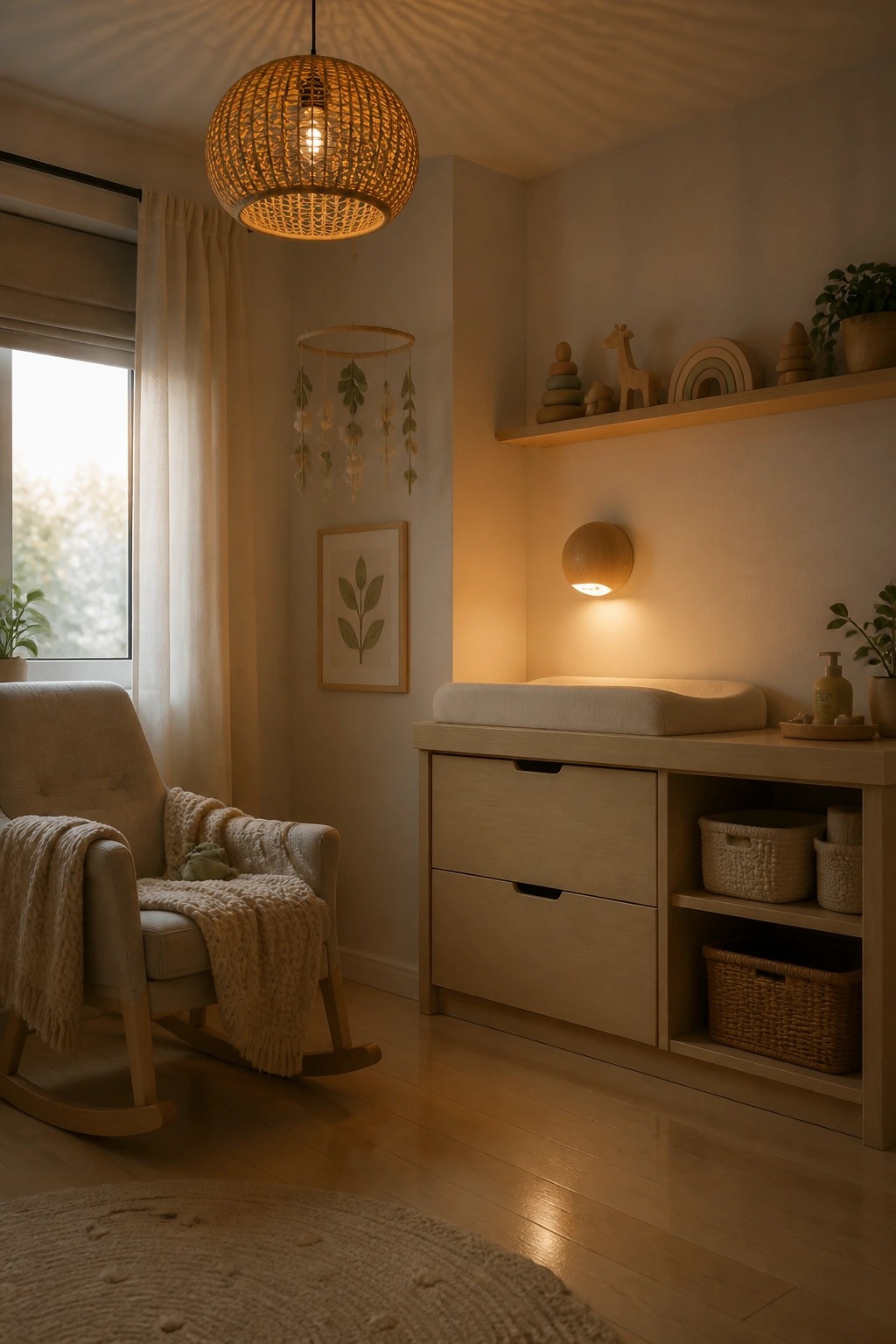
A large woven pendant can turn a dim corner into a warmer spot without needing much else. The open structure lets light filter through in a gentle way that feels softer than a standard shade.
This approach works well in nurseries, reading corners, or any small room that lacks natural light. Hang the pendant at a medium height so the glow reaches both the seating area and the ceiling without creating glare.
Mount A Wall Sconce Above Artwork
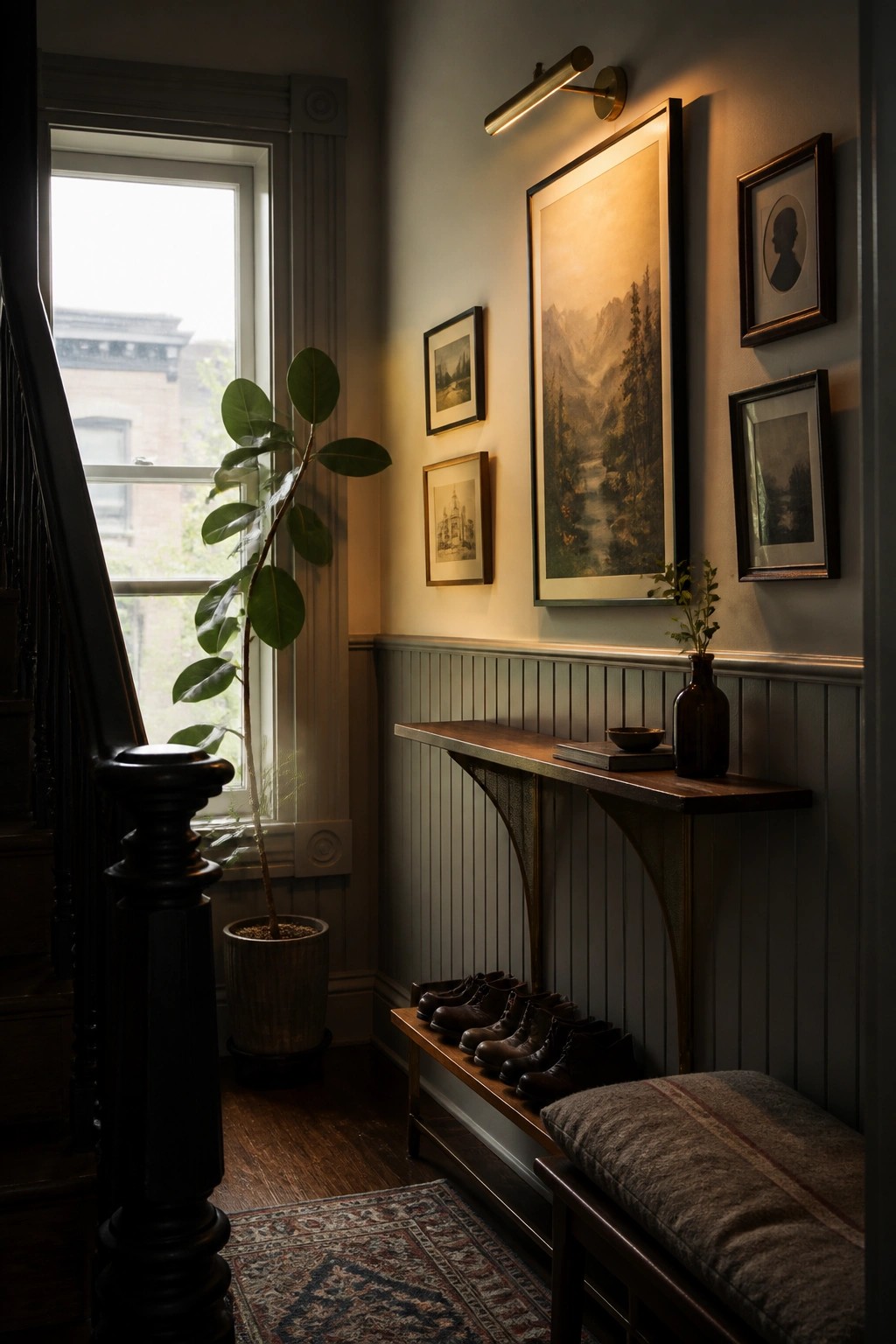
A narrow hallway often stays dim even when other rooms feel bright. Placing a linear wall sconce directly above a large piece of art gives the wall a soft wash of light that reaches the floor area without adding clutter.
This approach suits older homes with deep trim and limited outlets. Keep the fixture simple, use a warm bulb, and let the art do the rest so the light feels natural rather than staged.
Wall Sconces Over Built-In Benches
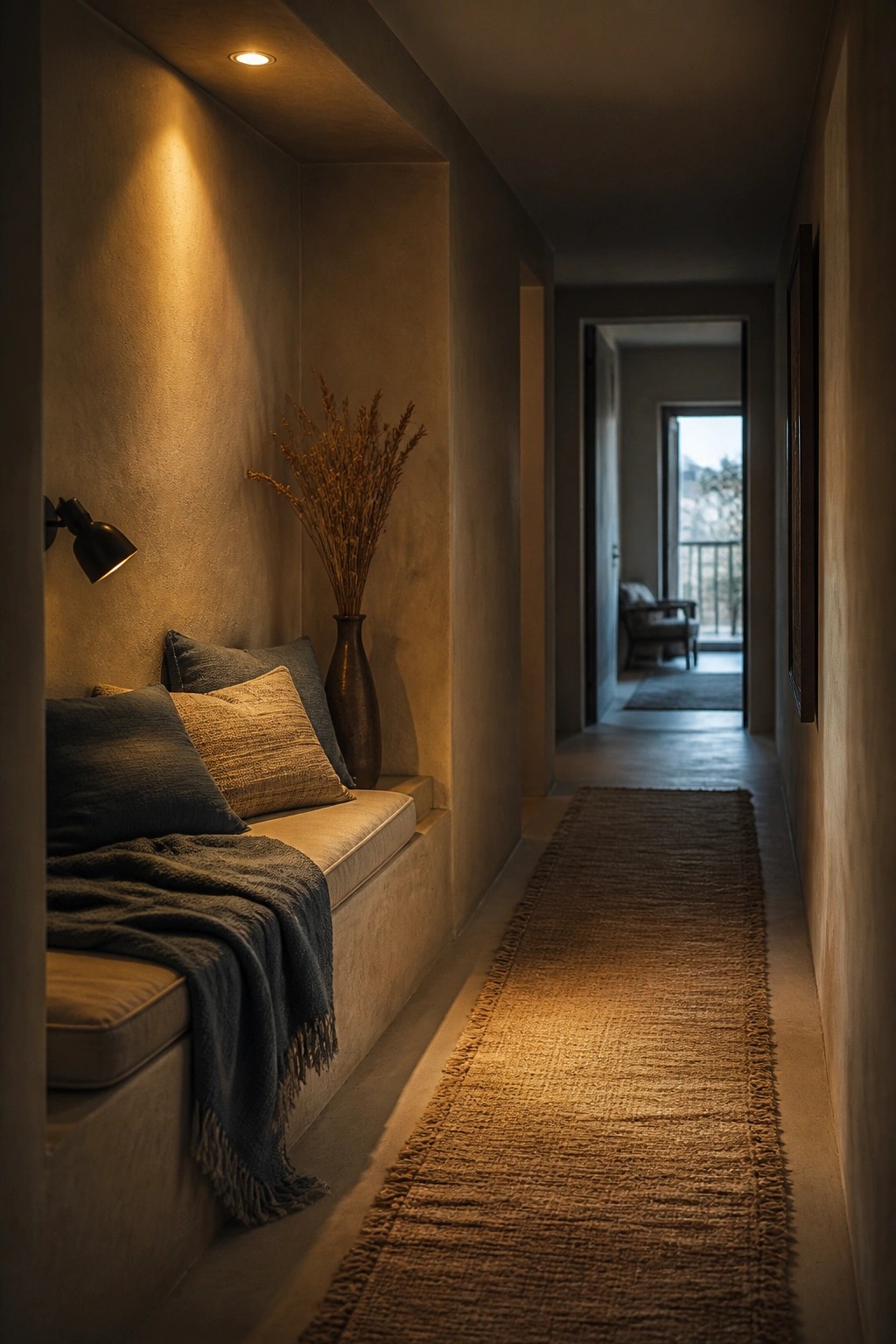
A small wall sconce can make a built-in bench feel like a deliberate spot instead of leftover space. The light sits low enough to warm the seating area without flooding the whole hallway.
This approach suits narrow corridors where floor lamps would get in the way. Keep the bulb warm and aim it so the beam stays focused on the bench and nearby wall.
Under-Shelf Lighting in Laundry Rooms
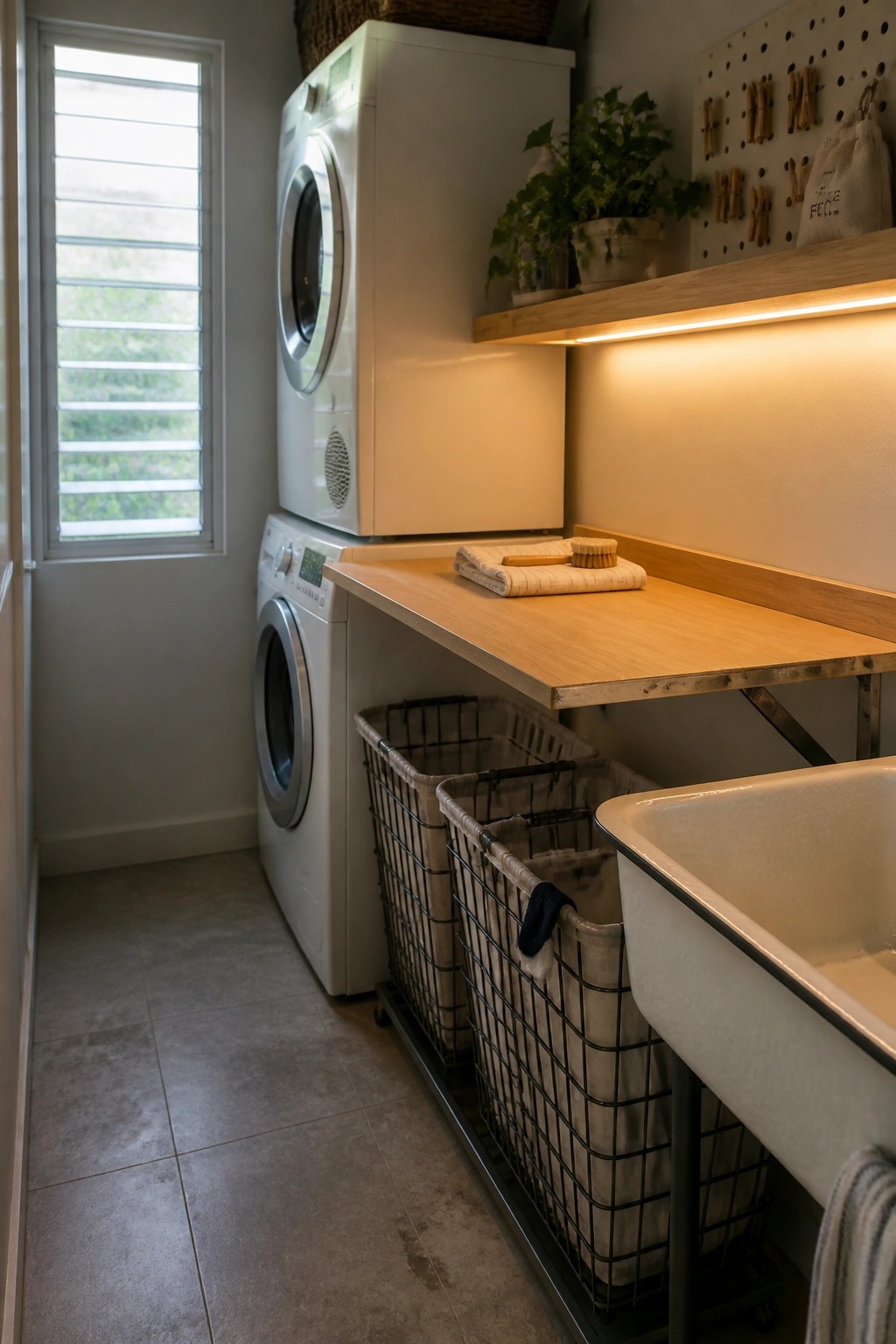
Laundry rooms often have shadowed counters where overhead lights fall short. A warm LED strip tucked under the shelf above the work surface fills that gap and makes the space feel more usable without adding extra lamps.
This approach works best in compact utility rooms where you need steady light for folding or sorting clothes. It pairs well with simple open shelving and stays hidden during the day while providing gentle evening light when needed.
Group Pendant Lights for Warm Table Glow
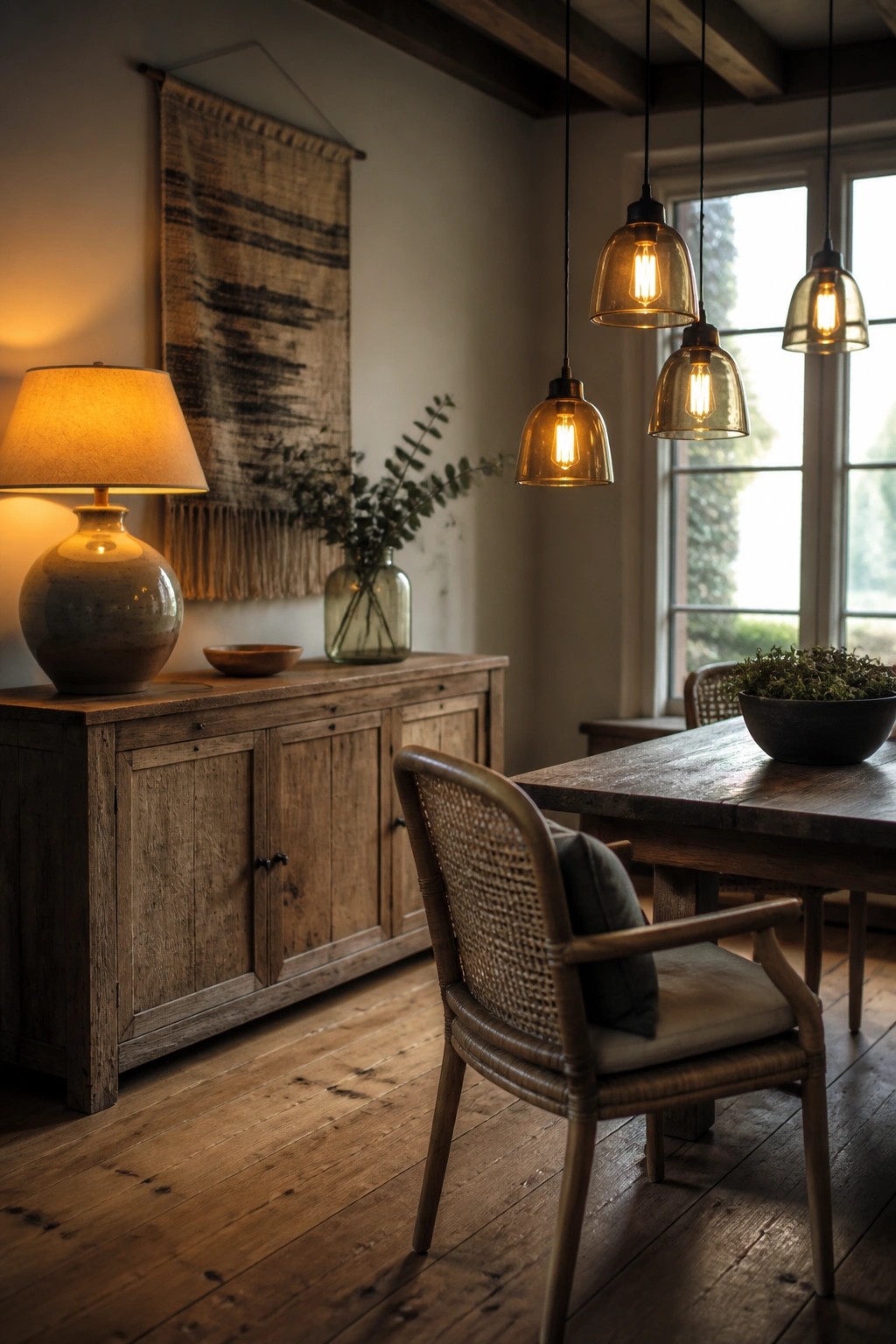
Hanging a few pendant lights together works well when you want to soften a darker dining spot. The warm bulbs inside glass shades give off a steady light that fills the space without feeling too bright or cold. It turns an ordinary table area into something more usable in the evenings.
This setup suits older homes or rooms with lots of wood where corners can stay dim. Keep the pendants at different heights if the ceiling allows it, and choose shades that let the light spread a bit. Avoid overcrowding if the table is small.
Backlit Mirrors for Dark Corners
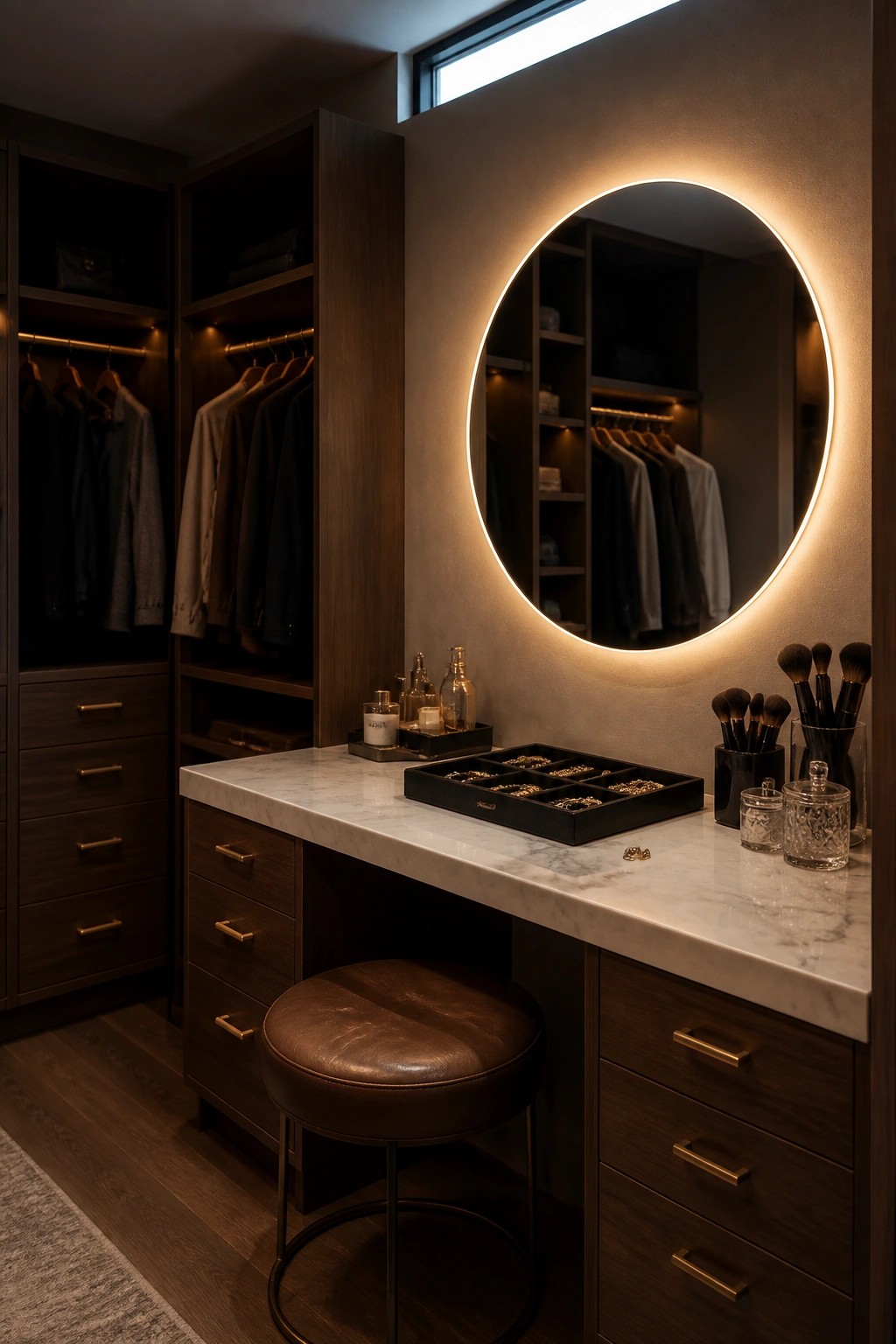
A round mirror with built-in edge lighting gives off a steady, warm glow that fills in shadowed spots without extra fixtures. It works especially well in a closet or dressing area where overhead lights often leave the counter dim.
Mount one above a vanity or built-in surface so the light hits right where you need it for daily tasks. This approach suits smaller or windowless rooms and keeps the space feeling softer than a standard ceiling fixture.
An Arc Floor Lamp Works in a Dark Corner
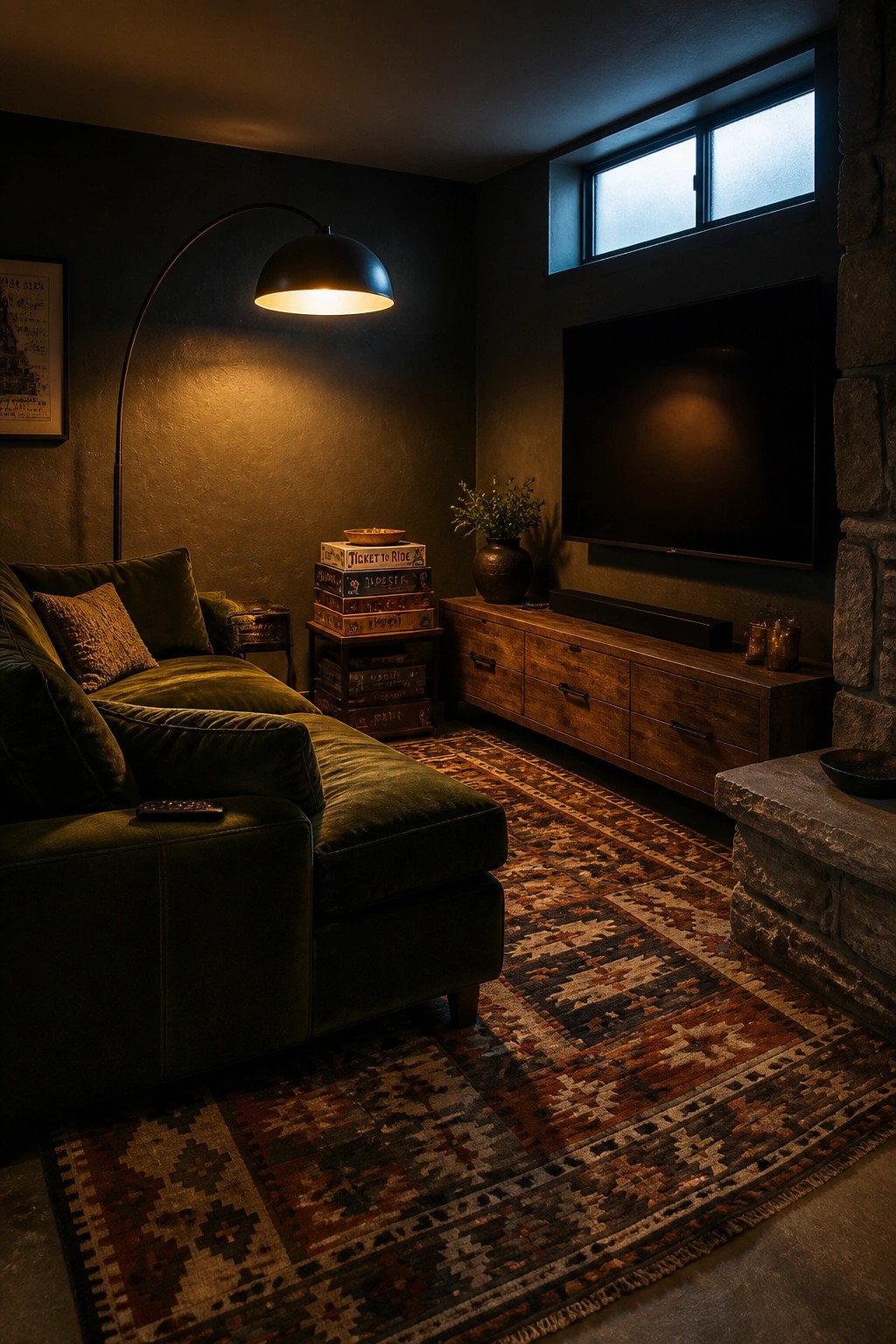
An arc floor lamp is a simple way to bring light into a shadowed corner without adding another table or fixture. The tall curve lets the light reach over seating so the glow lands right where you need it most.
This setup suits rooms with dark walls or few windows. Tuck the base behind a sofa or chair and angle the shade toward the seating area so the light stays soft and contained rather than flooding the whole room.
Recessed Niches With Warm Lighting
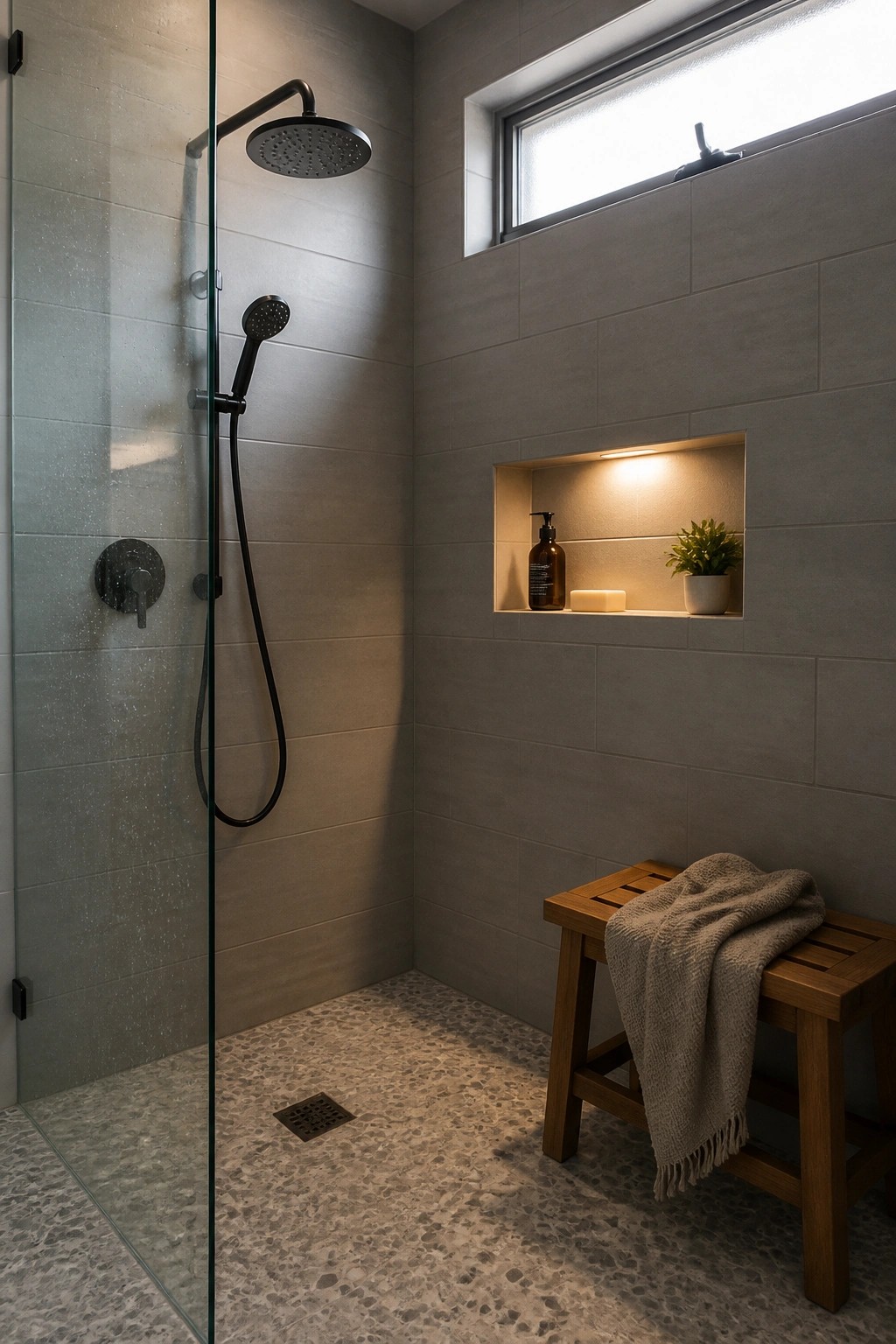
A recessed niche with its own light can turn a dark shower corner into something useful instead of just a shadowed spot. The built-in light keeps things visible without needing a big overhead fixture, and it feels calmer than bright ceiling lights bouncing off tile.
This works best in tiled showers where you already have wall space for storage. Place the light at the top of the niche so it washes down gently, and choose a warm tone that matches the rest of the bathroom. It suits smaller baths or any shower that gets little natural light.
Corner Lighting With A Warm Table Lamp
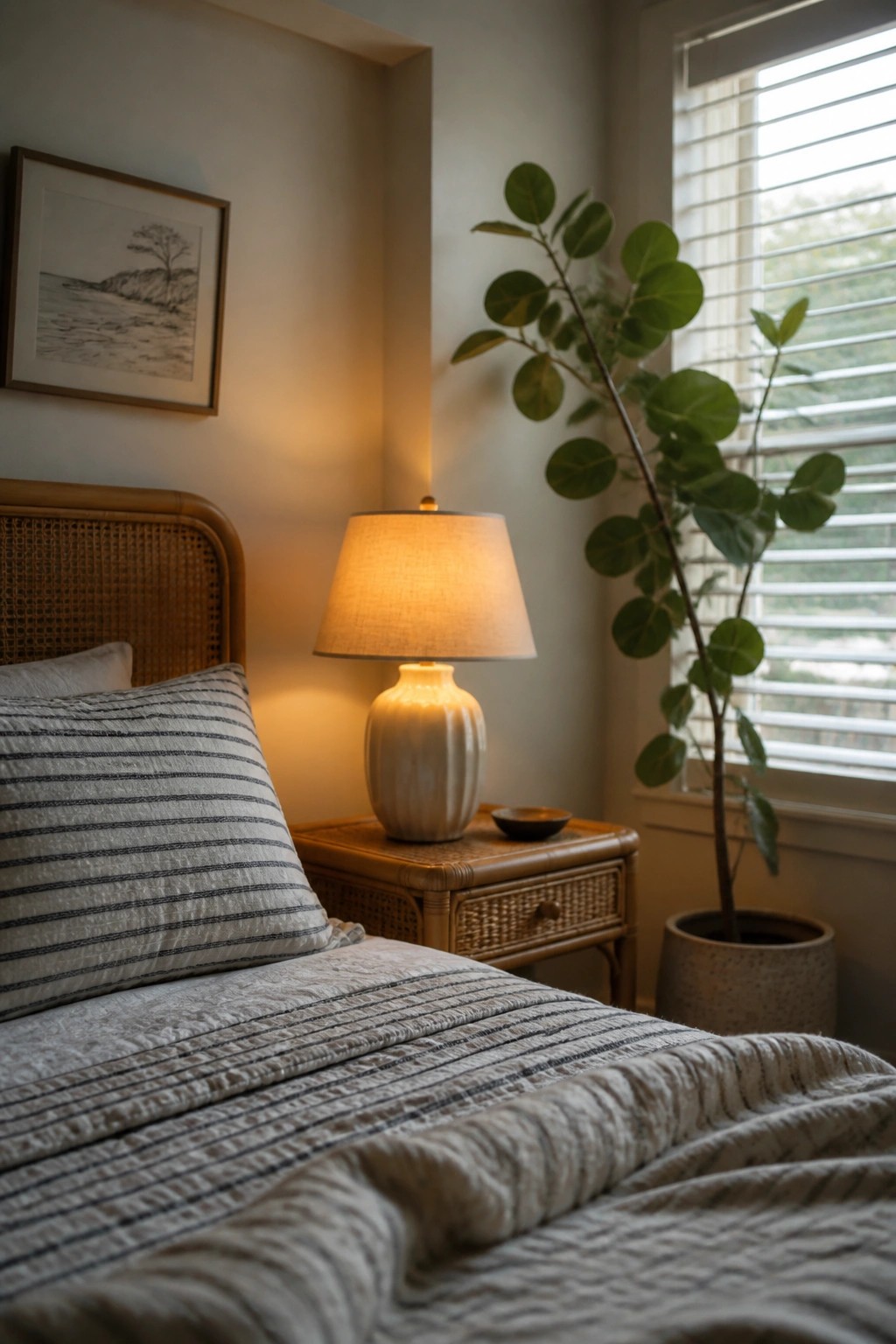
A lamp with a soft warm bulb can turn a dark corner into something much more usable. It spreads a gentle light that fills the space without feeling harsh or overly bright.
This approach works well in bedrooms or any spot where you want a quiet glow at night. Set the lamp on a low table so the light hits the walls evenly and avoid heavy shades that block too much of the bulb.
Warm A Dark Corner With A Floor Lamp
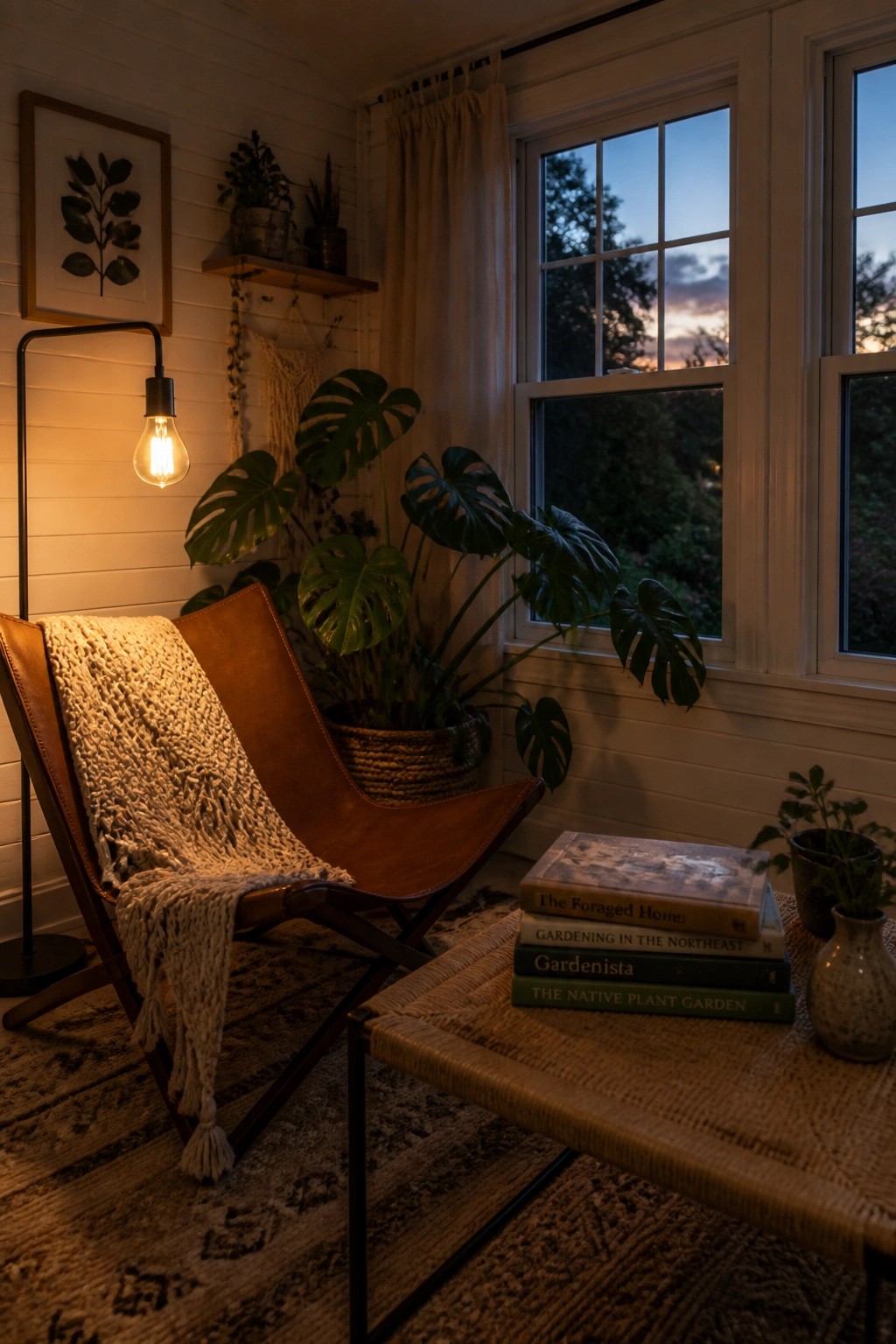
A floor lamp with a warm bulb can turn a shadowed corner into a usable spot without much effort. It works especially well next to a chair and plants, where the light softens the space and makes it feel more inviting in the evening.
This setup suits small rooms or homes that need extra light without adding overhead fixtures. Place the lamp so the glow reaches both the seating area and nearby plants, and keep the shade simple so the light stays soft rather than harsh.
Wall Sconces For Lighting Dark Corners
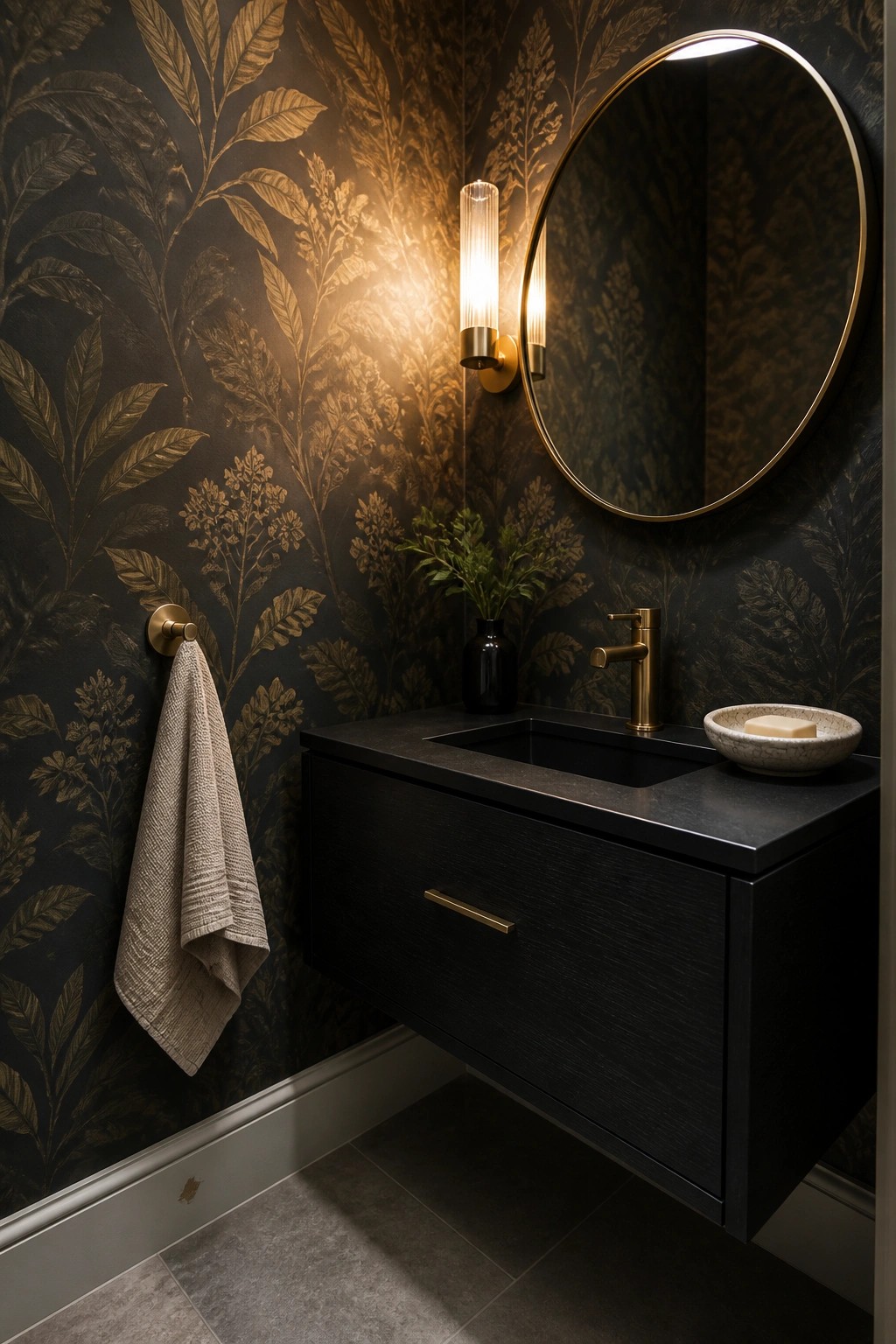
A vertical sconce can change how a small room feels when the walls are dark. The light spreads upward and outward instead of casting a single harsh spot, which helps soften shadows in tight spaces.
This approach works best in bathrooms or powder rooms with deep wall colors or busy patterns. Mount the sconce at eye level or slightly higher so the glow reaches both the corner and the work surface below without creating new dark spots.
Frequently Asked Questions
Q: My corner already has a low shelf. Will a light still fit without looking crammed?
A: Tuck a small clip-on lamp or a slim wall sconce above the shelf instead. Angle it so the glow spills downward and fills the space below. This keeps everything accessible while chasing away the shadows.
Q: How do I stop the cord from showing on my wall?
A: Run the cord along the baseboard or behind furniture before plugging it in. Adhesive clips hold it flat without any drilling. The corner looks clean once the light is on.
Q: What if one warm light feels too dim on its own?
A: Add a second smaller source like a picture light on the same wall. Keep both on the same warm tone so they blend together. The extra layer brightens the spot without changing the mood.
