

I’ve noticed over time that corners tend to reveal whether a minimalist approach actually works or just leaves a room feeling unfinished.
Getting the scale of furniture right matters more than most people expect because a chair that sits too low can make the whole spot look lost.
Scale changes everything.
I like to start with one anchor piece and build around it so the corner stays functional for reading or resting without extra pieces crowding in.
Testing these kinds of ideas in real rooms shows quickly which ones hold up once you live with them day to day.
Anchor a Cozy Corner with One Comfortable Chair
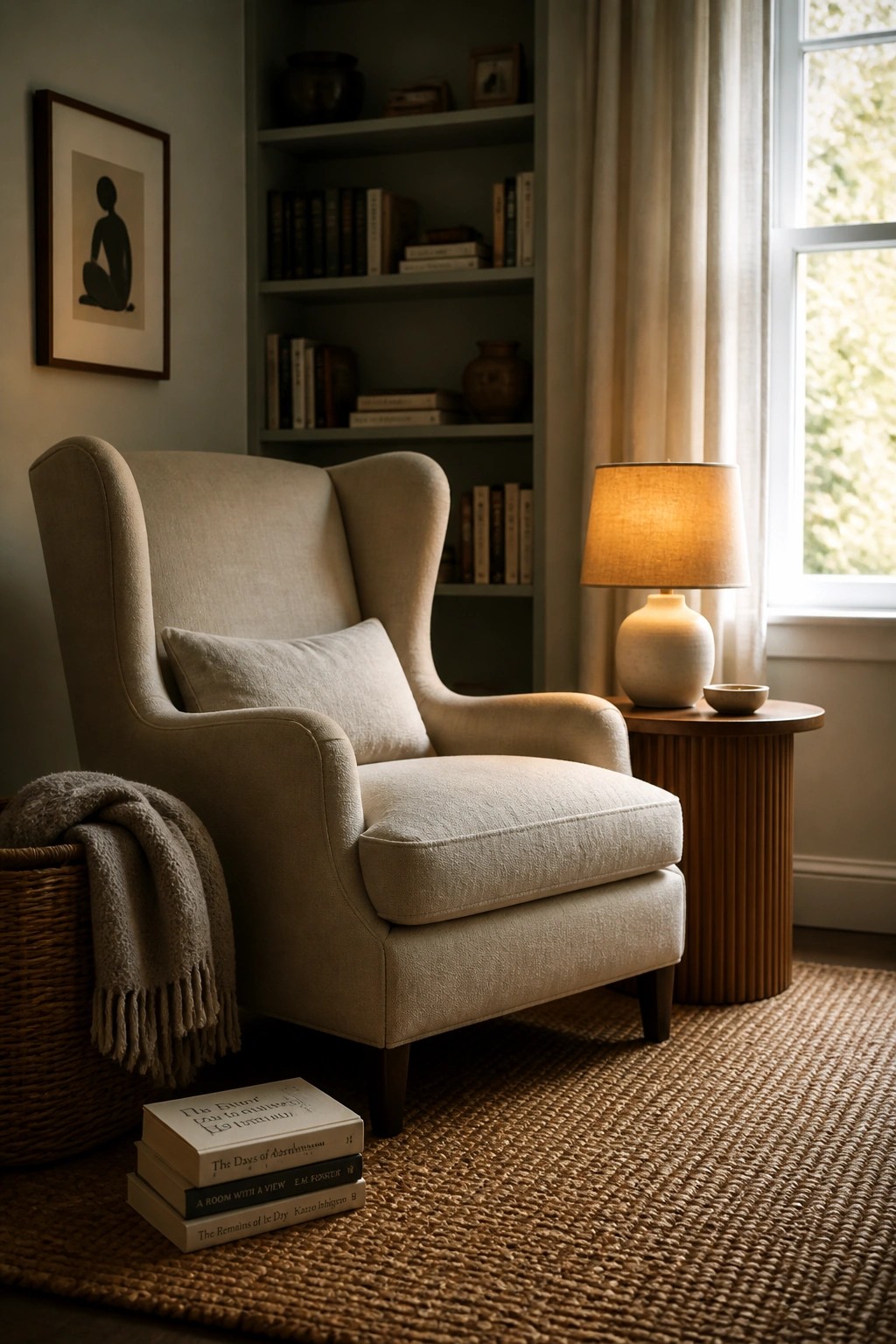
A single well-chosen armchair can turn an empty corner into a place you actually want to sit. The key is keeping the rest of the setup light so the chair does the work without extra pieces crowding in.
This approach works best in smaller rooms or along a wall with built-in shelves. Place the chair at an angle, add a low table for a lamp, and keep a few books within reach on the floor or a basket. Skip the extra pillows and throws unless you truly use them.
Built-In Window Seats

A built-in bench under a window turns an empty corner into something useful. It gives you a place to sit without adding extra furniture that might crowd the room. The simple cushions and low profile keep things feeling open instead of cluttered.
This works best in bedrooms or small living areas that already get good daylight. Keep the fabric neutral and add just one or two soft layers so the spot stays calm. Avoid piling on too many pillows or decorations if you want it to feel minimalist.
Round Tables For Small Kitchen Corners

A round table keeps a small corner from feeling cramped even when the rest of the kitchen stays quite simple. The curved edge makes it easier to move around the space and gives the area a softer look than a square or rectangular top would.
This setup works well in apartments or smaller homes where you want one spot for quick meals or coffee without filling the room with extra pieces. Stick with two low stools so the table stays the main focus and the floor underneath remains open.
Floating Vanities Keep Small Bathrooms Open

A floating vanity gives you storage without making the room feel crowded. The open space below the unit keeps the floor visible, which helps a minimalist bathroom stay light and easy to clean.
This setup works best in smaller bathrooms where every inch counts. Choose one with deep drawers so everyday items stay out of sight, and keep the countertop simple with just the sink and one or two small items.
A Desk With Woven Leather Seating
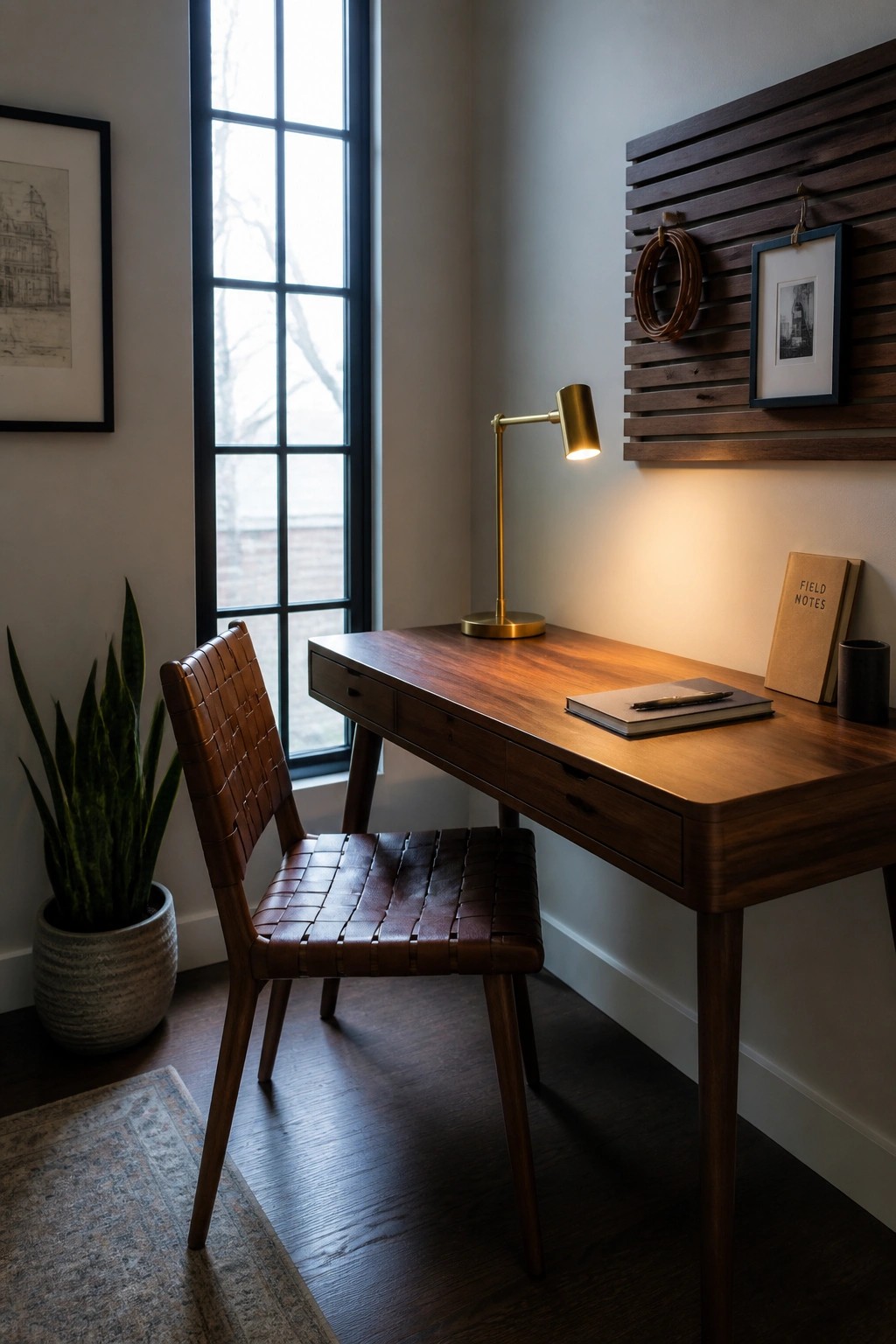
A woven leather chair next to a plain wooden desk adds just enough texture to keep a workspace from feeling empty. The straps create visual interest while the wood tone keeps the whole corner calm and simple.
This works best in smaller rooms or home offices where you want comfort without extra furniture. Stick to natural materials and a few wood tones so the area stays useful and easy to keep tidy.
Anchor The Corner With One Chair
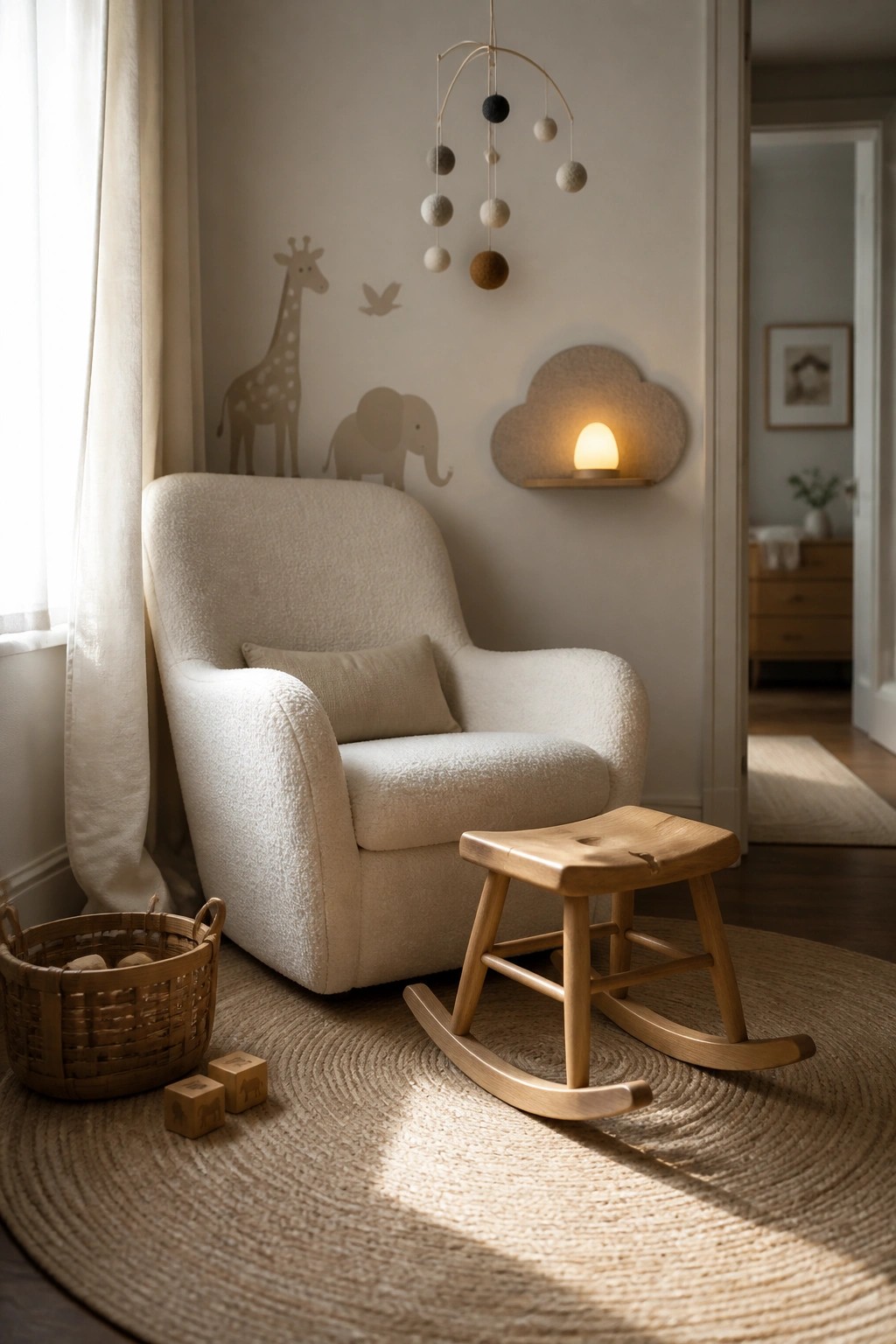
A single comfortable chair can pull a whole corner together without needing much else around it. The soft texture and rounded shape give it presence, so the space feels settled even when the rest stays simple and open.
This works well in smaller rooms or kids spaces where you want a quiet spot to sit without adding shelves or extra furniture. Keep the floor clear except for one or two natural pieces like a low wooden stool, and let the chair do the main work.
Built In Benches For Entry Storage

A built in bench gives an entry a place to sit and a spot to keep shoes without adding separate furniture. The open space underneath holds everyday pairs so they stay off the floor but still easy to reach.
This works best in smaller homes where you need function without crowding the space. Keep the hooks simple and limit what hangs there so the area stays calm rather than busy.
Wall Bench Seating For A Cozy Dining Corner

A bench along the wall lets you turn an ordinary dining table into a tighter, more inviting spot. It takes up less visual space than extra chairs and gives the area a settled, lived-in look that still reads simple.
This works best in smaller homes or open rooms where you want the table to feel anchored without crowding the floor. Keep the bench low and plain, then match it with a round table and a few natural textures so the whole corner feels full but never cluttered.
Labeled Baskets Keep Laundry Rooms Organized

Many utility spaces end up messy because there is no simple system for sorting everyday items. Labeled baskets on open shelves solve that by giving each type of item its own spot while still keeping the room looking calm and uncluttered.
This works especially well in smaller homes where closed cabinets would make the space feel tight. Stick to plain woven baskets, add clear labels, and place them at a comfortable height so daily use stays easy.
A Simple Daybed For Quiet Moments

A low daybed gives a room an easy spot to rest without crowding the space. The clean frame and single throw keep the corner calm while still feeling lived in.
Place one in a living room or bedroom near a window. Use just one pillow and a soft blanket so the area stays open and useful.
A Quiet Corner With Just One Chair
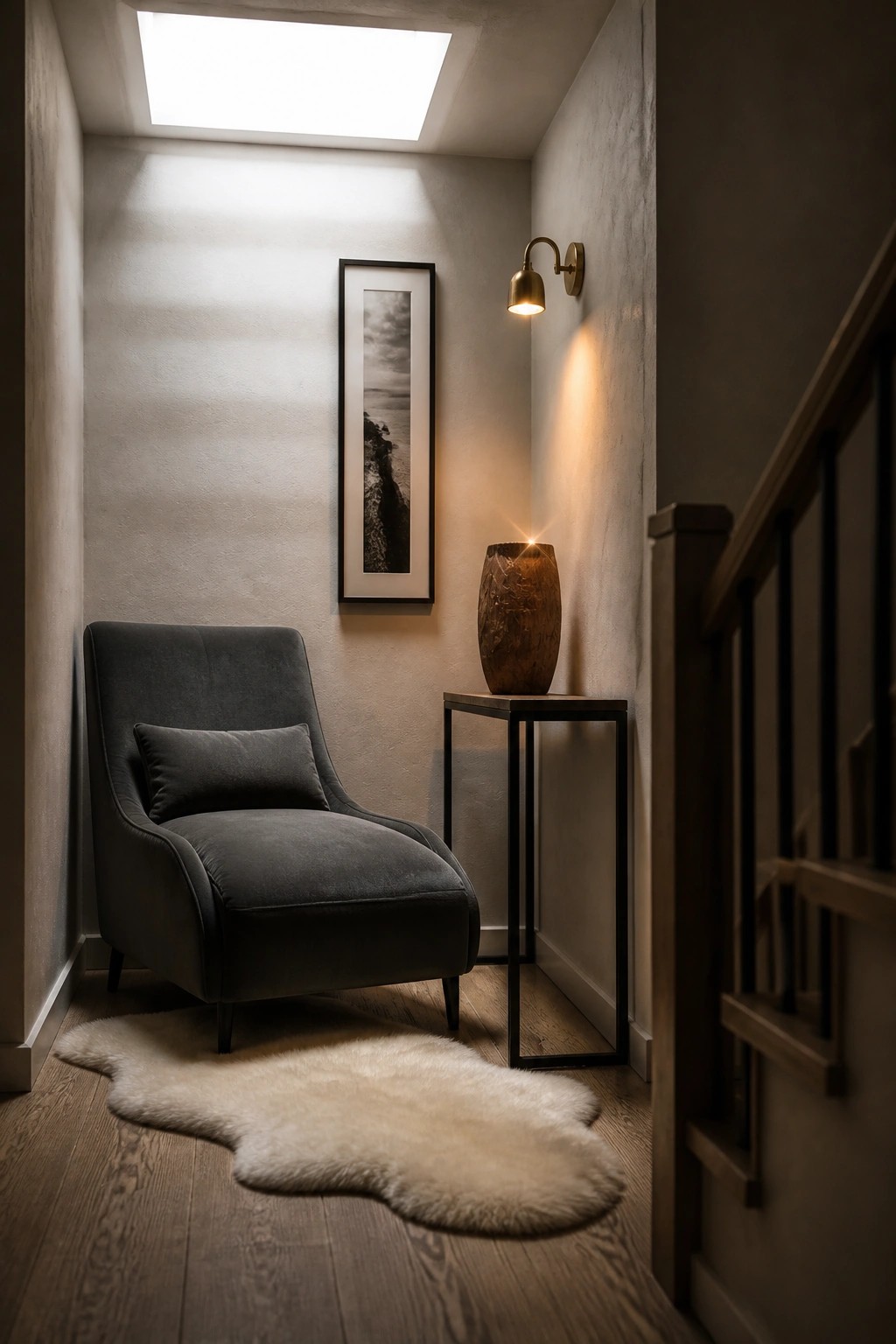
A single chair can turn an unused stretch of hallway into a place where you actually want to sit. The key is keeping everything else minimal so the corner feels intentional rather than forgotten.
This setup works especially well in narrow passages or under a skylight. Place the chair on a soft rug, add one small table if needed, and leave the walls mostly bare. It suits older homes with awkward leftover spaces and keeps the area from feeling cold or empty.
Layer Natural Textures To Warm Up A Minimal Bedroom
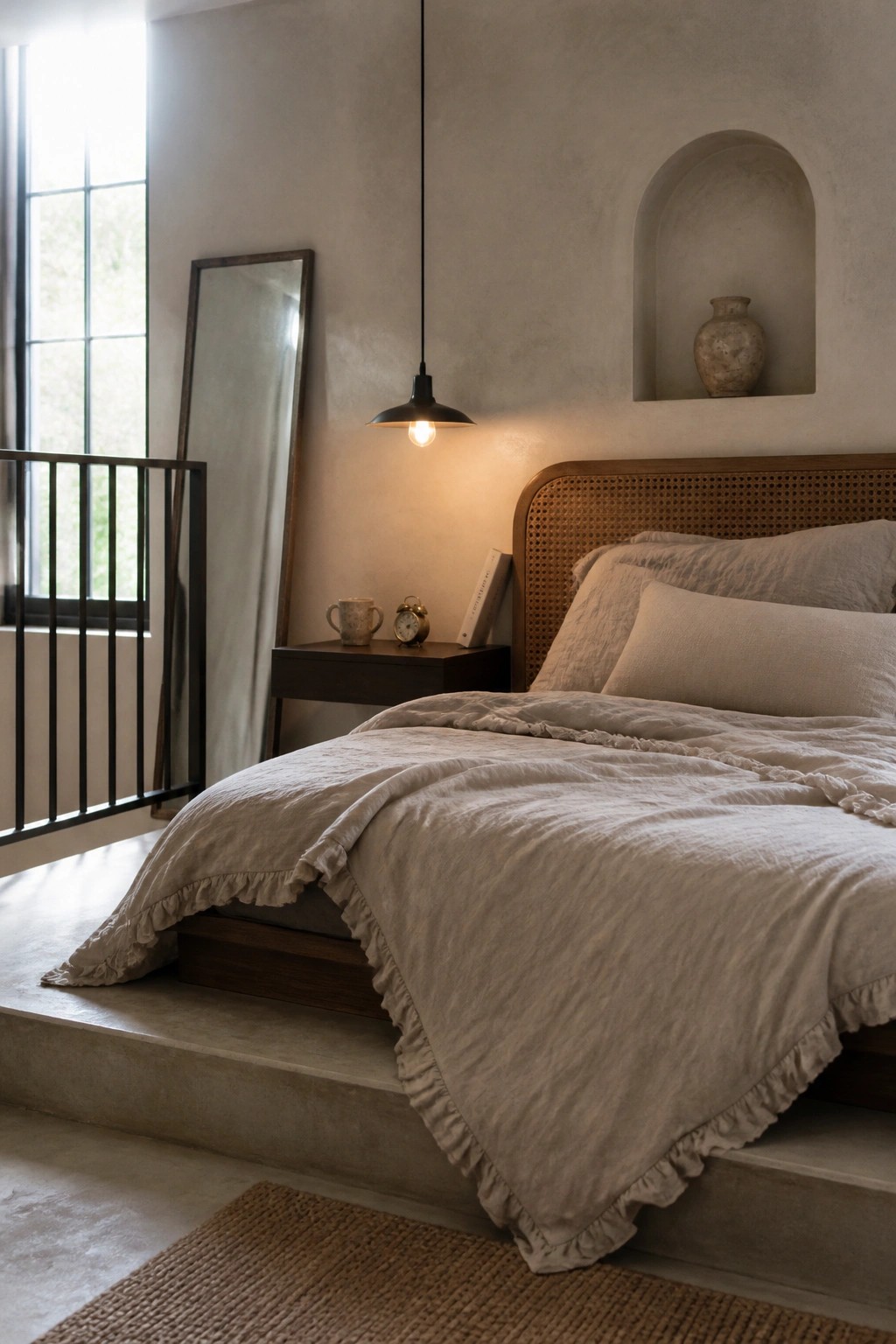
A simple way to keep a minimalist bedroom from feeling cold is to bring in different natural textures. Linen bedding, a rattan headboard, and wood all add softness and interest while still letting the room stay calm and uncluttered.
This approach works especially well in smaller spaces or rooms with plain walls. Stick to one or two main tones and let the materials do the work. Avoid adding too many extra pieces, since the textures already give the room enough depth.
Floor Cushions For Simple Corner Seating

A large floor cushion gives you a seating spot that stays low and open without taking over the room. It works because it keeps the corner calm while still feeling like a real place to sit and rest.
This approach suits small rooms or quiet corners where a regular chair would feel too heavy. Try it with a low table nearby and one or two natural pieces like a plant or stool so the space feels used but not crowded.
Floating Wood Vanities For Cozy Minimal Baths
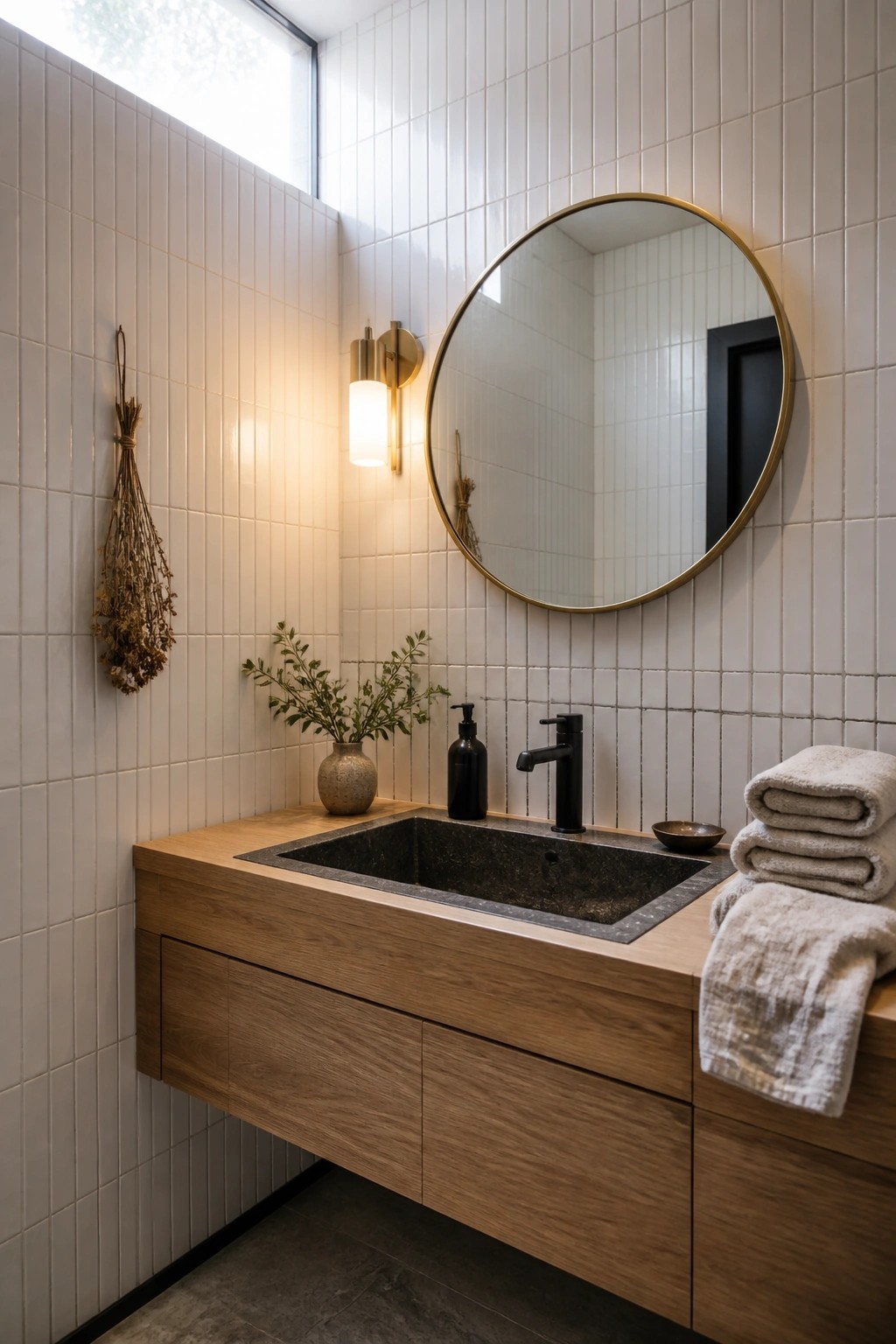
A floating wood vanity adds warmth to a minimalist bathroom without filling the space with extra pieces. The natural grain softens the clean lines and keeps the room from feeling cold or empty.
This setup works best in smaller baths where storage needs to stay tucked away. Keep the rest of the surfaces simple so the wood can do the work without competing with other details.
Add A Low Woven Chair To A Bright Corner

A low woven chair keeps a corner feeling open while still giving it a place to sit and relax. The natural material adds just enough texture to make the spot feel used without filling it with extra pieces.
This works best in rooms with steady daylight. Limit the plants to a few pots so the area stays simple and easy to walk through.
Daybeds That Keep Corners Cozy And Simple

A daybed works well when you want a quiet spot without filling the room with extra furniture. The neutral layers and low profile let the corner feel restful while staying open and calm.
This setup suits small bedrooms or narrow walls best. Keep the bedding to a few soft textures, add one small table for a lamp, and leave the rest of the space clear so it does not start to feel busy.
Use A Textured Rug To Warm Up A Minimalist Corner

A fireplace corner can easily feel bare when everything stays simple and low. A chunky textured rug adds just enough softness and weight to make the spot inviting without adding clutter or extra pieces.
This approach works best in smaller living areas or open plans where you want the fire to stay the main draw. Keep the rug light in tone and let its weave create the interest. A few stacked logs nearby can help too if you have room.
Floating Bar Counters In Tight Spaces

A floating wood counter along one wall gives you a place to sit without taking up much floor space. The simple lines and warm material keep the area from feeling empty while still leaving room to move around the rest of the room.
This setup works best in kitchens or living areas where you want an extra spot for coffee or drinks. Keep the stools low and the counter depth modest so the corner stays practical rather than crowded.
A Hanging Rail For A Cozy Dressing Corner

A hanging rail tucked into a small bedroom alcove gives you a place to keep daily clothes within reach. It avoids the need for a big closet while still feeling organized and calm.
This setup works best in rooms where space is tight but you want things practical. Add a low stool underneath for shoes or a quick seat, and leave the area around it mostly open so it stays simple.
Built-In Shelves Frame A Simple Chair
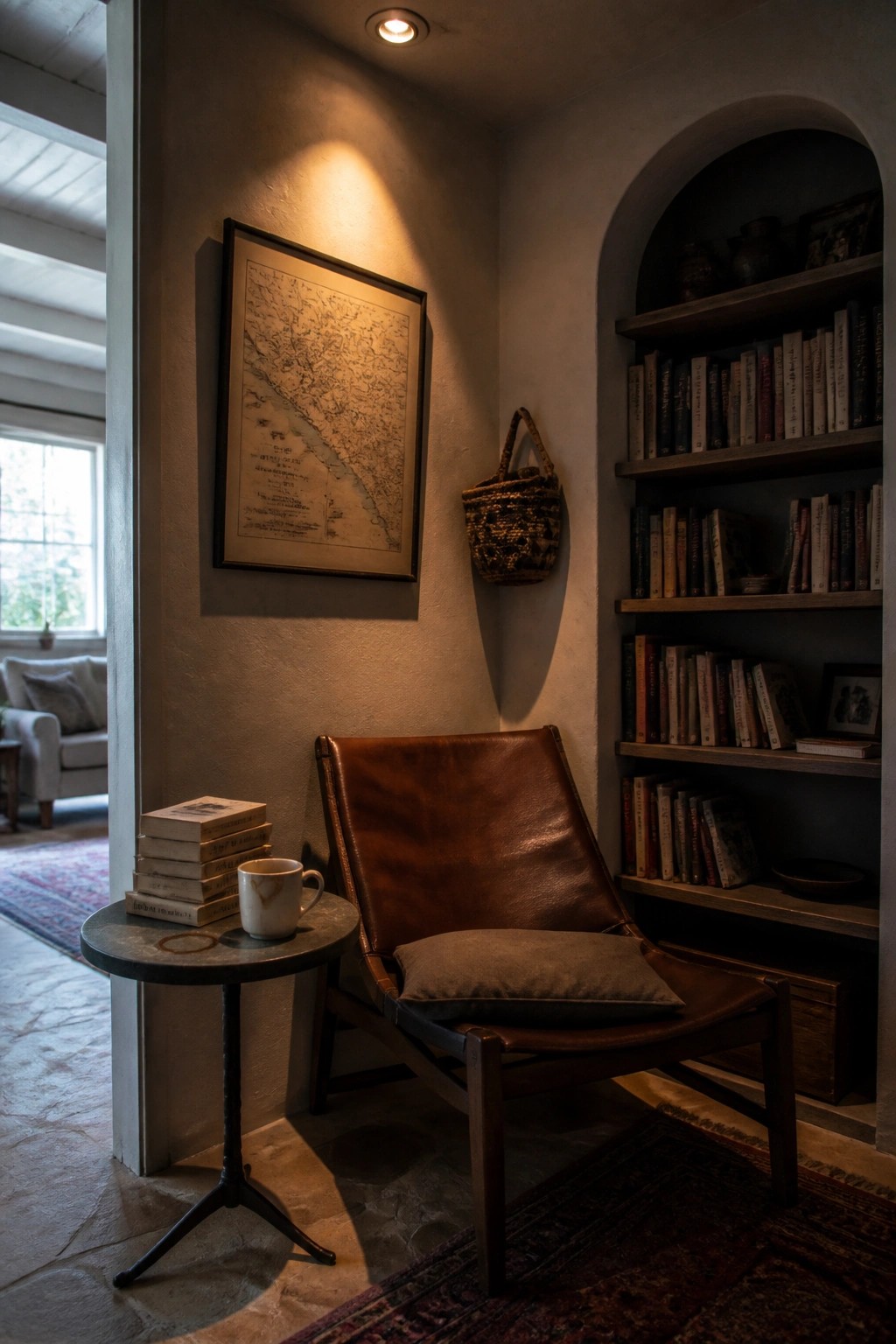
Tucking a low chair into an alcove lined with open shelves turns an unused corner into a quiet spot for reading. The built-ins give the area structure so it feels intentional rather than leftover, and the open shelves keep everything feeling light instead of closed in.
This setup works best in homes with existing niches or in rooms where you want a reading area without taking up floor space. Keep the chair low and the shelves only partly filled so the corner stays calm and easy to use.
Frequently Asked Questions
Q: How do I choose seating that feels inviting but stays true to the minimalist vibe?
A: Start with one low chair or a simple floor cushion in a soft fabric. Add just a single textured pillow for comfort. This setup pulls you in without crowding the space.
Q: What if my corner still feels bare after placing the basics?
A: Drape one chunky knit throw over the arm of the chair. It adds instant warmth and fills empty spots with a natural drape.
Q: How can I bring in light without extra lamps cluttering things up?
A: Position a small wall sconce above the seating area. It casts a soft pool of light right where you need it and keeps the floor clear.
