
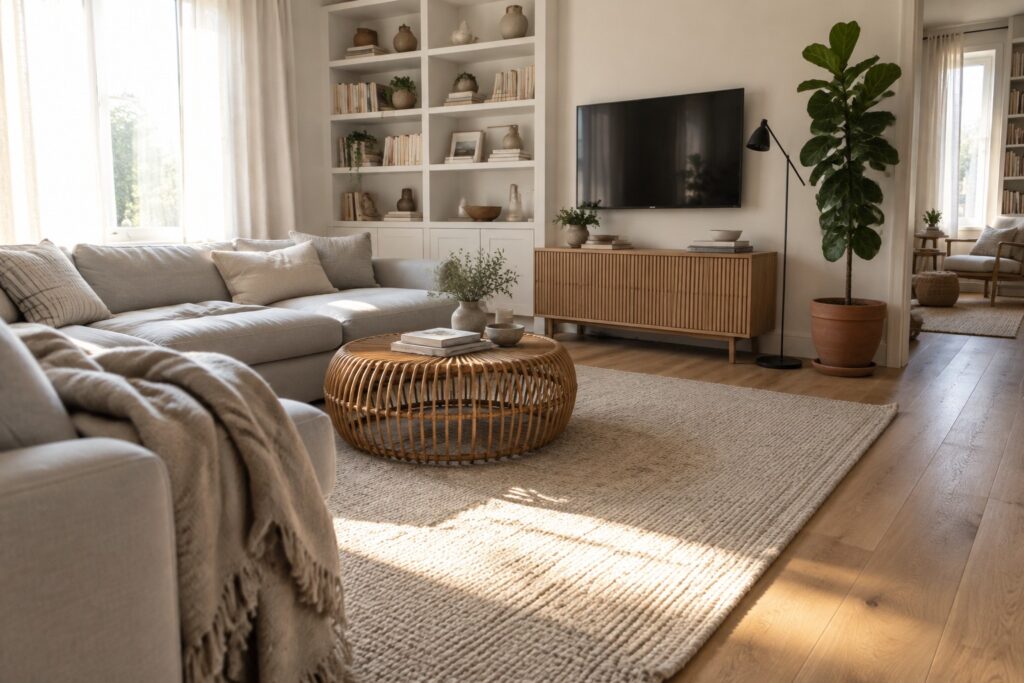
A sectional can make a living room feel comfortable and settled, but its size also shapes how people move through the space.
I find the best layouts leave enough room to walk around the sofa while keeping seats within easy reach of a table or lamp.
Color, texture, and lighting matter too, since a large sofa can otherwise make the room feel flat or crowded.
These rooms show how thoughtful proportions and a few well-chosen details can make a modern space feel cozy without losing its clean lines.
I’d save the ideas that suit your room’s shape and test the layout before committing to a big piece.
Let the Sectional Shape the Room
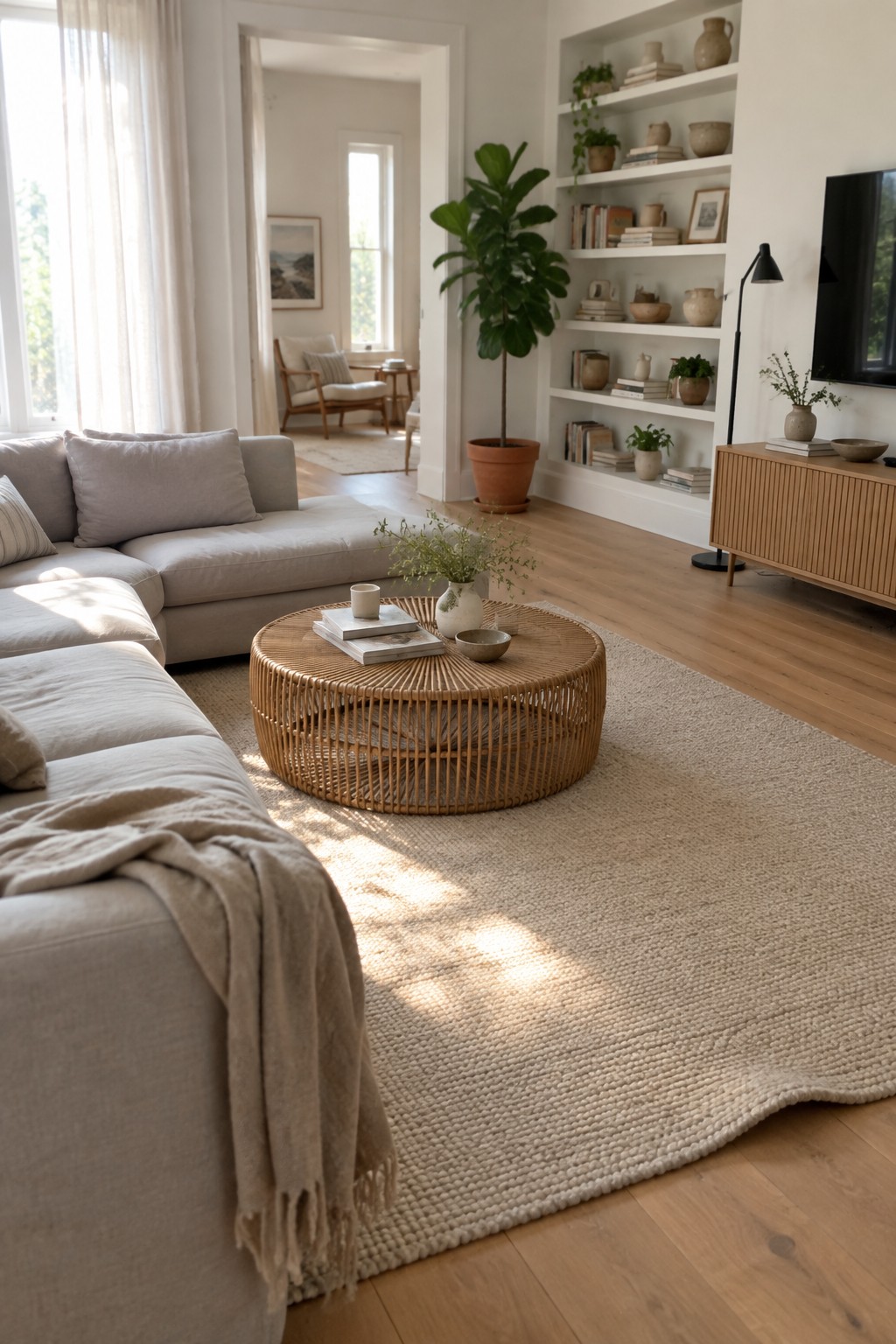
A sectional can make a living room feel settled without adding a lot of extra furniture. Here, its L-shaped layout leaves a clear area around the coffee table, making it easy to sit together while keeping the room open.
This arrangement works especially well in a larger room or an open-plan space. Leave enough room to walk around the sectional, and choose a coffee table that is easy to reach from the seats without crowding the walkway.
Make a Sectional the Center of the Room

A sectional can make a large living room feel more settled by giving everyone a comfortable place to gather. This layout leaves space around a low coffee table, so the seating feels useful without making the room feel crowded.
For this approach, choose a sectional that fits the room without blocking walkways, and leave enough room to move around the coffee table. It works especially well in open living areas where the sofa can define the seating zone.
Let the Sectional Define the Seating Area
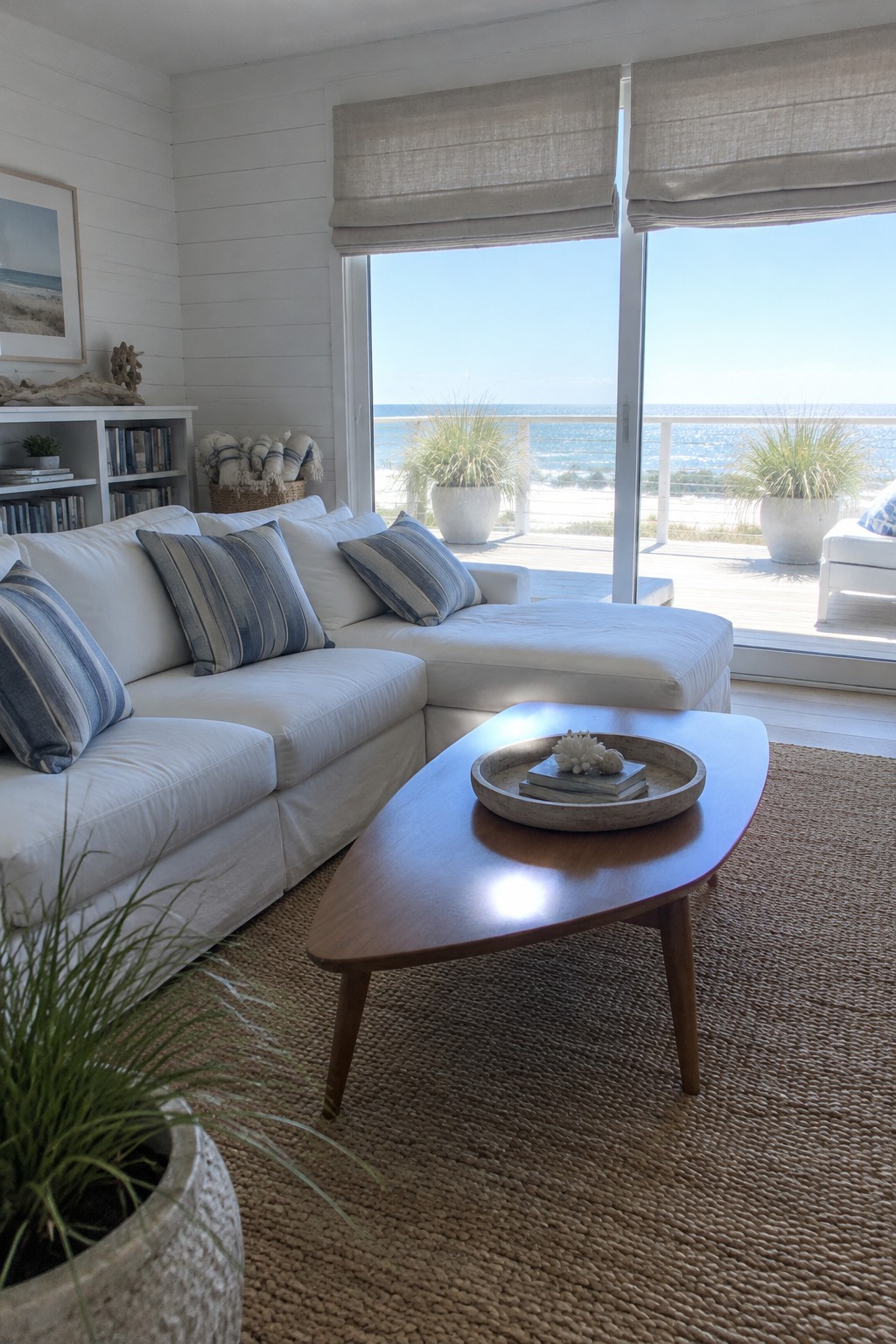
A sectional can make a living room feel settled without adding extra chairs. Its L-shaped layout gives people room to spread out while keeping the main seating together, which works especially well in an open room.
Leave enough space to walk around the chaise end, and choose a size that does not crowd nearby doors or windows. A few striped pillows can bring in color without making the sofa feel busy.
A Sectional That Makes Room for Conversation
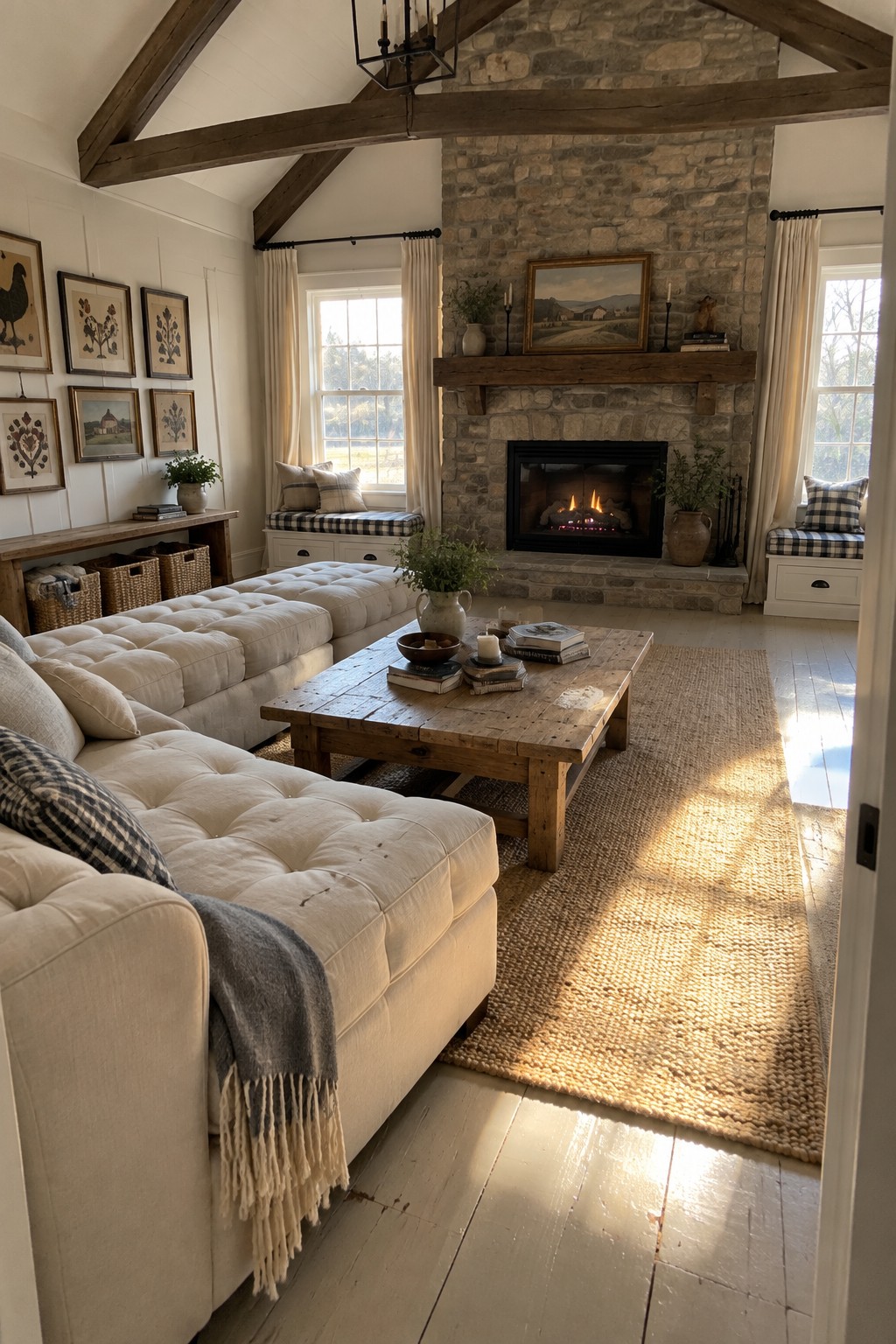
A sectional can make a large living room feel settled without splitting it into separate zones. Here, the sofa faces the fireplace and wraps around the coffee table, giving people a clear place to gather.
This arrangement works well in open rooms where you want one comfortable seating area to feel defined. Leave enough space around the coffee table to move through easily, and choose a sectional size that doesn’t block the main walkway.
Use a Sectional to Make the Most of an Open Living Room

A sectional can define the living area in an open-plan home without needing a wall or screen to separate it. The L-shaped seating provides plenty of room to relax while keeping the main seating area clear.
In a compact apartment, place the longer side along a wall and let the chaise extend toward the center of the room. Leave enough space around the coffee table for easy movement, especially when the living and dining areas share one floor.
Let the Sectional Set the Room’s Layout
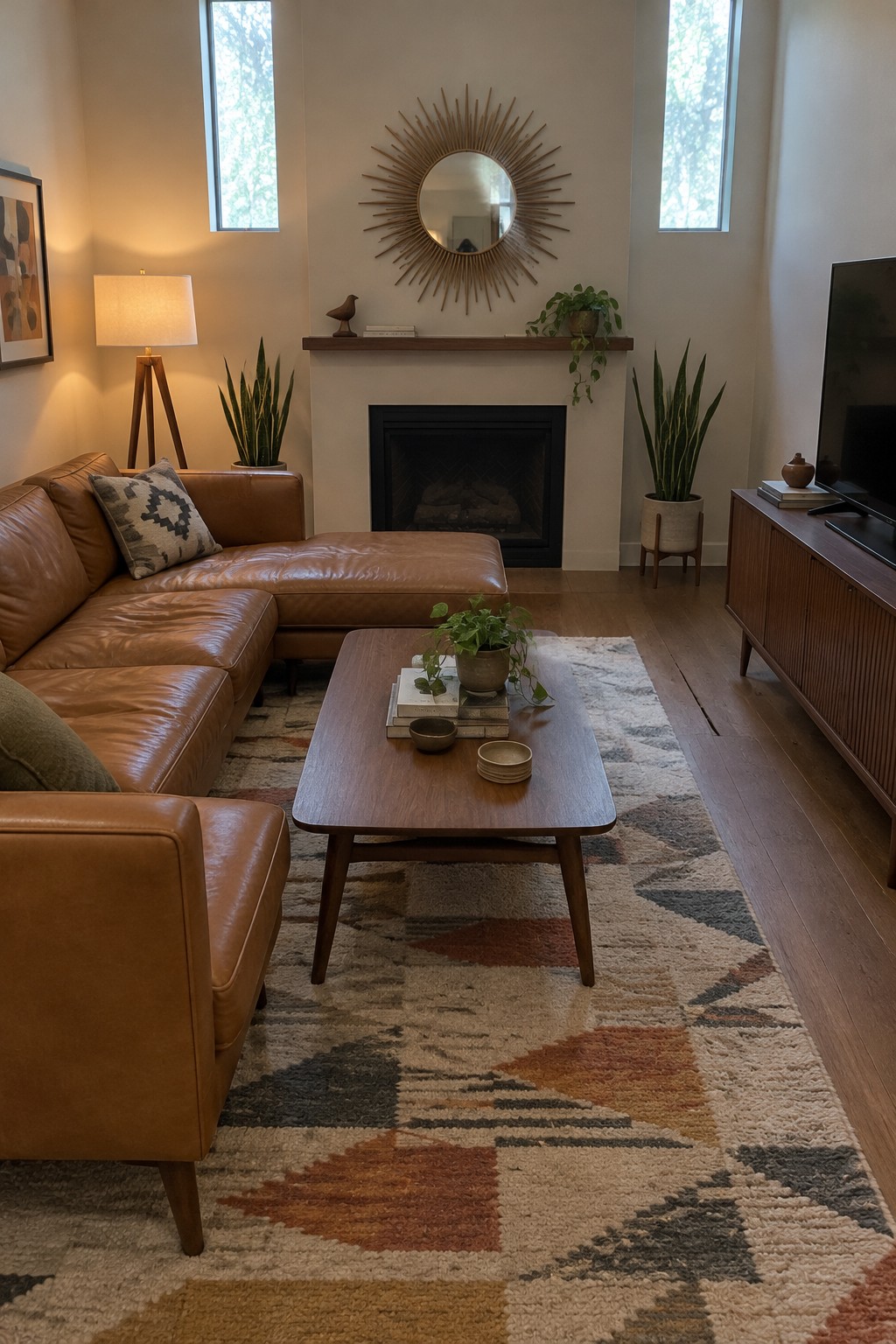
A sectional can make a living room feel settled without needing a lot of extra seating. Here, its L shape leaves a clear path toward the fireplace and TV while giving people room to sit together.
This setup works well in a longer living room where furniture can otherwise feel scattered. Leave enough space beside the sectional for people to walk through, and choose a coffee table that’s easy to reach from both sides.
Choose a Sectional That Makes the Most of a Small Living Room

A chaise sectional gives you plenty of room to stretch out without needing separate chairs. In this room, its low, wide shape leaves the seating area comfortable and relaxed.
This layout works well when you want a clear place to sit but still need open floor space around the sofa. Measure the chaise before buying, especially in a narrow room, so it does not block the main path through the space.
Use a Sectional to Make an Open Room Feel Connected

A sectional can help an open-plan room feel like one comfortable place to gather, rather than separate areas that happen to share a floor. Here, the sofa faces into the living space while leaving a clear path through the room.
This layout works well when the kitchen, dining area, and living room share one large space. Leave enough room to walk around the sofa, and use a rug to mark the seating area without closing it off.
Make a Sectional Feel Cozy With a Round Coffee Table
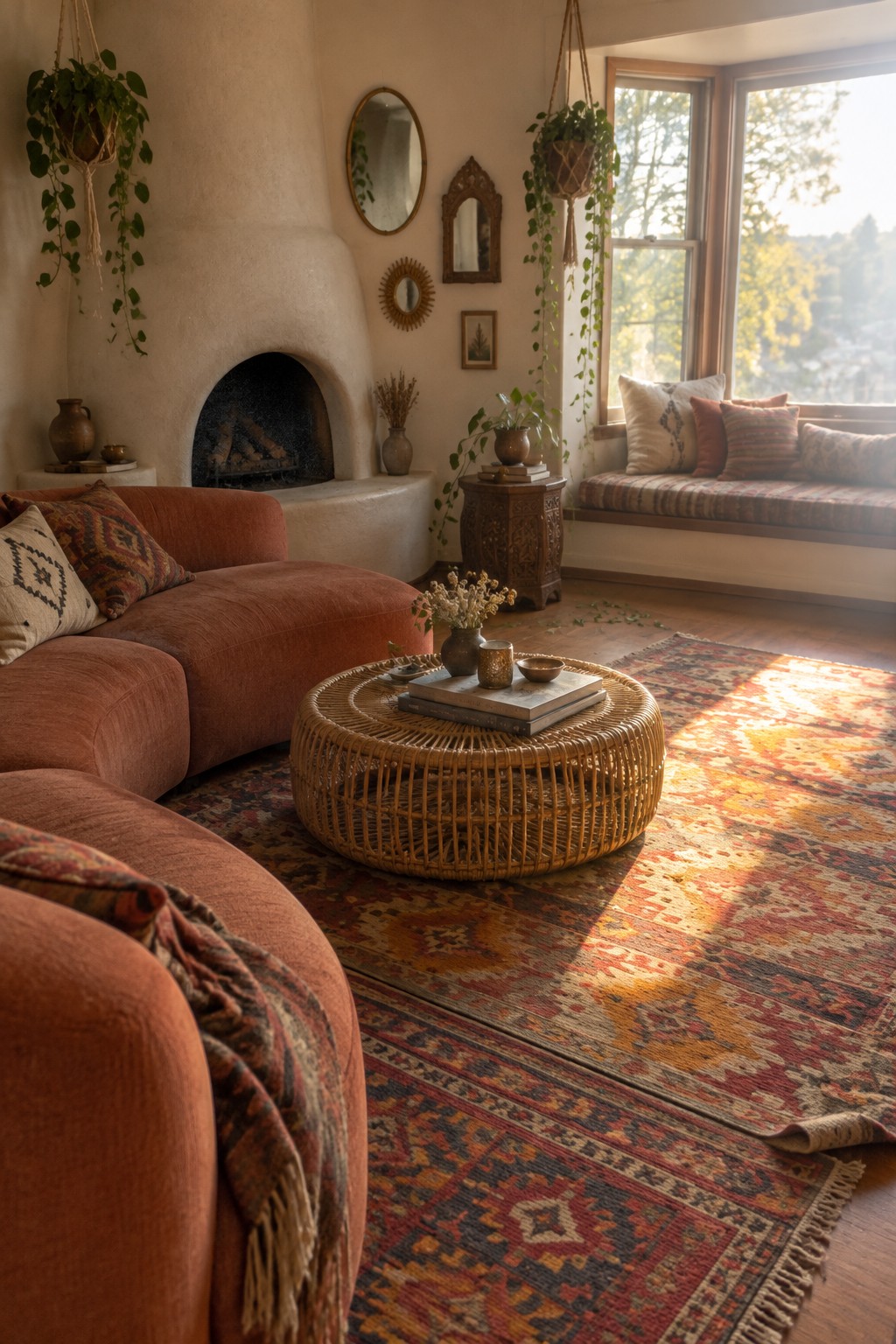
A round coffee table can make a sectional seating area easier to move around and more comfortable for conversation. Its curved shape works well beside the broad, rounded sofa here, without adding another hard corner to navigate.
Look for a table that sits within easy reach of the seats and leaves enough room to pass through. Wicker or rattan can suit a relaxed living room, while a sturdy top gives you a useful spot for drinks and books.
Use a Sectional to Make a Cozy Seating Area
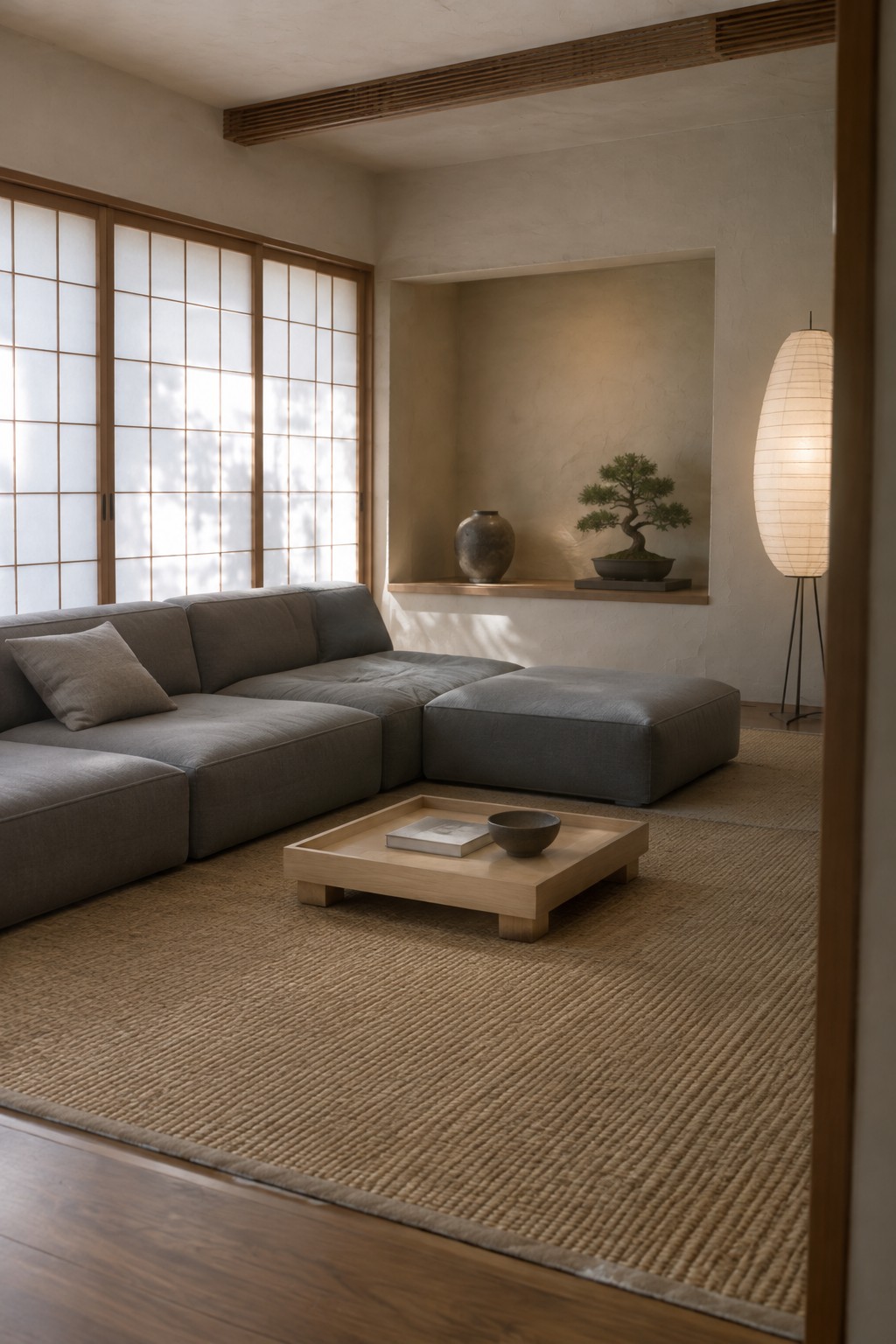
A low, L-shaped sectional gives everyone a comfortable place to sit without crowding the room with separate chairs. Its shape also makes a large rug and coffee table feel like part of one clear seating area.
This layout works well in a living room where people gather to talk or stretch out. Leave enough space to walk around the chaise end, and choose a rug that extends beyond the sofa so the seating feels settled rather than squeezed in.
Keep the Sectional Low and Relaxed
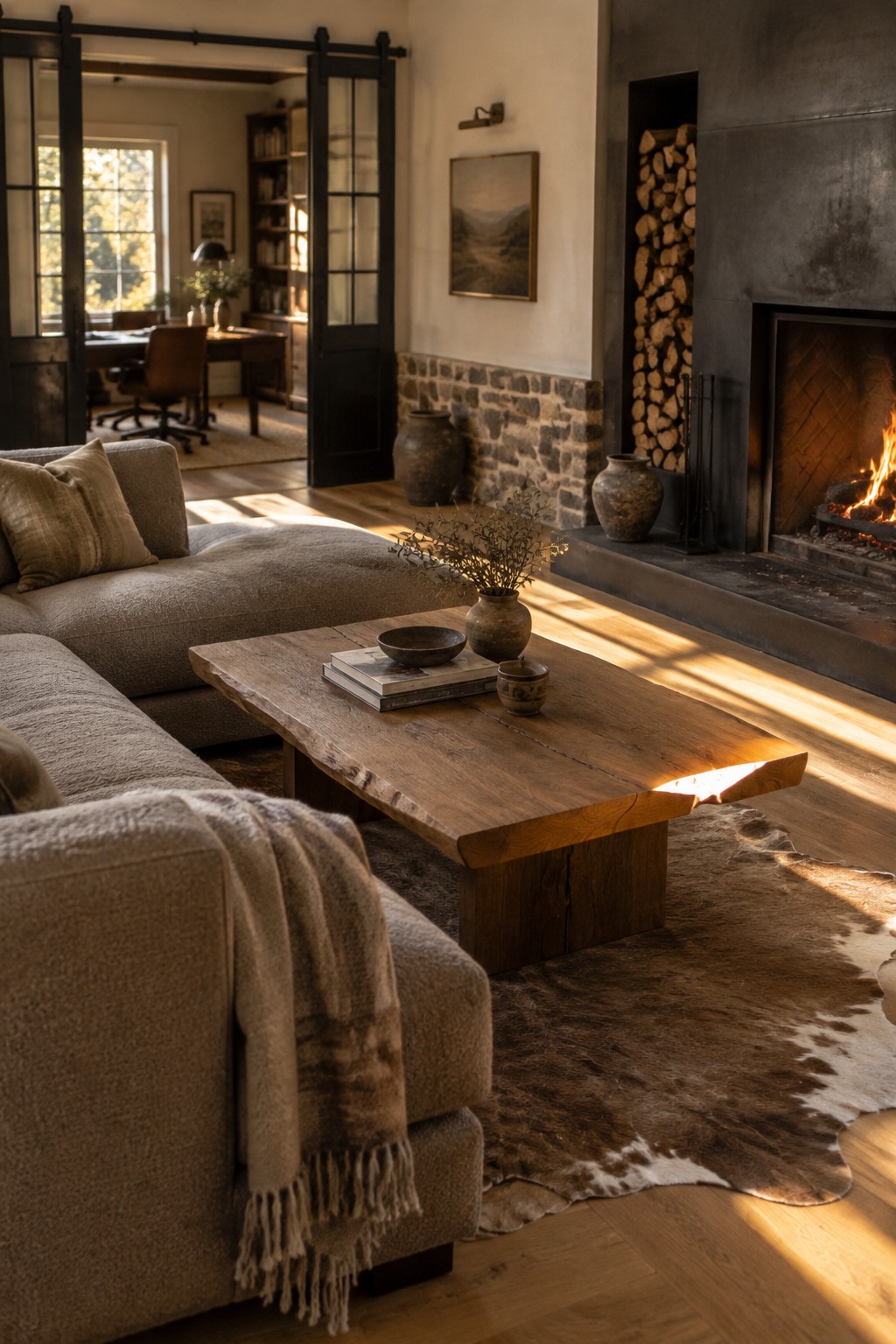
A deep, low-profile sectional makes a living room feel comfortable without making the seating area seem formal. Its broad shape gives people room to stretch out, while a simple wood coffee table keeps the middle of the room practical.
This look works well in a spacious living room where the sofa can sit around a rug and still leave clear paths to other areas. Choose durable, textured upholstery for everyday use, and check that the sectional’s size does not crowd the room.
Choose a Sectional That Fits a Narrow Living Room

A compact sectional can offer plenty of seating without needing a separate sofa and chairs. Here, the L-shaped layout keeps the seats together and leaves a clear path through the room.
This setup suits a small living room where every bit of floor space matters. Measure the room before choosing a sectional, and check that its chaise does not block a doorway or make it hard to reach the coffee table.
Use a Sectional to Make a Large Living Room Feel Cozy

A large sectional can make an open living room feel like a comfortable place to settle in, rather than a space with furniture scattered around. Its L-shaped layout gives people room to stretch out while keeping the main seating area together.
This works especially well in lofts and open-plan homes. Leave enough space to walk around the sofa, then use a coffee table within easy reach of the seats. A low, soft rug can help mark the seating area without closing it off.
Use a Sectional to Connect the Living Room to the Patio

A sectional can make an indoor seating area feel connected to the space outside, especially when it faces wide glass doors. The long, low shape keeps the living room comfortable without blocking the view or making the doorway feel like a separate zone.
This layout works well in rooms that open onto a patio or garden. Leave a clear path to the doors, and choose a sectional that fits the room without crowding it. Light upholstery and simple cushions keep the large piece from feeling too heavy.
Use a Sectional to Set Up a Cozy TV Area

A sectional can make a living room feel relaxed while keeping the seating focused on a shared activity. Here, the low, curved sofa faces a built-in TV wall, with a coffee table close by for everyday use.
This arrangement works well in a family room or an open-plan space where you want a clear place to sit and watch TV. Leave enough room to walk around the sofa, and keep the table within easy reach without crowding the seats.
Let Built-Ins Make Room for a Sectional
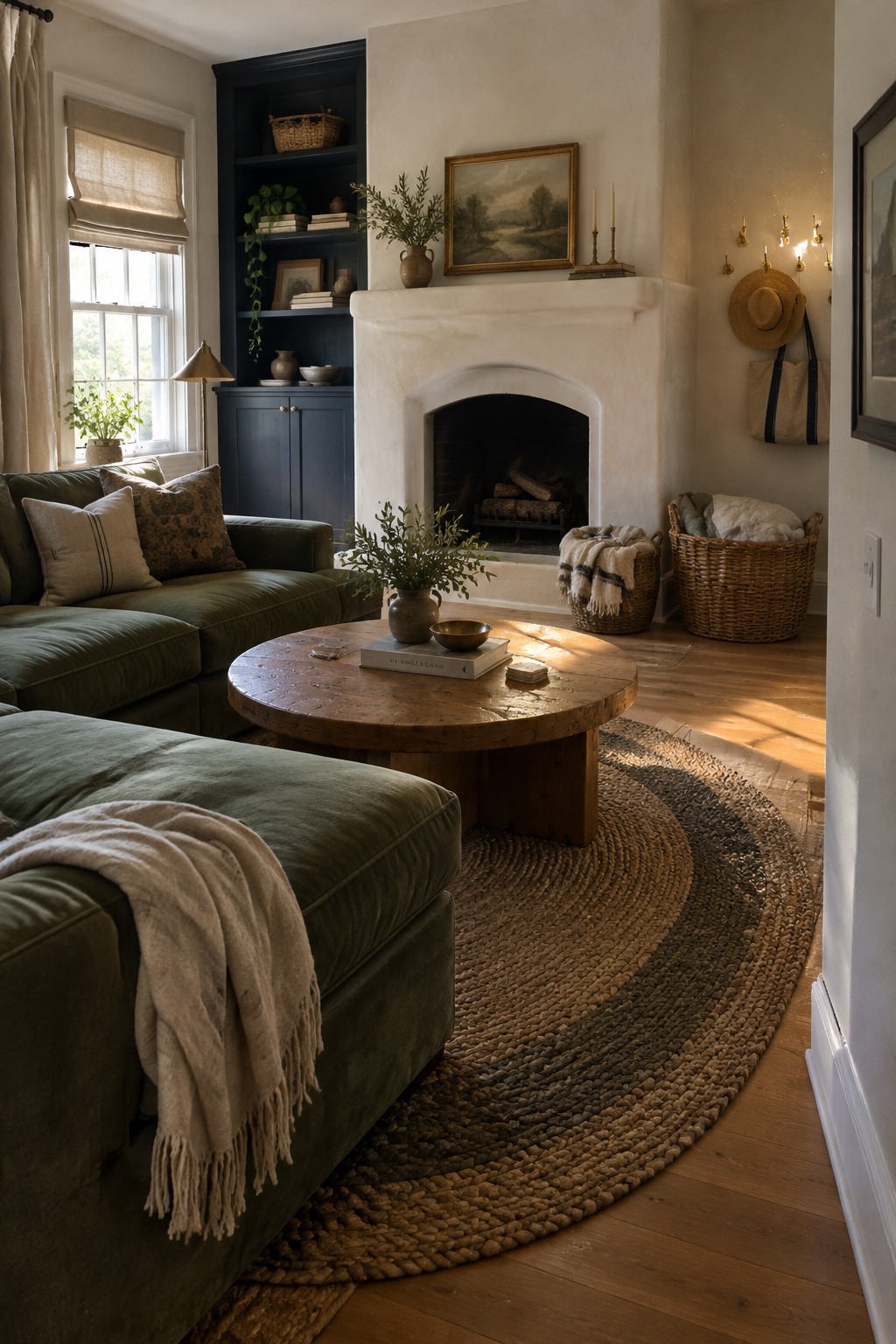
Built-in shelves beside a fireplace give a living room useful storage without taking up floor space. That can be especially helpful when a sectional already fills much of the room. Dark cabinetry also gives the seating area a clear edge without needing extra furniture.
In a room like this, keep the shelves simple and leave some open space around the objects. This approach works well in smaller living rooms or older homes where every bit of floor space matters.
Choose a Sectional That Keeps the Room Open
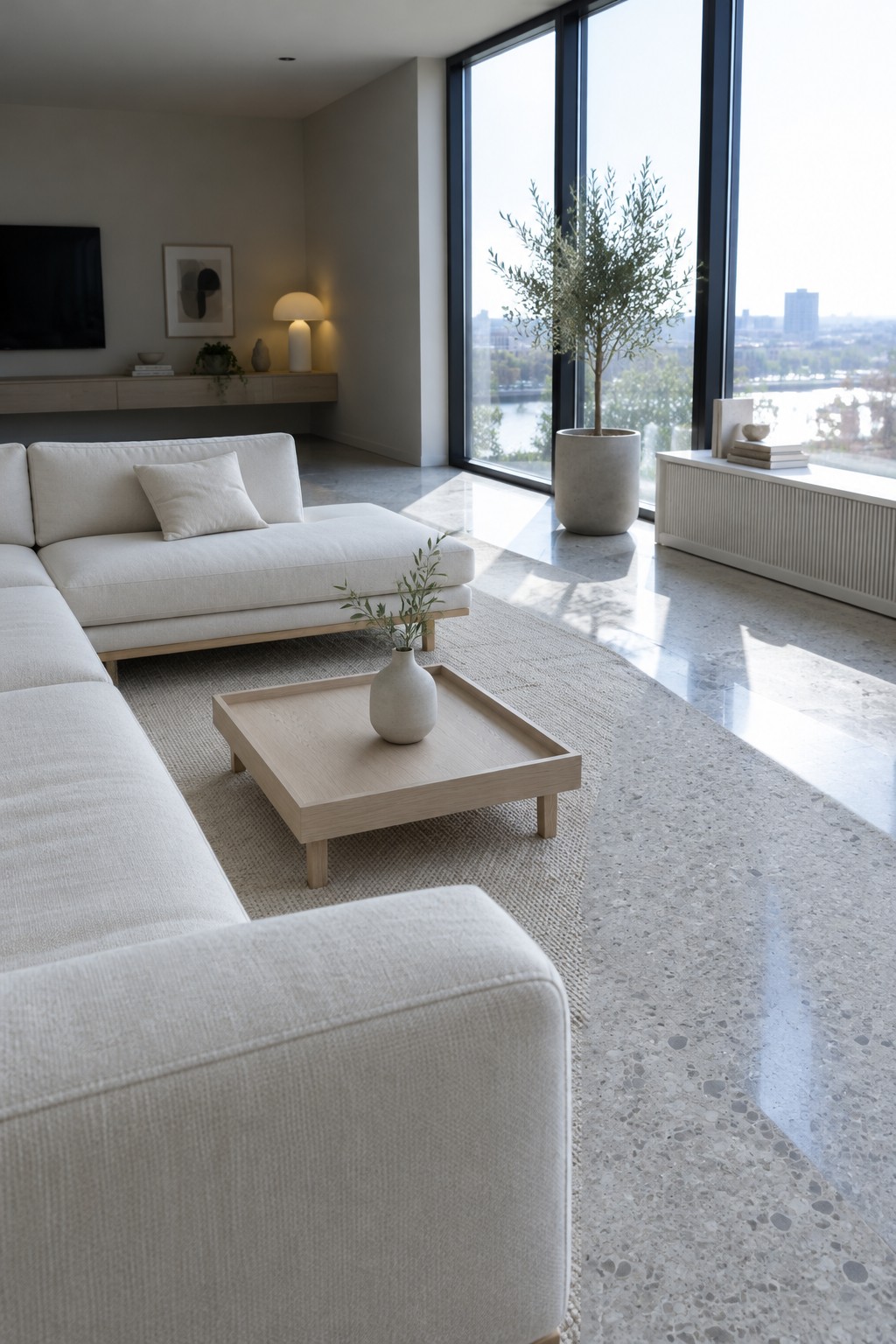
A low, light-colored sectional can make a living room comfortable without making it feel crowded. Here, the simple shape leaves plenty of open floor around the seating area, while the pale upholstery suits a calm, modern room.
This approach works well in open living rooms where you want a generous place to sit but still need clear paths through the space. Leave enough room around the sectional to move easily, and use a rug to mark out the seating area.
Choose a Deep Sectional for a Cozy Living Room
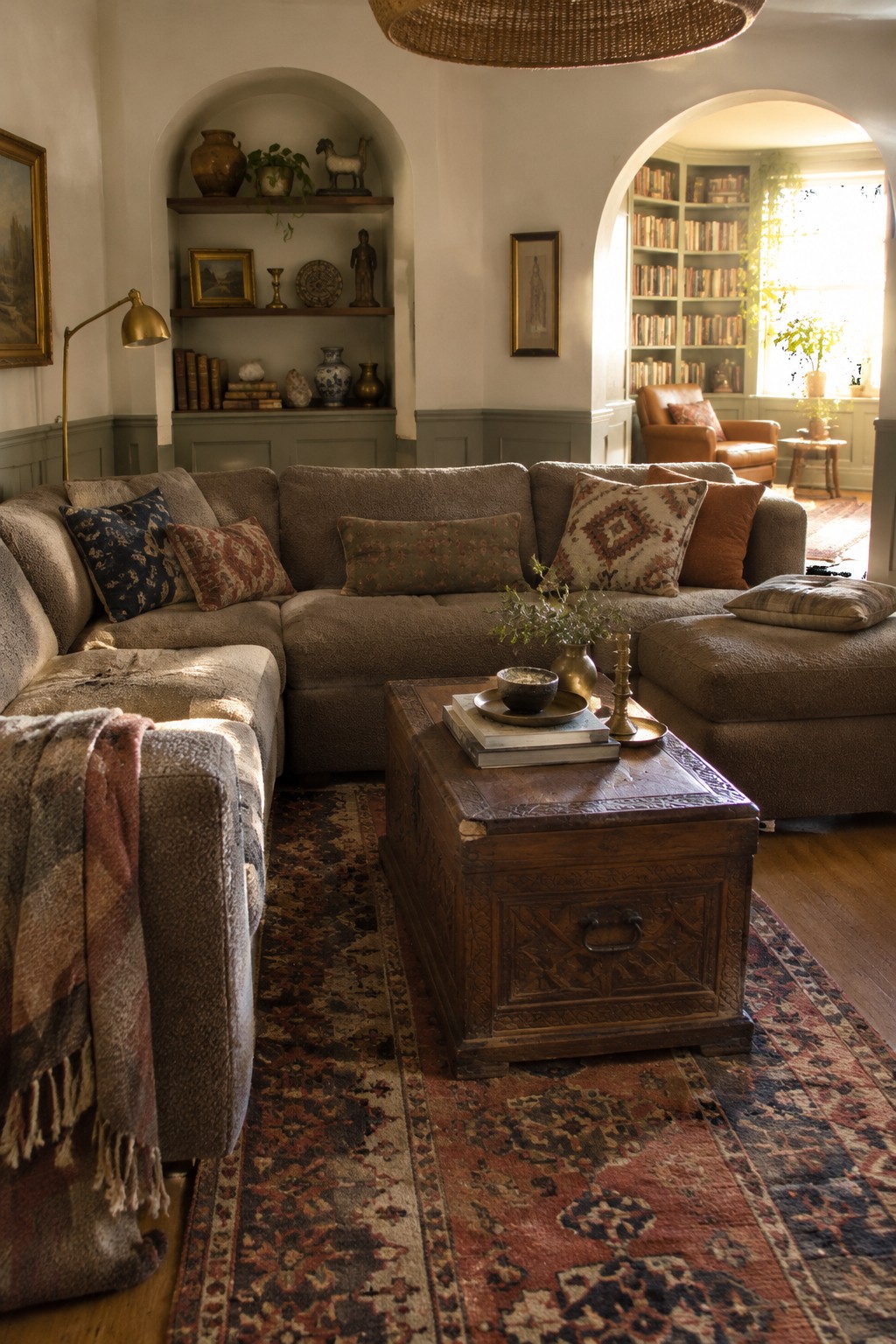
A deep sectional gives a living room plenty of room to stretch out, and its L shape makes the seating area feel settled without needing several separate sofas. Here, patterned cushions keep the large sofa from looking too plain.
This style works well in a room meant for reading, lounging, or gathering with family. Leave enough space around the coffee table to move through the room comfortably, especially when the sectional has a chaise.
Frequently Asked Questions
Q: How do I keep a sectional from making a small living room feel cramped?
A: Choose a size that leaves a clear path around the sofa, and look for raised legs to keep the room feeling open. A simple coffee table or a pair of small side tables can be easier to move around than one bulky piece.
Q: Should I put the sectional against the wall?
A: Not always. In an open-plan room, floating it can help define the living area, as long as you leave enough space to walk behind it.
Q: What coffee table works well with an L-shaped sectional?
A: A round or oval table softens all those straight sofa lines and makes it easier to move around the corner. Just keep it close enough to reach from the seats.
Q: How can I make a modern sectional feel cozier?
A: Add a soft throw, a few textured pillows, and warm lighting nearby. Keep the colors relaxed so the room feels inviting, not busy.
