

A living room can feel cluttered even when it has plenty of space, especially when everyday things have nowhere to go.
I find built-in storage works best when it follows the room’s layout, keeping useful items close without making the walls feel heavy.
The details people notice first are often the balance between open surfaces, comfortable seating, and the things a family actually needs within reach.
Warm materials and thoughtful lighting can help shelves and cabinets feel like part of the room rather than an afterthought.
Some of these ideas could be adapted to make a real living room calmer, more practical, and still cozy.
Built-In Shelves Make Storage Part Of The Room
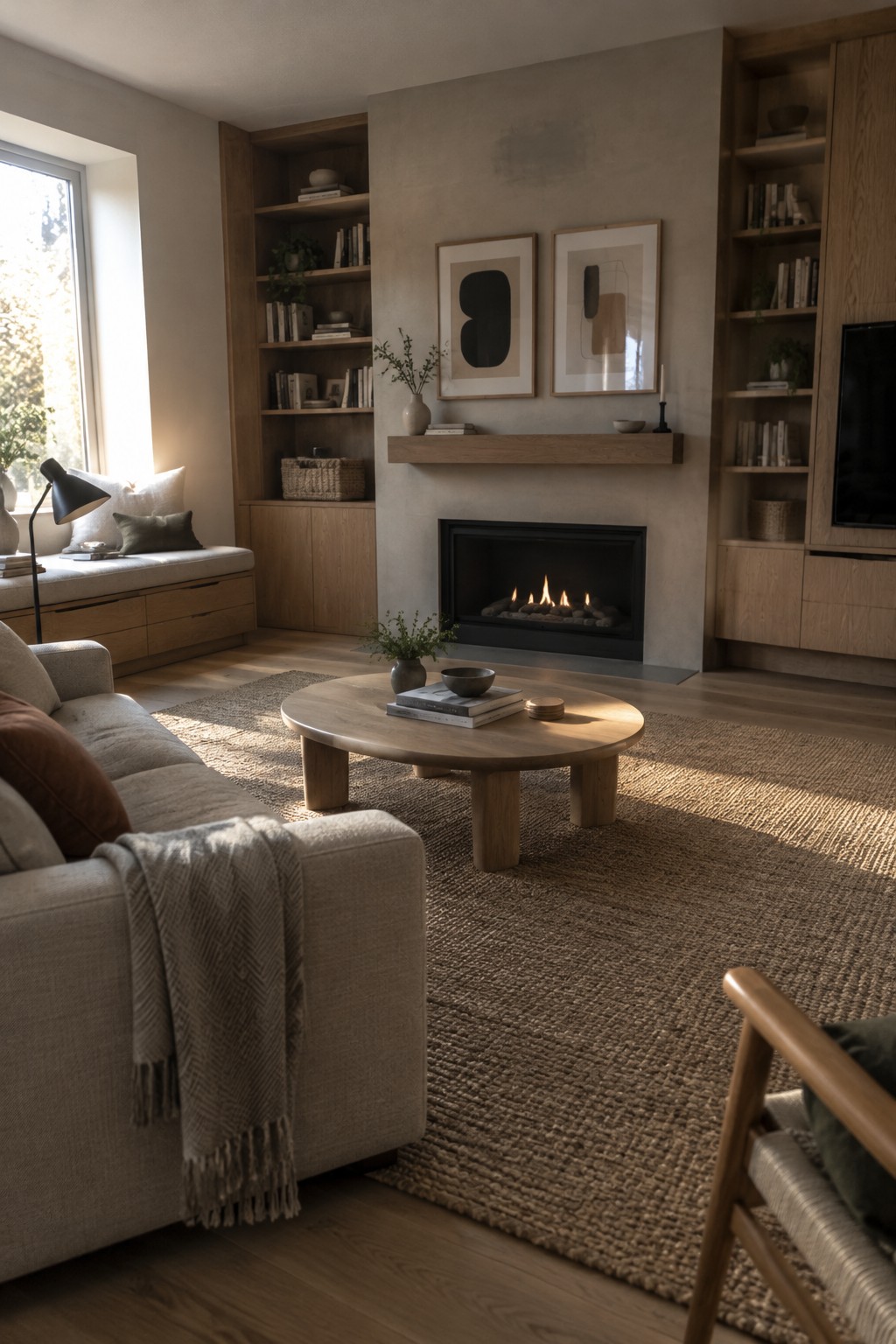
Built-in shelves can give a living room plenty of storage without making it feel like a row of bulky cabinets. Open shelves keep books and a few favorite objects easy to reach, while lower cupboards hide the everyday clutter.
This works especially well around a fireplace or along a wall that might otherwise go unused. Keep some shelf space open, and use closed storage below for items you don’t want on display.
Built-In Storage That Keeps A Living Room Cozy

A wall of built-in cabinets and shelves can give a living room plenty of storage without adding bulky furniture. Here, the TV sits within the wood cabinetry, while open shelves keep a few books and personal items easy to reach.
This approach works especially well in a room where storage needs to share space with a media setup. Keep everyday items behind closed doors and leave some shelf space open, so the built-in stays useful without looking crowded.
Use Built-Ins To Make Storage Part Of The Room
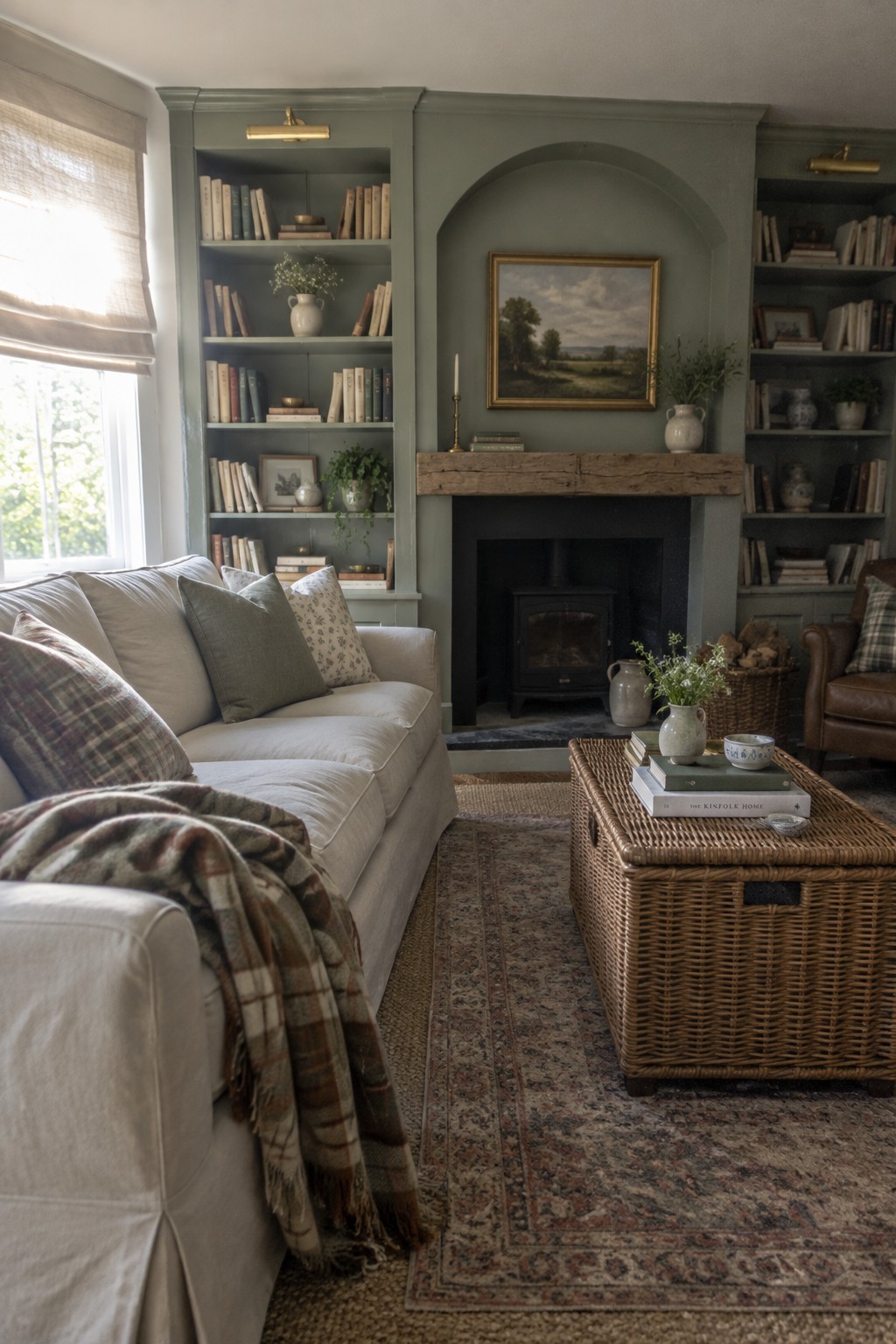
Built-in shelves around a fireplace give books and everyday objects a proper home without taking up extra floor space. When they match the wall color, they feel like part of the room rather than a separate piece of furniture.
This approach works well in living rooms with a central fireplace or a wide, unused wall. Keep some shelf space open so the storage does not look crowded, and use baskets below for smaller items.
Built-In Storage That Doubles as Seating

A window bench with storage underneath is a practical way to make a living room feel less cluttered without adding another piece of furniture. Open cubbies keep baskets and folded blankets close at hand, while the long seat gives you an extra place to sit.
This idea works especially well along a wide window or an unused wall. Use baskets to hide smaller odds and ends, and keep the seat cushion simple so the built-in stays comfortable and easy to live with.
Let Built-In Cabinets Take Up A Full Wall
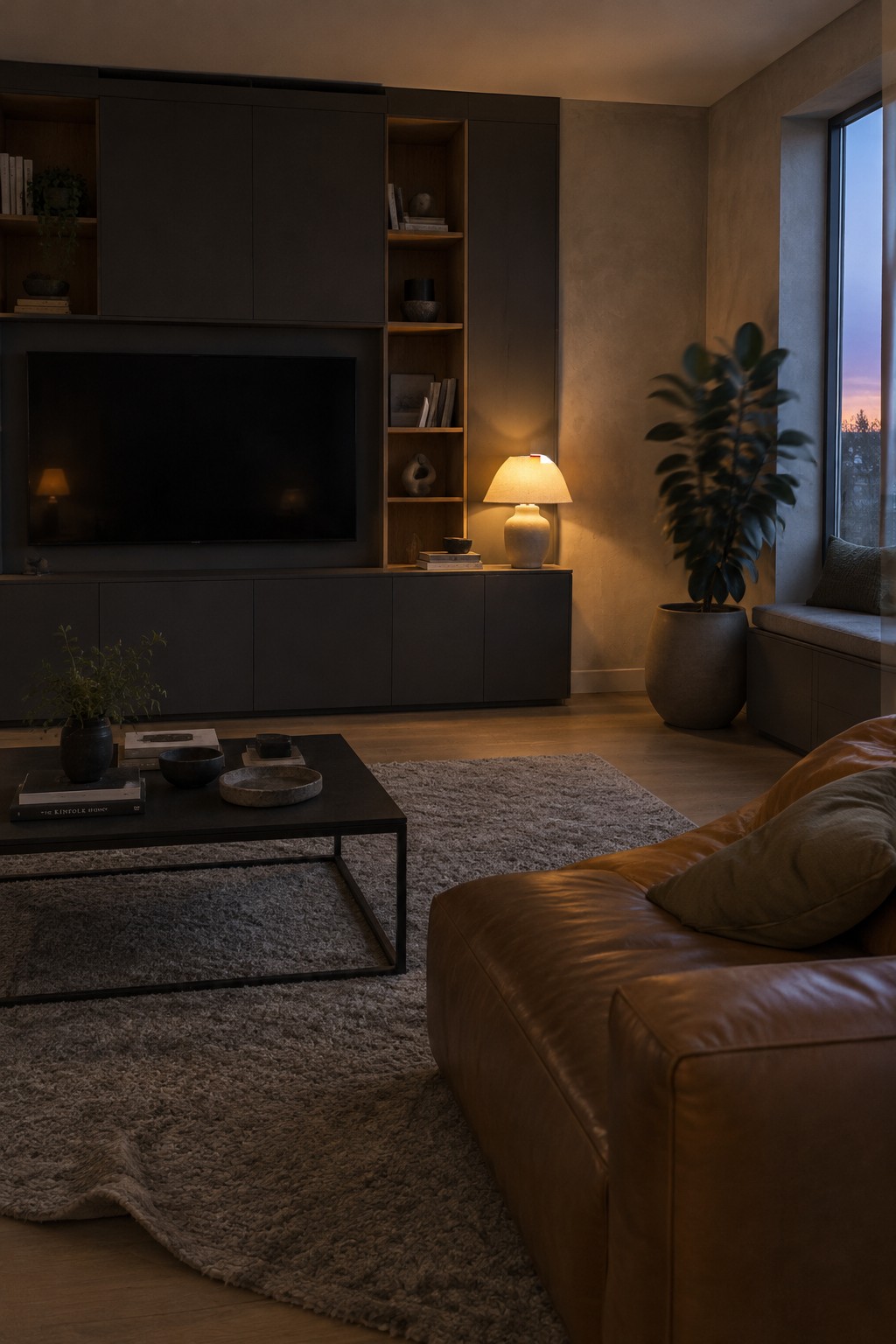
A wall of built-in cabinets gives a living room plenty of closed storage without adding separate pieces of furniture. Here, dark cabinet doors sit beside a few open shelves, so everyday items can be tucked away while a small display still feels at home.
This approach works especially well in a living room with one long, uninterrupted wall. Keep most shelves behind doors, and leave a few open sections for books or small objects. That keeps the storage useful without making the wall feel busy.
Let Built-In Storage Take Up One Wall

Built-in cabinets can hold everyday items without making a small living room feel crowded. Here, closed storage sits below open shelves, so the room has places for things to go while a few books and plants stay on display.
This approach works especially well in a narrow room where separate bookcases might take up useful floor space. Keep the cabinet fronts simple, and leave some open shelf space so the wall does not feel too busy.
Window-Seat Cabinets Keep Clutter Out Of Sight

Low cabinets beneath a large window offer useful storage without taking up extra floor space. They keep everyday items close by, while the long surface above can still hold a few things you enjoy seeing.
This idea works well in a living room where the window wall would otherwise be difficult to use. Choose closed doors for a tidier look, and keep the cabinet height low enough to leave the window feeling open.
A Window Seat Makes Built-In Storage More Useful

A built-in window seat can turn an awkward stretch of wall into useful living room storage. The drawers below keep everyday items out of sight, while the cushioned top gives you an extra place to sit.
This idea works especially well in a living room with a window that doesn’t leave room for freestanding furniture. Add a simple cushion and a couple of pillows, and keep the storage easy to reach so it’s practical, not just decorative.
A Raised Platform Can Hide Useful Storage

A raised platform gives a room a clear place to sit and relax, while the space beneath it can hold things that would otherwise clutter the floor. Here, the built-in drawers keep storage close to the cushions without adding freestanding furniture.
This idea works well in a compact living room or a room that can serve more than one purpose. Plan the platform height around comfortable seating, and make sure the drawers are easy to reach.
Let The Fireplace Wall Include Storage
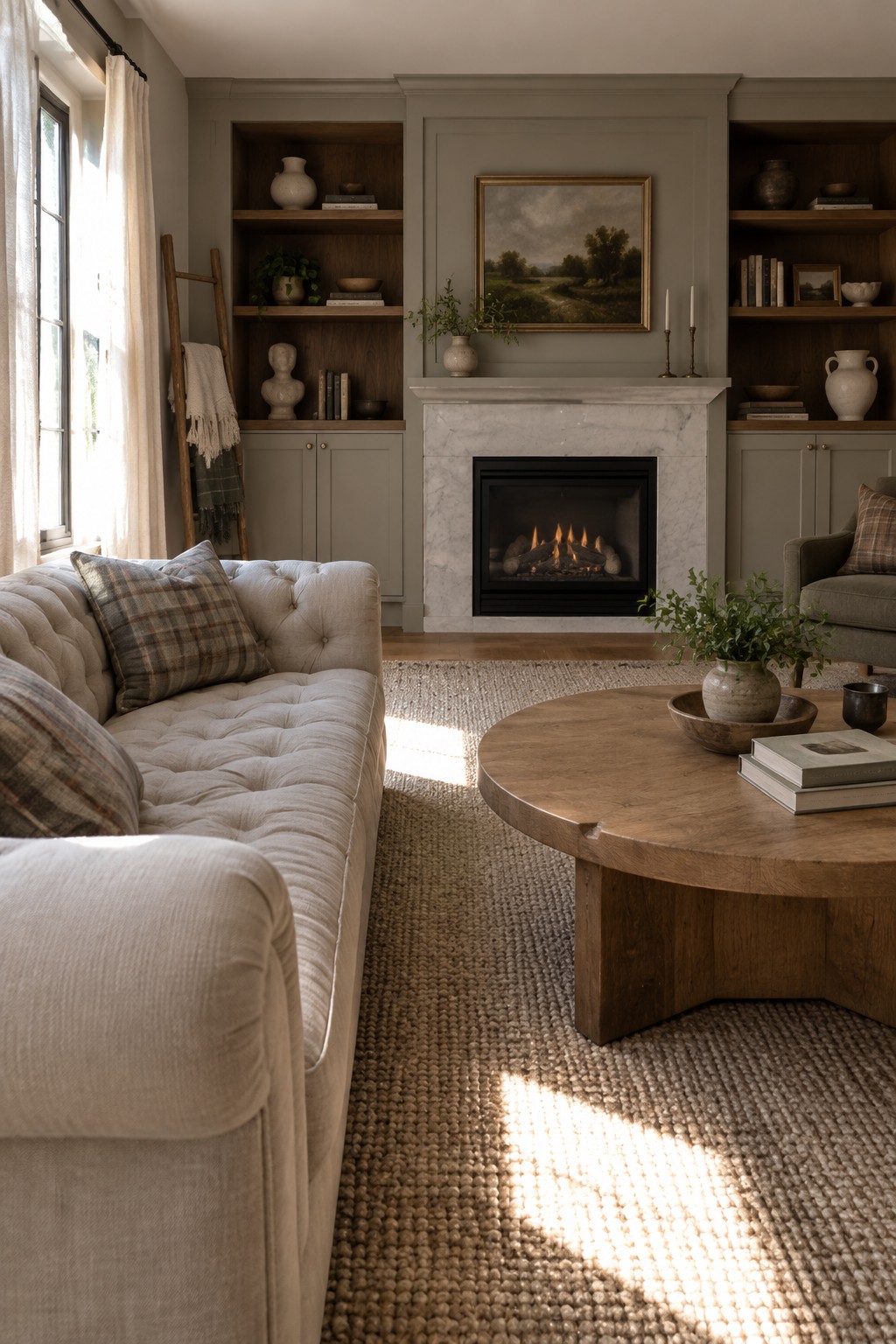
Built-in shelves beside a fireplace make it easier to keep everyday storage in the living room without adding more furniture. Here, the open shelves display a few books and decorative pieces, while the cabinets below can hide items that tend to clutter the room.
This idea works especially well on a wall that already has a fireplace or another natural focal point. Keep the cabinet fronts and shelves in a similar finish so they feel like part of the room, and leave some shelf space open rather than filling every spot.
Make Use Of The Space Beneath The Stairs

Turning the space beneath a staircase into built-in storage keeps a living room useful without adding another freestanding cabinet. Here, open shoe cubbies sit beside closed cupboards, while shelves and a small bench make the built-in feel like part of the room.
This approach works especially well in homes where the stairs open onto a main living area. Use closed doors for everyday clutter and open shelves for things you reach for often, and keep the bench deep enough to sit on comfortably.
A Built-In Desk Makes Shelving More Useful
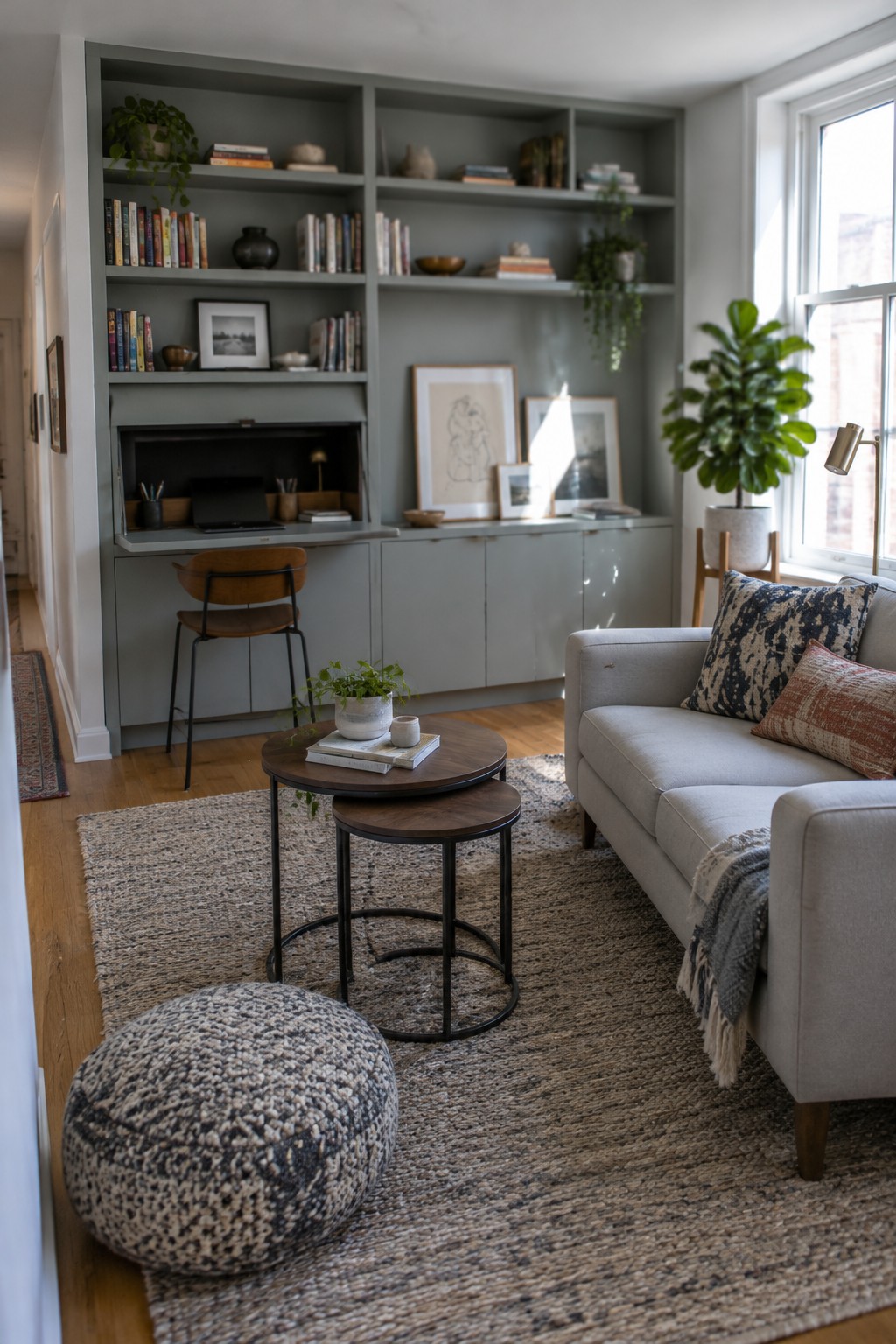
A small desk built into a wall of shelves can give a living room a handy work spot without needing a separate office. The surrounding shelves and lower cabinets provide room for books and supplies, so the desk feels like part of the room rather than an extra piece of furniture.
This idea works well in a living room with an unused wall or a shallow alcove. Keep the desktop clear enough for everyday tasks, and use closed cabinets below to tuck away items that would otherwise collect there.
A Curved Bench Makes Room For Storage

A curved built-in bench can make a living room feel snug while giving everyday items a place to go. Open cubbies beneath the seat are useful for books and baskets, and the bench itself provides plenty of seating without filling the room with extra chairs.
This works especially well in a corner or along a wide wall where a standard sofa might leave awkward gaps. Keep the storage easy to reach, and use closed drawers for things you do not want on display.
Use Floating Cabinets To Keep Storage Out Of Sight

Wall-mounted cabinets provide useful storage without taking up floor space, which helps a living room feel open and easy to move through. Here, the long walnut cabinet sits below a matching shelf, keeping the TV area simple.
This approach works well in a modern room where bulky furniture might crowd the layout. Choose closed fronts for items you do not want on display, and leave enough room beneath the cabinet for easy cleaning.
Use Built-In Shelves To Keep Everyday Storage Handy

A full wall of built-in shelves and cabinets can hold books, records, and living room odds and ends without taking up extra floor space. Here, the lower cabinets have woven fronts, so some items can stay tucked away while the open shelves remain useful for things you reach for often.
This setup works especially well in a living room with an unused wall or an awkward alcove. Plan for a mix of closed and open storage, and leave enough shelf space for the items you actually use rather than filling every spot.
Use Low Cabinets To Add Storage Beneath A Large Window
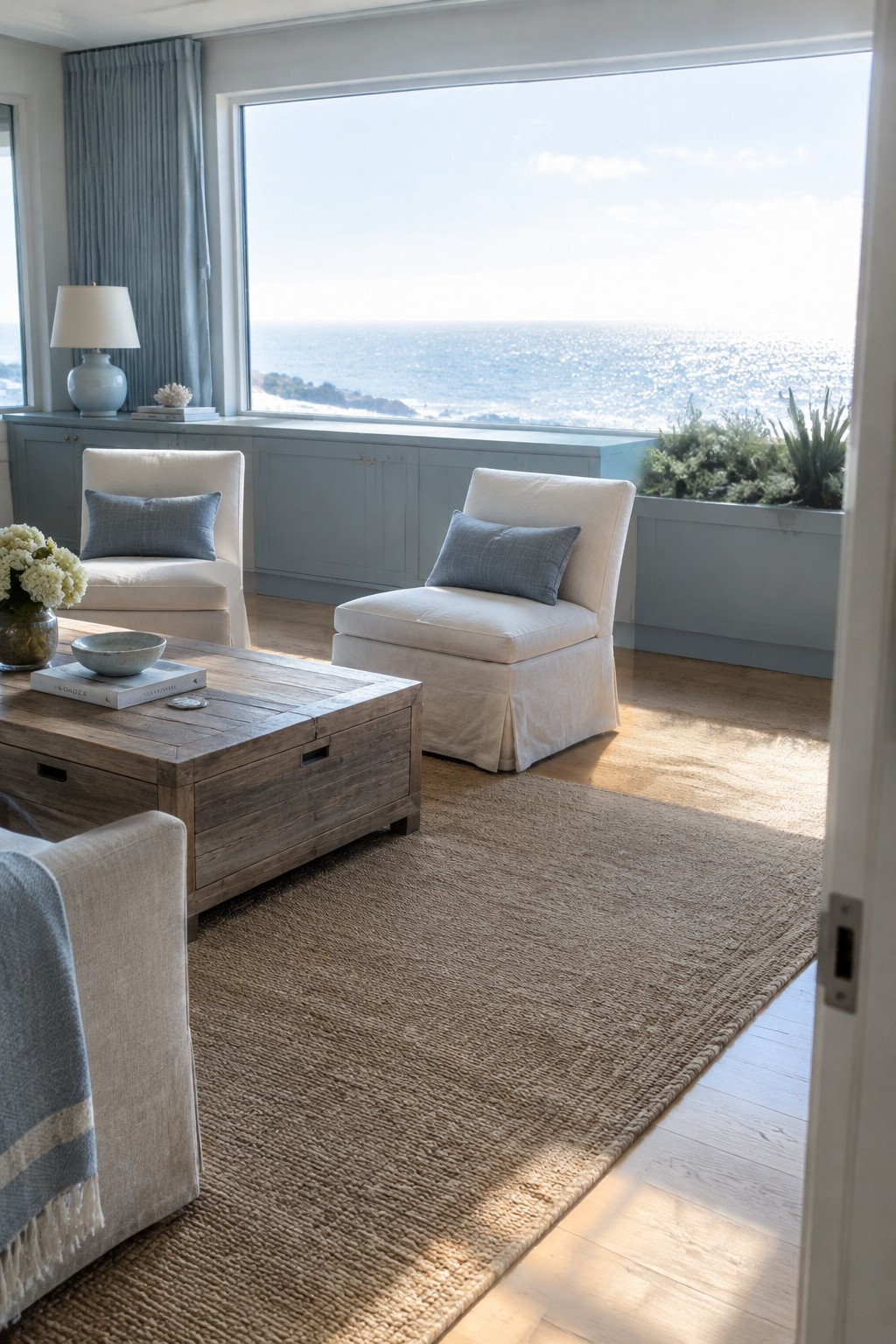
Low built-in cabinets make use of wall space without taking over a living room. Here, the long run beneath the window gives the room storage while keeping the view open.
This approach suits a room with a broad window and can be adapted with drawers or cupboard doors to hide everyday items. Keep the cabinets low enough that they do not block the glass, and choose a finish that works with the rest of the room.
Use A Full Wall For Built-In Storage
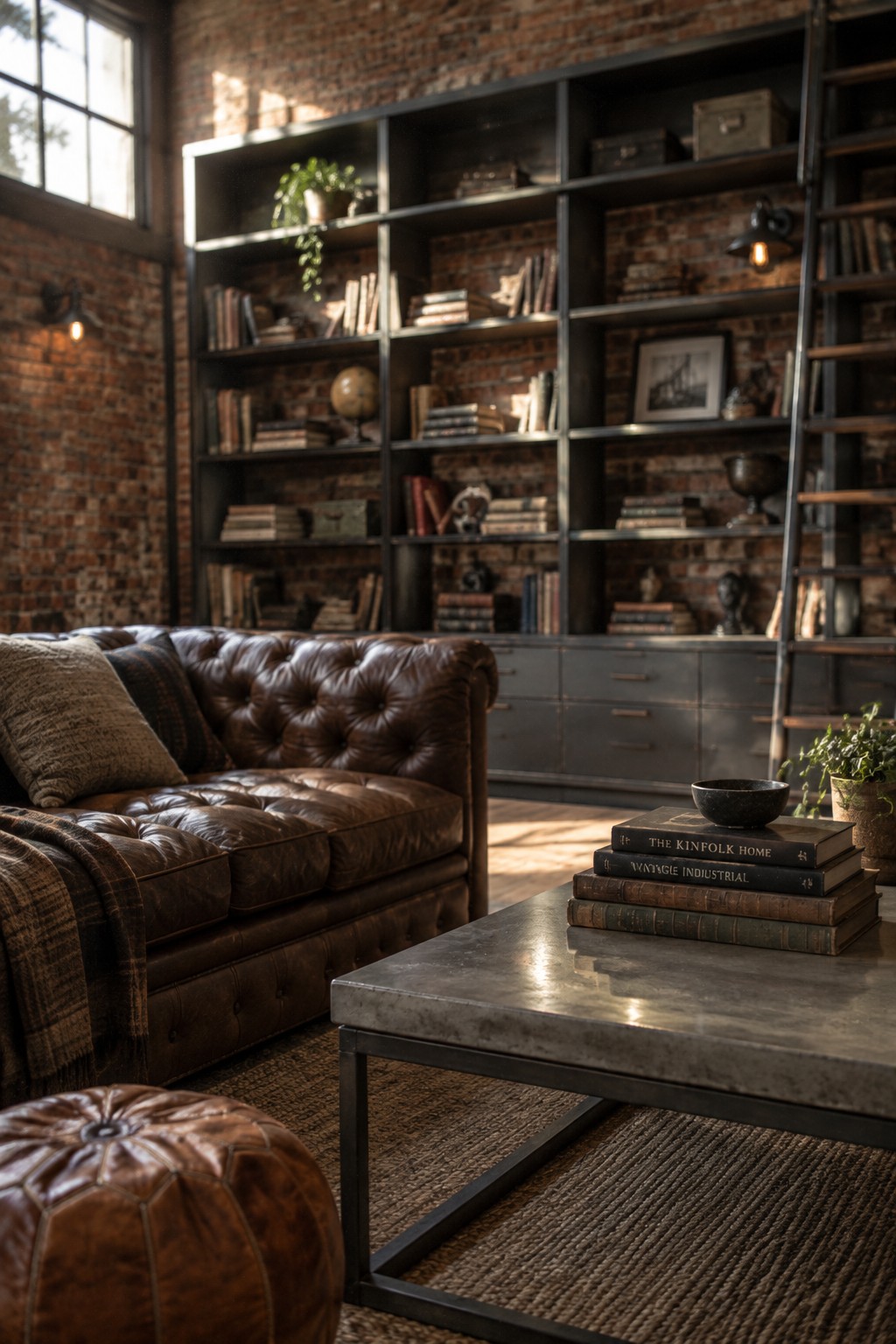
A wall of built-in shelves and lower cabinets gives a living room plenty of storage without adding separate bookcases. It also makes room for books and keeps smaller items tucked away behind cabinet doors.
This approach works especially well in a loft or a room with a large, mostly empty wall. Leave some shelf space open so the storage does not feel crowded, and use closed cabinets below for things you would rather keep out of sight.
Let Built-In Cabinets Serve More Than One Purpose

A full-height cabinet wall can make a living room feel tidy without leaving it bare or plain. Here, the TV and fireplace sit within the cabinetry, while a bench with drawers provides a handy place to sit and store things.
This approach works well in a room where one wall can take on several jobs. Plan closed storage for everyday clutter, and make sure the bench drawers are easy to reach.
Make A Media Wall Do More Than Hold The TV

Built-in shelving around a TV gives a living room useful storage without adding separate bookcases. Here, lower cabinets keep the wall looking tidy, while open shelves leave room for books and a few personal pieces.
This approach works well when you have a full wall to plan around. Use closed storage for things you do not want on display, and leave some open space on the shelves so they stay easy to maintain.
A Window Seat Can Hide Everyday Clutter

A built-in window seat can give a living room extra storage without taking up space for another cabinet. Here, drawers beneath the cushion keep the seat useful for relaxing while making room to tuck things away.
This idea suits a small living room or an unused stretch beneath a window. Add drawers or lift-up storage, and keep the cushion easy to remove so the space stays practical to use.
Frequently Asked Questions
Q: How do I add built-in storage without making a small living room feel cramped?
A: Keep the storage low and use the wall space you already have, such as the area beneath a window or around a fireplace. Closed cabinets hide clutter, while a few open shelves keep the room from feeling too heavy.
Q: What should I put in open shelves so they still look cozy?
A: Mix books and useful items with a few personal pieces, and leave some space between them. You don’t need to fill every shelf; a little breathing room makes the arrangement feel relaxed.
Q: Is built-in storage worth it if I’m renting?
A: You can get a similar look with a low bookcase, baskets, or a storage bench that fits snugly against a wall. Choose pieces you can move later, and use cushions or warm lighting to make them feel settled in the room.
Q: How can I make built-ins look warm instead of too modern?
A: Pair clean-lined storage with soft textures, like a wool rug, linen curtains, or a comfortable throw. Warm wood tones and lamps also help balance the straight edges.
