

I have noticed that the corners which actually get used for morning journaling tend to be the ones where the chair faces a window without feeling exposed to the rest of the room.
It helps to think about how the light moves across the floor at that hour and whether there is room for a notebook without crowding your elbows.
One setup I tested last winter worked only after I moved the side table closer so my coffee stayed within reach.
Corners that feel too open often get passed over once daily routines start pulling attention elsewhere.
A few small adjustments like adding a low basket for blankets or shifting the lamp angle can make the space feel settled enough to return to each day.
Built-In Window Seat For Quiet Mornings
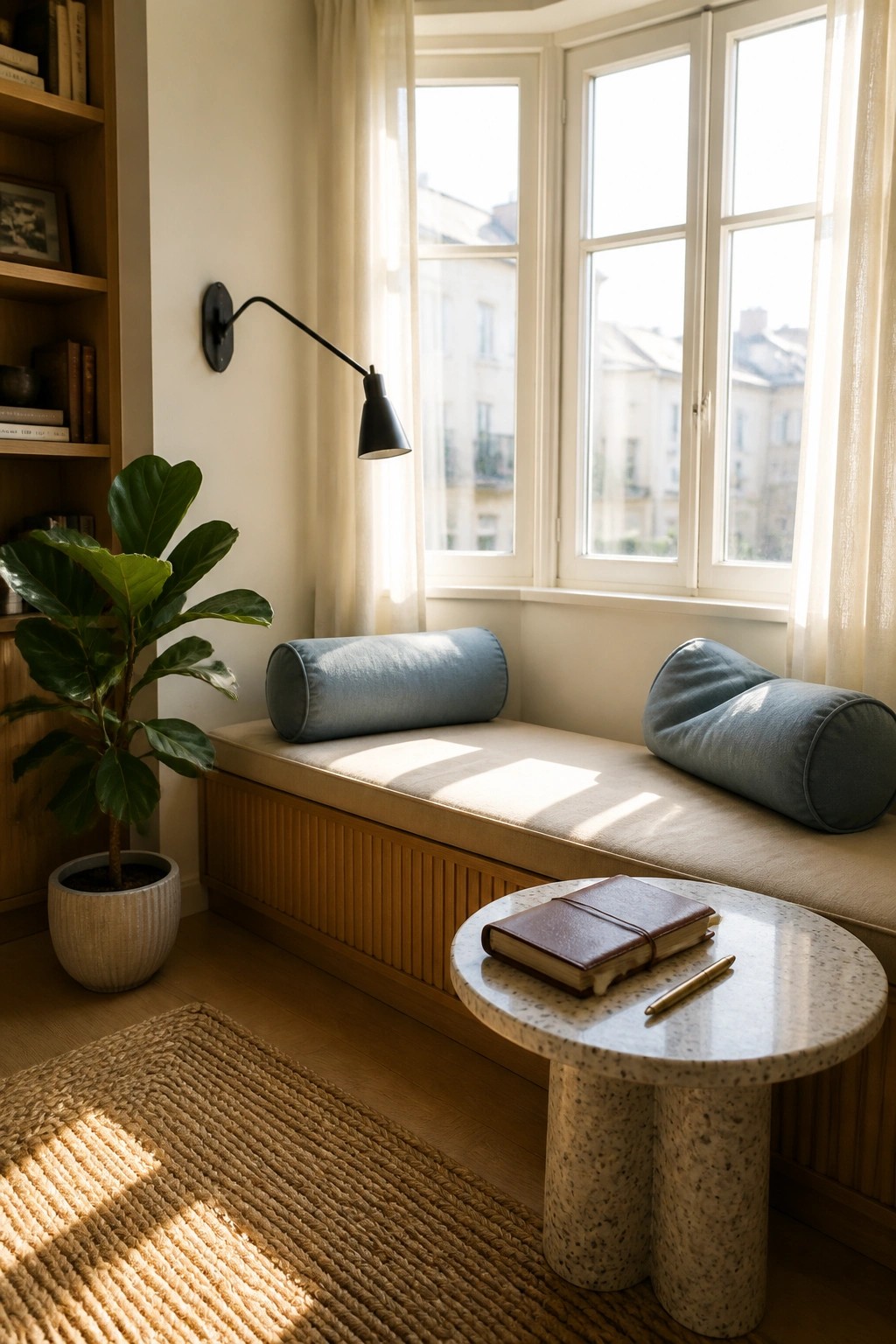
A built-in window seat gives you a permanent place to sit and write without needing much else in the room. The bench tucks right under the windows and includes storage underneath, so the area stays clear and ready each morning.
This works best in rooms with decent natural light and a bit of wall space along the windows. Keep a small table close by for your journal and add simple cushions so the seat stays comfortable for longer stretches.
A Desk Tucked Into An Arched Alcove
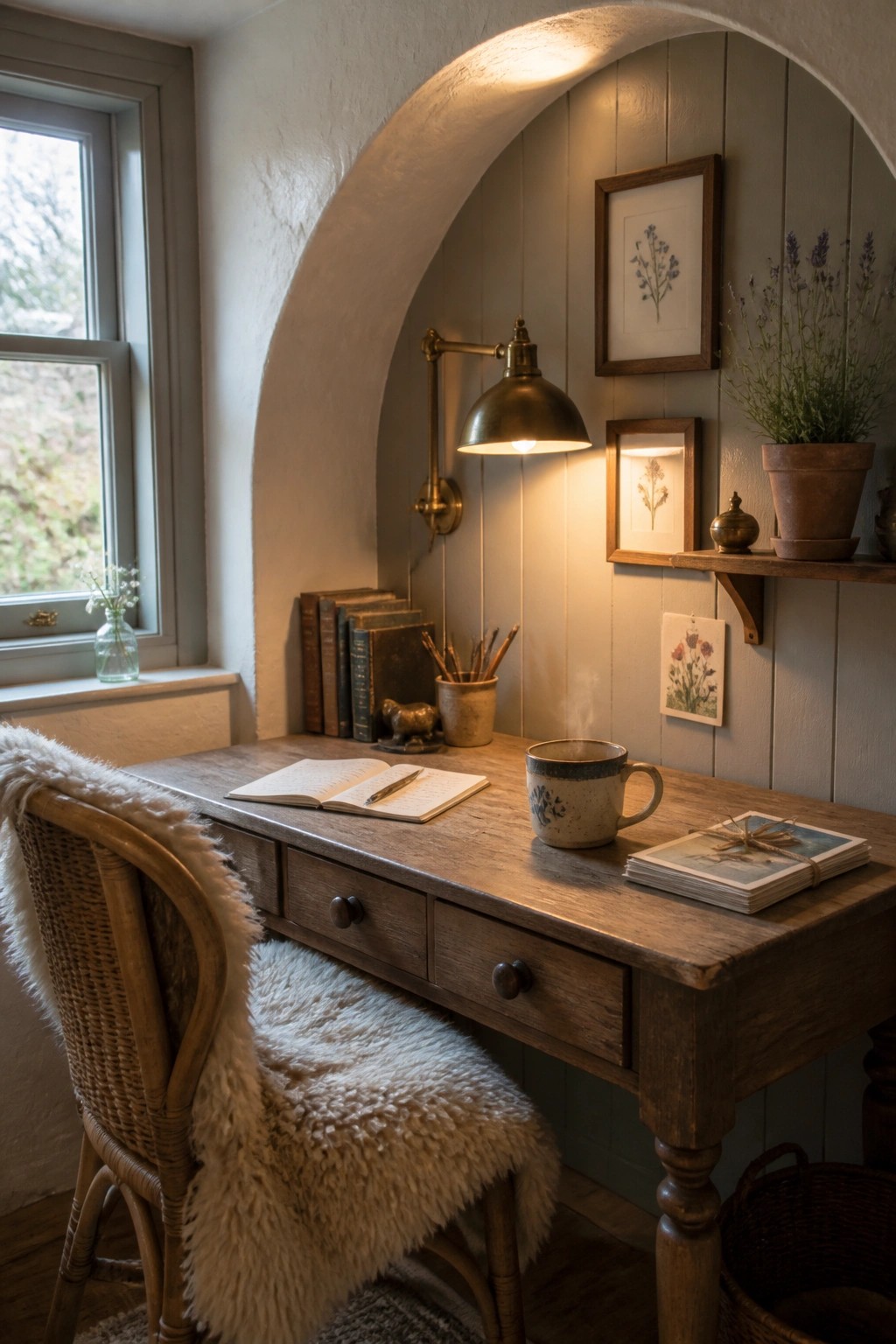
Many people find that a small desk fits naturally into an arched wall recess. The shape creates a sense of enclosure without needing extra walls or dividers, and it turns an otherwise empty spot into a quiet place for morning writing.
This setup works best in homes that already have alcoves or niches. Keep the surface mostly clear, add a simple wall lamp for focused light, and the space stays calm enough for daily journaling without feeling cramped.
Add A Low Table Next To The Chair

A low table placed right beside a comfortable chair makes it easy to keep your journal and pen ready without any extra effort. You can sit down, reach for what you need, and start writing without getting up again.
This works best in a quiet corner where the table stays clear except for a few basics. Pick one that sits at the right height for the chair so your arm rests naturally when you write.
Low Table Seating By The Window

A low table placed right by a window gives a quiet spot for morning journaling without needing much else. The setup stays simple and keeps everything within easy reach while the light comes in from the side.
This works best in smaller rooms or homes that already lean toward floor seating. Add one cushion and keep the surface mostly clear so the focus stays on writing rather than arranging things.
An Armchair With A Nearby Side Table

A single comfortable chair and a small table next to it can turn an empty corner into a practical spot for morning journaling. The setup keeps your journal, pen, and a book within reach while the chair stays inviting enough to sit in for more than a few minutes.
This works best in a living room or bedroom that already has some open floor space. Add a lamp on the table or floor beside it for steady light, and keep only a few items on the surface so the area stays simple rather than cluttered.
Built-In Desk Nooks With Bench Seating
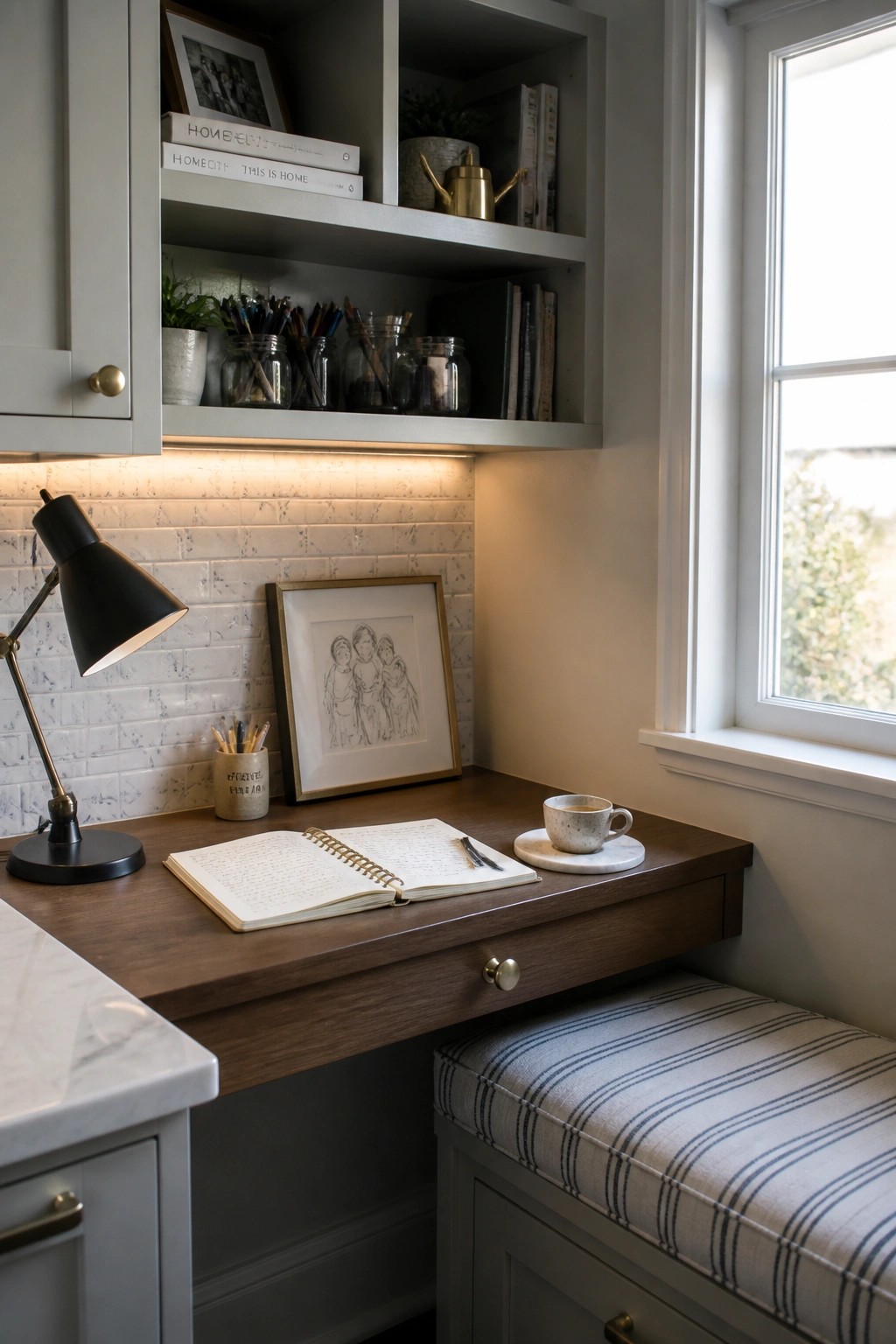
A built-in desk tucked under open shelves creates a compact spot that keeps everything you need for journaling within reach. The shelves hold books and supplies without adding extra furniture, while the bench below gives you a steady place to sit that does not slide around like a chair.
This works best in a quiet bedroom corner or along a wall with good natural light. Keep the lower shelf low enough to reach easily and choose a firm cushion so you stay comfortable during longer writing sessions.
Place A Wooden Table By The Window

A table set right next to a window gives you steady natural light and a quiet view that helps morning journaling feel calmer. The light changes as the day starts, which can make sitting down feel less like a task and more like part of the routine.
This works best in a small room or a quiet corner where you can keep the surface mostly clear. A simple wooden table and one comfortable chair are usually enough. Watch that the spot does not get too much direct sun later in the morning if that bothers your eyes while writing.
Built-In Seating Under The Stairs
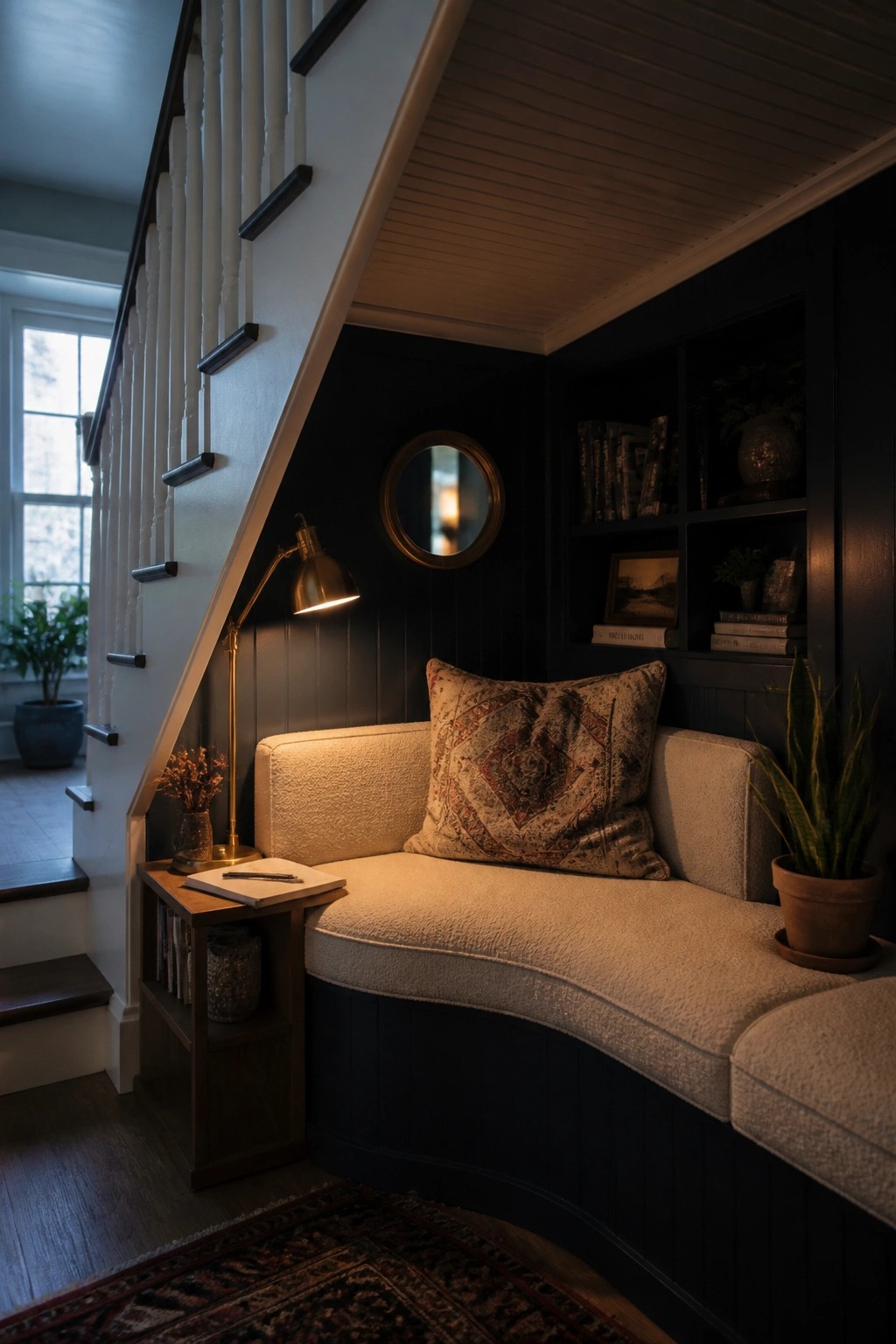
Many homes leave the space under the stairs empty or just use it for storage. Adding a simple bench there turns that awkward spot into a quiet place to sit with a notebook.
This works especially well in smaller homes or any layout where you want a low-traffic corner. Keep the bench narrow, add a couple of shelves for a few books, and place a small lamp nearby so the spot is ready each morning without extra effort.
A Swivel Chair In A Sunny Corner

A swivel chair works well for a quiet journaling spot because it lets you shift easily toward the light or change your view without getting up. The round base also keeps the setup simple and open, so the corner does not feel crowded.
This idea suits any room with steady daylight. Add a soft cushion and keep a small table within reach for your journal and pen. Avoid bulky pieces that block the turn radius.
An Armchair Nook For Morning Journaling
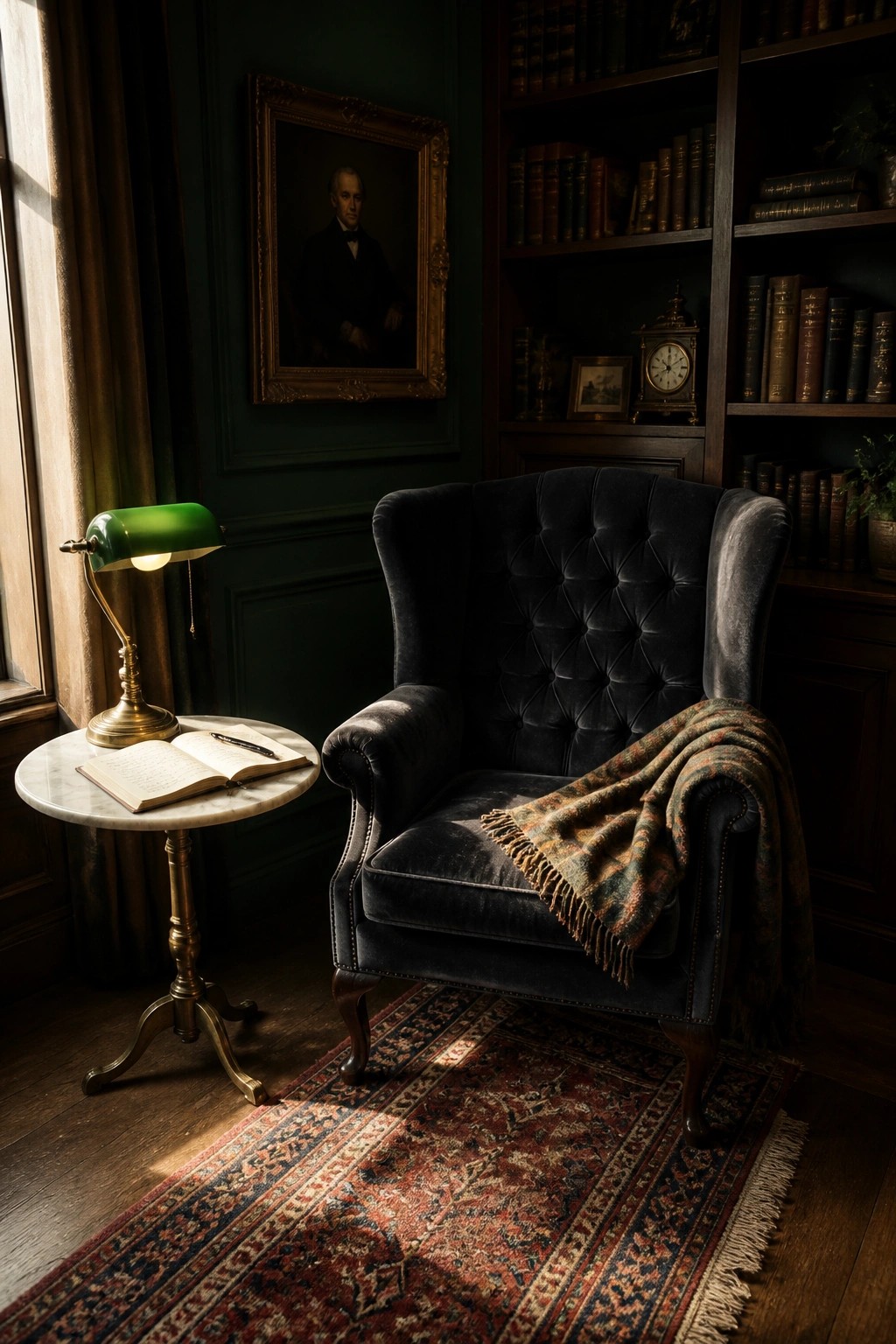
Many people find it easier to journal when they have one fixed spot that already feels set up for it. A comfortable armchair with a small table next to it gives you a place to keep your notebook and pen without having to rearrange things each morning.
This works best in a quiet corner that gets some natural light. Place the chair so the table sits within easy reach, and keep the surface mostly clear except for a lamp and your journal.
Desk By The Window

A small desk placed right under a window gives you steady natural light and a quiet spot that feels separate from the rest of the room. It works well for morning journaling because the light helps you stay awake and the limited surface keeps things simple.
This setup suits smaller homes or any room where you want one calm corner without taking up much space. Keep the desk shallow so a chair can slide in easily and leave the top mostly clear except for your journal and a pen.
A Desk By The Window

A small desk placed right by the window gives you steady natural light and a simple place to sit with your journal each morning. It keeps the setup minimal so the focus stays on writing instead of getting distracted by extra things around the room.
This works best in a bedroom or any quiet space where you can leave the desk mostly clear. Add a low chair or floor cushion nearby, and keep a lamp on the desk for darker mornings. Avoid crowding the surface with too many items.
A Chaise Lounge In The Corner

A chaise lounge placed in a corner creates a contained spot that feels ready for quiet time. The low profile and soft cushions make it easy to settle in without fuss, which suits morning journaling when you want comfort without distraction.
Keep the surrounding area simple with just a small table and one light source. This works best in bedrooms or living rooms where you can claim one unused corner without rearranging the whole space.
A Leather Chair And Table For Morning Journaling

A worn leather chair pulled up to a simple round table makes a solid spot for quiet writing. The chair feels comfortable from the start, and the table gives you a steady surface that holds up to daily use without feeling fussy.
This works best in a corner near a window where morning light can reach the page. Keep a few books or supplies on a nearby shelf so you can reach what you need without turning the table into extra storage.
A Small Desk By The Window

A desk set right beside a window turns a plain corner into a spot that feels ready for morning writing. The light comes in steady and soft, so you do not need much else to get started.
This works best in smaller rooms or any space that already has a decent window. Keep the top mostly clear and only add what you use right away, like a notebook and pen, so it stays simple to sit down and begin.
A Desk Placed By The Window

A desk right beside a window gives you steady natural light without needing much else. It keeps the spot feeling open and calm, which makes it easier to sit down with a notebook first thing in the morning.
This works best in bedrooms or small corners where you want one quiet task area. Keep the surface mostly clear and add only a few simple items so the space stays easy to use every day.
A Chair By The Window
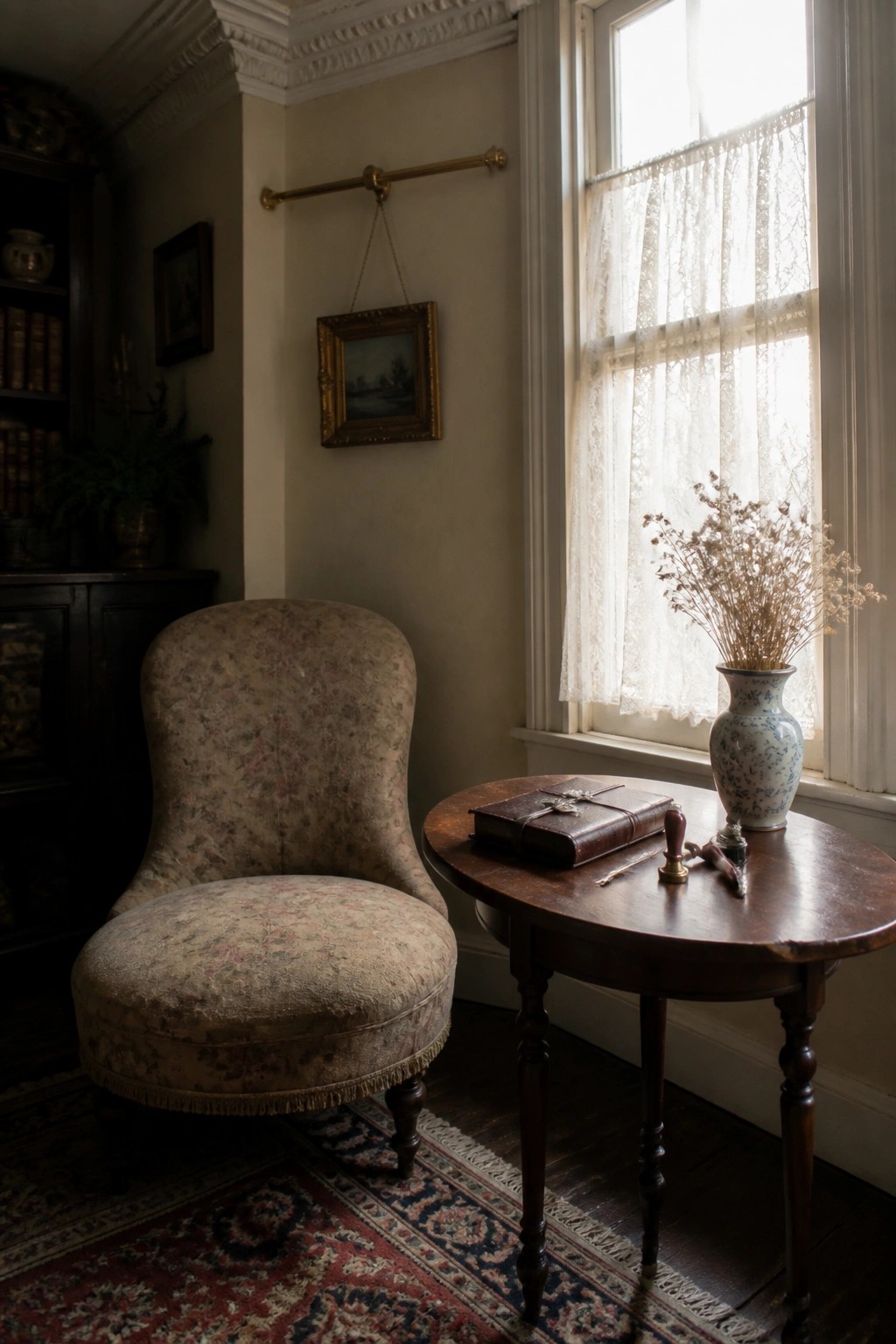
A chair placed right by a window gives you a simple spot for morning journaling. Natural light makes the space feel calm and ready to use without extra effort.
This setup works best in smaller rooms where you can fit a comfortable seat and a small table into a corner. Keep your journal and pen on the table so the space stays ready each day.
Rocking Chair Nook For Morning Writing
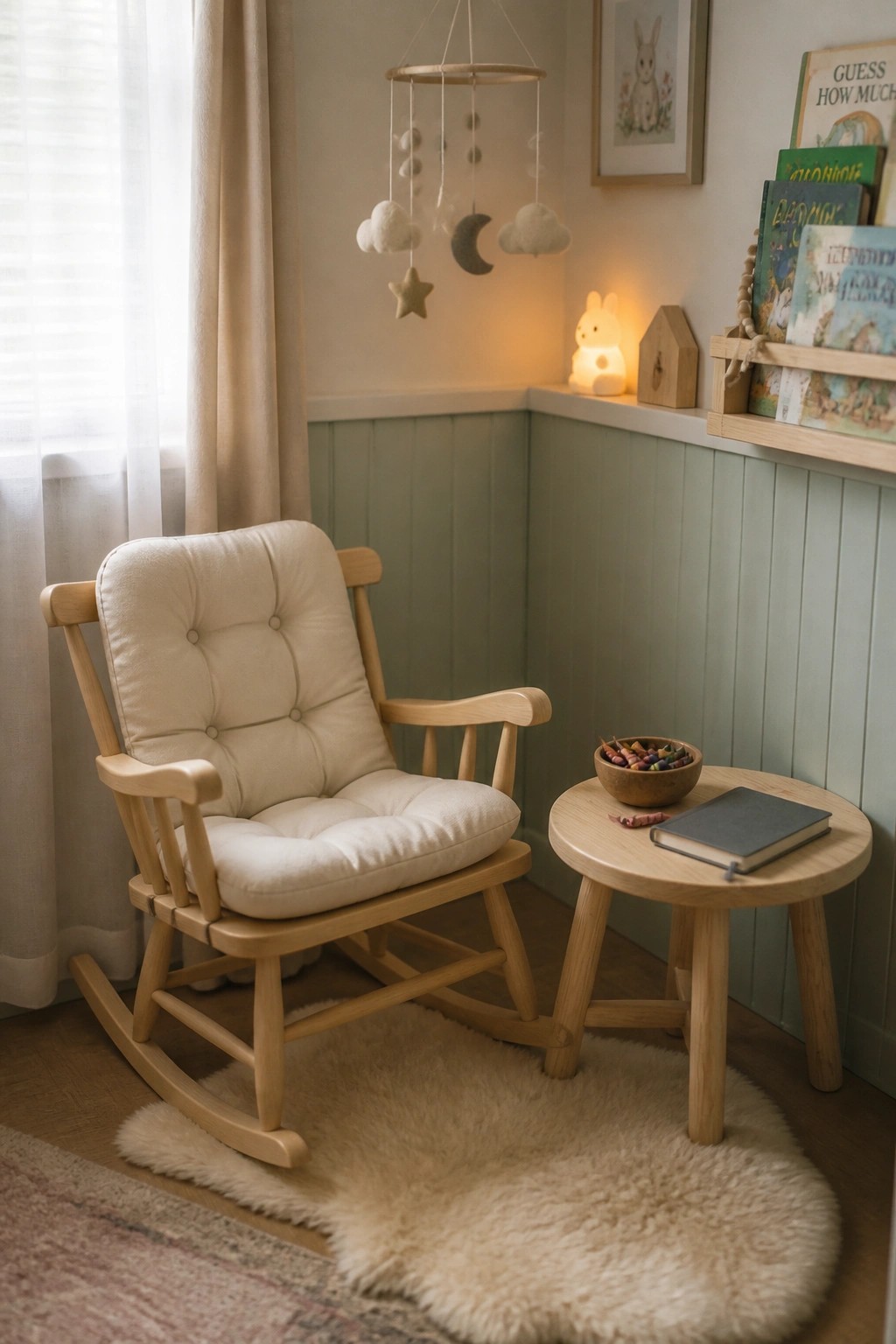
A rocking chair gives a journaling corner a calm, steady feel that a regular seat often lacks. The slight motion helps ease tension before you begin, and the low profile keeps the space feeling open rather than crowded.
Place the chair in any quiet corner with a small table beside it for your notebook and pen. This works well in bedrooms, unused corners of a living room, or even a hallway nook, as long as the chair can move freely and the light stays soft.
Built-In Bench Seating
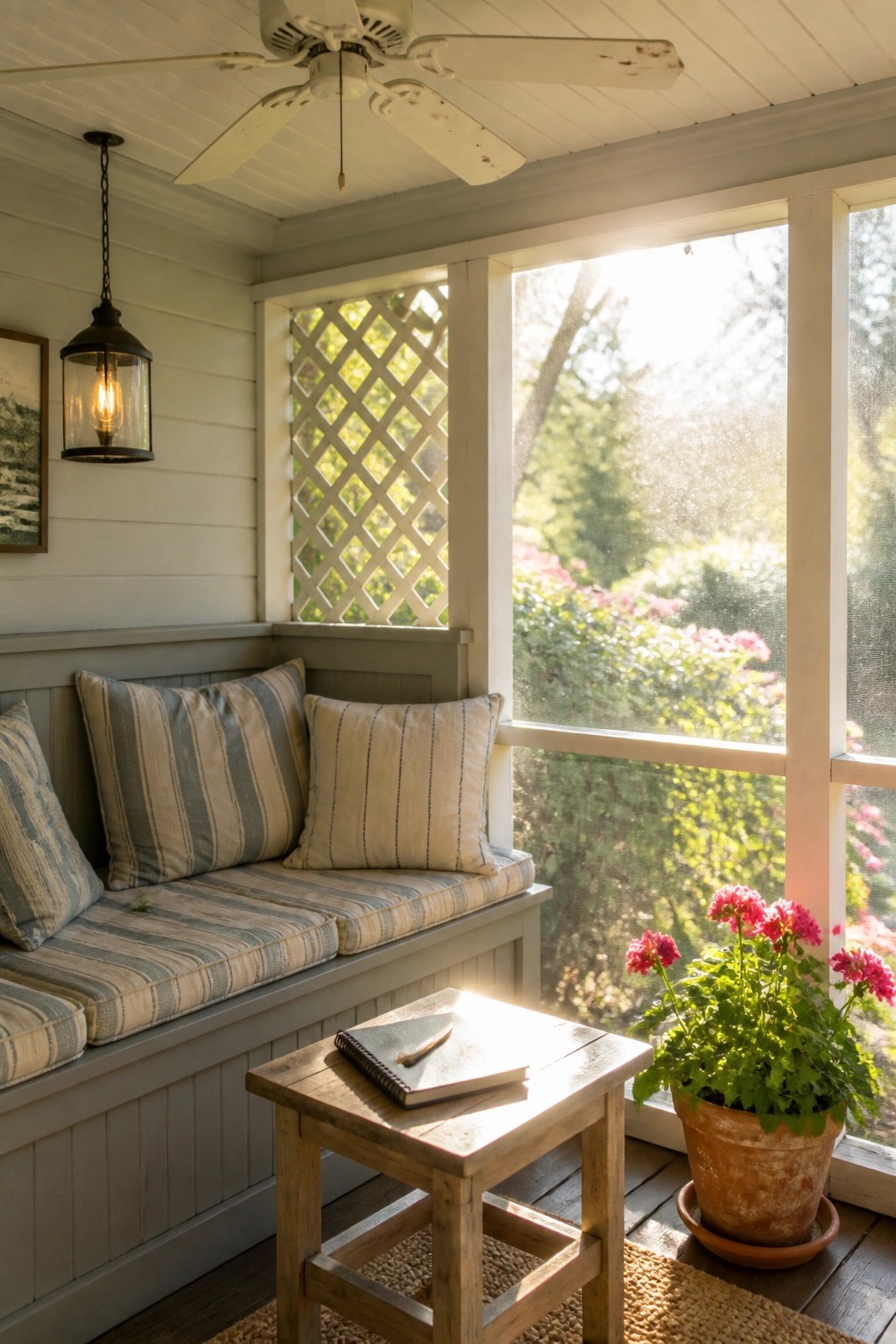
A built-in bench along the porch wall creates a ready spot for morning journaling without needing to rearrange furniture each day. The cushions add enough comfort to sit for a while, and the setup stays simple even when the space is small.
This works best on screened porches or covered outdoor areas where you already have wall space and natural light. Keep a low table close by for your journal, and choose cushions in durable fabric so the bench holds up to daily use.
A Sturdy Desk With a Pinboard Above It
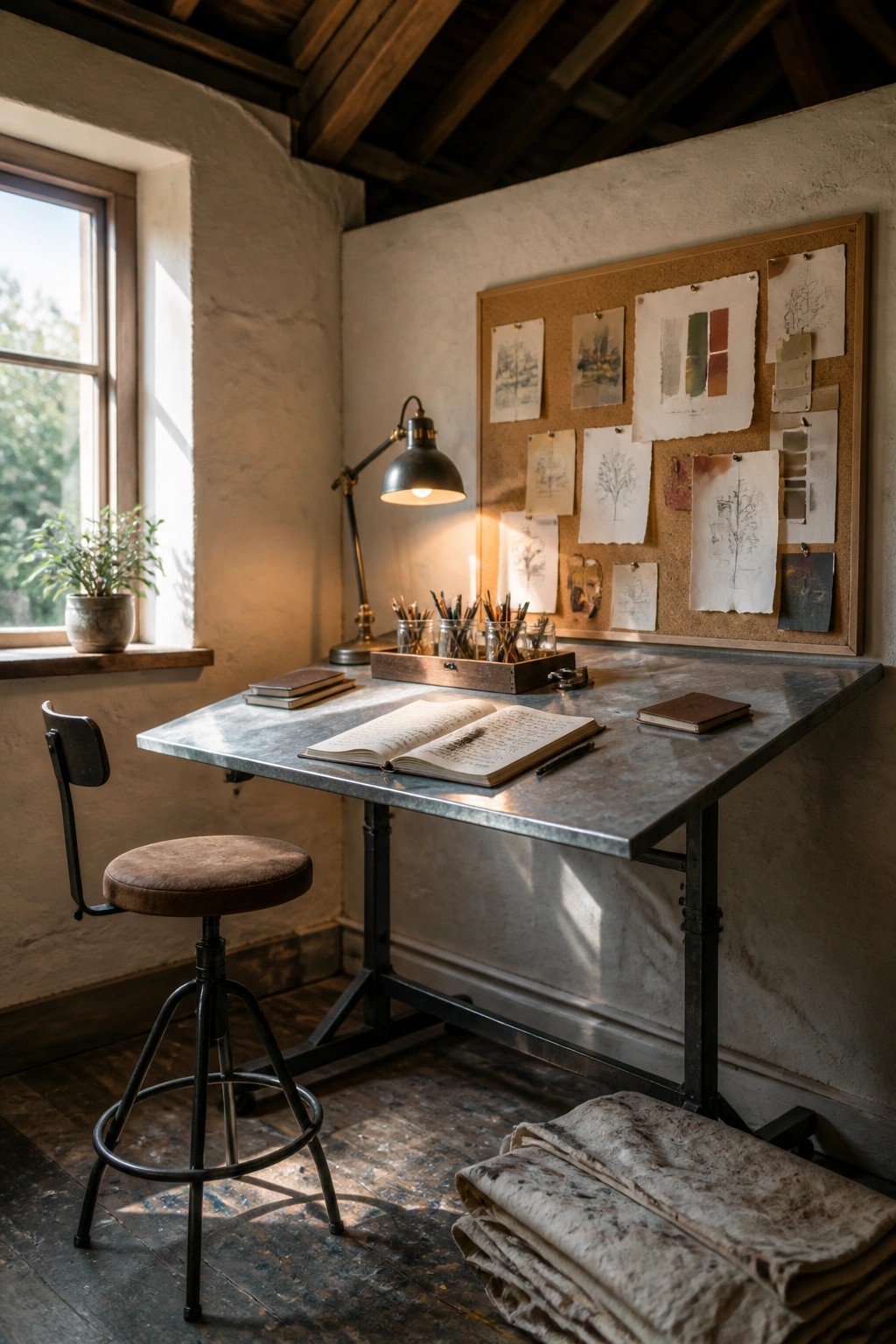
A large, solid table gives you room to spread out your journal and supplies without feeling boxed in. The flat metal surface stays steady under your hand, which matters when you are writing slowly in the morning.
Hang a corkboard directly above so you can pin sketches or notes that come to mind. This setup works best in a quiet corner near a window, where the light stays even and you can reach everything without getting up.
A Comfortable Armchair for Quiet Mornings
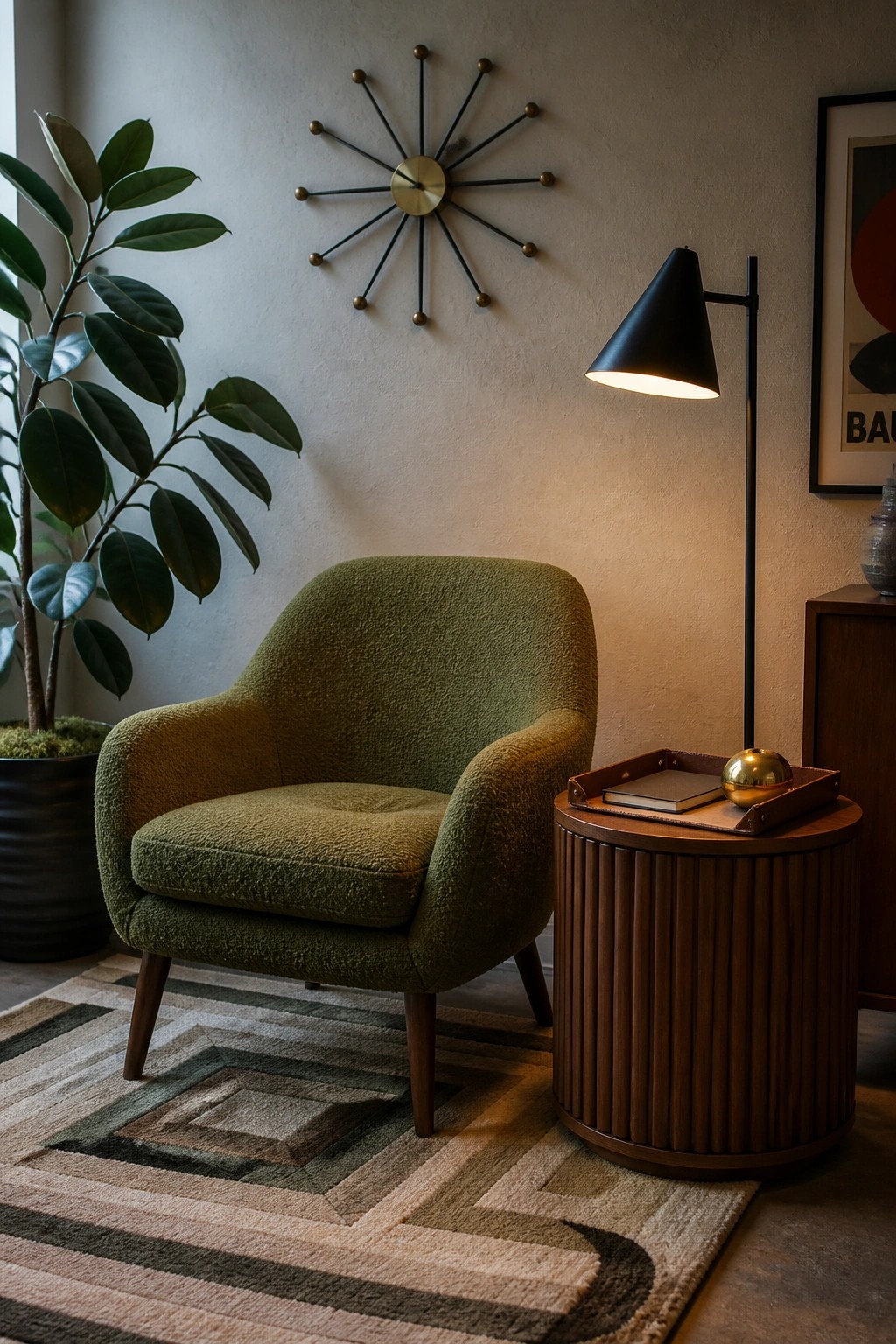
A good armchair makes the biggest difference in whether a corner actually gets used. When the seat feels soft and the back gives enough support, it becomes easier to sit down with a journal instead of just walking past the spot.
Look for one with a lower seat height so your feet rest flat, then add a small table within reach for a lamp and notebook. This kind of setup works in almost any room as long as the chair stays in a low-traffic area away from the main walkway.
Built-In Window Desks for Journaling
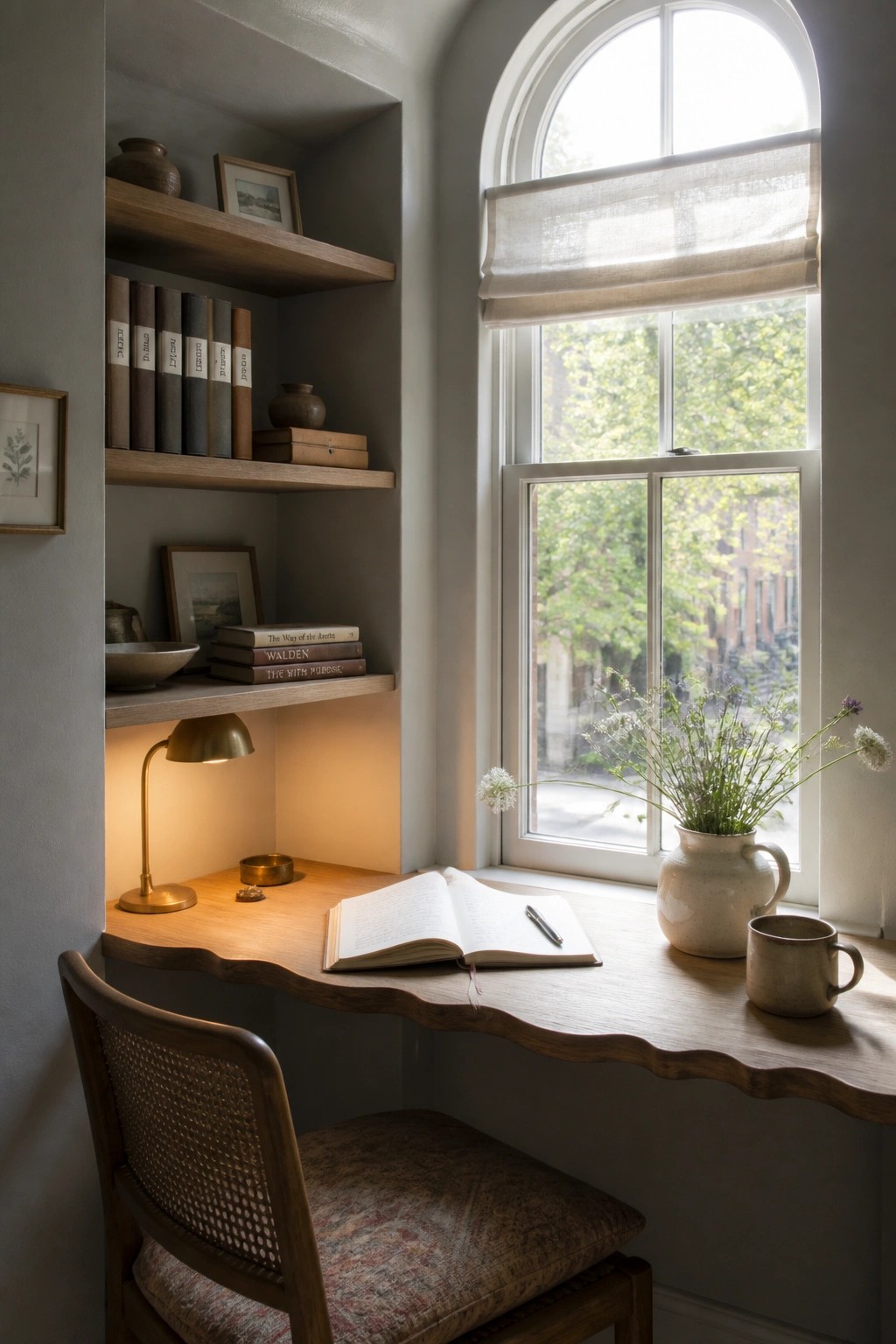
A built-in desk under a window creates a quiet spot that stays out of the way of daily traffic. The shelves right beside it keep books and supplies handy without crowding the writing surface.
This kind of nook works best in bedrooms or small sitting rooms where you want natural light and a sense of separation. It suits older homes with deep window frames and anyone who prefers a simple, fixed place to sit each morning.
Frequently Asked Questions
Q: What if my apartment has no extra space for a full corner? A: Claim the end of your couch or a windowsill instead. Place a small tray there for your journal and pen. Sit in the same spot each morning so it starts to feel like your spot.
Q: How can I keep the area from getting messy with papers and mugs? A: Use a basket or box that tucks under the chair. Clear it out at the end of each session. This keeps the corner ready for the next quiet morning without extra effort.
Q: Is it worth adding a blanket if the room already feels warm? A: Yes, drape one across your lap anyway. The soft weight helps your body settle faster. You will notice the difference once you reach for it a few times.
Q: What happens if I skip a morning and lose the habit? A: Just return the next day without making it a big deal. The corner stays ready, so starting again takes almost no thought.
