

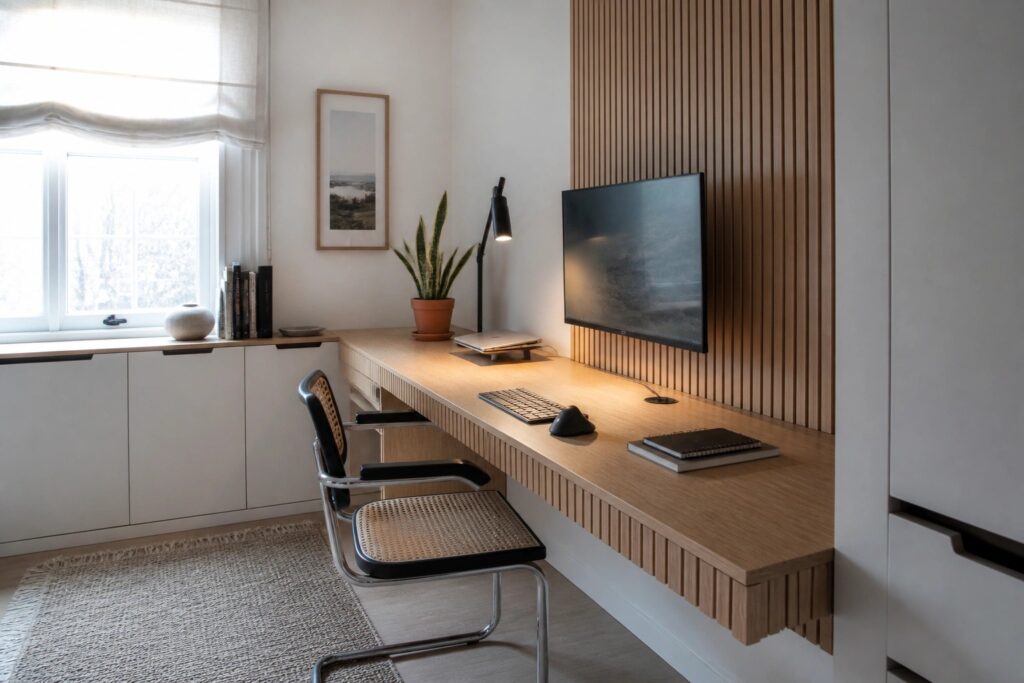
I have found that home offices tend to collect small items over time until the room starts to feel heavier than it should during a normal workday.
Paying attention to what stays in view from the desk chair makes it easier to spot the spots where clutter builds up fastest and disrupts focus.
Less really does help.
I tried moving a few everyday supplies into closed storage last year and noticed right away how much calmer the space felt when I sat down to work.
These kinds of adjustments seem worth testing when they match the actual flow of how someone uses the room rather than just following a trend.
Built-In Desks That Keep Surfaces Clear
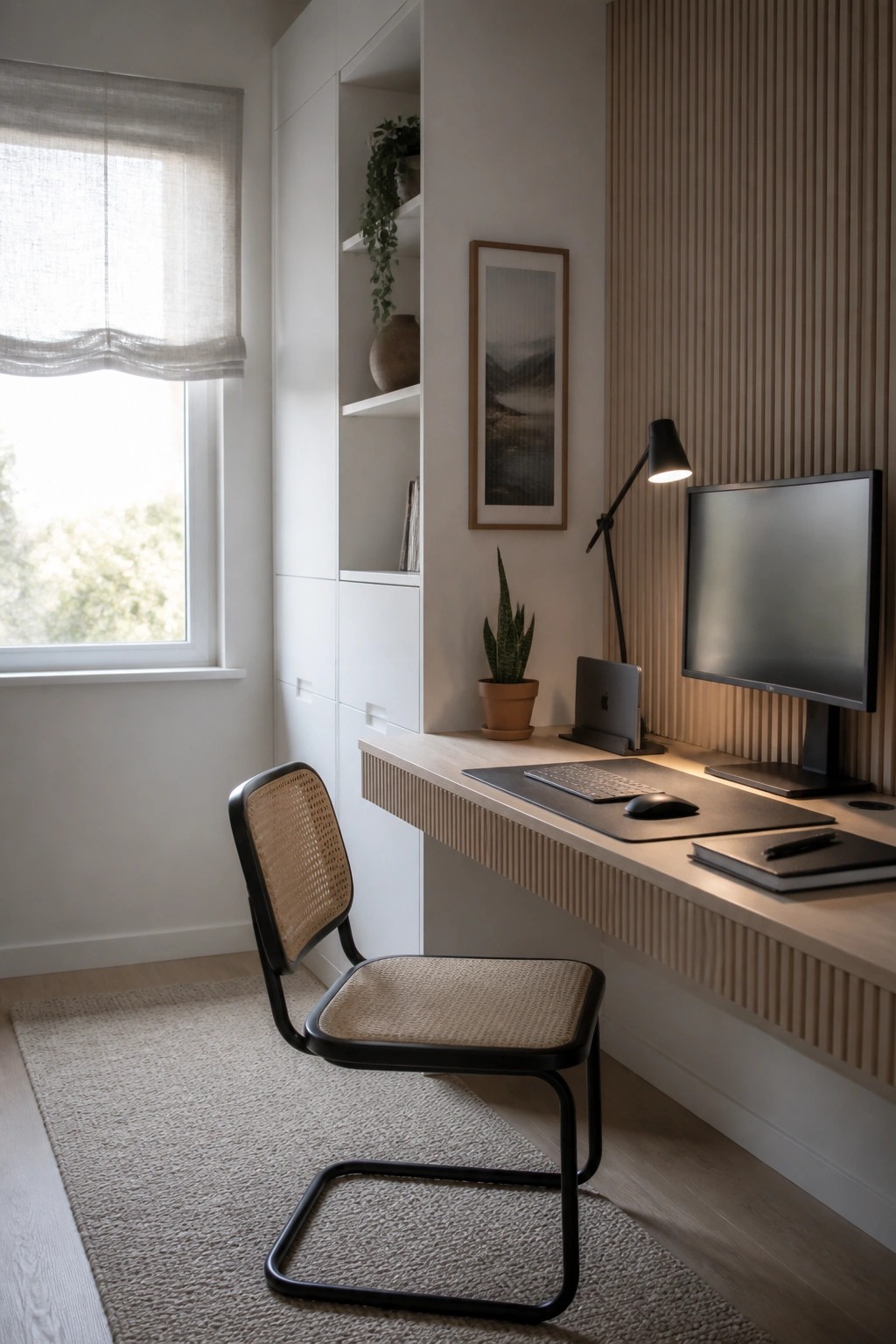
A built-in desk paired with surrounding cabinetry gives the workspace a quieter look by tucking away most of the clutter. The desk itself stays almost empty because papers, files, and supplies live behind closed doors instead of sitting out in view.
This approach suits smaller rooms or spaces that need to feel calm when not in use. Mount the desk low enough for comfortable seating and limit what stays on top to just the monitor, keyboard, and one lamp.
Built-In Desks That Reduce Everyday Clutter
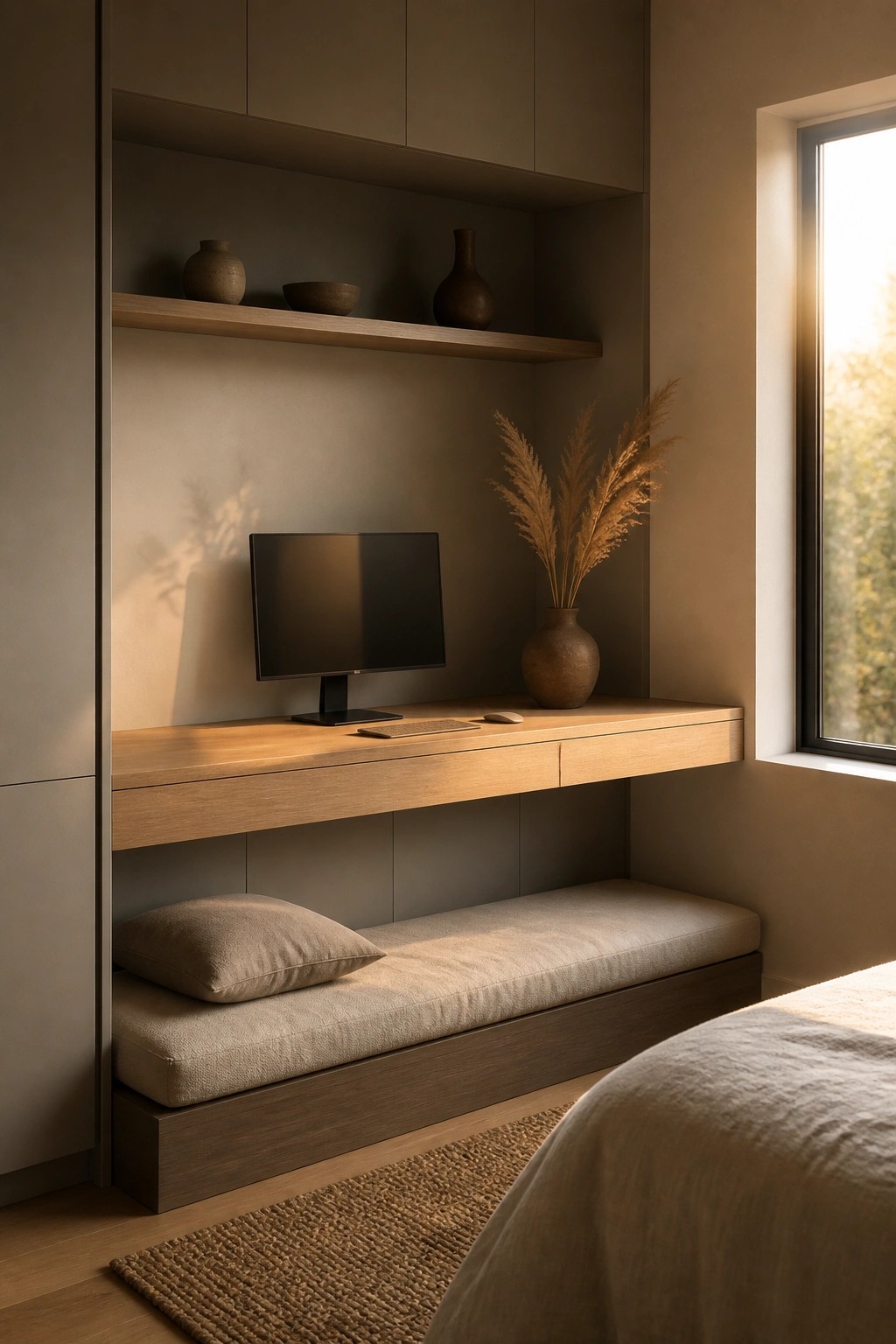
A built-in desk like this one keeps the workspace from taking over the room. Everything stays tucked into the wall with a long surface, a couple of drawers, and a single shelf above, so the floor stays open and the eye has fewer things to land on.
This kind of setup works well in bedrooms or guest rooms that also need to function as an office. Stick to just the monitor and keyboard on the desk itself and limit the shelf to one or two small items so the area stays calm instead of turning into another storage zone.
Built-In Storage Keeps The Workspace Clear
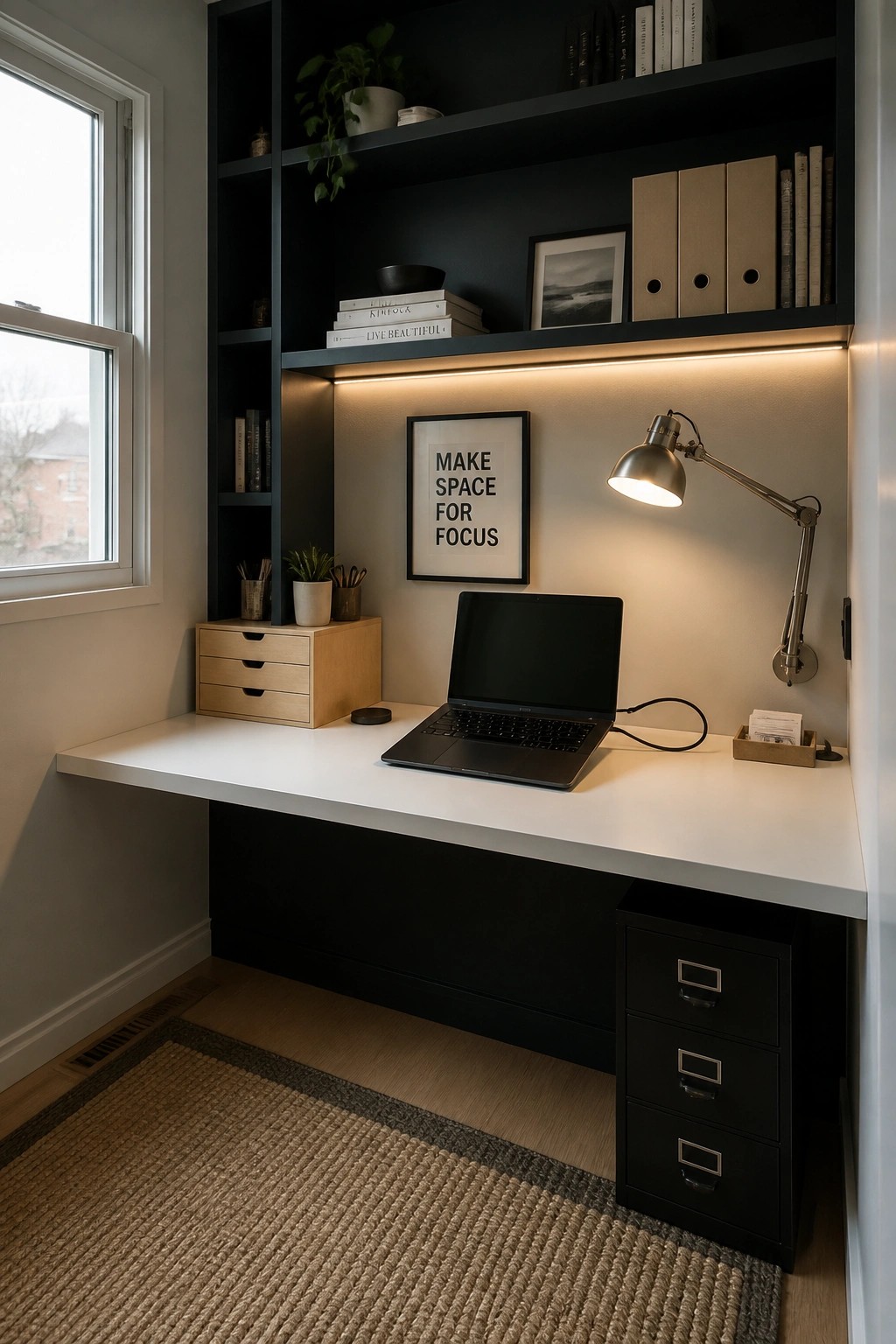
Built-ins like this desk and shelving unit cut down on visual clutter by turning the whole wall into storage. Everything from files to books stays tucked away instead of sitting out on the surface.
This setup works best in smaller rooms or for people who like a clean desk at the end of the day. Match the cabinet color to the walls and use doors or drawers that close fully so nothing shows.
Keep Desk Surfaces Clear
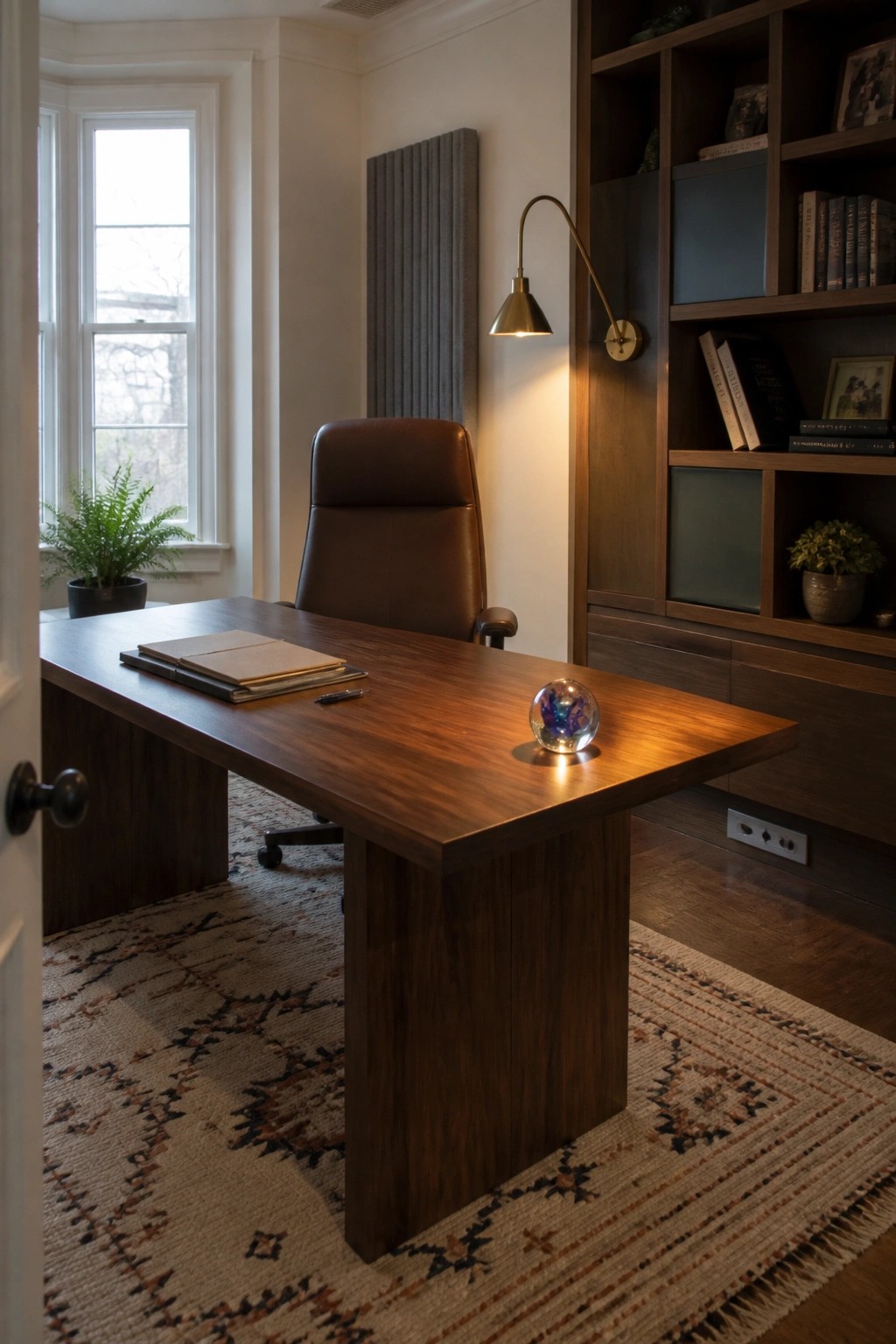
A mostly empty desk top makes an office feel calmer right away. With fewer things in view, the eye rests instead of jumping from one stack or gadget to the next.
This approach works best when you already have nearby drawers or shelves for the items you still need. It suits any home office that can move papers and supplies off the main work surface.
Built-In Storage Keeps A Small Office Organized
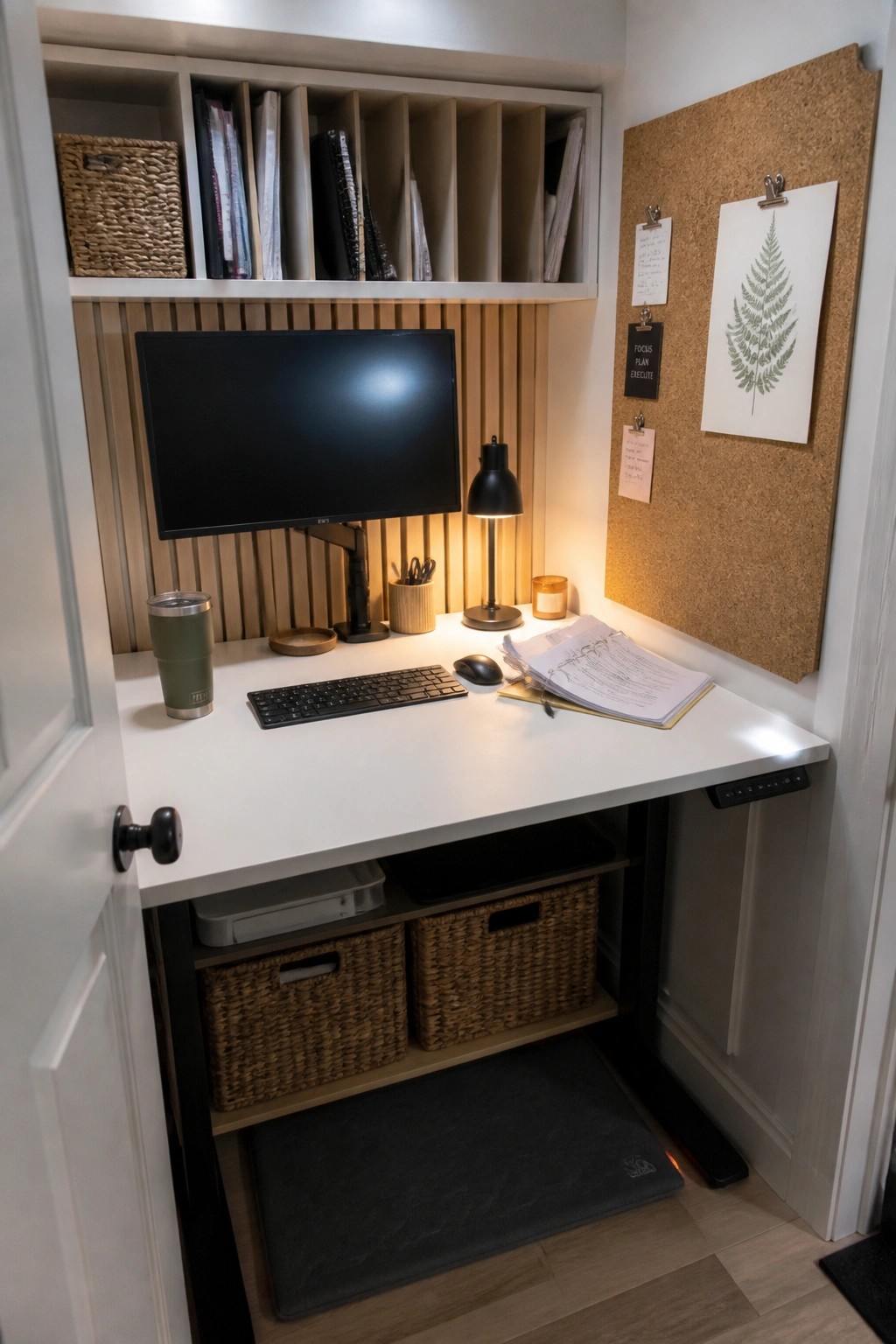
Many small offices stay calmer when papers, supplies, and gear have a dedicated spot out of sight. Built-in upper cubbies and lower baskets let you store what you need without crowding the desk surface or adding extra furniture pieces.
This setup works best in an alcove or narrow room where you can tailor the storage to fit the space. Keep the bins and shelves simple so the area stays easy to maintain over time.
Keep Desk Surfaces Mostly Clear
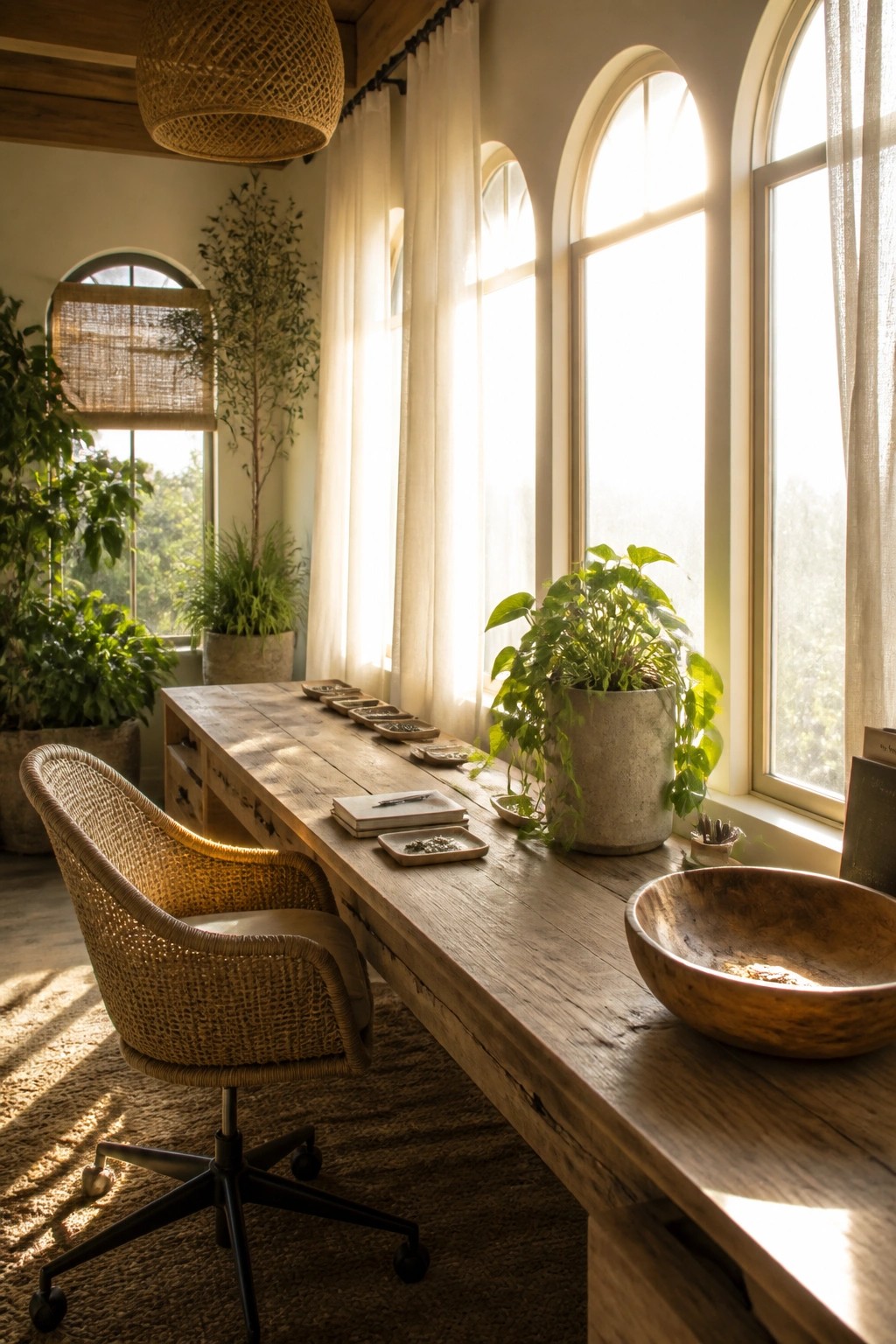
A desk that stays mostly empty makes the whole room feel easier to be in. When there is room to spread out or just rest your hands, the space stops feeling crowded even if other parts of the room have more going on.
Try limiting what lives on top to a notebook and one or two small trays. This works best in rooms that already have some plants or soft textures nearby, since those elements add interest without adding clutter on the work surface itself.
Keep The Desk Surface Clear
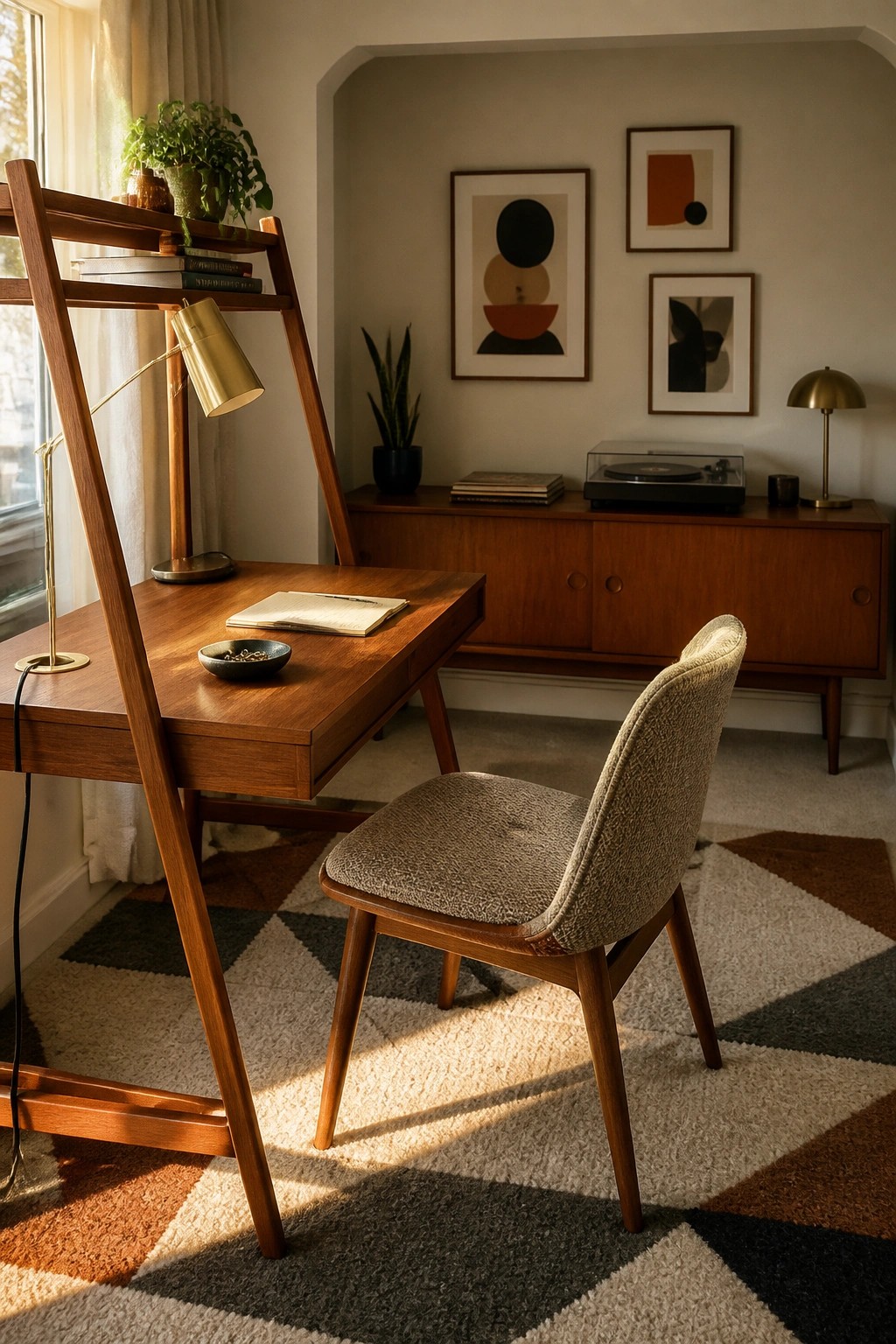
A mostly empty desk helps the whole room feel calmer right away. With fewer items in view, there is less to pull your attention in different directions, which makes it easier to focus or just relax when you walk in.
This works especially well in smaller offices or rooms that serve more than one purpose. Keep only what you need within reach, like a lamp and one notebook, and store the rest out of sight in a drawer or on a shelf nearby.
Keep The Desk Surface Clear
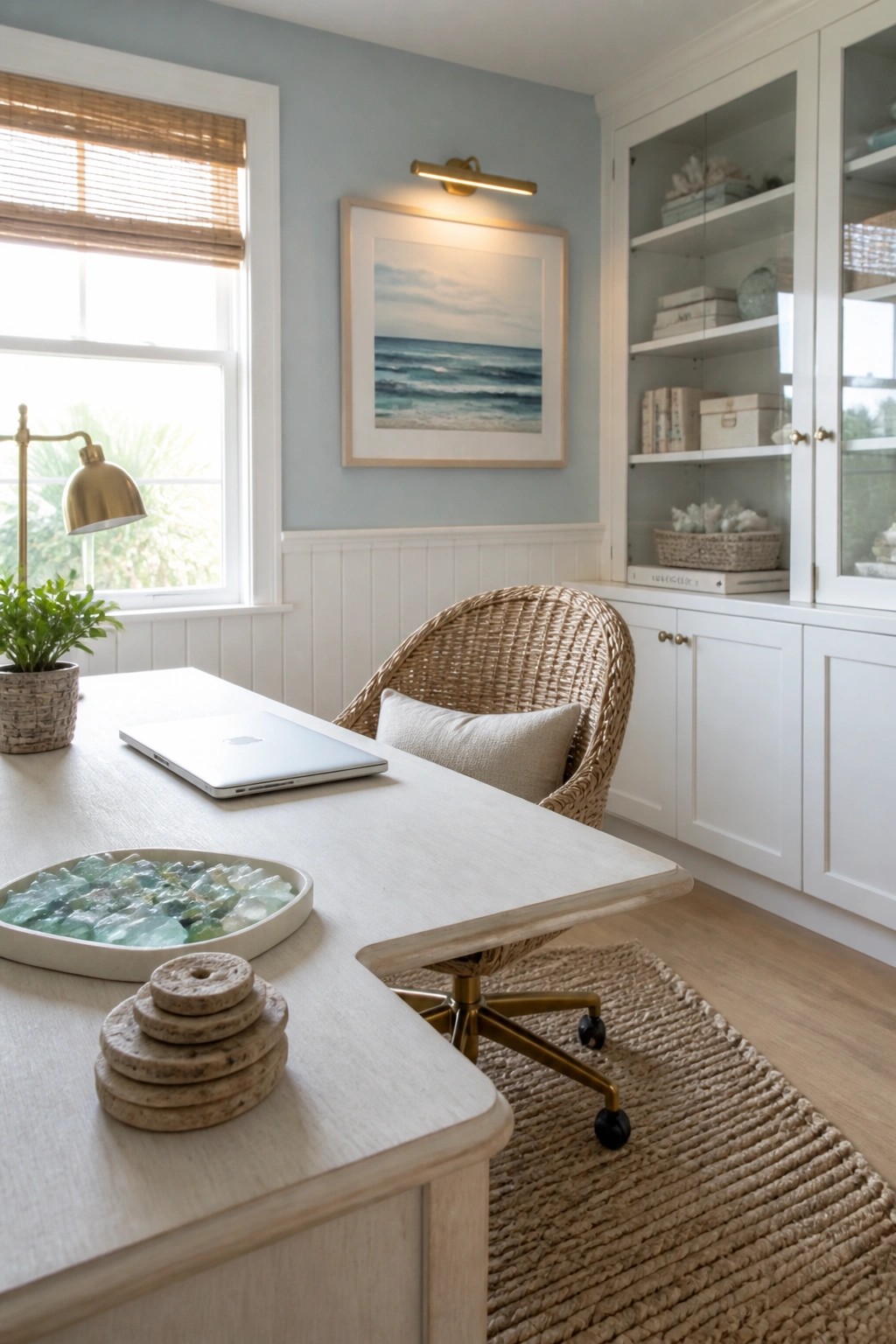
A mostly empty desk makes the whole room feel calmer right away. In this space the pale wood top holds just a laptop and two small trays, which leaves plenty of room to work and keeps the eye from jumping around.
This approach works best in smaller offices or any room that doubles as a workspace. Stick to one or two natural materials for the few items you do keep out, and store the rest in closed cabinets so the surface stays open.
Built-In Cabinets Keep Office Surfaces Clear
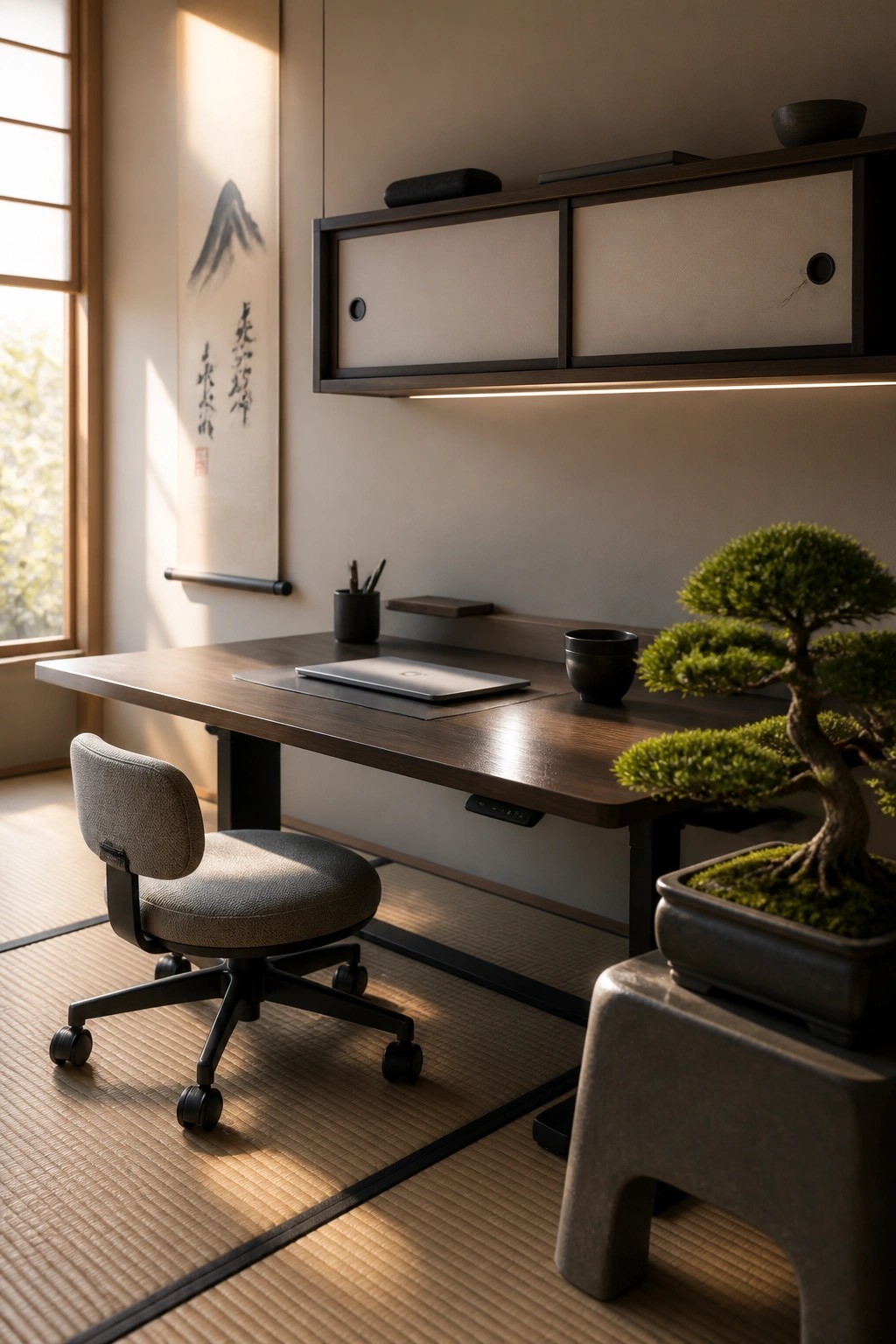
Many people find their workspace feels calmer when everyday items stay out of sight. Wall-mounted cabinets above the desk hold supplies and papers without adding piles to the work surface.
This setup works best in smaller rooms or shared spaces where a clean desk matters. It suits anyone who wants quick access to tools but prefers fewer things visible during the day.
Wall Storage Bins Keep Desks Clear
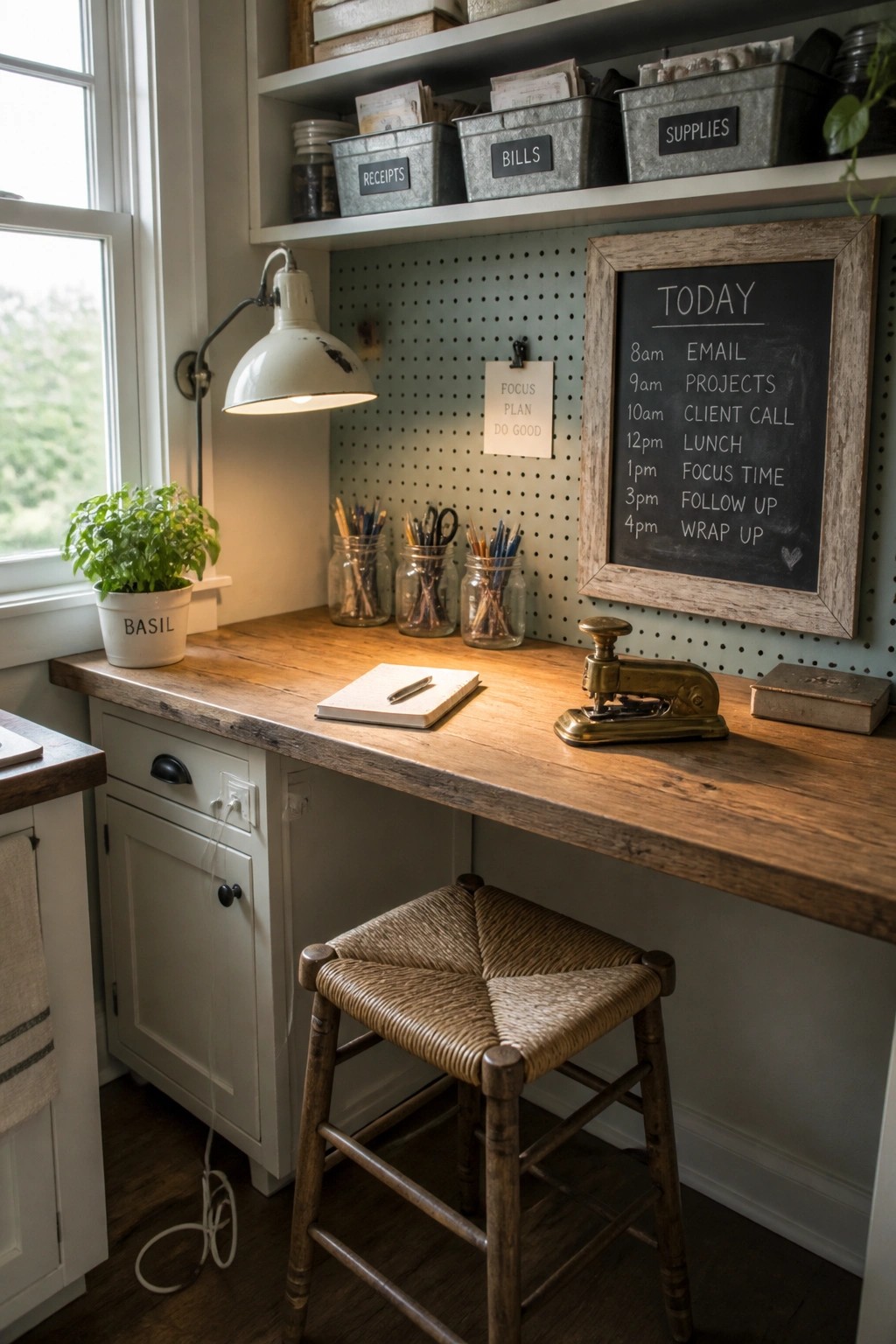
Many home offices stay calmer when most supplies and papers sit above the work surface instead of on it. Simple labeled bins on open shelves hold receipts, bills, and extra items without turning the desk into a pile of clutter.
This approach suits small rooms or spaces that need to feel open. Keep only a few daily items on the desk itself and let the wall system handle the rest.
Use A Dark Monochromatic Palette

A single dark color across walls, desk, and storage makes the room feel calmer right away. Fewer contrasts mean less for the eye to sort through, so the space stays quiet even when you are working for hours.
This approach works best in small offices or rooms that double as guest spaces. Keep the desk mostly empty and limit anything on open shelves to one or two matching items. The binders lined up on the shelf here show how even storage can stay neat when the colors match the rest of the room.
Built-In Cabinetry For Less Desk Clutter
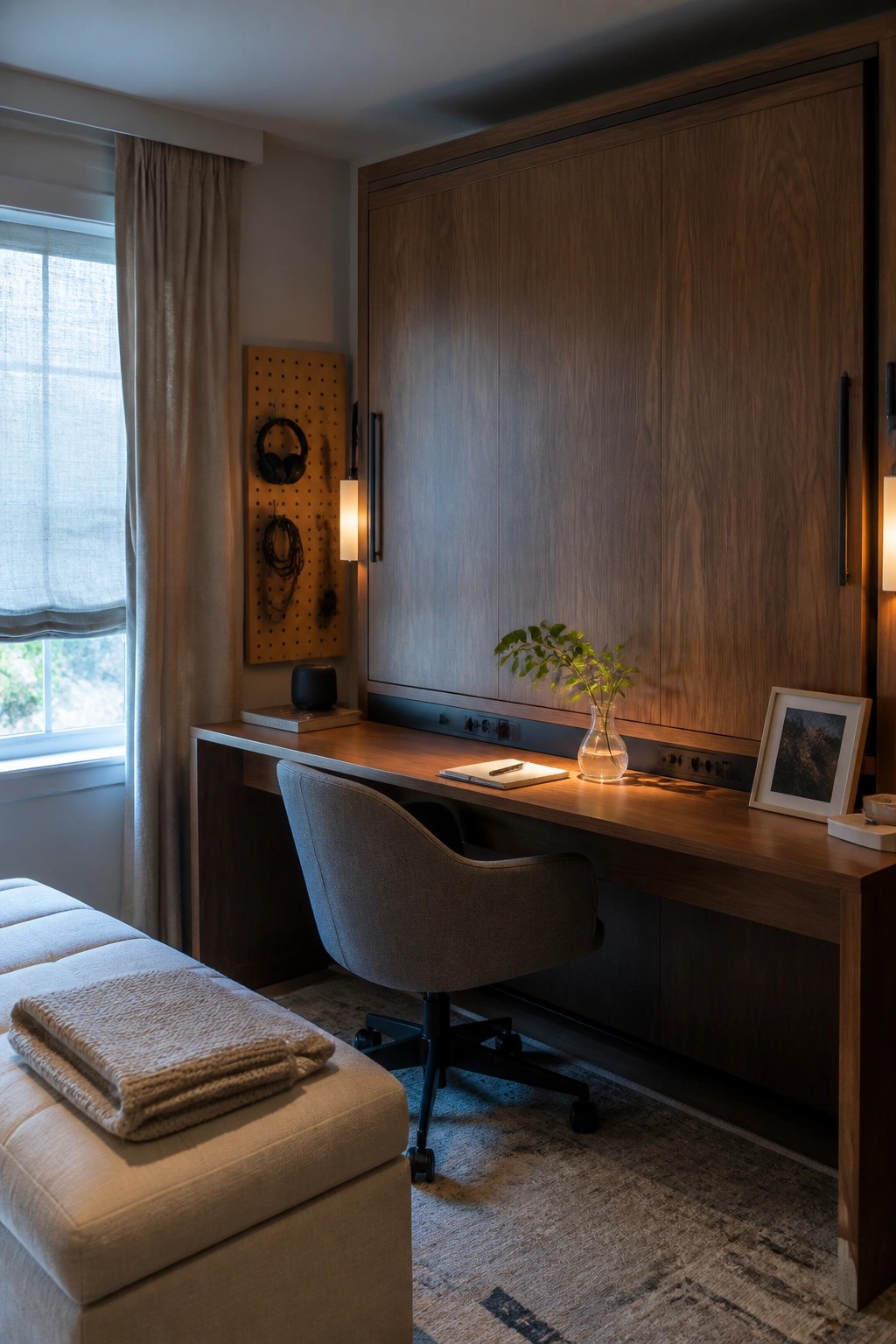
Many offices feel easier to use when most supplies stay out of sight. Tall cabinet doors above the desk hide papers, devices, and cords so the work surface stays clear and simple.
This works well in smaller rooms that need to feel calm. Keep only a notebook and a lamp on the desk itself and tuck everything else behind the doors.
Mount Shelves Above The Desk For Storage
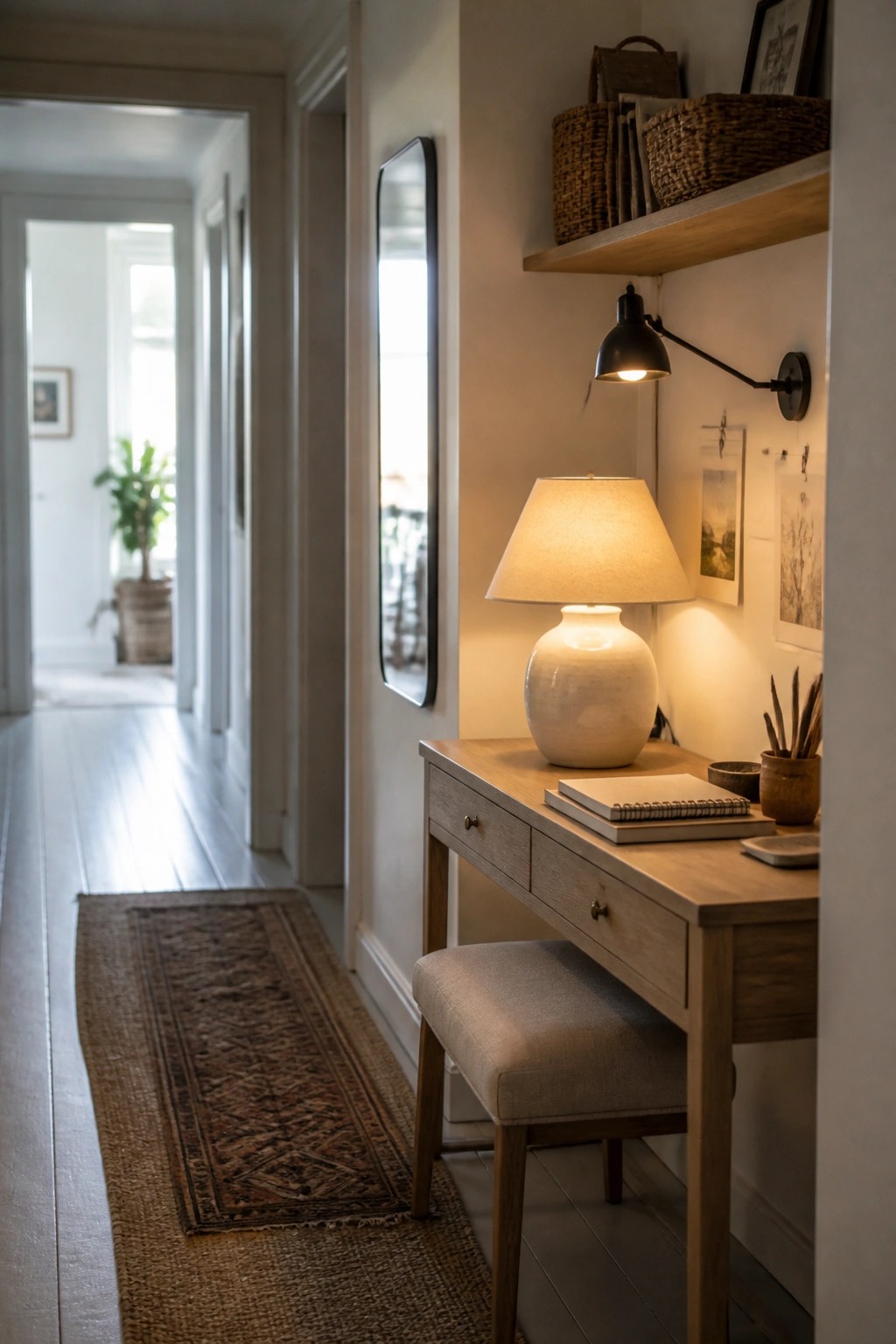
One easy way to keep a desk from feeling crowded is to add a simple shelf above it. This moves everyday items up and out of the main workspace so the surface stays clear and calm.
It works well in smaller rooms or narrow spots where you still need a place to work. Baskets or bins on the shelf help hide the mess while keeping things within reach.
Built-In Shelving Keeps the Desk Clear
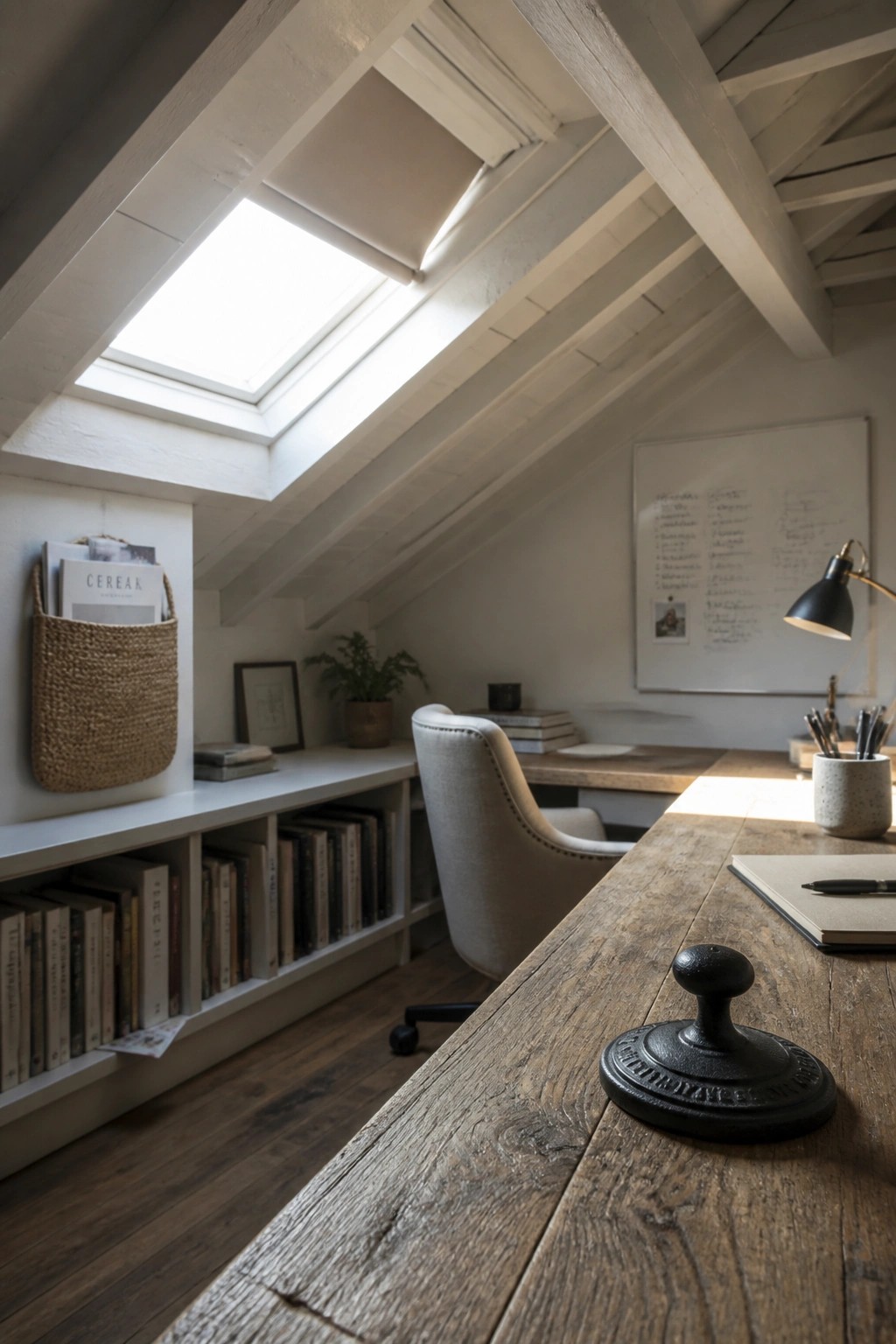
Built-in shelves give you a place to store books and supplies without leaving them scattered across the desk or floor. When the shelves run along the wall like this, the main workspace stays open and the room feels much calmer to work in.
This approach suits attic offices or any small room where space is tight. Keep the items on the shelves fairly uniform so nothing stands out too much, and leave a little empty space between groups to avoid a crowded look.
Limit Your Office To Black And White
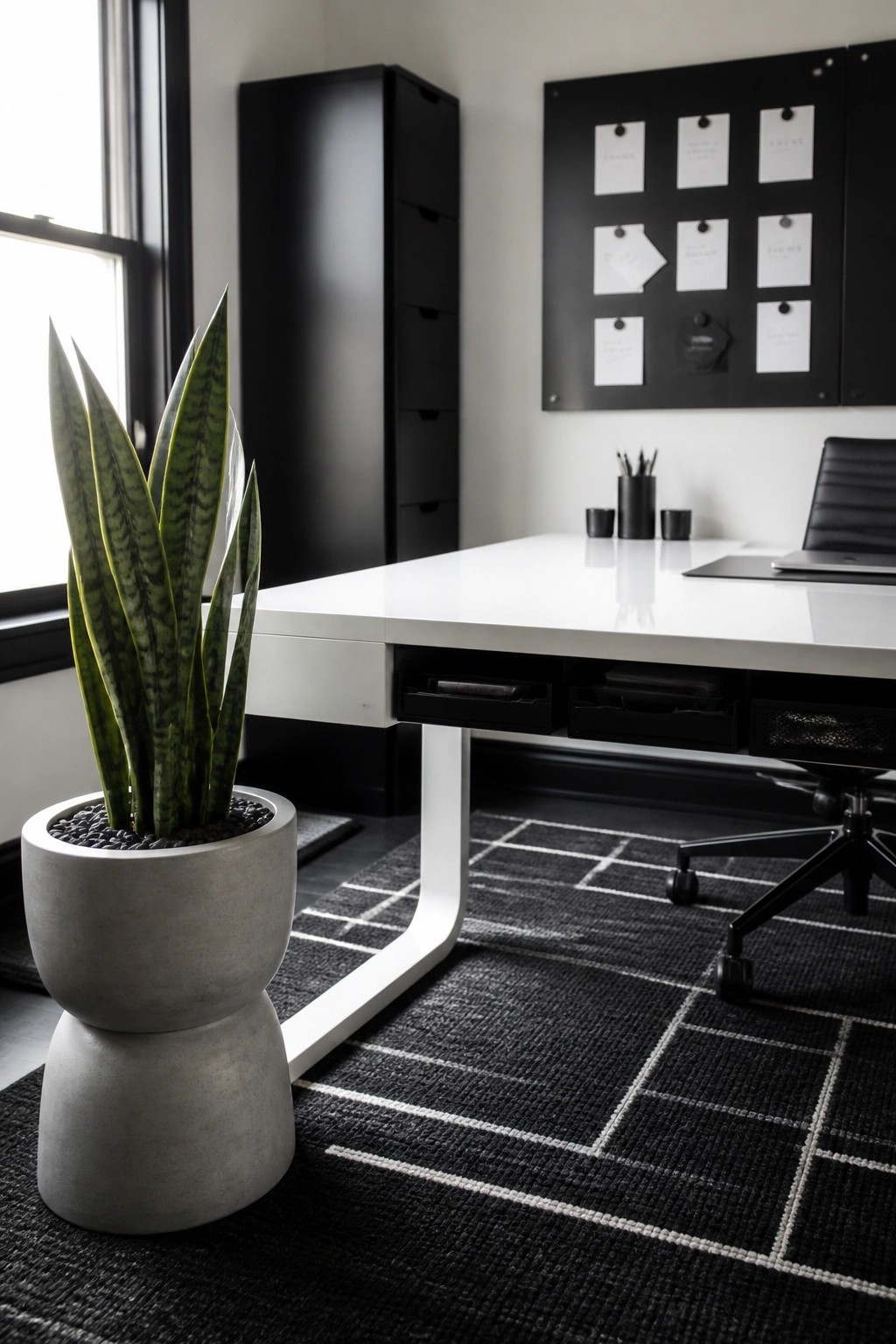
A black and white color scheme keeps an office from feeling busy. Everything stays calm when the walls, desk, rug, and storage all stay within the same two tones. The plant adds a bit of life without breaking the order.
This works well in smaller rooms or spaces that double as something else. Stick with simple furniture shapes and skip extra patterns or bright accents. One or two natural touches are enough to keep it from feeling too stark.
Roll Top Desks Reduce Office Clutter
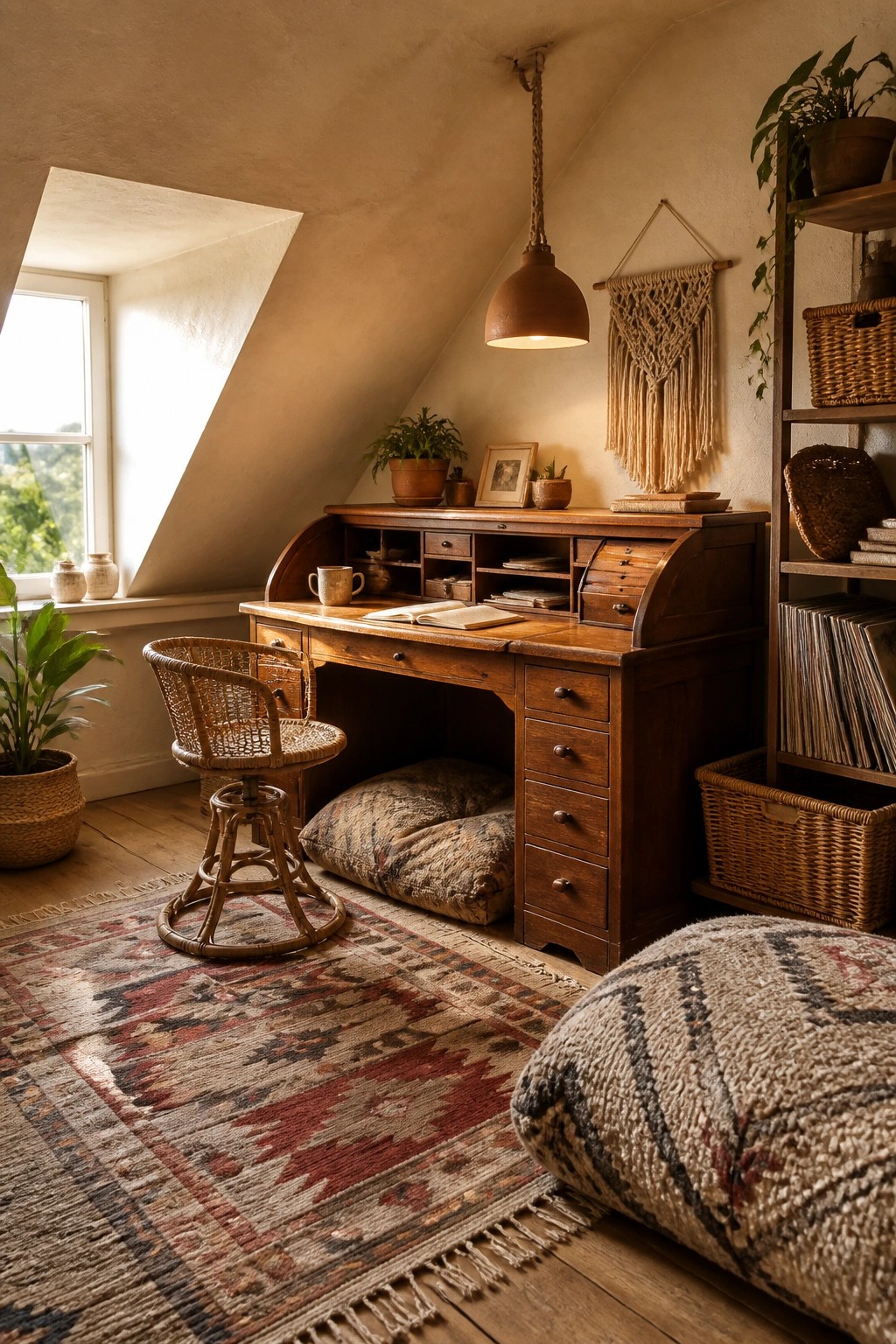
A roll top desk gives you a way to close off papers and supplies at the end of the day. The cover slides down over the work surface, so the room looks calmer even when the inside stays a bit messy. Many people find this helps the space feel more like a living area instead of a constant workspace.
This style works well in smaller rooms or shared spaces where you want the desk to blend in. Look for one with enough interior slots so you do not need extra shelves or trays on top. Keep the surrounding floor mostly clear and the result stays simple.
Separate Your Office With Glass Walls
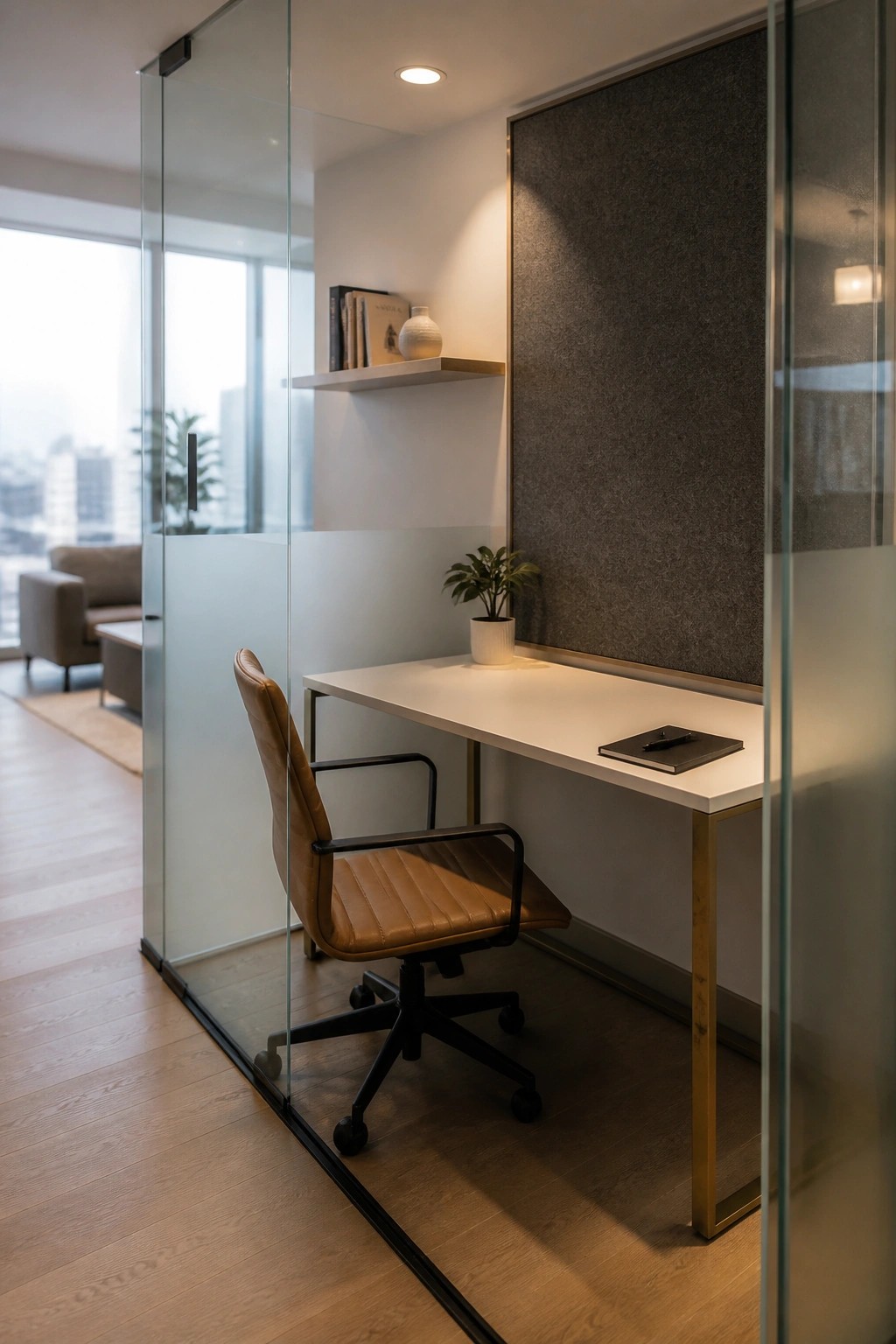
A glass partition around a desk creates a clear boundary without blocking light or making the rest of the room feel closed off. This setup works well when you want the workspace to stay contained so papers, devices, and supplies do not spread into living areas.
Place the desk against a simple wall or panel and limit what sits on the surface. A floating shelf above can hold a few books or a plant, but keeping the rest empty helps the space stay calm and easy to maintain.
Roll Top Desks Hide Papers Fast
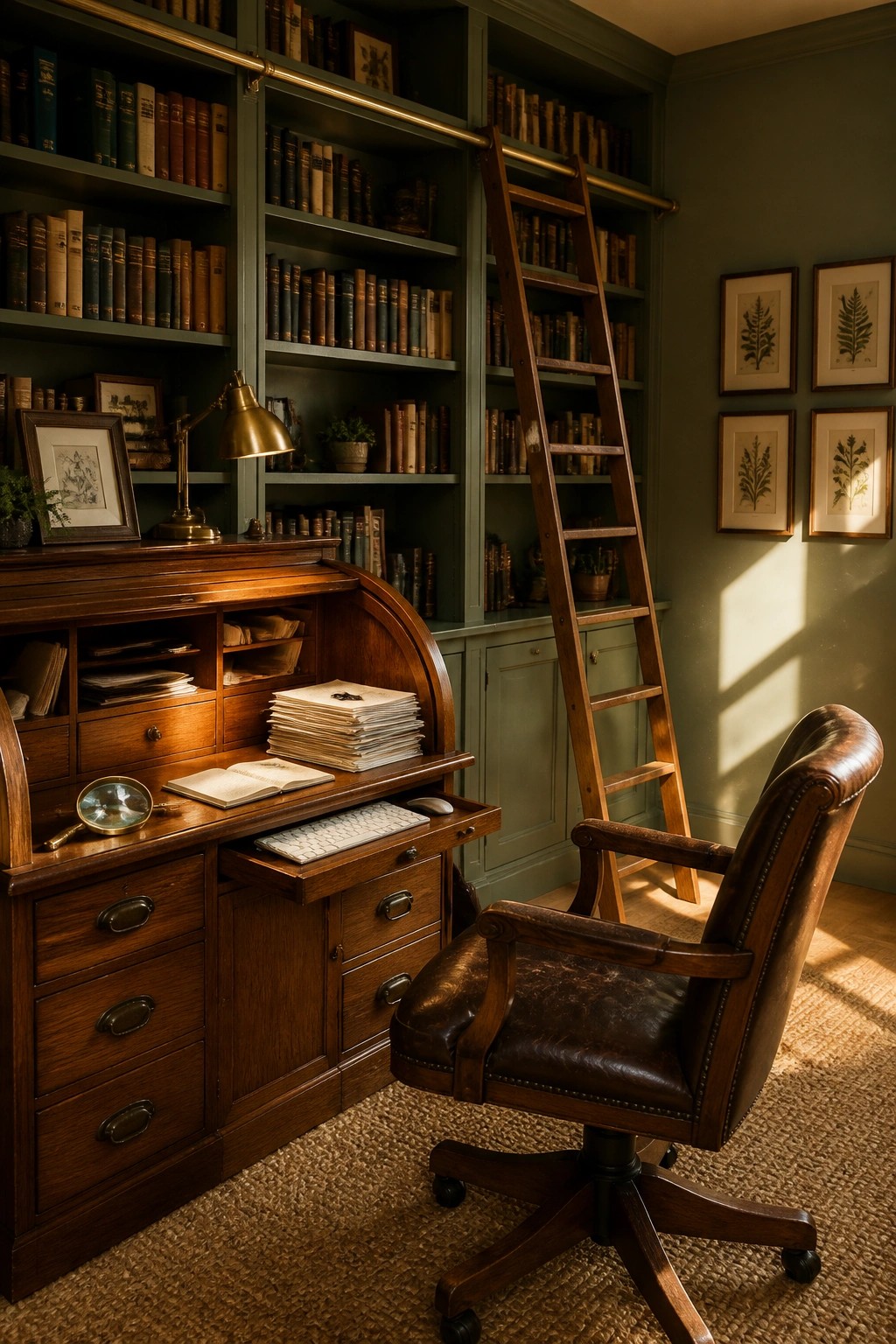
A roll top desk gives you an easy way to close off your work at the end of the day. The sliding cover keeps loose papers and small items out of sight without extra bins or boxes.
This piece works best in a room that needs to feel calm after hours. It suits older homes or anyone who already likes wood furniture and wants storage that does not require perfect organizing habits every single day.
Keep The Desk Mostly Bare
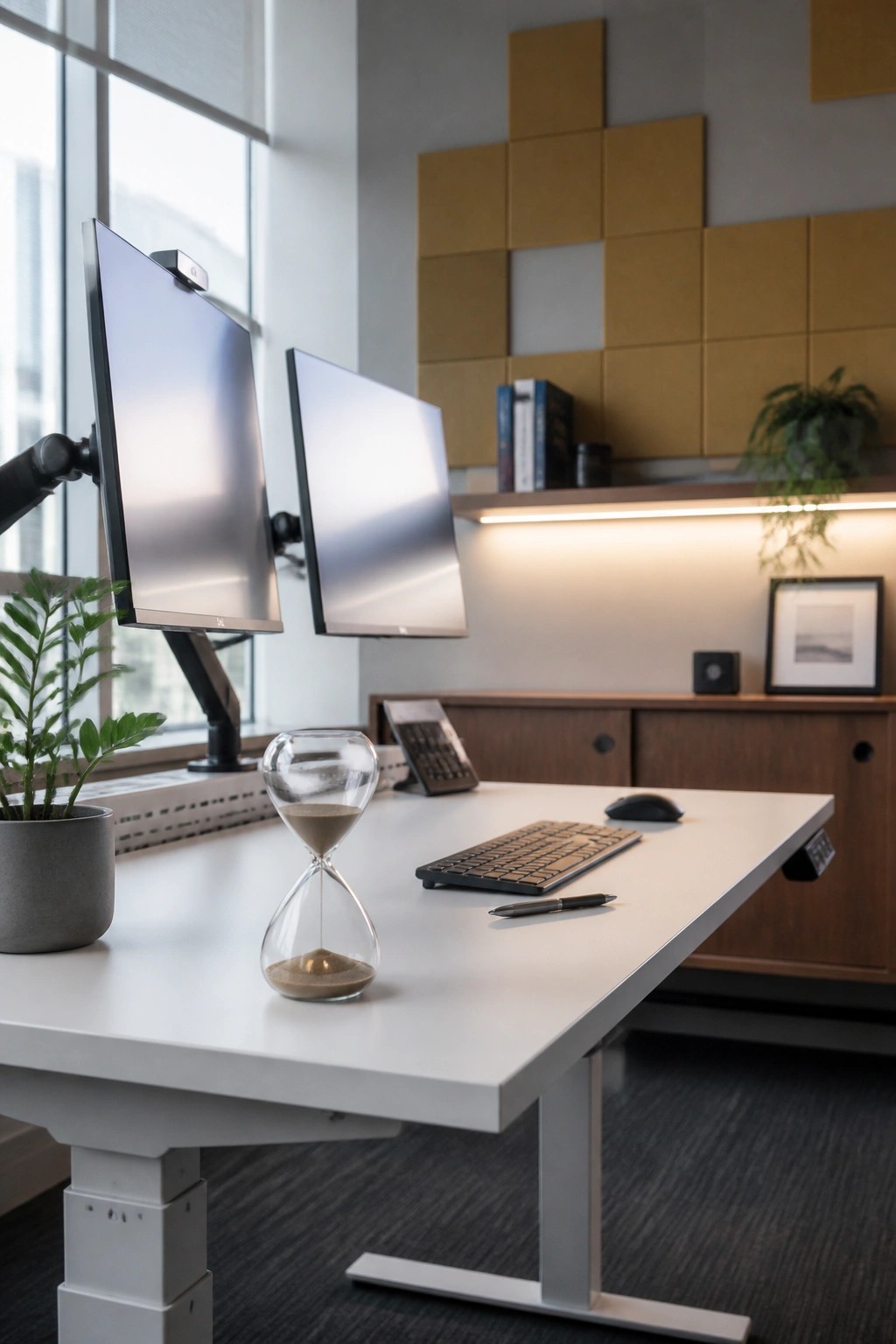
A desk that holds only a few necessary items tends to feel easier on the eyes and simpler to use each day. When the surface stays open, the whole room reads as calmer and less distracting.
This works especially well in a home office that shares space with living areas. Store the rest of your supplies in drawers or on a nearby shelf so the top stays clear most of the time.
Clear Most of the Desk Surface
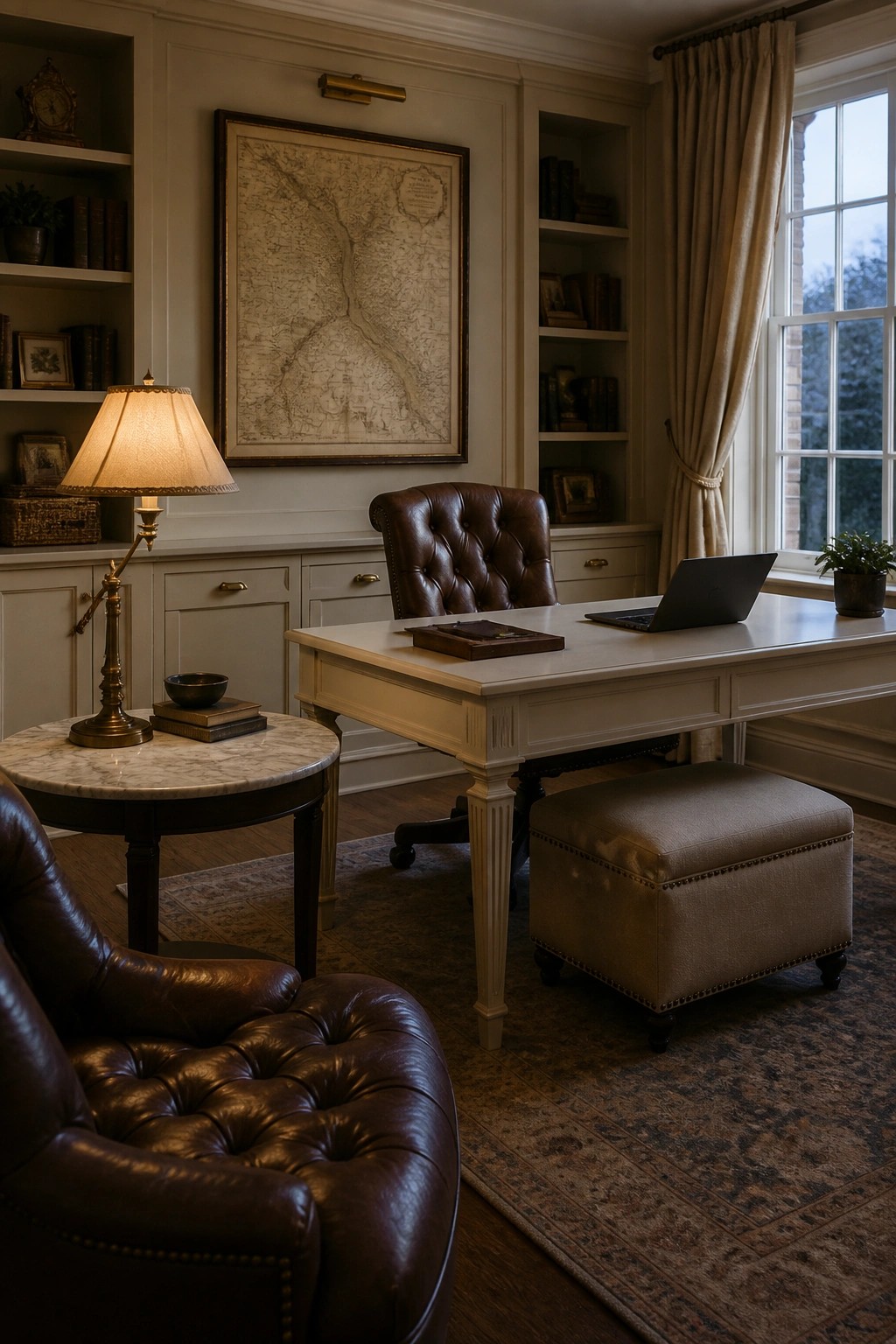
A desk that holds almost nothing tends to make the whole room feel quieter. The laptop stays out for daily use, but papers, books, and supplies move to built-in shelves or drawers instead. This single change cuts down on the scattered look that often builds up in home offices.
It works best in rooms that already have wall storage. You can keep what you need close without letting it pile up in front of you. Watch the top of the desk first, then move anything that does not get used every day out of sight.
Built-In Desks Under Stairs
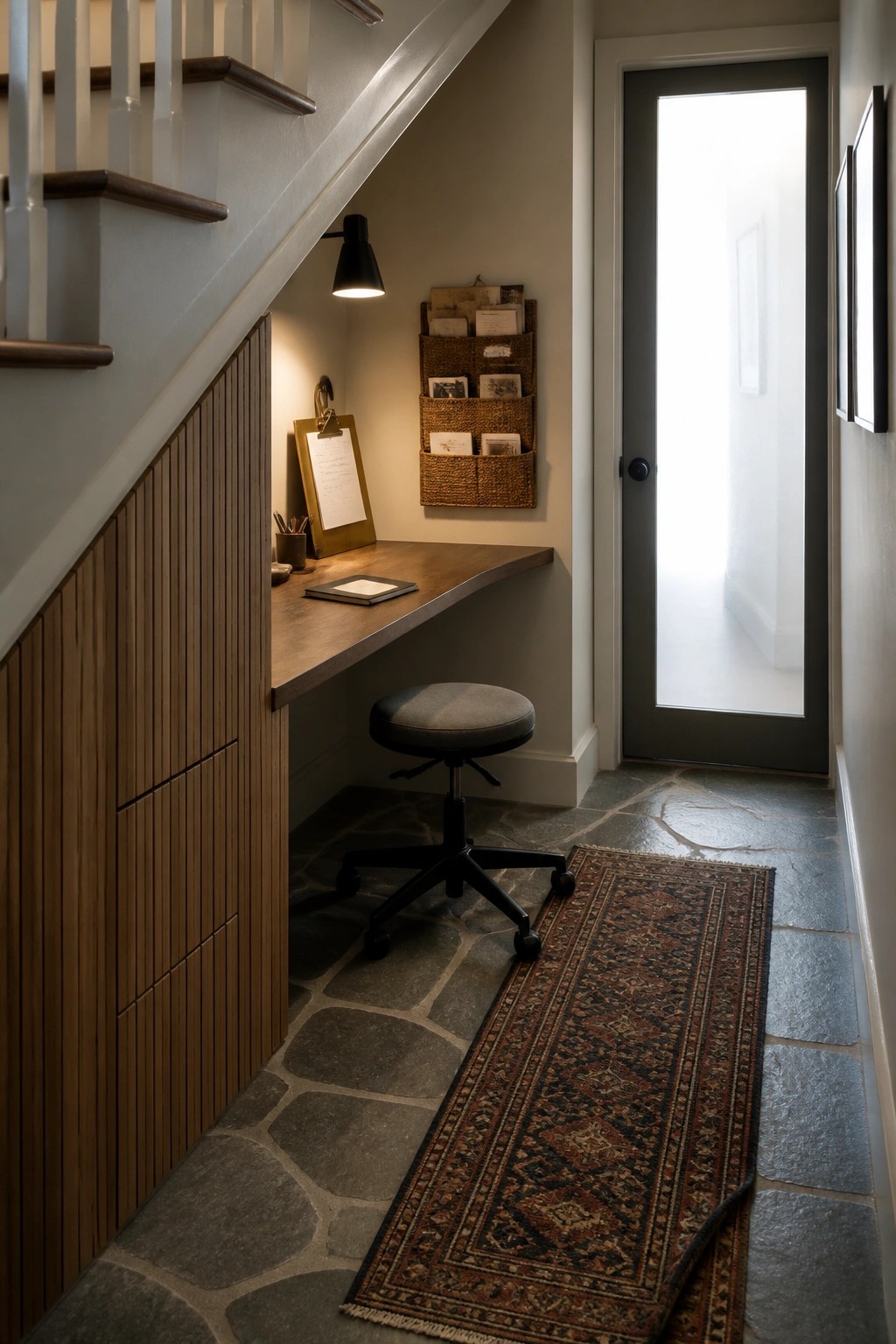
Tucking a small desk under the stairs gives you a workspace that stays out of the way. The built-in surface keeps everything contained so the rest of the room does not feel crowded with extra furniture.
This idea suits homes with limited floor space. Use a simple wall basket or two for papers and keep the top mostly clear so the area stays calm and easy to walk past.
Built-In Storage Keeps The Desk Clear
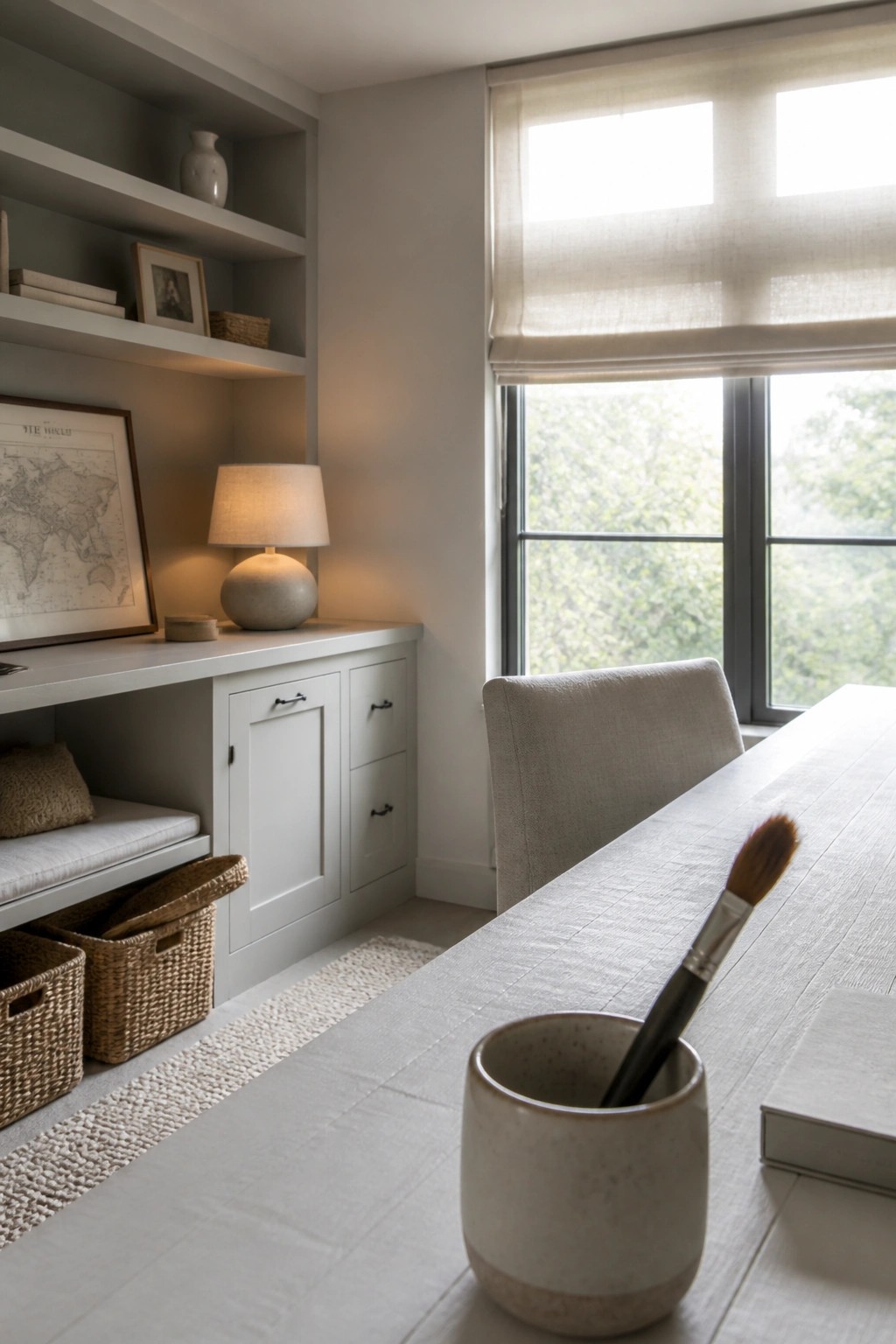
Built-in cabinets and shelves give you a place to put almost everything away so the work surface stays open. That simple choice makes the room feel calmer right away because there is less to look at while you sit down.
This works especially well in smaller home offices where every inch counts. Keep the open shelves lightly filled and use the closed sections for files and supplies you do not need every day.
Roll-Up Cases Keep Desk Tools Out of Sight
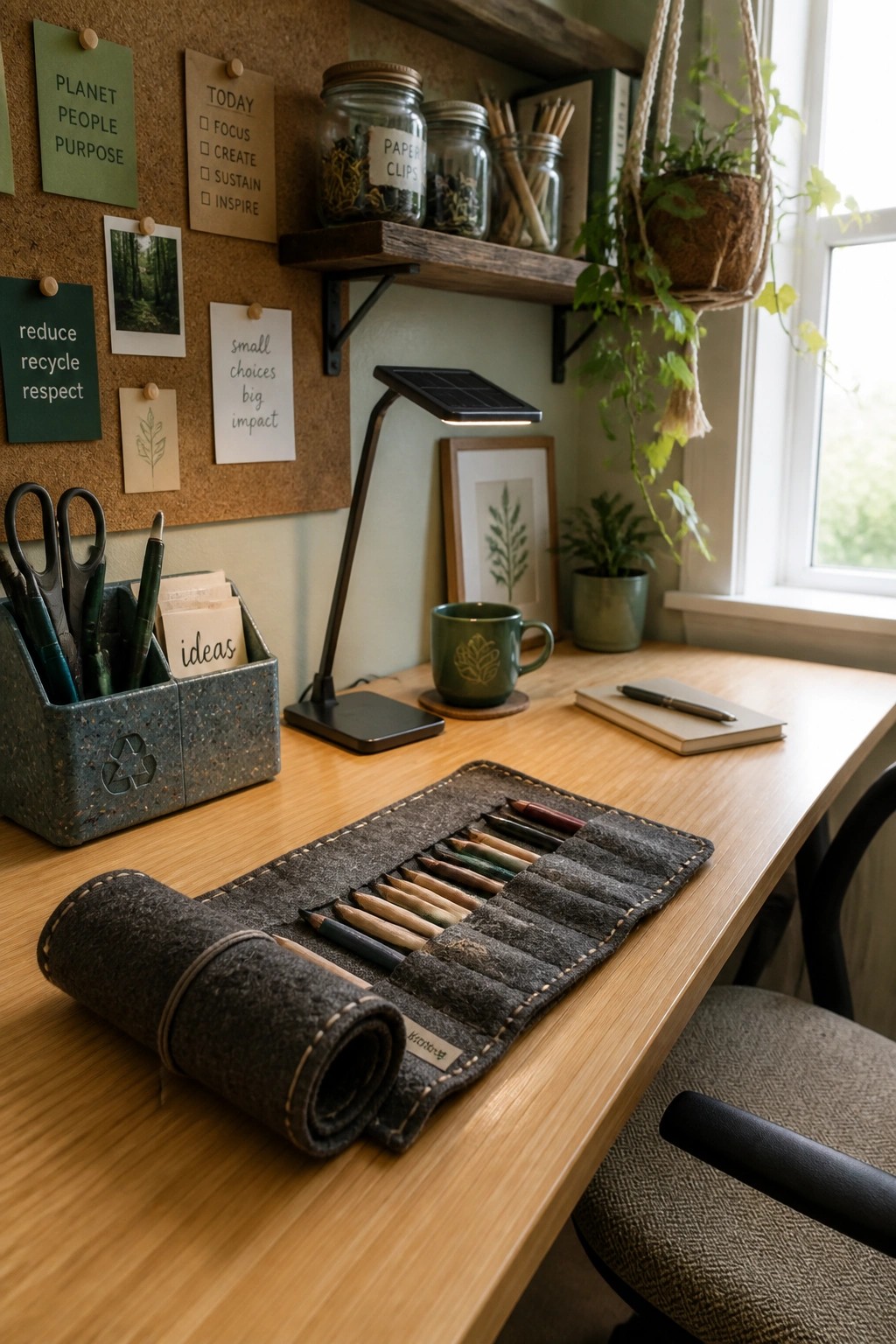
A roll-up case gives you a simple way to store pencils, pens, and small tools without leaving them scattered across the desk. It holds everything in one spot and then closes up tight when you are finished, so the surface stays clear.
This works best in smaller offices or shared spaces where you need the desk ready for other tasks. Pick a fabric that matches your setup and keep it nearby so you can grab it only when needed.
Built-In Desks That Stay Compact
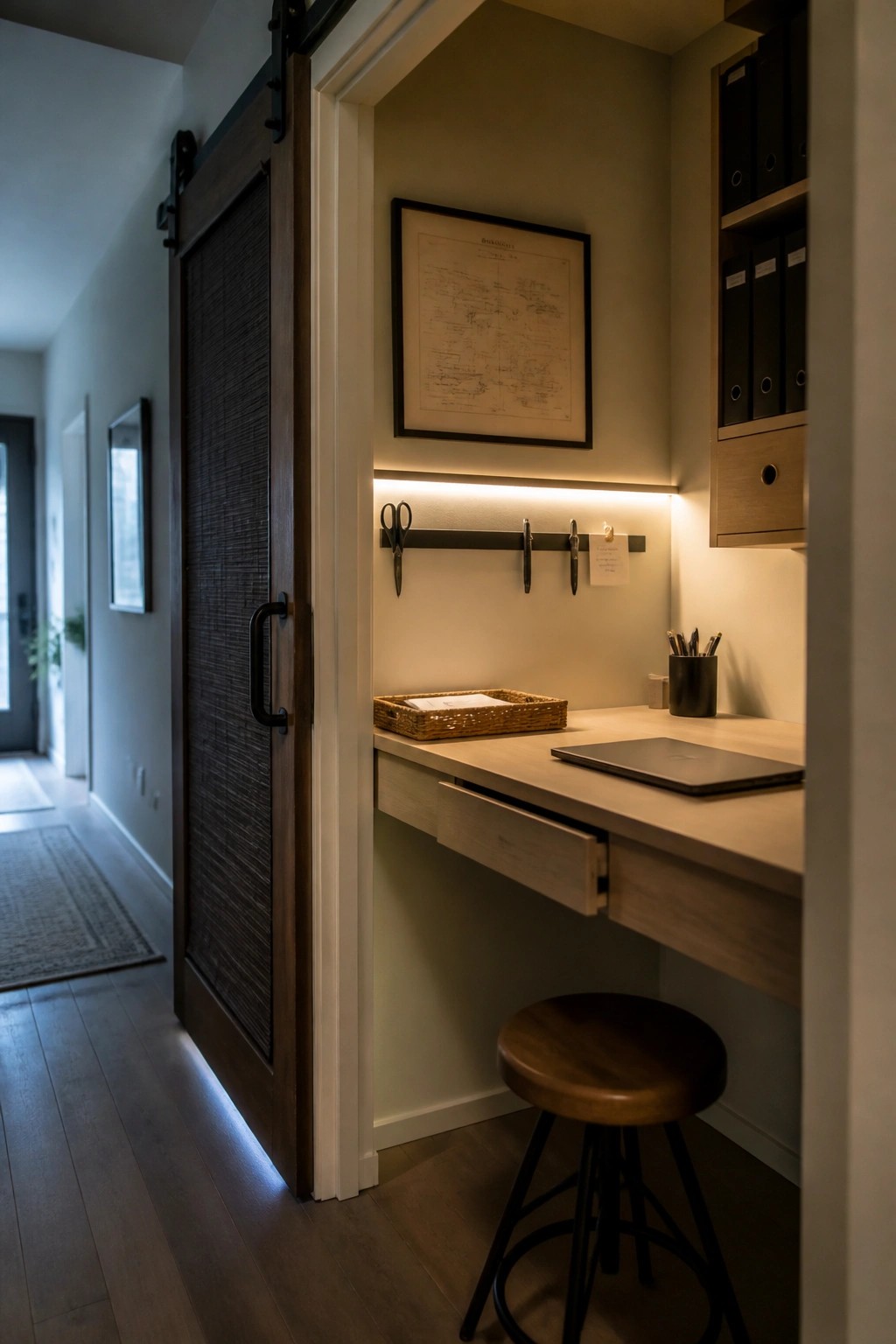
A small built-in desk works well when you want the workspace to feel calm instead of busy. It fits into an alcove or narrow spot so the rest of the room stays open and clear. With only a few items on top, the surface stays simple and easy to keep tidy.
This setup suits homes where space is limited or where you want the office area to disappear at the end of the day. Add drawers or a low shelf for papers and supplies so nothing piles up in view. Keep the top mostly empty except for what you use right away.
Frequently Asked Questions
Q: Where should I begin if my desk feels overwhelming right now? A: Start by clearing just the center area where your hands rest most. Put back only the three items you reach for daily and store the rest nearby but out of view.
Q: How many plants can I add before it starts to look cluttered again? A: Keep it to two or three at most. Set them on a windowsill or low side table so they frame the space without crowding your main work area.
Q: What kind of storage hides things without making the room feel closed in? A: Use a low cabinet or basket system under the desk. Tuck papers and supplies inside so the top surface stays open and calm.
Q: Does this mean I can’t have any photos on my desk? A: One or two photos work fine. Place them off to the side in slim frames and leave empty space around them.
