
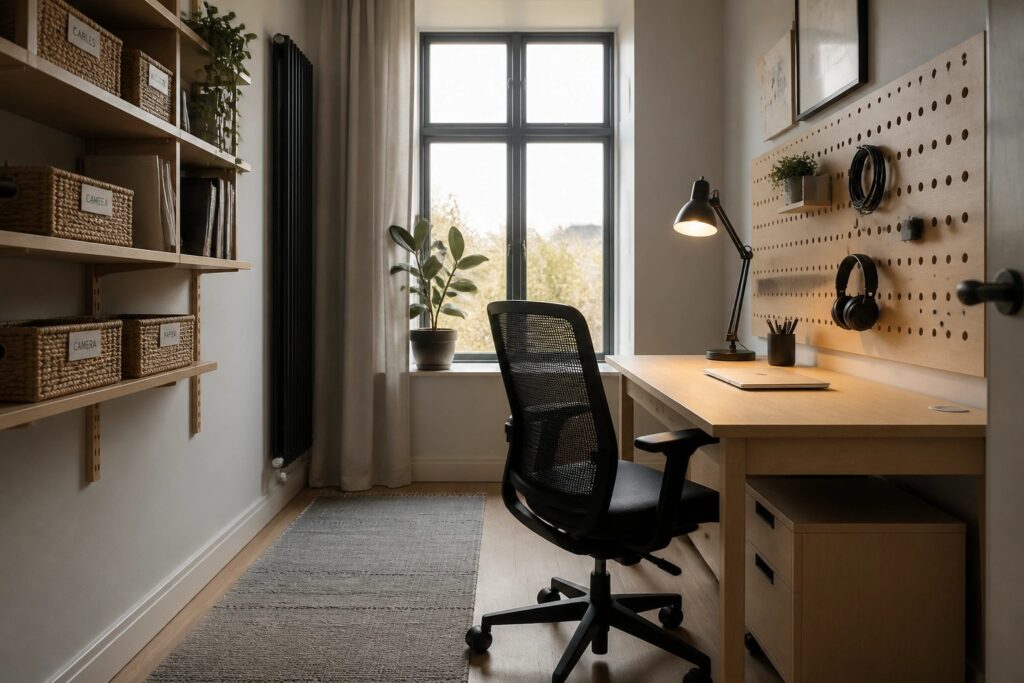
I have rearranged my own workspace more times than I care to count, and each time the way people move through the space makes the biggest difference.
People tend to notice first how easy it is to reach what they need without weaving around furniture or bumping into others.
Layout changes everything.
In my experience a few small shifts in placement can turn a cramped room into one that supports steady work without the daily frustration.
Testing a couple of these approaches in a real setting shows quickly what fits and what needs tweaking.
Positioning the Desk Facing a Window
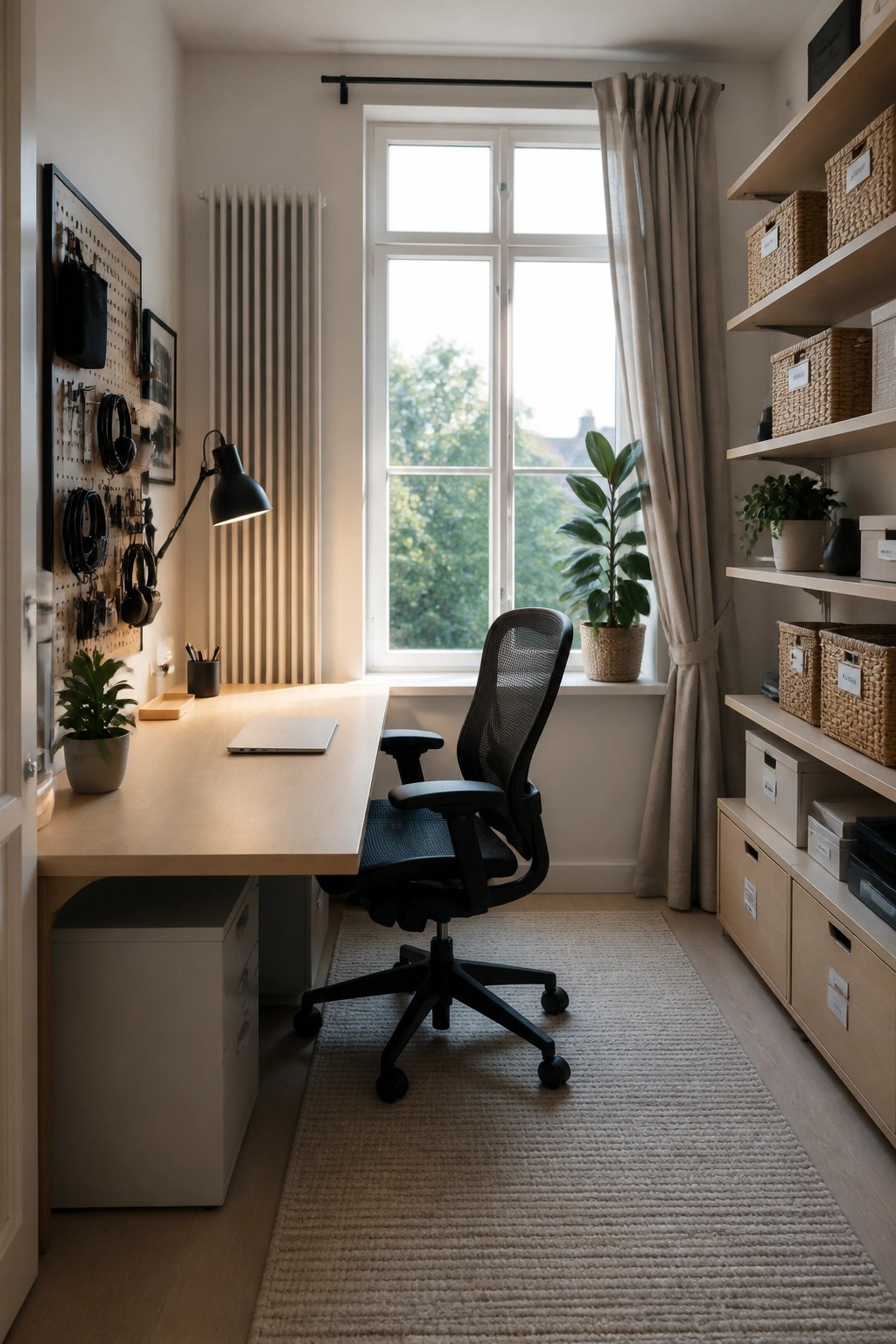
Placing the desk right in front of a window keeps the main work area open and lets natural light reach the surface throughout the day. The chair can roll back easily without bumping into walls or furniture, which helps when you need to stand up or reach for something quickly.
This layout works best in rooms that already have decent window light and a bit of floor space in front of the desk. It suits smaller home offices where you want to avoid a cramped feeling, but skip it if the window faces a busy street that might become distracting.
L-Shaped Desks For Smoother Daily Workflow
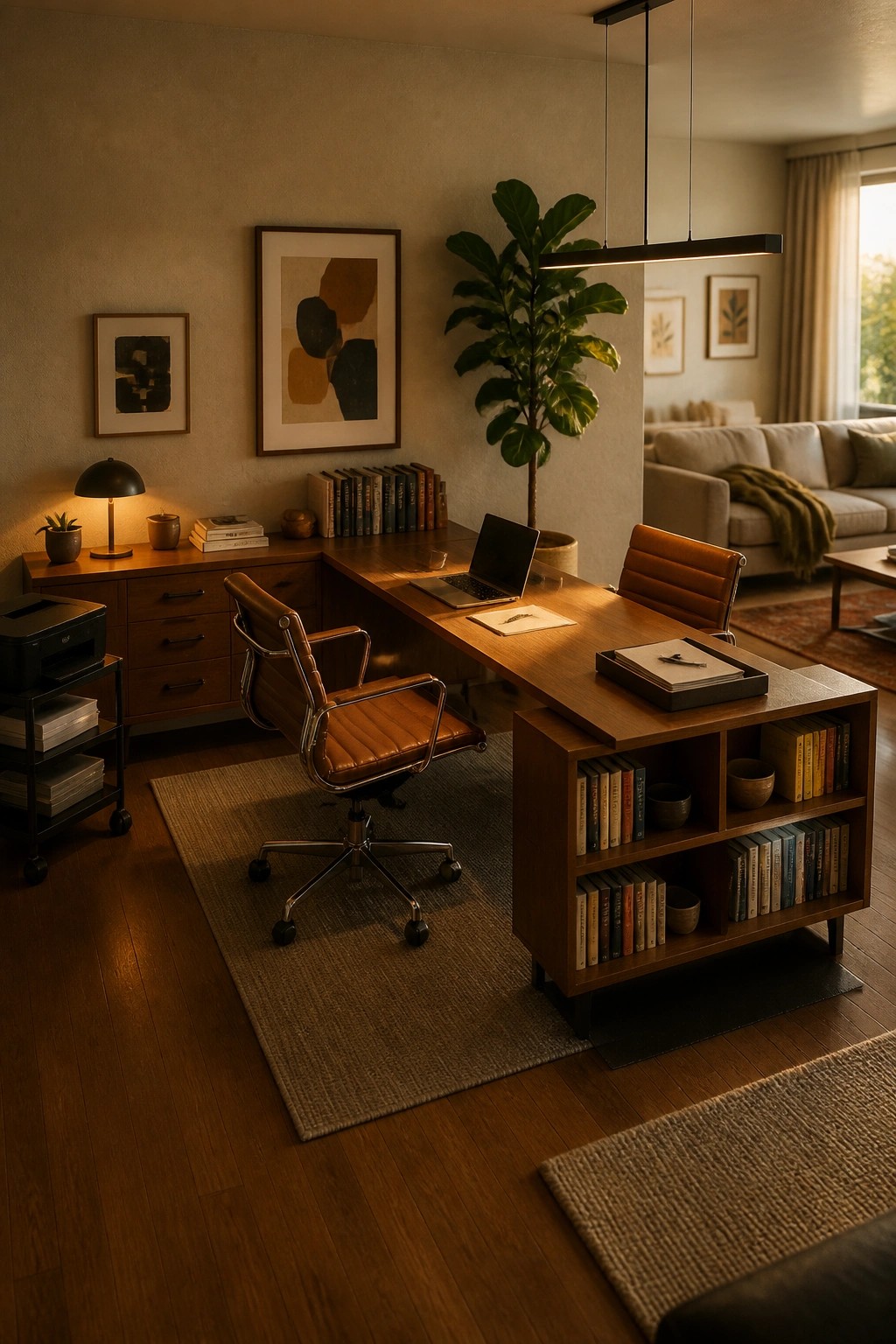
An L-shaped desk creates two separate work areas that let you shift between tasks without standing up. The shape keeps everything within reach while leaving open floor space so the chair can move freely from one side to the other.
This layout works best in a home office where you handle both computer work and paperwork in the same session. Keep the corner clear and choose a chair with good wheels so you can roll between zones without extra effort.
Low Desks With Kneeling Stools
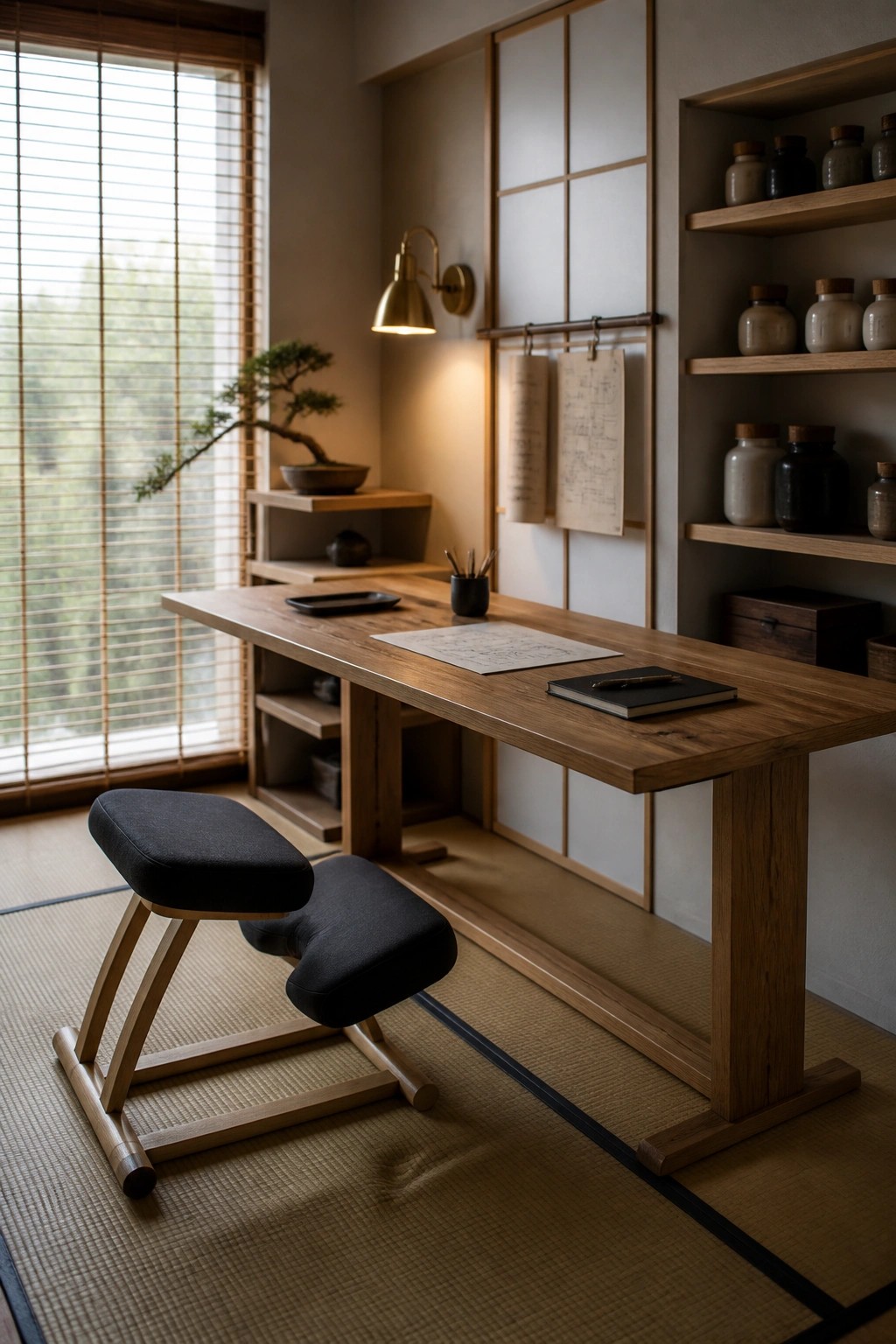
A low desk paired with kneeling stools gives you a different way to work that keeps you shifting position more often. Many people find it helps them stay comfortable without relying on a single chair all day.
This approach fits best in smaller rooms or homes that already favor simple layouts. Keep the desk height right for your posture and leave enough floor space around it so you can move easily.
Join Desks for Better Workflow
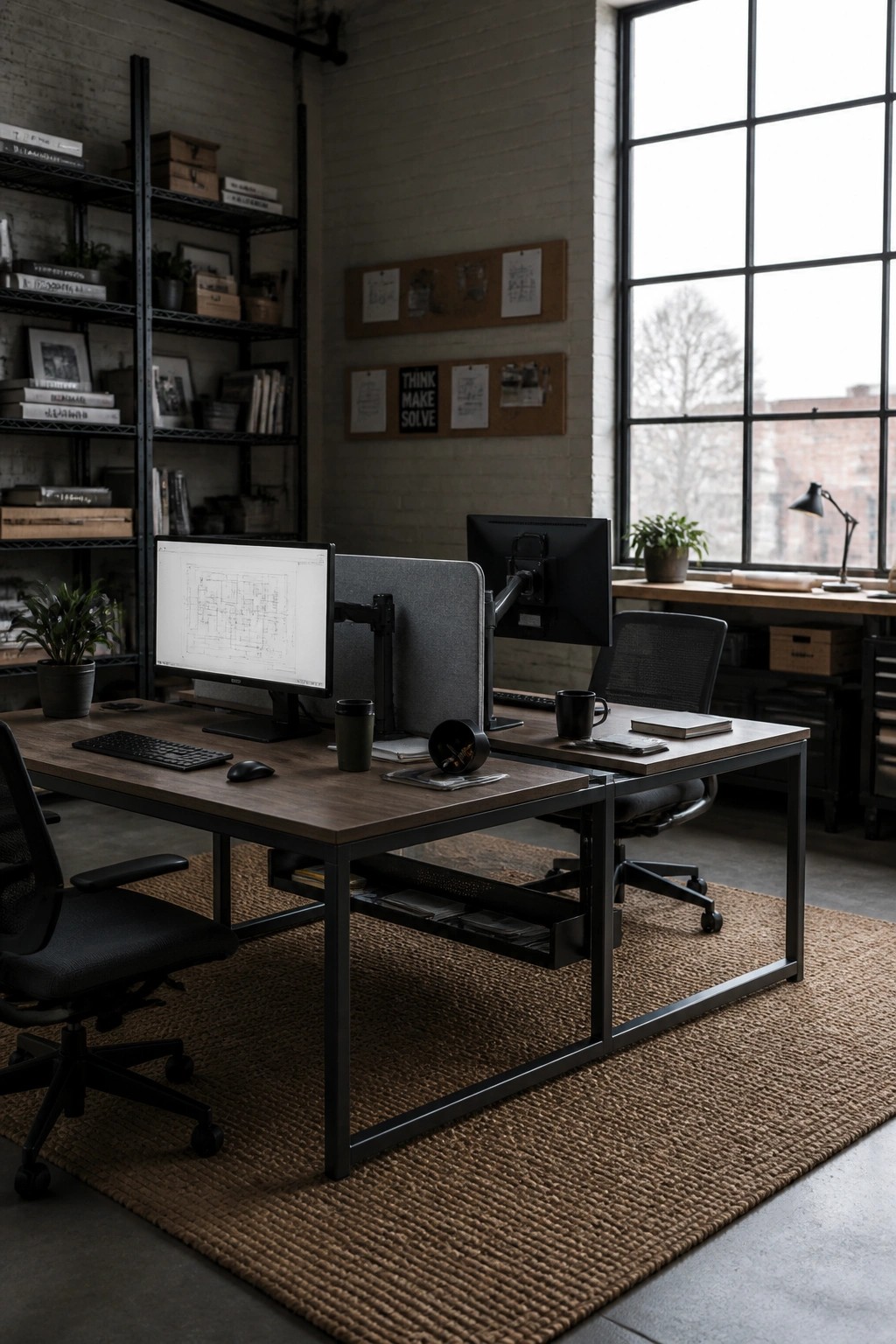
A long connected desk gives you room to move between tasks without standing up. The setup keeps monitors, papers, and supplies within reach so you stay focused instead of switching spots all day.
This works best in smaller home offices where one person handles multiple projects. Leave the space under the desk clear so chairs can roll freely from one end to the other.
Desk Running The Length Of The Room
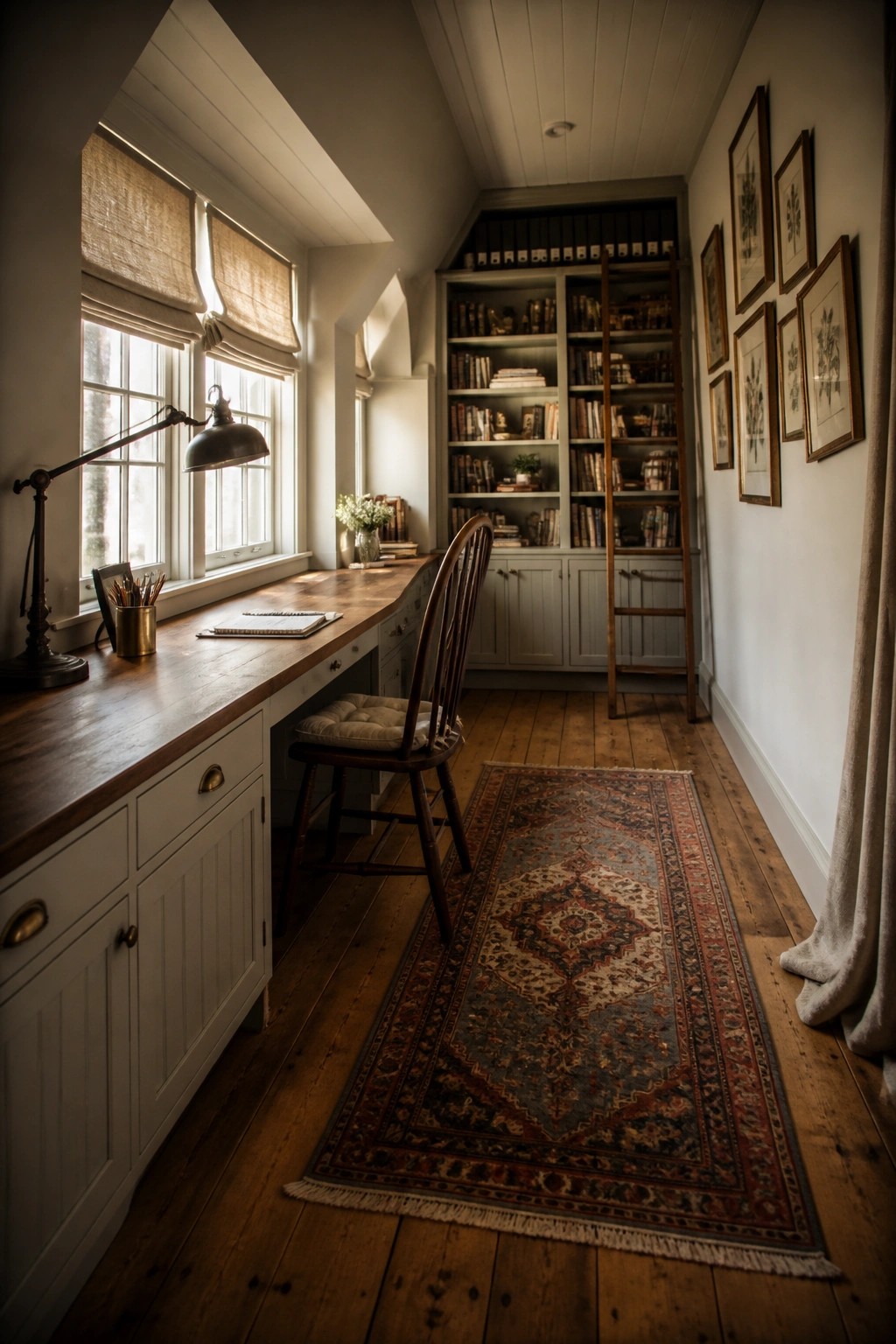
A long desk along one wall works well in narrow rooms because it leaves the center open. You can move from one end to the other without stepping around extra furniture, and the storage built in below keeps everything within reach while the floor stays clear.
This layout suits attic offices or small spare rooms where space is tight. Keep the opposite wall for shelves or art so the room does not feel crowded, and choose a chair that tucks in easily when not in use.
Glass Walls Around Meeting Rooms
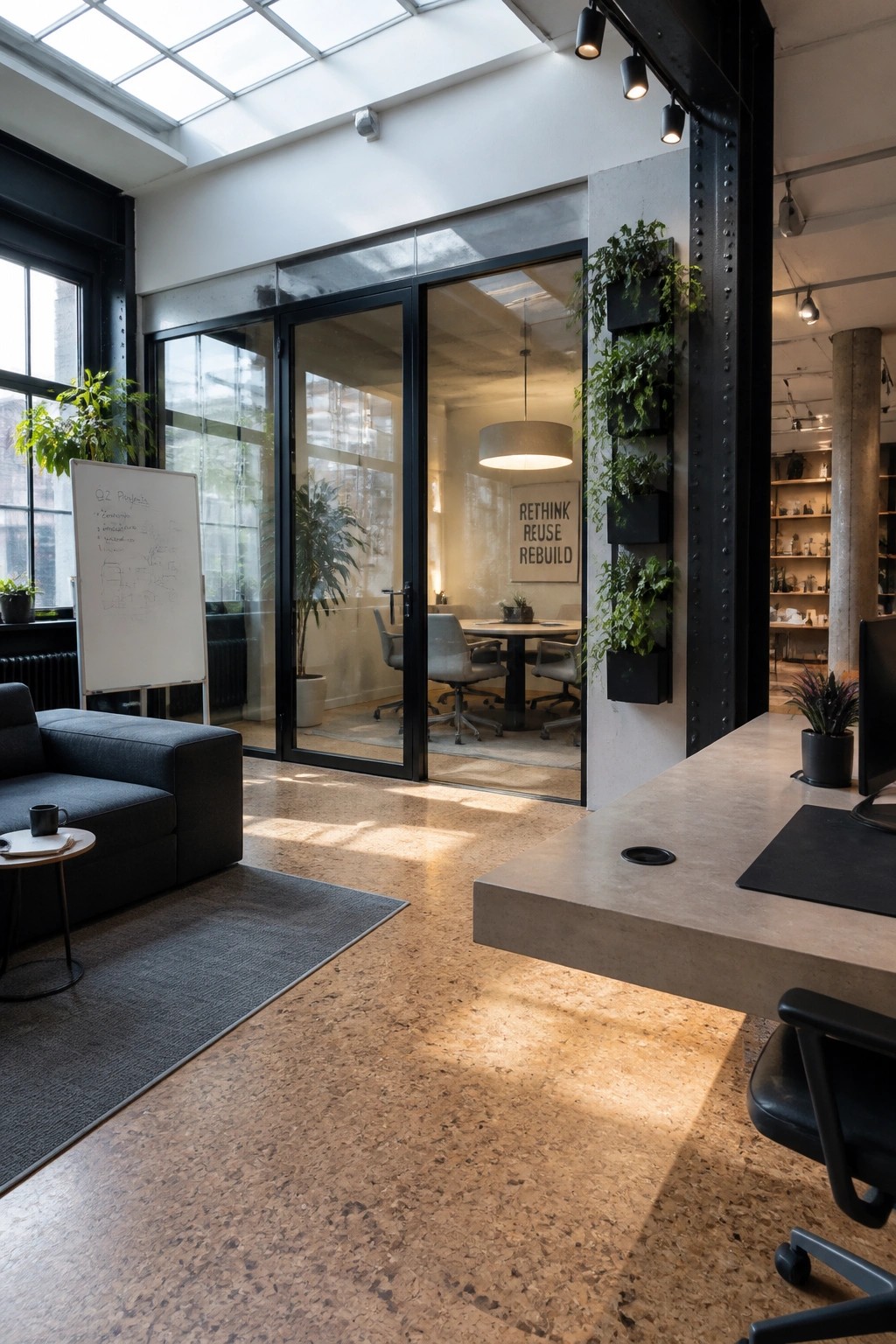
Glass walls around a meeting room let the rest of the office stay connected without losing a dedicated space for focused work. People can see when a room is free and move in and out more easily, which helps the whole layout feel less blocked off.
This approach works best in mid-sized offices where teams need both privacy and quick access to each other. Keep the glass clear rather than frosted if movement and visibility matter most, and make sure the doors open wide enough for easy flow.
Sliding Doors For A Flexible Office Nook

A sliding door lets you turn a narrow hallway spot into a real workspace without cutting off movement through the rest of the house. When the door stays open the area feels part of the main flow, but you can close it off when you need quiet or want to hide the clutter at the end of the day.
This setup works best in homes with long hallways or underused corners near living areas. Keep the desk shallow and add simple wall storage so the chair can tuck in fully when the door needs to slide shut. The key is making sure the door track stays clear and the floor stays level so it moves easily every time.
Curved Desks For Better Workflow
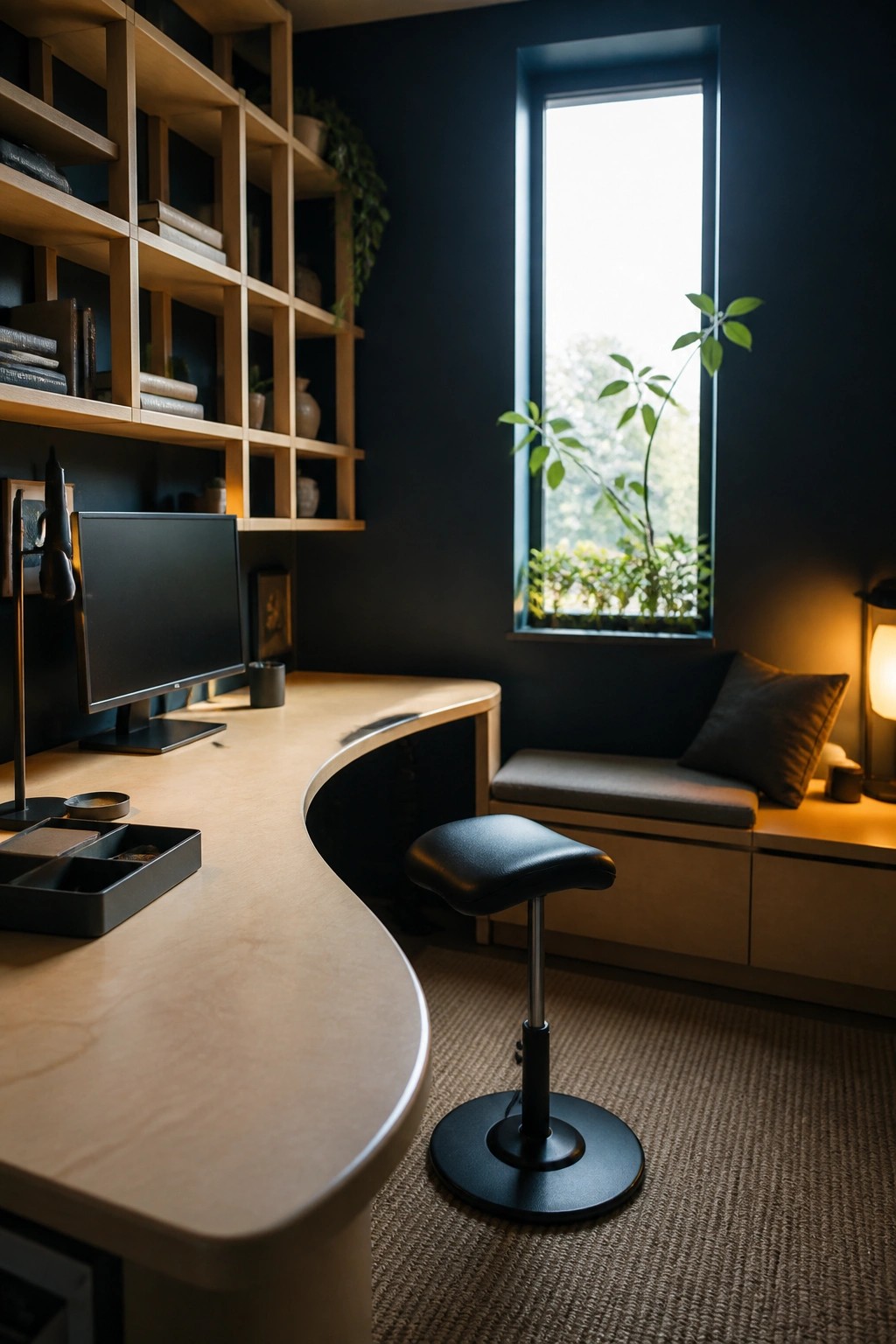
A curved desk can make a small office feel much easier to move around in. The shape keeps the main work area close while leaving open space on the sides, so you can shift from sitting to standing or reach for things without getting up and down all the time.
This layout works well in home offices that need to fit both a desk and a second seating spot. Place the curve toward the center of the room and add a simple rolling stool so you can slide along the edge when you need to. Just make sure the curve is not too deep or it can start to crowd the rest of the space.
Long Desk With Rolling Chairs

A long desk paired with rolling chairs gives you room to move between tasks without standing up. The setup works especially well when you need space for a laptop, papers, and a few supplies all at once.
Place the desk against a wall with enough floor area for the chairs to roll freely. This works best in a spare room or larger bedroom where you can keep the path clear. Avoid crowding the space with extra furniture that could block movement.
Mount A Whiteboard Above The Desk

A large whiteboard mounted right over the work surface gives you a place to capture ideas without cluttering the desk. It keeps things moving because you can stand up, write a quick note, and sit back down without hunting for paper or opening another tab.
This works best in smaller home offices where every inch counts. Keep the board at a height that feels natural to reach and make sure the desk below stays clear enough for the chair to roll back without trouble.
Try A Central Island Desk
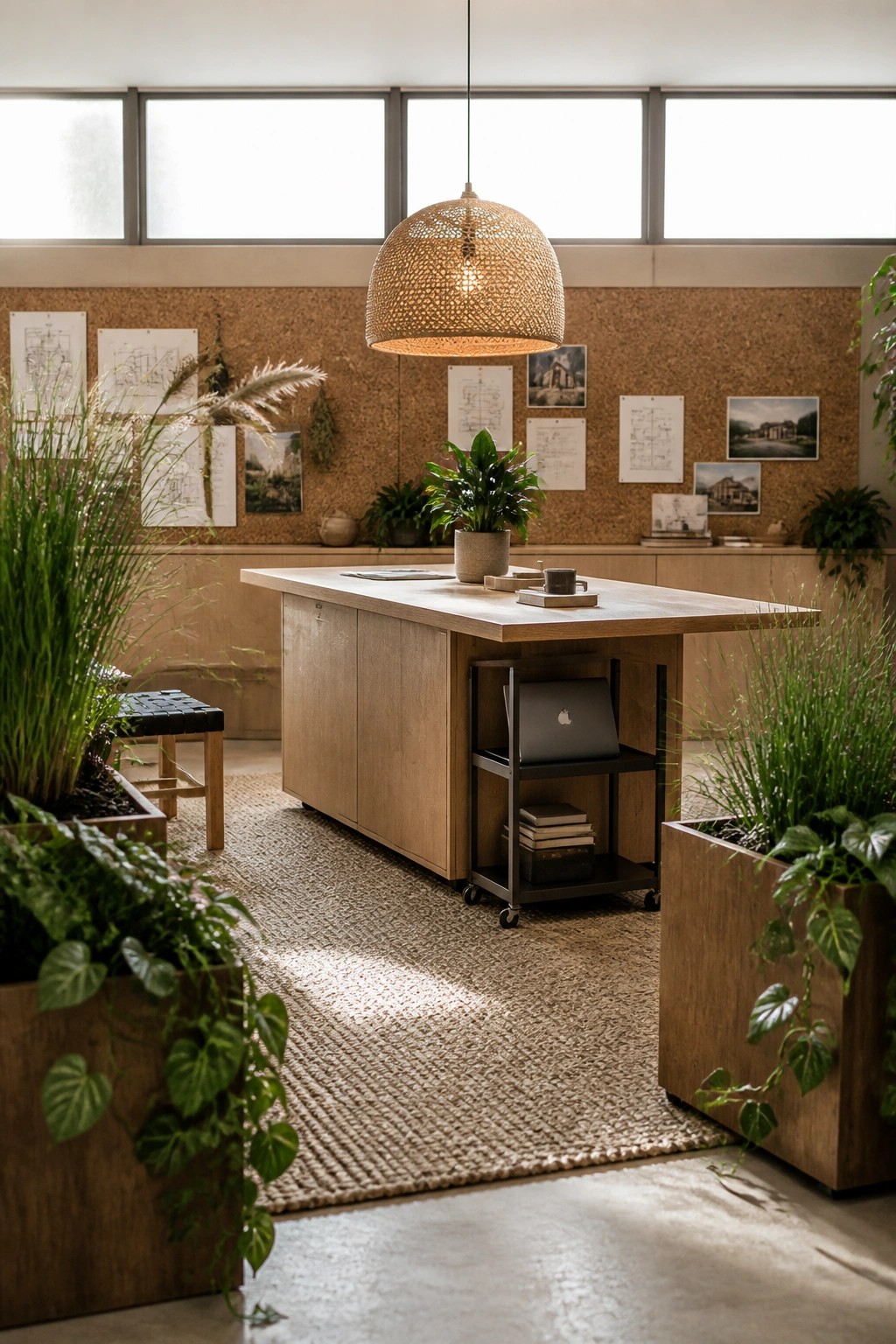
A central island desk gives you room to move around the workspace without feeling boxed in. It turns the office into a more active area where you can shift positions easily during the day and keep different tasks within reach.
This layout works best in home offices that have enough floor space and good natural light. Keep the sides open so you can walk around freely, and add a rolling cart or low storage underneath if you need to move things out of the way.
Fold-Down Desks That Work In Small Areas

A fold-down desk mounted to the wall creates a workspace without taking over the floor. It keeps the room open and easy to move through, which matters when the office shares space with other parts of the home.
This approach suits apartments and smaller rooms where a full desk would feel too large. Tuck a simple stool underneath when not in use and keep the surface clear so the area can serve other purposes during the day.
Pairing A Built-In Desk With A Freestanding Table
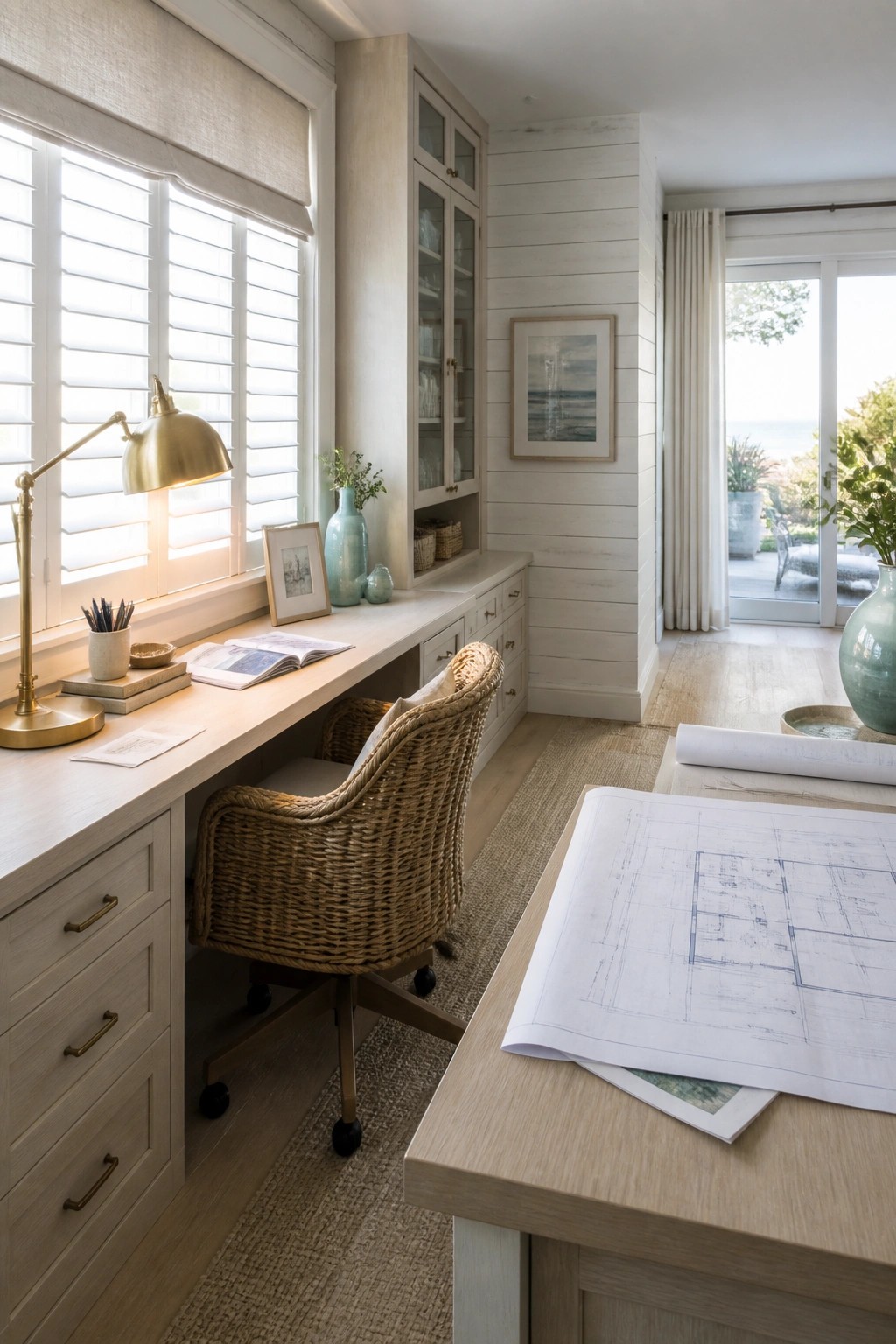
A long built-in desk gives you steady space for daily tasks while a separate table nearby keeps larger projects from taking over your main work area. This split helps you move between focused computer work and review sessions without constant rearranging.
It suits home offices that already have window walls or built-in cabinetry. Keep the built-in for your computer and papers while using the table for drawings or client materials that need to stay spread out.
Mobile Storage For Small Office Flexibility

A rolling cabinet paired with a slim desk works well when space is tight. It lets you shift the workspace around as needed, which helps keep the room from feeling cramped and makes daily movement easier.
This setup suits small bedrooms or studio apartments where the office shares space with other functions. Keep the cabinet low and on smooth casters so it tucks away quickly when you need the floor clear.
Central Island Desks Improve Office Flow
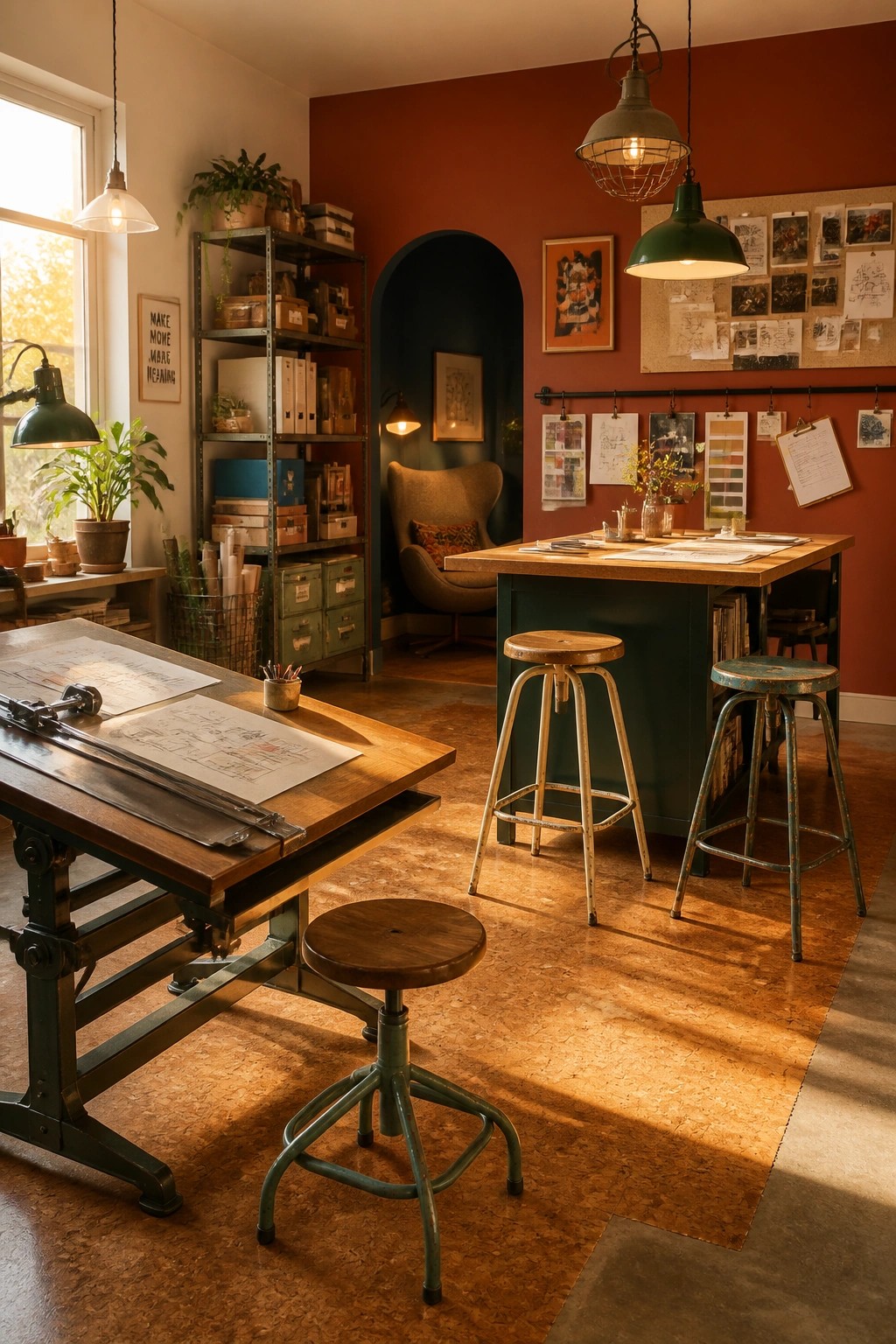
A central island desk gives the room several workable sides at once. People can move around it without crowding one corner, and the setup naturally supports different tasks happening in the same space.
This layout works best in home offices that have enough floor area for stools to slide in and out. Keep the surrounding paths clear so the island does not turn into an obstacle.
Linear Desk Layout For Narrow Offices
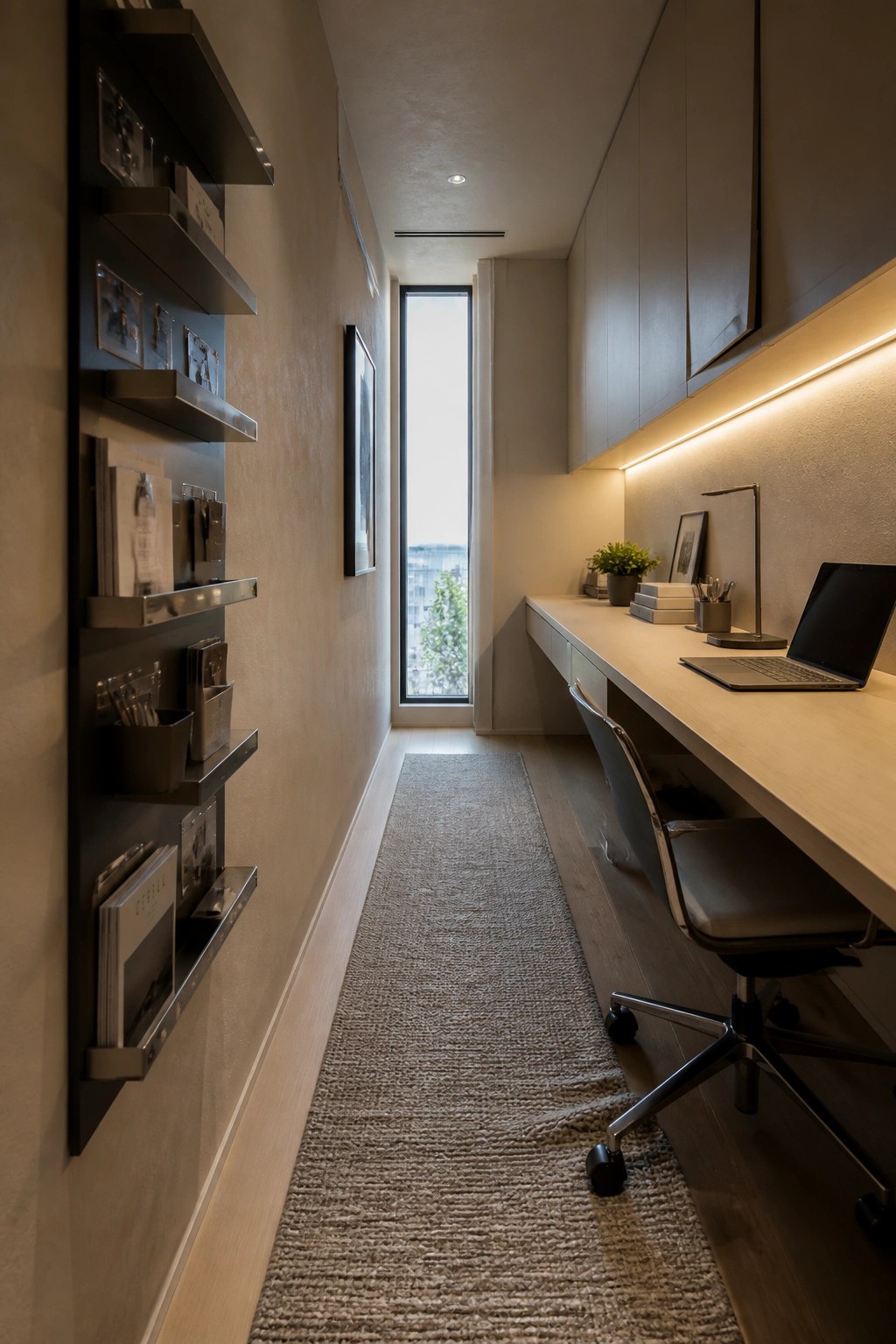
A long desk running the full length of a narrow room keeps movement simple and direct. You can roll a chair along the desk without turning or squeezing past anything, which helps with workflow when the space is limited.
This works best in homes that have leftover corridor-style rooms or tight alcoves. Keep the opposite wall for open shelves so the floor stays clear and the path stays usable.
Center the Desk for Better Flow
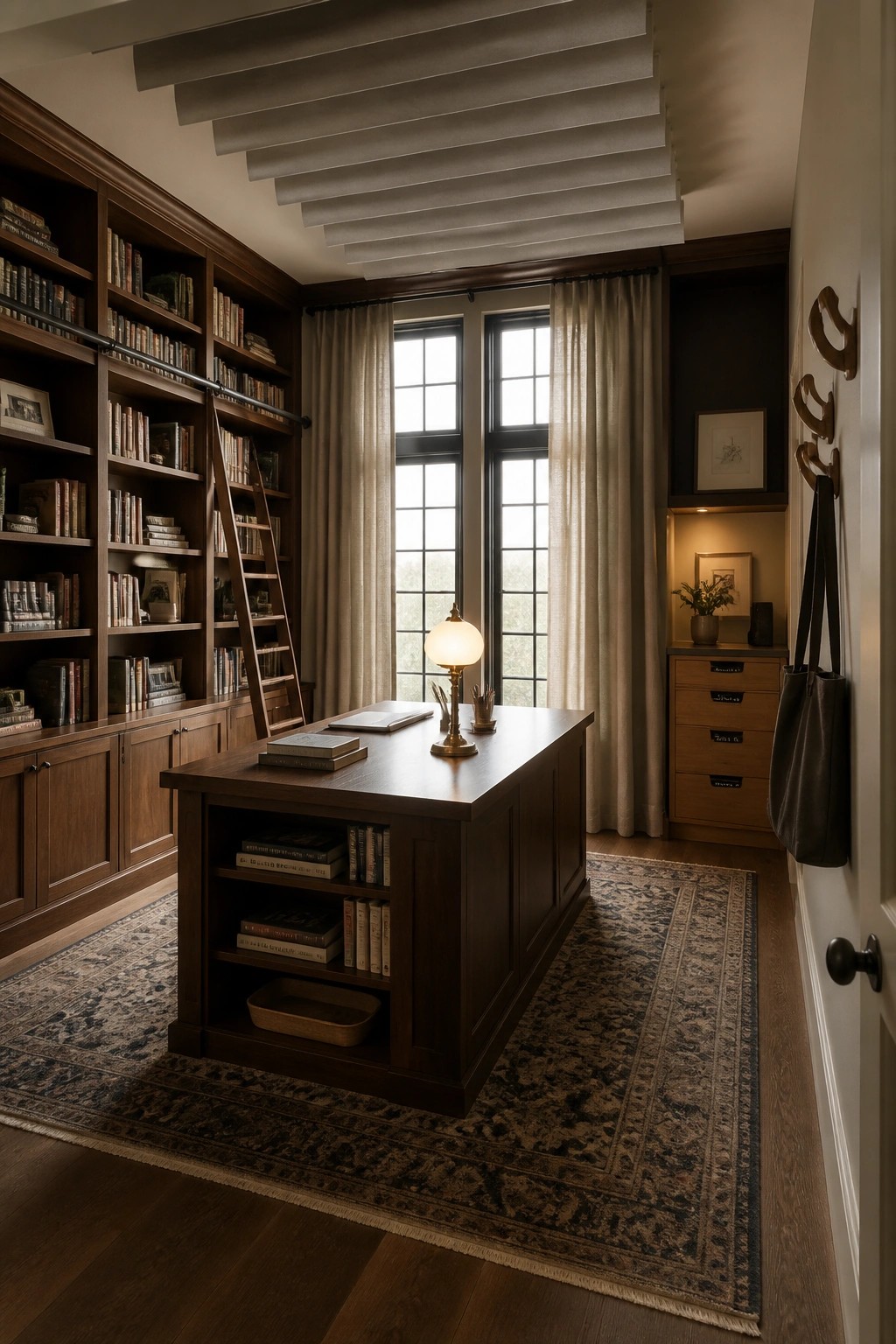
A freestanding desk placed in the middle of the office makes it easy to move around the space without feeling boxed in. You can reach both sides without squeezing past furniture, and it keeps the room from feeling like a narrow hallway with everything pushed against the walls.
This setup works best in rooms that already have good built-in storage along the edges. It suits home offices that need to double as libraries or work areas where you move between tasks often. Just make sure you leave enough room on all sides so the desk does not block doorways or window access.
Tuck The Desk Under The Stairs
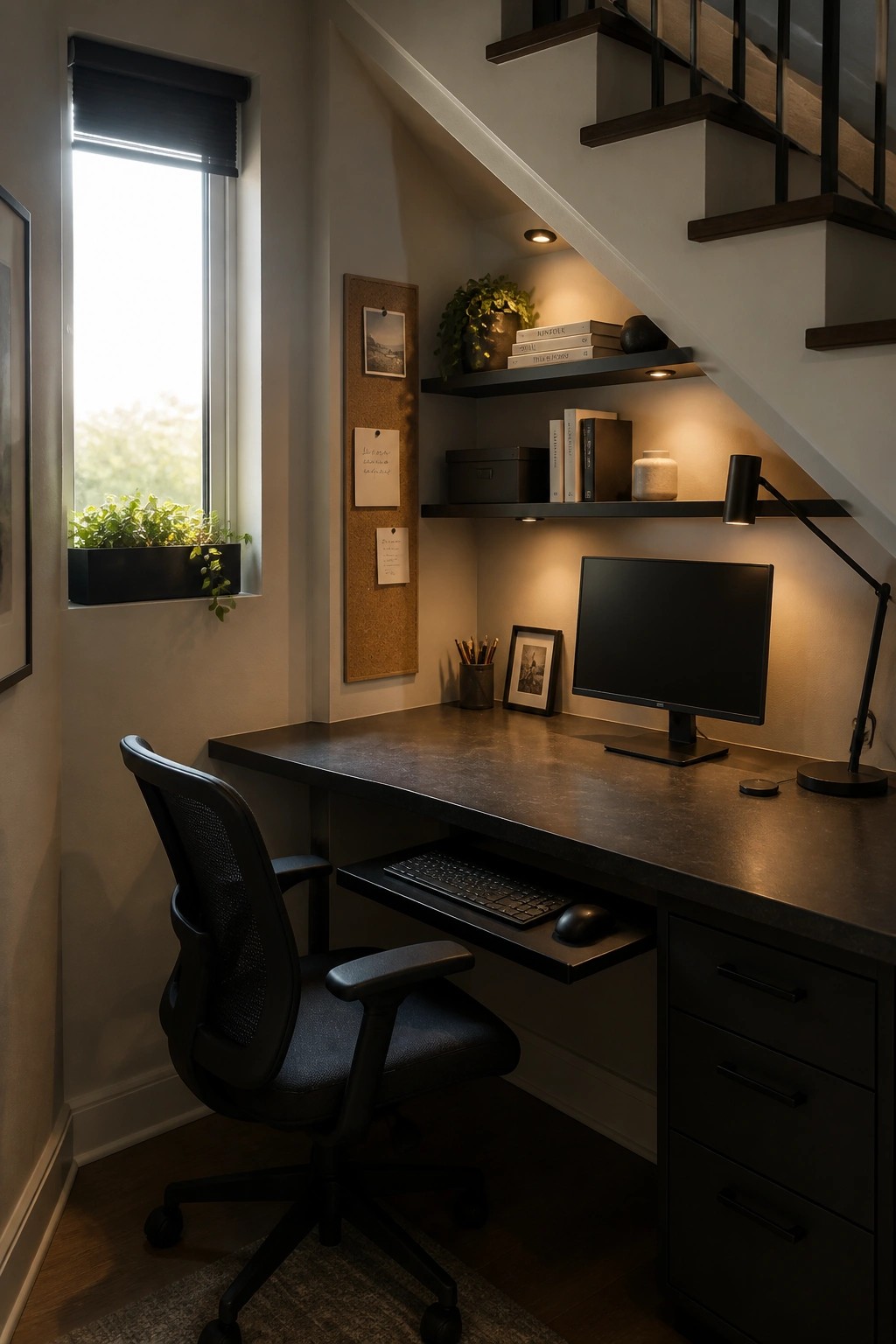
The space under a staircase often sits empty in many homes. Fitting a desk into that nook gives you a dedicated work area without taking up floor space in the main room.
This setup works well in smaller homes or when you want the office to feel separate from living areas. Add a few shelves above the desk for storage and make sure the chair can roll out freely so movement stays easy.
Curved Desks That Follow the Window Line
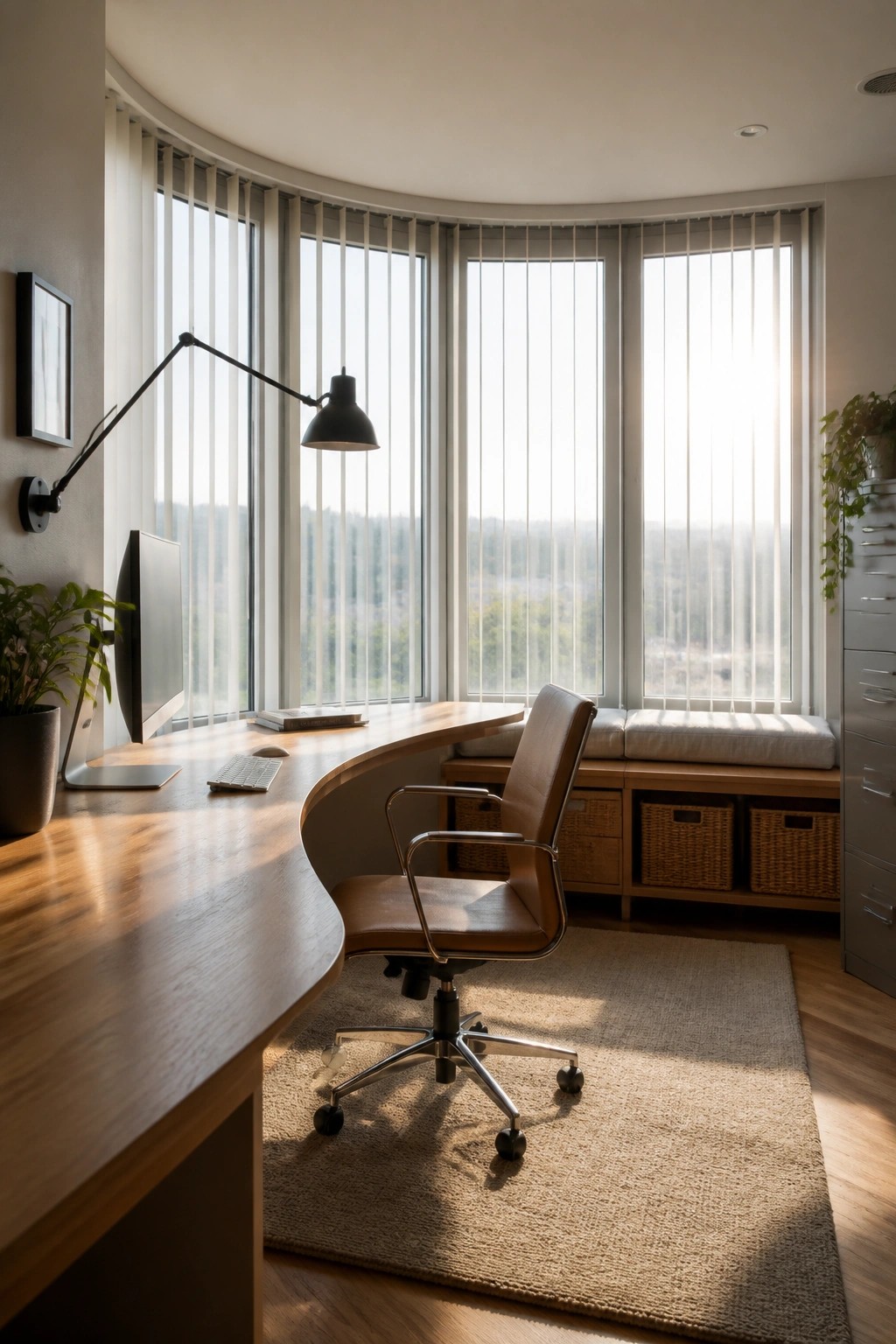
A curved desk works well in a home office that has a bay window because it lets the workspace follow the shape of the room. The desk stays out of the way of traffic and gives the chair more room to move without bumping into corners.
This layout suits homes where the window already has a built-in seat or storage below it. Keep the curve gentle so the desk does not take over the whole wall, and make sure the rug under the chair is large enough for easy rolling.
Keep The Center Open For Easy Movement

A long open aisle running straight through an office makes a big difference in how people move around during the day. Desks on wheels along the sides let you adjust spacing quickly when the workflow changes or when you need to pull a few people together for a quick chat.
This setup works best in longer rooms where traffic runs from one end to the other. Place the main work surfaces along the walls and leave the middle clear so no one has to weave around furniture. It suits smaller teams who share one space and need to stay flexible without major rearranging.
Use Low Storage to Free Up Floor Space
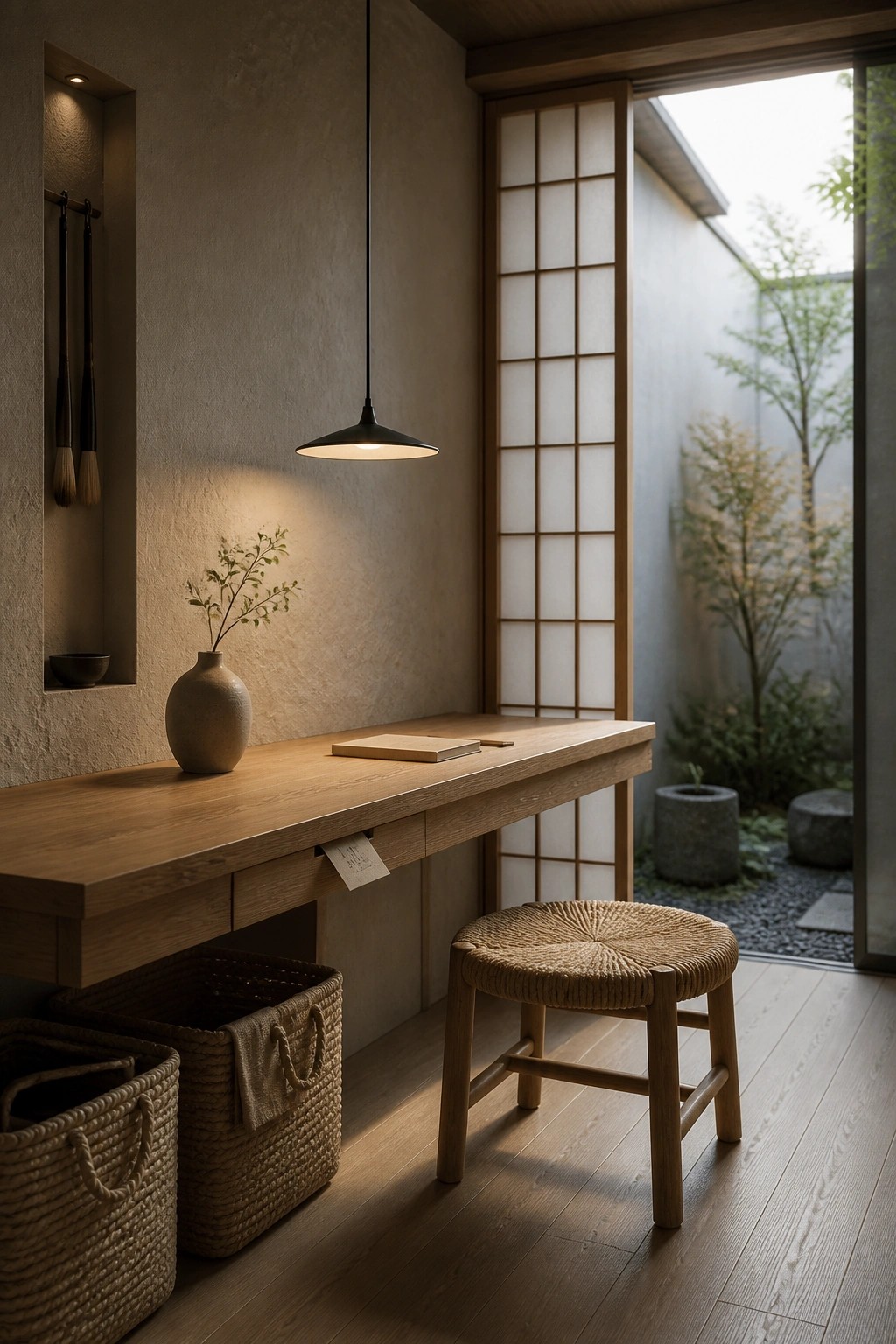
A desk with open space underneath works well when you want to move around the room without bumping into extra furniture. Baskets or simple bins fit right under the surface and hold what you need without crowding the floor or blocking your path.
This setup suits smaller home offices where every inch counts. Place the baskets within reach so you can grab supplies while staying seated, and keep the stool lightweight so it slides out of the way when you stand up. Avoid filling the space too full or the whole point gets lost.
Frequently Asked Questions
Q: My office has some bulky filing cabinets that can’t move. Which layout tweaks will still improve movement? A: Shift desks and chairs around the fixed cabinets to open up walking paths. Place shared tools like printers closer to the main routes so people don’t have to detour. Small adjustments like these often speed up daily tasks without any construction.
Q: How do I get my team on board with trying new desk arrangements? A: Gather everyone for a quick walk-through of the space and ask what slows them down now. Let small groups test one or two changes for a week. People usually spot better routes once they see the difference in action.
Q: Will these ideas help with noise if the office opens up more? A: Add low partitions or rugs near busy walkways to soften sound without blocking flow. Position focused work areas away from main paths so conversations don’t carry as far. Test the setup during a normal day and tweak placements based on what you hear.
