
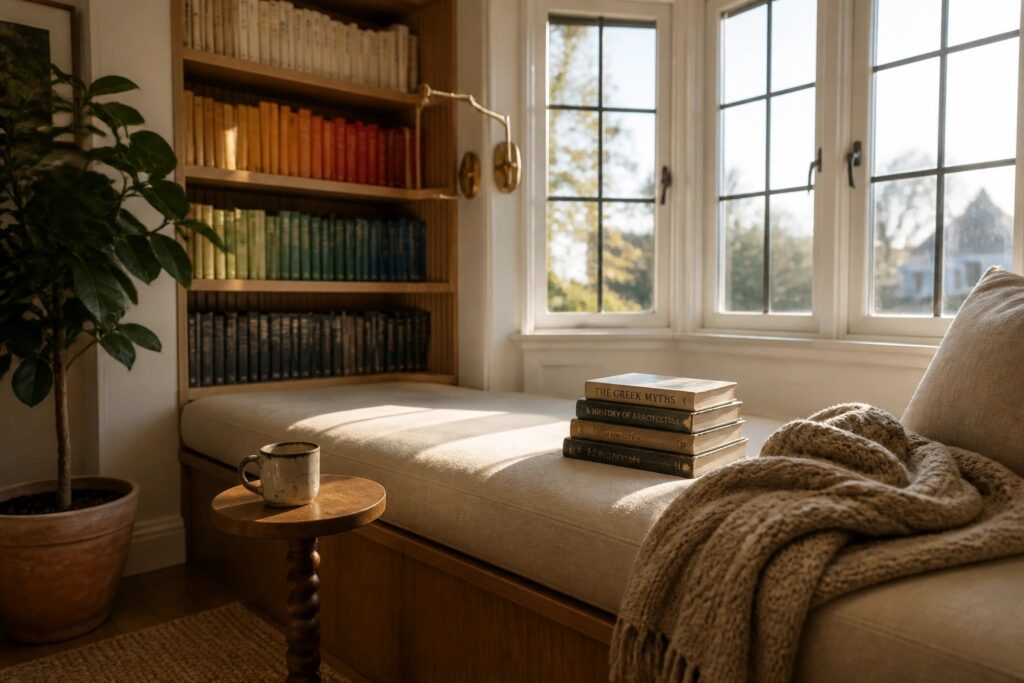
Over time I have noticed that study areas only support real focus when the layout keeps distractions out of direct view and puts useful surfaces within easy reach.
A chair that sits well for hours makes more difference than most people expect when they first set up a reading corner.
The right spot often comes down to testing a few spots before committing.
I usually start by moving a small table around the room to see where it feels most settled.
Ideas that account for how I actually move through the day tend to stick longer than ones that look good in photos alone.
Built-In Window Seats For Quiet Reading
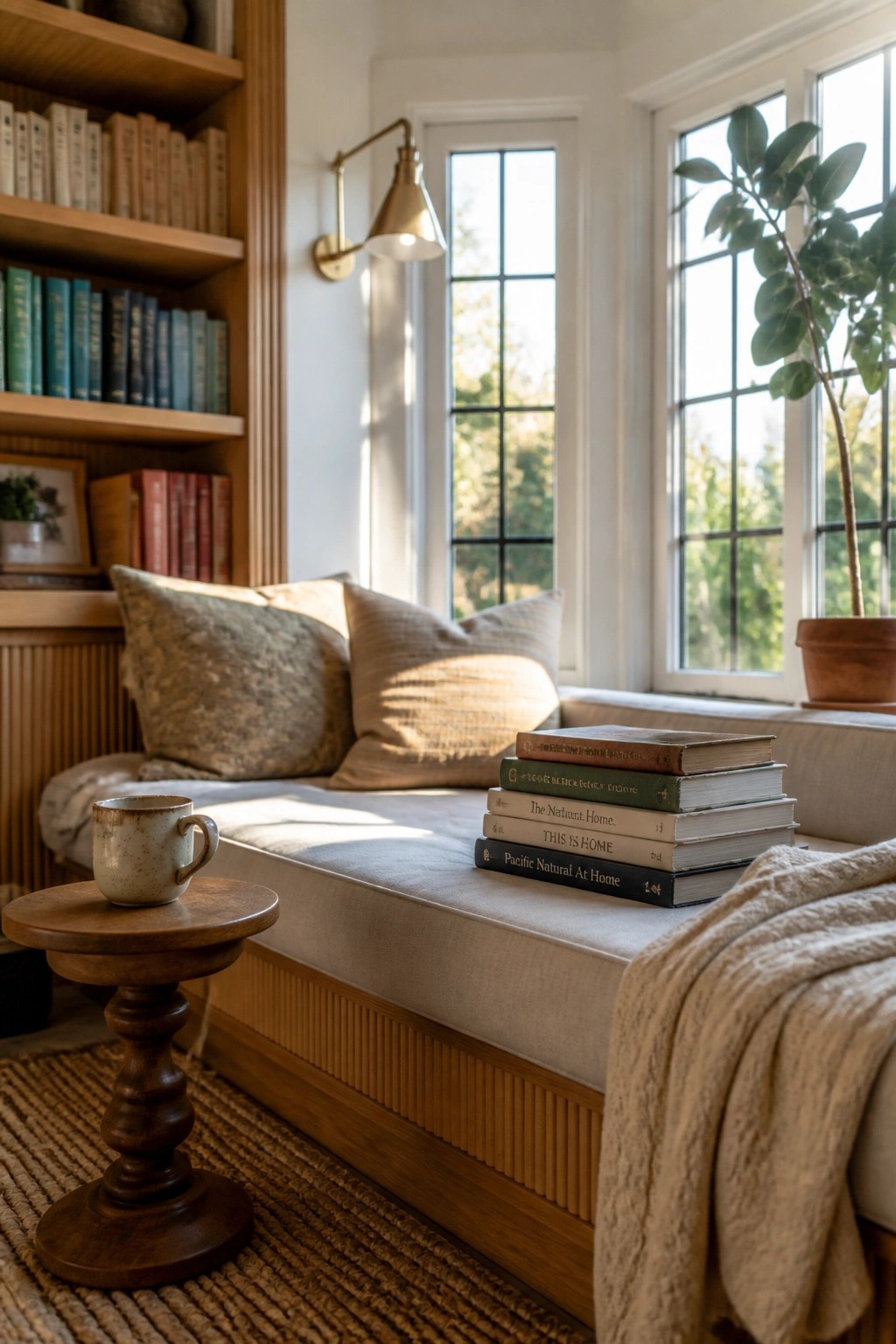
A window seat built into a corner with nearby bookshelves turns an ordinary window into a practical spot for reading. The cushion and pillow setup makes it comfortable enough to stay for a while, and the shelves keep your books within reach without cluttering the rest of the room.
This works best in smaller homes or any space that already has a good window. Make sure the seat depth feels right for long stretches, and keep only the books you are actually using nearby so the area stays simple.
A Desk Positioned Under the Window
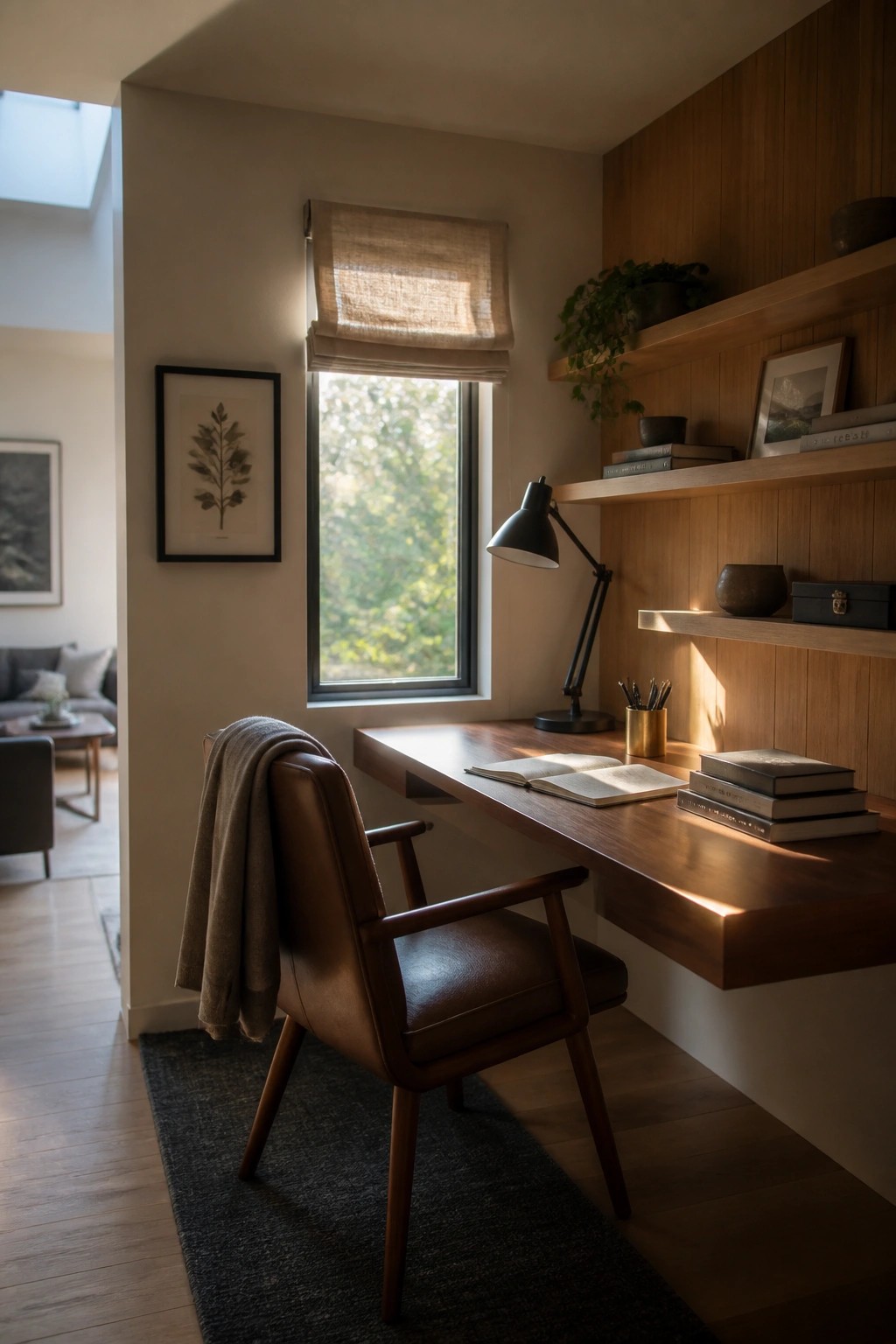
Placing a desk directly under a window brings steady natural light into the workspace without needing extra lamps during the day. This simple move helps the space feel open and keeps the focus on the task at hand rather than on the room around it.
The setup works best in smaller rooms or quiet corners where floor space is limited. Adding a few floating shelves above the desk gives room for books and supplies while keeping everything within reach.
Built-In Alcoves for Quiet Reading
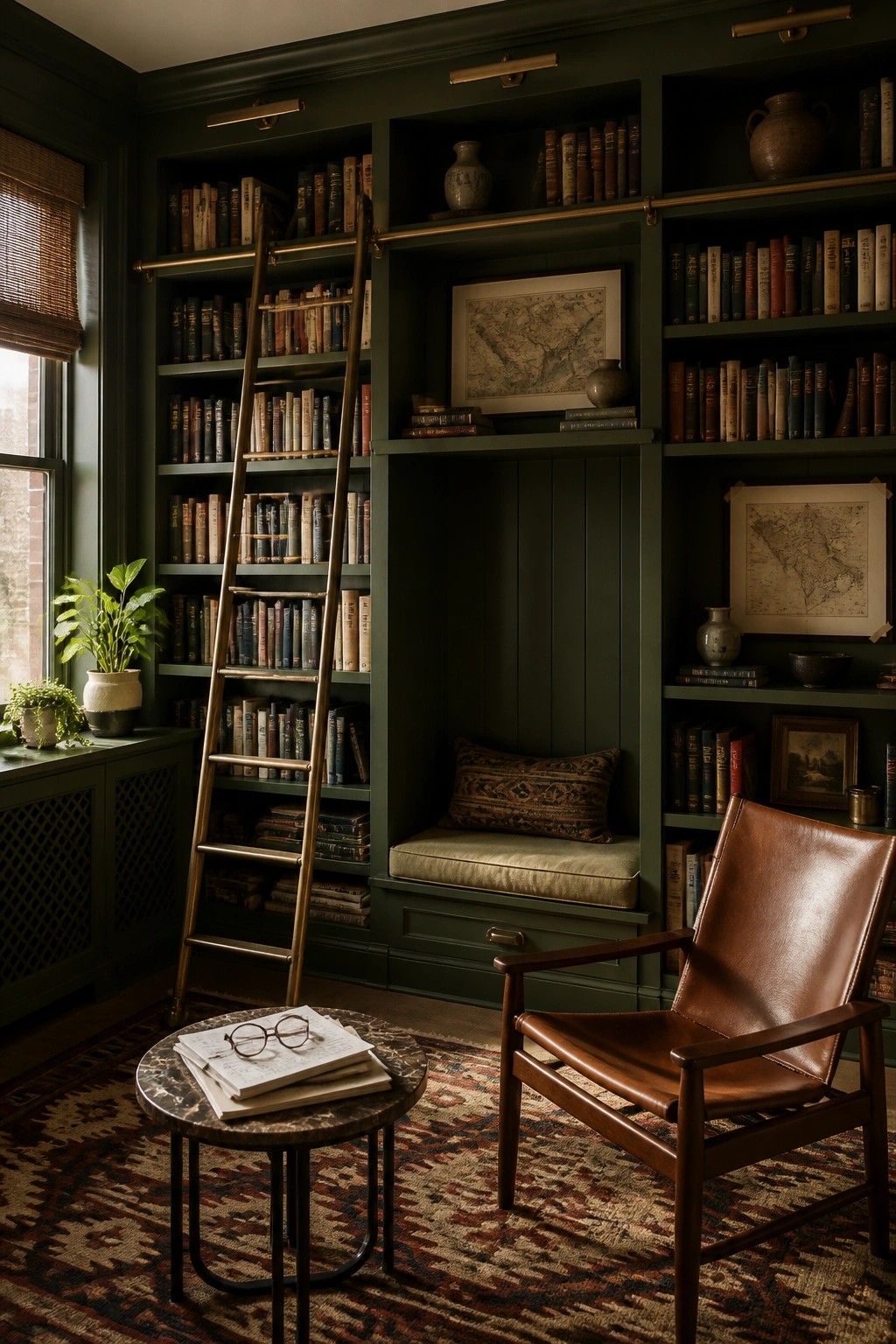
A recessed seat built right into a wall of shelves gives you a private spot that feels removed from everything else. The enclosed space helps limit distractions and keeps books within easy reach without leaving your chair.
This setup suits older homes or rooms with deep walls where custom carpentry is possible. Keep the cushion firm and the depth around twenty inches so it stays comfortable during longer sessions. A rolling ladder adds access to higher shelves without crowding the floor space.
Fit Bookshelves Into Sloped Attic Walls
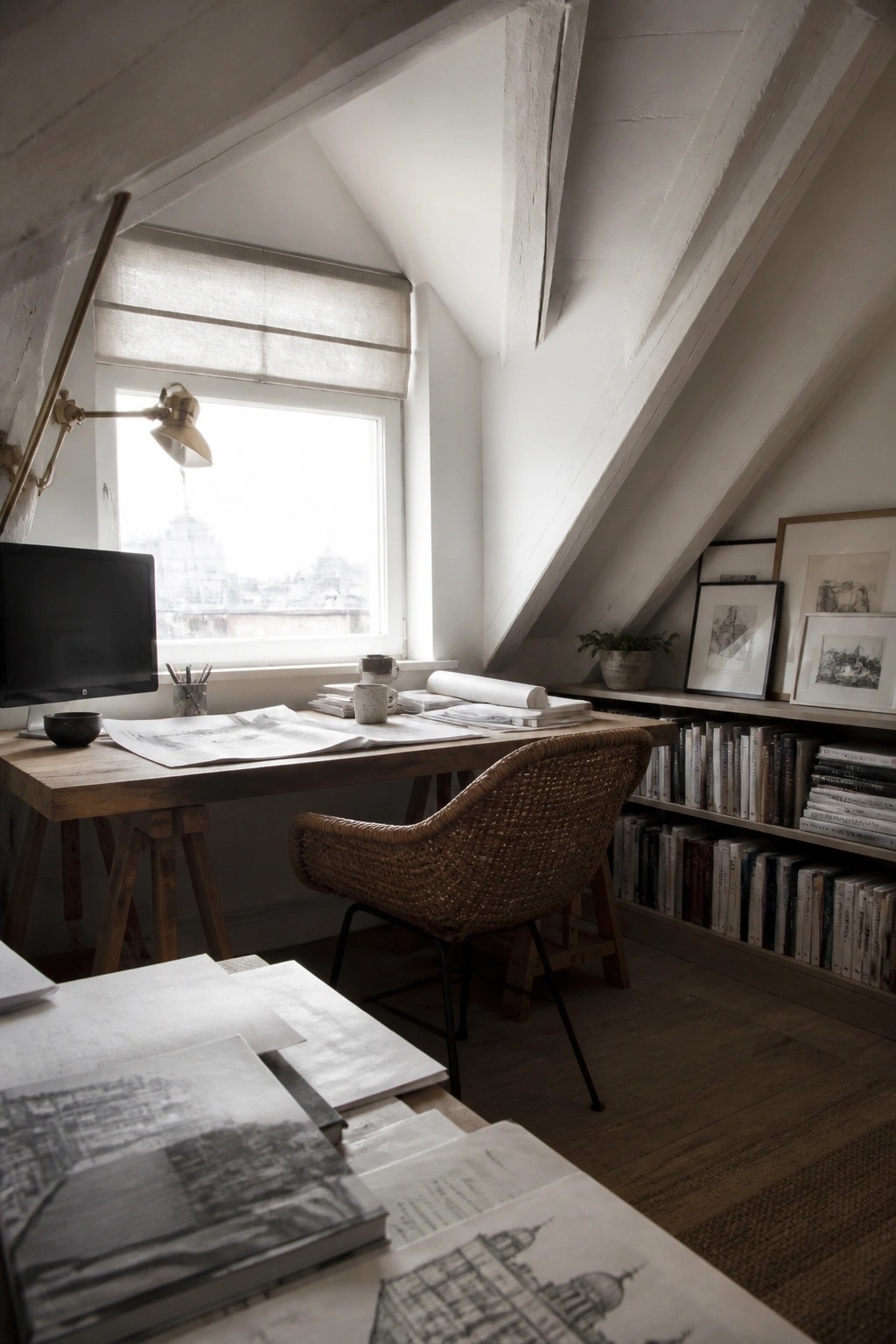
An attic often gets overlooked because the sloped ceilings make standard furniture feel awkward. Running shelves right along the angle of the roof turns that odd shape into useful storage and keeps the room from feeling empty or wasted.
This setup works best in smaller homes or older houses where extra rooms are hard to come by. Keep the desk simple and close to the window so the space stays calm and the books stay easy to reach. Just check that the shelves sit high enough to avoid hitting your head when you stand up.
Desk Tucked Under a Window
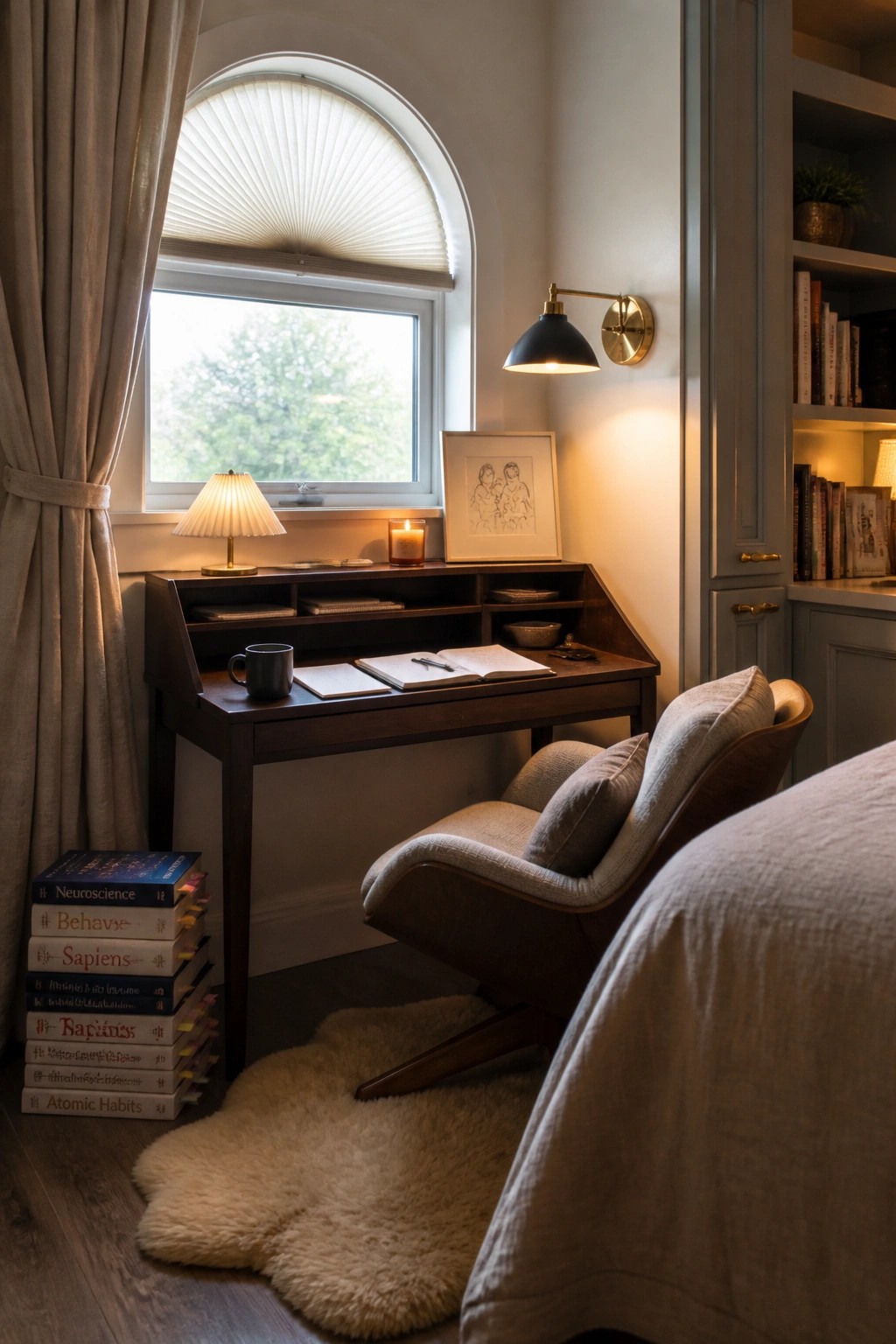
A desk placed right under a window gives you steady natural light and a quiet view that helps with focus. The built-in compartments keep notebooks and small items sorted without needing extra shelves or boxes nearby.
This setup works best in bedrooms or narrow corners where space is tight. Keep the surface clear except for what you are using that day, and add a comfortable chair that can turn slightly toward the room when you need a break.
Pegboard Walls Help Keep Study Notes Organized
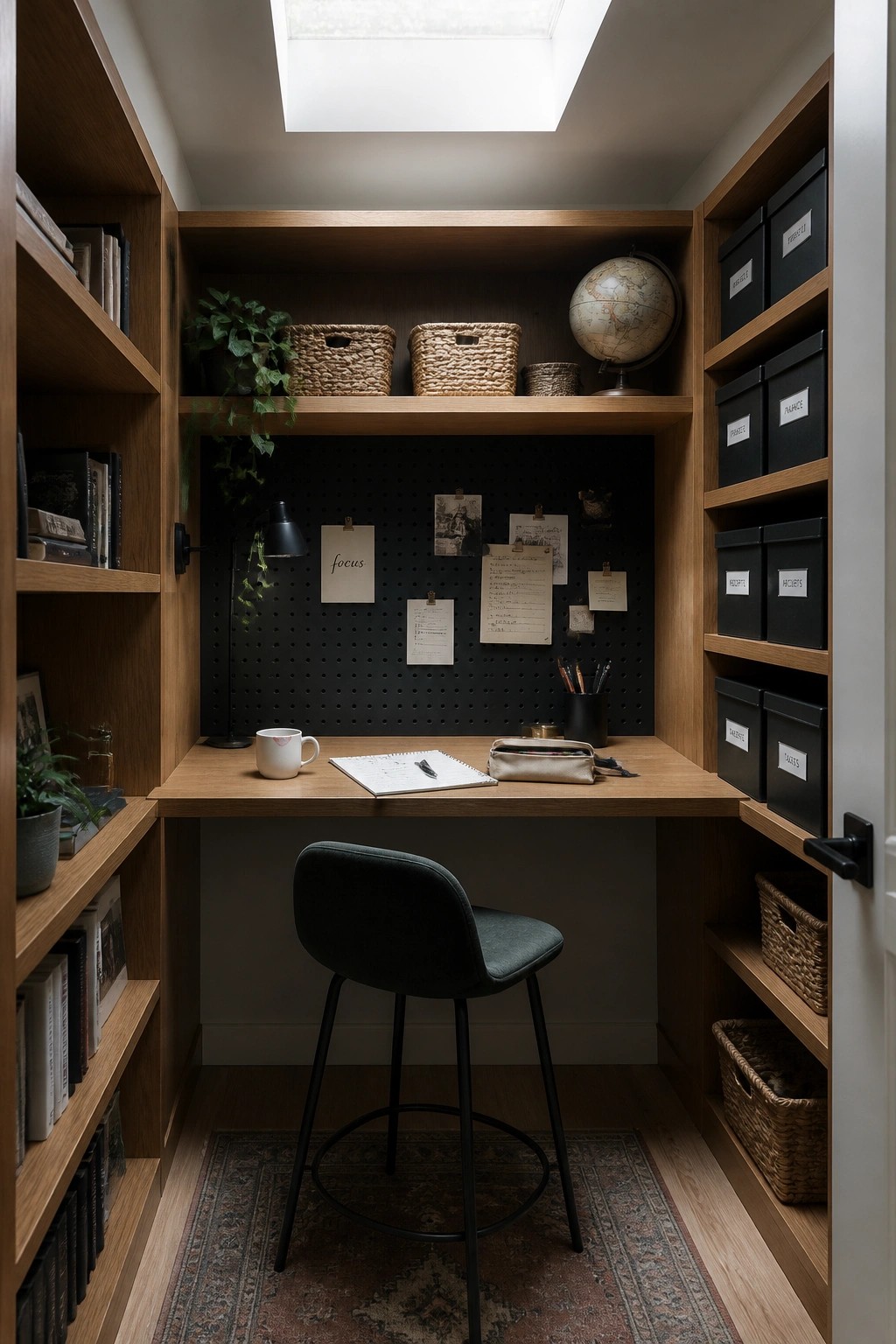
A pegboard wall above the desk gives you a spot to pin notes, schedules, and reminders without cluttering the work surface. Everything stays visible and easy to reach, which helps the space feel more focused during long reading sessions or deep work.
This idea suits small rooms or converted closets where wall space is limited. Pair it with simple side shelves for books and bins, and avoid overloading the board so it stays useful instead of turning into another messy surface.
Desk Next To A Window Seat
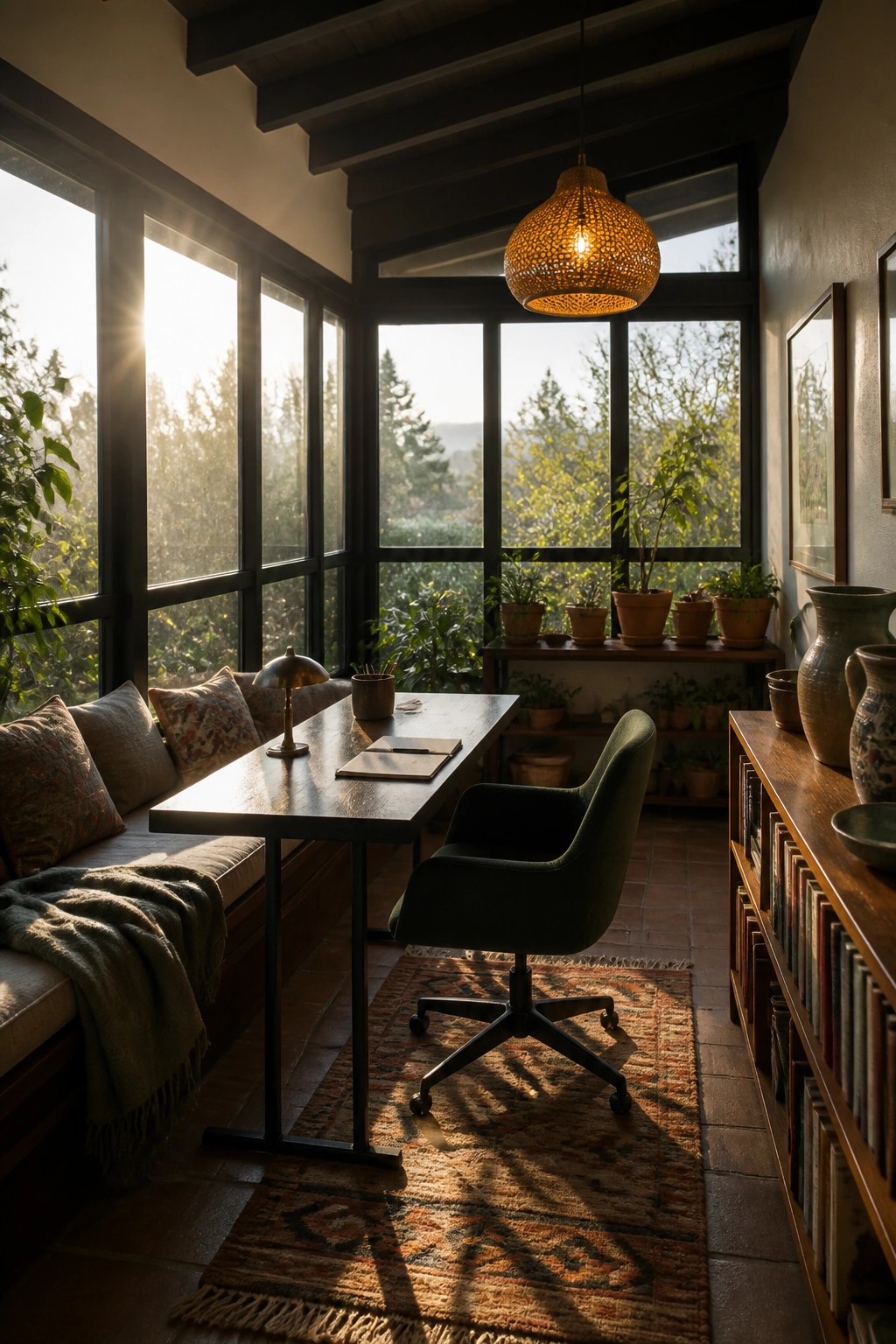
A window seat next to the desk gives you an easy spot to change positions without leaving the room. The built-in bench brings in extra light and makes the whole area feel more open during long reading or writing sessions.
This layout works best in rooms that already have deep windows or a quiet view. Keep the cushions simple and low so they do not block the light, and make sure the desk height still lines up comfortably with your chair.
Create A Small Desk Nook For Deep Work
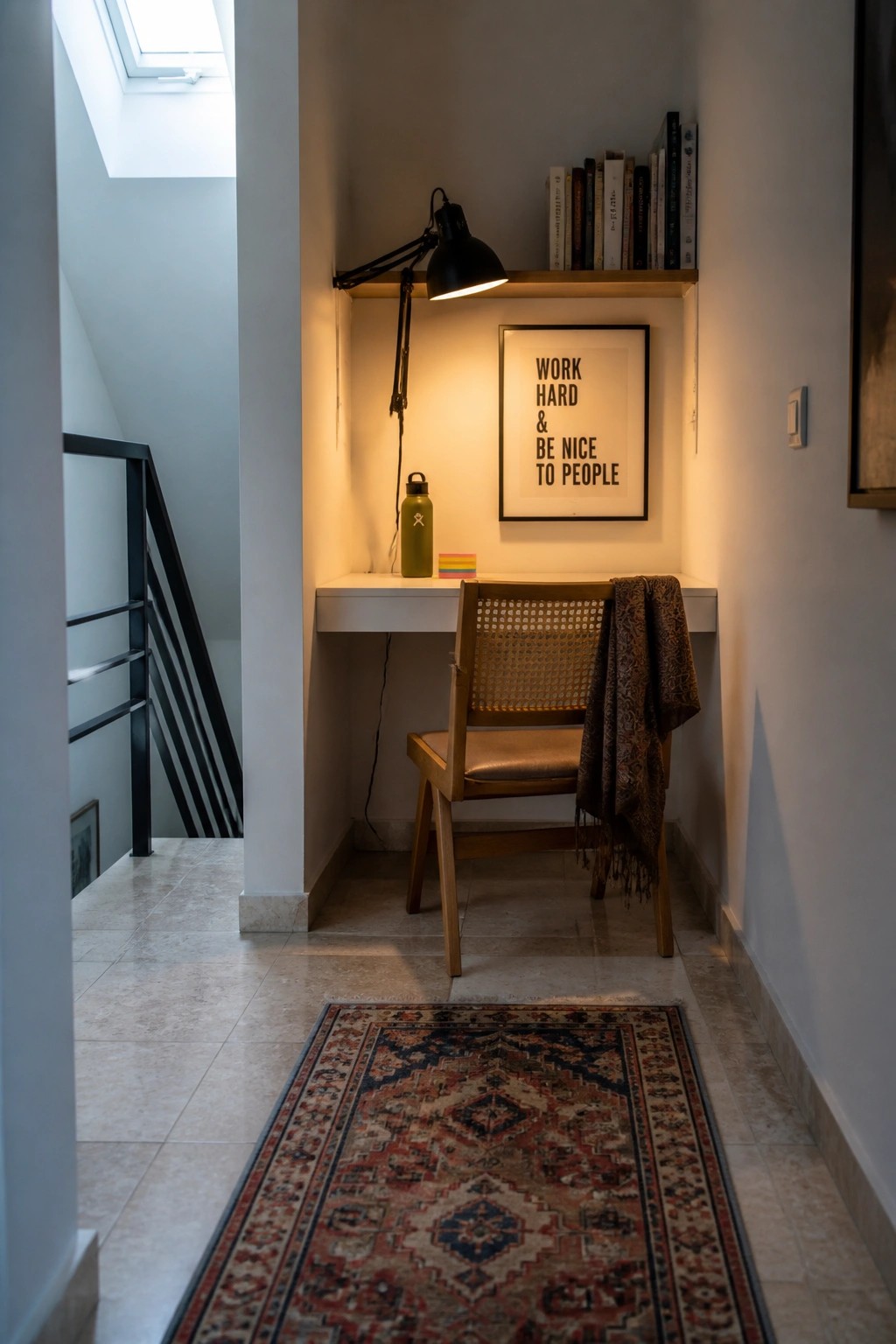
A narrow spot can work surprisingly well for focused reading or writing. All it takes is a basic desk, a shelf overhead, and a lamp that puts light right where you need it.
This kind of setup suits apartments or homes with limited room. Place it away from main traffic, keep the surface clear, and use the shelf for just a few books so the area stays simple and easy to sit down at.
Built-In Bookshelves Around the Desk

Built-in shelves on either side of a desk give the space a clear purpose. Everything stays within reach, and the room starts to feel like a real study rather than just a place to sit with a laptop.
This layout works best in smaller rooms or corners that already have some woodwork. It suits people who want books and papers close without needing to leave the chair, though it does take up wall space that could be used for other things.
Use A Pegboard And Corkboard Wall For Your Study Area

A pegboard and corkboard combination right above the desk gives you a place to pin notes, photos, and quick reminders without piling things on the work surface. It keeps the space feeling open while still letting you see what matters most during a long reading or writing session.
This setup works best in smaller rooms or corners where wall space is limited. Hang the boards at eye level when seated, and rotate items every few weeks so the display stays useful instead of turning into background clutter.
Direct The Light With A Desk Lamp
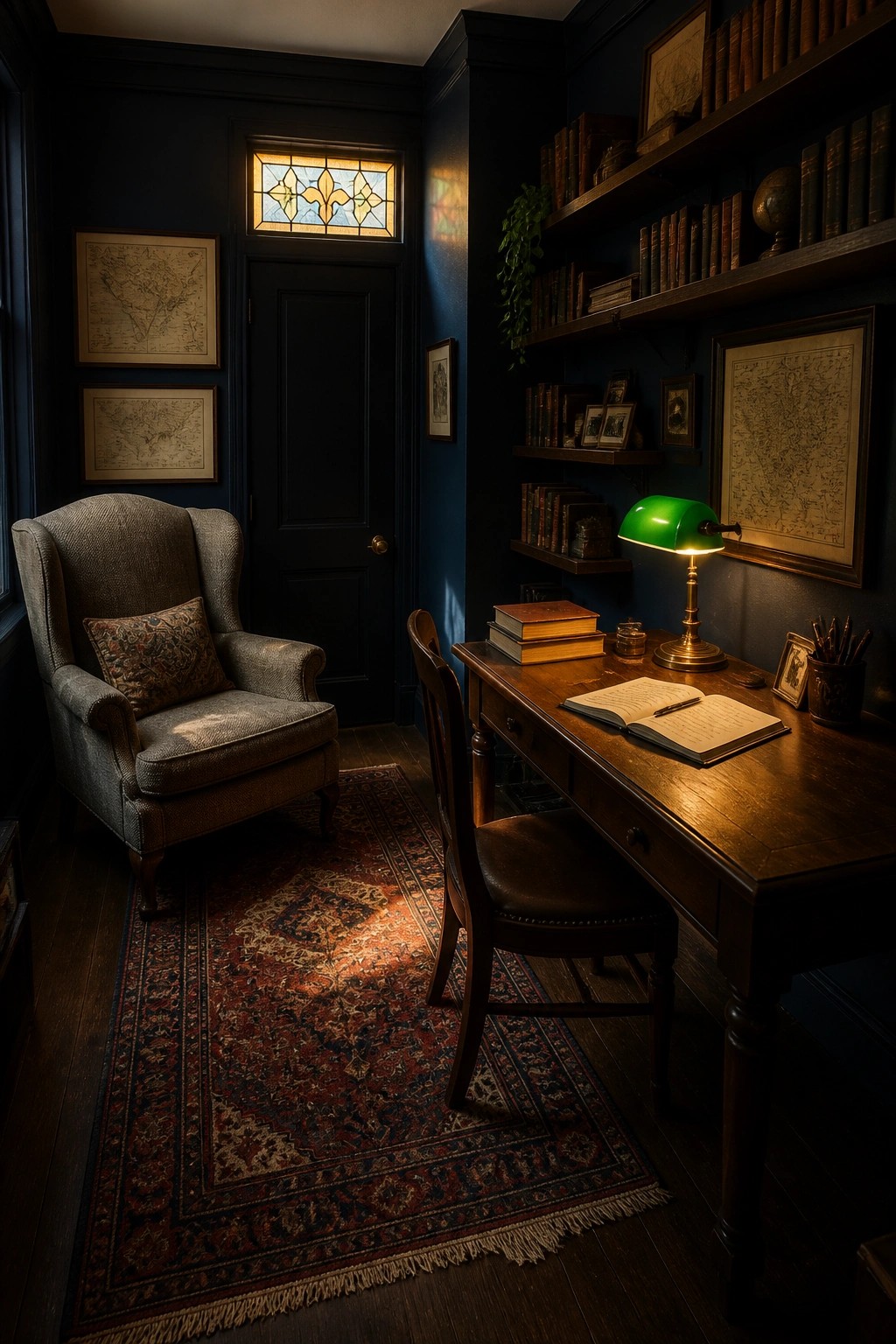
A green shaded lamp sitting on the desk creates a small circle of bright light right over your work. This keeps the focus narrow and helps you stay with the page or the notebook instead of glancing around the room.
It works especially well in a smaller space with darker walls and a reading chair pulled close. Keep the lamp low and the rest of the room softly lit so the desk becomes the main spot for reading or writing.
Desk by the Window
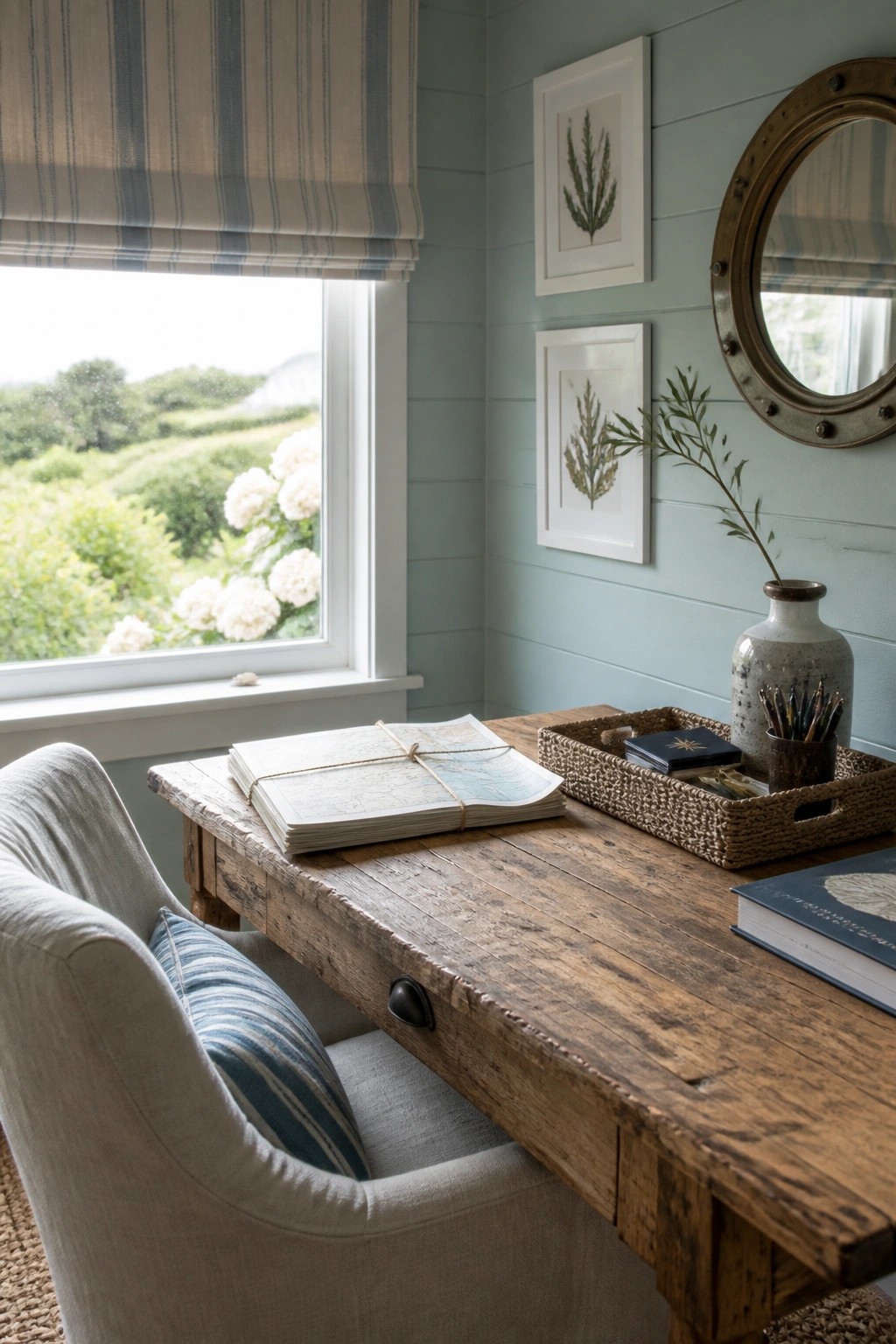
Placing a desk right beside a window brings steady natural light into the workspace and gives the eyes a place to rest during long reading sessions. The view outside also helps the room feel less closed in, which makes it easier to stay focused without needing extra lamps during the day.
This setup works best in a quiet corner of a home where the window faces something calm like trees or open sky. Keep the surface fairly clear so the light and view stay the main features, and choose a chair that is comfortable for hours of sitting.
Built-In Desks In Kitchen Areas

Many homes benefit from adding a small desk right into the kitchen cabinet run. It creates a spot for homework or quick tasks without needing a separate room, and it keeps the user close to the main activity of the house.
This setup works best when the counter height matches a standard desk and a section of lower cabinets provides storage. A simple wall organizer above the desk keeps papers and notes within reach without cluttering the work surface.
Turn a Narrow Room into a Focused Study Nook
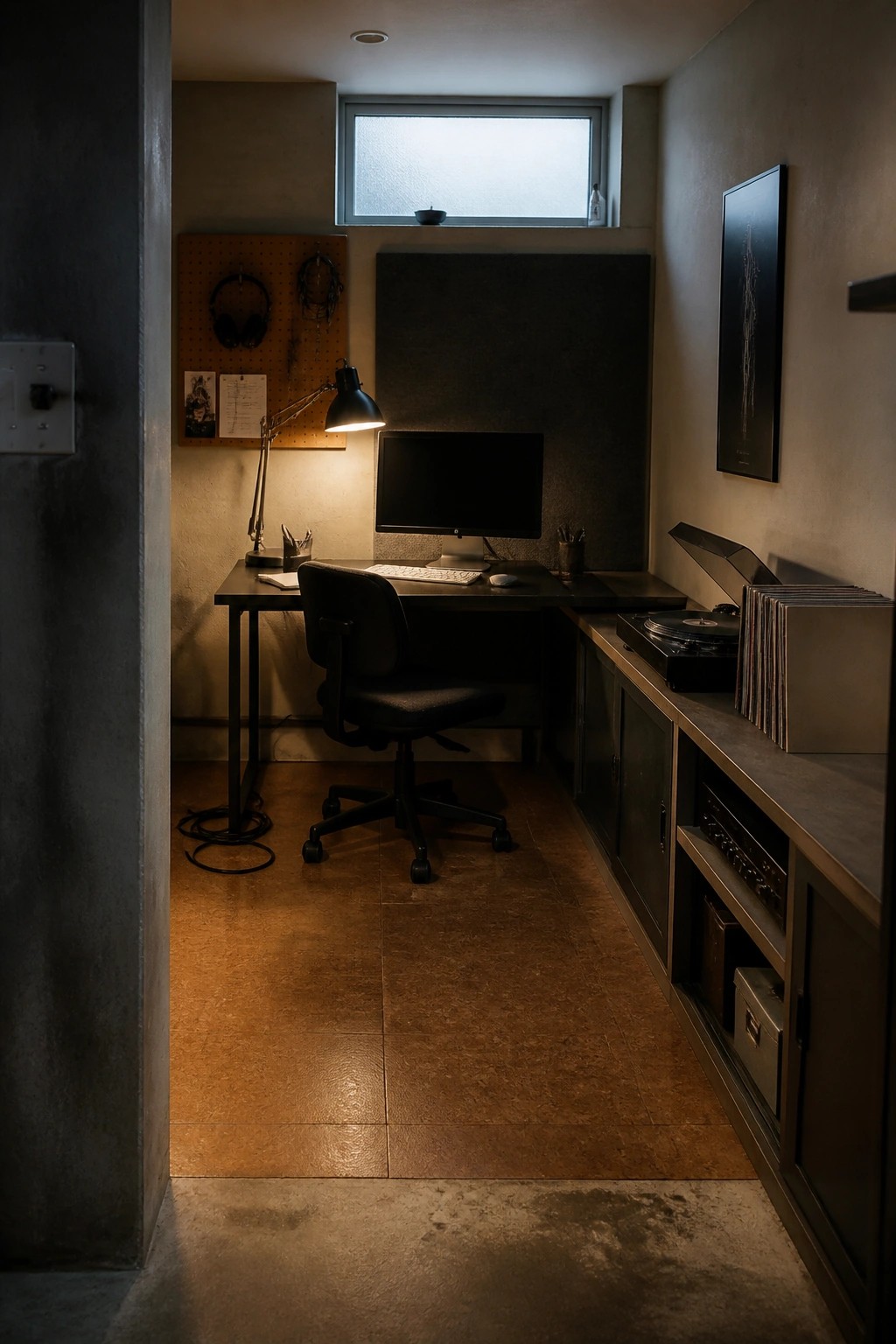
A narrow room can make a strong study space because the close walls reduce outside distractions and help keep your attention on the work in front of you. The contained layout feels purposeful rather than cramped when the desk fits the width and leaves just enough room to move the chair.
Add a pegboard above the desk to hold headphones, notes, and small tools so the surface stays clear. This works well in older homes or apartments where a spare room or wide hallway already exists and does not need major changes.
Low Table With Floor Cushions
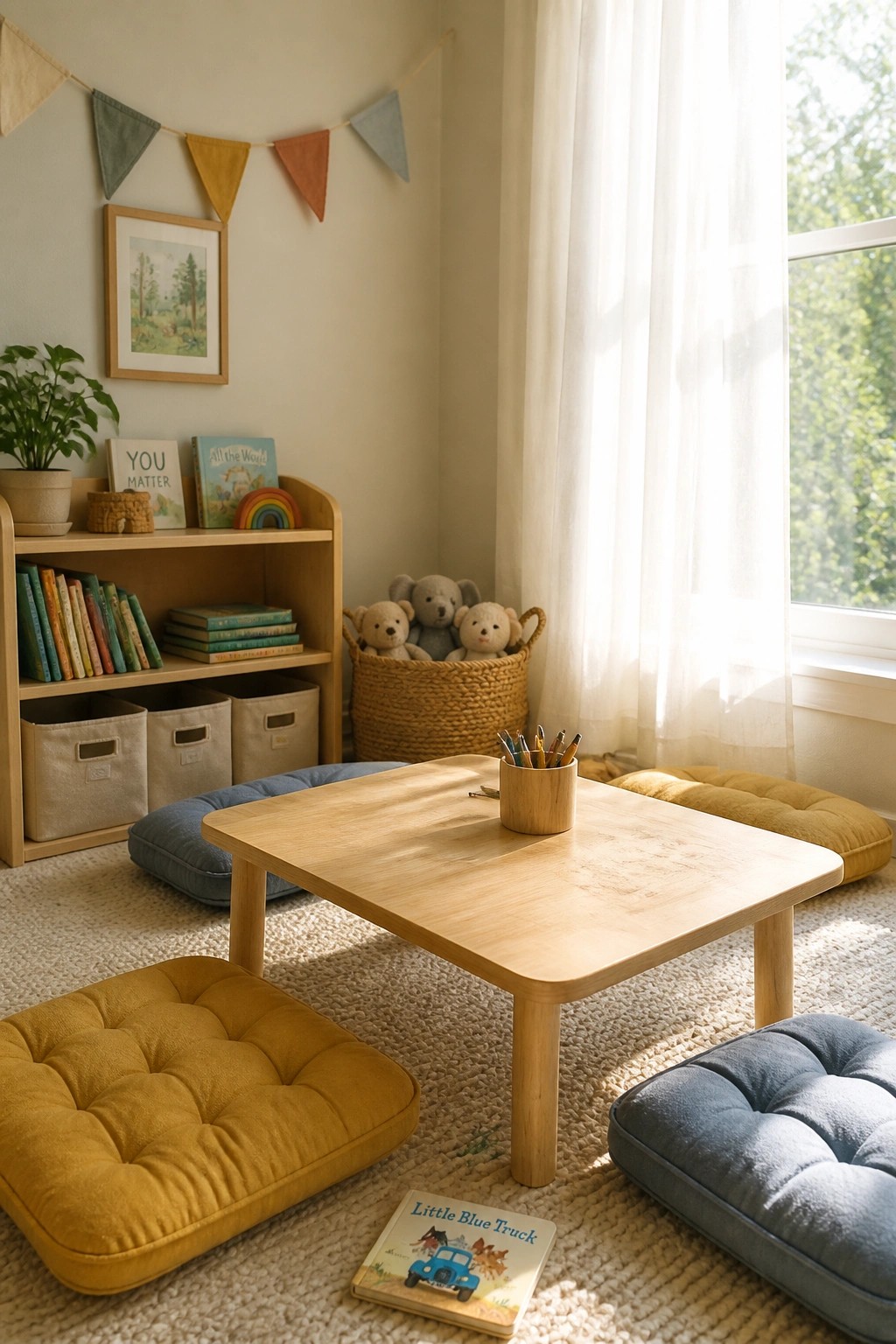
A low table paired with floor cushions creates a simple reading spot that feels grounded and easy to use. Kids can sit close to the surface without needing chairs, which keeps the area open and less cluttered.
This works best in smaller rooms or homes that want a flexible setup for books and quiet time. Keep the cushions soft and add a basket nearby for extra seating when more children join in.
Cabinet Desks That Fold Away
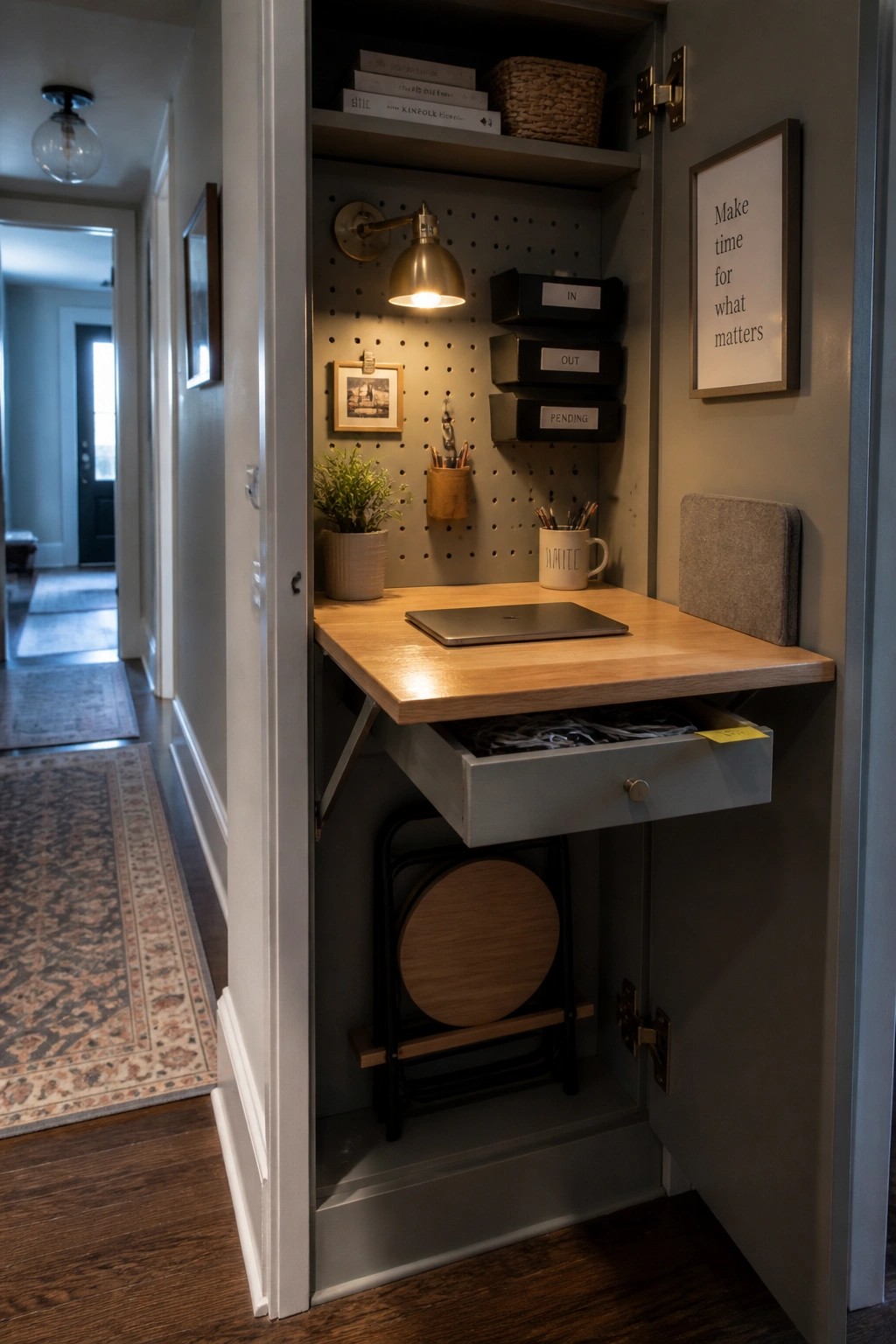
A small cabinet or closet can turn into a focused workspace when you add a fold-down desk surface. This setup keeps the desk hidden most of the time so the room stays open and calm. It works especially well in hallways or spare corners where a full desk would feel too big.
The surface drops down when you need it and tucks back up when you are done. Add a pegboard or a few small bins inside for papers and supplies. This idea suits older homes or apartments that lack extra rooms. Just make sure the cabinet door opens wide enough and the surface sits at a comfortable height.
A Large Table With Task Lamps
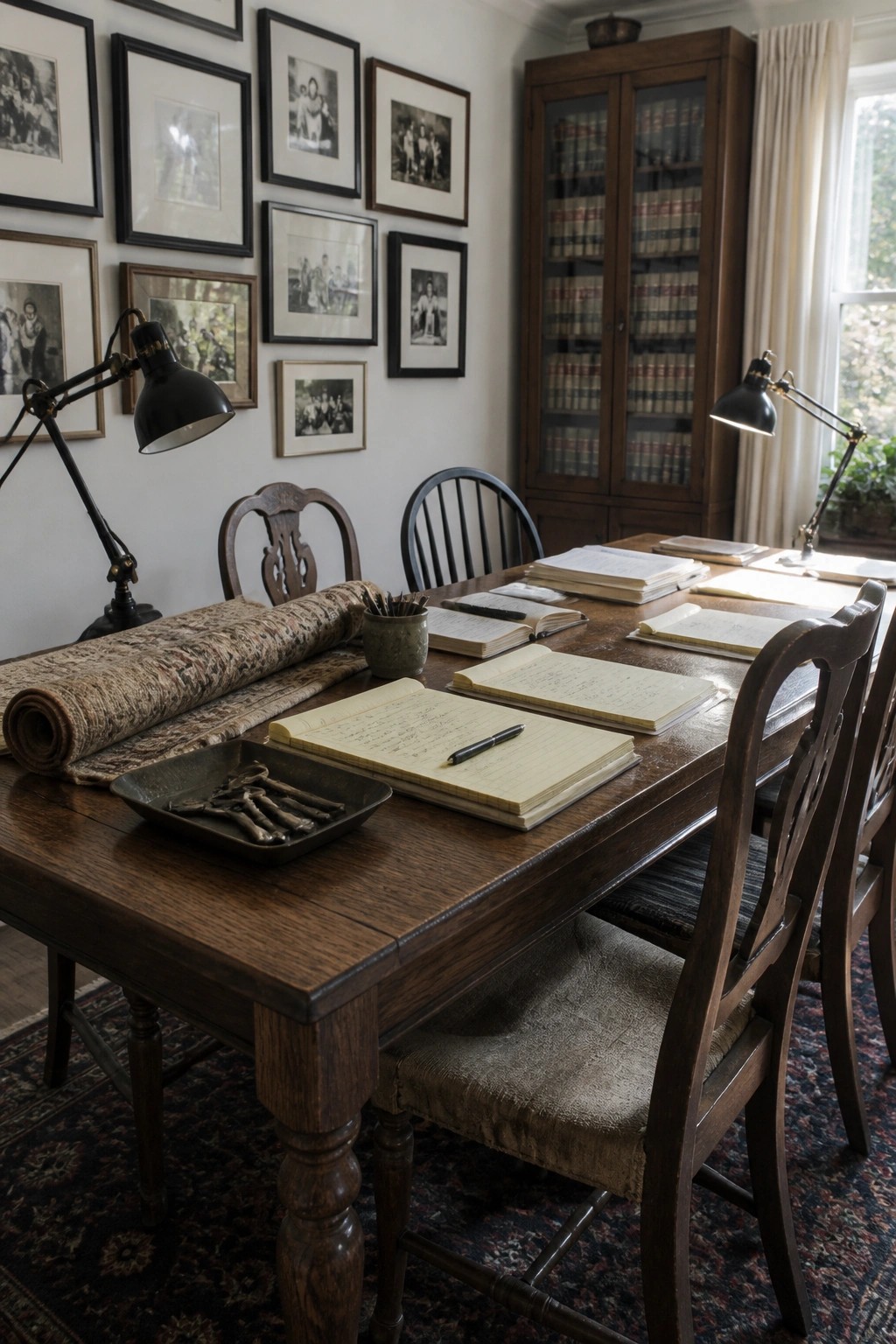
A long wooden table works well for deep work because it gives you room to spread out papers and books without crowding yourself. Placing a lamp on each end keeps the light directed at the work surface instead of relying on one overhead fixture that can create shadows.
This setup fits best in a spare room or quiet corner of the house where you can leave materials out. Keep the lamps adjustable so you can angle them as the light changes throughout the day.
Low Floor Desks For Focused Reading
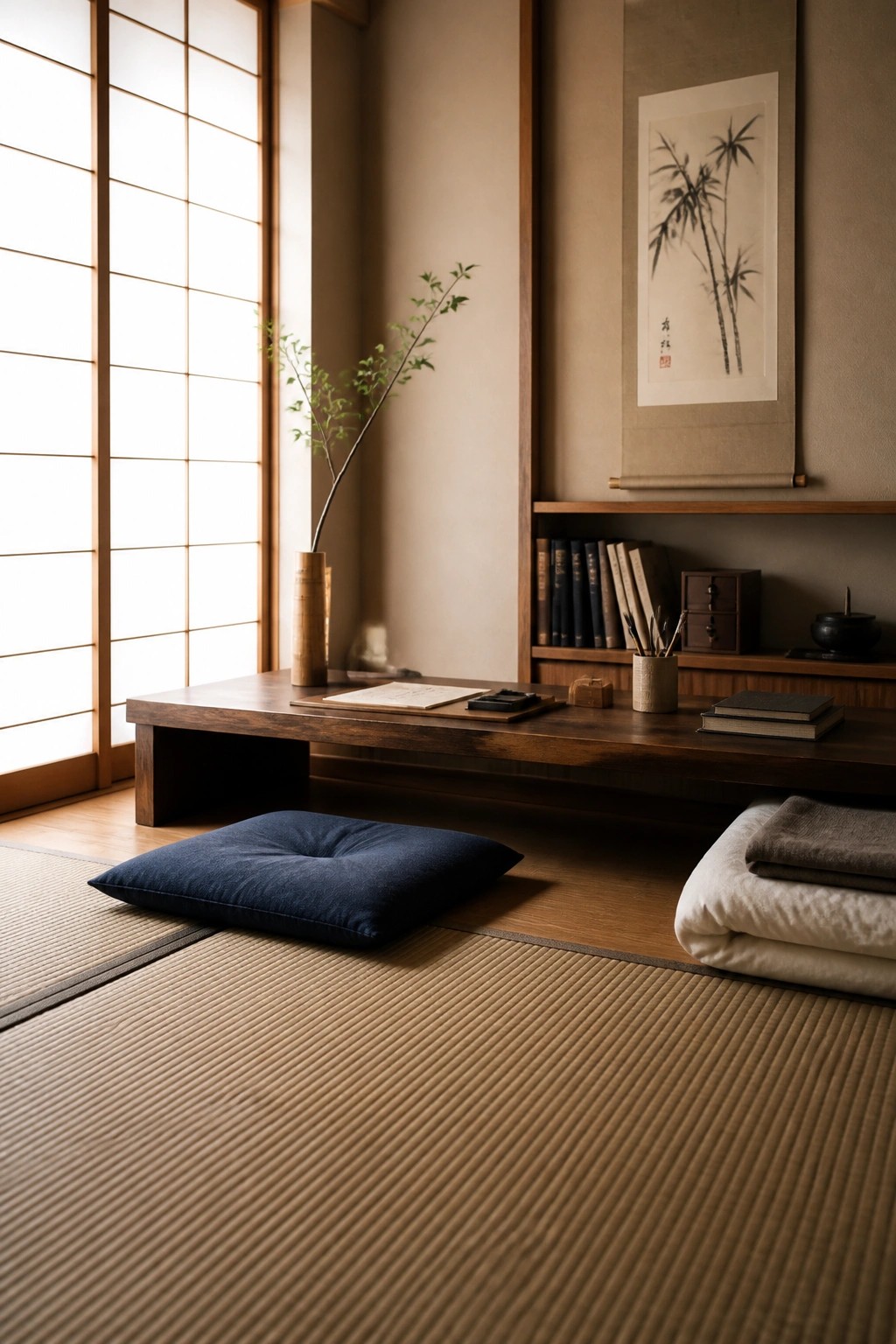
A low table placed directly on the floor creates a simple study spot that feels grounded and contained. The setup reduces visual clutter and encourages you to keep only what you need close at hand.
This approach works best in smaller rooms or homes that already favor minimal furniture. Place the table near a window for light and use one cushion so the space stays open and easy to maintain.
Dark Walls For Focused Work
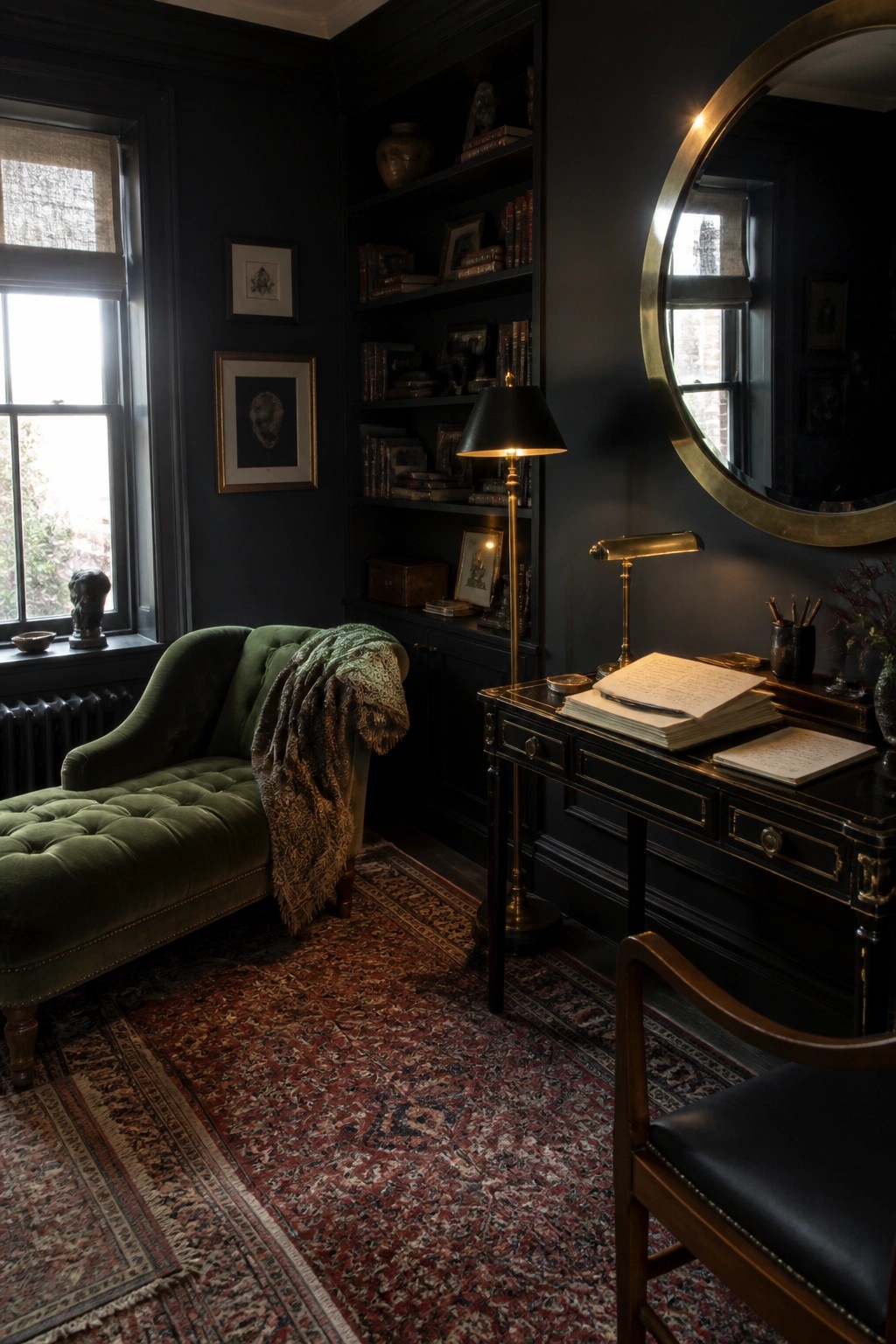
A dark color on the walls can turn an ordinary room into a quiet place for reading and writing. The deep tone absorbs light and softens sounds, which helps keep your attention on the page or screen in front of you.
This works best in smaller rooms that already have built in shelves or a simple desk. Add a couple of lamps so the space stays usable at night without feeling gloomy.
Frequently Asked Questions
Q: How do I keep my study space quiet when the rest of the house gets loud? A: Set up in the spot farthest from hallways or kitchens and face a wall if possible. A folded blanket under the door or over a nearby chair cuts down on echoes fast. Try working there for one full session before you decide it works.
Q: What if I only have a tiny desk and none of the bigger setups fit? A: Clear off everything except your book or notebook and one small lamp. Keep a basket nearby for the rest so the surface stays open. This forces you to grab just what you need and gets you started quicker.
Q: Do I really need to change the space every month to stay focused? A: Shift one thing at a time, like moving your chair angle or swapping the view on the wall. Watch how your attention holds during the next few sessions. Stop once it feels steady instead of forcing more tweaks.
Q: Can I use this setup for both reading and screen work without headaches? A: Place your main light slightly to the side so it hits the page or keyboard evenly. Sit back and check if your eyes need to squint after twenty minutes. Adjust the height once and leave it there.
