

I’ve always noticed that small offices lose their appeal fast when minimalism strips away every sign of daily use.
The real test comes down to choosing pieces that keep the room open yet add enough warmth so it still feels like a place you want to sit in for hours.
Some setups only click once you try them in your own space.
I tend to start with simple changes like swapping out hard surfaces for softer ones because those adjustments often make the biggest difference in how the room functions over time.
What usually surprises me is how a few thoughtful details can turn a sparse corner into something that actually supports focus instead of fighting it.
Warm Wood Tones for a Minimal Desk That Feels Cozy

A small workspace can still feel inviting when you use natural wood and simple textures instead of keeping everything pale and smooth. The desk surface and chair frame bring enough warmth to stop the room from looking bare.
This approach works best in tight rooms where you want to avoid heavy furniture. Keep the desk floating and choose a chair with a bit of woven detail so the space stays open but never cold.
Built-In Desks With Pegboards For Easy Organization

A built-in desk with a pegboard wall above it gives you storage that stays visible and useful without crowding the surface. The pegs let you hang headphones, a small pouch, or a few tools right where you reach for them, which keeps the space tidy while adding some texture.
This works best in small rooms or corners that need to serve as an office part of the day. Use the pegboard for the things you grab often and leave the desk mostly clear so the whole area feels calm rather than empty.
Wood And Brass For A Warmer Desk

A simple wooden desk with brass details keeps a small office from feeling too stark or bare. The grain and warm metal add just enough life while still leaving the space clean and uncluttered.
This works best in rooms that already have limited square footage. Stick to one main wood tone and a few brass accents so the look stays calm rather than busy.
Layer an Area Rug to Warm Up the Floor

A rug makes a small office feel more settled without adding extra furniture or clutter. The soft surface and pattern break up the wood floor so the space stays simple but never looks bare or cold.
Pick a rug large enough to sit under both the desk and chair with room to spare on the sides. This works especially well in tight or angled rooms where you want the workspace to feel grounded and comfortable.
Built-In Desks in Small Closets

Fitting a desk into a closet or alcove gives you a dedicated workspace without taking over a whole room. The wood surface and corkboard bring in enough warmth to stop the area from feeling stark or empty.
This approach suits apartments or smaller homes where space is tight. Stick with natural materials and a few personal touches so the office stays simple but still comfortable to use every day.
Add A Window Seat To Keep A Small Office Cozy

A window seat turns a basic desk area into something you actually want to sit in. The cushion and soft pillow make the spot feel finished without adding clutter, and the woven baskets tucked underneath handle storage so nothing looks messy or bare.
This works best in smaller rooms that get decent daylight. Keep the desk surface fairly clear and let the seat do the work of making the space feel used and comfortable rather than stark.
Use An Adjustable Desk To Stay Flexible
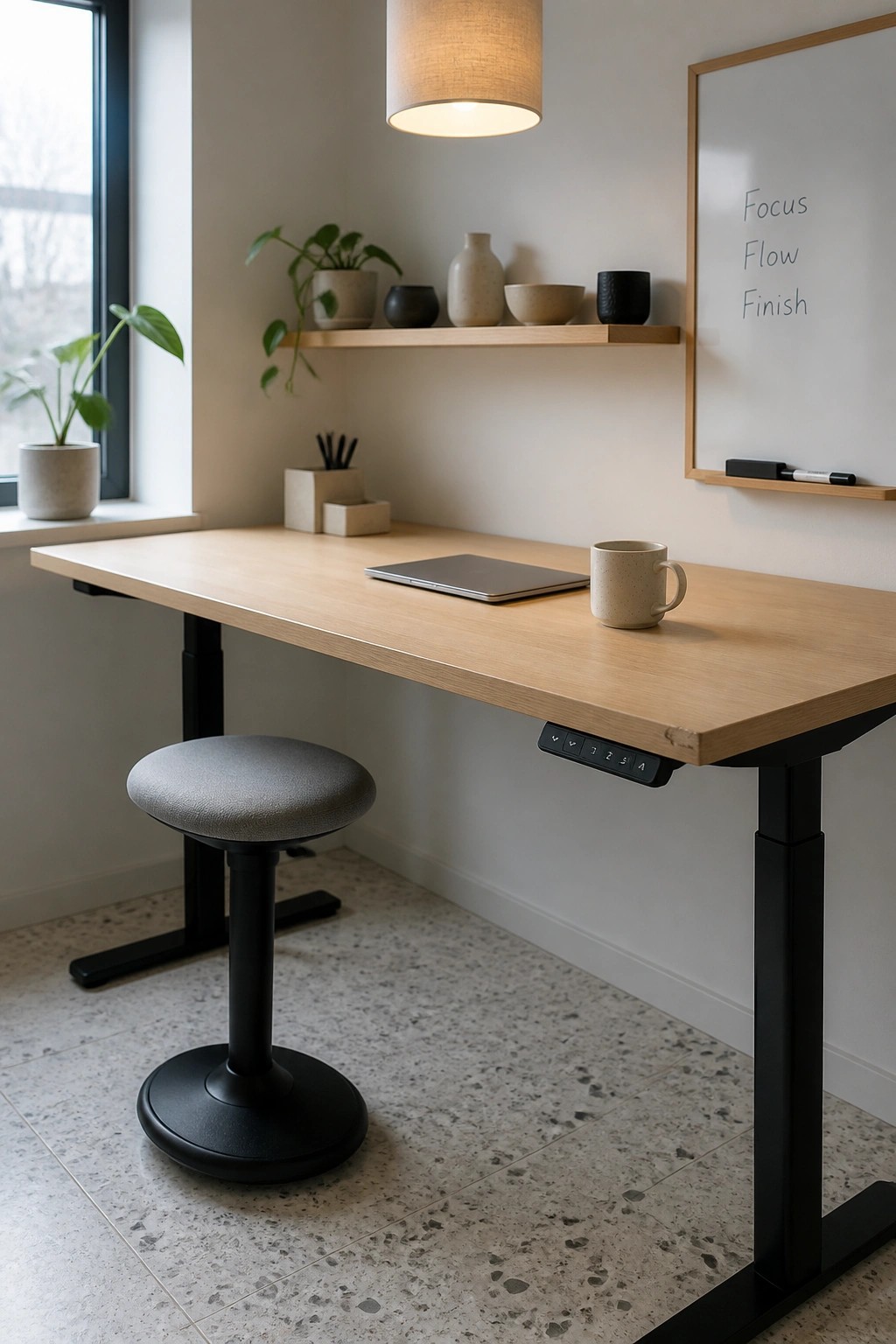
An adjustable desk works well in small offices because it lets you switch positions without crowding the room with extra pieces. The clean lines and simple base keep the space from feeling busy or overdone.
Place it against a wall with a low stool tucked underneath and add a couple of plants for warmth. It suits apartments or spare rooms where the desk needs to handle both work and everyday use without taking over.
Using A Floating Wood Desk In A Small Office
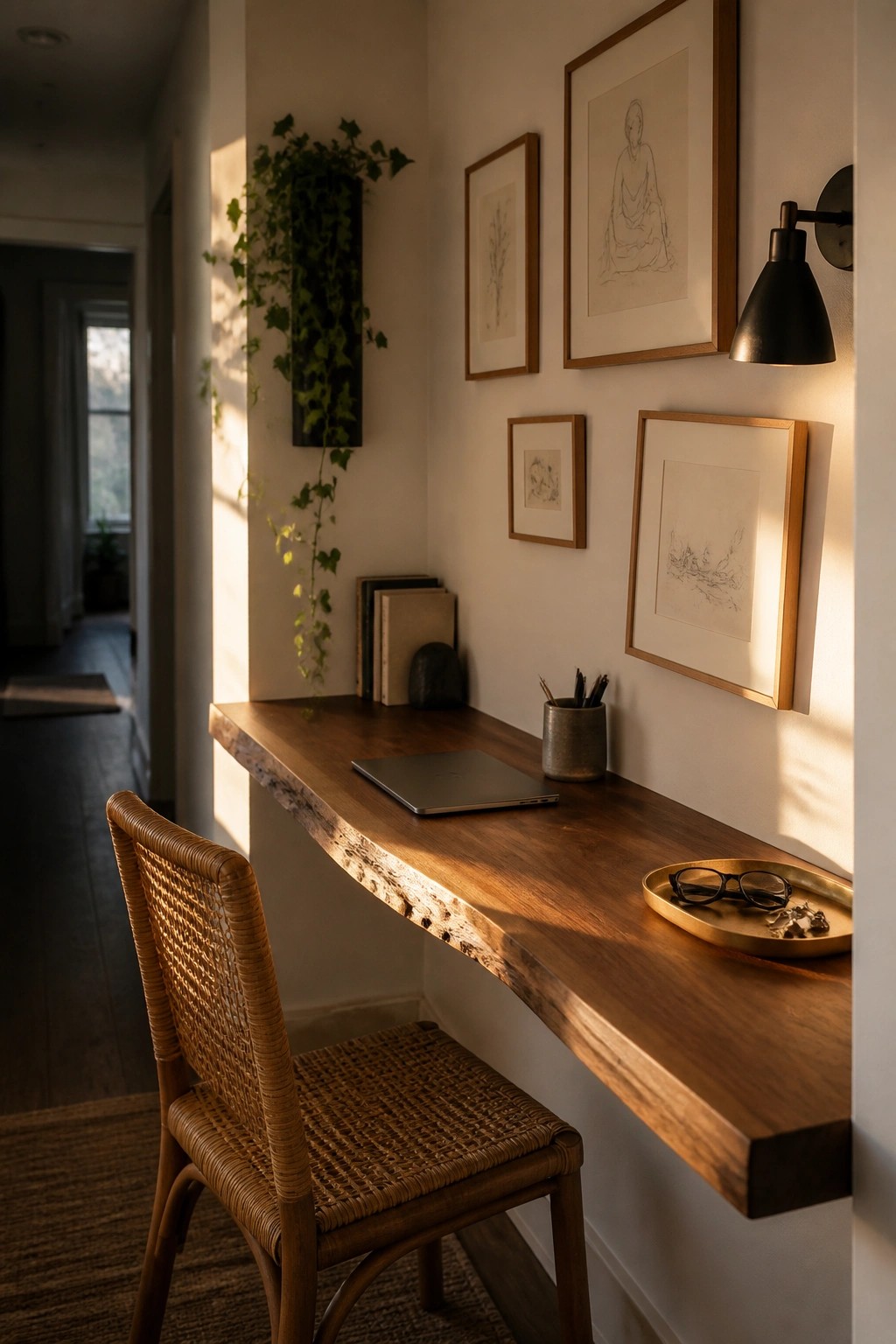
A floating desk cut from a single slab of wood gives a small workspace real presence without crowding the floor. The natural edges and grain keep the area from looking too stark or bare, especially when the rest of the room stays simple.
This approach works best in narrow spots or along a hallway wall where a full desk would feel heavy. Keep the wall above fairly quiet with just a few framed pieces and a small plant or two so the wood stays the main feature.
Low Desks With Floor Seating

A low wooden desk paired with a simple floor cushion on tatami creates a workspace that feels settled rather than sparse. The lower profile keeps the room open while the natural wood and woven mat add texture that prevents the space from feeling bare or chilly.
This setup works best in small rooms where you want calm without adding bulk. Keep the surface mostly clear, add one warm light source nearby, and choose a cushion that is thick enough for comfort during longer sessions. It suits homes that already lean toward natural materials and quiet tones.
Add a Tall Plant for Warmth

A tall plant gives a minimalist office the kind of life that keeps it from feeling bare. The height and soft leaves break up the hard lines of a dark desk without adding extra furniture or clutter.
Put it in a simple pot beside the desk so it sits at eye level when you are seated. This works especially well in small spaces that connect to living areas, where the plant can link the two rooms without closing them off.
Warm Wood Tones For A Minimal Desk

A plain desk can start to feel stark once you strip away the extras. Warm wood brings back some life without adding clutter or extra pieces.
This works best in smaller rooms that already get decent daylight. Keep the desk simple and let the grain and a nearby window do the rest.
Place the Desk by the Window

A desk near a window brings in steady natural light and a view that keeps the space from feeling closed off. In a small minimalist office this simple placement adds warmth and a sense of openness without extra furniture or heavy decor.
It works best in rooms that already have decent daylight. Keep the surface clear except for a few personal items like photos or a plant so the light stays the main feature. Avoid blocking the window with tall storage or thick curtains if you want the room to feel calm rather than stark.
Use Natural Materials To Warm Up A Minimal Desk
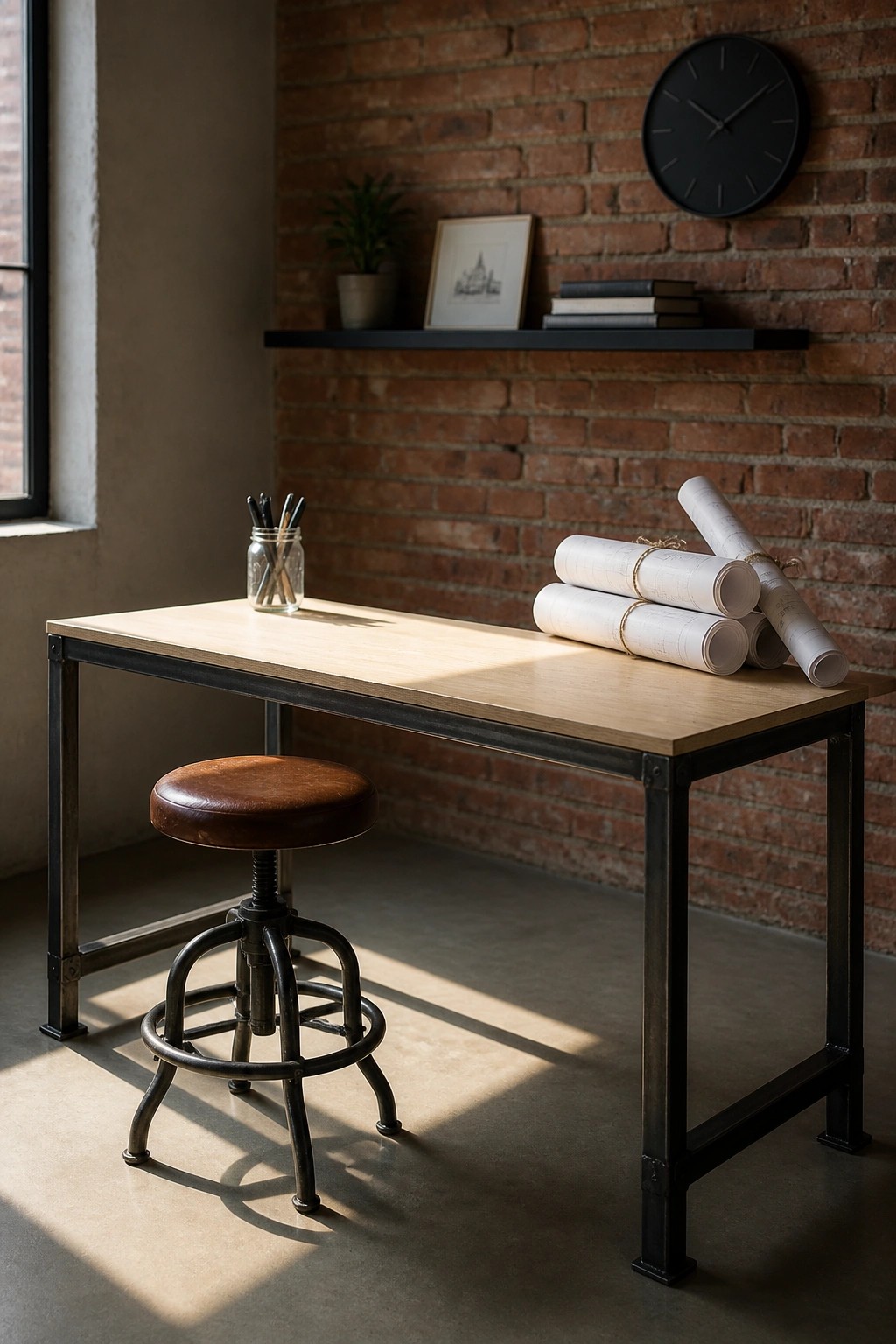
A simple metal frame desk can feel stark on its own. Adding a wood top and a leather seat brings enough warmth to keep the space from looking empty while still staying minimalist.
This approach works well in small rooms where you want clean lines but also need the area to feel usable every day. Stick to one or two natural finishes and let the rest stay simple so the room does not get busy.
Blend Natural Textures With Minimal Furniture

A small office stays minimalist when the main pieces stay simple, but it can still feel cold without something softer to balance all the clean lines. Natural textures like wood and woven seating add that layer without cluttering the space or making it feel busy.
Try pairing a basic white desk with one or two pieces that have visible grain or texture, such as a woven chair or clay pots on the shelves. This works especially well in smaller rooms where you want the area to feel calm but still lived in. Keep the rest of the surfaces fairly open so the textures stand out without competing.
Built-In Desk Nooks In Small Spaces

Many people turn to a built-in alcove when they need a workspace but do not have a full room to spare. The enclosed feel helps the area read as intentional rather than leftover.
Light wood on the desk and a simple overhead light keep the spot from looking stark. This setup suits apartments or any home where the office has to share space with other rooms.
Built-In Wood Shelving Adds Warmth To Minimal Offices
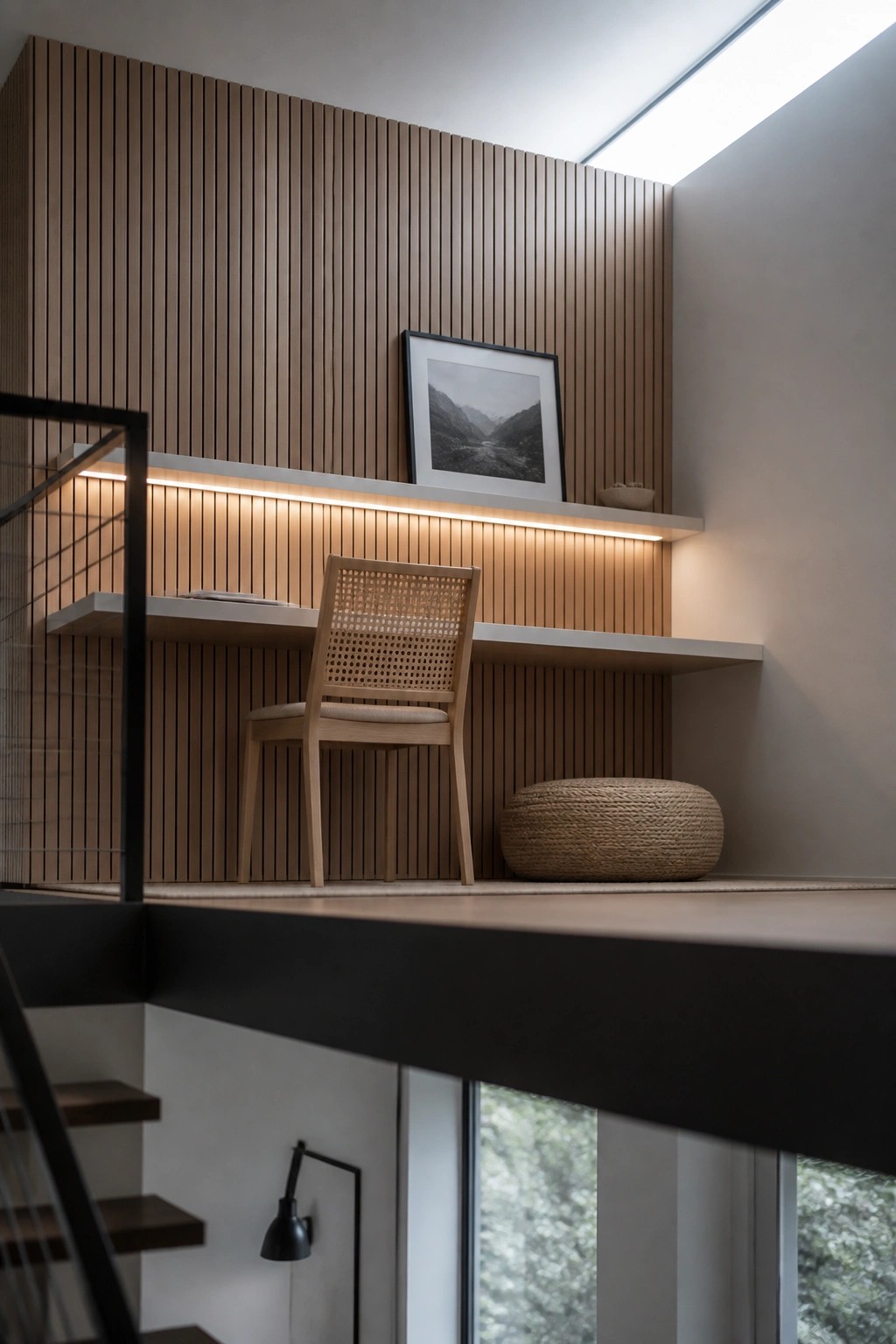
Built-in shelves paired with a wood slat wall give a small office a simple structure without leaving it bare. The natural material and soft lighting underneath keep the space from feeling stark while still staying minimalist.
This approach works well in tight rooms or upstairs nooks where you want storage and a desk without adding extra furniture. It suits homes that already use wood tones elsewhere, and the key is keeping the finish consistent so the whole wall reads as one calm surface.
Fold Down Desks With Built In Storage

A wall mounted desk that drops down gives you a place to work without taking up floor space all the time. The built in cubbies keep papers and supplies close at hand so the surface stays clear, and the wood tone keeps the setup from feeling bare or too stark in a small area.
This works best in hallways, entry spots, or narrow rooms where a regular desk would crowd things. Mount it at a comfortable height and keep the surrounding wall simple so the whole corner stays useful without looking like a separate office zone.
Warm Lighting Softens a Minimal Desk Setup

A single warm desk lamp can keep a small minimalist office from feeling stark. The focused glow creates a cozy spot for work without adding clutter or extra furniture.
Try a simple lamp with a metal finish on a glass desk and pair it with one soft element like a leather seat. This approach suits compact rooms that need to stay practical while still feeling comfortable at night.
Frequently Asked Questions
Q: How do I keep a small desk area from feeling bare once I clear the clutter?
A: Add one textured item like a linen desk pad or a woven chair cushion. These bring depth and invite you to sit without filling the surface with extras. Stick to one or two pieces max so the space stays open.
Q: What works for storage when drawers and shelves already take up too much room?
A: Use a slim rolling cart that tucks under the desk when not needed. Sort papers into a single box on the floor and label it clearly. This keeps everything handy yet out of sight most of the day.
Q: My office still looks cold even after adding a rug and plant. What now?
A: Swap in a warm bulb for the main light and angle it toward the wall instead of straight down. Move your chair so it faces an open part of the room. The shift alone makes the space feel more lived in.
