

Low seating can make a living room feel grounded, but it also changes how people move through and use the space.
I find it works best when the furniture leaves clear paths and the room has enough texture and warmth to keep the lower profile from feeling bare.
Japandi rooms often balance simple shapes with natural materials, so details like a soft rug, timber finishes, and layered lighting can make a noticeable difference.
The first thing I notice is whether the seating feels connected to the rest of the room rather than arranged just to look good in a photo.
I’d save ideas that show how these pieces fit real layouts, then adapt the proportions and materials to suit the way my own household lives.
Keep the Seating Low and Simple
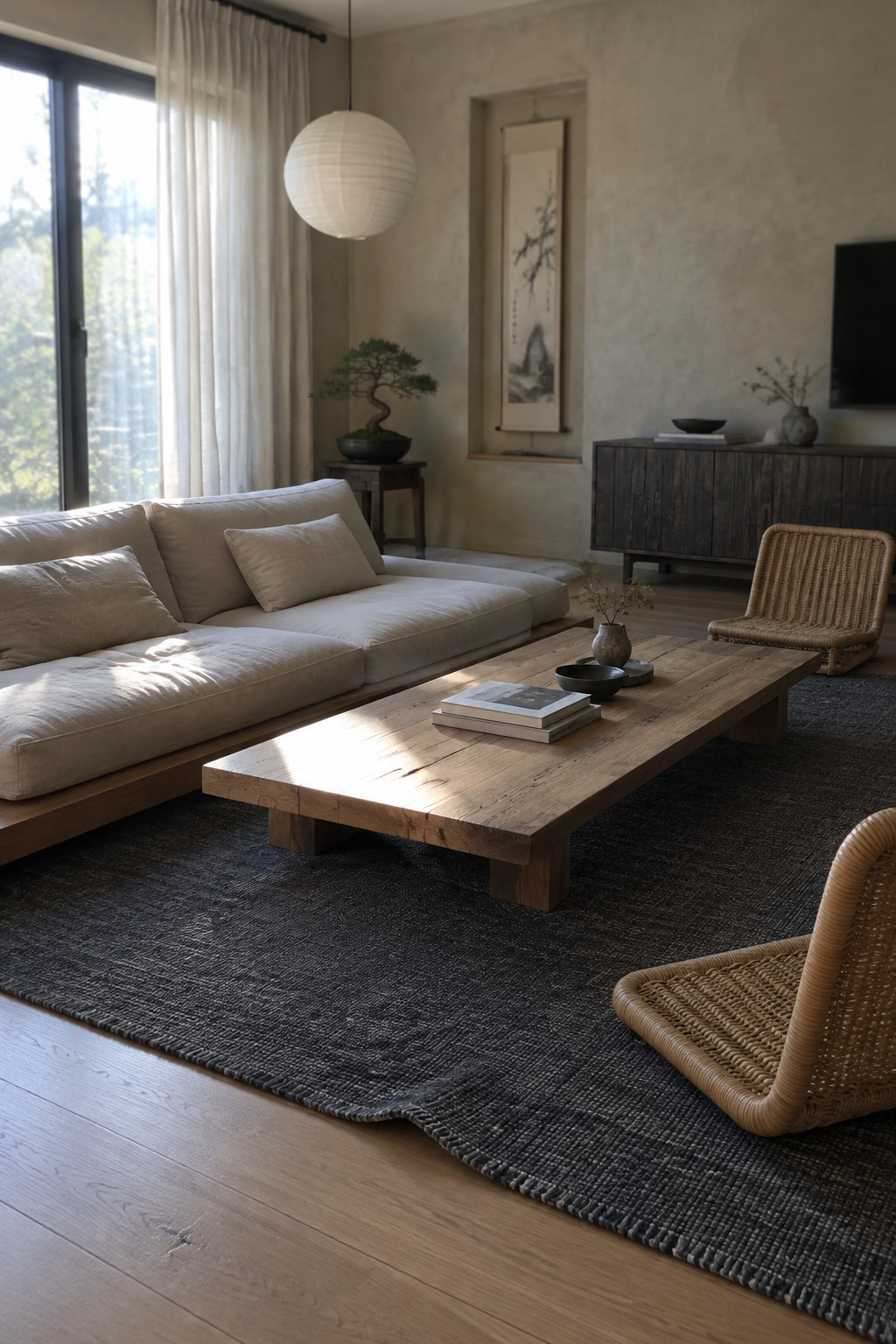
Low seating can make a living room feel relaxed without making it look untidy. A long sofa close to the floor leaves the room feeling open, while a sturdy low coffee table gives people an easy place to set down a book or cup.
This approach suits rooms where you want a calm, informal feel. Choose a sofa with enough depth to lounge comfortably, and keep the table low enough that it does not block conversation. A few cushions are useful, but too many can make the seating feel crowded.
Low Seating Makes a Living Room Feel Relaxed

Low sofas and floor cushions keep the seating area casual and comfortable. A round coffee table makes it easy to gather around without giving the room a formal, upright feel.
This setup works especially well in a living room with enough floor space for cushions and a broad rug. Keep the table low and leave clear paths around the seating so the arrangement stays easy to use.

Low seating works well when it makes the middle of the room easy to use. A sectional placed around a low table gives everyone a place to sit while keeping the arrangement open and relaxed. Here, the cushions sit close to the floor, so the seating feels connected rather than spread across the room.
This layout suits a spacious living room where people gather often. Leave enough room to walk around the seating, and choose a table that is easy to reach from each side. A low table can be practical, but it should not block the main path through the room.
Make Low Seating the Center of the Living Room

Low seating can make a living room feel relaxed without making it look unfinished. A low coffee table and floor cushions keep the conversation area close to the ground, while leaving the room open and easy to move through.
This setup works well in a Japandi-style home, especially with a simple rug to define the seating area. Choose cushions that are comfortable enough for everyday use, and leave a clear path around the table so the room still feels practical.
Use Low Seating to Keep the Room Relaxed

Low seating gives a living room an easy, grounded feel without making it look crowded. Here, the low sofa and window bench keep the furniture close to the floor, leaving the room open around the central table.
This arrangement works especially well in rooms with a long, open layout. Choose cushions that support comfortable sitting, and leave enough space between seats for people to move around easily.
Use Floor Seating to Keep the Layout Open

Low seating works well when you want a living room to feel relaxed without filling it with bulky furniture. Floor cushions and a low round table make the seating easy to gather around, while leaving the room’s sightlines open.
This setup suits a calm, pared-back living room, especially one with a woven rug to define the seating area. Leave enough room between cushions for people to move comfortably, and keep the table low enough to use while seated on the floor.
Let a Low Sofa Shape the Seating Area

A low sectional can make a living room feel relaxed without taking over the space. Its broad, simple shape keeps the seating close to the floor, while still giving people room to spread out.
This approach works especially well in an open living area where you want a clear place to sit without adding bulky furniture. Keep the coffee table low, too, and leave enough space around it for easy movement.
Choose a Low Sofa With a Simple Profile

A low sofa can make a living room feel relaxed without taking over the space. Here, the simple, low seat leaves the room feeling open, while its sturdy wood base gives it a clear shape.
This approach works especially well in a room with generous floor space. Choose a sofa that sits close to the ground, then keep nearby furniture modest in height so the seating area feels easy and balanced.
Use a Built-In Bench for Low Seating

A low built-in bench can make a living room feel settled without filling it with bulky furniture. Here, the long upholstered seat follows the wall, while its wooden base keeps the profile simple.
This approach works well in rooms where you want generous seating but still need an open path through the space. A slim ledge behind the bench can hold a few useful things, but leave enough room for cushions so the seat stays comfortable.
Use Woven Low Seating for a Relaxed Layout

Low seating can make a living room feel easy to settle into without filling up the space. Here, a low woven sofa and matching floor cushions keep the arrangement close to the ground, while leaving plenty of open floor around it.
This approach suits a casual living room, especially one with room for cushions or ottomans to move around as needed. Keep the main seating low and simple, and choose pieces with enough padding for everyday use.
Add a Window Seat to Low Living Room Seating

A built-in window seat gives low seating a useful place to gather without taking up extra floor space. Here, the long bench also offers storage beneath the cushion, which helps keep a simple living room practical.
This idea suits rooms with a wide window or an unused wall recess. Use a firm cushion that fits the bench and leave enough depth for comfortable sitting; the seat should feel like a real place to relax, not just a ledge.
Use a Low Sofa to Keep the Room Open
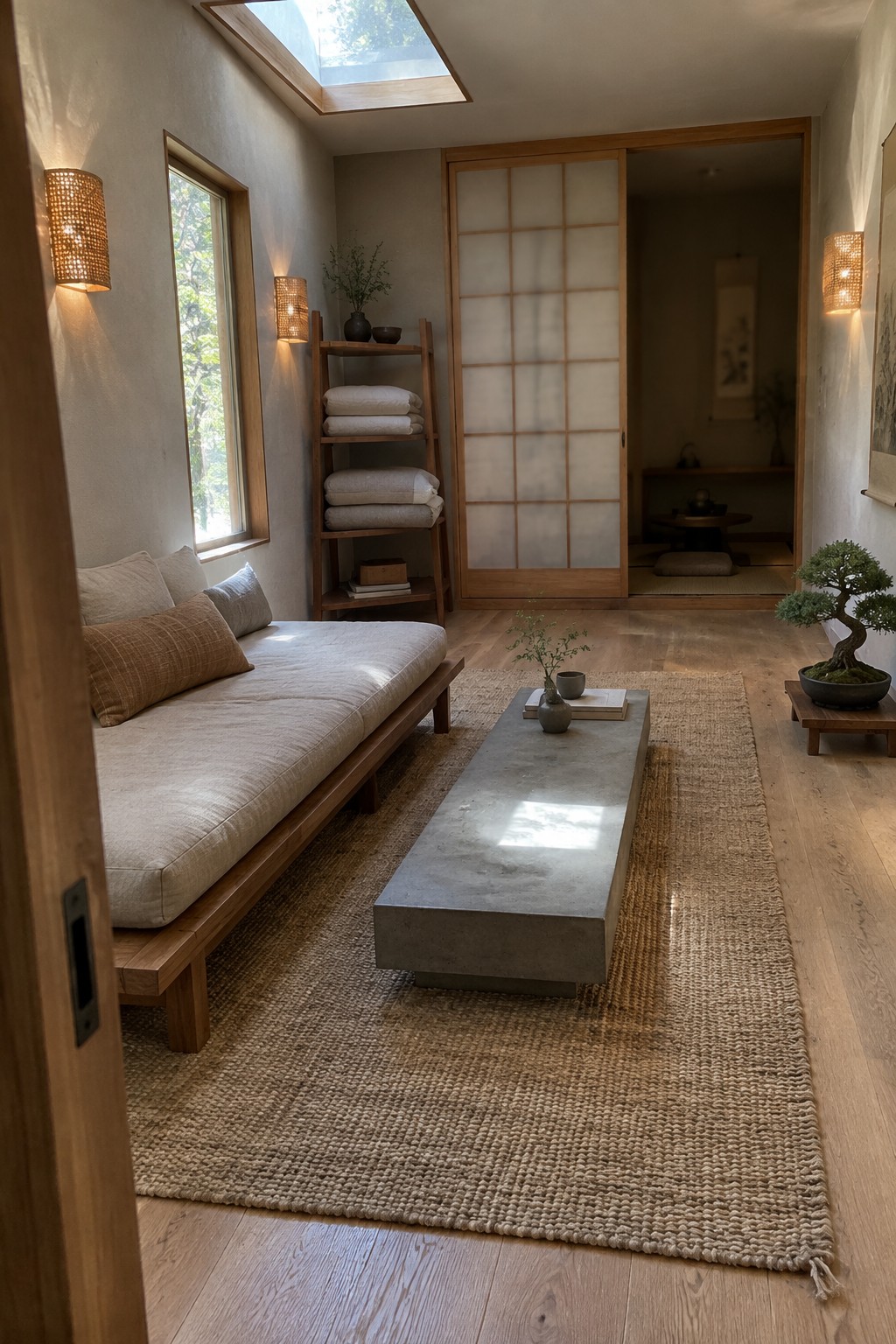
A low sofa can make a living room feel relaxed without taking up too much visual space. Its simple profile lets the room’s other features show through, while still giving people a comfortable place to sit.
This approach works especially well in smaller rooms or homes with a calm, pared-back style. Choose a sofa close to the floor and keep the surrounding furniture low too, such as a simple coffee table. That helps the seating feel connected rather than crowded.
Use a Low Sofa to Keep the Layout Open

Low, simple seating helps a living room feel relaxed without blocking its flow. Here, the sofa sits close to the floor, leaving the window area and wall space open to view.
This approach works especially well in rooms with large windows or a long, low media unit. Choose a sofa with a straightforward shape, then leave enough room around it to walk comfortably.
Use Built-In Seating to Keep the Layout Low

Built-in seating gives a living room a clear, low profile without filling it with bulky furniture. Here, the wood platform wraps around the room and keeps the cushions close to the floor, leaving the center open for a simple coffee table.
This approach works well in a family room where flexible seating and a little extra storage matter. Keep the cushions deep enough for comfortable lounging, and make sure the platform leaves a clear path through the room.
Use a Low Sofa to Keep the Seating Area Open
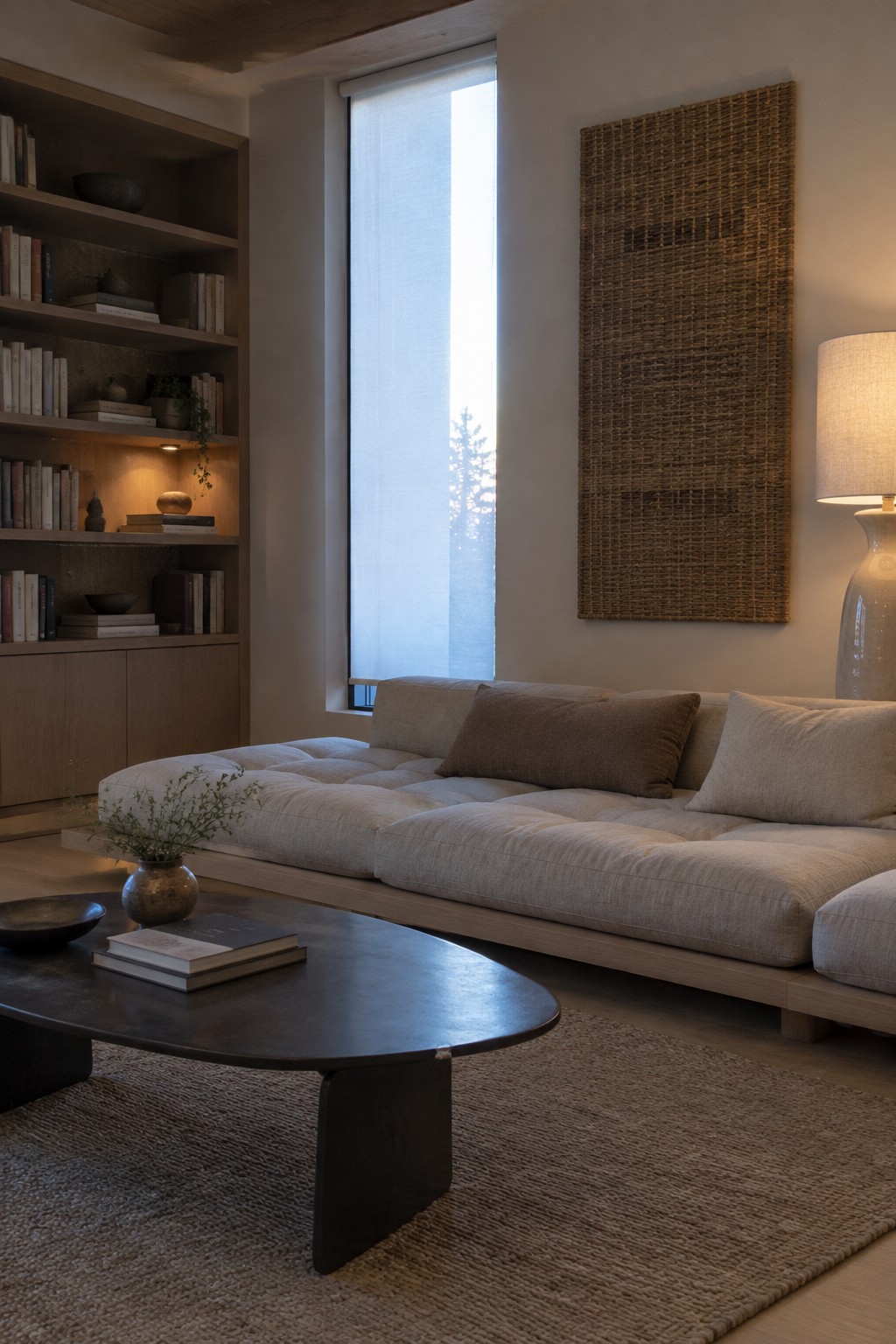
A low sofa can make a living room feel settled without blocking much of the room. Its simple profile leaves more wall visible, so it works especially well in spaces where you want the seating to feel relaxed rather than imposing.
Choose a sofa with a low back and broad cushions, then keep nearby furniture modest in height. A built-in bookcase can still provide storage without making the seating area feel crowded. Just leave enough room to walk comfortably around the sofa.
Use a Low Table to Bring Seating Together
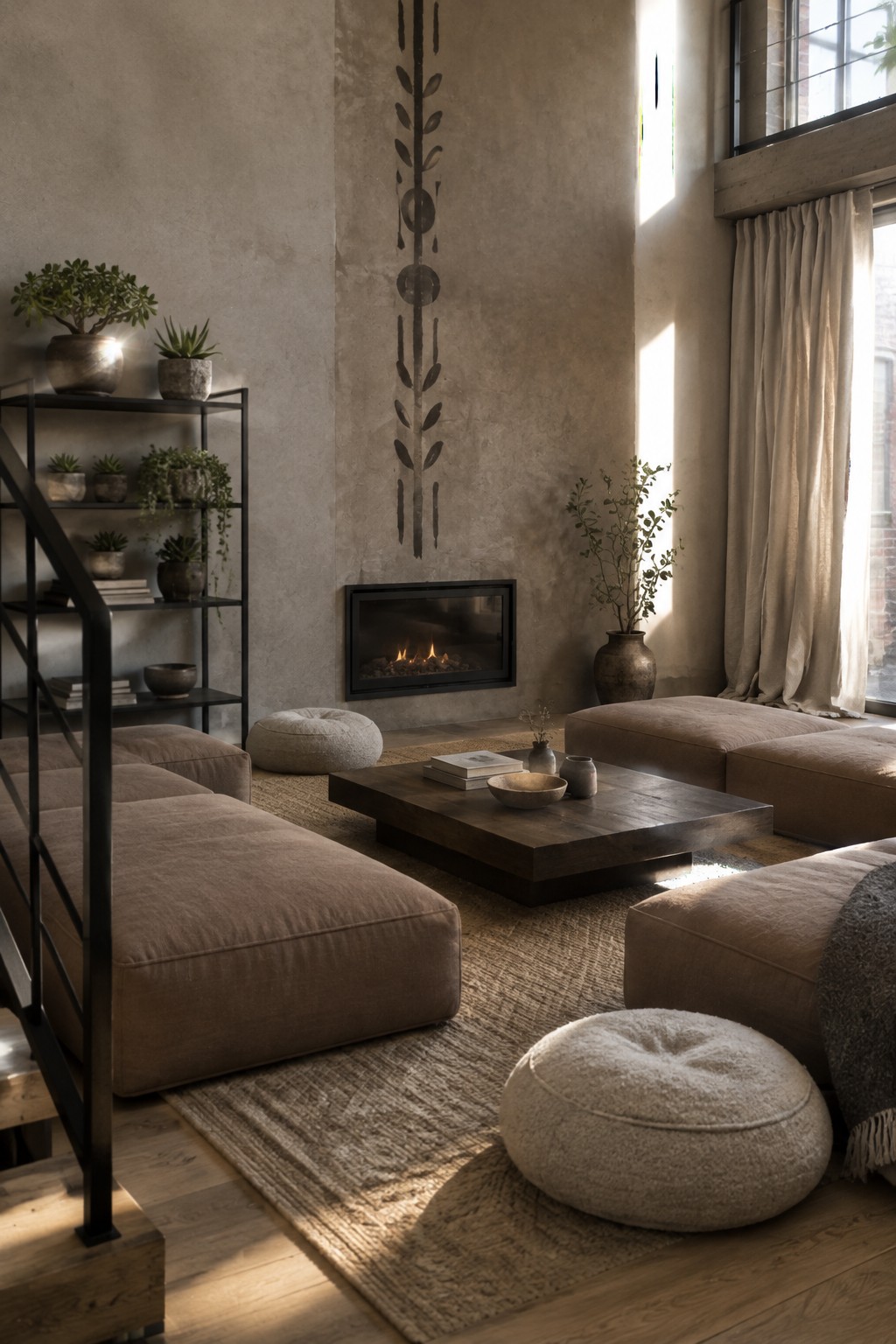
Low seating works best when the center of the room stays easy to reach. A broad, low coffee table gives sofas and floor cushions a shared place to gather without blocking the open feel of the layout.
Choose a table that sits comfortably below the seat cushions, and leave enough space around it for people to move through. This arrangement suits a roomy living area, especially when the seating is spread across more than one side.
Use Floor Cushions for Flexible Seating
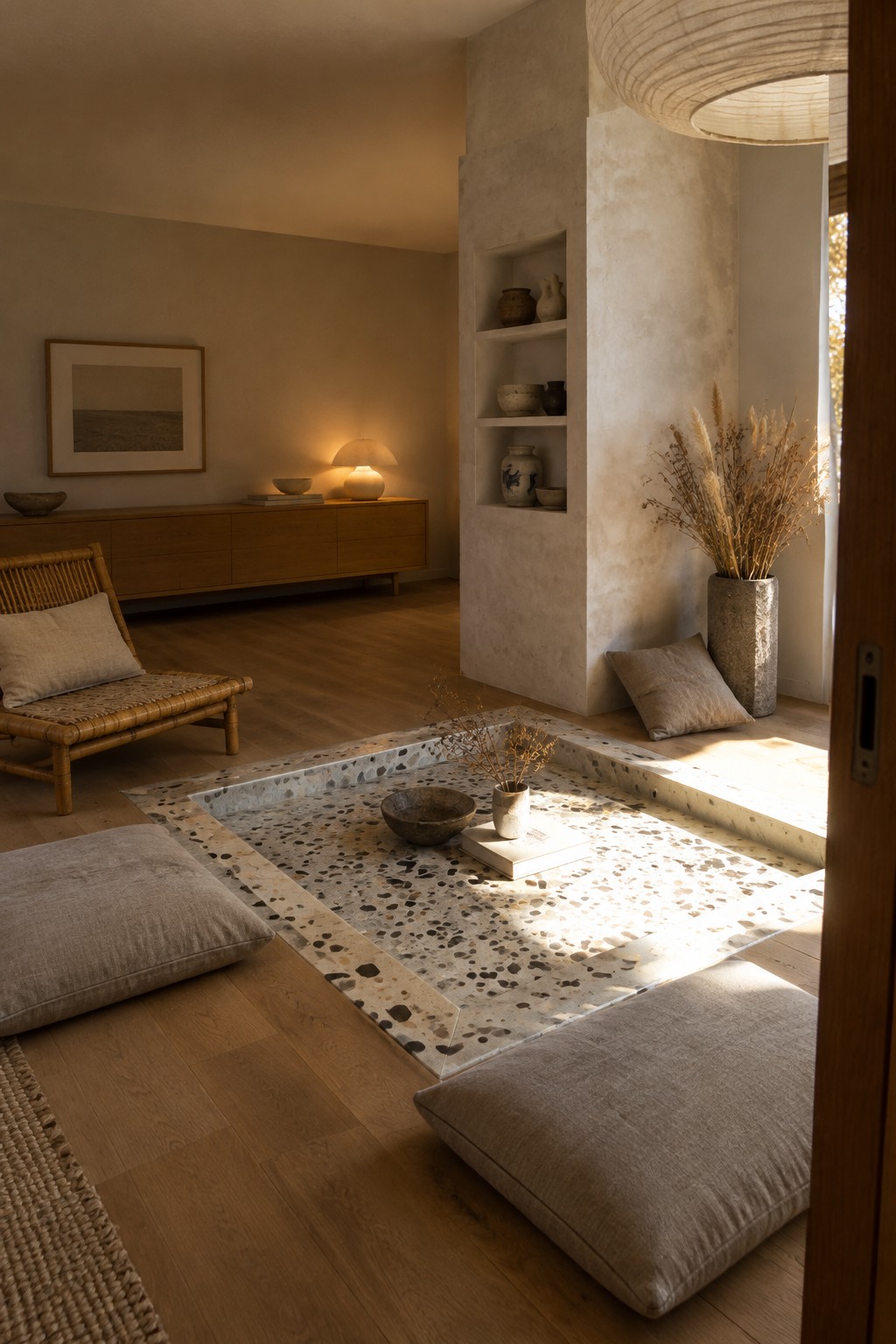
Floor cushions make a living room feel relaxed without requiring a large sofa or a fixed furniture plan. Here, the low cushions keep the seating close to the floor and leave the center open for a simple table.
This approach works well in a smaller room or a casual sitting area where people may want to move things around. Choose firm cushions that hold their shape, and leave enough clear floor space so the layout stays easy to use.
Use a Window Bench for Low Seating

A built-in window bench is a simple way to add low seating without filling the room with another sofa. It keeps the sitting area open and gives the edge of the room a useful purpose.
A bench like this works well beneath a wide window, especially when the space is tight. Add a firm cushion and a few pillows, and keep the seat depth comfortable enough for lounging.
Frequently Asked Questions
Q: How low should the seating be in a Japandi living room?
A: Aim for a seat that feels comfortable to get in and out of, not just one that looks low. Pairing a low sofa with a simple floor cushion or pouf gives you flexible seating without making the room feel crowded.
Q: Can low seating work in a small living room?
A: Yes. Low furniture leaves more open wall space in view, which can make a compact room feel airier. Choose a sofa with a slim frame and keep the surrounding pieces light and minimal.
Q: What kind of coffee table works with a low sofa?
A: Look for a low table that sits close to the seat height, so it’s easy to reach without blocking the view across the room. A simple wood design suits the Japandi feel, while rounded corners help the space feel softer.
Q: How do I make floor seating comfortable for everyday use?
A: Add firm cushions with enough support for longer stretches, and layer a rug underneath to soften the floor. Keep a few extra cushions nearby so guests can settle in without a lot of rearranging.
